
When studying history, people learn about their ancestors, how their language and culture developed, and how their nation contributed to the human experience. The Netherlands, as we know it today, has a relatively short timeline that's nevertheless filled with memorable events. But we still need to know the full Netherlands history timeline and about the people and events that shaped it. That's the exploration this article undertakes.
before 5 000 BC
Various hunter-gatherer artefacts point to early inhabitants
Archaeologists estimate inhabitation as far back as 37 000 years ago
5 000 - 4 000 BC
Agriculture arrives
This marks the beginning of the Linear Pottery Culture (LBK) that restructured prehistoric communities.
57 BC - 410 AD
Roman influence shapes society and government
With architecture and infrastructure, the country becomes a major trading hub.
411 - 1000
Early Middle Ages
Various Germanic peoples take control of the lands
1000 - 1433
High-Late Middle Ages
The rise of city-states and monarchical influence
1433 - 1648
Growing tensions and the Dutch Revolt
The Netherlands gains independence from Hapsburg rule
1588 - 1672
The Dutch Golden Age
A time of artistic, industrial, and commercial expansion
1700s - 1800s
Waning power and declining fortunes
Economic challenges, the Napoleonic Era, and the Dutch monarchy
20th century
Wars, reconstruction, and post-war growth
The changing political landscape, occupation, and social change.


History of the Netherlands to the Late Middle Ages
History is not everything, but it is a starting point.
John Henrik Clarke, historian
That long-ago humans migrated all over the world is established fact. Inevitably, some settled in a particular region while others continued their forward push. We can't know the reasons why but we can speculate: a region that provided enough food, water, and means for shelter would soon have permanent populations.
Archaeologists estimate that the lands now called the Netherlands were settled as far back as 37 000 years ago. Settlements weren't a one-and-done proposition, though. Some people stayed, some moved on, and some did battle for particularly fertile lands.
Around 5 000 BC, agriculture made its way north. These practices made settlements more permanent. From this point, we can trace civilisation's progress.
Romans in the Netherlands
During the Gallic Wars (57 - 53 BC), Julius Caesar's armies saw fit to extend their campaigns west and north of the Rhine River.
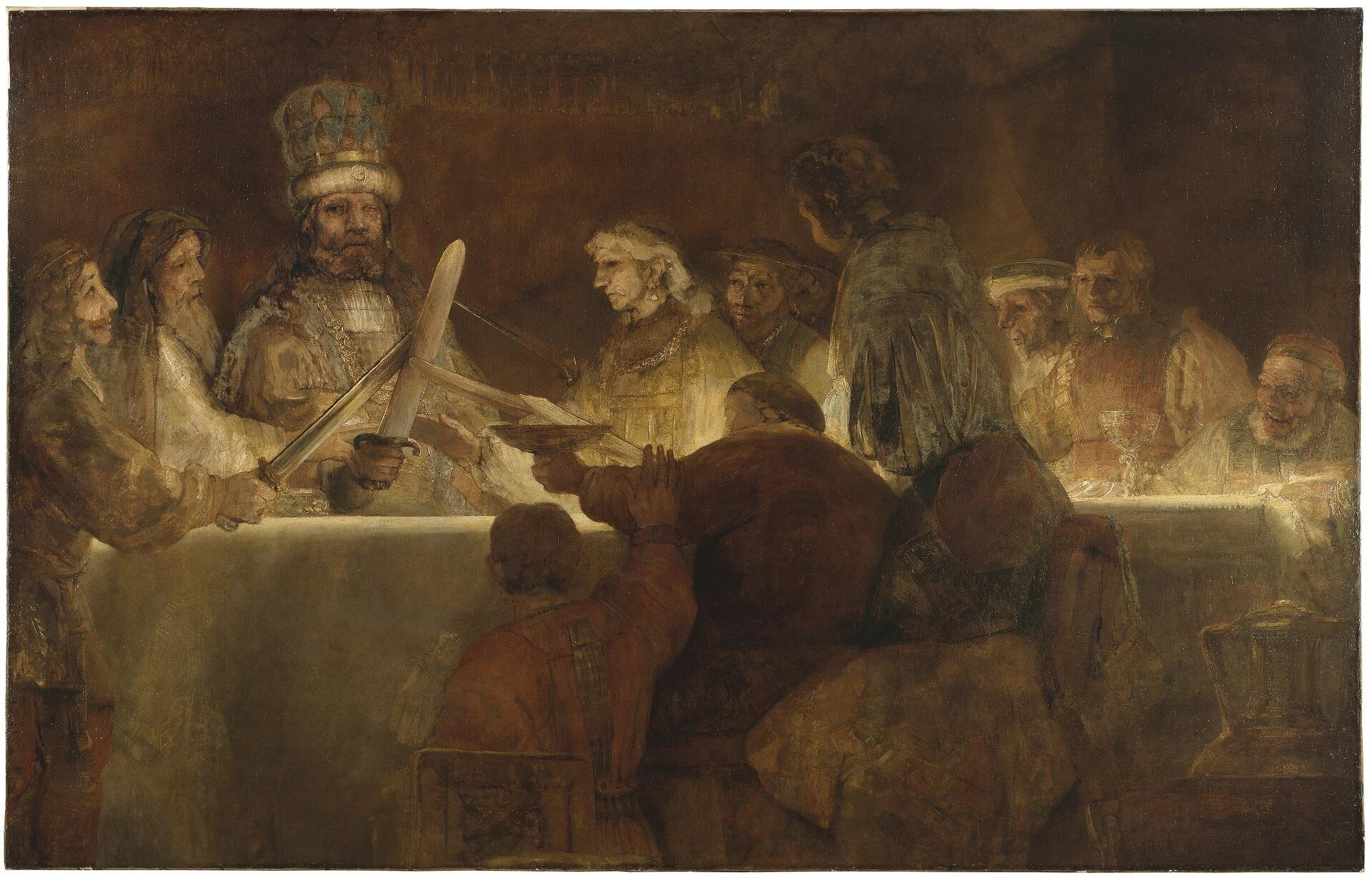
This included Dutch territory, which the Romans folded into their empire.
Dismissing existing social, cultural, and political norms, Romans quickly installed their people in leadership positions. They took over everything from city planning to citizenship initiatives.
That wasn't all bad. After centuries of invasions, changing rulers, and disorganisation, the people finally had a bit of regimentation. Granted, it couldn't have been pleasant being ordered about in your own country. Still, the Dutch people benefited from Roman leadership, especially in these ways:
The Dutch were also left with a template for government that they borrowed from.
The Netherlands During The Early Middle Ages (411-1000)
As the Roman Empire waned, weakened, and eventually collapsed, leadership withdrew from far-flung holdings. This left the country vulnerable to attack from other forces that the Roman presence had been held at bay.
The Franks wasted no time claiming their share of Dutch territories. By 590 of the current era (CE), Clovis I annexed areas of southern Netherlands, making them a part of the Frankish kingdom. In 840, the Frankish (now Carolingian) Empire split, with parts of Netherlands falling to various regional powers.
The language of the Franks evolved into Old Dutch, which influenced Modern Dutch.
Other territories fell to religious rule. As the Catholic Church gained power, its influence stretched across Europe and reached far north.
The Dutch already had some knowledge of Christianity, thanks to the Roman occupation. However, this new brand was far stricter and more demanding.
Also, the people enjoyed somewhat of a relapse into their native beliefs after the Romans left.
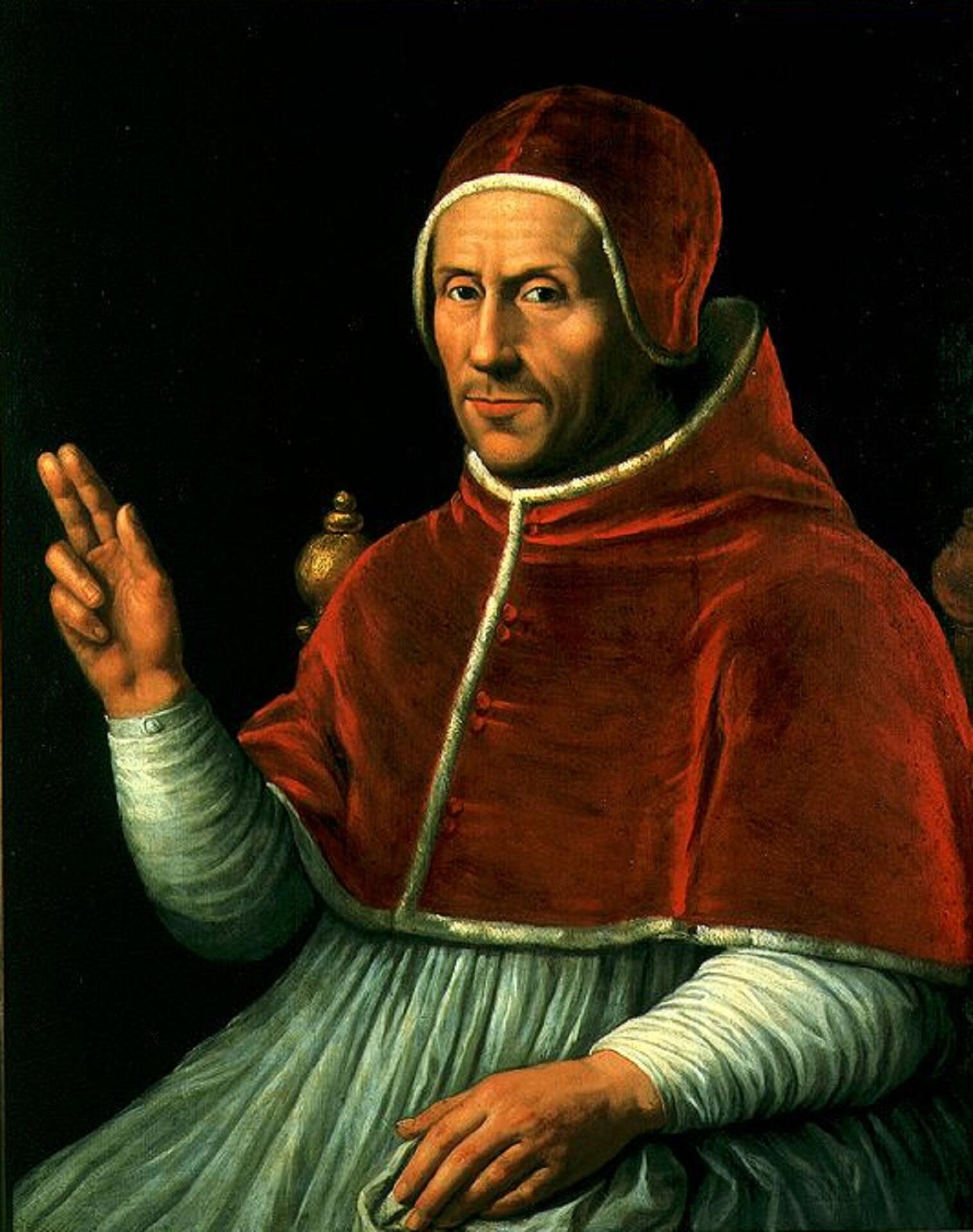
So, having to jump back into organised religion - and accept rule by those who enforced it - proved difficult for some. But not for all, as the Dutch pope Adrian VI proves.
Urban dwellers accepted Catholic rule with varying degrees of welcome but rural folk resisted.
The split became most obvious during the Protestant reformation (early 1500s).
Ultimately, this division split the country in two.
High and Late Middle Ages (1000-1433)
By this time, the Dutch had cobbled out a workable system of civilisation. Urban dwellers, close to the centres of power, grew wealthier while those in outlying areas laid claim to the most land. Shunning external rule (except for Church doctrine), these cities evolved into city-states. Then, they claimed surrounding land for themselves and instilled a system of local governance.
This led to a decentralised political system and a terrible economic condition. To be sure, the Dutch economy was booming, overall. However, these new territorial 'lords' deemed everyone below them serfs.
This state of affairs lasted for centuries but was phased out gradually, finally ending in 1795.
The Burgundian Netherlands
Ultimately, the French House of Valois-Burgundy claimed a collection of those territories, particularly in the Low Countries (today's Belgium, Luxembourg, and parts of the Netherlands). Those rulers liked the fief setup just fine; they were happy to claim for themselves the riches from serfs' labours.
This period ended when French Duke Charles the Bold died (in battle, in 1477). His daughter inherited his holdings, which passed to her husband, Archduke Maximilian of Austria upon her death (in 1482). The Archduke then ushered in the era of Habsburg rule in the Netherlands.
1433 - 1648: the Habsburg Era and the Dutch Revolt
The most exciting moments in Dutch History began in the 1500s. In this time bracket, many events shaped Dutch history.
As the Dutch people revolted against the Spanish Hapsburgs, they moved north, establishing their independence in 1581, with the Act of Abjuration.
In 1556, after the Spanish king Charles V died, the Low Countries (17 provinces) were passed to his son, King Philip II. A few years later, the Duke of Alba became the guardian of these Netherlands. During this time there was a lot of pressure for people in the provinces to adopt Catholicism.
However, many Dutch people were embracing the new Protestant religion; they began rebelling against the Spanish. The conflicts devolved into outright war - the Eighty Years' War, which resulted in Dutch independence.
In 1579, several Dutch cities and provinces formed an alliance to resist Spanish rule.
This treaty was the first step towards becoming an independent Dutch Republic. In 1581 the Dutch officially declared their independence from Spain.
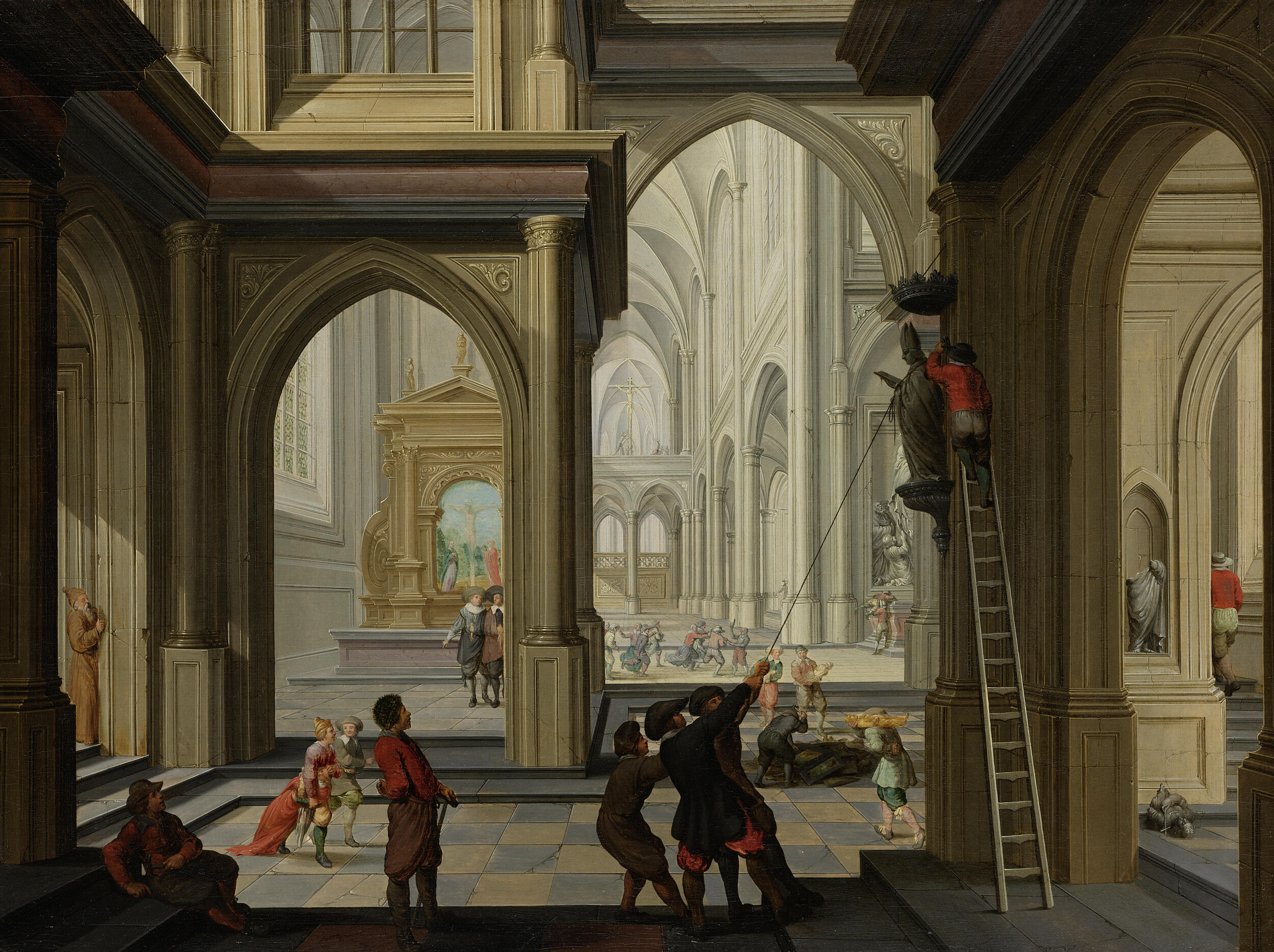
The Dutch Republic
Even though the Dutch declared their independence from Spain in 1581, the Spanish Hapsburgs did not recognize this fact until 1648.
In 1648, Spain signed this treaty, granting the Dutch Republic formal recognition.
It was one of two treaties making up the Peace of Westphalia agreements.
This peace treaty also marked the end of the Eighty Years' War (and the Thirty Years' War, too). After gaining its independence, the Dutch Republic comprised Holland, Zeeland, Groningen, Friesland, Utrecht, Overijssel and Gelderland.
Each province had a representative in the government, per the Roman model. The Dutch Republic experienced great economic growth during this time, a time known as the Dutch Golden Age.
Dutch history books call the year 1672 rampjaar, literally 'disaster year', because the republic suffered invasions from three countries.
The French, British, and Germans took turns assaulting the weakened nation. These actions brought about the end of the Dutch Golden Age, and reduced its status as a maritime, military, and commercial power.
The Dutch Golden Age
Due to the economic growth during this era, the Netherlands enjoyed an explosion of artistic creativity, scientific discovery, and commercial expansion.
Economic Prosperity
In fact, it was during this time that the world saw its first stock exchange, as well as its first central bank. These financial institutions made possible one of the most disastrous events in financial (and Dutch) history.
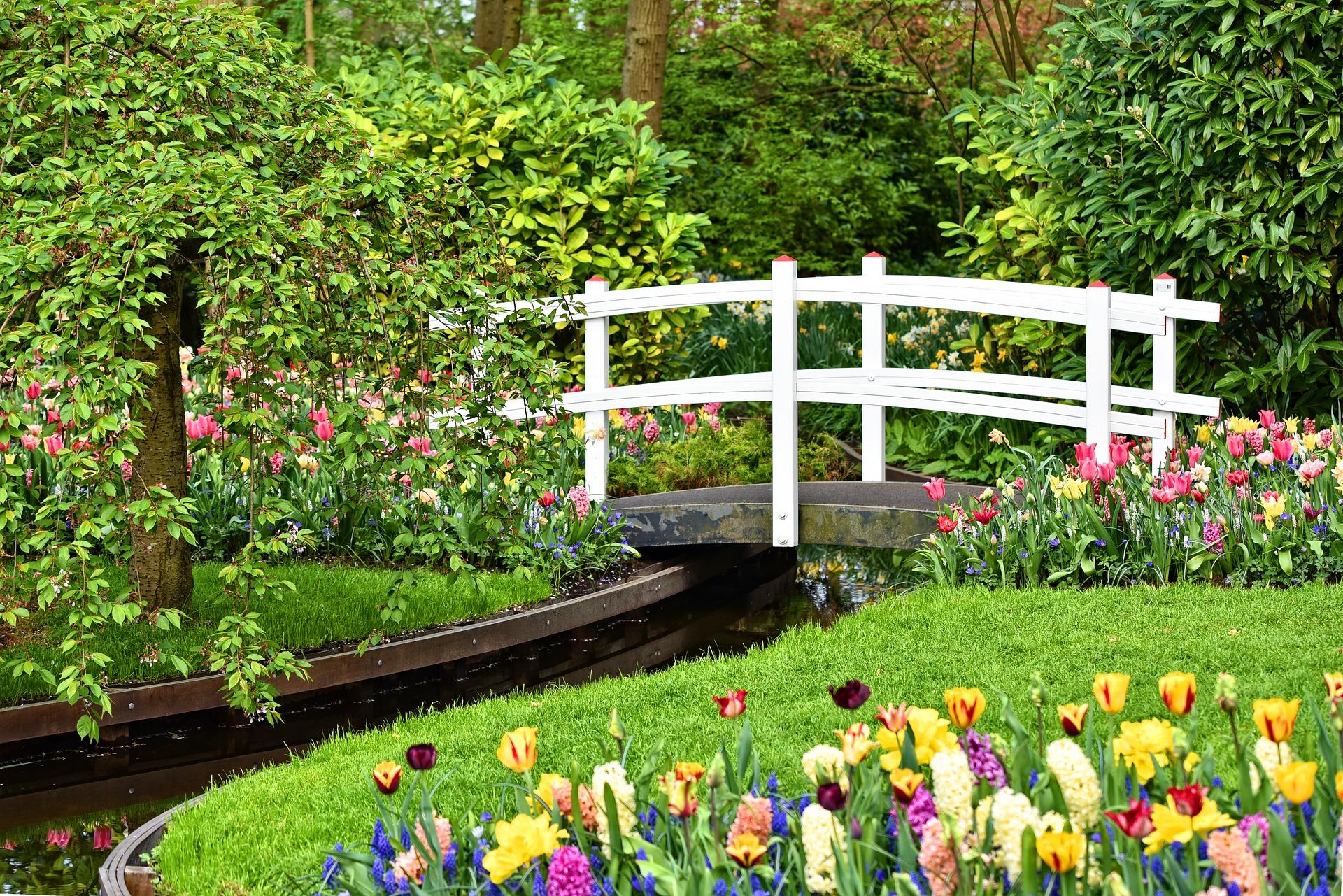
Between 1634 and 1637, the craving for status symbols led to market speculation over tulips.
Tulip bulbs, imported from Ottoman Empire territories, grew well in Netherlands soil. Their distinctive, rich colouring made them highly sought-after. The limited supply turned them into must-have luxury items.
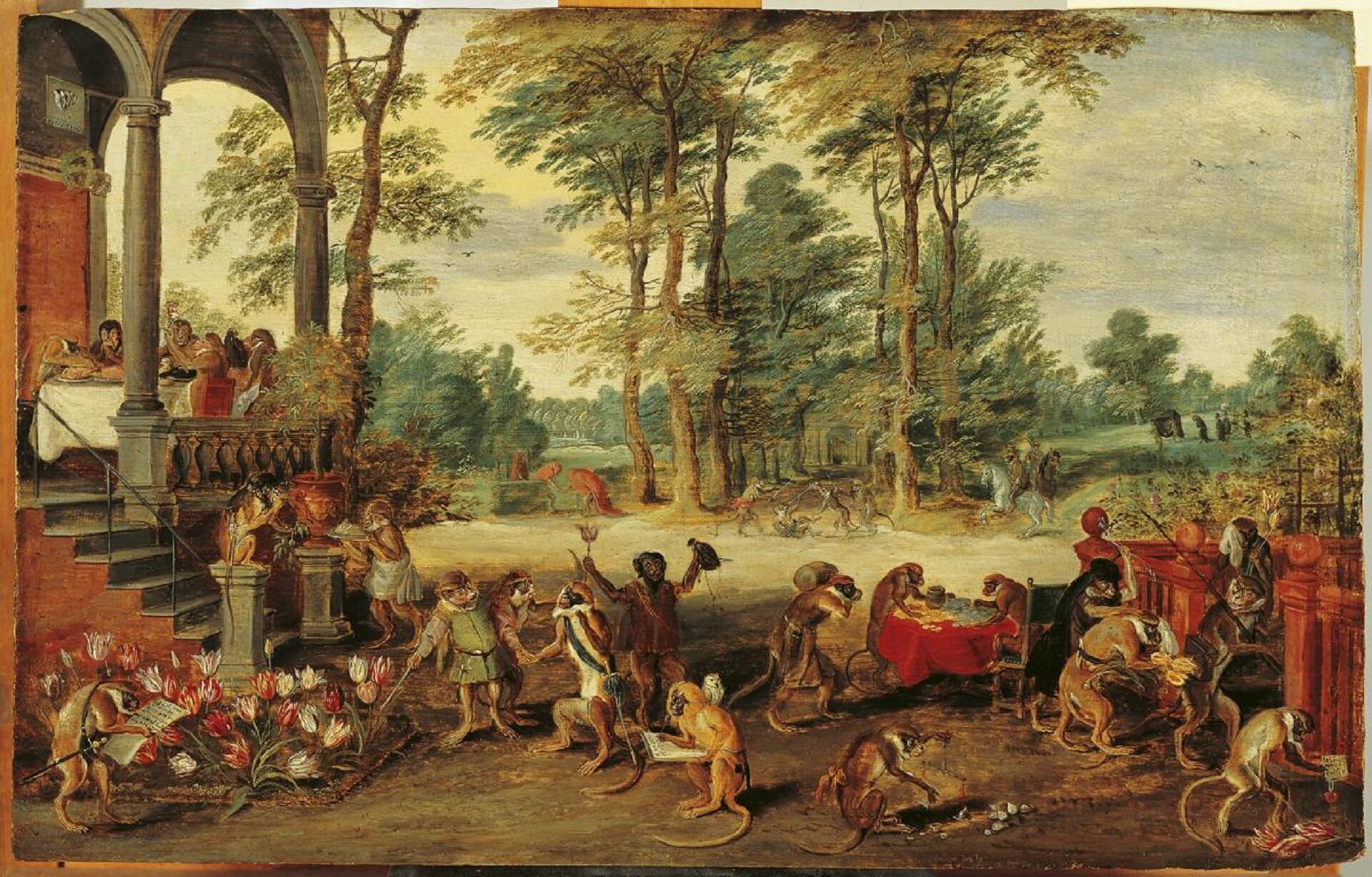
Soon, merchants were going out of their way to ensure prosperity and renown through tulip imports and sales. The newly-formed Amsterdam Stock exchange traded in tulip futures with no apparent concern that one bad harvest could bankrupt thousands.
Today, we recognise Tulip Mania as the world's first speculative financial bubble. We hold it up as a metaphor to describe any modern-day economic bubble.
Cultural Flourishing in Netherlands History
The pursuit of status wasn't the only indicator that signalled cultural shifts in the Netherlands during this time.
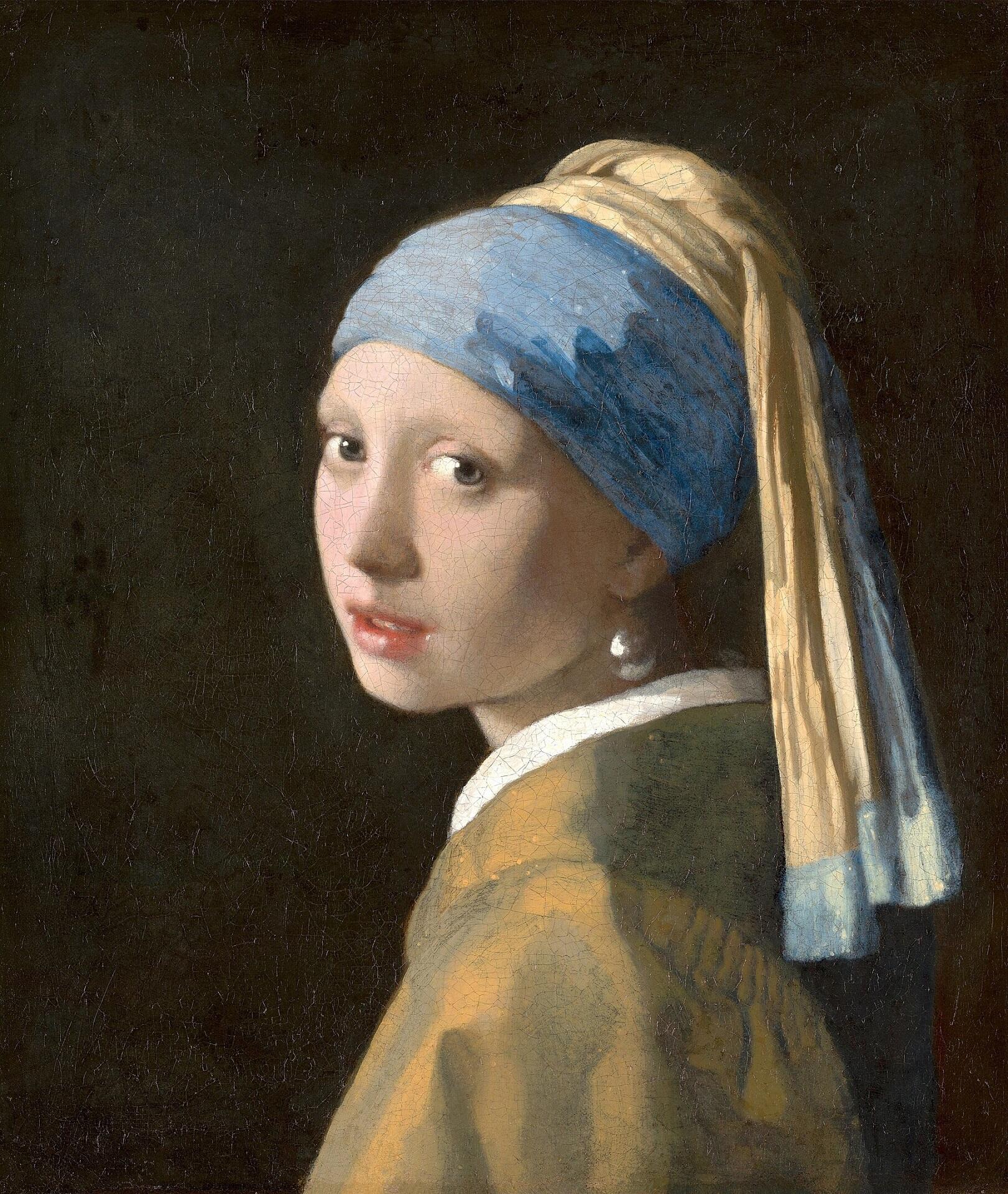
Literary and artistic endeavours took centre stage, with painters like Rembrandt and Vermeer claiming the highest fees for their work.
Freed from Catholic mandates to paint religious scenes, artists painted an array of subjects, from portraits to still lifes and landscapes.
No writer illustrated the clash between religious mandate and artistic expression better than Joost van den Vondel. His Lucifer and Jeptha, popular in his day, still stands as one of the finest examples of satire in literature.
Despite rebelling against the Catholic faith, the independent Dutch were not anti-religion. In fact, translating the Bible into Dutch helped standardise and solidify the Dutch language. Published in 1647, this Statenvertalig drew on prose from (Belgian theologian) Marnix of St. Aldegonde, among other influences.
The Dutch Golden Age didn't just enrich the Dutch culture and people. It gave the world a trove of artistic, scientific, and economic marvels that shape our world still today.
Netherlands History Facts: Decline and Modernisation
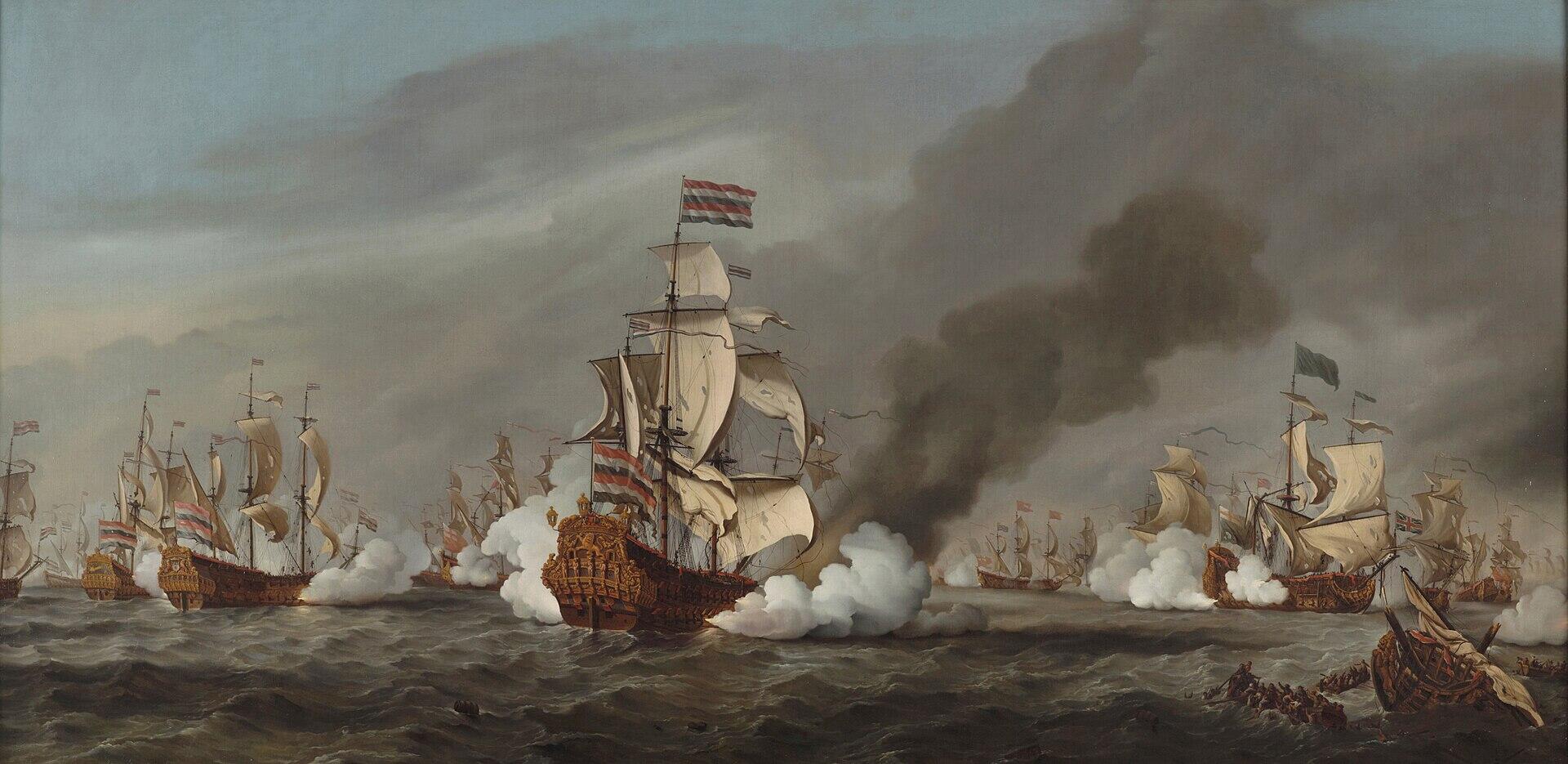
The Franco-Dutch War, started in 1672, ended the Dutch Golden Age. Fighting broke out only in part because the French had grown frustrated with the Dutch. What really angered the French was Dutch interference in France's expansion and economic plans.
The Franco-Dutch war lasted six years, until 1678. The Britons and Germans soon joined in, if only for a short while. This left the Dutch fighting three enemies at once. The trouble was, it had neither the military nor the economic power to see these battles through.
Louis XIV failed to destroy the Dutch Republic and in conquering the Spanish Netherlands.
Peace took two years to negotiate (1676-78).
In the end, none of the warring parties benefited from this conflict. The Dutch averted the disaster the war might have brought thanks to its advantageous location and economic position. Still, the country saw a decline in fortunes as neighbouring nations claimed their share of maritime trade.
Becoming a Kingdom
Despite the treaty signed in Nijmegen, the French weren't done being sour on the Netherlands. The feeling was mutual. As the Dutch people speculated on news of a French Revolution, the French army invaded. It overthrew local governments, and proclaimed the Batavian Republic.
It lasted just over 10 years, from 1795 to 1806. Napoleon replaced the leadership, made the Netherlands a kingdom, and installed his brother as ruler.
This newly-minted king was happy to cross his benefactor in favour of his subjects. In response, Napoleon forced his abdication and folded the country into the French Empire. That didn't work so well, as said empire became overstretched.
Lots of quiet scheming undermined Napoleonic structures. In 1815, at the Congress of Vienna, native son William Frederick proclaimed the Netherlands a kingdom and claimed the throne for himself. He had the backing of all the powers that had gathered for the Congress.
Netherlands History Timeline: Wars and Reconstruction
After all the political turmoil, it took some time for the Netherlands to get back on its feet. It did not immediately join the Industrial Revolution, nor did it develop as quickly as its neighbours did. For that, a massive immigration effort was needed, far beyond historical population counts.
| 📆Year | 👨👩👧👧Est. population counts |
|---|---|
| 1100 | 369 000 |
| 1300 | 881 000 |
| 1500 | 1 090 000 |
| 1600 | 1 540 000 |
| 1700 | 2 000 000 |
| 1800 | 2 000 000 |
| 📆Year | 👨👩👧👧Est. population counts |
|---|---|
| 1900 | 5 104 000 |
| 1910 | 5 858 000 |
| 1920 | 6 754 000 |
| 1930 | 7 825 000 |
| 1940 | 8 834 000 |
| 1950 | 10 026 773 |
Indeed, most of the time between becoming a kingdom and the First World War was spent rebuilding government structures and establishing social norms - religion, education, and industrial capacity. Just as the population grew and the country was getting up to speed, misfortune struck again.
The First World War
The Netherlands was quick to declare its neutrality. Nevertheless, due to its geographical location - and thanks to its neutrality, it became a hub of espionage.
The exotic dancer, Mata Hari, was accused of spying for the Germans.
She was shot by a firing squad in France in 1917.
The irony was that France enlisted this 'spy' (real name: Margaretha Geertruida MacLeod) to work for them. As a citizen of a neutral country, she could cross borders unmolested, and who would suspect a woman?
In fact, three nations attempted to enlist her services as a spy. In the end, French and British intelligence services could produce no evidence that she had, in fact, spied for Germany. The French convicted her anyway.
The Second World War
Despite declaring neutrality, Dutch involvement in the Second World War became necessary. In May 1940, German forces bombed the city of Rotterdam. The day after the "Rotterdam Blitz", the Netherlands surrendered.
The Royal Family and government fled to England. For the duration of the war, the Netherlands remained under Nazi control. So things remained until 1944, when the First Canadian Army liberated the country.
Post-war Netherlands experienced an unprecedented economic boom.
Postwar Economic Growth and Social Change
The Under the government of Willem Drees (1948-58) and these famous Dutch citizens, the Dutch government instituted social programmes to protect citizens. Immigration was encouraged, which powered the country's economic and industrial engines, while building a racially tolerant society.
In the 1960s and 1970s, citizens fought for more social changes, such as legal abortion and equal pay. In time, these too became a part of the Dutch social fabric, making the Netherlands a very liberal country.
Nevertheless, liberal laws and social benefits do not equate perfection. By the early 2000s, the Netherlands suffered two political assassinations, which left the country in shock. These murders sparked debate about immigration policies, freedom of speech, and Islamic extremism.
Summarise with AI:
Did you like this article? Leave a rating!


 Loading...