
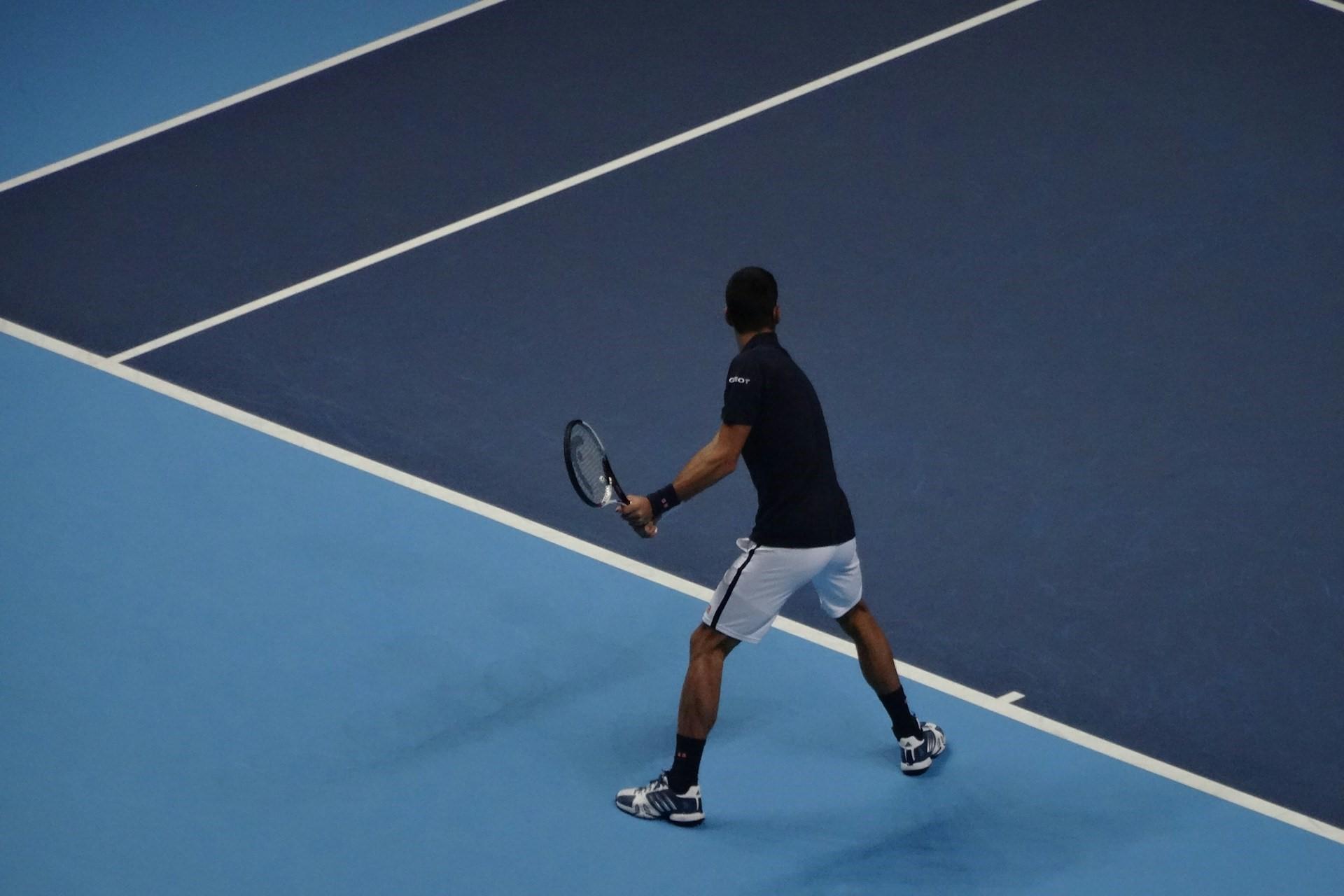

The Australian Open is one of the world's best tennis tournaments. It's held every year in January at Melbourne Park, making it the first Grand Slam event of the professional tennis calendar. Many competitive players work with a tennis coach to enhance their performance.
With a history spanning twelve decades, the Australian Open has many interesting facts, from the players who've participated and their record-breaking achievements to the event and how it has changed over the years.
Here are 15 curiosities about one of the world's greatest tennis tournaments.


The Australian Open Began in 1905
The blue hard court surface and technology mightn't make the Australian Open feel like one of the world's oldest tennis tournaments. Still, it boasts a long and storied history.
It initially began in 1905 and was known as the Australasian Championships. The very first version of the tournament was at the Warehouseman's Cricket Ground in Melbourne, featured 17 players, and was played on grass courts. Rodney Heath was the first men's singles champion.
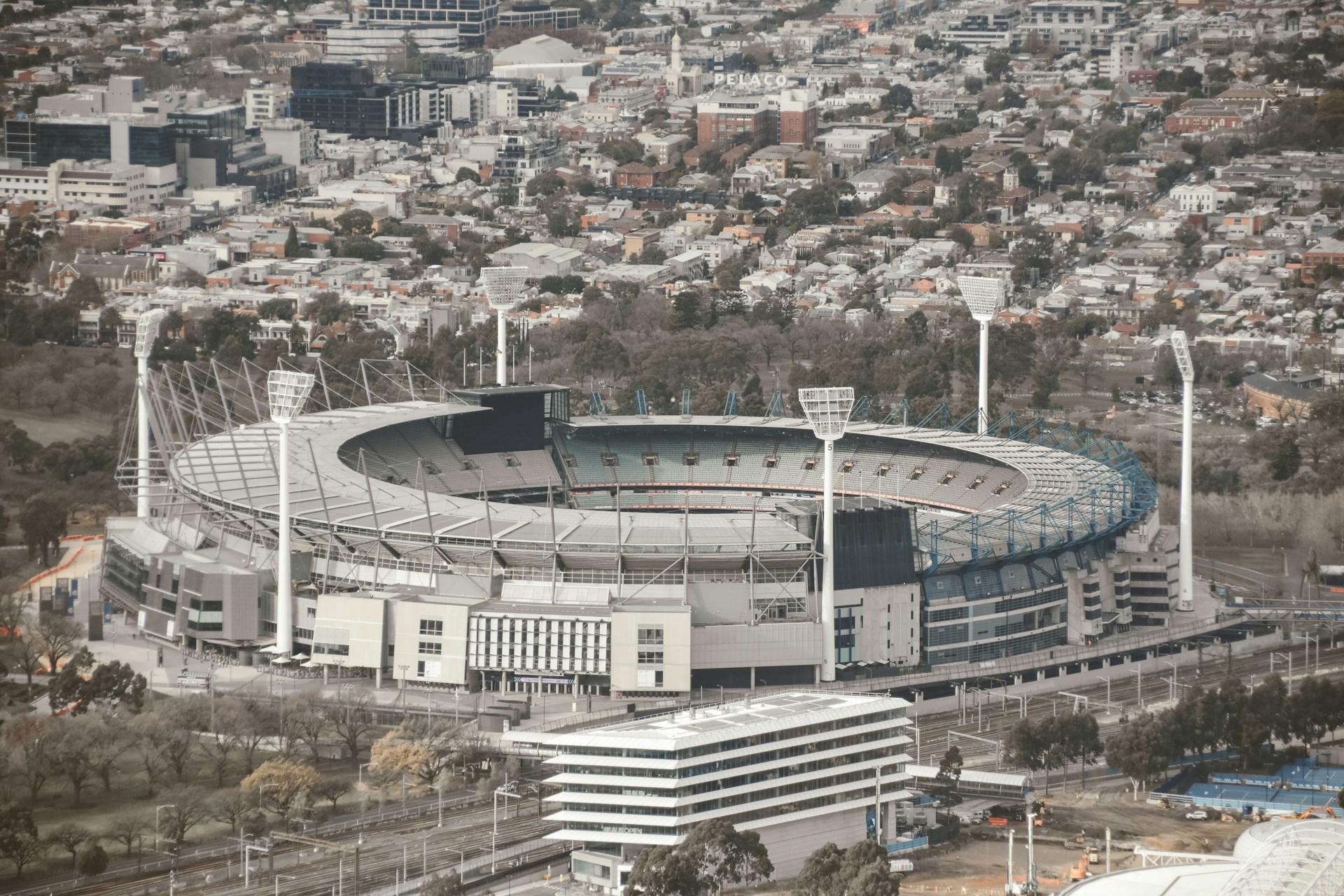
The Australasian Championships became the Australian Championships in 1927, and in 1969, they became the Australian Open as the Open Era began.
Multiple Cities Hosted the Tournament in Its Early Days
Wimbledon, officially the Wimbledon Championships, is the only Grand Slam tennis event to have been held at the same place throughout its history.
Roland Garros, the French Open, has predominantly been held in Paris. It was in Bordeaux for one year, but it famously takes its name from the stadium it has called home since 1927.
The US Open started in Newport, Rhode Island, and lasted for decades. Afterwards, it moved to New York and was at the West Side Tennis Club from 1915 to 1977. Since 1978, it has been at its current location in Flushing Meadows, New York.
In its early years, however, the Australian Open was held in a different city almost every year. Events occurred in Melbourne, Sydney, Brisbane, Adelaide, Hobart, Perth, and Christchurch, New Zealand.
The Last Australian Singles Champions
While many tennis fans love Grand Slam tournaments for the high quality of tennis on display, many of us also love the idea of a hometown or at least a national hero going on to win the event.
The US Open can boast American winners for both men's and women's singles tournaments this century with Andy Roddick and Serena Williams.
Wimbledon saw Andy Murray win the men's singles in 2016, but a British women's singles winner has not been seen since 1977.
Mary Pierce won Roland Garros in 2000, and Yannick Noah was the last Frenchman to win the men's singles in 1983.
The Australian Open hasn't seen an Australian win the men's singles since 1976 when Mark Edmondson beat John Newcombe.
However, very recently, Ashleigh Barty's 2022 victory ended a 44-year drought for Australian women at the tournament. She beat Danielle Collins in the final (6-3, 7-6).
The Tournament's Surface Changed in 1988
As mentioned, the tournament has been hosted in many different places before settling on its home in Melbourne.
It was also played on grass courts for most of its history before changing to hard courts in the late 1980s, which allowed for different playing styles and an iconic look.

The surface helped bring in more international participation. While Rebound Ace was initially used, the surface was changed to blue Plexicushion, which offers a faster and more consistent playing experience.
The First Grand Slam with a Retractable Roof
With decades of history, every one of the grand slams will boast about heritage and history, but the Australian Open has always been one of innovation.
In 1988, Rod Laver Arena at Melbourne Park became the first-ever stadium in a Grand Slam tournament to feature a retractable roof.
This innovation meant that matches could continue in extreme heat or rain, problems that had plagued the tournament in other years and at other locations.
Margaret Court Arena and John Cain Arena also received retractable roofs, making the Australian Open the only Grand Slam with three stadiums like this.
Record-Breaking Attendance
The Australian Open, which takes place in January each year, is one of the few sporting events that boasted a record attendance in 2020.

Over 800,000 fans attended over the two weeks, surpassing the US Open and Wimbledon, Grand Slams that regularly boast incredible attendances.
However, in 2024, the record was smashed again in 2024 with over 1,000,000 people attending the event.
fans attended the Australian Open.
Novak Djokovic's Dominance
Though Novak Djokovic is a highly decorated tennis star who's won many Grand Slams, he's most at home at the Australian Open. The Serbian tennis star won the men's singles title ten times between 2008 and 2023.
Thanks to his ability to perform consistently on hard courts and in the hot conditions of Melbourne, he's set a record that's unlikely to be broken anytime soon.
Youngest and Oldest Champions
The Australian Open produces some great and surprising tennis, with players, both young and not-so-young, finding ways to come out on top. When Martina Hingis won the women's title in 1997, she was just 16 years and 3 months old.
Conversely, Ken Rosewall won the men's singles title in 1972 at the age of 37 and two months. If Novak Djokovic can win the 2025 event, he'll hold the record for the oldest winner and extend his record for most titles.
The Longest Grand Slam Final
It seems like Djokovic collects records for fun, especially at the Australian Open. The 2012 men's singles final between Novak Djokovic and Rafael Nadal holds the record for the longest Grand Slam final ever.
This epic display of tennis lasted 5 hours and 53 minutes, with Djokovic winning in five sets (5-7, 6-4, 6-2, 6-7, 7-5).
You can watch this incredible final in full here.
Extreme Heat Policy
Melbourne can get hot in January, so the Australian Open has an Extreme Heat Policy (EHP) to protect players.
The Heat Stress Scale (HSS), introduced in 2019, is a 5-point scale that measures the impact of heat on players, considering temperature, humidity, wind speed, and radiant heat.
1
Low
Normal playing conditions.
2
Moderate
Precautionary hydration and cooling measures advised.
3
High
Extra breaks between sets permitted.
4
Very High
Suspension of play may occur for junior and wheelchair events.
5
Extreme
Play may be suspended on all outdoor courts, and the roofs on Rod Laver Arena, Margaret Court Arena, and John Cain Arena may be closed.
If the HSS reaches level 5, the following actions need to be taken:
Play is suspended until conditions improve.
Retractable roofs are closed on Rod Laver Arena, Margaret Court Arena, and John Cain Arena to allow play to continue indoors.
Typically paused earlier, as these categories are considered more vulnerable to extreme heat.
There are also player cooling and recovery measures:
- Extended Breaks: Players in singles matches are allowed a 10-minute break after the second set for women and after the third set for men when the HSS reaches a high level.
- Ice Towels: Available courtside to help players cool down during changeovers.
- Cooling Stations: Equipped with fans, shade, and misting systems around Melbourne Park.
- Hydration Support: Encouragement of frequent hydration with electrolyte drinks and water.
The First Tournament of the Year
The Australian Open is famously the first Grand Slam of the tennis calendar.
It sets the stage for the Grand Slam season and is followed by the French Open, Wimbledon, and the US Open.
Prize Money Increases
With the total prize pool increasing to a record $86.5 million and the men's and women's singles champions receiving $3.15 million, the Australian Open is one of the most lucrative Grand Slam tournaments.
in the prize pool for the Australian Open.
First Mixed Doubles Winner
The Australian Open held its first mixed doubles event in 1922, which Esna Boyd and Jack Hawkes won. The event is still played today.
The Norman Brookes Challenge Cup and Daphne Akhurst Memorial Cup
At the Australian Open, the men's singles winner is given the Norman Brookes Challenge Cup, named after the legendary Australian tennis player and former champion.
The women's singles champion is given the Daphne Akhurst Memorial Cup, whose namesake was a five-time Australian Open champion during the 1920s.
Known as the “Happy Slam”
The tournament's relaxed atmosphere, excellent facilities, and warm hospitality in Melbourne have earned it the affectionate nickname "Happy Slam," a term famously coined by Roger Federer.
It’s more than just a tournament; it’s a big celebration with amazing matches and a laid-back energy that’s hard to beat. If you ever get the chance to go, don’t miss it—it’s a must-see experience for tennis fans and travellers alike.
If you are interested in finding tennis lessons in your city but do not know where to start, Superprof is a platform that connects students with local coaches. If you live in Sydney, for example, just type in "tennis coaching sydney" followed by "superprof," and you will have access to an array of tennis instructors in your area. Visit Superprof and start improving your tennis skills today!
Summarise with AI:
Did you like this article? Leave a rating!

 Loading...
