
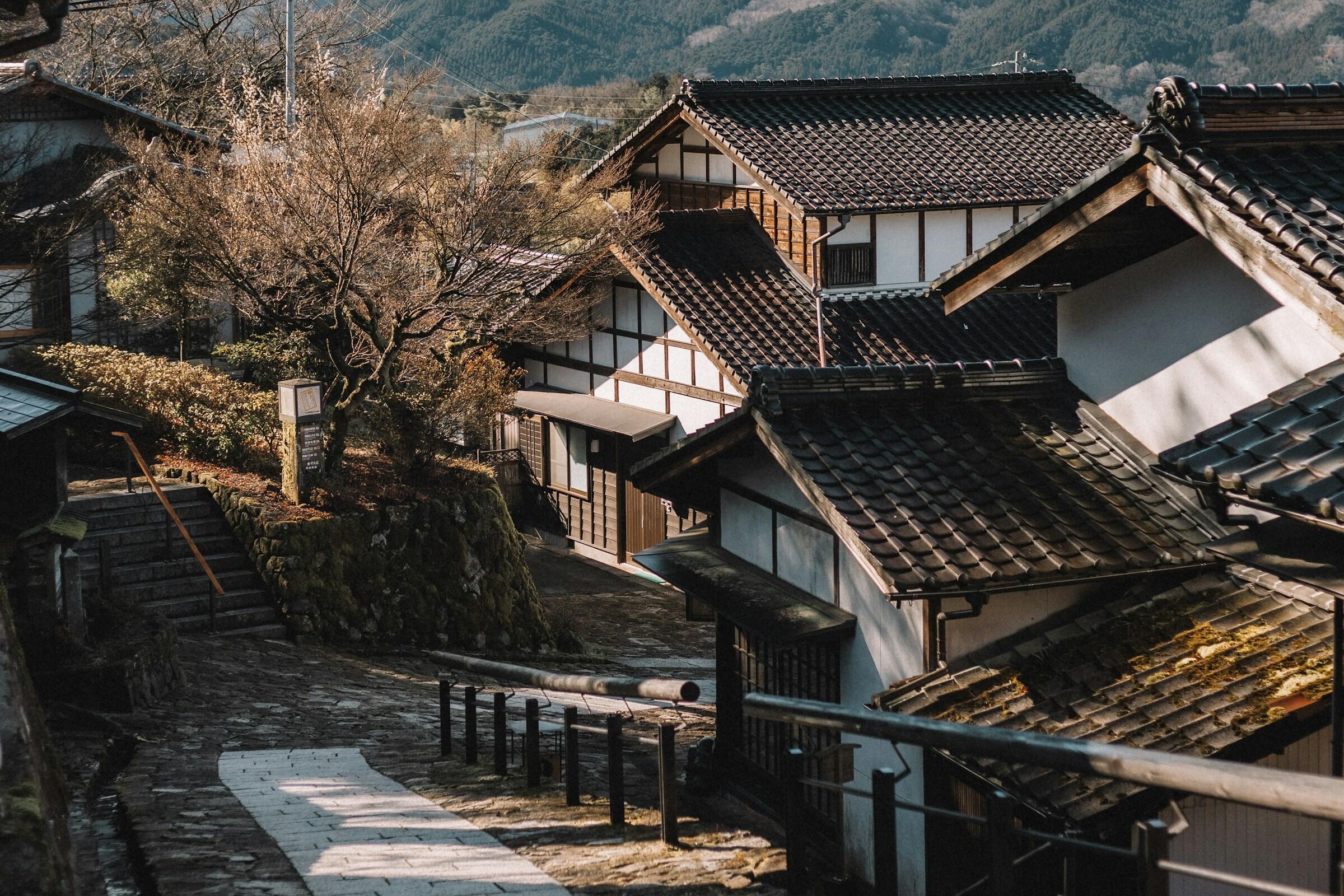

From classical Japanese art like Kabuki to modern-day anime, Japanese fare takes the lead among the world’s best films. Studio Ghibli, a powerhouse in animation, produces movies the most famous Japanese films have a hard time contending with. That's not to discount human acting efforts, and the stories they deliver. This list gives us 15 non-anime film titles from Japan.
| 🎦Film title | 🍿Genre | 📅Release year | 🎬Director |
|---|---|---|---|
| Rashomon | Historical drama | 1950 | Akira Kurosawa |
| Tokyo Story | Slice of life | 1953 | Yasujiro Ozu |
| Godzilla | Fantasy | 1954 | Ishiro Honda |
| Seven Samurai | Historical drama | 1954 | Akira Kurosawa |
| The Hidden Fortress | Historical drama | 1958 | Akira Kurosawa |
| Yojimbo | Historical drama | 1961 | Akira Kurosawa |
| Hara-kiri | Historical drama | 1962 | Masaki Kobayash |
| Hana-bi | Drama | 1997 | Takeshi Kitano |
| Ring | Horror | 1998 | Hideo Nakata |
| Battle Royale | Horror | 2000 | Kinji Fukasaku |
| Shoplifters | Slice of life | 2018 | Hirokazu Kora-eda |
| Your Eyes Tell | Romance | 2020 | Takahiro Miki |
| Drive My Car | Drama | 2021 | Ryusuke Hamaguchi |
| Ride or Die | Psychological thriller | 2021 | Ryuichi Hiroki |
| Monster | Psychological thriller | 2023 | Hirokazu Kore-eda |


Rashomon - 1950
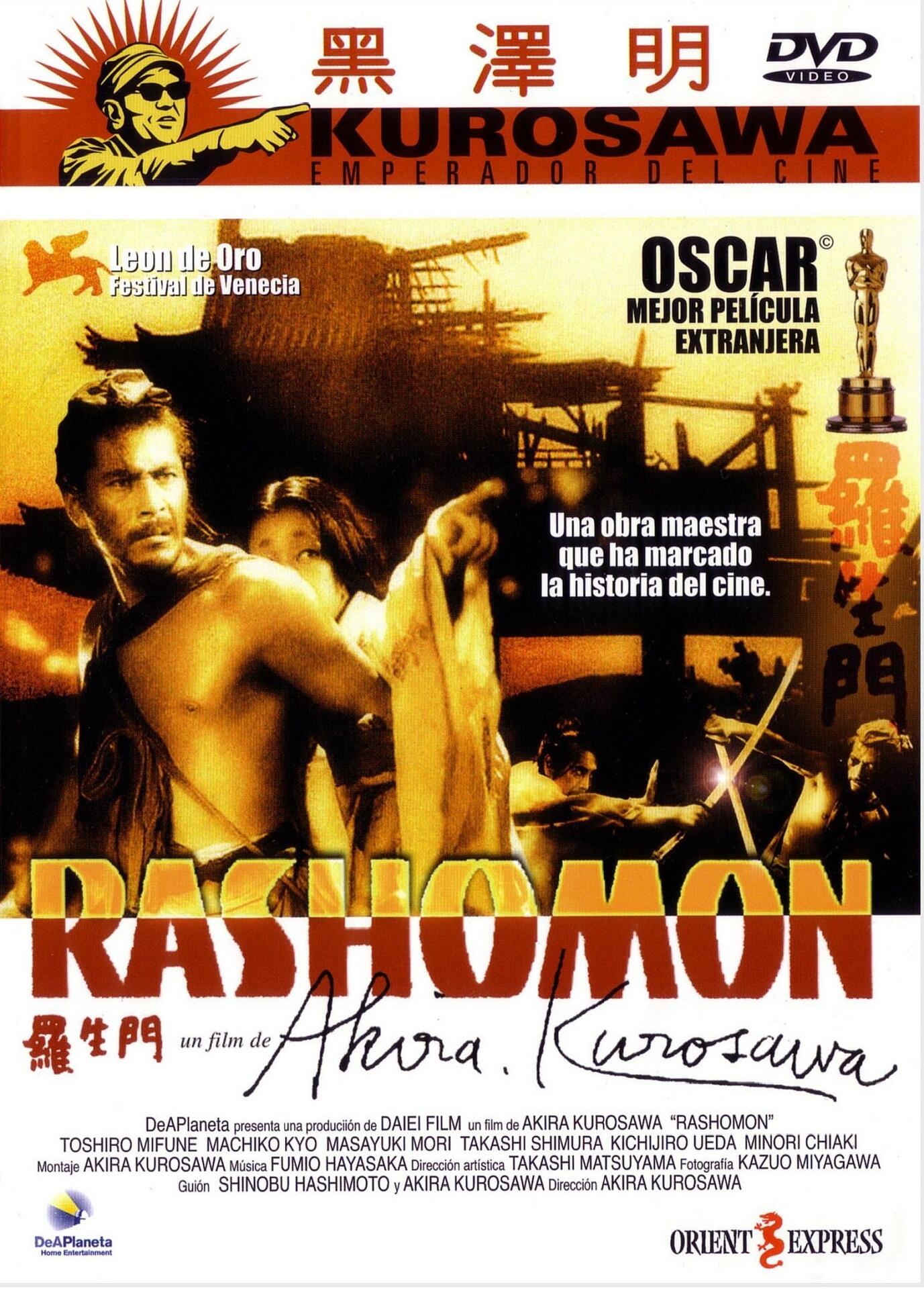
The same event, described by five different people. Each has a different take on it, and each hopes for a different outcome. Rashomon is a tale of lost and refound hope, the resilience of the human spirit, and the desire for more than one's lot in life.
This is one of the world's most famous and influential films, with many hailing it as one of the greatest films ever made. It was the first Japanese film to earn international recognition, after its Venice Film Festival win.
Rashomon rocketed the Japanese media industry onto the international stage.
Akira Kurosawa was Japan's most famous, and most prolific film director of the post-war era.
He is among the greatest, and most influential filmmakers in the history of cinema.
Today, we define the Rashomon Effect as: films that feature contradicting narratives, told by different characters, all describing the same event.
Tokyo Story - 1953
This film tells the story of old folks who go on a trip to visit their children in Tokyo. Once they arrive, they find that their children are too busy to actually spend time with them. The parents bounce from house to house, finding mostly impatient attention and little regard.
Illness coincides with the end of the visit. Returning home, the elderly couple struggles to deal with the mother's sickness, and to make sense of the cold reception they got.
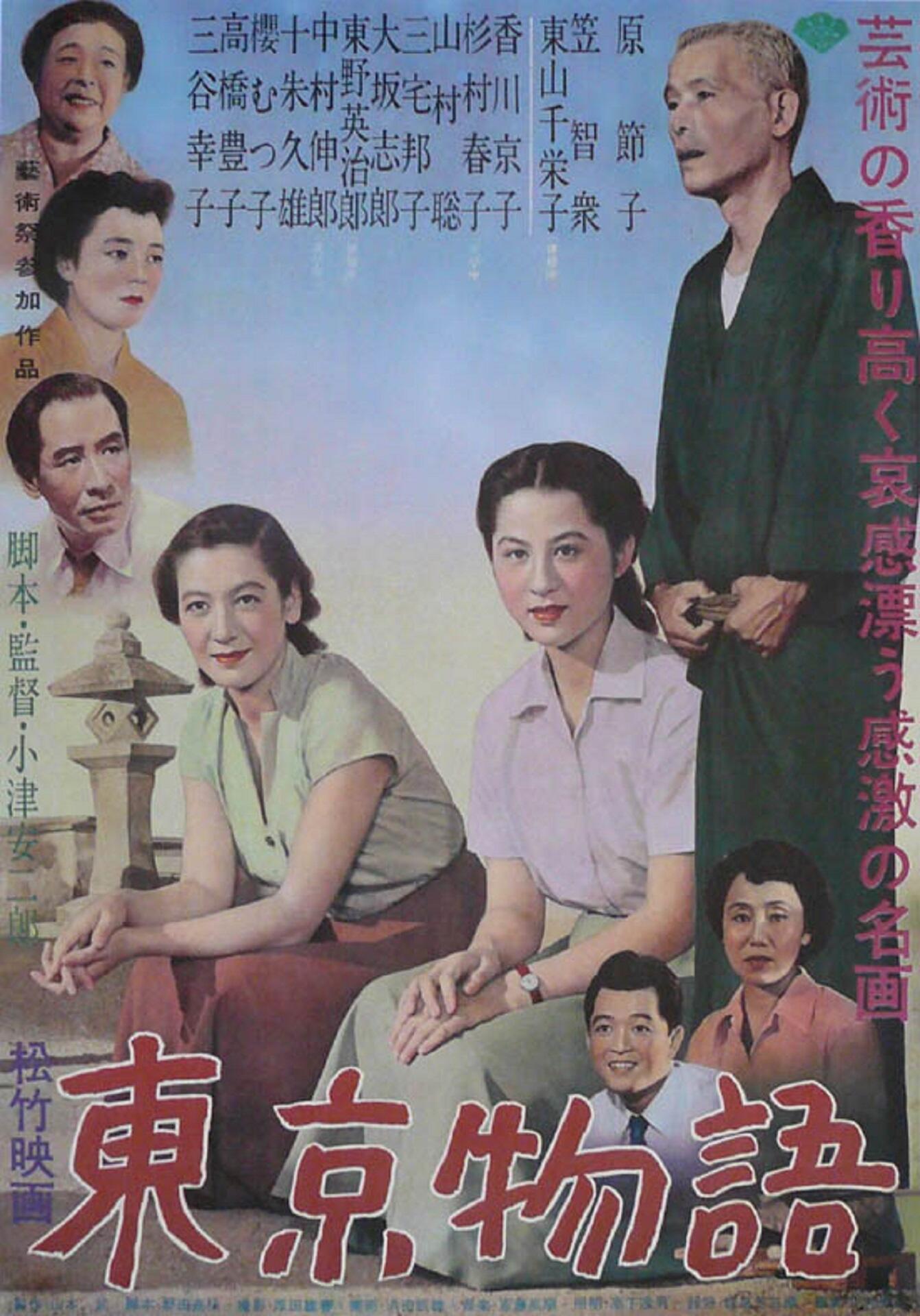
Later, after the matriarch's funeral, the children rush back to their lives, leaving their father more alone than ever. This film emphasises the breakdown of the traditional Japanese society. It received criticism upon its release, for being reactionary about the tradition of showing respect for one’s ancestors.
Godzilla 1954
So renowned is the Godzilla story that this film hardly needs a synopsis. In fact, we can sum it up in one sentence. A giant misunderstood dinosaur ravages a city and goes from being a monster to a hero. Besides, watching a clip is far more engaging than any written description.
Seven Samurai - 1954
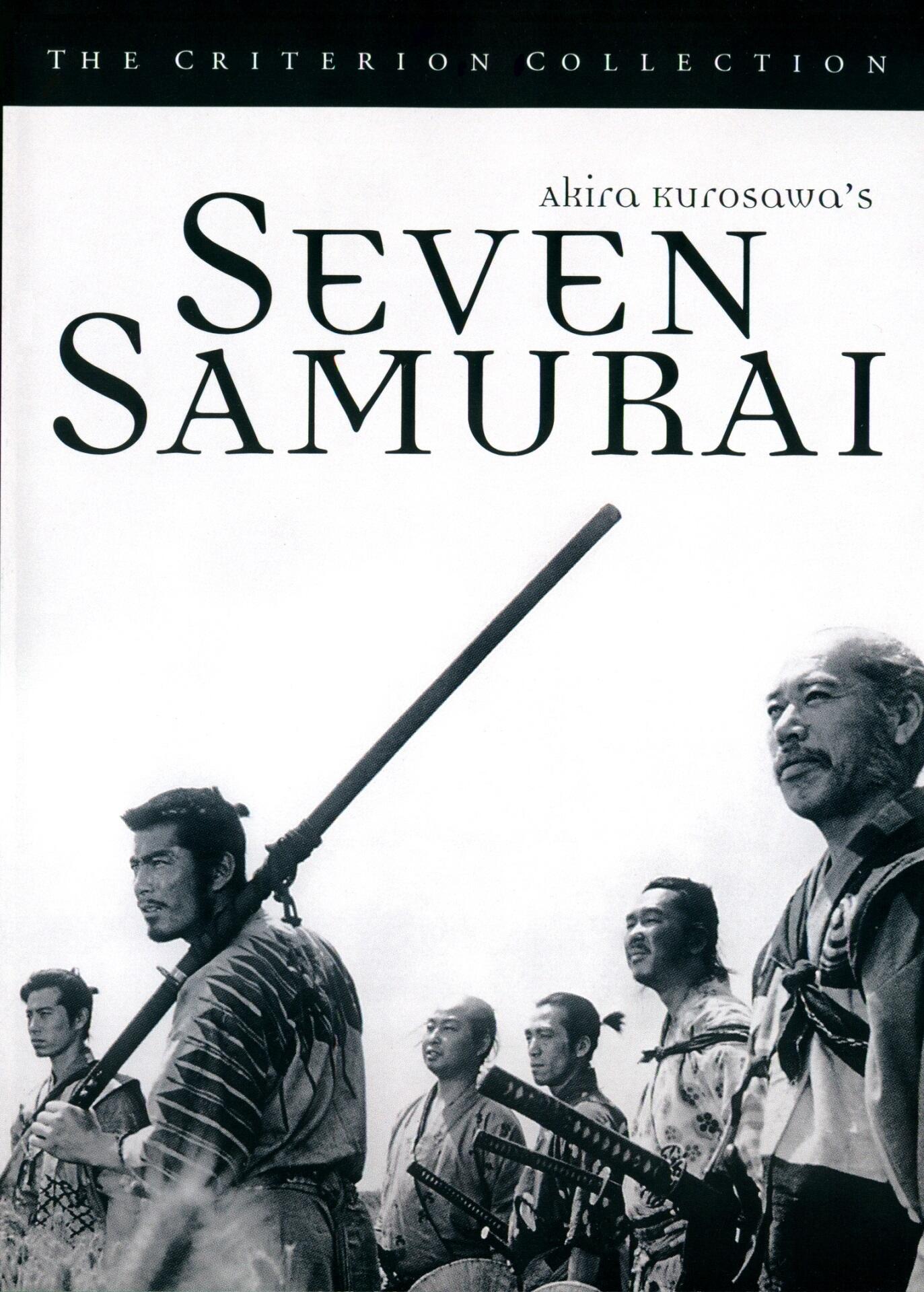
During the 16th century, a village hires 7 samurai to defend itself against bandits present in the region.
Between epic scenes and sentimental plots, the Seven Samurai remains one of the greatest references to Japanese film and world cinema to this day.
Seven Samurai, a 1954 cult film by director Akira Kurosawa, led to the evolution of Japanese movies and filmmaking.
This film remains a source of inspiration for Japanese directors, and has solidified its place as one of the best Japanese movies ever made.
The Hidden Fortress - 1958
On their way to enlist with the Yamana Samurai clan, two impoverished peasants talk about how their fortunes will turn around once accepted into the gang. However, mistaken for samurai from the rival gang, they are barred from enlisting, and their weapons are taken. Their misfortunes continue until, hungry and tired, they stumble upon a cache of gold.
This film became Japan's fourth-highest gross for the year, and director Kurosawa's most successful work to date.
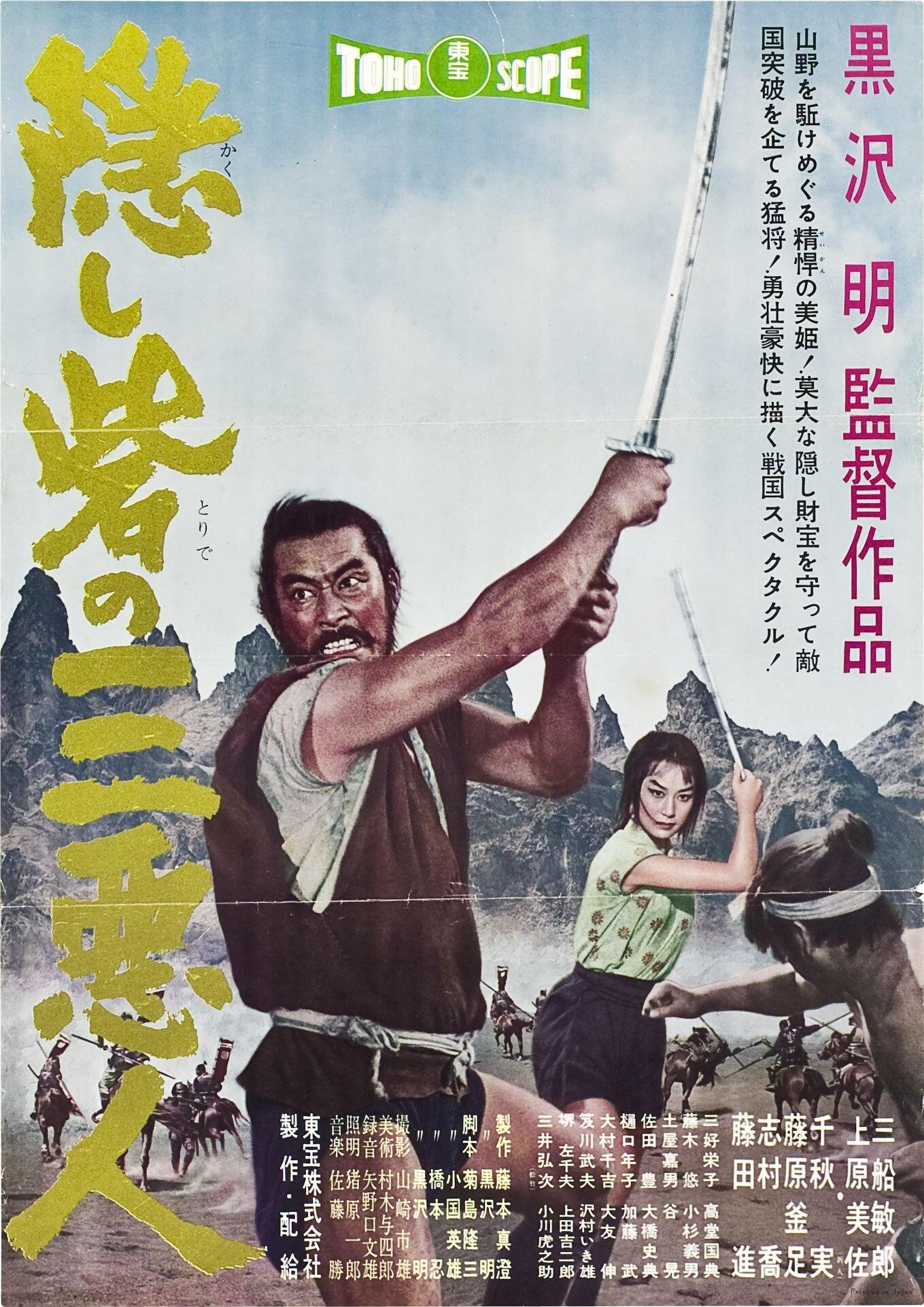
As though that's weren't enough, it has one more remarkable statistic to claim.
This film's plot - rogues guiding a princess and her general across enemy lines, became the plot for the 1977 American movie, Star Wars.
Yojimbo - 1961
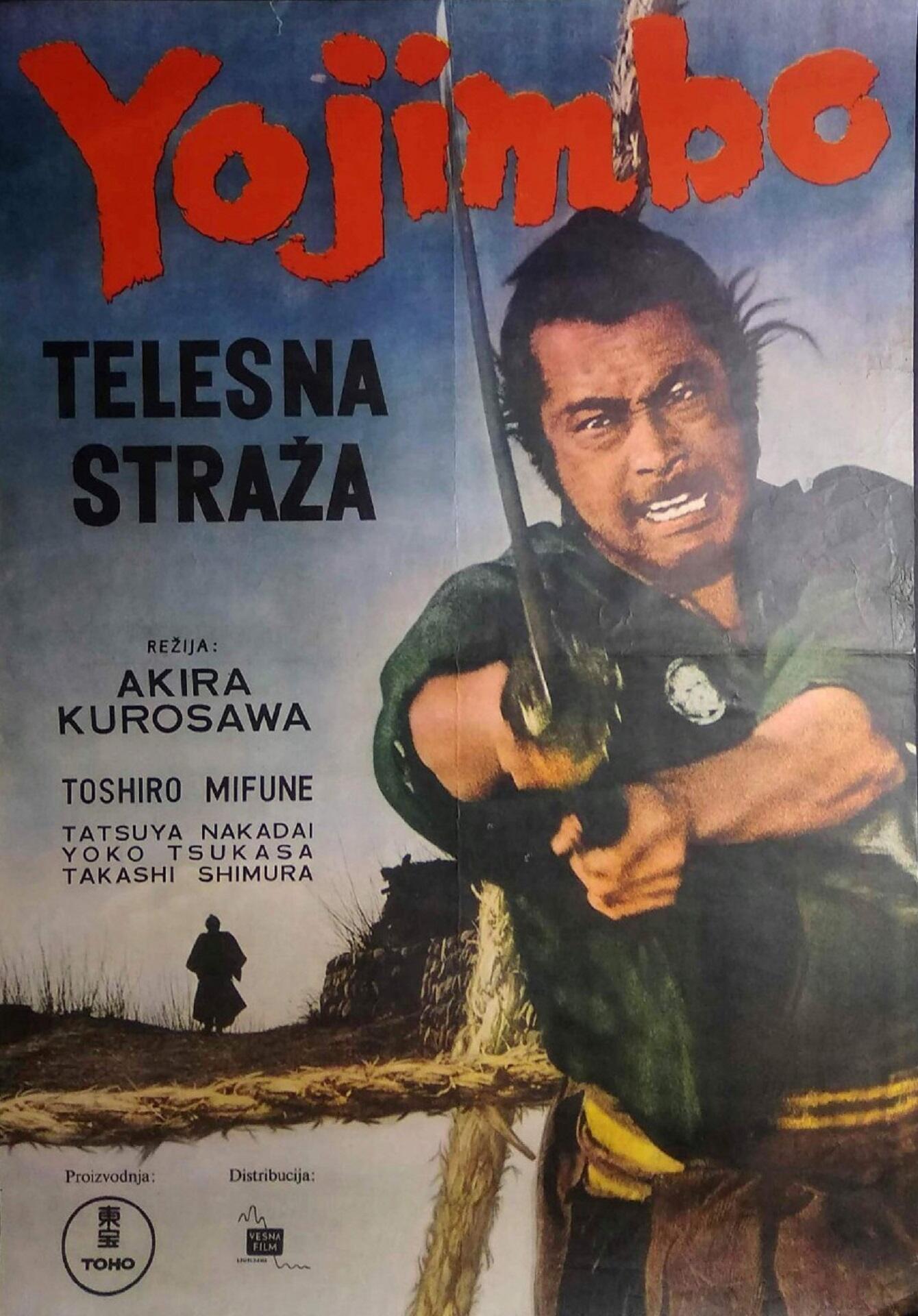
In the last years of the Edo Period, a rōnin wanders into a village. This town is plagued with violence and illicit activity, which rival criminal gangs spur on.
The tables turn and the action heats up, when both the gang bosses want to hire the rōnin for their own protection.
This film was so successful that the director built his next film around Yojimbo's lead character. To date, it remains director Kurosawa's best film, and one of the best Japanese movies of all time.
Hara-kiri - 1962
Hanshiro Tsugumo, an ancient samurai turned Ronin (rogue mercenary), ends up in the home of Clan Li.
Once there, Tsugumo asks, according to sacred rites, to carry out the act of Seppuku, otherwise known as a suicide ritual.
The clan’s steward tries to dissuade him and, in doing so, compels Tsugumo to tell his story. That's when he learns how he's connected to the samurai who took his life in the same home.
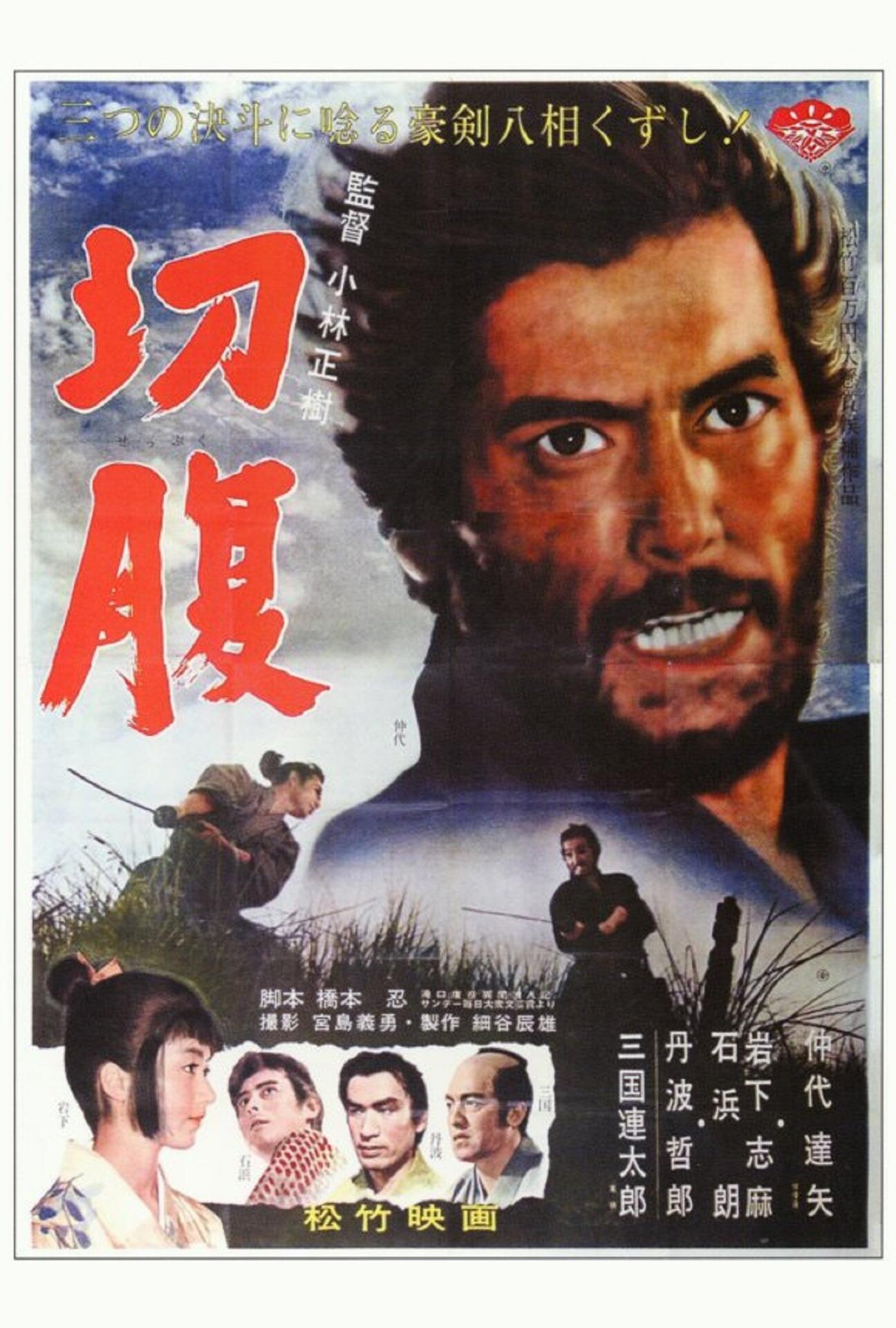
This film is one of the best movies about samurai culture and the notion of honour in 17th Century Japan.
Hana-bi - 1997
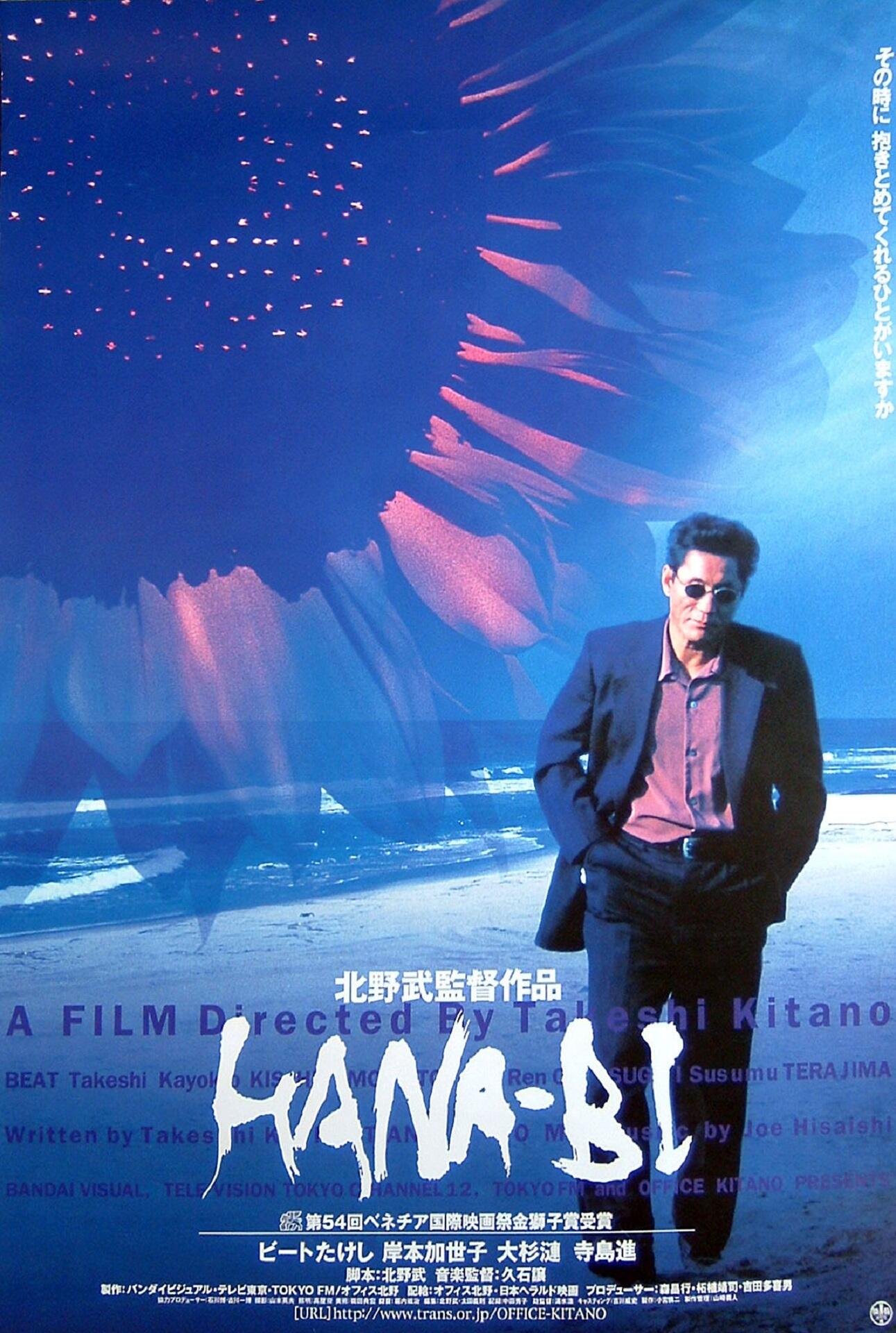
This drama tells the story of Yoshitaka Nishi, a former police detective who quits his job to take care of his terminally ill wife, Miyuki. To pay off his debt to the yakuza and treat his wife to one last trip, he robs a bank while disguised as a police officer.
Filled with tragedy, cursed love and violence, this film has gone down in history as one of the best foreign films to audiences abroad. If there’s ever a Japanese film to watch, this one is it!
But if you don't have time for film watching, try serialised Japanese entertainment with our TV drama guide.
The yakuza are a gangster/organised crime syndicate of Japan.
They often provide disaster relief and take part in festivals, showing off their colourful tattoos.
Ring - 1998
The movie revolves around a cursed videotape that brings death to whoever views it, seven days after it was seen. Inspired by the superstition of Yurei, vengeful Japanese spirits, the film made an impression on Japanese audiences as soon as it debuted. It is one of the highest grossing horror films in Japan to date.
Ring took its title from a novel of the same name written by Koji Suzuki. It is a prime example of a Japanese novel-to-film adaptation. You might have seen the western remake of it, but the Japanese version is especially chilling.
The Hong Kong film industry has little to worry about, competition-wise, when it comes to film making. Still, Hideo Nakata’s Ring remained the city's highest-grossing Japanese film until 2015.
Battle Royale - 2000
Set in the near future, adults are justafiably terrified of disobedient teenagers. Every year, they force a group of seniors to travel to an isolated island.
Once there, they must participate in a competition to kill each other and be the last one standing.
To make things more gruesome - like some twisted Japanese game show, the seniors are fitted with a a collar around their neck. It will detonate if, in the end, there is more than one survivor.
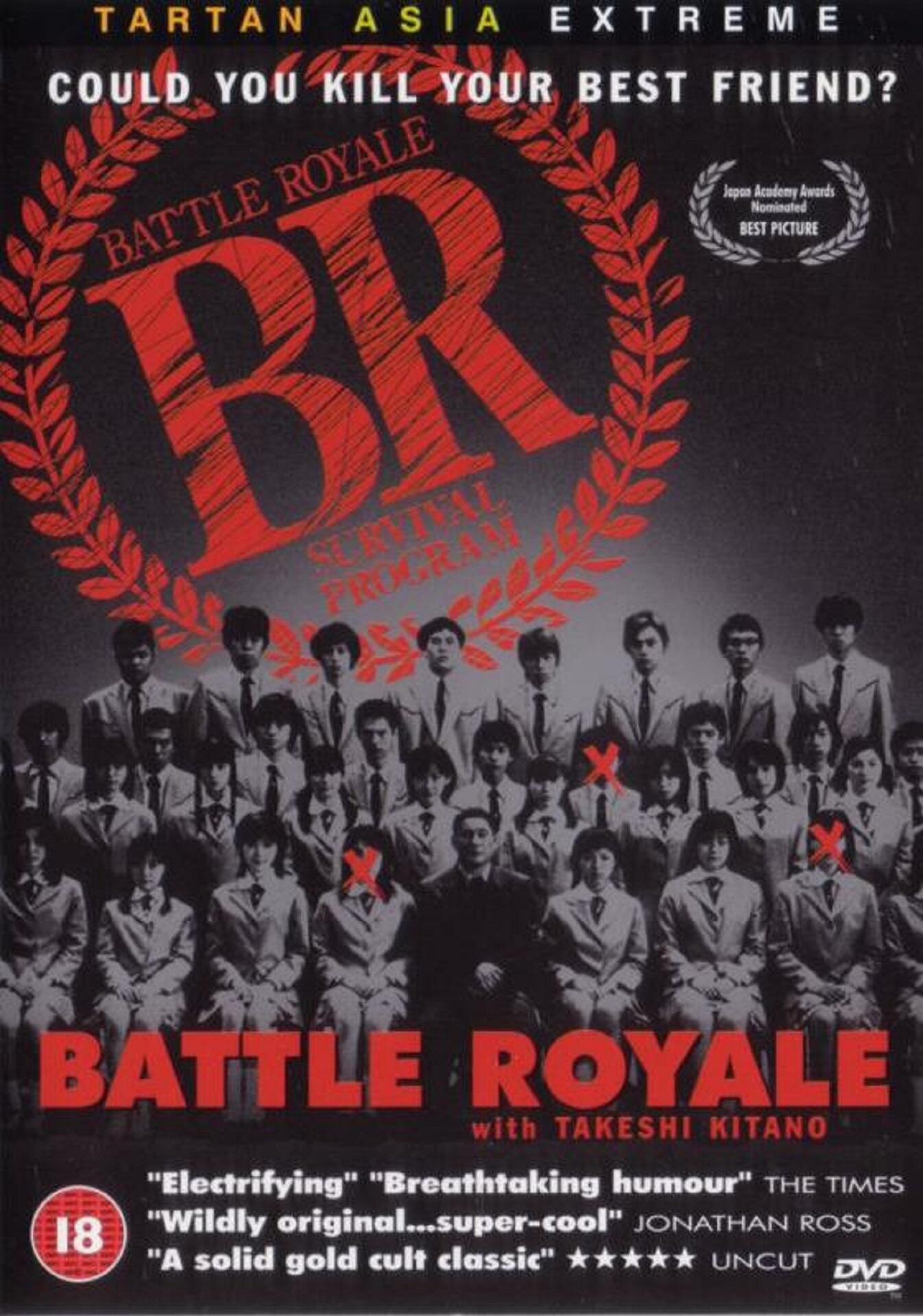
Kinji Fukasaku's Battle Royale gained renewed attention in the decade after its release, when fans called out The Hunger Games for its nearly identical plot.
Shoplifters - 2018
The movie is about a poor Japanese family, that has to steal food from supermarkets to survive. As the story unfolds, we start questioning the family's real nature and how they are related to one another.
Like many other great examples of Japanese cinema, the Shoplifters movie hides a lot of secrets, so it will gradually get you more and more intrigued as you discover new facts about the family of the characters.
Your Eyes Tell - 2020
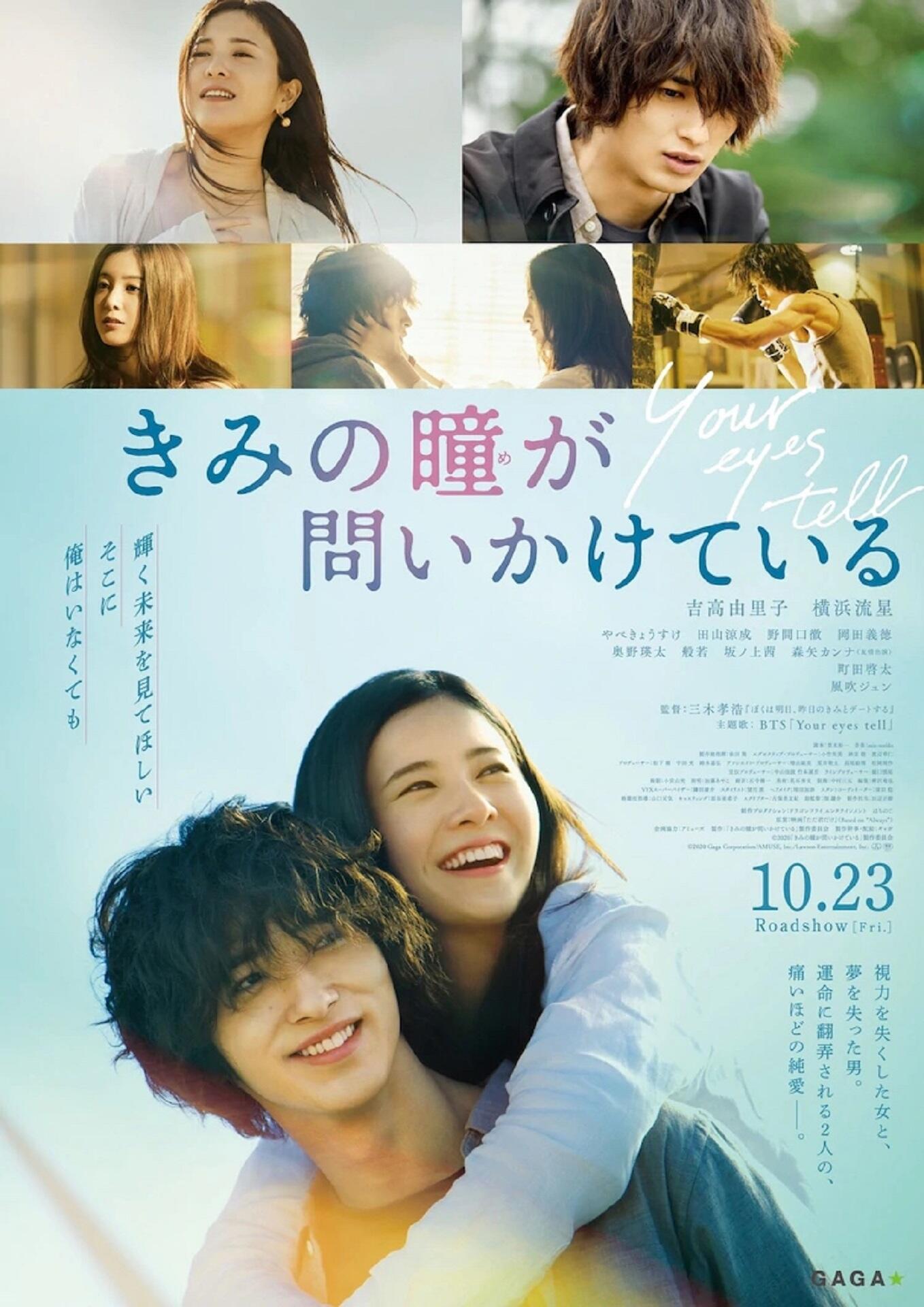
An accident costs our female lead her eyesight and her parents' lives. Our male lead, a former kickboxer, now works in a car park.
He's hiding from his dark past, trying to avoid the criminals he used to run with. The two meet, and begin a relationship.
Over time, we discover that he was responsible for the accident that made her blind.
This Japanese film is a remake of the Korean movie, Always.
The Korean boy band BTS contributed to the Japanese film's soundtrack.
Drive My Car - 2021
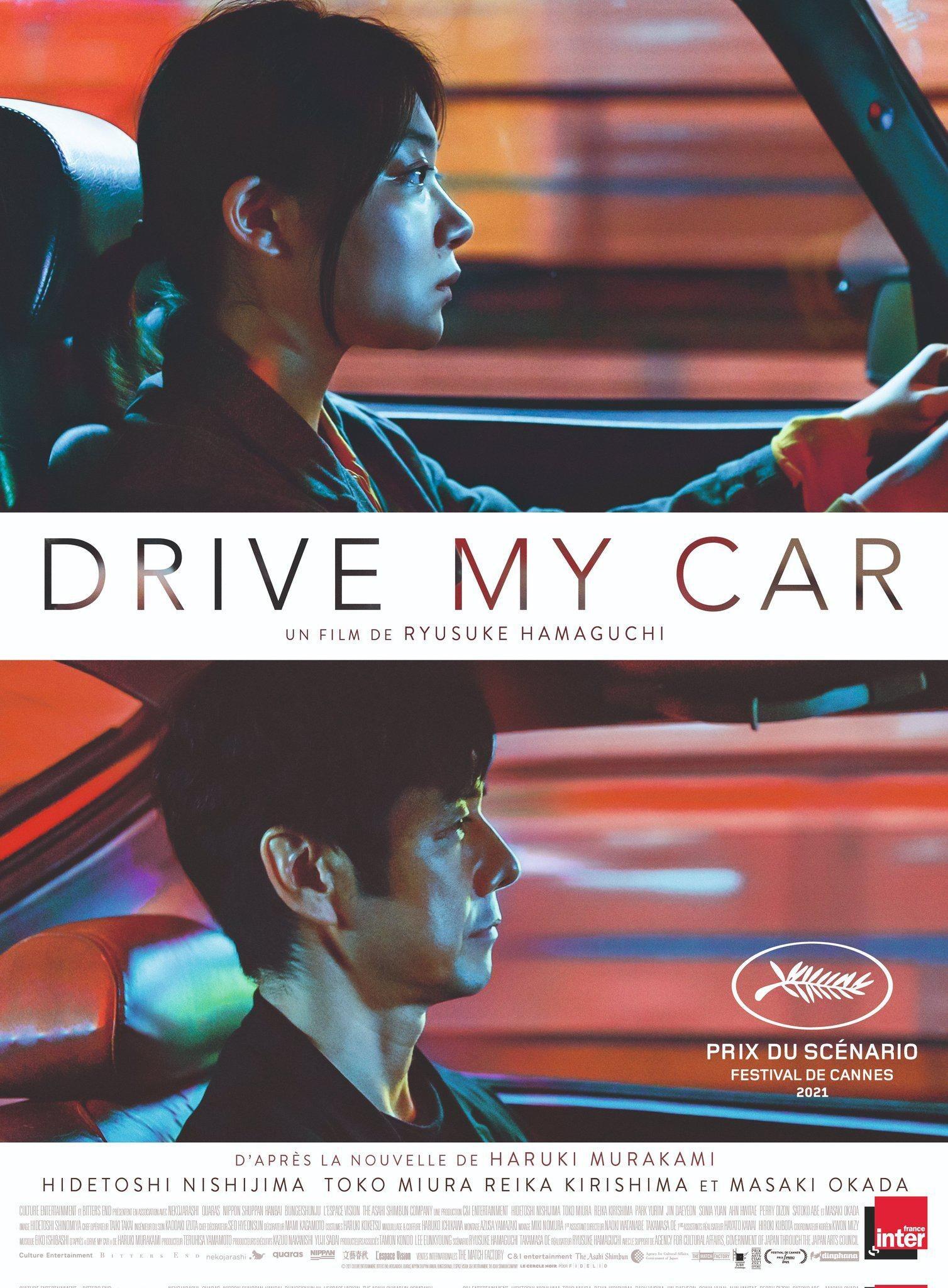
The movie is a complex emotional drama focusing on the characters' stories, told through carefully scripted dialogue. The main character, whose wife had just died, tries to direct and stage a multilingual show while trying to come to terms with his loss.
Not surprisingly, it won the Oscar for Best International Feature Film in 2022 and got nominations in several other categories. Ryusuke Hamaguchi became the third director from Japan to be nominated for an Oscar for Best Director.
Ride or Die - 2021

Upon hearing that her childhood crush is in a domestic abuse situation, our main character leaves her current partner and her career to save her former love.
Her dramatic actions horrify her former crush but, eventually, reason and acceptance prevail. Now, the two must work their way through their incompatible feelings.
One gets a sort of Thelma & Louise vibe from this story, but don't mistake it for a loose remake, Ride is its own tale.
Monster - 2023
A mother notices disturbing changes in her son's behaviour. She confronts the boy's teacher, but her single-parent status 'allows' the faculty to treat her poorly. From there, the tale gets darker and more twisted, with many flashbacks showing exactly what happened.
The film's ending is open to interpretation. However, the director intended it to reflect a celebration of choosing - and being alive.
Summarise with AI:
Did you like this article? Leave a rating!

 Loading...
