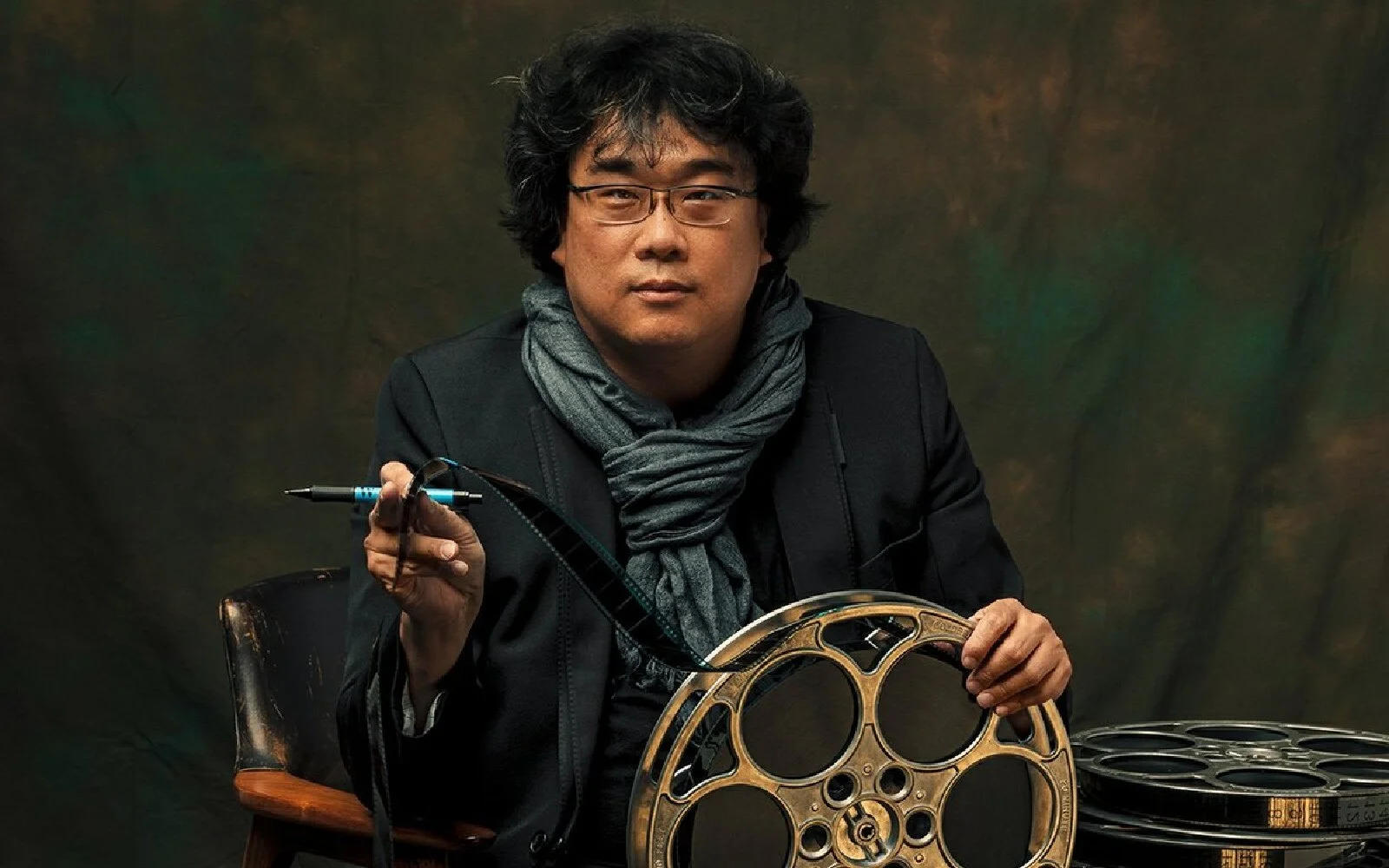

Korean cinema has gone through several transformations since its early years at the beginning of the 20th century. Of course, one of the main driving forces behind film trends is directors. Film directors respond to current events, trends, and general sentiments shared by members of society. Discover some of the most influential Korean directors you need to know about, especially if you want to immerse yourself in Korean cinema!
| Actor | Life | Active Years |
|---|---|---|
| Shin Sang‑ok (신상옥) | 1926 - 2006 | 1950s - 1970s |
| Yu Hyun‑mok (유현목) | 1925 - 2009 | 1950s - 1970s |
| Kim Ki‑young (김기영) | 1919 - 1998 | 1950s - 1980s |
| Im Kwon‑taek (임권택) | 1934 - Present | 1962 - 2010s |
| Park Chan‑wook (박찬욱) | 1963 - Present | 1990s - Present |
| Lee Chang‑dong (이창동) | 1954 - Present | 1990s - Present |
| Hong Sang‑soo (홍상수) | 1960 - Present | 1990s - Present |
| Bong Joon‑ho (봉준호) | 1969 - Present | 2000 - Present |
| Lee Isaac Chung (이삭 정) | 1978 - Present | 2007 - Present |
| Andrew Ahn | 1986 - Present | 2012 - Present |
| Justin Chon (정지훈) | 1981 - Present | 2015 - Present |
| Celine Song (송하영) | 1988 - Present | 2023 - Present |


Famous Directors from South Korea
Korean filmmaking with sound began in the early 1930s. Since then, there have been hundreds of directors, all of whom have contributed to the body of Korean film. Here, we’ll name a few of the best directors through the years that you should know as a Korean cinema enthusiast.
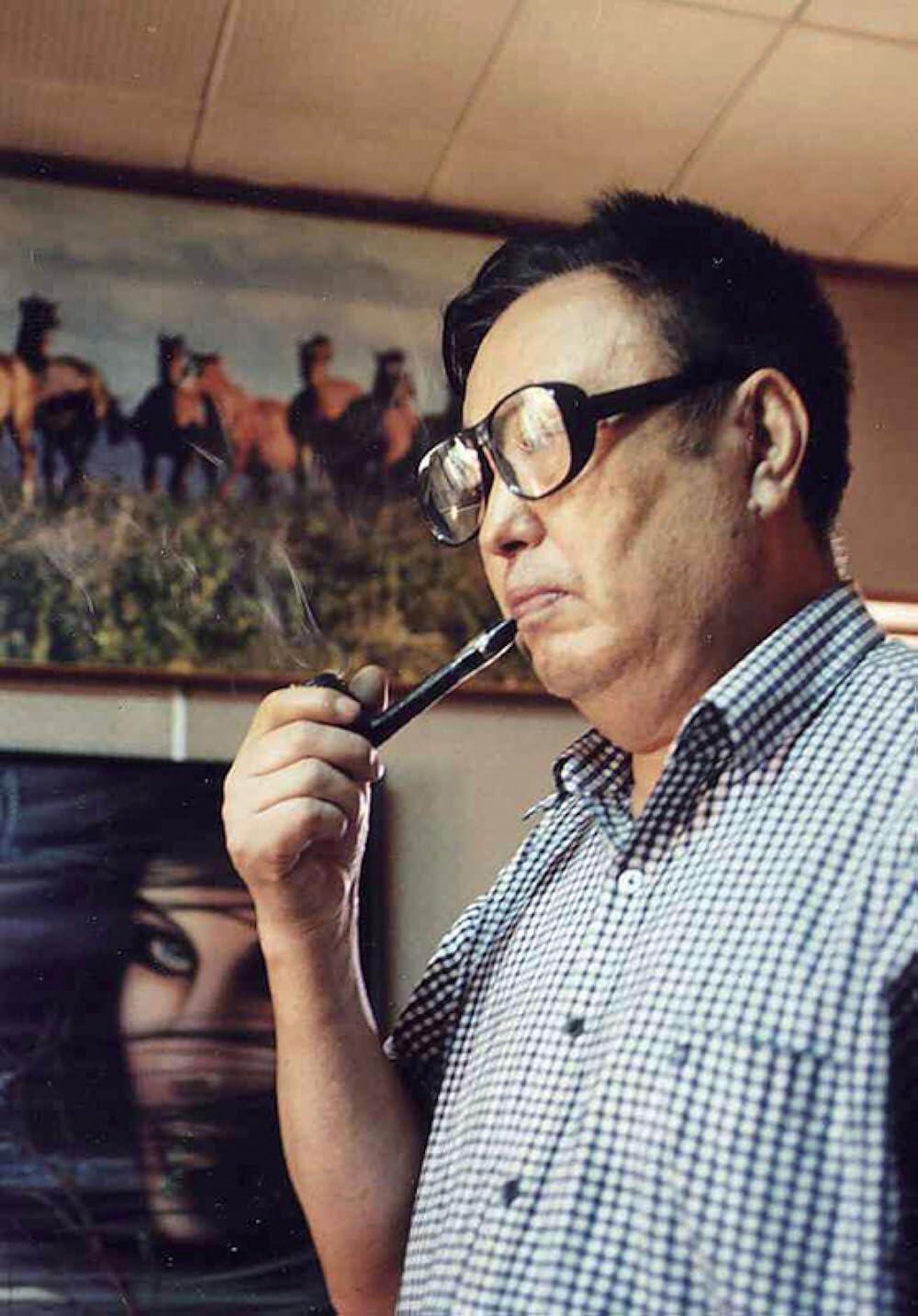
1. Kim Ki‑young (김기영)
Well-known Works:
- The Housemaid (1960)
- Woman of Fire (1971)
- Insect Woman (1972)
- Io Island (1977)
- Carnivore (1985)
Largely ahead of his time, director Kim Ki-young specialised in lurid, psychologically intense melodramas. He mixed expressionism through visual elements with shocking violence and black humour, usually in the context of domesticity.
You can imagine how, in a more conservative time period, this style would be underappreciated. Compare it to modern Korean cinema, and you can see how influential Kim’s ideas were and are! In fact, modern celebrated directors like Bong Joon-ho have been greatly inspired by Kim’s work.
Kim’s films, especially The Housemaid and Woman of Fire, examine class struggle and middle-class anxiety, backed by feverish intensity. Director Kim masterfully subverted and blended genres, which is a staple component of modern Korean filmmaking.
Discover the history of Korean film.
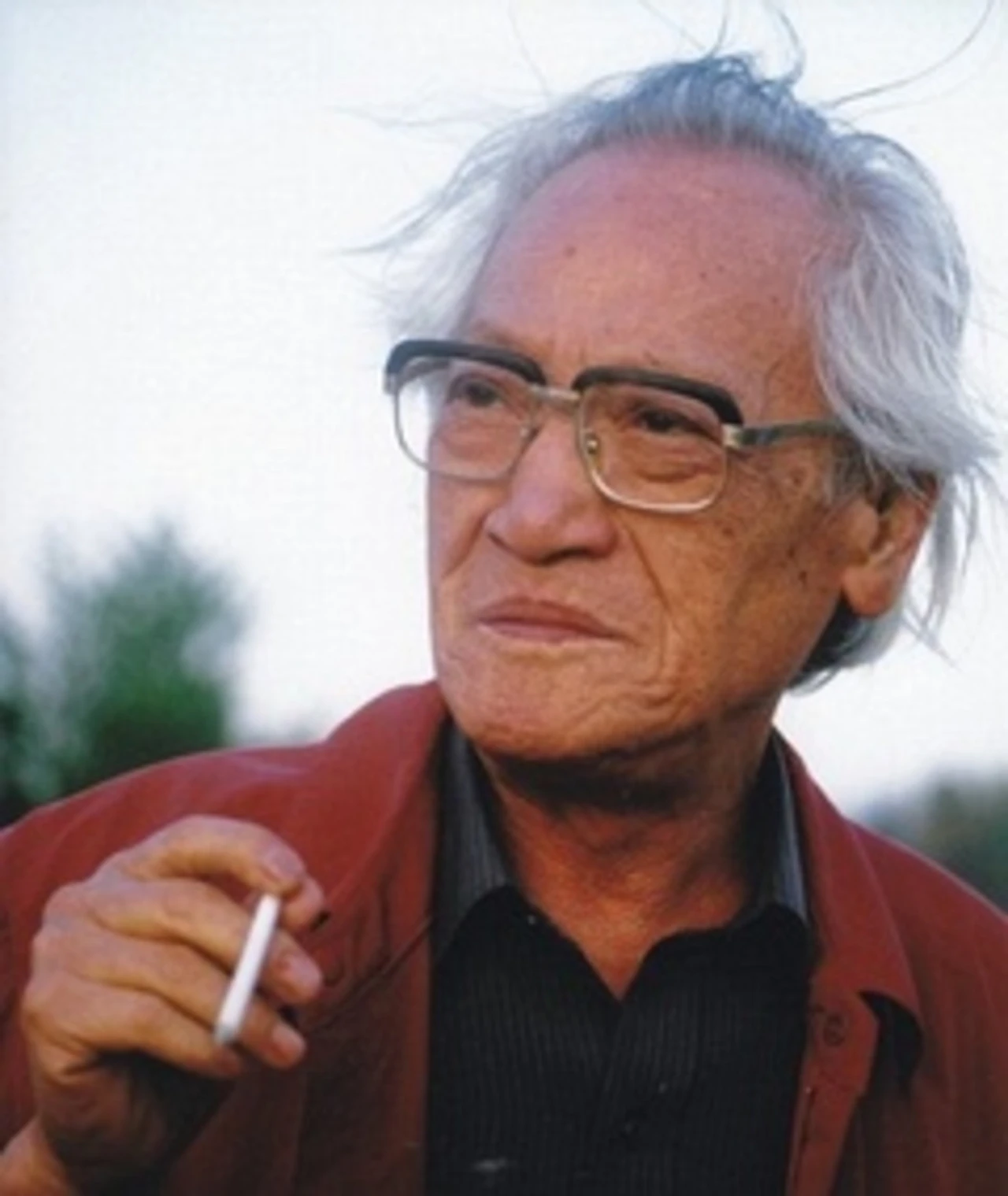
2. Yu Hyun‑mok (유현목)
Well-known Works:
- Aimless Bullet (1961)
- Obaltan‑associated works
- The Guests of the Last Train (1967)
- Descendants of Cain (1968)
- Rainy Days (1979)
Yu Hyun-mok directed one of the most famous movies in all of Korean history: Aimless Bullet. The film paints a stark portrait of the widespread post-war despair in Korea that has transcended time and geography. Yu’s films explore difficult subjects like poverty, war trauma, and moral conflict, especially heightened by the pressures of modernisation. His works were often censored under the conservative government at the time.
Yu was inspired by Italian neorealism and European art cinema, favouring composition and social critique over the melodramatic trends of the time. It set precedents for Korean film as a meaningful vehicle for social reflection and change, rather than pure entertainment.
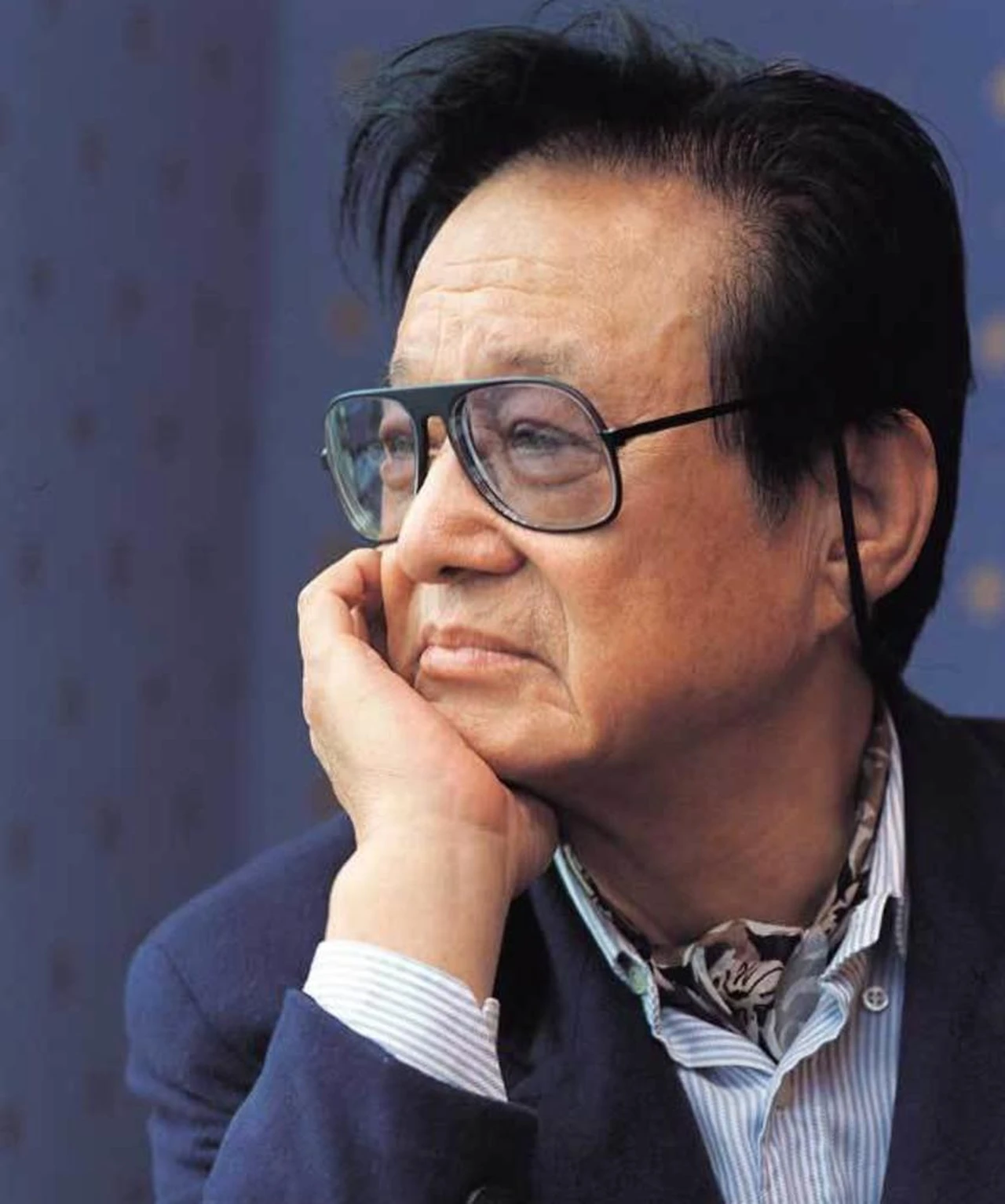
3. Shin Sang‑ok (신상옥)
Well-known Works:
- A Flower in Hell (1958)
- The Houseguest and My Mother (1961)
- Prince Yeonsan (1961)
- The Red Scarf (1964)
- Mother and a Guest‑era melodramas
One of the most renowned golden age Korean directors, Shin had his own studio, Shin Films. He collaborated with his wife, the talented actress Choi Eun-hee. Together, they created films that addressed the tensions around Korea’s post-war rebuilding years and the struggles that come with rapid modernisation.
Notably, Shin and Choi were both captured by North Korea and forced to make propaganda films in the 1970s. They managed to escape, and the incredible story adds new depth to their works both before and after the incident.
4. Im Kwon‑taek (임권택)
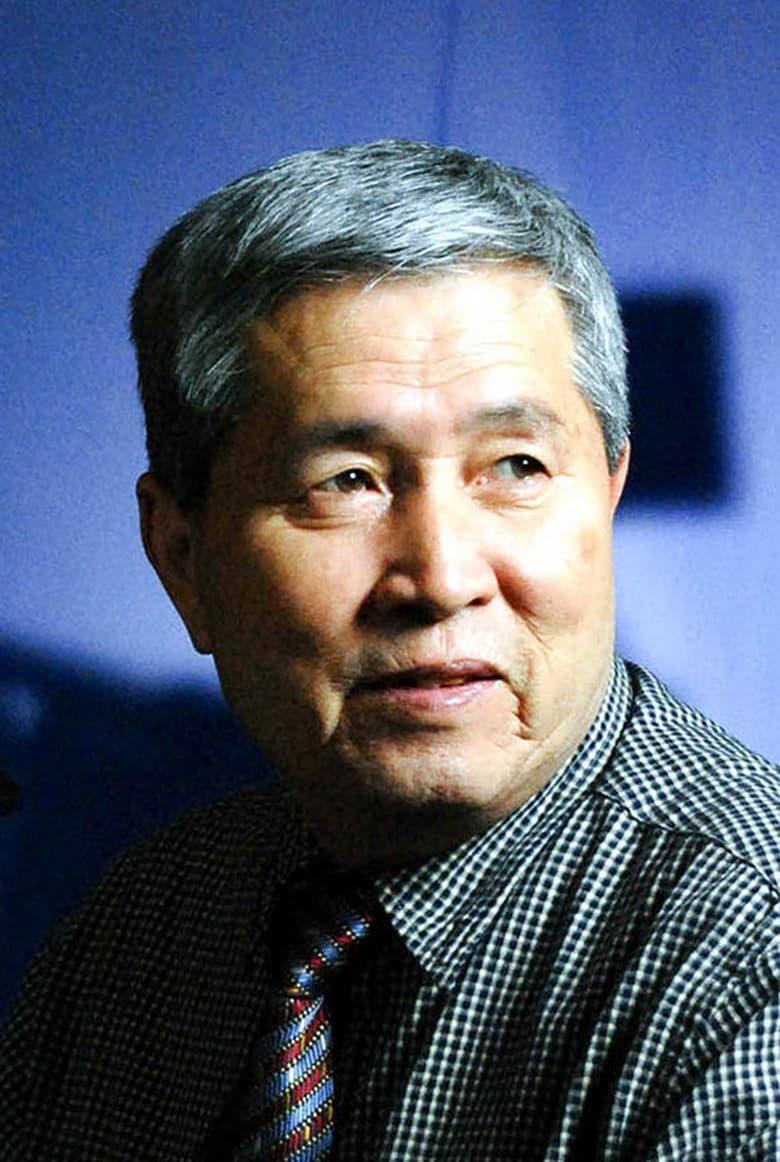
Well-known Works:
- Mandala (1981)
- The Surrogate Woman (1987)
- Sopyonje (1993)
- Chunhyang (2000)
- Chihwaseon (2002)
Often called the “godfather of Korean cinema,” director Im Kwon-taek created over 100 films in his lifetime. He experimented with several different styles, from genre pictures to rigorous art films as part of the New Wave movement, but also incorporated his personal style of focus on Korean history and identity, along with traditional arts.
His films were unexpected hits, showing that deeply local subject matter could be relevant and enjoyed by wide audiences. Chihwaseon was recognised at Cannes, earning international attention.
Im later became a mentor for new creators in Korea’s film industry, demonstrating the importance of generational support. Im’s works highlight the shift in early Korean films from commercial regulation in the 60s to more thoughtful, artistic works later on in the 80s and 90s.
Discover the top actors in Korean cinema through the ages.
5. Lee Chang‑dong (이창동)
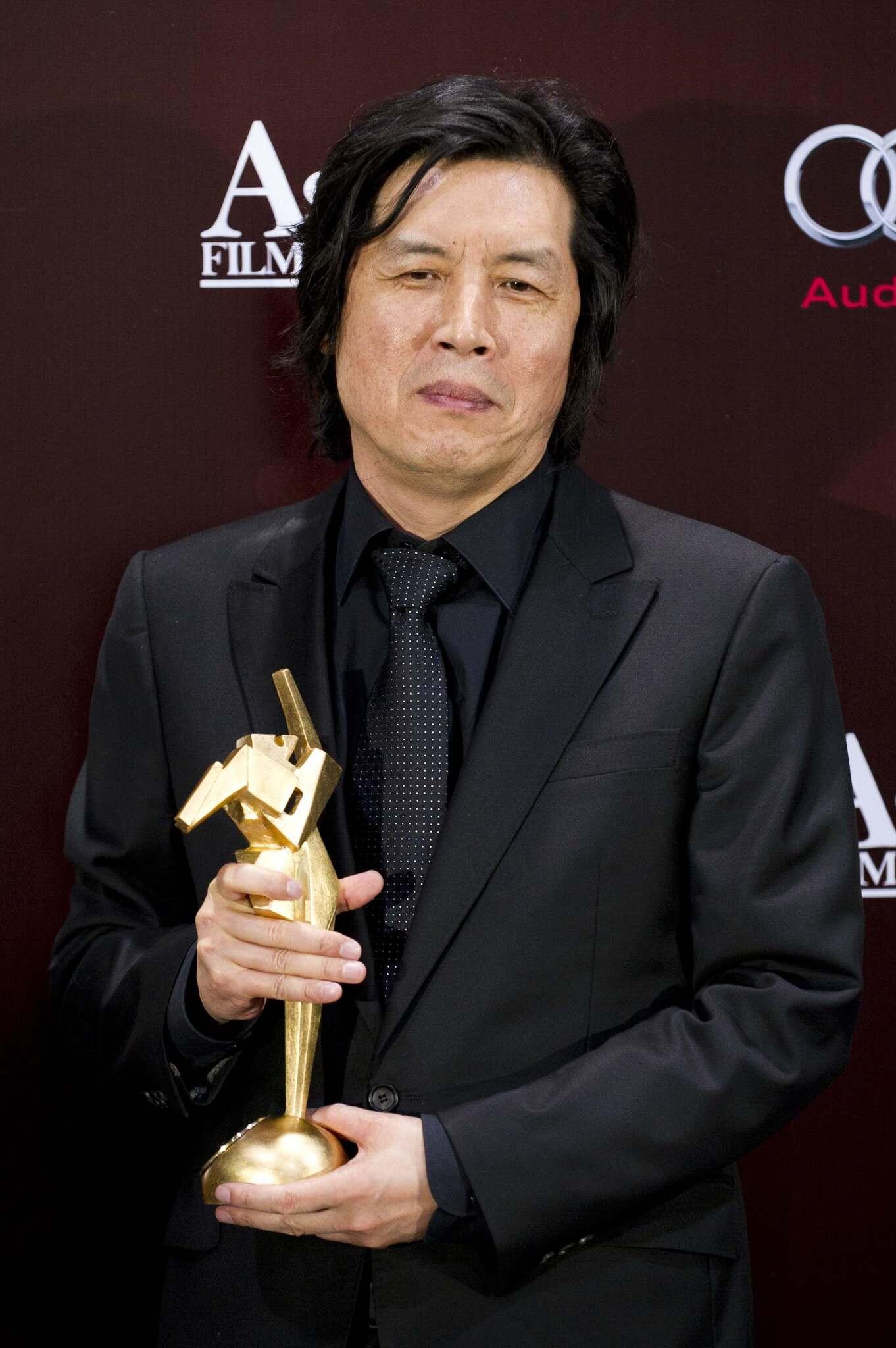
Well-known Works:
- Green Fish (1997)
- Peppermint Candy (1999)
- Oasis (2002)
- Secret Sunshine (2007)
- Poetry (2010)
- Burning (2018)
Lee’s works are known as being deeply human and psychologically complex, exploring profound sadness and other human experiences like guilt and trauma. Like many Korean films, his works often focus on a rapidly changing society and the marginalisation that comes with it. Lee’s movies push actors and actresses to emotional extremes, creating raw and deep-cutting performances that hit the viewer on a new level.
In Peppermint Candy, Lee explored how a person’s experiences in life shape them through the unique method of telling the story backwards. If you’re interested in more character-driven stories that pluck at your humanity and ask moral questions, Lee Chang-dong is the director for you.
6. Hong Sang‑soo (홍상수)

Well-known Works:
- The Day a Pig Fell into the Well (1996)
- Virgin Stripped Bare by Her Bachelors (2000)
- Woman on the Beach (2006)
- Right Now, Wrong Then (2015)
- Introduction (2021)
Hong Sang-do is known as an auteur whose signature style is low-budget, talk-heavy, and focused on the stories of artists, academics, and people in awkward relationships. Hong's work is polarising; you either love it or you hate it.
The films feature storytelling choices that could be considered “meta” or interactive, such as repeating scenarios with small variations between them, using long, slow zooms, and uncomfortably long takes. It challenges the viewer to think beyond the story on the screen and incorporate the method being used to convey the message. Without this consideration, the story can appear boringly simple.
Hong often uses unconventional narrative structures, like telling the same story more than once, providing information out of order, and using different or shifting perspectives.
Hong's work has won multiple international awards, including at Locarno and Berlin, and is frequently lauded in the arthouse scene. He frequently collaborates with famous actress Kim Min-hee, with whom he had a child in 2025.
7. Park Chan‑wook (박찬욱)

Well-known Works:
- Joint Security Area (2000)
- Sympathy for Mr. Vengeance (2002)
- Oldboy (2003)
- Lady Vengeance (2005)
- The Handmaiden (2016)
Park Chan-wook’s breakout directorial hit was Oldboy, which won the Grand Prix at Cannes and introduced modern Korean cinema to global audiences. His influence is one of the main reasons why Korean films, especially psychological, sophisticated thrillers, captured international attention in the 2000s and 2010s.
Park’s films range in style, from brutality to romanticism to philosophical whimsy. However, he is most known for his “Vengeance Trilogy,” which explores revenge, ethics, and salvation. To understand Korean cinema today, watching the body of Park Chan-wook’s work is a must.
Find out who are the best Korean actresses through history.
8. Bong Joon‑ho (봉준호)
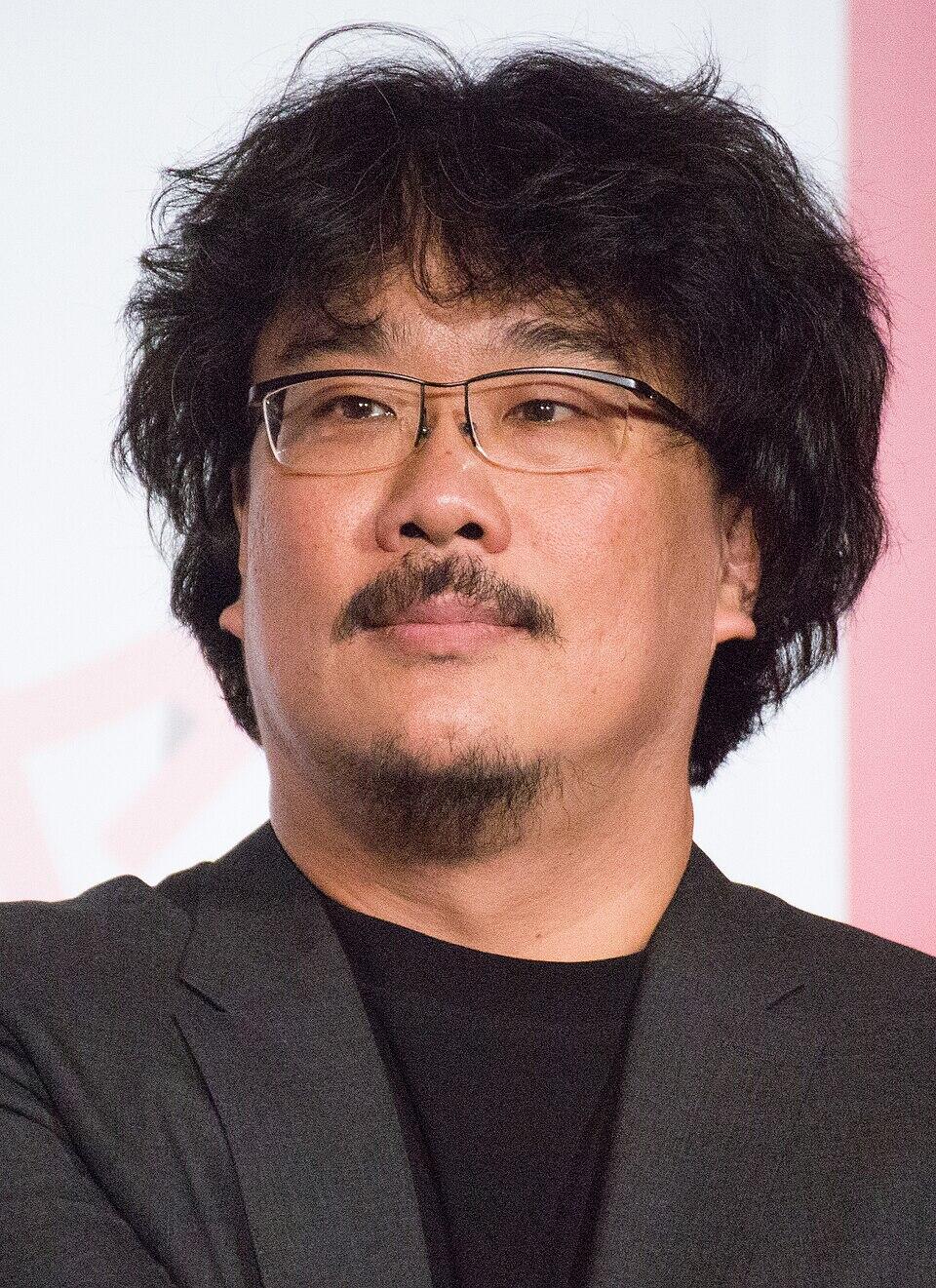
Well-known Works:
- Memories of Murder (2003)
- The Host (2006)
- Mother (2009)
- Snowpiercer (2013)
- Parasite (2019)
Boon Joon-ho is arguably the most famous Korean director today, known both domestically and abroad and largely celebrated internationally. Famously, Parasite won the Palme d’Or and became the first non-English film ever to win Best Picture at the Oscars. Where Park Chan-wook sparked global audiences’ interest in modern Korean film, Bong Joon-ho took it and ran.
His films are masterful mixtures of genres, including sci-fi, crime, monster movie, and family drama, and usually combine dark humour with sharp social critique. He manages to smoothly transition between tones within a single scene, effortlessly shifting from slapstick comedy to tragedy. Above all, Bong’s films are known for subverting expectations, which is why they have earned international recognition and contributed to the Hallyu Wave.
Famous Directors of Korean Descent
There are about 7.3 million people representing the Korean diaspora across the globe. Some of these people also happen to be celebrated and talented film directors; they just weren’t physically born in or live in South Korea. Here are some of the best international directors with Korean ancestry to take note of.
9. Lee Isaac Chung (이삭 정)
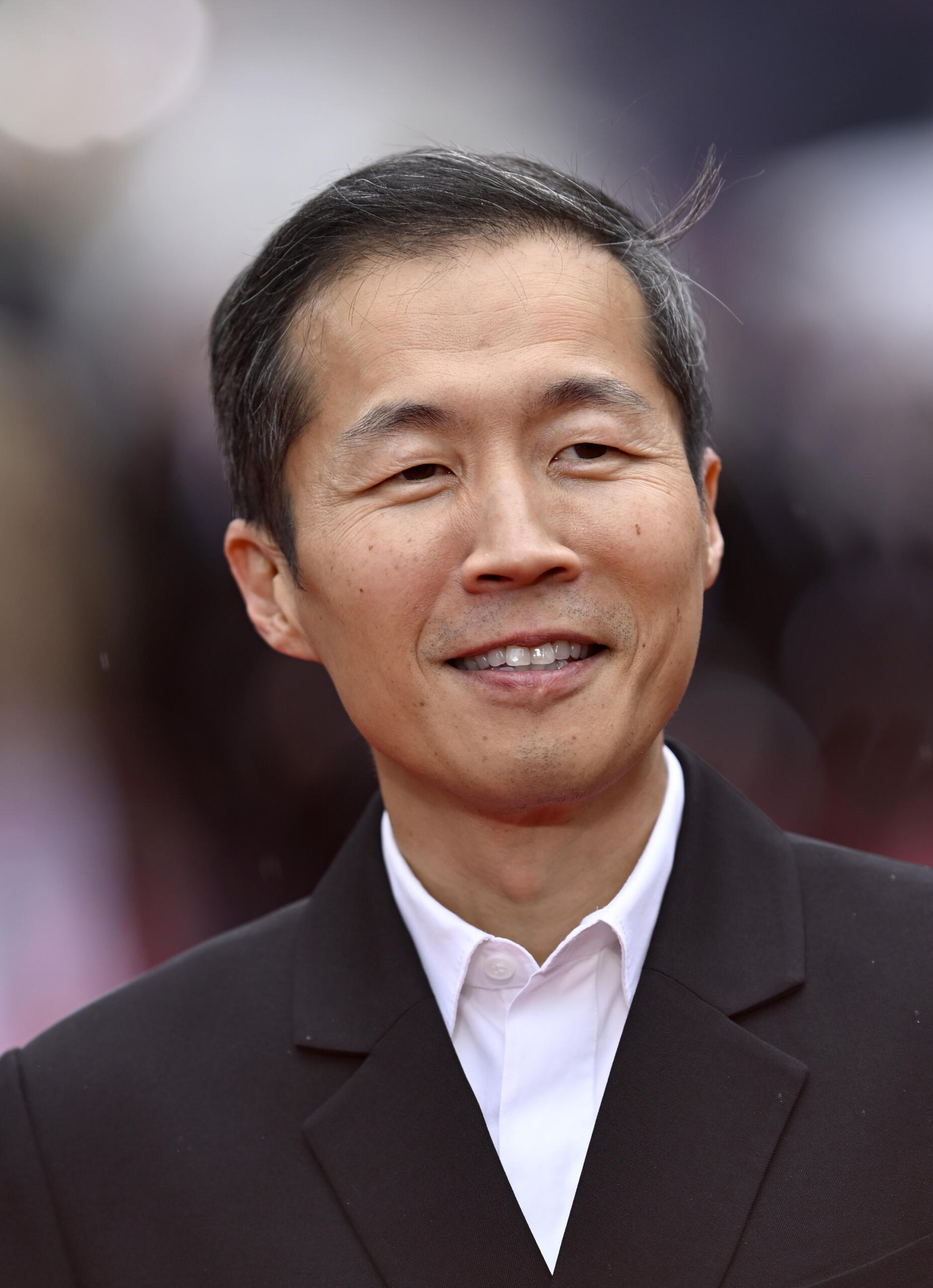
Well-known Works:
- Munyurangabo (2007)
- Lucky Life (2010)
- Abigail Harm (2012)
- Minari (2020)
- episodes of The Mandalorian and Twisters
Lee Isaac Chung is a Korean-American director who found initial success with his semi-autobiographical film Minari. The movie became a cornerstone in Korean diaspora representation globally. It portrayed the story of a Korean family immigrating to the United States and pursuing the American dream while learning how to navigate the tensions and problems that arise in a new society, especially between familial generations. It won major festival awards and notably an Oscar for Best Supporting Actress (Youn Yuh-jung).
Chung’s first big success, however, was the drama Munyurangabo, which aimed to share a view of the reality of modern-day Rwanda. It is the first narrative film in the Kinyarwanda language. Clearly, Chung is capable of bringing light to completely new issues, so it will be interesting to see his future endeavours.
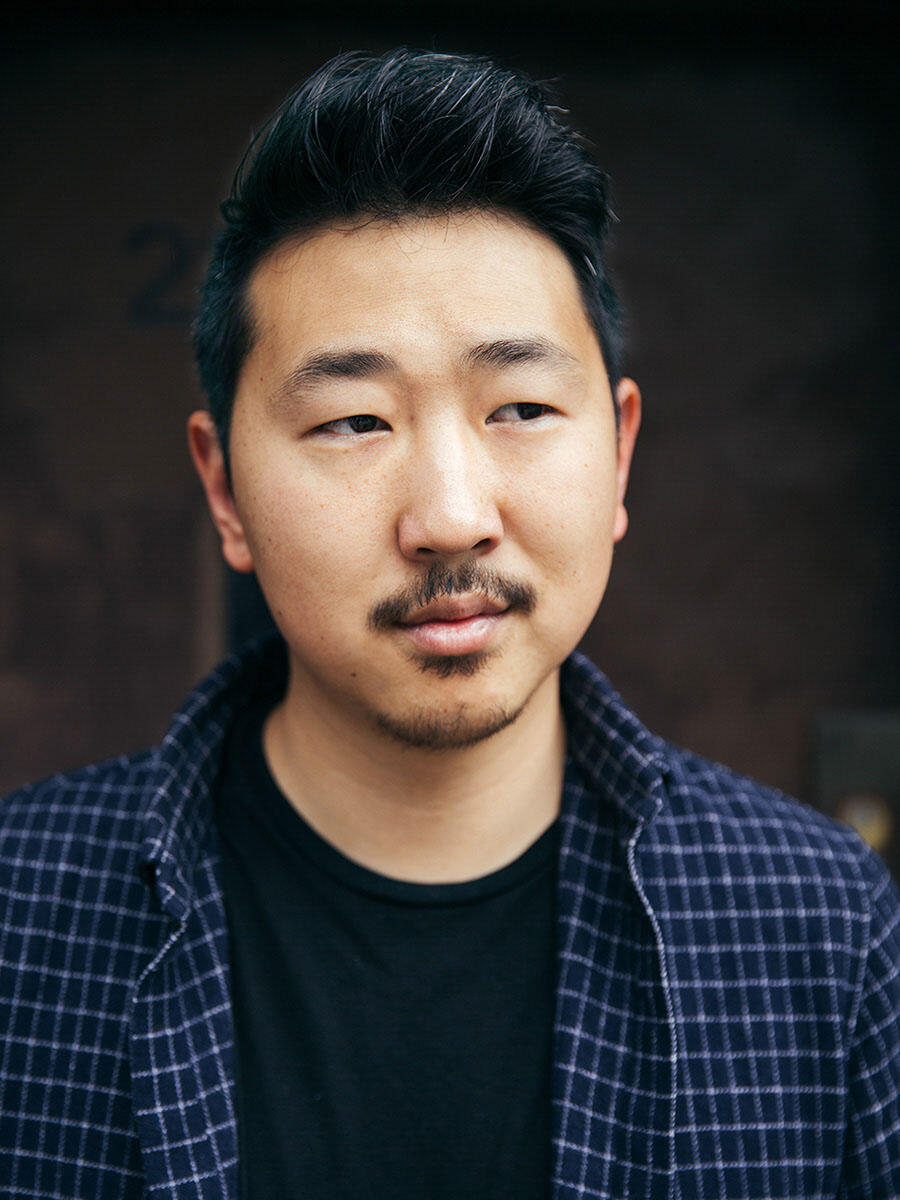
10. Andrew Ahn
Well-known Works:
- Dol (First Birthday) (short, 2012)
- Spa Night (2016)
- Driveways (2019)
- Fire Island (2022)
- The Wedding Banquet (2025)
Born in Los Angeles, Ahn creates from his lived experience as a queer man within the immigrant Korean community. His short film Dol, which was nominated for an award at Sundance, portrays the experience of a closeted gay man at his nephew’s doljanchi. It set the tone for Ahn’s signature style of quiet observation, looking at subjects like sexuality, immigrant pressure, and the intersection of Korean and American culture. His debut feature, Spa Night, won the John Cassavetes Award at the Independent Spirit Awards.
Discover the best Korean films you need to watch.
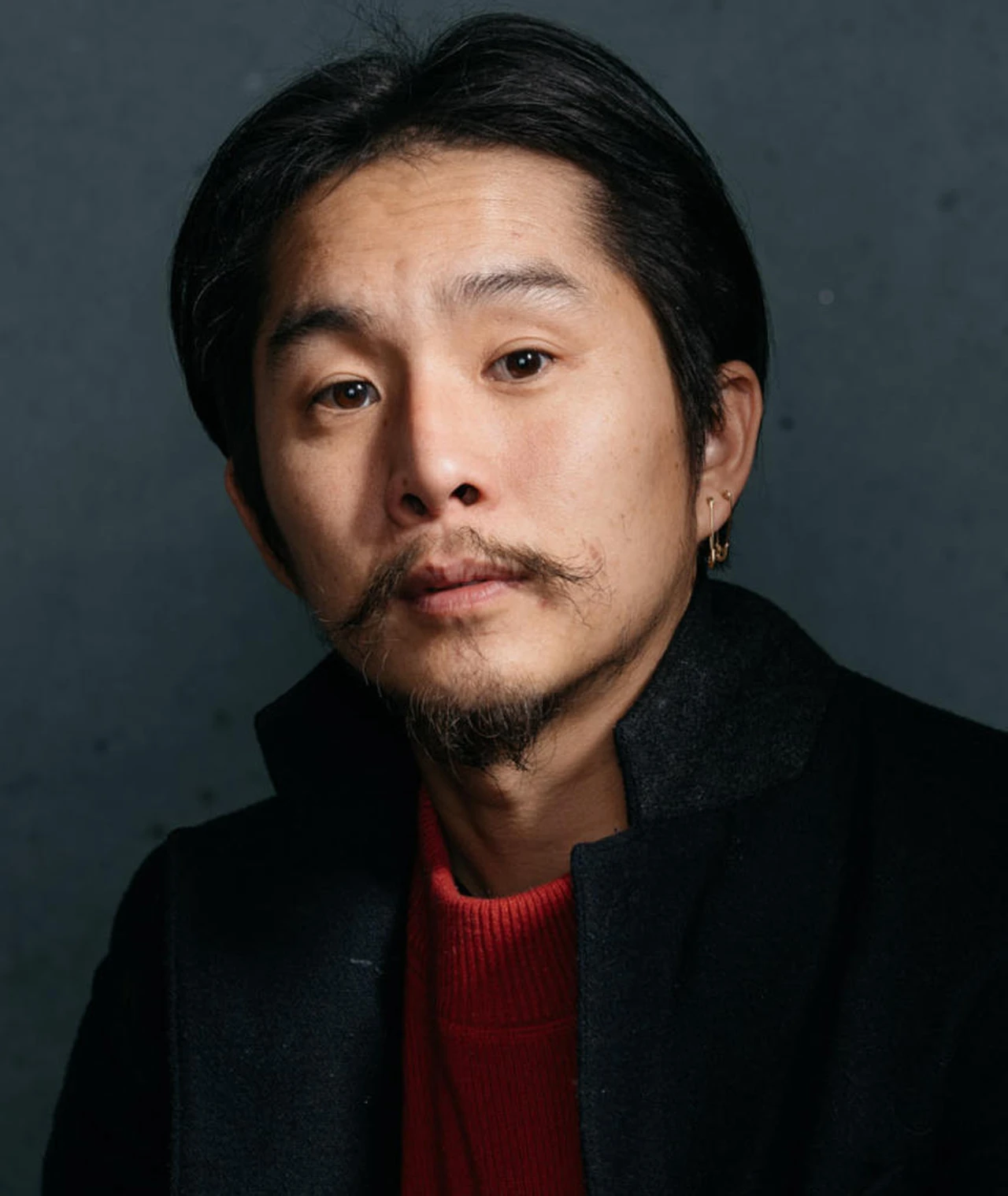
11. Justin Chon (정지훈)
Well-known Works:
- Man Up (2015)
- Gook (2017)
- Ms. Purple (2019)
- Blue Bayou (2021)
- episodes of Pachinko
Chon’s career started in Hollywood, where he was an actor. He reinvented himself and became a director, aiming to focus on Korean-American experiences. Chon’s breakthrough film, Gook, tells an emotional story about two Korean-American brothers caught in the 1992 LA uprising.
His subsequent films continue to explore immigration, racism, identity and heritage, and the tensions between different minorities. Notably, Chon’s films often show situations, realities, and communities that are rarely, if ever, seen on screen elsewhere.
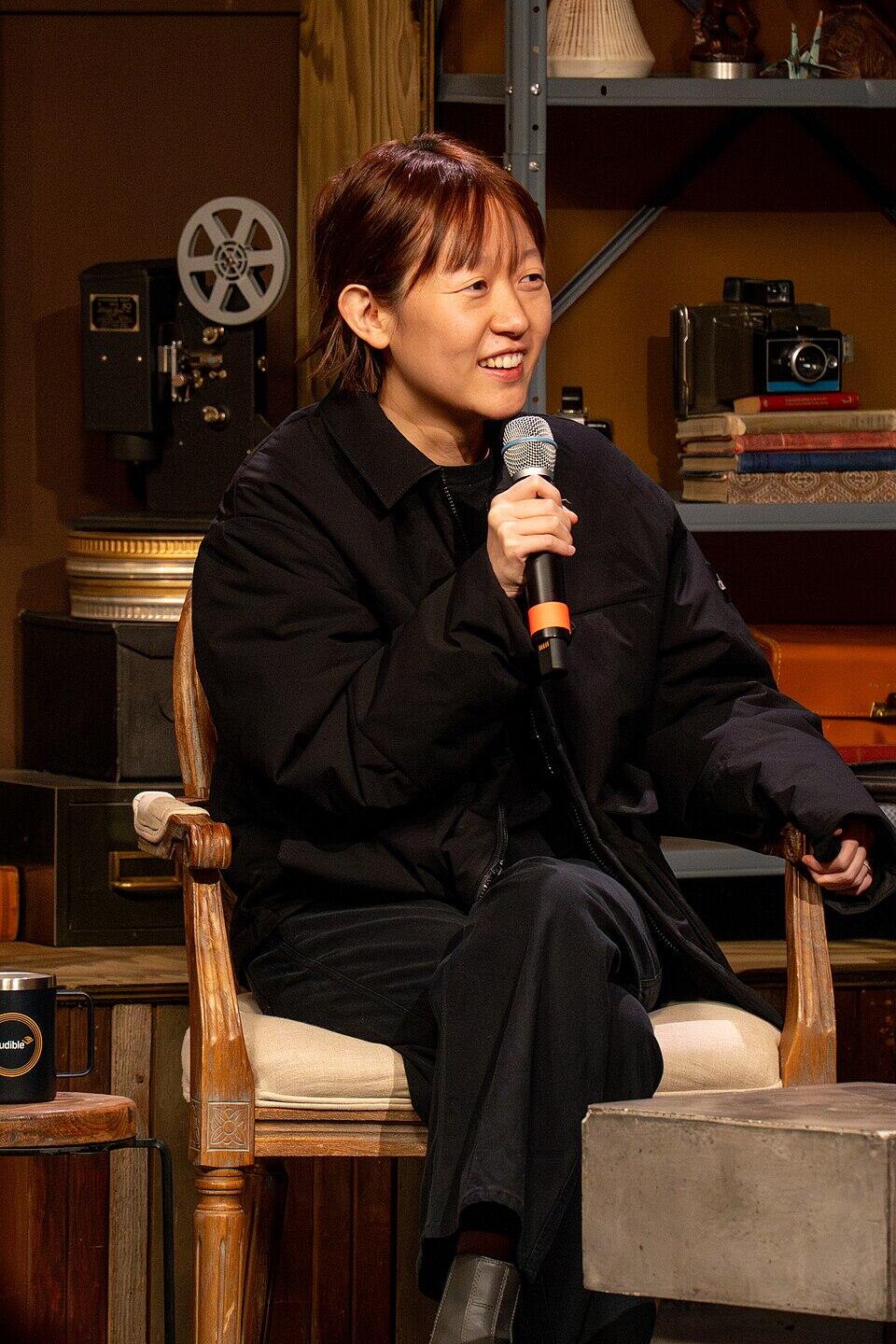
12. Celine Song (송하영)
Well-known Works:
- Past Lives (2023)
- Materialists (2025)
- The Waiting Room (Armani short, 2025)
Song’s family moved to Canada when she was 12 years old. She studied playwriting at Columbia University and first gained attention for her plays Endlings and The Seagull on The Sims 4 (both 2020). These works used inventive methods to explore immigrant identity and especially Korean women’s lives.
In 2020, Song made history as the first (known) person to completely recreate a classic play, The Seagull, by Anton Chekhov, entirely using the video game The Sims 4 and performing it live on Twitch in partnership with the New York Theatre Workshop. It might sound silly, but this creation is a testament to human creativity and explores technologies in a new way.
Her film directorial debut, Past Lives, was a massive success. For it, Song became the first Asian woman to receive a nomination for the Oscar for Best Original Screenplay, and it was also nominated for Best Picture. The semi-autobiographical love story explores the relationship between two childhood friends who are reunited as adults.
Song is still very new in the film directing scene. Her signature works so far emphasise the “in-between” identity many immigrants struggle with.
Korean cinema is in a period of evolution and growth. Understanding the history and foundations of this artform requires knowing at least some information about the influential directors, films, and actors over the years. Whether you’re interested in a deep-dive into Korean cinema or just want to find some good movies to watch, exploring these directors will give you a great starting point.
Summarise with AI:
Did you like this article? Leave a rating!

 Loading...