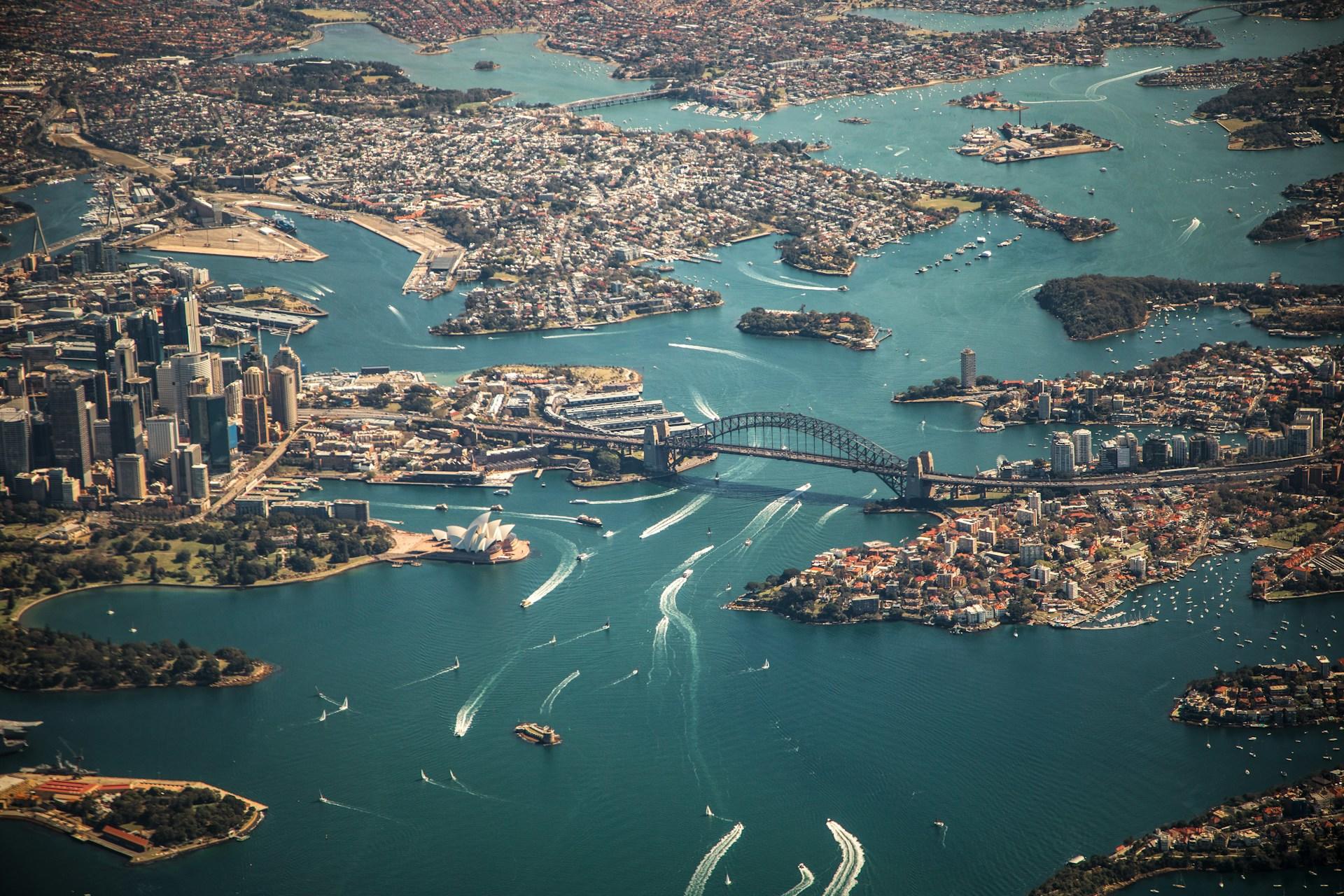

Don’t worry about the world coming to an end today. It is already tomorrow in Australia.
Charles M. Schultz
The American cartoonist Charles Schultz delivered an admittedly western-centric quip. However, if we take a philosophical approach to it, we might think he refers to our progressive, inclusive values. But, we mustn't overthink things. How could the world end when Paradise already exists, in Australia?
Our country is full of pretty places, so many that one might wish for several lifetimes to see them all. From sparkling beaches to rugged wilderness, this guide reveals 15 of our favourites. Do you think they're the most scenic places in Australia, too? We look forward to your comments on this topic.
| Site name | 📍Where it's at | 🚶♂️What it offers |
|---|---|---|
| The Pinnacles Desert | Western Australia | hike, photograph landscape |
| Melbourne | Victoria | photograph the urban landscape, enjoy amenities |
| Kuranda Scenic Railway | Queensland | ride the train, tour the village, photograph nature |
| Port Noarlunga | South Australia | water sports, photography |
| Mount Coot-Tha | Queensland | hike, photograph landscape |
| Purnululu National Park | Western Australia | hike, photograph the landscape |
| Stockton Sand Dunes | New South Wales | sand-boarding, climbing, four-wheeling |
| Uluru | Northern Territory | view native art, tour the site. |
| Byron Bay | New South Wales | water sports, whale-watching, hiking, cycling. |
| Yarra Valley | Victoria | tour wine-making facilities, hike |
| The Blue Mountains | New South Wales | hike, photograph land features |
| Bay of Fires | Tasmania | water activities |
| Macquarie Island | Tasmania | view conservation in action, photograph wildlife |
| Whitsunday Island | Queensland | water activities, camp, hike |
| Arnhem Land | Northern Territory | hike, see native art, enjoy festivals and events |


The Pinnacles Desert
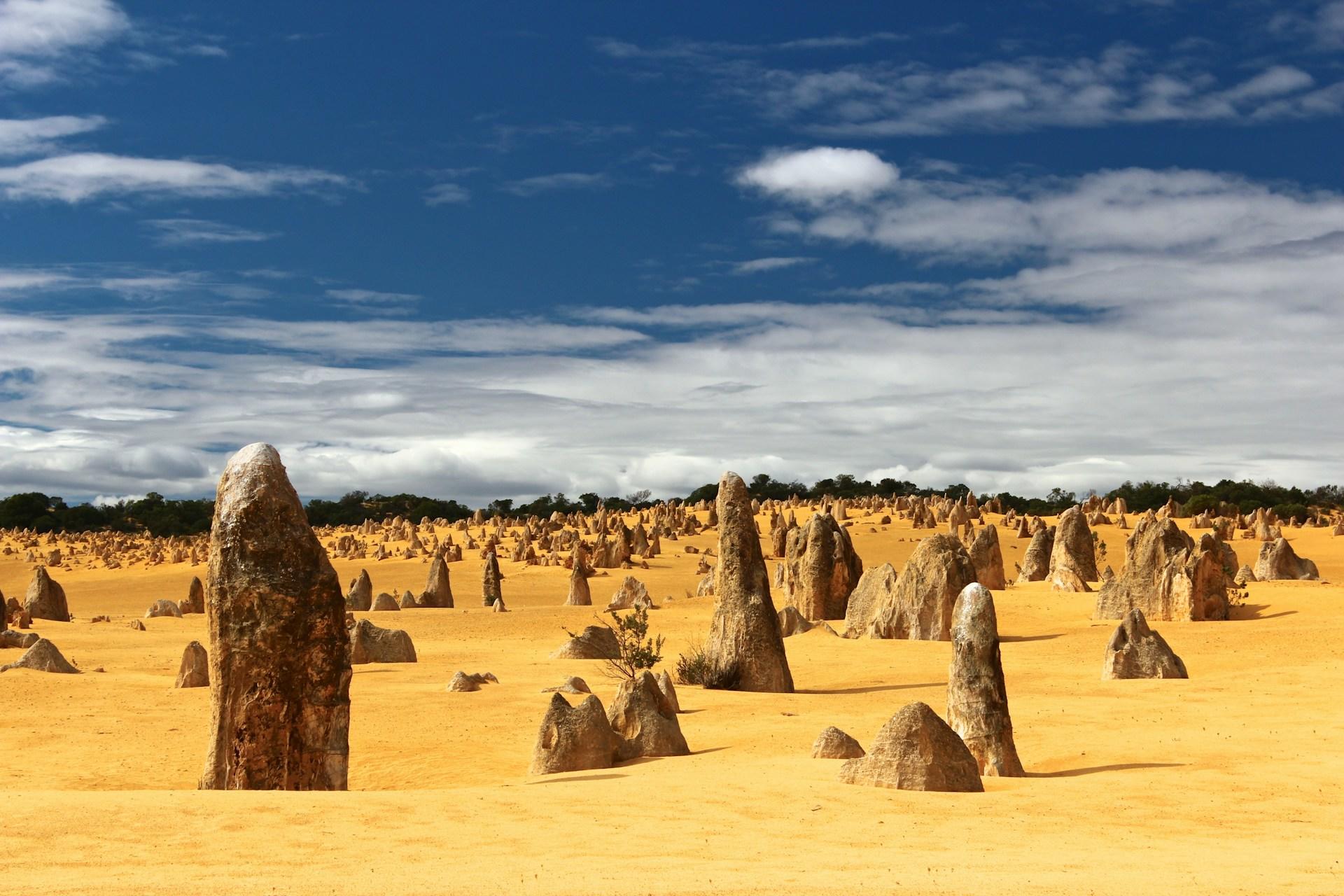
As we sift through our impressions of the most beautiful places in Australia, the Pinnacles Desert stands out. It's an otherworldly landscape full of geological marvels that, surprisingly, remained unknown until 1967. Today, it is a part of Nambung National Park, in Western Australia's Wheatbelt region.
How to Get There
This park lies roughly 200 kilometres (km) north of Perth. You can drive there via State Route 60. Plan on overnighting in nearby Cervantes, as the park does not permit camping.
Best Time(s) to Go
August to October
Melbourne

Each state's capital city is worth a visit, but Victoria's is packed with must-see attractions. Melbourne's Central Business District (CBD) includes a network of lanes and arcades that house one-of-a-kind art installations, shops and eateries.
These 'laneways' are popular tourist attractions but, throughout the city, travellers have much to explore.
- Queen Victoria Market: the Southern Hemisphere's largest open-air market
- the Melbourne Observation Deck
- Federation Square
- Southbank
- Lygon Street, the foodie's paradise
As a whole, Victoria's unique attractions earn every one of their tourist dollars. Still, if you have limited time, Melbourne is a great destination to sample the best this state has to offer.
How to Get There
You can fly into this city from any domestic or international airport.
Best Time(s) to Go
Melbourne has something for travellers throughout the year.
The Kuranda Scenic Railway
In Queensland's wet tropical region, lies a town called Kuranda. This colourful mountain village abounds with Aboriginal crafts and native art. This scenic railway leaves all that behind to take its passengers on a slow journey through nature.
Along the way, conductors narrate the journey's history, and points out interesting sights. You may stop off a Freshwater, or ride all the way to Cairns. This rail journey gives you a unique look at the Great Dividing Range, as well as Atherton Tableland.
How to Get There
You may drive to Kuranda from Cairns, via the Captain Cook Highway. Or, you can ride a bus from Cairns or Mareeba. But, the best way to reach Kuranda is via this train.
Best Time(s) to Go
Travel guides recommend riding the train in March, during monsoon season, as the vegetation is lusher during that time. For a peak experience, avoid going during school holidays or peak tourist season (December - February). Note that this train only operates on weekends.
Port Noarlunga
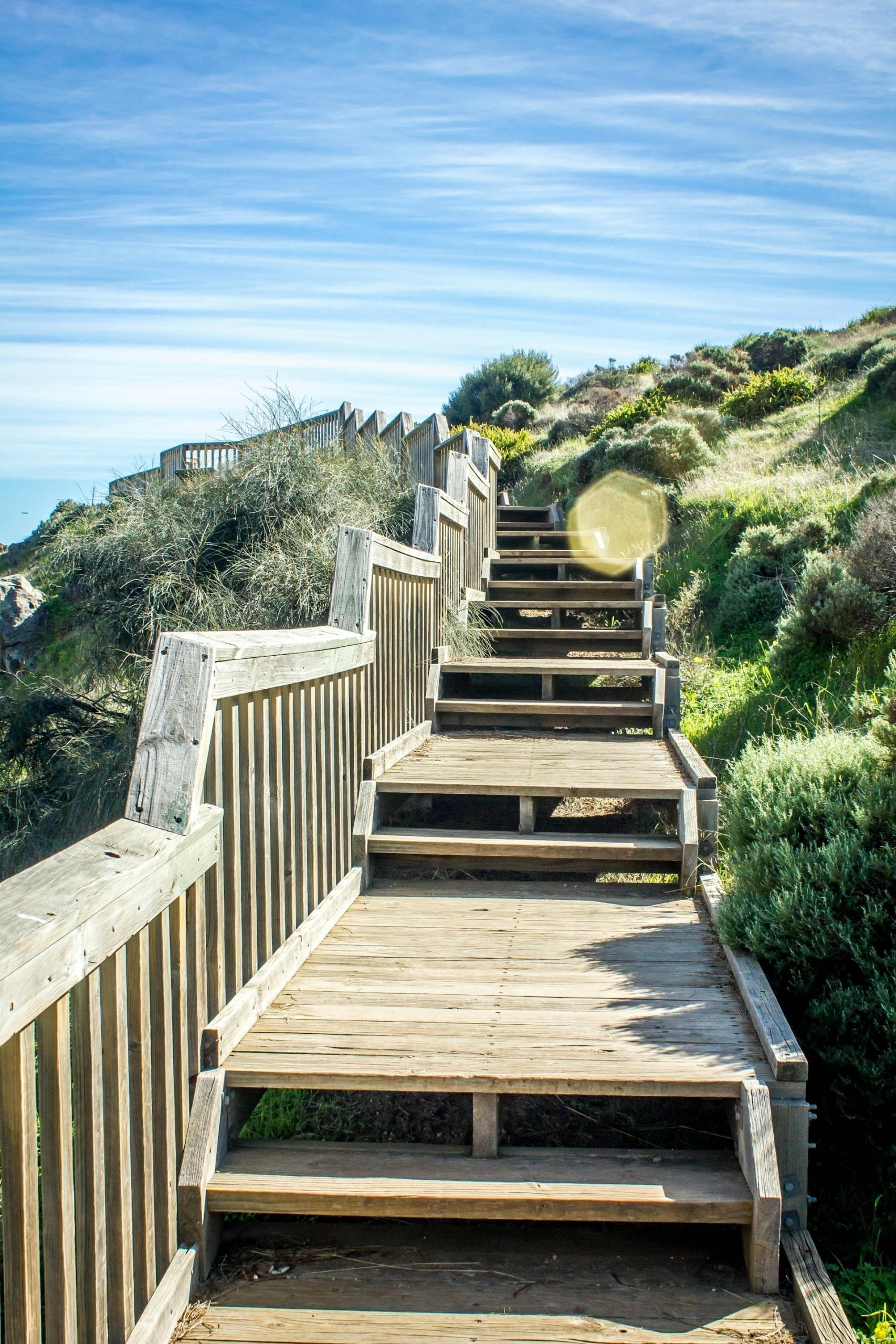
Port Noarlunga is an Adelaide suburb that is popular with the locals and tourists alike. Its beach features a historic jetty which stretches from the shore, almost reaching the Port Noarlunga Reef. That reef is a favourite for divers and snorkellers.
If you've no interest in water sports, you can amble around town, and view its many Heritage sites. Those landmarks are just a few of the noteworthy South Australian sites you should see.
How to Get There
by car
- from Adelaide, drive the M2 south
- exit onto A13 and continue south
- turn left onto Port Noarlunga Road
- continue into town
by train
- from Adelaide Station to Noarlunga Central Station
- ride bus 761 or 762 to Witten Road or Saltfleet Street
by bus
Adelaide Metro Bus from City Centre to Saltfleet Street
Best Time(s) to Go
Come at high tide to enjoy all the best water fun. Be sure to check local weather forecasts to ensure your safety, and to make sure you won't get rained out.
Mount Coot-Tha
This mountain suburb is visible from Brisbane; it includes hiking and biking trails, as well as several man-made attractions. You might take in a show at the Sir Thomas Brisbane Planetarium, or take in the whole city from the Lookout.
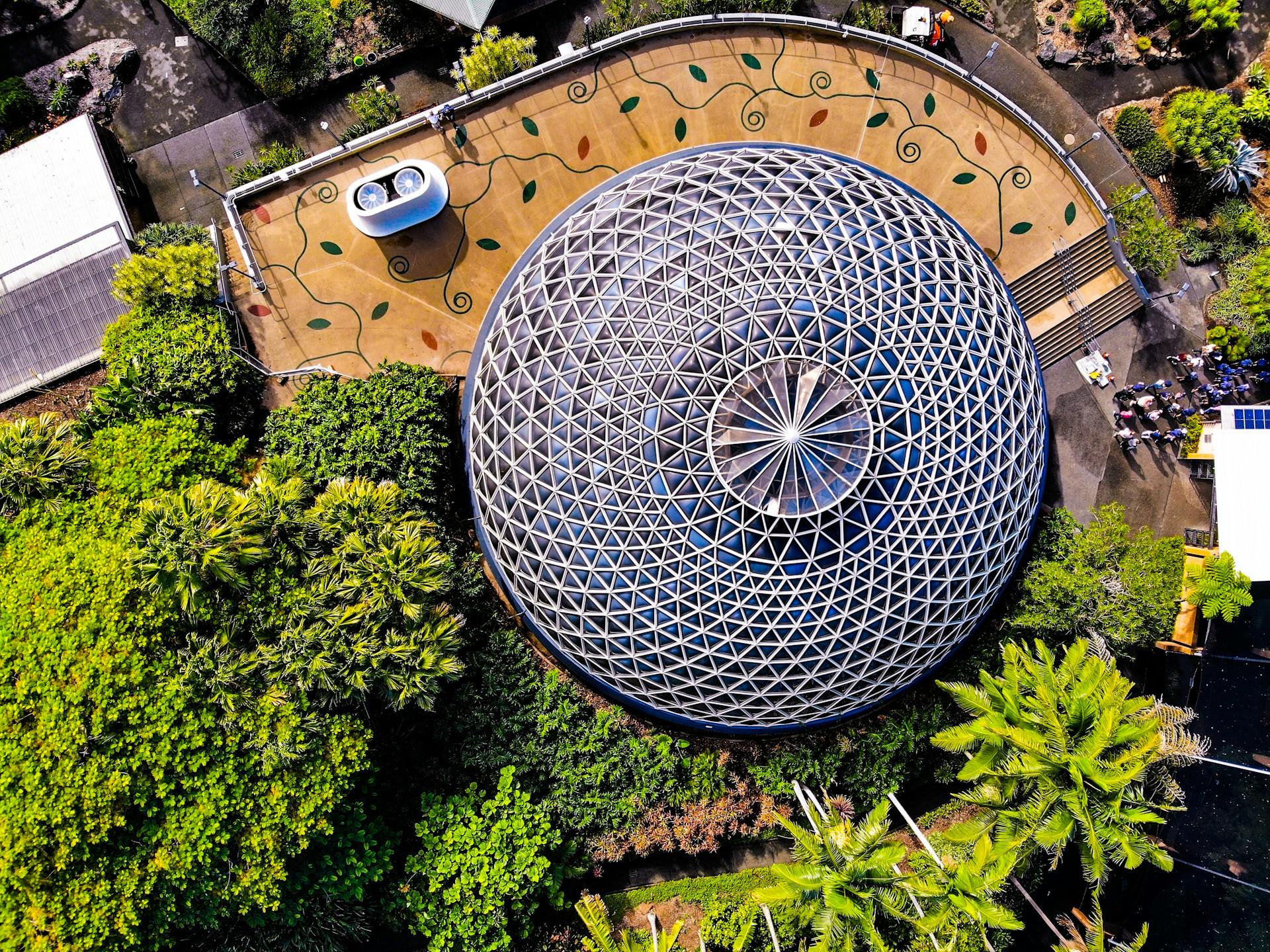
For most travellers, the Reserve is their destination. These 1 500 hectares of bushland are home to much wildlife, and the preserve features many trails to make the most remote points accessible.
How to Get There
At just six miles from Brisbane's CBD, you hardly need a car to get there. You can ride bus 471 from the CBD, all the way to the Mount Coot-Tha stop. Or, continue your ride to the summit, to get a panoramic view of the city.
Best Time(s) to Go
Watching the sunrise from the summit is magical, and seeing Brisbane all lit up at night is a treat. To avoid crowds, aim for off-peak times, such as weekdays.
Purnululu National Park
This World Heritage Site lies in the East Kimberly region in Western Australia. The whole park has much to commend it, but the Bungle Bungle Range took our breath away. This terrain features sandstone tower arrangements, made colourful through bacterial action.
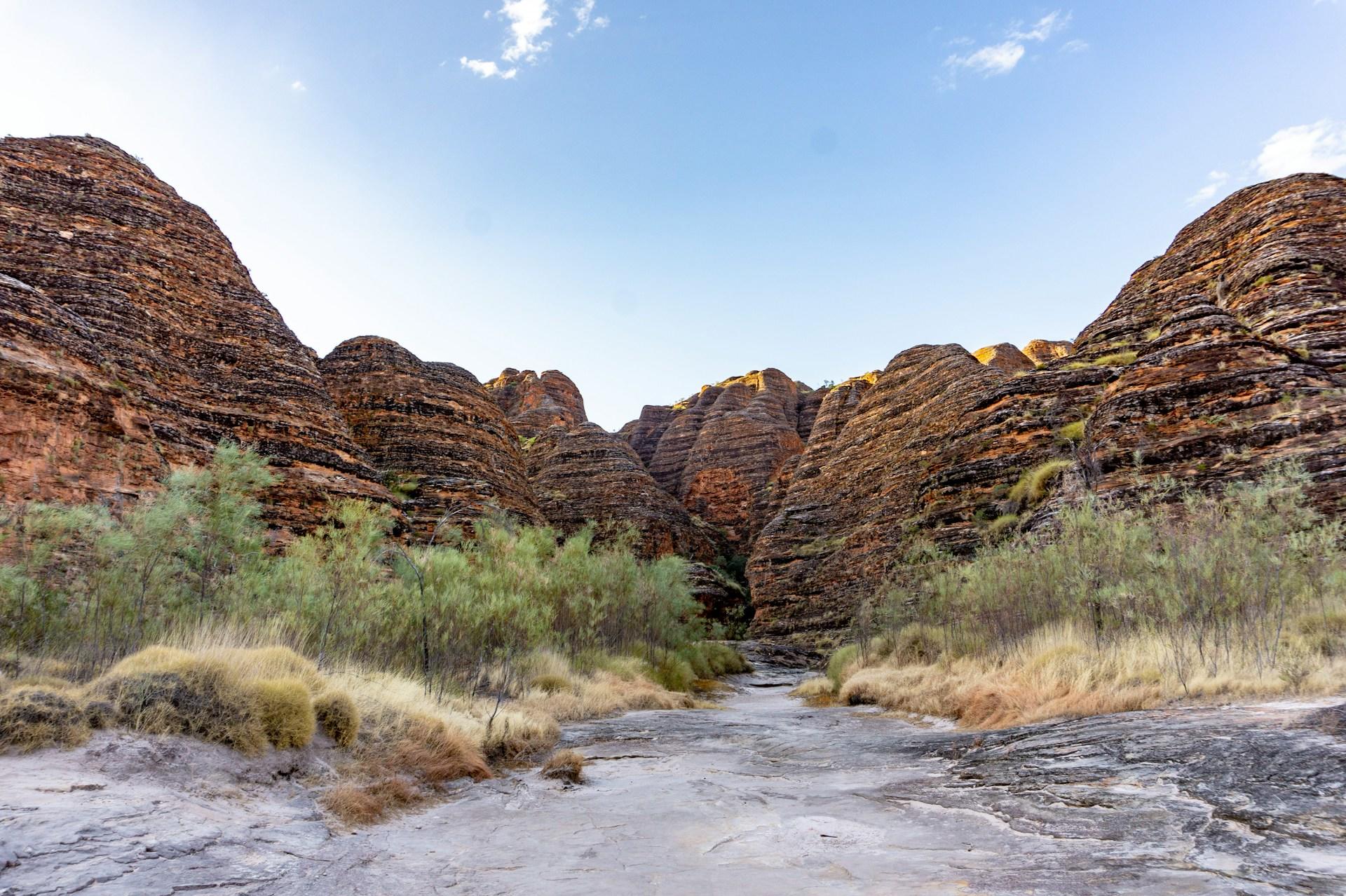
Western Australia is home to a list of jaw-dropping sites, each worthy of exploration. Much as we strive to be impartial, we confess that Purnululu made a lasting impression.
How to Get There
This park is quite a ways from Perth, and you will need a four-wheel-drive (4WD) to access it. You might fly from Perth to Kununurra Airport, and then hire a 4WD for your journey's the last leg. The drive, along Great Northern Highway, should take around three hours.
Best Time(s) to Go
An April-to-October visit will keep you safe from the park's extreme summer temperatures.
The Stockton Sand Dunes
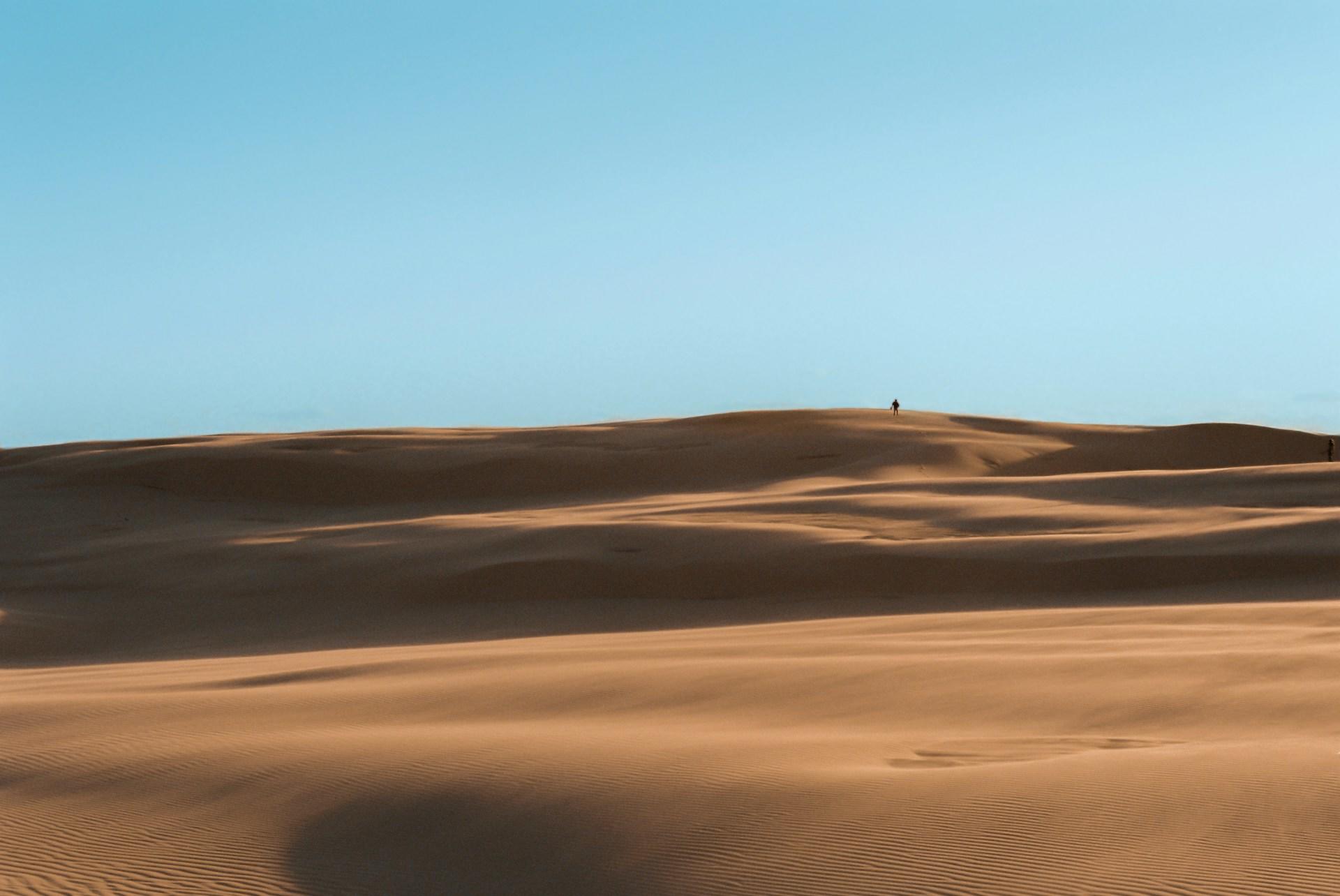
These dunes, just outside of Newcastle in New South Wales (NSW), stretch for 20 miles. At some points, they reach more than 30 metres high, and they 'walk' an average of four metres per year. Quad bikers, sand-boarders, and ordinary hikers tackle the Dunes' challenge with glee. However, if the thought of all that sand leaves you cold, consider touring the Worimi Conservation Lands, instead.
How to Get There
Here, too, guides recommend a 4WD. If you've no such vehicle, consider a guided tour, which will lead you around the dunes and provide a suitable ride.
Best Time(s) to Go
The dunes are accessible year-round, but they're best experienced early in the morning, or towards evening. Try to avoid adventuring on them during the summer, as that could be dangerous.
Uluru

This red sandstone monolith is as much as a symbol of Australia as kangaroos, and as recognisable as Sydney Harbour. This Unesco World Heritage Site lies in the southern part of the Northern Territory. It is sacred to the Pitjantjatjara people, who've recorded their history in the walls of the area's rock caves.
Tourists are welcome to visit, particularly during the rainy season, so they might see waterfalls cascading down Uluru's sides.
Besides the monolith, wildlife enthusiasts enjoy photographing native animal species, desert flowers in bloom, and other site features.
How to Get There
Fly into Yulara from any Australian city, then hire a car to drive to the site.
Best Time(s) to Go
It's best to avoid this site during the hottest part of the day. Sunrise and sunset provide stunning light conditions for photography. This region doesn't have a rainy season, but Spring and Autumn months increase one's chances of seeing those fabled waterfalls.
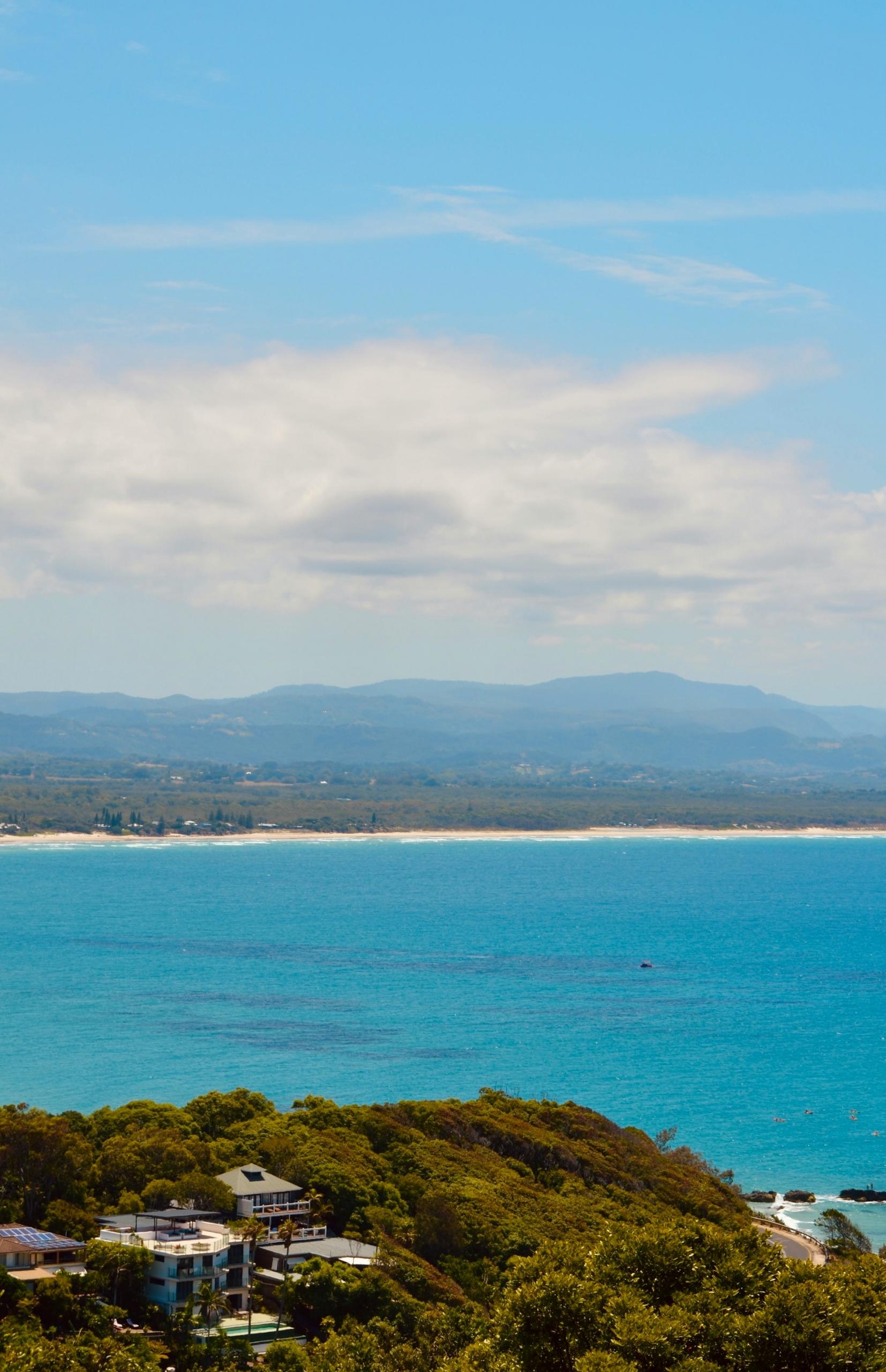
Byron Bay
This beachside town lies closer to Brisbane than Sydney, though it's in NSW. It's a popular tourist destination for domestic and international travellers, thanks to its surf, scenery, and amenities. Of particular note is the Lighthouse, a Heritage-listed structure built in 1901.
Whale-watching, scuba-diving and snorkelling are all top activities. On land, cycling, hiking and festival-going rule. Of all the pretty spots to see in NSW, Byron Bay might be the most charming.
How to Get There
To go by car from Brisbane or Sydney, drive the Pacific Highway to Byron Bay. Or, you might ride Greyhound Australia from those major cities, and from Gold Coast, too.
Best Time(s) to Go
March to May delivers ideal weather conditions, and the area won't be so crowded. Otherwise, Byron Bay welcomes travellers year-round.
Yarra Valley
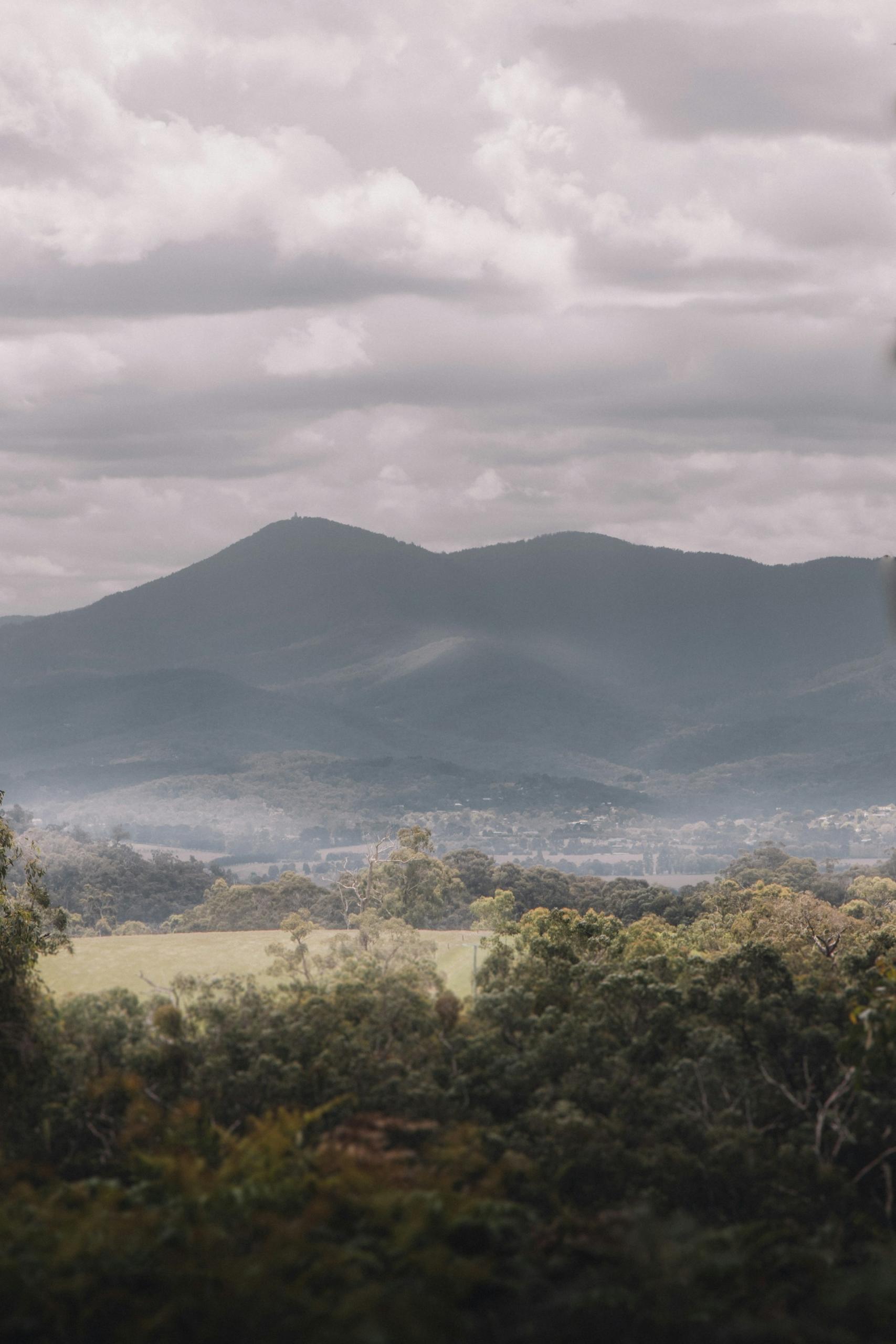
The Yarra Valley Region, in Victoria, is a popular day-trip for those living nearby, and a must-see attraction for travellers. It's a wine-growing region and a foodie's paradise, with many eateries offering artisanal foods.
For those only mildly interested in culinary delights, the Lilydale-to-Warburton Trail makes for a nice hike. Besides walking, cycling and horseback riding are favourite activities.
How to Get There
You must have a car to make the most of your visit. You might hire one in Melbourne and drive the hour or so it takes to get there. You'll find no buses to take you to the wineries.
Best Time(s) to Go
- December to February: best for hiking, cycling, and other outdoor activities.
- September to November: best for sampling wine-making experiences.
The Blue Mountains
As though Sydney didn't have enough going for it, this mountain range lurks just beyond the city's limits.
Many disagree on how far this range extends, as it forms a part of the Great Dividing Range.
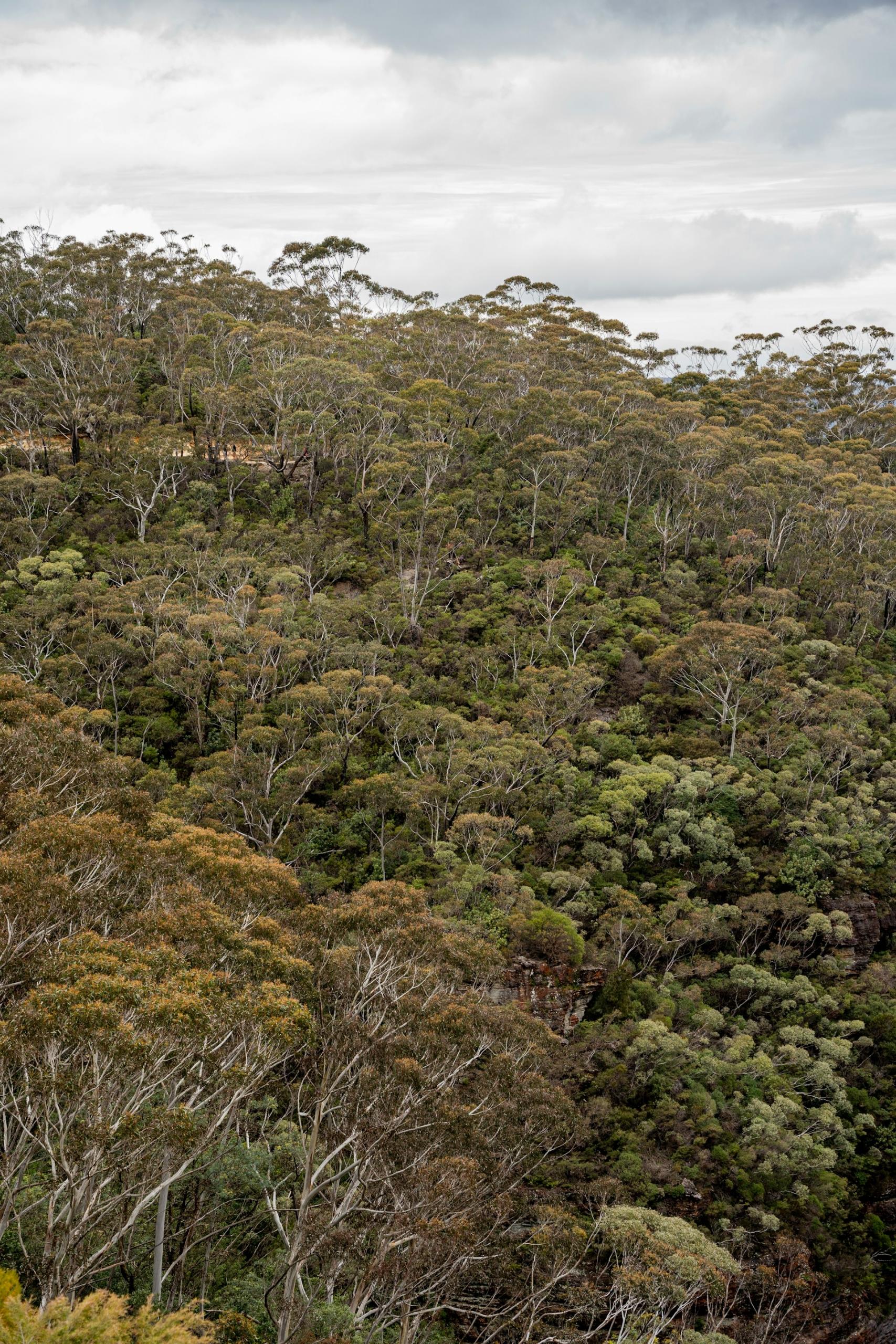
However, few dispute all that travellers will find on these mountains:
- Jenolan Caves
- Knapsack Viaduct
- the Three Sisters
- Zig Zag Railway
- Lennox Bridge
- the Giant Stairway
How to Get There
by car
via the M4 Motorway
by train
from Sydney Central Station
by bus
from Katoomba ride the Blue Mountains Explorer bus
Best Time(s) to Go
- June to August: best for snow activities
- September to November: best for wildlife and scenic views
- Year-round: suitable for all activities
Bay of Fires
Tasmania boasts many spectacular sites to tour, including this beach, which Condé Nast voted the world's second-best beach. It got its name in 1773, when British ship captain Tobias Furneaux spotted native people's fires on the shore. Today, travellers flock there for camping, boating, fishing, and other water activities.

How to Get There
From Launceston or Hobart, drive to St Helens. From there, follow the signs to the Bay.
Best Time(s) to Go
This bay is great to enjoy year-round.
Macquarie Island
This Unesco World Heritage Site lies halfway between Australia and New Zealand. It is home to the royal penguin population, particularly during nesting season. As it's a subantarctic island, vegetation hardly grows more than one metre tall, and the ecology is a constant worry to keep in balance. Thus, tourism remains limited, but is still possible.
How to Get There
You can only get to this island by sea, as a part of a guided expedition.
Best Time(s) to Go
December to March, you'll see lots of penguin activity, and playful seal pups, too. That's also the best time to capture megaherbs in bloom.
Whitsunday Island

Whitsunday is the hub for a group of 74 islands off the Queensland coast. Whitehaven Beach headlines the list of tourist attractions, for Queensland, as well as this island.
The northern bay's seagrass beds are a snorkeller's dream, and the island's six campgrounds make ample room for all. This area is the Southern Hemisphere's most popular yachting destination.
How to Get There
by car
- from Brisbane: head north on Bruce Highway
- from Sydney: drive north on Pacific Highway
- merge onto Bruce Highway
by ferry
from Arlie Beach or Shute Harbour
by air
from any Australian airport to Whitsunday Coast Airport
Best Time(s) to Go
September is, hands-down, the best time to go. By contrast, October to May is the worst time. Locals call it Stinger Season, because that's when jellyfish take to the water, with their painful - and, sometimes, deadly tentacles.
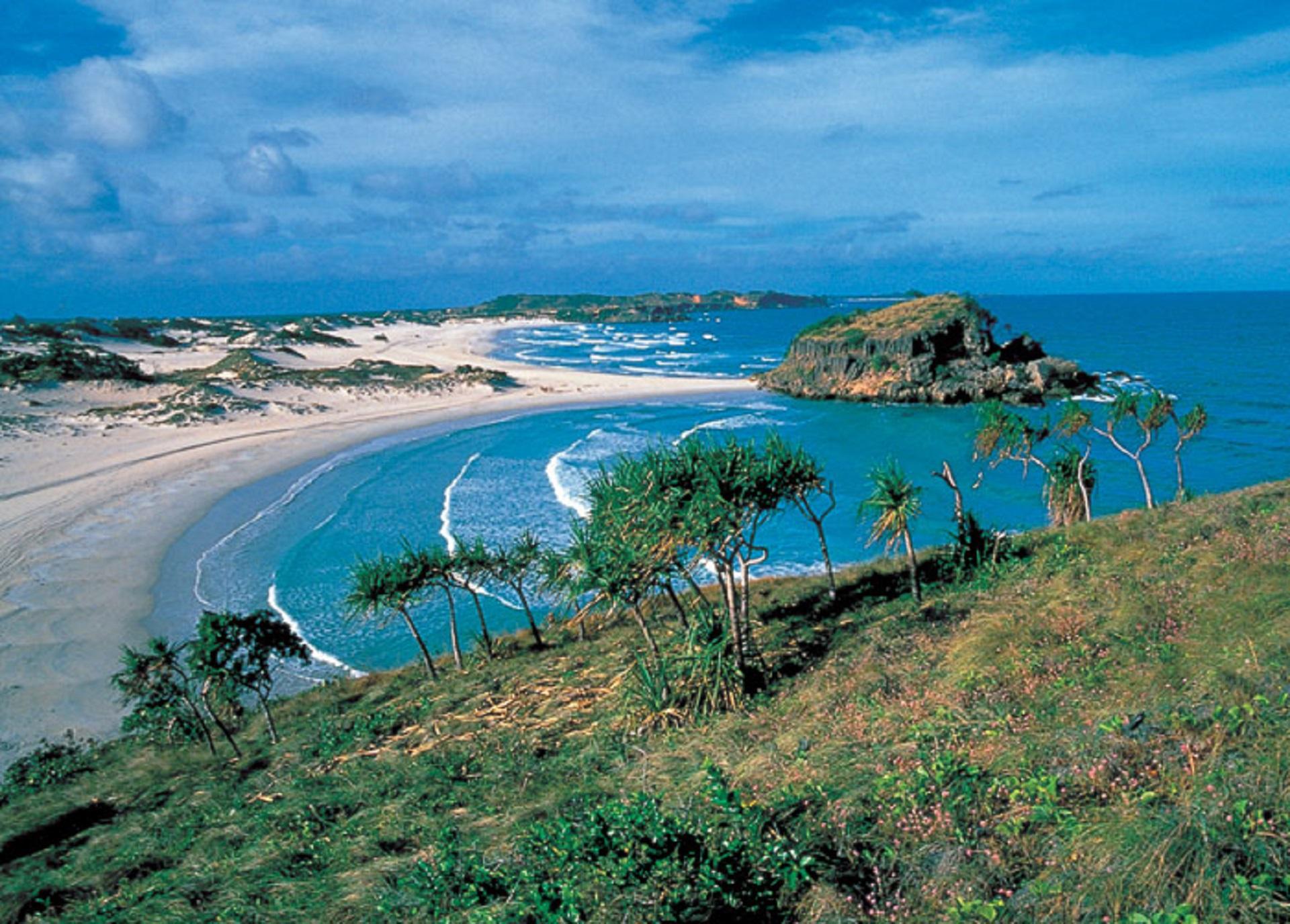
Arnhem Land
This area lies in the northeast corner of the Northern Territory. It is the ancestral home of several Aboriginal and Torres Strait Islander People. Aboriginal rock art is one of this region's draws, bark painting artists is another. It is here that the didgeridoo originated.
How to Get There
You can fly into Darwin from any Australian airport, and then catch a hop to Gove Airport, in Arnhem Land. You may also drive there from Darwin, via the Stuart Highway, turning onto Central Arnhem Road and progressing from there.
Best Time(s) to Go
- November to March: lush vegetation, water-based activities
- April to October: ideal for bird-watching
My favourite Australian scene is
Summarise with AI:
Did you like this article? Leave a rating!

 Loading...