
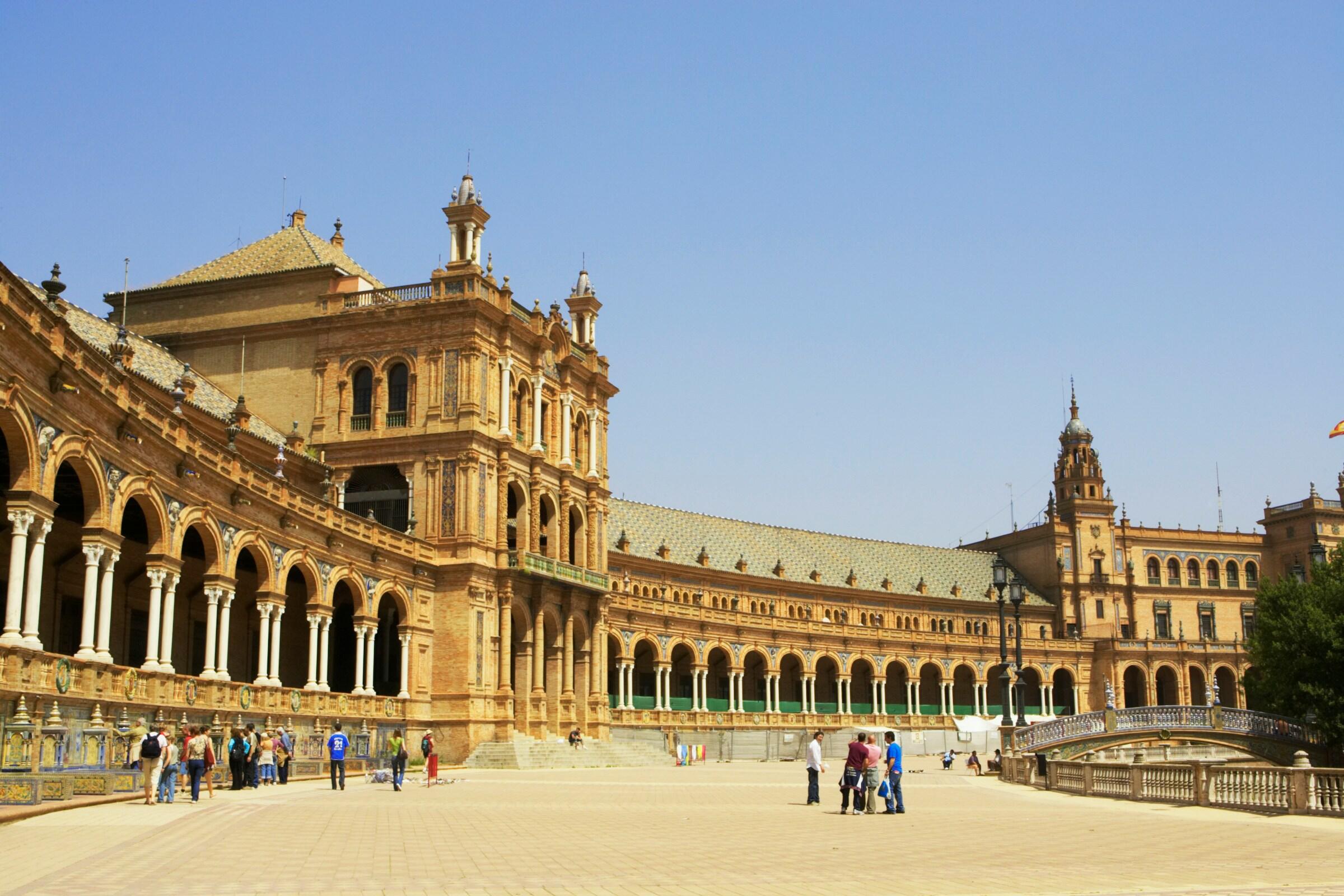

"Caminante, no hay camino, se hace camino al andar." [Traveller, there is no path, the path is made by walking.]
Antonio Machado
From the Mediterranean coast to the Portuguese border, plenty of tourists are spoilt for choice when it comes to destinations in Spain. Whether you do a pilgrimage to Santiago de la Compostela or just fancy travelling to Spain to learn Spanish, here are the most beautiful cities in the country and where you should go when you visit Spain.
| City | Population | Region | Founded | Elevation | Area | Average Temperature | Closest Major Airport | Annual Visitors |
|---|---|---|---|---|---|---|---|---|
| Madrid | 3.3 million | Community of Madrid | 9th Century | 667 m (2,188 ft) | 604.3 km² | 15°C (59°F) | Adolfo Suárez Madrid–Barajas (MAD) | 10 million |
| Barcelona | 1.6 million | Catalonia | 1st Century BC | 12 m (39 ft) | 101.9 km² | 16°C (61°F) | Barcelona–El Prat (BCN) | 12 million |
| Seville | 700,000 | Andalusia | Roman Empire | 7 m (23 ft) | 140.8 km² | 19°C (66°F) | Seville Airport (SVQ) | 4 million |
| Cordoba | 325,000 | Andalusia | 2nd Century BC | 106 m (348 ft) | 1,255 km² | 18°C (64°F) | Córdoba Airport (ODB) | 1 million |
| Salamanca | 144,000 | Castile and León | 4th Century BC | 802 m (2,631 ft) | 39.34 km² | 13°C (55°F) | Salamanca Airport (SLM) | 800,000 |
| Valencia | 800,000 | Valencian Community | 138 BC | 15 m (49 ft) | 134.6 km² | 18°C (64°F) | Valencia Airport (VLC) | 7 million |
| Girona | 100,000 | Catalonia | 79 BC | 76 m (249 ft) | 39.1 km² | 15°C (59°F) | Girona-Costa Brava (GRO) | 600,000 |
| Toledo | 85,000 | Castile-La Mancha | 192 BC | 529 m (1,736 ft) | 232.1 km² | 16°C (61°F) | Madrid–Barajas (MAD) | 3 million |
| Las Palmas | 380,000 | Canary Islands | 1478 | 23 m (75 ft) | 100.5 km² | 21°C (70°F) | Gran Canaria Airport (LPA) | 2.5 million |
| Palma de Mallorca | 420,000 | Balearic Islands | 123 BC | 13 m (43 ft) | 208.6 km² | 18°C (64°F) | Palma de Mallorca Airport (PMI) | 2 million |
| Granada | 235,000 | Andalusia | 8th Century | 738 m (2,421 ft) | 88.02 km² | 15°C (59°F) | Federico García Lorca Granada-Jaén (GRX) | 3 million |
| Malaga | 580,000 | Andalusia | 8th Century BC | 11 m (36 ft) | 398.0 km² | 18°C (64°F) | Málaga-Costa del Sol (AGP) | 4 million |
| Bilbao | 350,000 | Basque Country | 14th Century | 19 m (62 ft) | 41.6 km² | 14°C (57°F) | Bilbao Airport (BIO) | 1.5 million |
| Zaragoza | 675,000 | Aragon | 14 BC | 199 m (653 ft) | 973.8 km² | 15°C (59°F) | Zaragoza Airport (ZAZ) | 900,000 |
| Alicante | 340,000 | Valencian Community | 324 BC | 3 m (10 ft) | 201.3 km² | 18°C (64°F) | Alicante–Elche Airport (ALC) | 2 million |


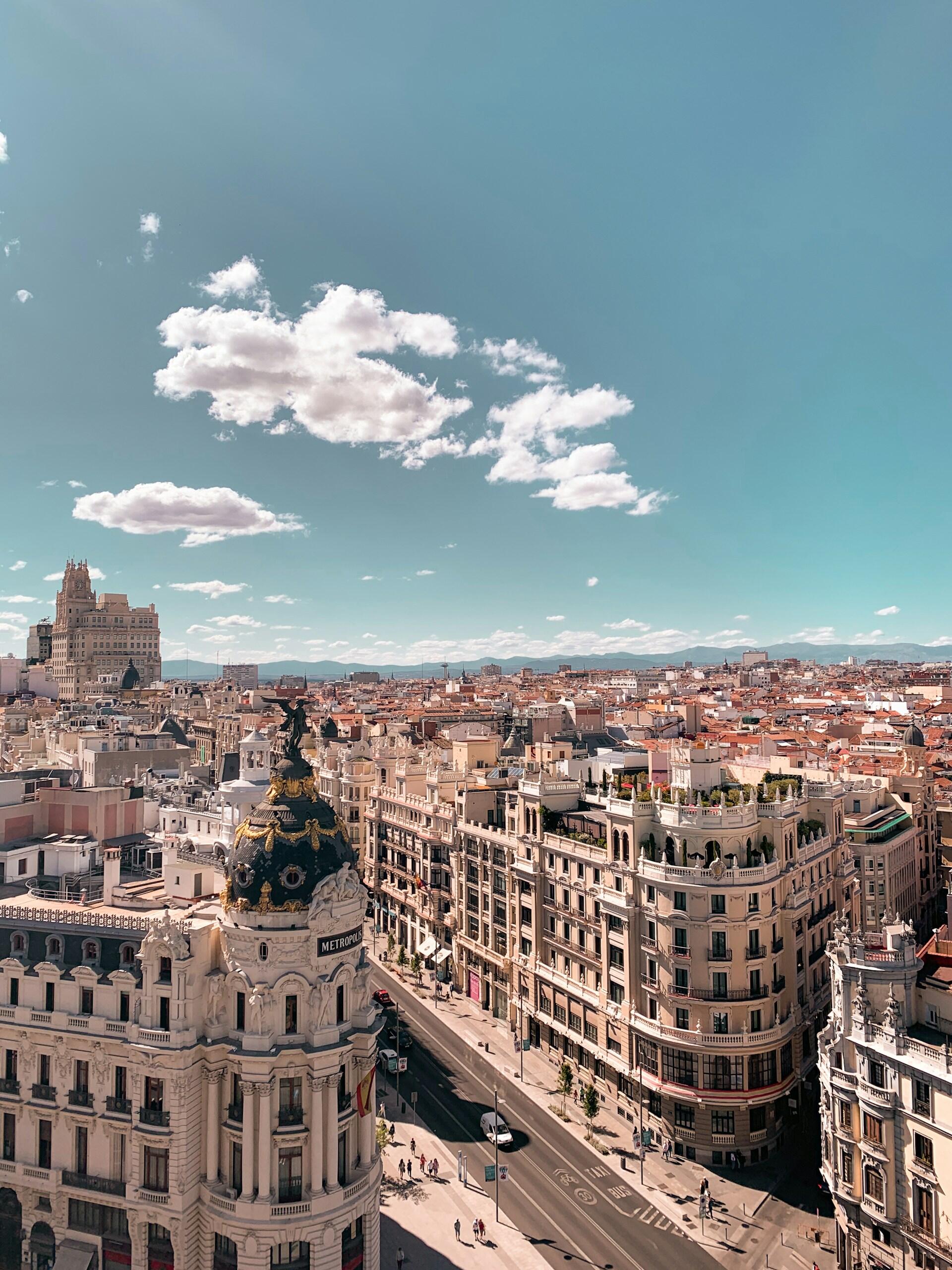
Madrid
Madrid
- Population: 3.3 million
- Region: Community of Madrid
- Founded: 9th Century
- Elevation: 667 m (2,188 ft)
- Area: 604.3 km²
- Average Temperature: 15°C (59°F)
- Closest Major Airport: Adolfo Suárez Madrid–Barajas (MAD)
- Annual Visitors: 10 million
Major Attractions
- Prado Museum: One of the world's most renowned art museums, featuring works by Velázquez, Goya, and El Greco.
- Reina Sofia Museum: Home to Picasso's Guernica and other contemporary Spanish art.
- El Retiro Park: A vast, lush park perfect for strolling, boating, and relaxing.
- Royal Palace of Madrid: The official residence of the Spanish Royal Family, though only used for state ceremonies.
- Puerta del Sol: A bustling square in the heart of Madrid, famous for the clock tower and the "Kilometre Zero" marker.
- Gran Vía: A major street is known for its impressive architecture, shops, and theatres.
In the heart of the country, Madrid is the centre of Spain. As a capital city, it’s full of big streets and traffic jams. Fortunately for you, it’s also home to beautiful parks like El Retiro Park.
You can also discover great museums like the Prado, where you can see works from Dalì, Goya, and Velázquez, as well as the Reina Sofia museum where you can see Picasso’s Guernica. Like most other countries in the world, the capital of Spain is at the top of the list of places to visit in the country.
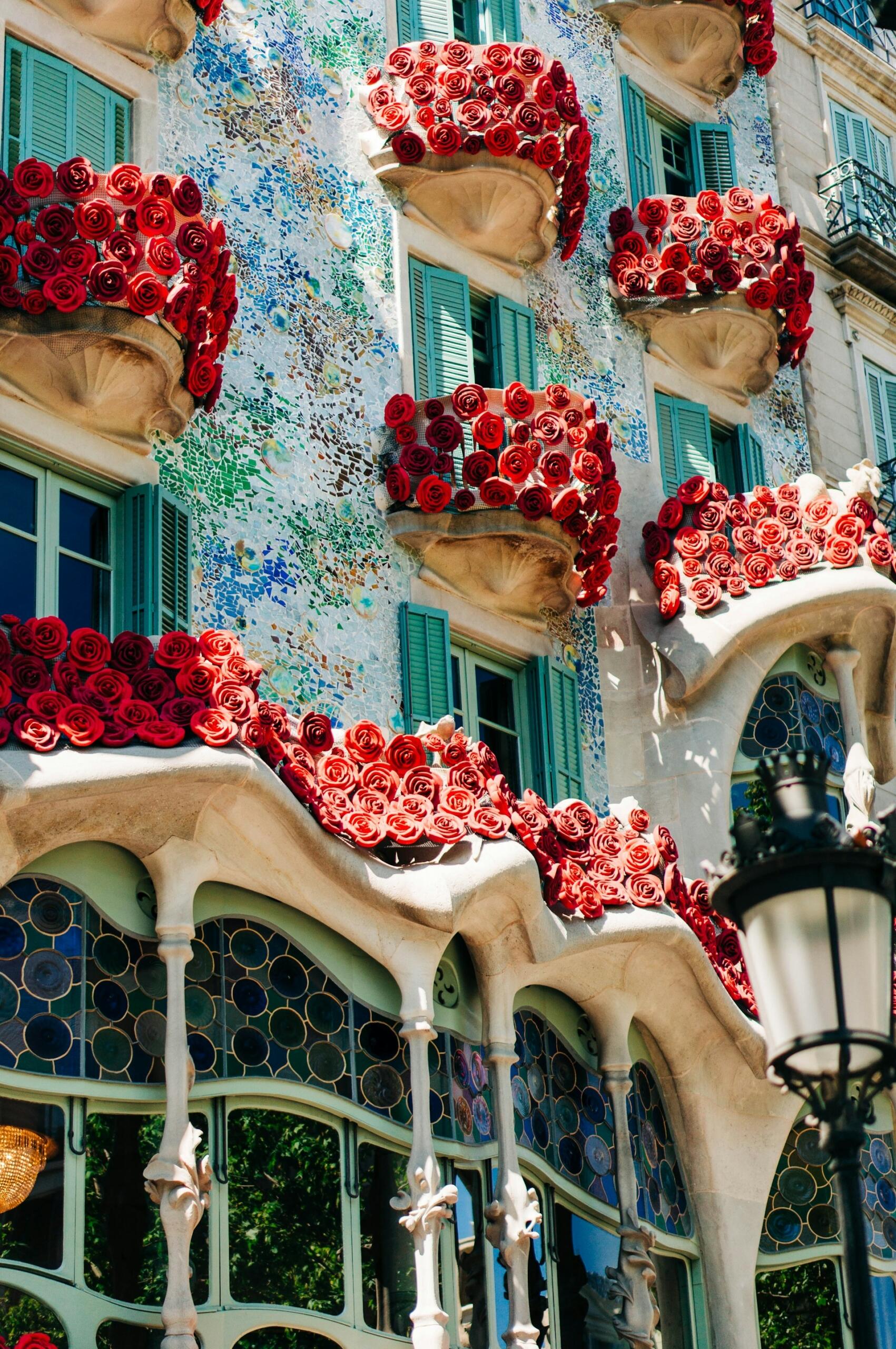
Barcelona
Barcelona
- Population: 1.6 million
- Region: Catalonia
- Founded: 1st Century BC
- Elevation: 12 m (39 ft)
- Area: 101.9 km²
- Average Temperature: 16°C (61°F)
- Closest Major Airport: Barcelona–El Prat (BCN)
- Annual Visitors: 12 million
Major Attractions
- Sagrada Familia: Antoni Gaudí’s unfinished masterpiece and one of the most iconic structures in Spain.
- Park Güell: A colourful public park filled with modernist sculptures and mosaics by Gaudí.
- Gothic Quarter: A historic area with narrow medieval streets, old churches, and charming squares.
- La Rambla: The bustling main street lined with shops, cafes, and street performers.
- Casa Batlló: Another Gaudí creation known for its organic shapes and vibrant facade.
- Montjuïc: A hill with gardens, museums, and stunning views over the city.
- Barceloneta Beach: A popular urban beach with golden sands and a lively boardwalk.
If you head to Barcelona in the height of summer, you’ll probably find more tourists than locals. For the most part, visiting Barcelona outside of summer is a good way to avoid crowds and sweltering heat. While Barcelona is next to the sea and has a beach, it’s still very hot in the summer.
But don’t let that stop you from enjoying the city streets, the Sagrada Familia, and Catalan art. With Barcelona being in the heart of Catalonia, there's a lot to differentiates it from the other cities in Spain. For one, both Catalan and Spanish are spoken in the region, so get used to seeing words you didn't come across in your Spanish lessons.
Secondly, the Catalan region has its own culture, history, art, and identity, giving you something new to discover if you think you've seen everything Spain has to offer.
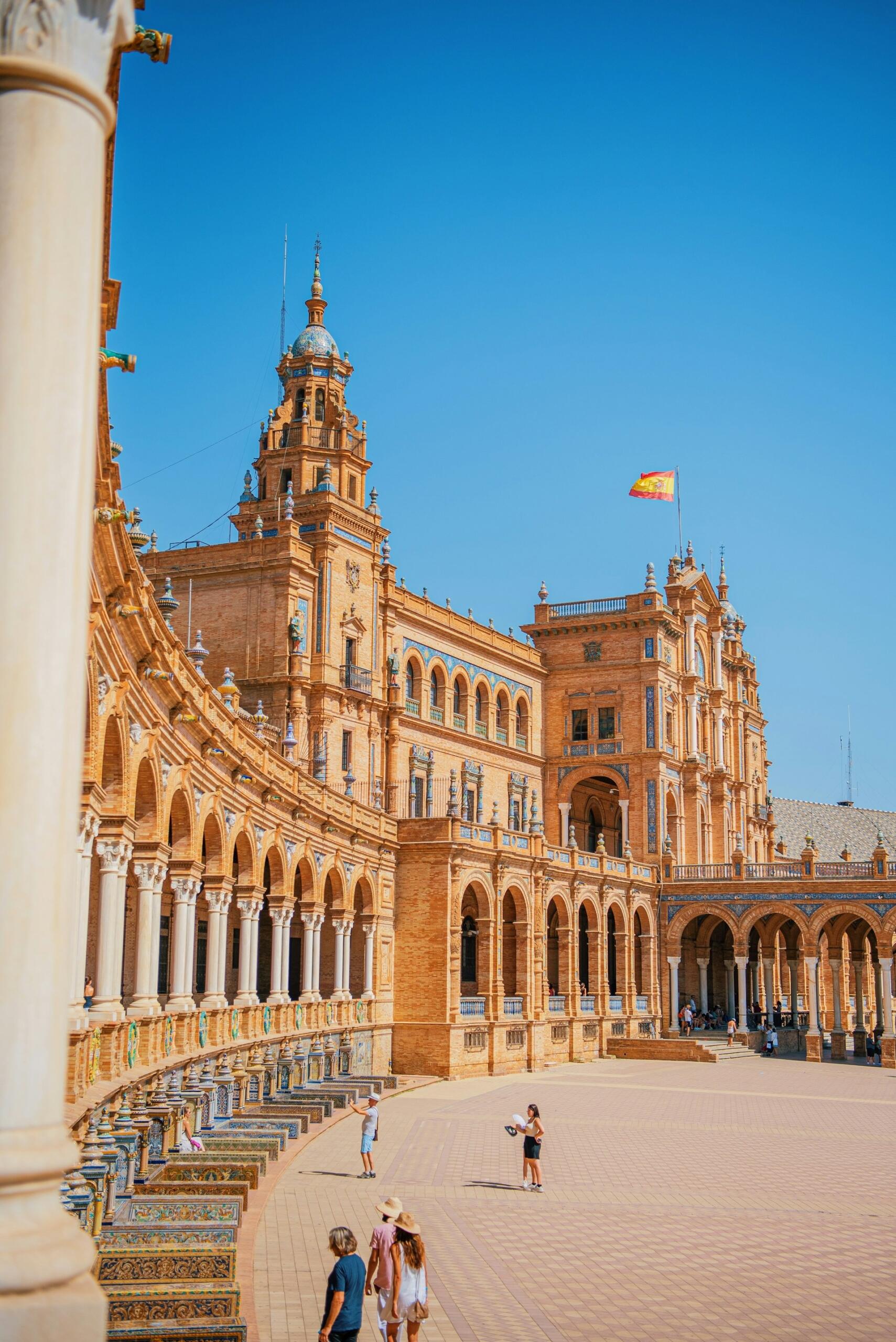
Seville
Seville
- Population: 700,000
- Region: Andalusia
- Founded: Roman Empire
- Elevation: 7 m (23 ft)
- Area: 140.8 km²
- Average Temperature: 19°C (66°F)
- Closest Major Airport: Seville Airport (SVQ)
- Annual Visitors: 4 million
Major Attractions
- Royal Alcázar: A stunning palace with Moorish architecture, gardens, and intricate designs.
- Plaza de España: A vast, semi-circular plaza with fountains and ceramic-tiled bridges.
- María Luisa Park: A lush park adjacent to Plaza de España, filled with fountains and shaded paths.
- Seville Cathedral: The largest Gothic cathedral in the world, housing Christopher Columbus's tomb.
- Giralda Tower: Originally a minaret, it is now the bell tower of Seville Cathedral with incredible city views.
- Flamenco Shows: Authentic performances showcasing Spain's traditional dance and music.
Seville is certainly one of the first cities people think of when talking about Spain. As the capital of the region of Andalusia, this is one of the most beautiful cities with its Moorish architecture, such as the Royal Alcazar. After visiting the Plaza de España, head over to the archaeological site of Italica or the María Luisa Park.
Finally, there’s nothing better than spending the evening in a tapas bar or watching a flamenco show. If there were a single city that could represent what most people think of when they think of Spain, Seville would be it.
Córdoba
Córdoba
- Population: 325,000
- Region: Andalusia
- Founded: 2nd Century BC
- Elevation: 106 m (348 ft)
- Area: 1,255 km²
- Average Temperature: 18°C (64°F)
- Closest Major Airport: Córdoba Airport (ODB)
- Annual Visitors: 1 million
Major Attractions
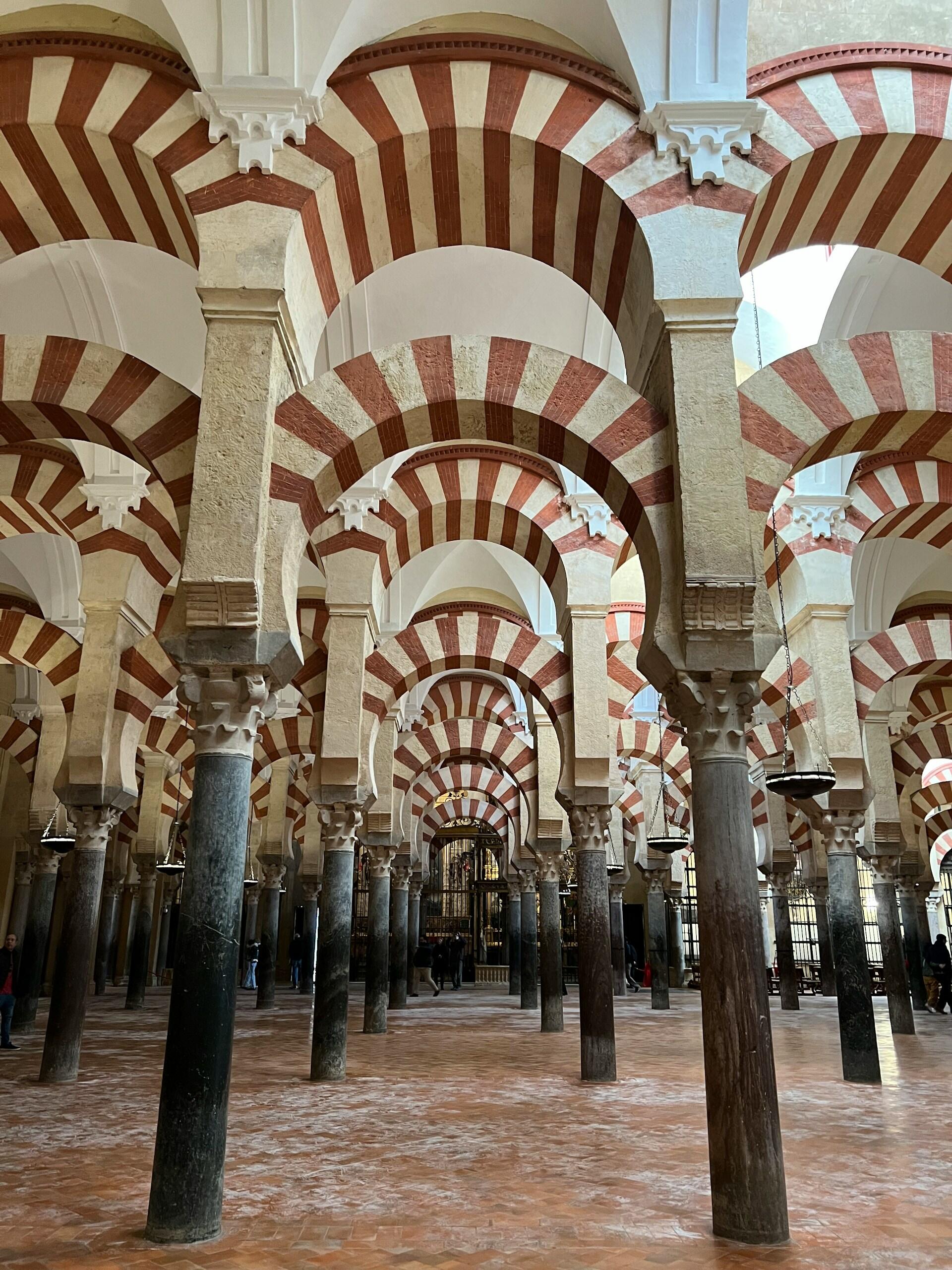
- Mezquita-Cathedral: Originally a mosque, now a cathedral with a unique blend of Islamic and Christian architecture.
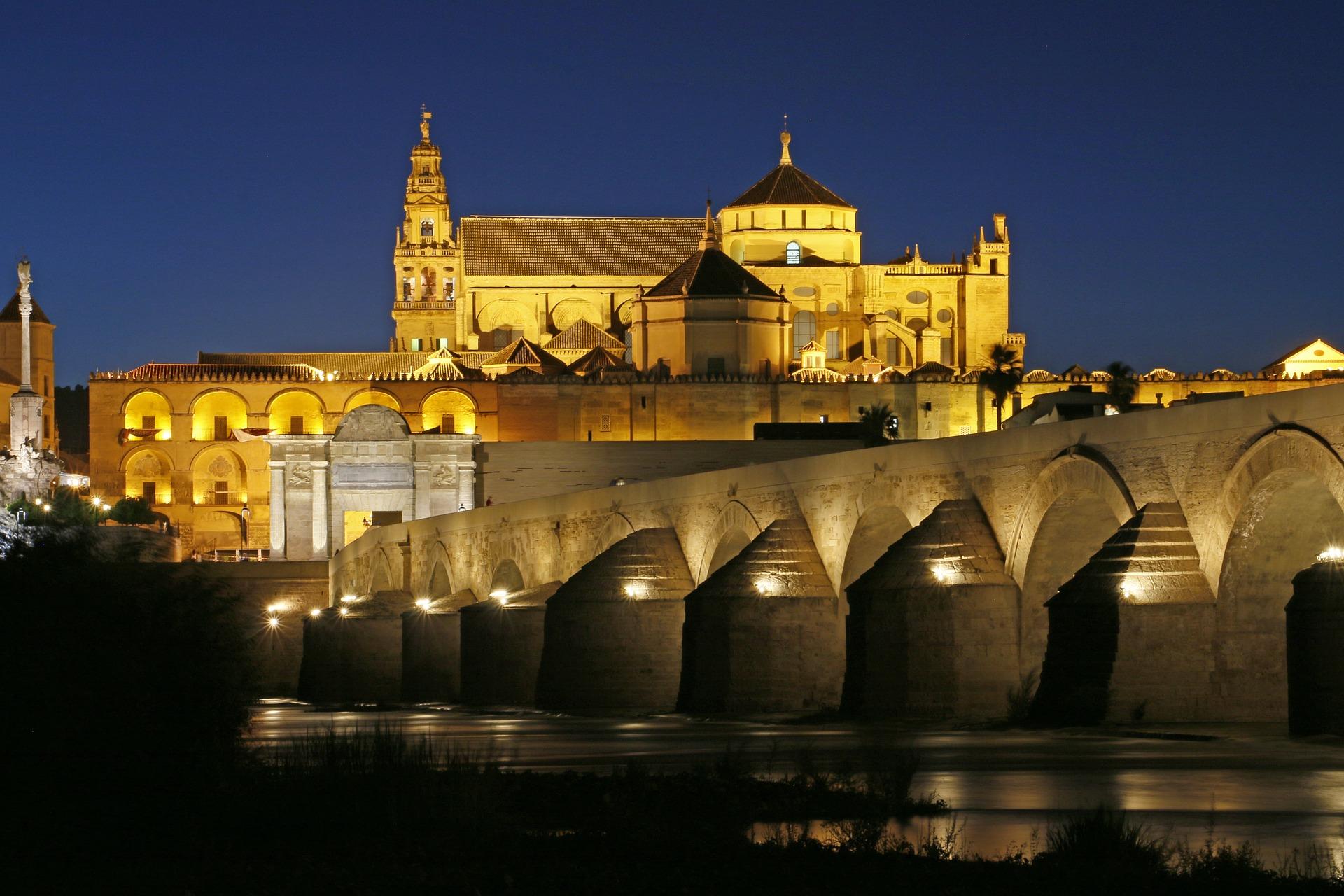
- Roman Bridge: An ancient bridge spanning the Guadalquivir River with beautiful city views.
- Calleja de las Flores: A picturesque alley filled with flower pots and views of the Mezquita tower.
- Viana Palace: A historic house with twelve stunning courtyards.
- Plaza de la Corredera: A lively square surrounded by traditional Spanish cafes and shops.
Cordoba is another city in Andalusia that had a tumultuous history. It was an important city in the Roman Empire before becoming an Islamic city in the Middle Ages.
You can see its history represented by its most famous building, the Mezquita, which was built in 784. There are also Byzantine influences in this building.
The interesting thing about this building is that it was originally a mosque before becoming a Cathedral. If you're heading to visit the Mezquita, you should definitely make your way via the Calleja de las Flores, arguably the most famous street in all of Cordoba.
Discover Spanish lessons Sydney on Superprof!
With the Plaza de la Corredera, Viana Palace, Plaza de la Tendillas, you won’t be bored walking around Cordoba. This is a beautiful city that really deserves more attention than it often gets.
Samalanca
Samalanca
- Population: 144,000
- Region: Castile and León
- Founded: 4th Century BC
- Elevation: 802 m (2,631 ft)
- Area: 39.34 km²
- Average Temperature: 13°C (55°F)
- Closest Major Airport: Salamanca Airport (SLM)
- Annual Visitors: 800,000
Major Attractions
- Plaza Mayor: An elegant 18th-century square that serves as the city’s central gathering place.
- University of Salamanca: One of the oldest universities in Europe, founded in 1218.
- Old Cathedral: A stunning Romanesque cathedral dating back to the 12th century.
- New Cathedral: Built between the 16th and 18th centuries, featuring a mix of Gothic and Baroque styles.
- Casa de las Conchas: A unique building adorned with over 300 carved stone shells.
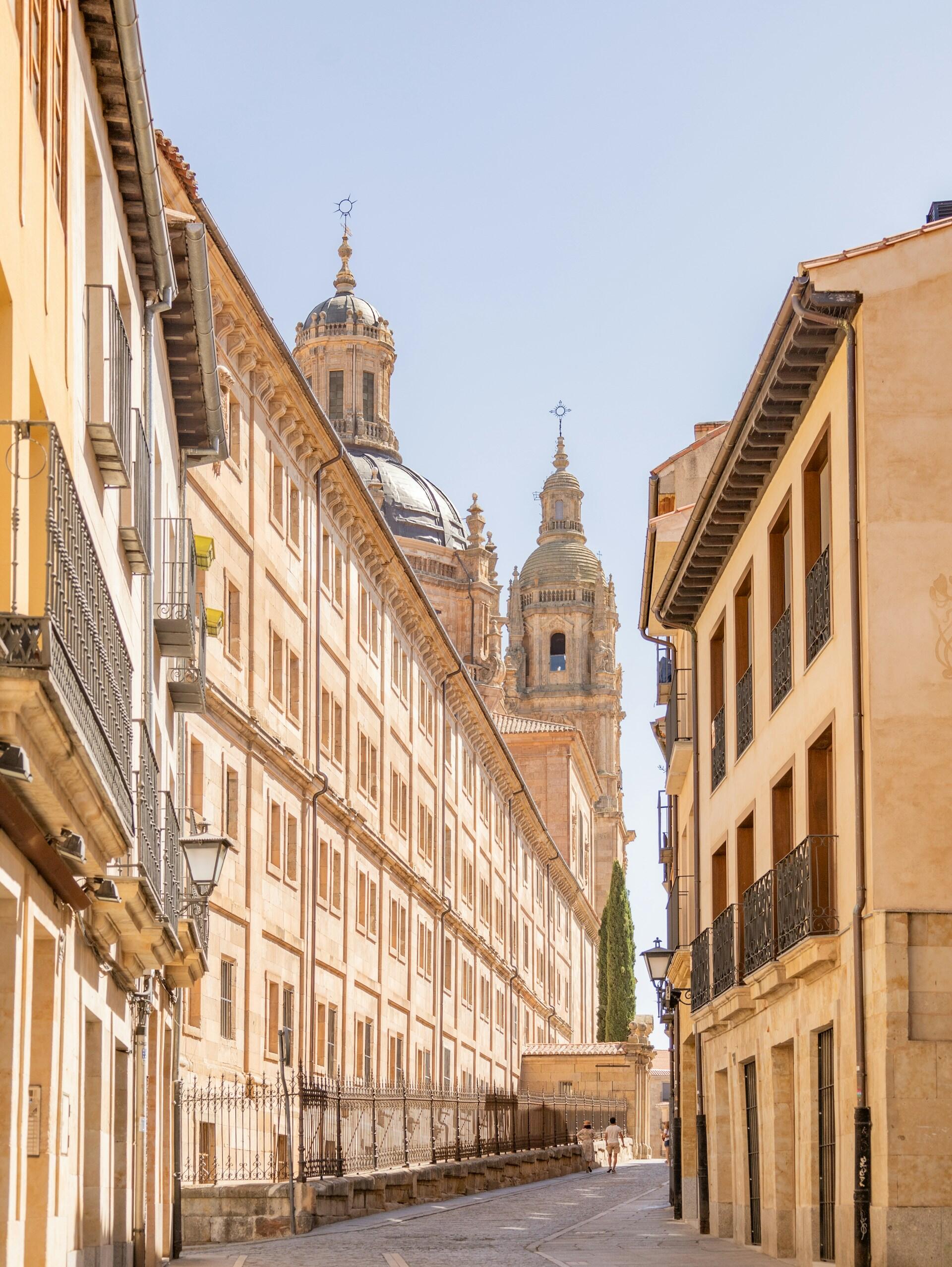
In the heart of Spain, Salamanca is a treasure trove of architectural delights. Its sandstone buildings make the city look like its made of gold and resulted in the city being nicknamed The Golden City.
These buildings are particularly impressive when viewed either during sunrise or sunset. Spending a few days or weeks in Salamanca is a great way to get the most out of this city’s student vibe. You’ll find one of the country’s oldest universities here.
Both Spanish and international students spend their evenings having a drink at the Plaza Mayor. Salamanca is listed as a world heritage site and is an unmissable destination in Spain.
Valencia
Valencia
- Population: 800,000
- Region: Valencian Community
- Founded: 138 BC
- Elevation: 15 m (49 ft)
- Area: 134.6 km²
- Average Temperature: 18°C (64°F)
- Closest Major Airport: Valencia Airport (VLC)
- Annual Visitors: 7 million
Major Attractions
- City of Arts and Sciences: A futuristic complex with a science museum, aquarium, and opera house.
- Mercado Central: One of the largest markets in Europe, filled with fresh produce and local delicacies.
- Valencia Cathedral: Home to the Holy Grail, with a beautiful mix of Gothic, Romanesque, and Baroque styles.
- Turia Gardens: A massive green space that stretches across the city, perfect for walking and cycling.
- La Lonja de la Seda: A Gothic-style building that was once a major silk market and is now a UNESCO site.
If you love paella, you’ll love Valencia. In fact, you’ll find the best paella in all of Spain here, as that's where the dish was originally created. Of course, paella isn’t the only reason to go to Valencia, though.
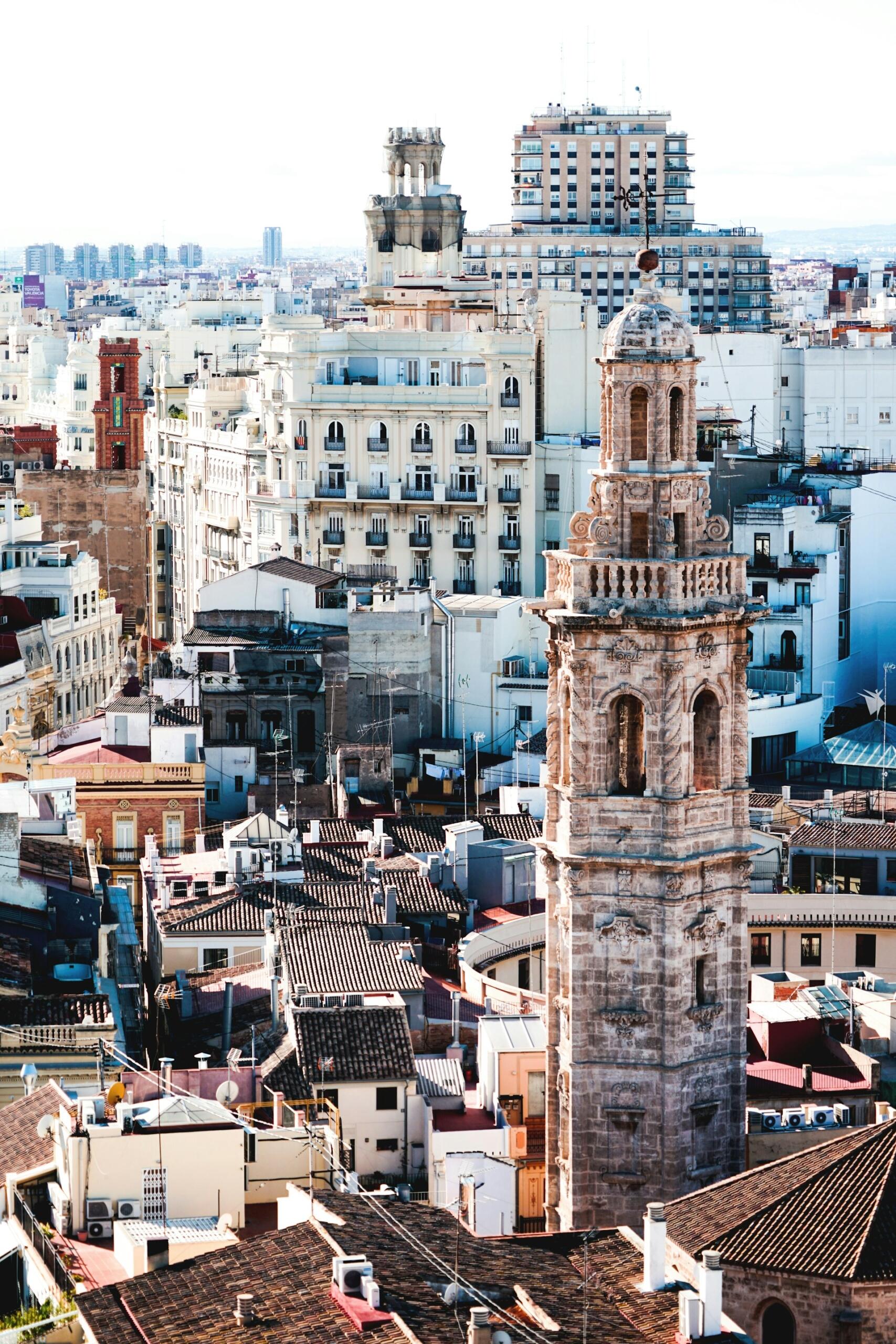
The city is famous for the City of Arts and Sciences. The city is also home to a mix of small streets, modern Western architecture, and the Mercado Central where you can find local produce.
Similarly, the city is famous for the Fallas festival, when local artisans craft magnificent floats before burning them at the end of the festival. Only the floats that are deemed worthy of the Fallas Museum are spared from the flames. Make sure you include a visit to the City of Arts and Sciences in your travel budget.
Girona
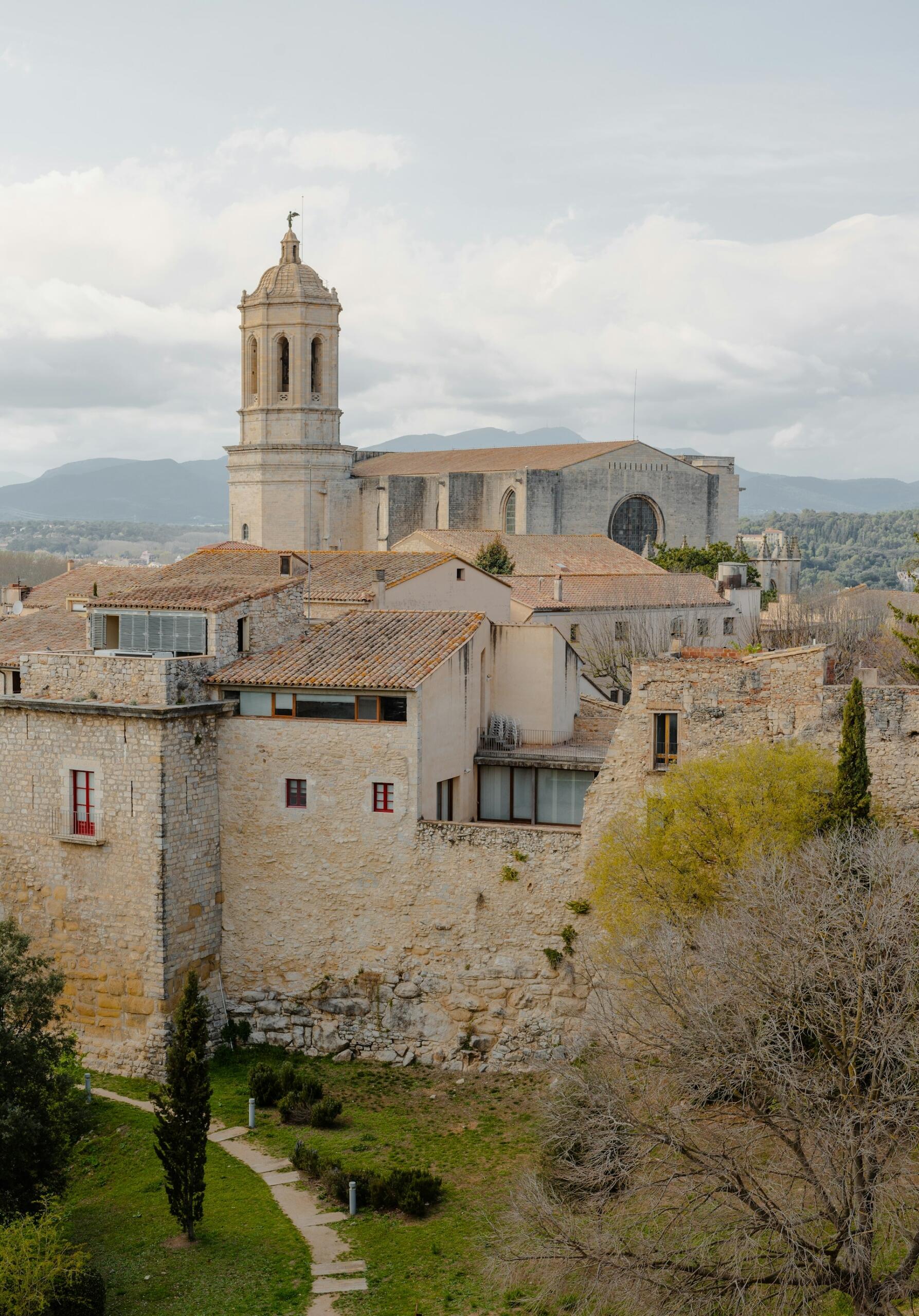
Girona
- Population: 100,000
- Region: Catalonia
- Founded: 79 BC
- Elevation: 76 m (249 ft)
- Area: 39.1 km²
- Average Temperature: 15°C (59°F)
- Closest Major Airport: Girona-Costa Brava (GRO)
- Annual Visitors: 600,000
Major Attractions
- Girona Cathedral: A monumental Gothic cathedral with the widest nave in the world.
- Roman City Walls: Ancient walls with towers and panoramic views of the city.
- Jewish Quarter: One of the best-preserved medieval Jewish quarters in Europe.
- Onyar River Houses: Colorful houses that line the river, creating a picturesque landscape.
- Arab Baths: Romanesque baths dating back to the 12th century.
Girona isn’t Spain’s most famous city but its historic charm makes it one of Spain’s most beautiful. This town has plenty of great places to walk around.
You should definitely see the “Tapestry of Creation” in the cathedral at the top of 90 steps. You can also enjoy the view from here. The city is most famous for its historic ruins that line the streets. Roman city walls, Gothic churches, the blend of eras makes walking around Girona like travelling through time.
Toledo
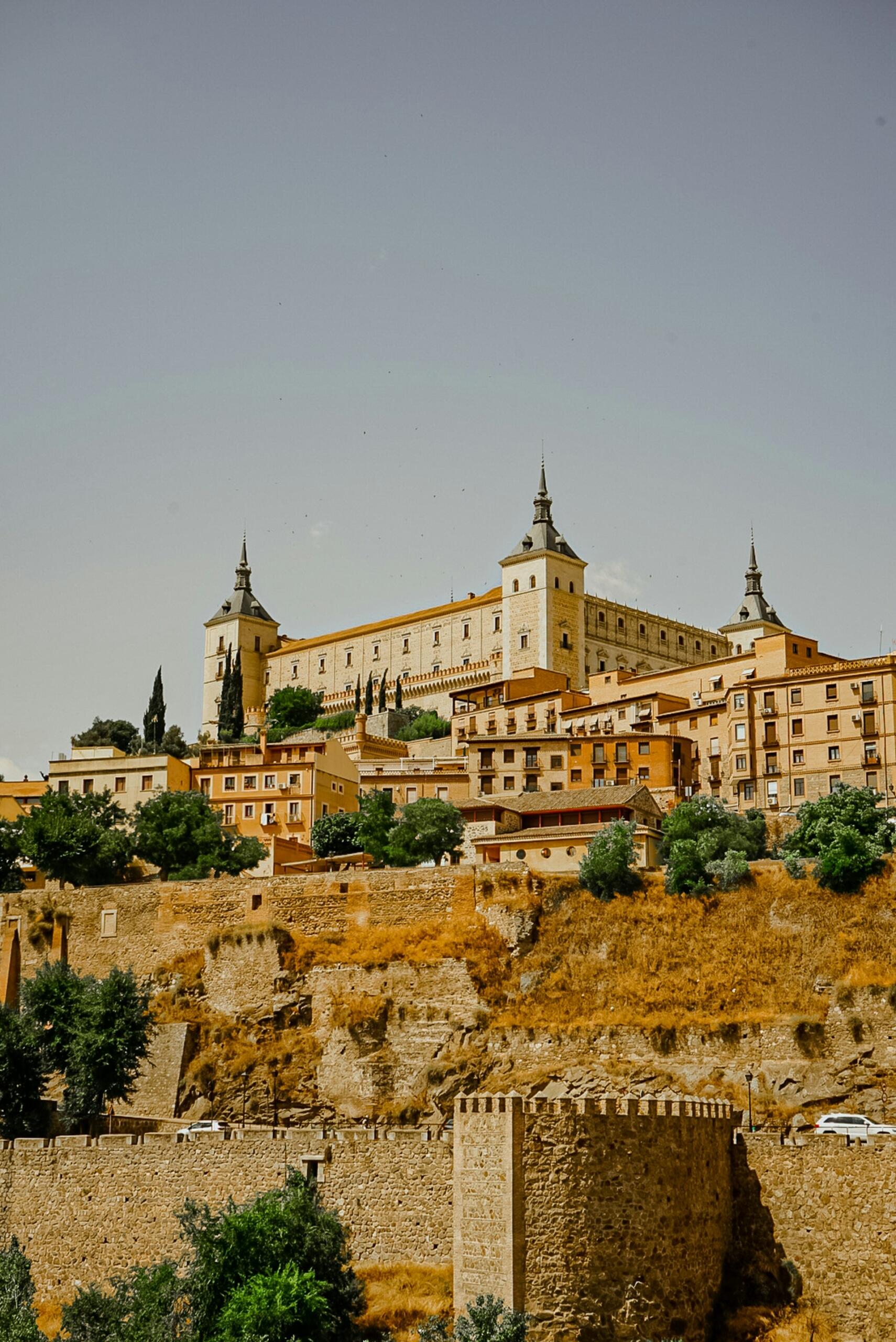
Toledo
- Population: 85,000
- Region: Castile-La Mancha
- Founded: 192 BC
- Elevation: 529 m (1,736 ft)
- Area: 232.1 km²
- Average Temperature: 16°C (61°F)
- Closest Major Airport: Madrid–Barajas (MAD)
- Annual Visitors: 3 million
Major Attractions
- Toledo Cathedral: One of Spain's greatest Gothic cathedrals, featuring stunning stained glass and artwork.
- Alcázar of Toledo: A fortress that has been a palace and military building over the centuries.
- Synagogue of El Transito: A beautiful medieval synagogue that now houses the Sephardic Museum.
- Monastery of San Juan de los Reyes: A stunning example of Gothic architecture built by the Catholic Monarchs.
- Puerta de Bisagra: A monumental gate that once served as the main entrance to the city.
As a town that was home to Jews, Muslims, and Christians, Toledo has earned its name as The City of Three Cultures. This mix of cultures also means that you can visit synagogues, cathedrals, churches, mosques, and also Roman buildings.
It’s the difference between all these things that makes Toledo so fascinating to visit. With so many architectural and artistic wonders, you really have to spend several days in Toledo. Tourists visiting Madrid often take some time out to make their way to Toledo and they're rarely disappointed. Find out more about accommodation in Spain.
Las Palmas
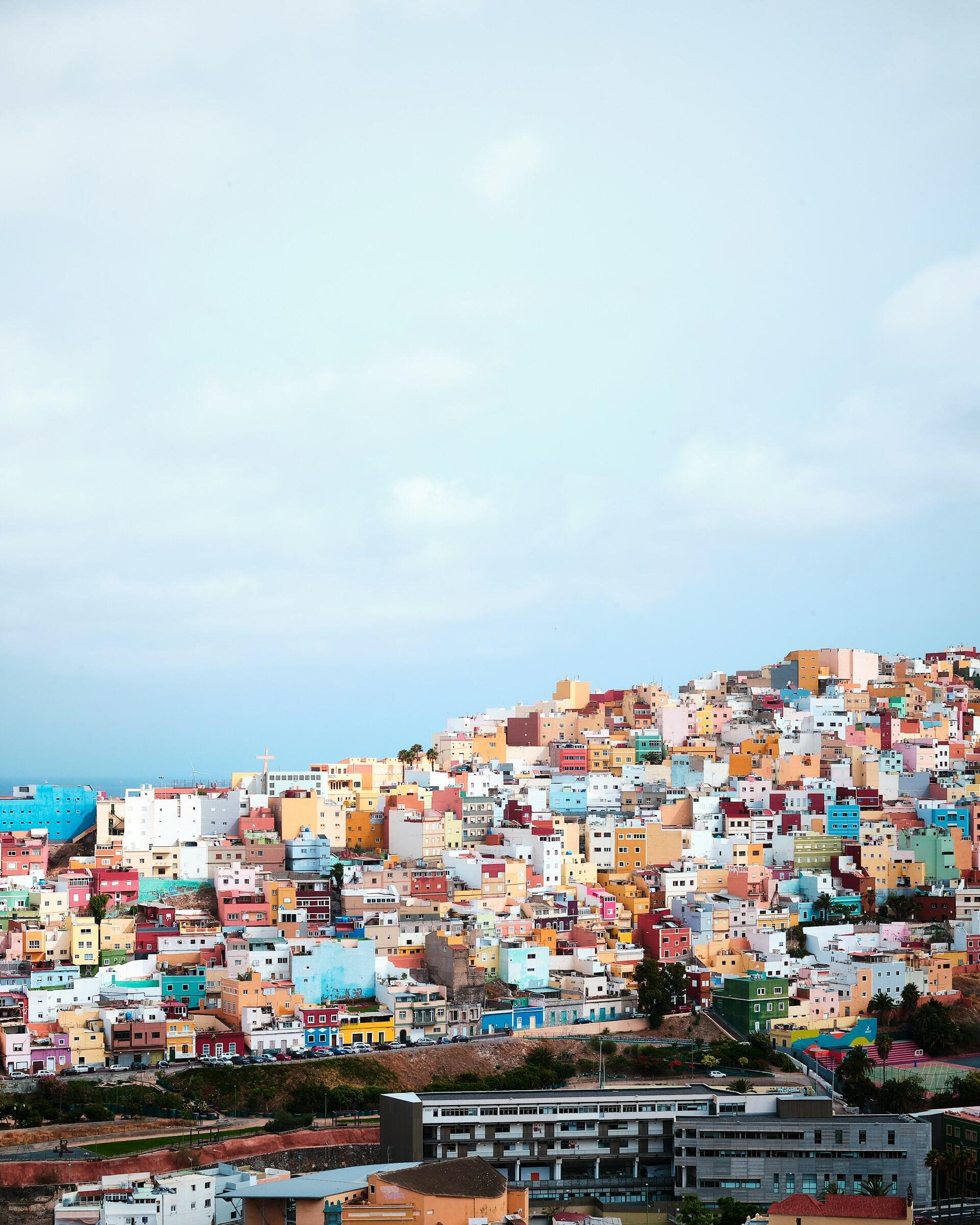
Las Palmas
- Population: 380,000
- Region: Canary Islands
- Founded: 1478
- Elevation: 23 m (75 ft)
- Area: 100.5 km²
- Average Temperature: 21°C (70°F)
- Closest Major Airport: Gran Canaria Airport (LPA)
- Annual Visitors: 2.5 million
Major Attractions
- Casa de Colón: A museum dedicated to Christopher Columbus, who stopped in Las Palmas on his way to the New World.
- Las Canteras Beach: One of the best urban beaches in Spain, stretching over 3 kilometres.
- Vegueta Old Town: The city's historic centre with cobblestone streets and colonial architecture.
- Santa Ana Cathedral: The oldest cathedral in the Canary Islands, showcasing Gothic and Neoclassical styles.
Don’t forget that the Canary Islands are also part of Spain. In the Atlantic Ocean, these islands are a popular destination for foreign tourists. Las Palmas is arguably one of the most beautiful cities. It’s famous for being a destination visited by Christopher Columbus as he set off on his journey to India.
We recommend that you visit the Casa de Colón, a museum dedicated to the man. Just like any other big city, though, Las Palmas is sometimes too busy to enjoy. Try to visit outside of the busy periods to really make the most of the city and its beaches. Improve yourself with Spanish lessons Melbourne here on Superprof.
Palma de Mallorca
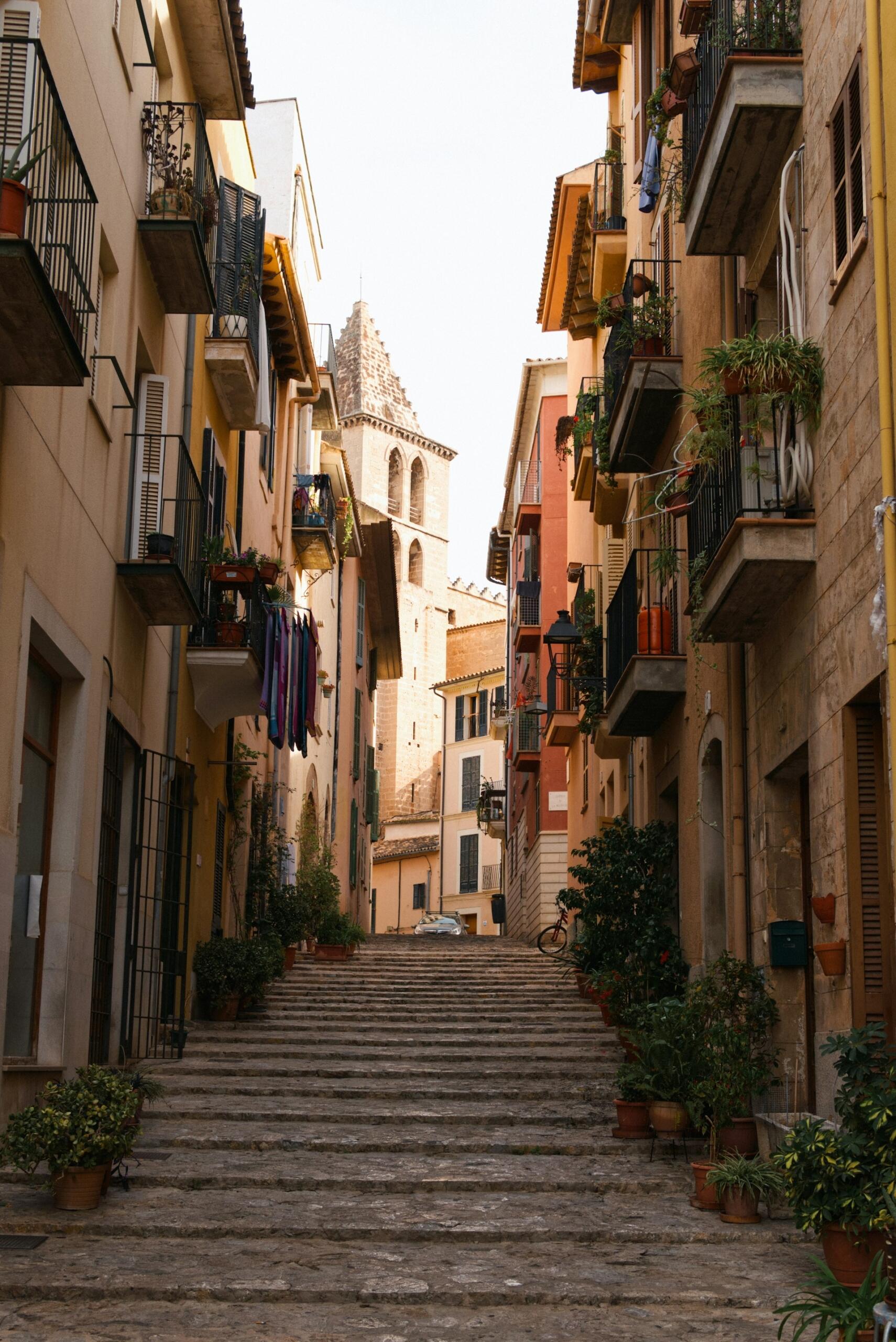
Palma de Mallorca
- Population: 420,000
- Region: Balearic Islands
- Founded: 123 BC
- Elevation: 13 m (43 ft)
- Area: 208.6 km²
- Average Temperature: 18°C (64°F)
- Closest Major Airport: Palma de Mallorca Airport (PMI)
- Annual Visitors: 2 million
Major Attractions
- Palma Cathedral (La Seu): A Gothic cathedral overlooking the Mediterranean Sea.
- Bellver Castle: A unique circular castle offering panoramic views of the city and bay.
- Royal Palace of La Almudaina: The official summer residence of the Spanish royal family.
- Es Baluard Museum: A museum showcasing contemporary art from the Balearic Islands.
- Old Town (Casco Antiguo): Charming narrow streets filled with shops and cafes.
Palma de Mallorca, on the Balearic Islands in the Mediterranean Sea, is not just a city for parties and nightclubs. While these are all very popular, there is another way to enjoy the city if you head out of the centre. The old town (Casco Antigo) has its quiet spots where you can find charming small streets by the sea.
Don’t forget to visit the breathtaking Gothic Santa Maria Cathedral while you're there, too!
Granada
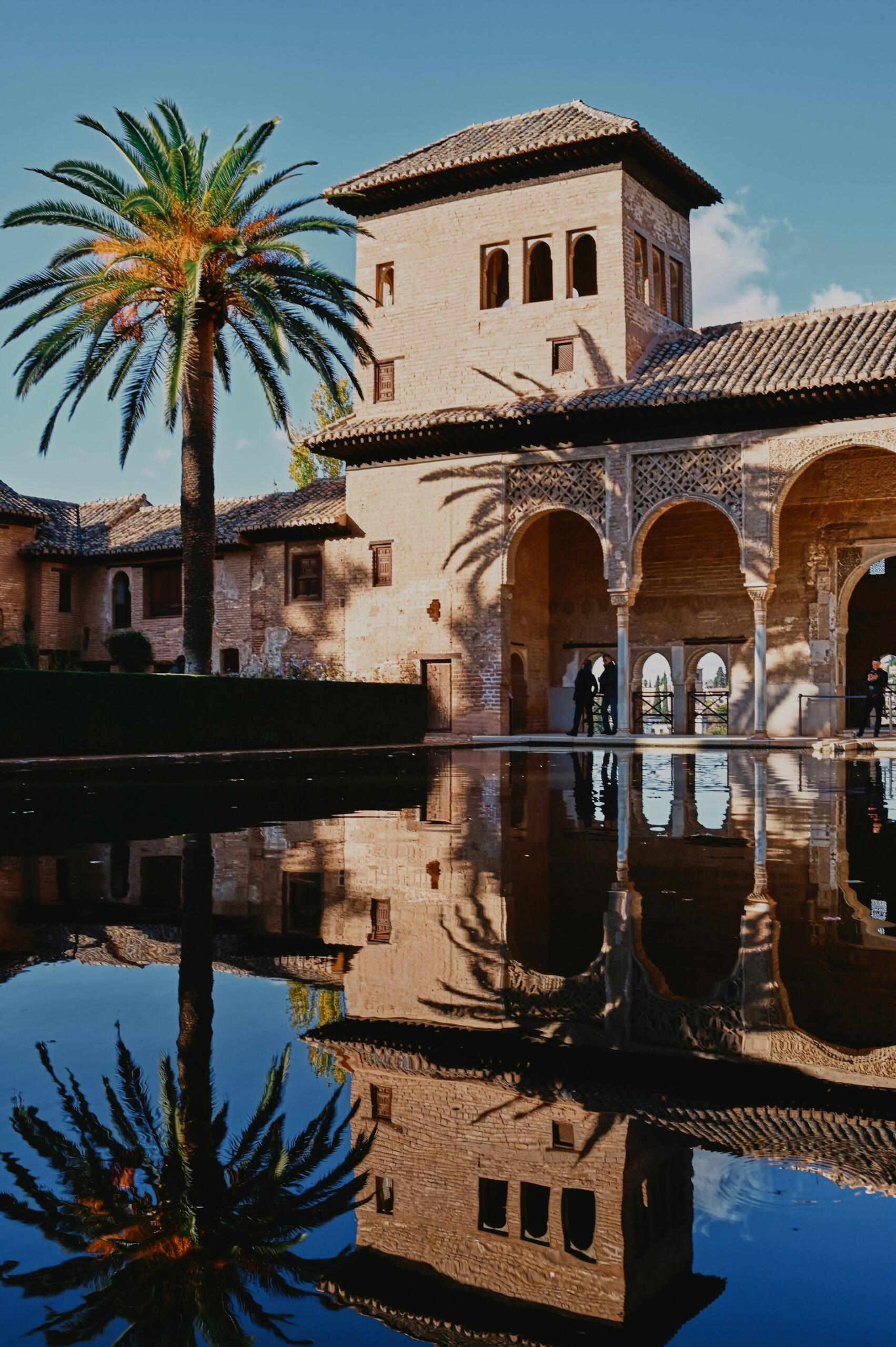
Granada
- Population: 235,000
- Region: Andalusia
- Founded: 8th Century
- Elevation: 738 m (2,421 ft)
- Area: 88.02 km²
- Average Temperature: 15°C (59°F)
- Closest Major Airport: Federico García Lorca Granada-Jaén (GRX)
- Annual Visitors: 3 million
Major Attractions
- Alhambra: A stunning palace and fortress complex with Islamic architecture and beautiful gardens.
- Albaicín: A historic neighbourhood with narrow streets and spectacular views of the Alhambra.
- Generalife Gardens: Exquisite gardens adjacent to the Alhambra, known for their fountains and lush greenery.
- Granada Cathedral: A grand Renaissance cathedral with ornate facades.
- Royal Chapel of Granada: The final resting place of Catholic Monarchs Ferdinand and Isabella.
Medieval cities always draw in crowds of people looking to learn more about the age of knights. Both adults and children can enjoy Granada. This Andalusian city is home to plenty of monuments including the world-famous Alhambra.
The Albaicín neighbourhood is also listed as a UNESCO World Heritage Site. You can see Granada’s Arab and Catholic history in its streets. As you walk around the city, you can enjoy Medieval, Renaissance, and Western architecture. Granada is also a great place to attend exhibitions, festivals, and concerts, too. Find out more about Spain's best monuments.
Malaga
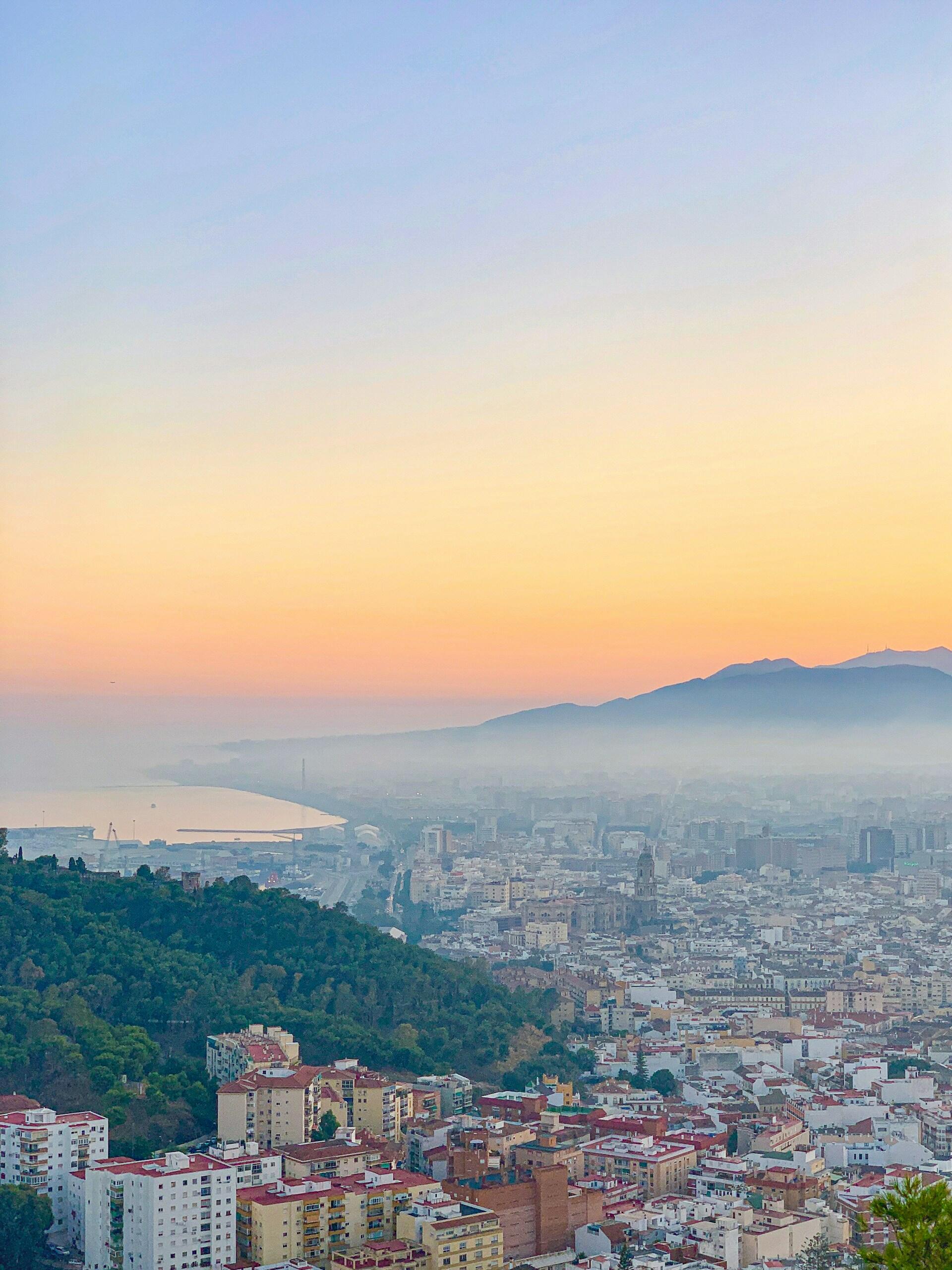
Malaga
- Population: 580,000
- Region: Andalusia
- Founded: 8th Century BC
- Elevation: 11 m (36 ft)
- Area: 398.0 km²
- Average Temperature: 18°C (64°F)
- Closest Major Airport: Málaga-Costa del Sol (AGP)
- Annual Visitors: 4 million
Major Attractions
- Picasso Museum: A museum dedicated to the life and works of Pablo Picasso.
- Alcazaba of Málaga: A Moorish fortress offering stunning views of the city.
- Gibralfaro Castle: A historic castle with breathtaking views of the coastline.
- Málaga Cathedral: An iconic Renaissance cathedral known as "La Manquita" (the one-armed lady).
- Carmen Thyssen Museum: A gallery focusing on 19th-century Spanish art.
Malaga is a popular destination for foreign tourists and Spaniards looking to enjoy the sun all year long. However, the beautiful Spanish beaches aren’t the only reason to visit the city. In Malaga itself, you can also enjoy museums, especially those dedicated to Picasso since he was born in the city.
While the coastline around Malaga has been welcoming tourists from all over the world, the city itself is also starting to become a popular destination for tourists looking to see an authentic Spanish side to the Costa del Sol.
The combination of typical beach getaways and cultural tourism make Malaga an ideal place to spend excellent vacations! That said, there are also plenty of beautiful villages in every corner of Spain, too.
Whether you're in the Basque Country, Catalonia, Andalucia, or in Ibiza, there are plenty of places to visit. Before you go to Spain, you might want to learn some Spanish (or Catalan). Just do a quick search for Spanish tutors on Superprof and you'll find the right teacher for you in no time!
Find a Spanish class Brisbane on Superprof today!
Bilbao
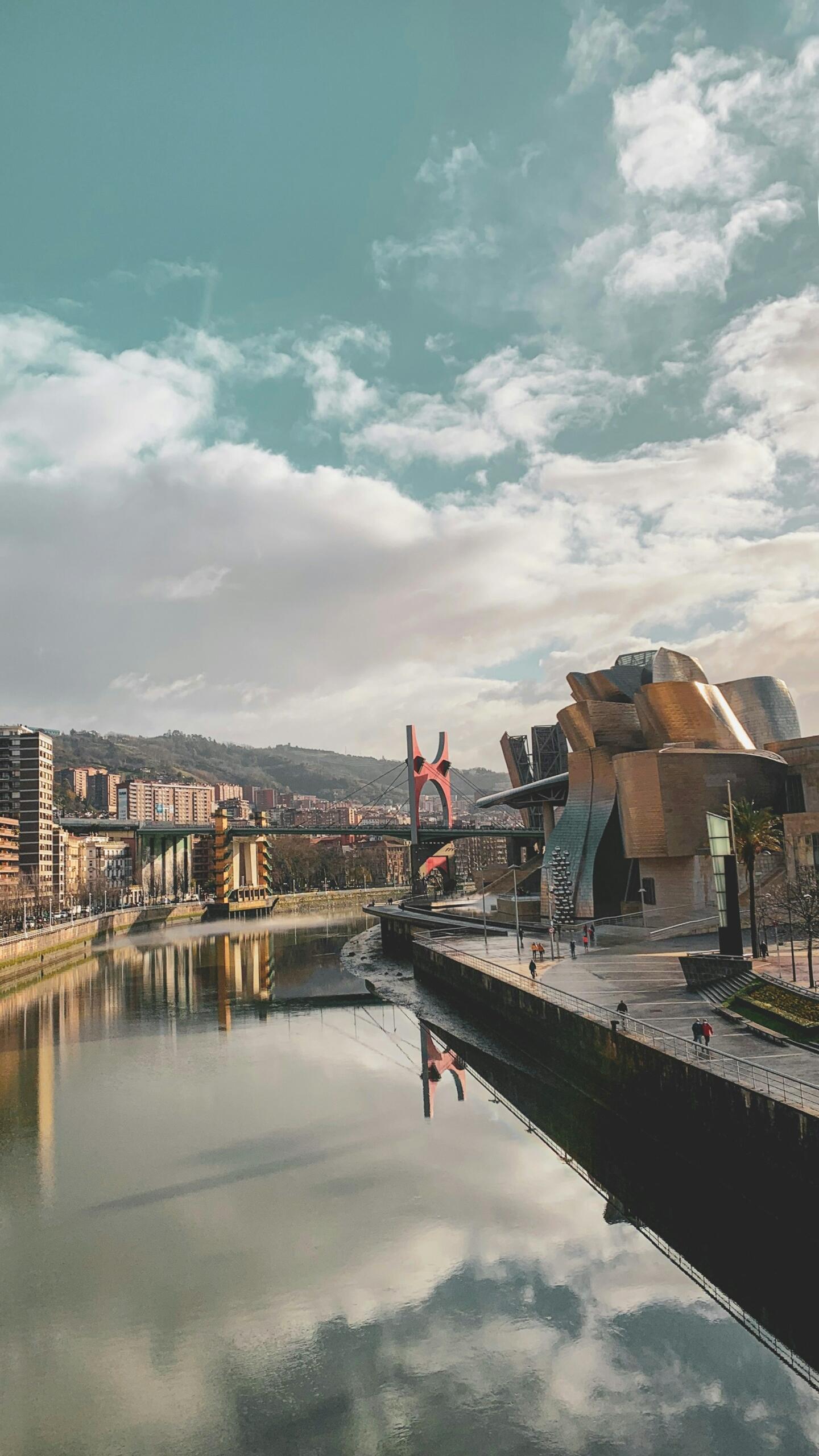
Bilbao
- Population: 350,000
- Region: Basque Country
- Founded: 14th Century
- Elevation: 19 m (62 ft)
- Area: 41.6 km²
- Average Temperature: 14°C (57°F)
- Closest Major Airport: Bilbao Airport (BIO)
- Annual Visitors: 1.5 million
Major Attractions
- Guggenheim Museum Bilbao: An iconic modern art museum designed by Frank Gehry, famous for its unique titanium architecture and contemporary art exhibitions.
- Casco Viejo (Old Town): The historic heart of Bilbao with narrow streets, traditional Basque taverns, and landmarks like the Santiago Cathedral.
- Bilbao Fine Arts Museum: One of Spain’s finest art galleries, featuring works from the Middle Ages to contemporary art.
- Mount Artxanda:A viewpoint offering panoramic views of the city, accessible by a funicular railway.
Bilbao is the largest city in the Basque Country. This vibrant cultural hub is known for its historic charm and modern architecture.
This city in northern Spain combines the old and the new, making it a must-visit destination.
Bilbao is also famous for its culinary scene. You have to try pintxos, which are like small bar snacks found all over the city. These typically have a small skewer or toothpick in them. At the end of your meal, your waiter will simply count how many you've had and charge you, with different picks being charged at different amounts. It's a bit like the coloured plates at a sushi restaurant.
Zaragoza
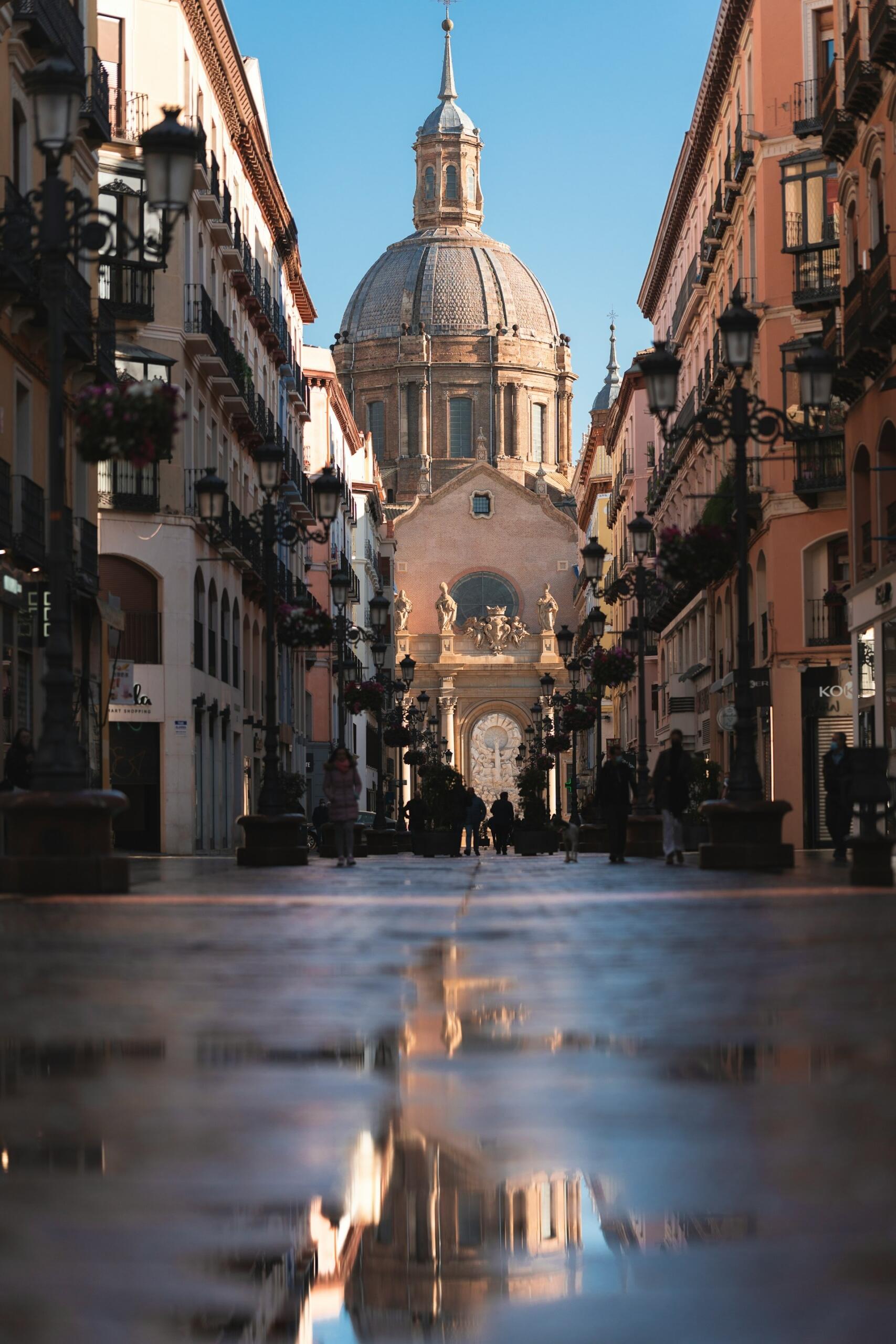
Zaragoza
- Population: 675,000
- Region: Aragon
- Founded: 14 BC
- Elevation: 199 m (653 ft)
- Area: 973.8 km²
- Average Temperature: 15°C (59°F)
- Closest Major Airport: Zaragoza Airport (ZAZ)
- Annual Visitors: 900,000
Major Attractions
- Basilica of Our Lady of the Pillar: An iconic pilgrimage site and one of the most important cathedrals in Spain, featuring stunning Baroque architecture and views over the Ebro River.
- Aljafería Palace: A fortified medieval Islamic palace now serves as the seat of the regional parliament of Aragon. Its intricate arches and lush gardens are a testament to Moorish artistry.
- Cathedral of the Savior (La Seo Cathedral): A magnificent church that showcases a blend of Romanesque, Mudéjar, Gothic, and Baroque styles.
- Puente de Piedra: Known as the "Stone Bridge," this historic bridge spans the Ebro River and offers beautiful city views.
- Plaza del Pilar: A grand square surrounded by monumental buildings, fountains, and statues, where locals and tourists gather to admire the city's architecture.
- Roman Theatre of Zaragoza: Remnants of an ancient Roman theatre that reflect the city's rich historical layers.
Zaragoza is the capital of the Aragon region in the northeast of Spain. This city has a rich history, stunning architecture, and a vibrant culture.
With its blend of Roman, Moorish, and Christian heritage, Zaragoza has plenty of monumental landmarks and a lively atmosphere.
The city's patron saint festival, the Fiestas del Pilar, includes parades, fireworks, and traditional music.
Alicante
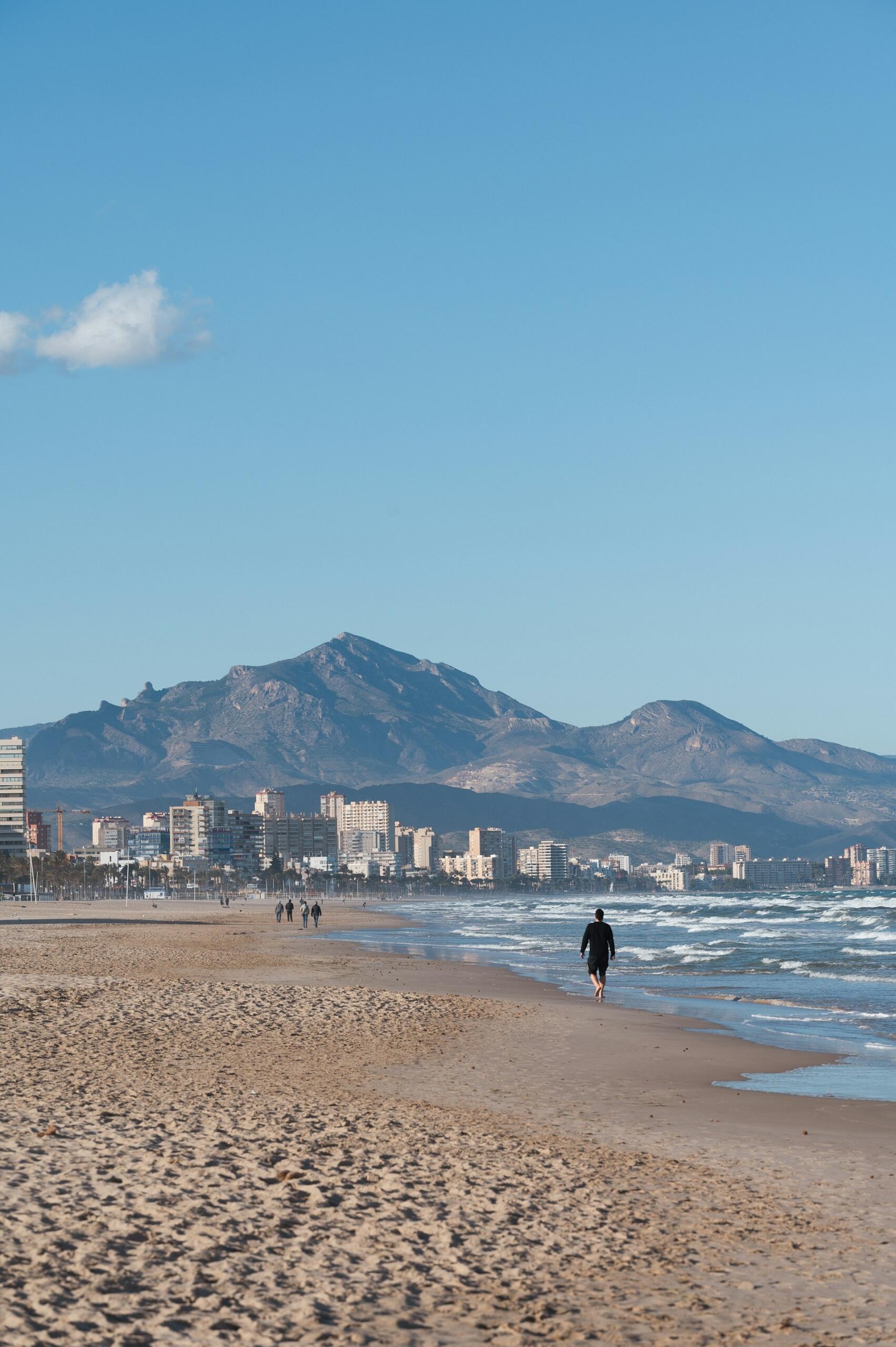
Alicante
- Population: 340,000
- Region: Valencian Community
- Founded: 324 BC
- Elevation: 3 m (10 ft)
- Area: 201.3 km²
- Average Temperature: 18°C (64°F)
- Closest Major Airport: Alicante–Elche Airport (ALC)
- Annual Visitors: 2 million
Major Attractions
- Santa Bárbara Castle: Perched on Mount Benacantil, this medieval fortress offers breathtaking panoramic views of the city and the Mediterranean Sea. It is one of the largest medieval fortresses in Spain and a symbol of Alicante's historical significance.
- Explanada de España: A beautiful promenade lined with palm trees and decorated with intricate mosaic tiles. This iconic walkway stretches along the city's marina and is perfect for a leisurely stroll.
- Postiguet Beach: A popular urban beach with golden sands and clear waters, located just a short walk from the city centre.
- Basilica of Santa María: The oldest active church in Alicante, built in the Gothic style over the remains of a former mosque.
- Mercado Central: A bustling market where locals buy fresh produce, seafood, and local delicacies. It's the perfect place to experience the flavours of Alicante.
- MACA (Museum of Contemporary Art of Alicante): A museum showcasing works from the 20th century, including pieces by Picasso, Dalí, and Miró.
Alicante is a city on Spain's Costa Blanca. It's famous for its beaches, lively nightlife, and historic landmarks. If you're based in Perth, you can also explore some beneficial spanish classes perth to enhance your experience.
It's both a key port and a popular tourist destination, combining vibrant city life with the relaxing beach town atmosphere.
It's known for its annual Hogueras de San Juan festival, where large statues are made and burned.
Summarise with AI:
Did you like this article? Leave a rating!

 Loading...
