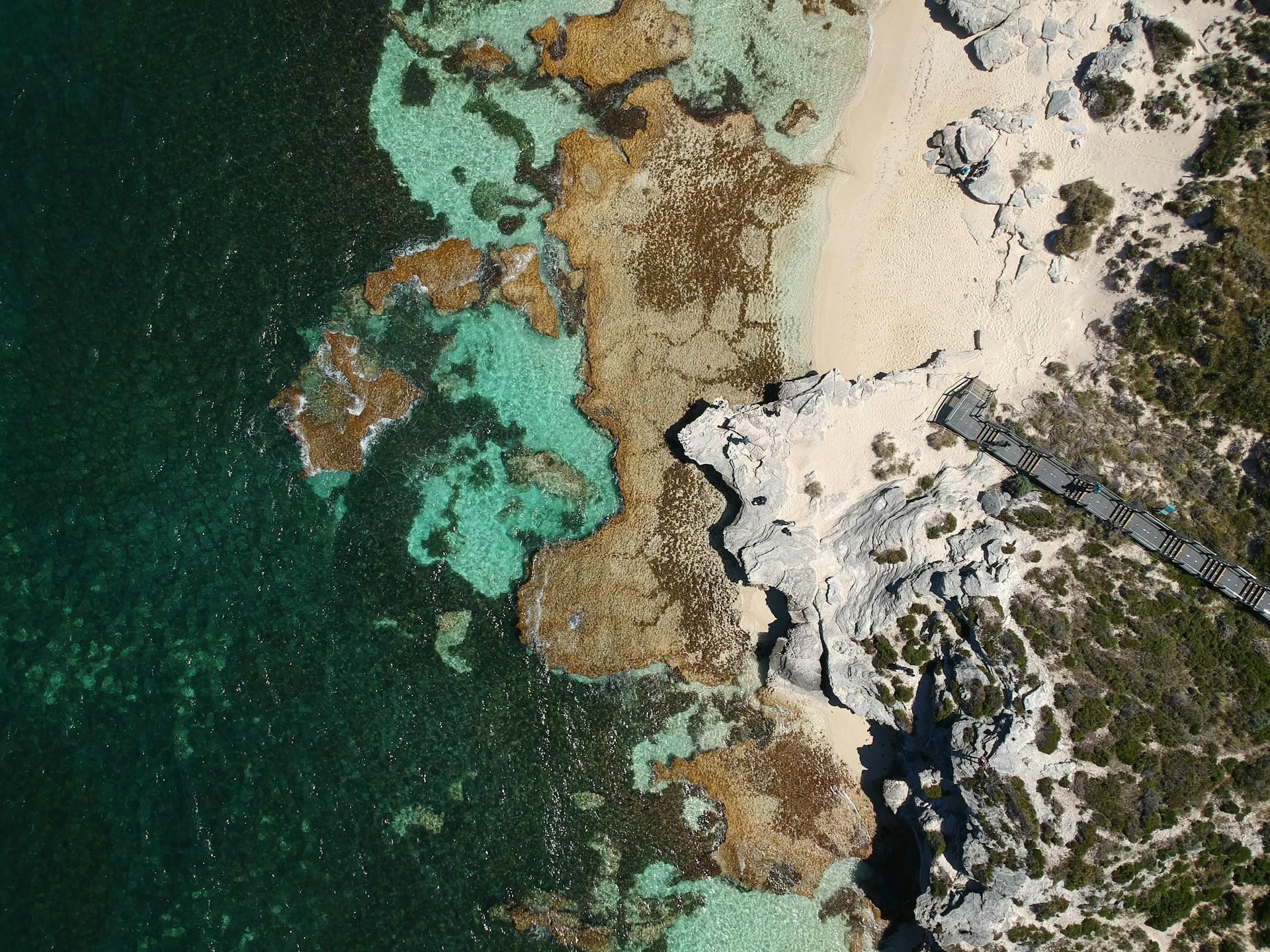

I was lucky enough to grow up in Western Australia and know that the Australian Outback is vast and spell-binding and heart-stoppingly beautiful ...
Tim Minchin
Reading through encyclopaedia entries ahead of your trip to Western Australia (WA), you might find yourself tempted to call it off. It reads rather like an industrial brag sheet, boasting of mining, refining, and processing raw goods. Almost as an afterthought, those entries describe tourism as an emerging economic driver.
It seems Tim Minchin, and all those tourists, are right. We found unique places to visit in WA, that are unlike any of the attractions in NSW (New South Wales). We present a few of our favourites in short-form now, and expand our selection below.
| 🌊Attraction name | 🚵♂️Type of scene | 📷 What to do there |
|---|---|---|
| Mitchell Falls | Water | Swim, hike, photography |
| Abrolhos Islands | Water | Snorkel, swim, spot wildlife |
| Murujuga National Park | historical | Appreciate Aboriginal art |
| Stirling Range | mountains | Climbing, hiking |
| Karijini | land and water | Swim, hike, photograph |
| Wave Rock | historical | photograph unusual rock formations |
| Rottnest Island | natural | Visit with quokka and spot other wildlife |
| Kings Park | Urban landscape | View nature and the Perth city skyline from one place. |
| Kalbarri National Park | water | Water sports and other outdoor pursuits |
| Monkey Mia | water | Get close to dolphins |
| Horizontal Falls | natural | Witness an unusual type of waterfall |
| Cable Beach | land and water | Ride camels, enjoy the beach |
| Lake Argyle | water and wilderness | Take a sunset cruise |
| Fremantle Prison | historical site | Tour the prison |
| Albany’s Gap | natural landmark | Stand atop the gap, explore the area |


Kings Park
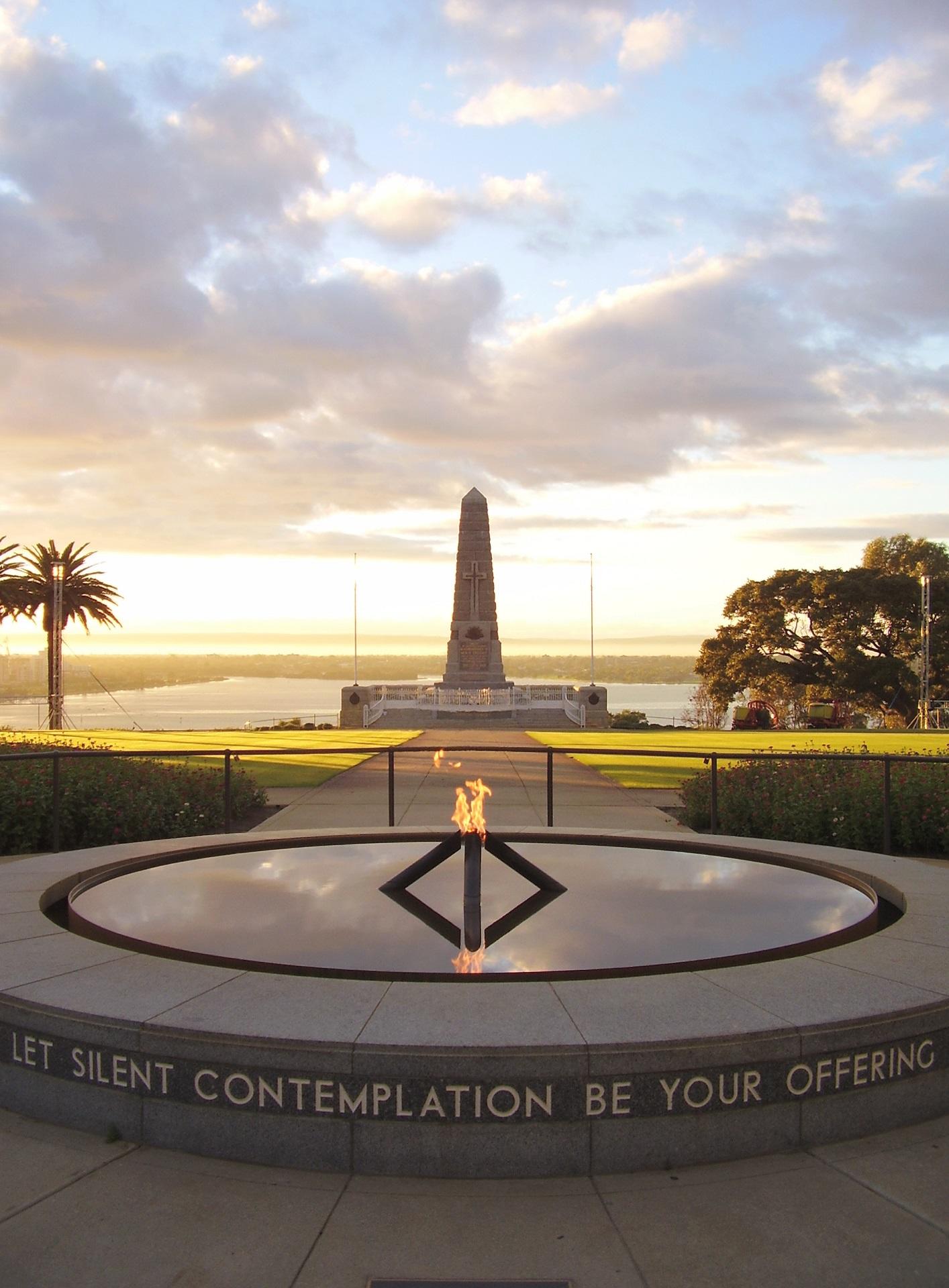
Across this series of articles about what to see in Australia, we start each one in the states' capital cities. Those entries typically feature urban landscapes and, perhaps, unique land features. In Perth, Kings Park is such a one, and it took our breath away. Of all the beautiful places in Western Australia, this one offers amazing diversity.
Pivot one way to see the Perth city skyline. Move a bit to capture the Swan and Canning rivers.
On a clear day, you can spot the Darling Ranges, in the distance. All this because Kings Park sits atop Mount Eliza.
How to Get There
by car
via Fraser Avenue, or Kings Park Road
by bus
102, 103, or 104, to Kings Park Road
walk
via Fraser Avenue, or Monteith Crescent
When to Go
Late August to October is peak flower time. Train your camera on kangaroo paws, everlastings, and species of acacias native to the region.
Rottnest Island
Breaking from our format of tracing direct lines from one destination to the next, we hop and skip all over. Perhaps that's because the best places to visit in Western Australia don't conform to lines. Rottenest Island is a sterling example of such.
'Rotto' got its unusual name, 'Rats Nest Island', thanks to the lively quokka population. Those little marsupials claim all the attention today, too.
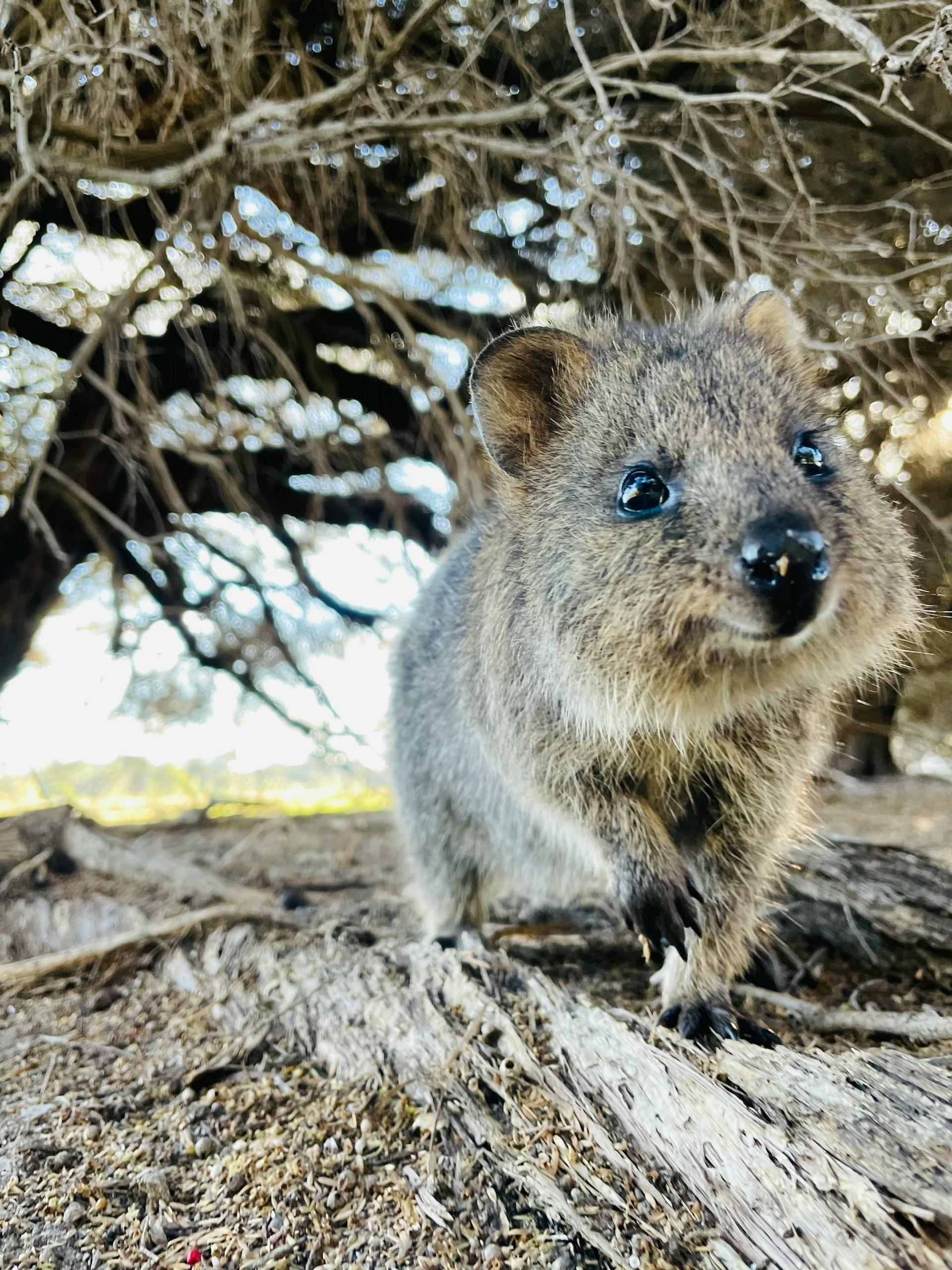
Rottnest is a tourist hotspot, in large part, thanks to them. While you're there, you can snorkel, dive, or take part in many of the festivals the island hosts.
How to Get There
by ferry
- from Perth
- North Perth (Hillarys Boat Harbour)
- North Fremantle (Rous Head)
- Fremantle (Victoria Quay)
by boat
from any WA coast dock
by air
- helicopter
- seaplane
- private plane
When to Go
- March to May: best for spotting wildlife
- September to November: great for water activities and exploring the island
Kalbarri National Park
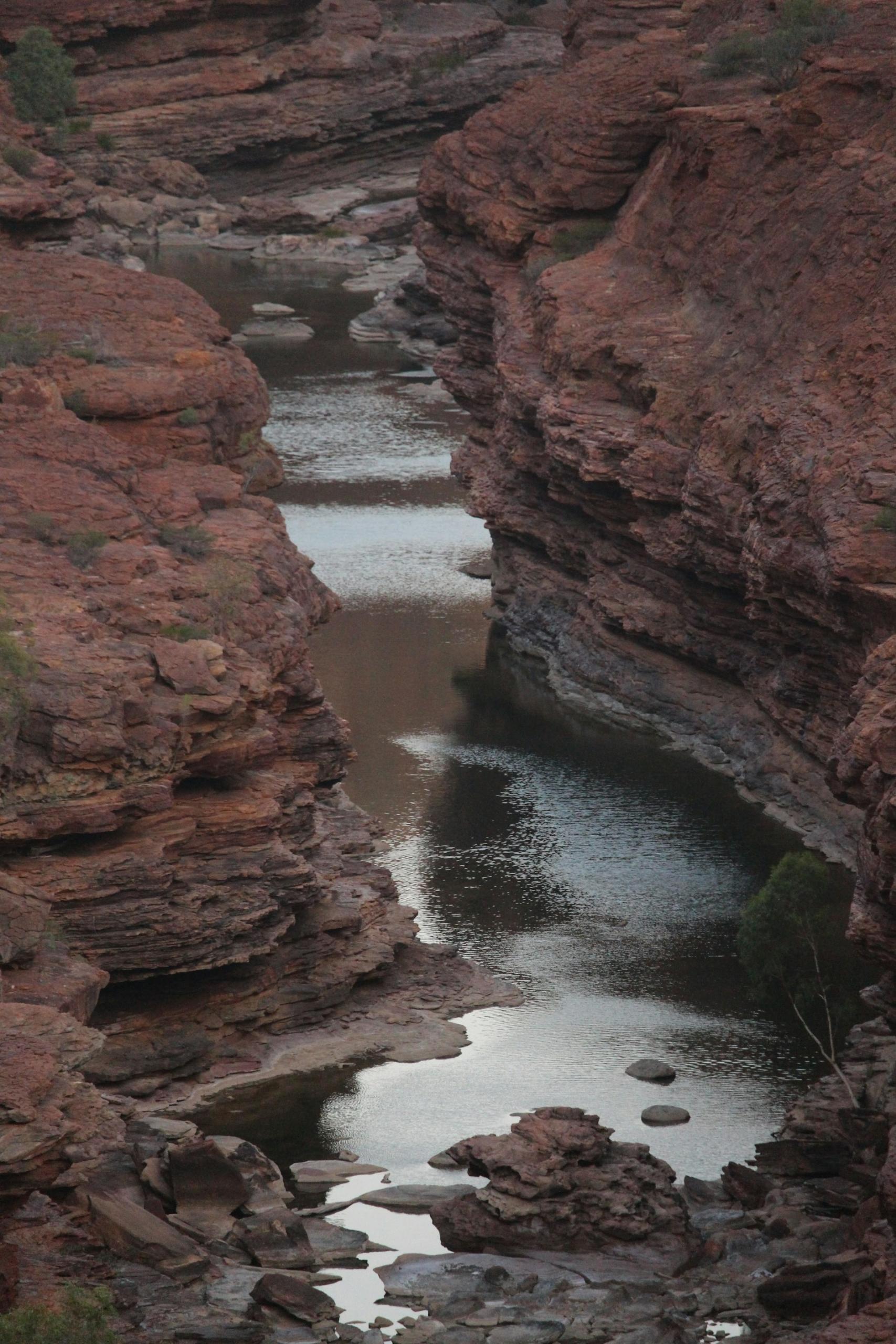
This park is worth a visit just for the Murchison River Gorge and Nature's Window. But, you've much to see and do here, including a venture onto one of the skywalk platforms. From that vantage point, you'll see the Gorge in its full majesty.
Water sports are popular in this park: boating, fishing, snorkelling, and diving. Rock climbing and abseiling are, too. For a milder experience, sign up for a bushwalking adventure, or simply pack a picnic and enjoy lunch under the endless sky.
How to Get There
Driving is the most convenient way to get there. From Kalbarri, follow Ajana-Kalbarri Road to the park entrance.
When to Go
- April to October: best for whale watching, camping, and flower-spotting
- November to March: best for water sports
Albany’s Gap
The city of Albany sits on WA's southwestern tip, which affords it some of the most unique places to visit in WA. Albany's Gap, along with the Natural Bridge, top the list of most beautiful places in WA. But, don't overlook the Beaches, The Forts, and the walking and cycling trails.
How to Get There
Drive from Albany City, along Frenchman Bay Road, until you reach Torndirrup National Park.
When to Go
The Gap opens daily, from 8 AM to 6 PM. Before making your way there, get the latest weather updates, as this area sees dynamic weather effects. Storms lend the Gap a dramatic flair, while sunny skies cast a more serene atmosphere.
As of September 1st, 2024, this area is closed to visitors. The Gap Improvement Project will keep the area closed until peak visitor season, starting in December.
Monkey Mia
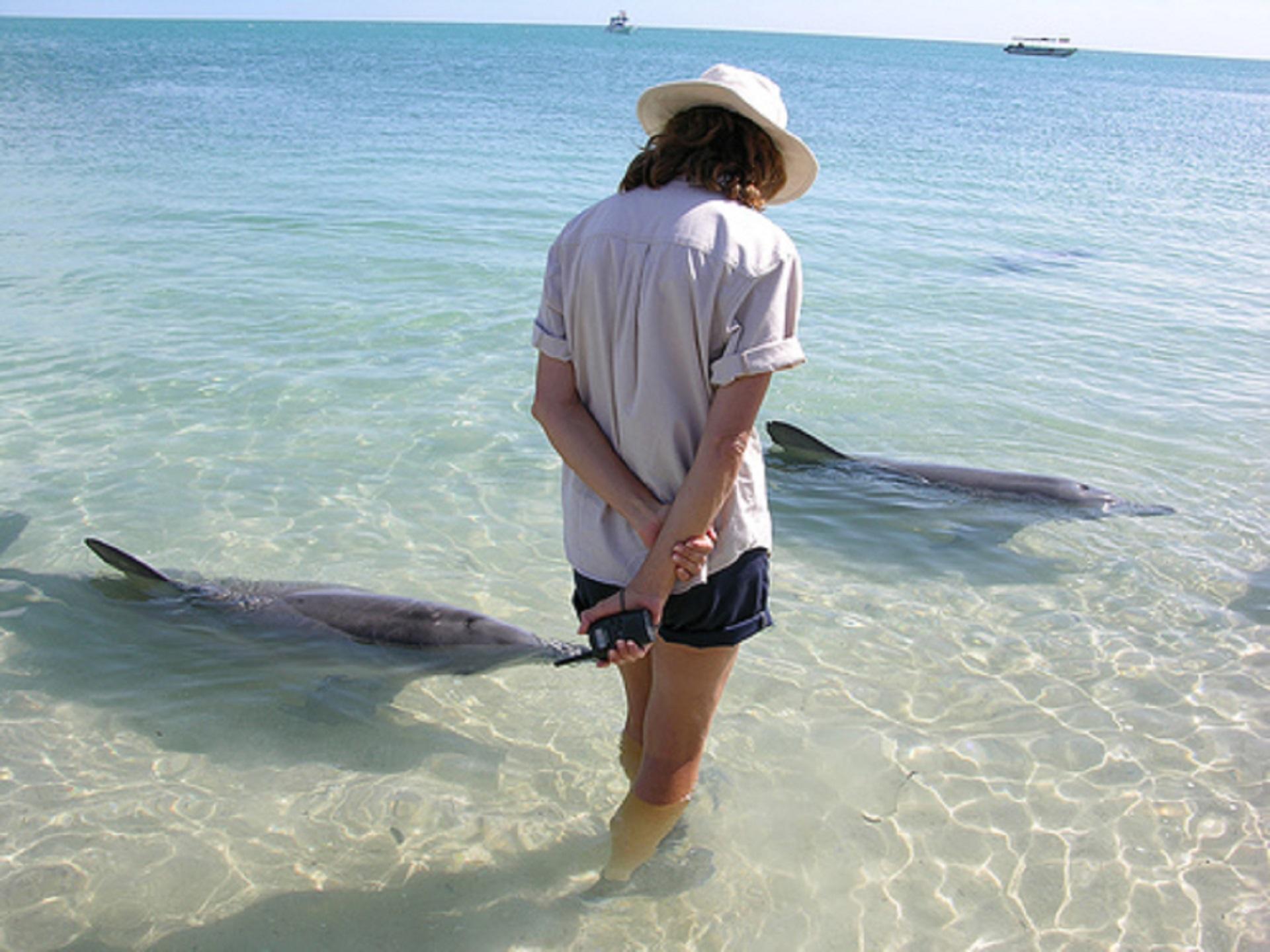
Normally, staying away from wildlife is a sound strategy, particularly in Australia. At Monkey Mia, you'll miss out on the dolphins if you overdo caution. The whole reason most tourists flock to Shark Bay Marine Park is for the privilege of getting close-up views of these marine mammals.
Early mornings, the dolphins swim close to shore, where people can stand in calf-deep water. Rangers oversee these excursions to ensure everyone's safety, including the animals'. As long as you paid your reserve fee when you entered the park, you too can participate in this early-morning event.
How to Get There
by air
fly into Shark Bay Airport take a shuttle to Monkey Mia
by car
- (from Perth) drive north, via the North West Coastal Highway
- turn left the Overlander Roadhouse look for signs to Monkey Mia
When to Go
Early summer is the best time to visit.
Horizontal Falls
Travelling further north, we come to Horizontal Falls Marine Park, home to these remarkable cascades. Even Queensland's iconic sites, with all the spectacular waterfalls. can't compare to this natural phenomenon.
Imagine two narrow gorges, roughly 300 metres apart, and a channel that joins the two. When the tide is out, the water in the channel remains calm but, as the tide rolls in, the waters begin to rise. Soon, cascades form on one side or the other, result in crests up to 10 metres high. This Marine Park has other sights to behold but this one is mesmerising.
How to Get There
Visitors can only access this park, and view the falls, as a guided tour. You may also charter a boat to get through the falls,, or a plane to overfly them.
When to Go
Year-round, preferably at high tide.
Cable Beach
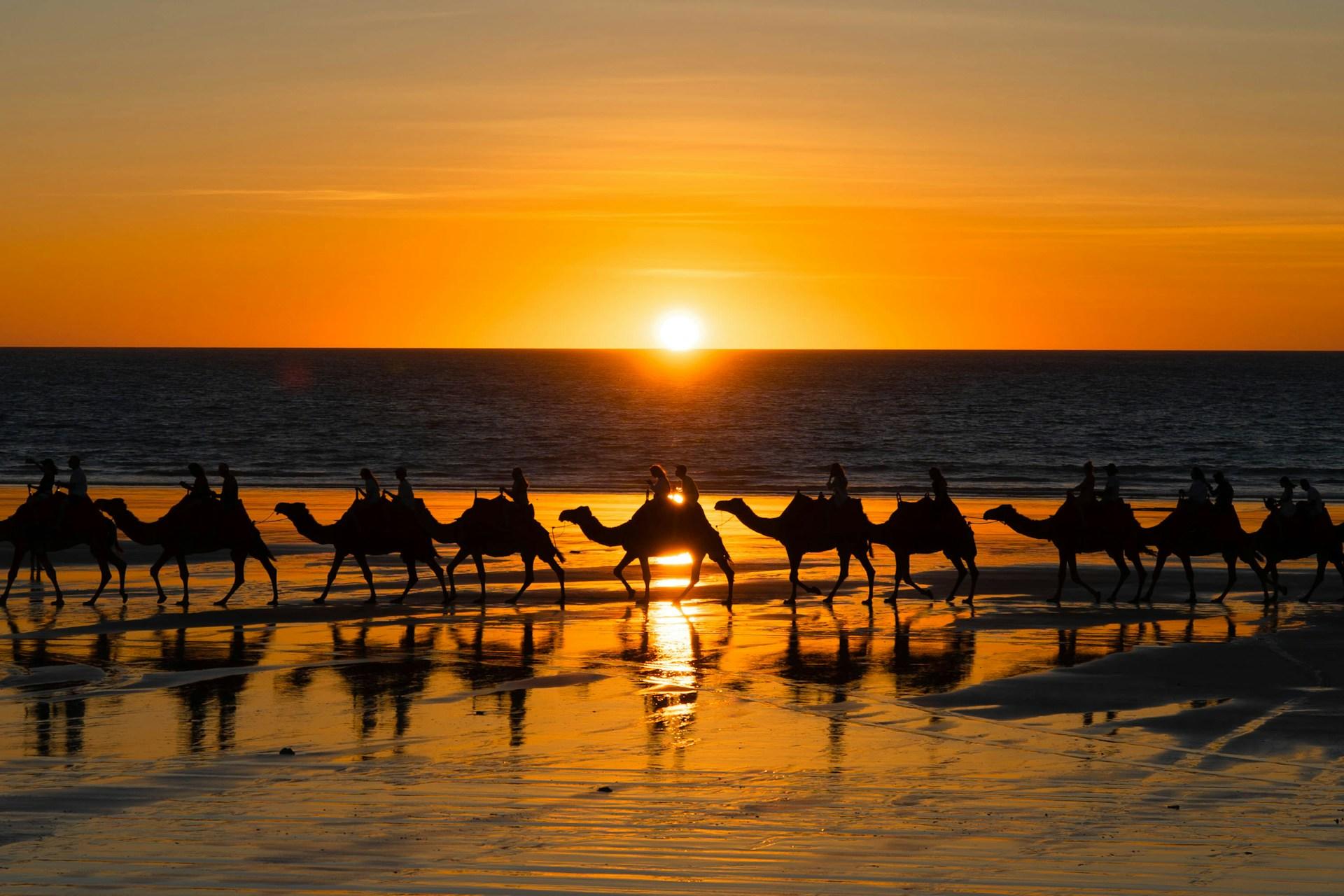
This white-sand beach fronts the east Indian Ocean. At low tide, the contrast between the gleaming sand and ochre hillocks in behind it is startling. Even more amazing are the camel rides along the water line. You can straddle such a beast at sunrise (seasonally), or take a longer sunset ride.
How to Get There
Arrange your camel ride through the Broome Visitor Centre, who will manage your transportation from there to the site.
When to Go
You can visit and ride camels year-round. Note that sunrise rides are seasonal offerings.
Lake Argyle
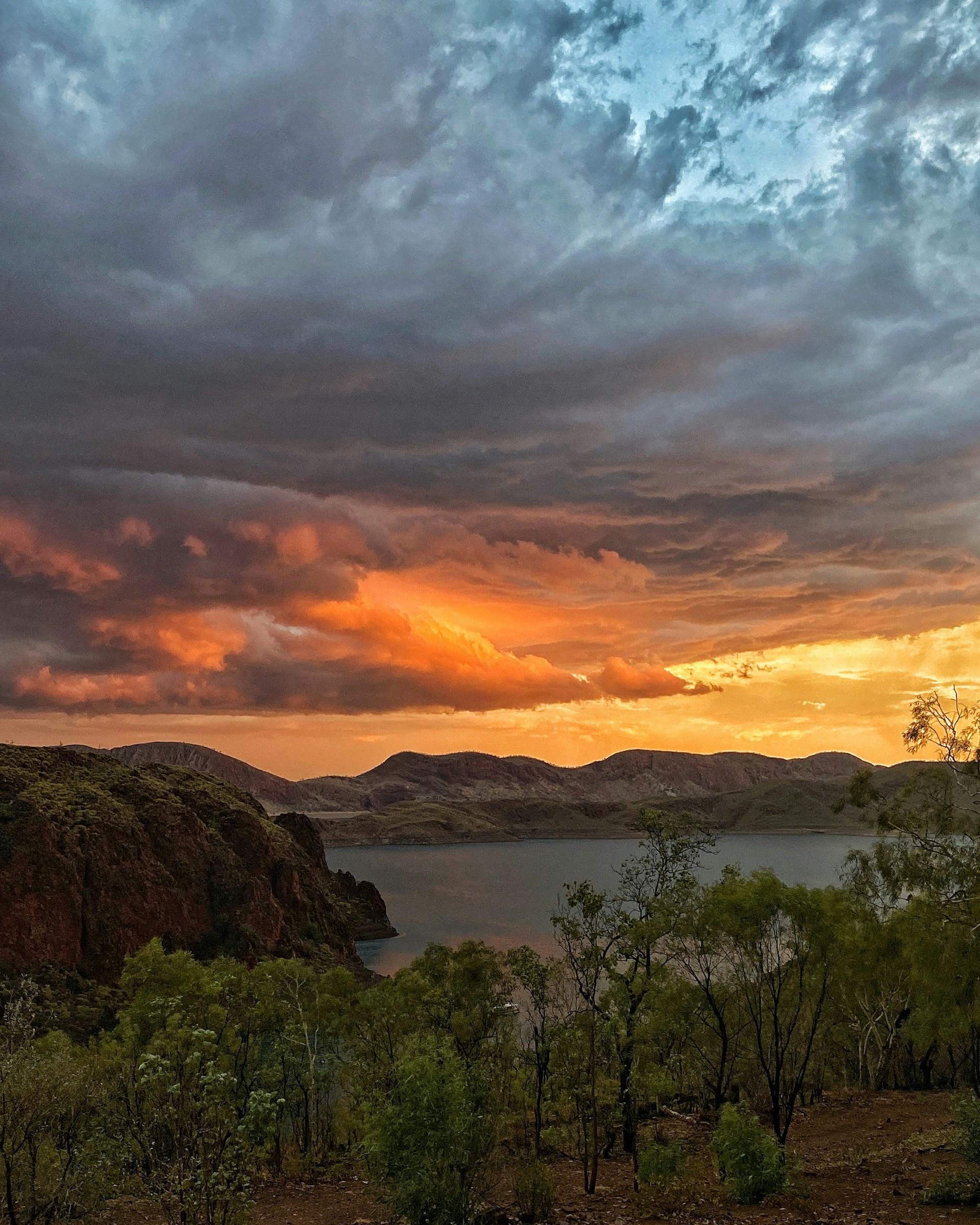
This lake is so large, it technically qualifies as an inland sea. It's one of Australia's largest, second only to one of the top tourist destinations in South Australia. This artificial basin and its freshwater system is ideal for a leisurely cruise.
Hugging the shoreline, you can spot wildlife and native flora. A sunset cruise increases your chances of seeing all the beasties.
How to Get There (from Kunmurra)
by car
Victoria Highway through the Carr Boyd Ranges
by boat
cruise to, and through, the lake
by coach
arrange a tour
When to Go
You can visit Lake Argyle year-round.
Mitchell Falls
This hidden cove tantalises with its multiple falls into green pools. You can hike in from the Mitchell River National Park campground; a trek of a little more than four miles. Once there, refresh yourself in one of the upper pools, but avoid the lowest one, where the beasties dwell. You can also overfly the Falls, to take in their full effect.
How to Get There
Driving Gibb River Road demands a four-wheel-drive. Port Warrender Road is equally rough, so it's best to come in through the park, and hike to the falls.
When to Go
- February to April is when the Falls are at their fullest; go then to see thunderous cascades.
- May to October is the dry season. Water will still fall, though not as impressively.
- November to January: decent water flow and terrain to hike in.
Murujuga National Park
The Aboriginal petroglyphs that dot this park's rock faces are arguably more precious than anything you might see in a museum. Studies estimate they are more than 40 000 years old; they tell the story of the Indigenous people of the region.
Ngajarli Gorge is the most popular spot to view this art. You may cross the 700-metre boardwalk through the rocks to view marine life, human figures and birds, all etched in stone.
How to Get There
You can reach the park by car, from:
- Karratha: drive along the North West Coastal Highway, towards Dampier. Take a left onto Burrup Peninsula Road; drive for about 35 km.
- Dampier: drive Dampier Road towards Karratha. Turn right on Burrup Peninsula Road; continue for around 5 km.
When to Go
The park is open year-round, though the rock art sites may be closed to protect them from harsh weather, from time to time.
Fremantle Prison
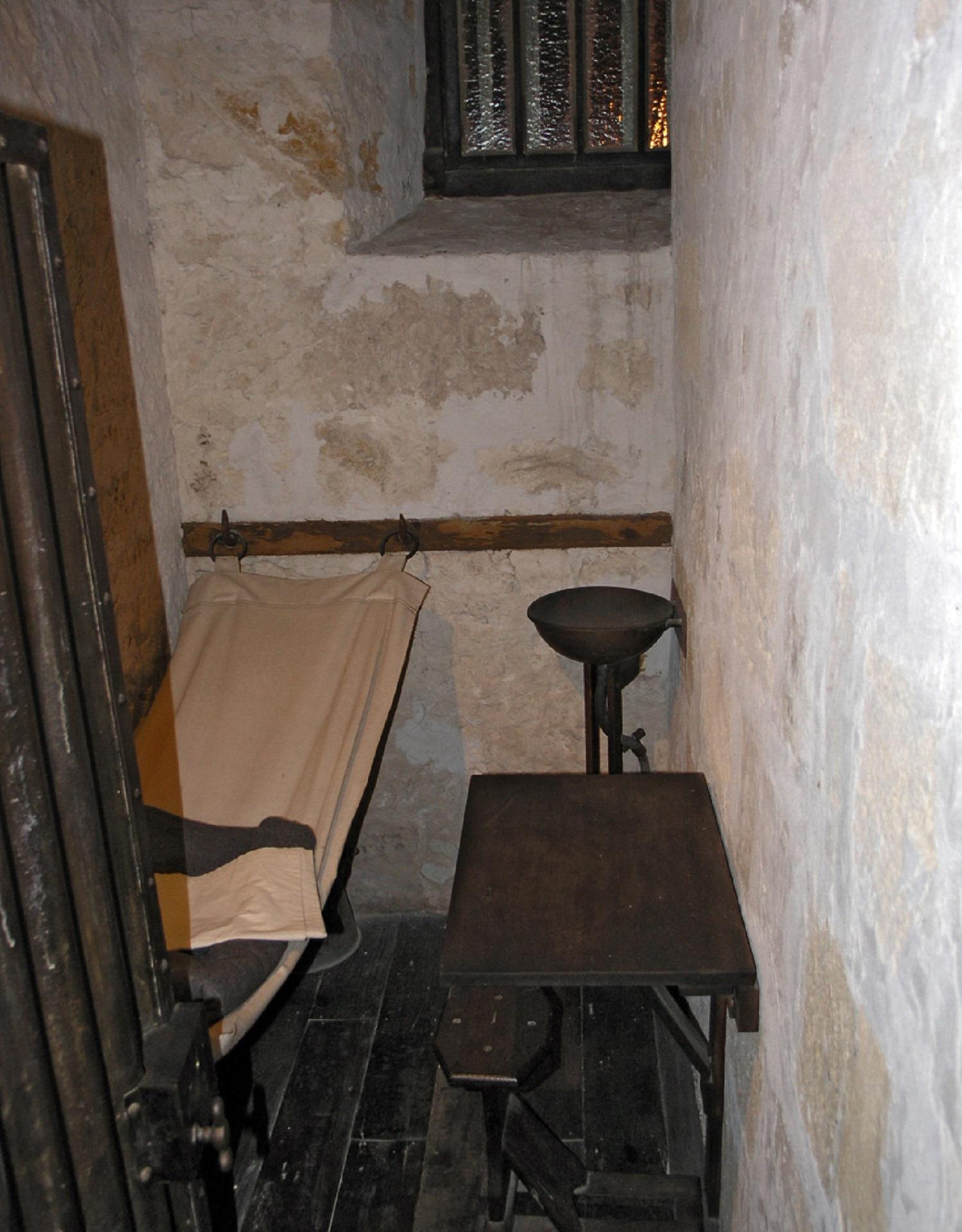
It's rather frightening to realise that the Australian government decommissioned this facility only in 1991. Granted, its history isn't as brutal as the penal colonies in Tasmania, which are now some of that state's top tourist draws. Still, it housed some of Australia's most dangerous criminals, and those inmates built the facility that housed them.
Today, Fremantle has turned the page. Its complex houses a museum and café.
Visitors can tour the facility, and view art former convicts created. The optional tunnel tour is one of this attraction's highlights.
How to Get There
The facility address is The Terrace #1, in Fremantle. You can reach it with public transportation and on foot, depending on where in the city you are.
When to Go
The prison is open year-round, from 9 - 5 daily.
Abrolhos Islands
Chains of small islands ring Australia; they make for excellent diving adventures and other recreational pursuits. On this island chain, you'll find a lot of low ground, pristine sand, and native wildlife. Snorkellers enjoy exploring the seagrass meadows that abut coral reefs. The islands themselves tell tales of mutiny and shipwreck.
How to Get There
This island chain is 90 minutes from Gerraldton by ferry.
When to Go
You can access this water wonders year-round, but they are day-trips, only. Overnighting there is not allowed.
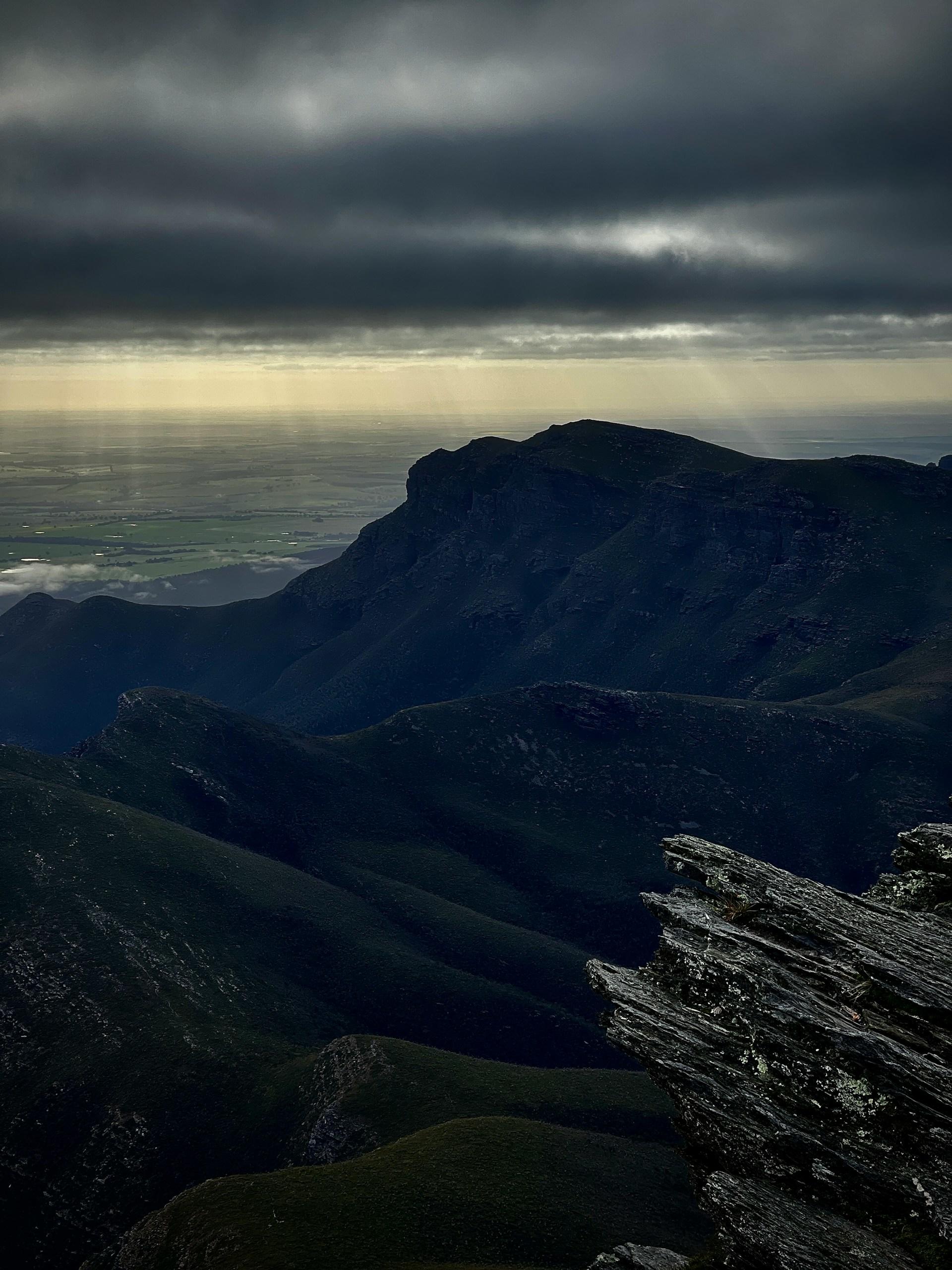
Stirling Range
WA tends to be rather warm, which makes snowfall a rarity. So, when this mountain range dons its white cape of snow, tourists flock to see it for themselves.
Snow notwithstanding, hiking to Bluff Knoll, the range's highest peak, is an adventure in itself.
How to Get There
Driving is the only way to access this park. From Albany, it takes 1.5 hours to get there; coming in from Katanning takes 30 minutes less.
When to Go
- April to October is peak hiking season
- September to November is wildflower season, also good for hiking.
- June to August, travellers may see some snow.
Karijini
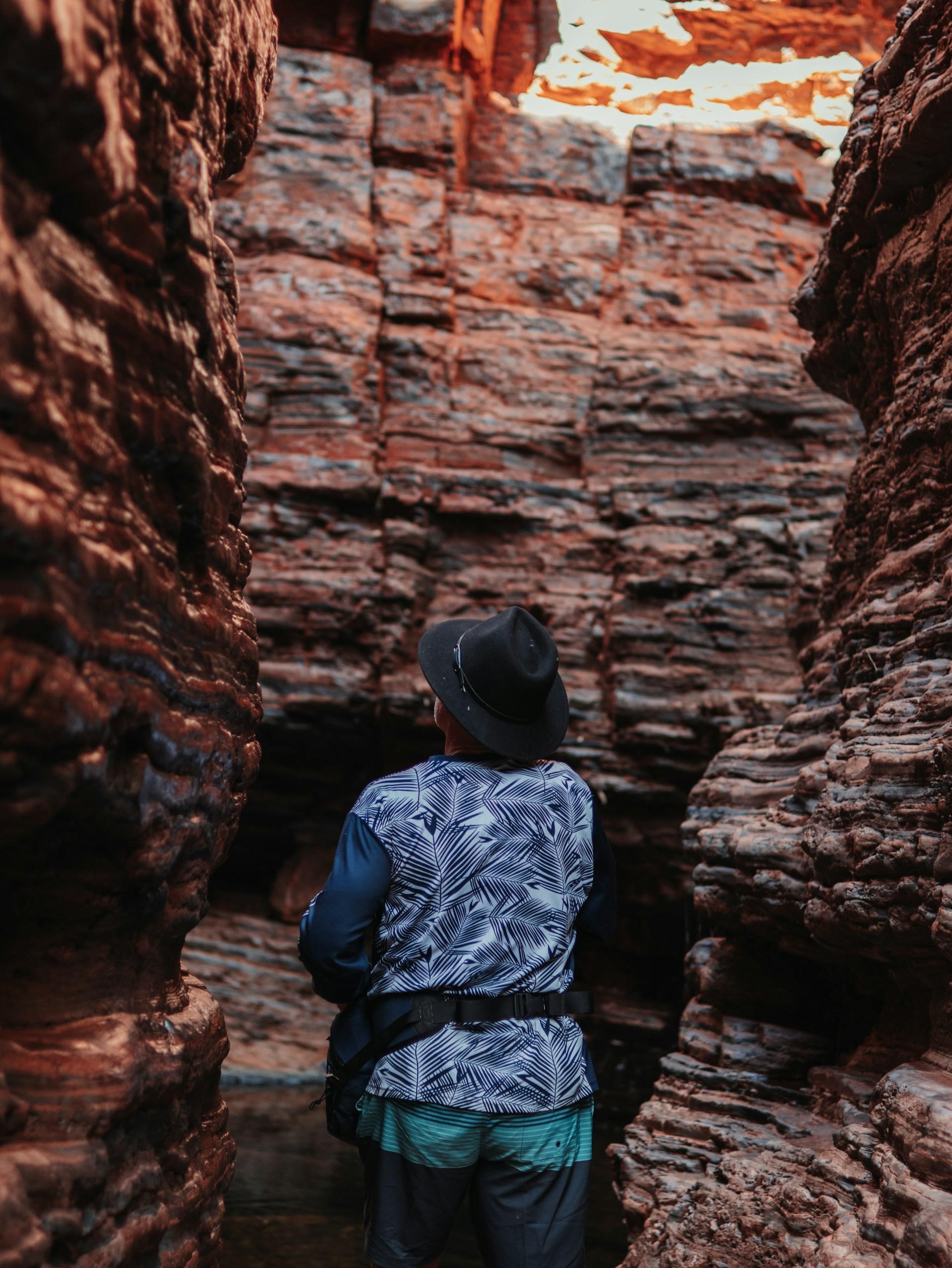
Terrain in this national park is otherworldly. Deep chasms divide arid plateaus, the red earth, marked with low, green scrub presents a stunning visual contrast.
Swimming holes dot the park, which you can hike to across several established trails.
How to Get There
From Karratha, drive the G1 - Great Northern Highway towards Newman. Turn left, onto the B1 (Banjima Drive), to arrive at Karijini National Park.
When to Go
It's safest to go from May to September, when the temperatures are lower, and you're less at risk of a sudden, dangerous downpour.
Wave Rock
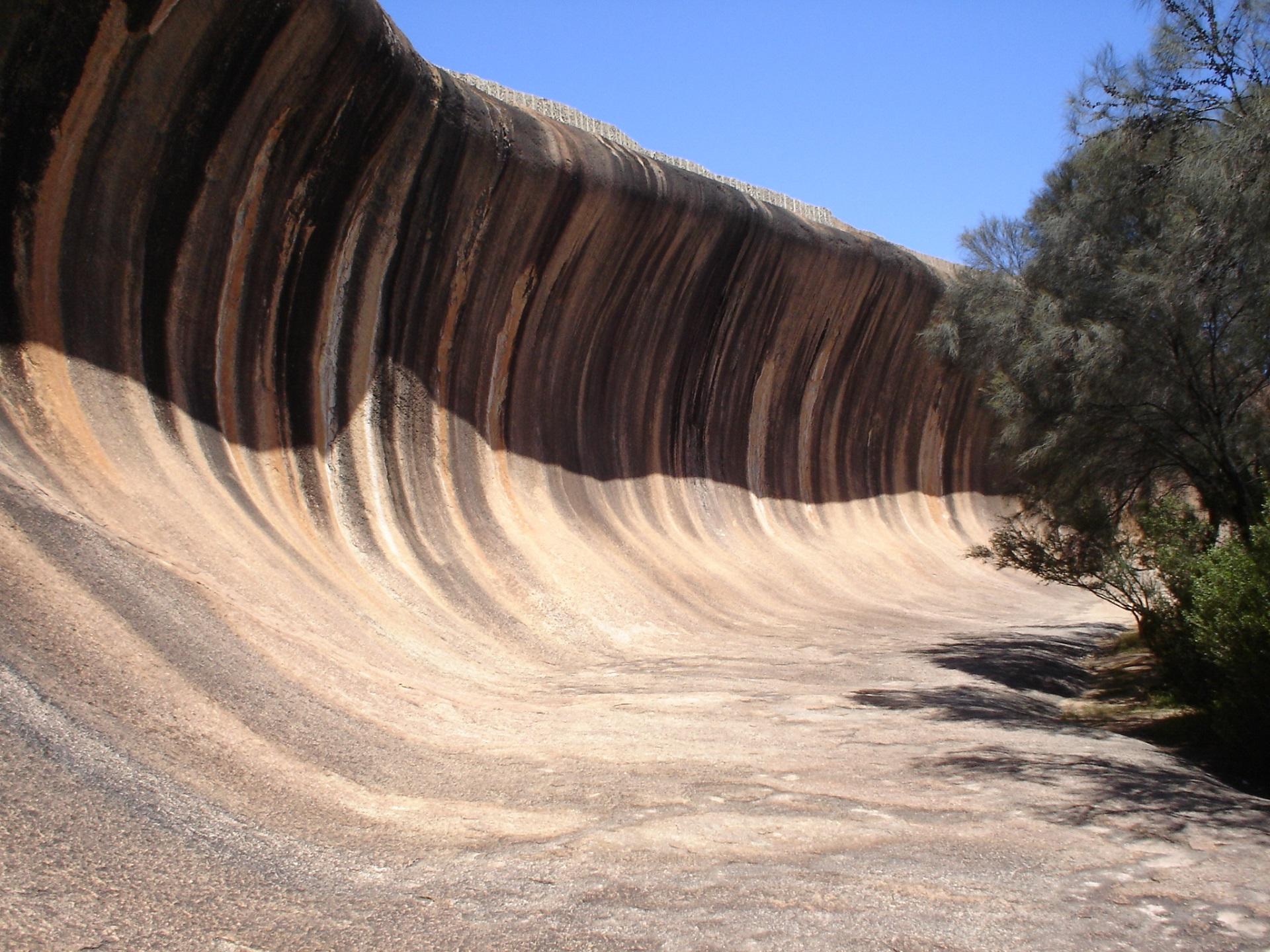
This natural rock formation looks like a breaking ocean wave. The 'wave' stands roughly 15 m tall, and stretches for 110 metres. Once you take the obligatory selfie at the foot of the wave, Head to the nearby Wave Rock Salt Bath to enjoy a weightless float. This pool rivals the Dead Sea for its salt content.
How to Get There
From Perth, drive State Route 1 (Great Eastern Highway), then Highway 40 (Mount Walker Road), towards Hyden.
When to Go
The attraction is open year-round, like many of the top attractions in Victoria.
Summarise with AI:
Did you like this article? Leave a rating!

 Loading...