


One of the first and most important hurdles for any first-time buyer to get over is saving for a deposit. Not that saving for a home is your only hurdle, but since you need a deposit and to be able to pay for all the other fees and expenditures that come with home ownership, it's a good idea to learn how to be smart with your finances.
Let's have a look at some clever ways to save for your first home.


Budget
Before you can start spending less and saving more, you need to be aware of how you spend your money and how you can save it.
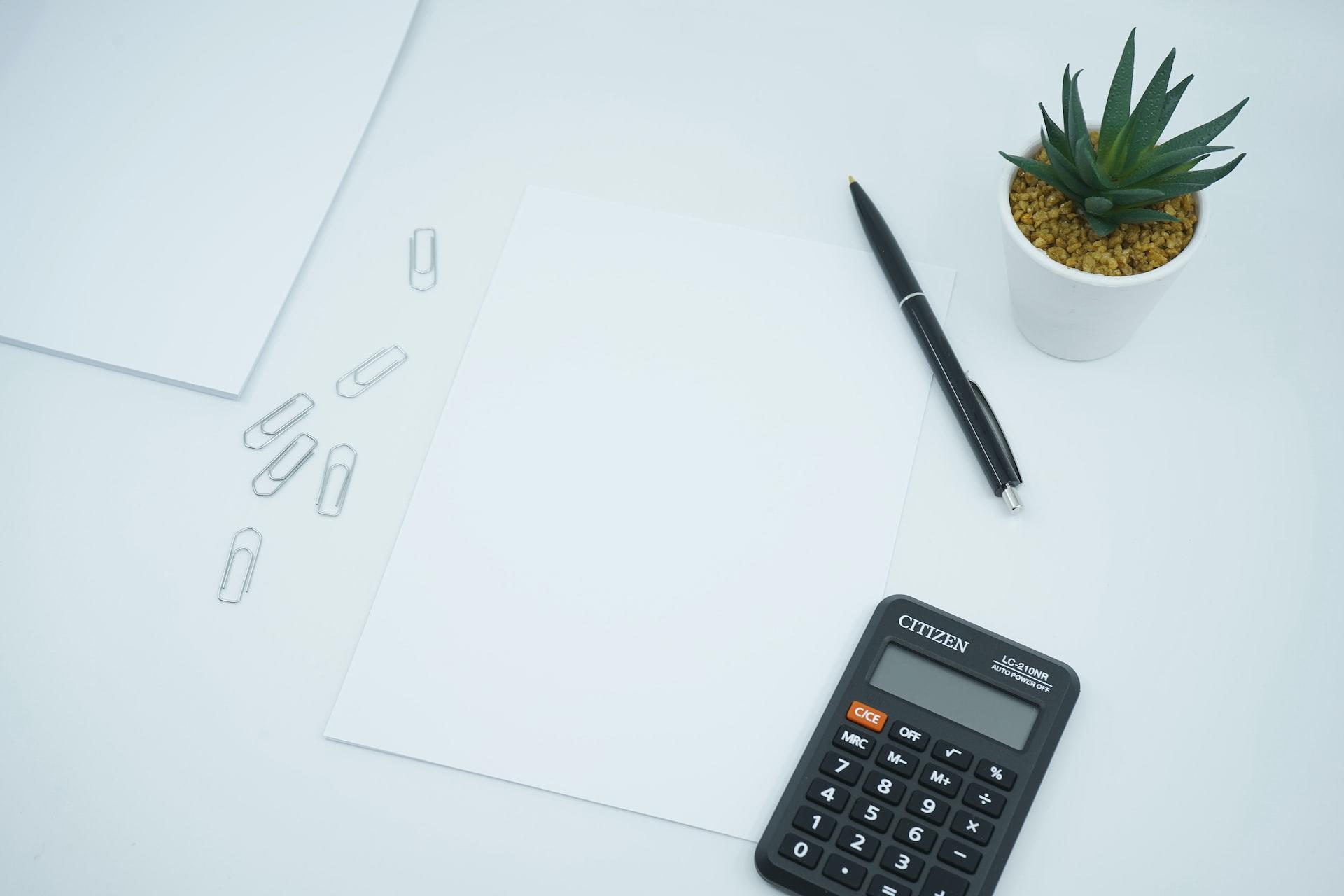
Work out exactly how much you bring home each month and then deduct every single essential expenditure. Rent, bills, and food are all things that you're going to have to spend money on each month so find out how much you're currently spending. For the time being, let's just pretend these are non-negotiable expenses and you can't save any money on them.
Next, look at how much you spend on other things. You can go through your bank statement and if you pay for a lot of things using a bank card or credit card, then you'll have a better idea of where the money is being spent as it'll all be on your bank statement. You won't be able to see exactly what you bought, but you'll see where you were spending the money and have a pretty good idea.
Once you see where you're spending your money, you can start looking at areas to reduce costs. One-off purchases, splurges, shopping, etc. are all spending habits that can be curtailed to end each month with more money left over.
Once you start reaching the end of the month with more money in your bank account, you can start putting it into a savings account for a deposit or just letting it accumulate in your everyday account (provided you won't be tempted to spend any of it).
Buying a house isn't cheap or simple and beyond having to pay the deposit, there are also plenty of other costs that the buyer will have to consider. Make sure you're ready for these costs by getting into the habit of budgeting, and then you'll be able to find a way to pay for them when they do crop up!
Set Savings Goals
With a good idea of how you spend your money, you can start coming up with a realistic savings goal. It's all well and good to say that you'll live like a Tibetan monk and not spend any money on anything, but overambitious goals are more likely to fail.
There are two main ways to set a savings goal. The first way is to say how much you want to save and when you want to achieve that goal. From there, it's simply a case of dividing the amount by how many weeks or months you have and that'll be how much you need to be putting aside.
With the average house deposit being $120,000. You'd need to save $10,000 a month to reach this in a year, $5,000 to reach this goal in two years, or $2,000 a month to reach this goal in five years. Keep in mind, however, that the Australian property market is pretty crazy so regularly check the amount you'll need.
Another way to set your savings goal is to look at how much you can save in a given time such as a month or a week and then work out from there how long it'll take you to reach the amount needed for your deposit. For example, if you can put aside $1,000 a month. It will take you 120 months to reach the $120,000 we mentioned earlier ($120,000 divided by $1,000 will give you the number of months).
In practice, it's better to use a hybrid of these two systems. You'll want to have a time frame in mind so that you can plan your life around buying your home, but you'll also need to be practical about how much you can really save.
The savings goal you come up with will likely be slower than the ideal with more money being taken out of your monthly budget, but that's just how things will have to be as you save for your deposit.
Look at Ways to Save on Your Bills
When you first create a budget, you need to think of your bills as non-negotiable as this will make your initial budget easier to understand. However, once you've got your budget sorted and looked at all your non-essential purchases, you can start looking more closely at your bills.
You can save money here and there by thinking carefully about how you use electricity, water, or gas. Firstly, it can save you money on your utilities (provided they're not fixed monthly bills) and secondly, it's better for the planet.
Fully turn off devices (not standby), especially if you know you won't use them for days on end. The same is true if you go away. While you can't turn off your refrigerator, you can turn off your TV, router, and plenty of other electronic devices that aren't being used at all.
If you don't feel you can save any more money on your utilities by changing your habits, it might also be worthwhile looking for other providers if you have the option. There may be better deals out there than the one that you're currently on.
Set up Automatic Deposits
One of the smartest ways to save money is to make it so that you can't spend it. Rather than wait until the end of the month to see what you've saved, you can set up automatic deposits to put your money straight into a savings account on payday.
It's far too easy to think you'll have some money left at the end of the month to put away, especially when your balance is looking healthy a few days after being paid.
Psychologically, it's a good idea to have less money in your account as it should make you more careful with your spending. By immediately putting your money into your savings account when you get paid and having this happen automatically, you'll be less tempted to spend the money during the month as it won't technically be there to be spent.
This also means that you'll automatically hit your savings target whether you want to or not. You can always cancel automatic transfers to your savings account if it doesn't work out, but if you've set up an achievable savings goal, there shouldn't be any problem putting the money aside whether this is at the start of the month or the end.
If your situation changes, you can always readjust your savings goal and change how much is transferred automatically each month.
Put Aside Any Leftover Money at the End of Each Month
If you get to the end of the month, have already met your savings targets, and still have some money left over, you can add this to your savings, too.

If you've spent very little and there's money left over in your budget, putting it into your savings for buying a home will help you to reach your savings target earlier than expected.
It can be really tempting to see the extra money and treat yourself to something and if you just can't resist and feel like you've earned it, it could be a good idea to take the amount left over at the end of the month and split it in half. That way, you can treat yourself to something nice, especially if you've been living frugally the whole month, and also add a little extra to your deposit.
This way, you get something nice and you'll still reach your savings target earlier than planned!
Change Your Spending Habits in Meaningful Ways
This is probably the biggest hurdle to saving up money for anything, not just for a deposit on your first home. We're all creatures of habit, and spending money is no different.

There's sort of an art to changing your habits because it can actually take a lot of work. Forming new habits can take anywhere from two weeks to the best part of a year to form, which is why it can be so difficult.
With spending money, we'll all likely have habits that are detrimental to our savings goals. If you always buy lunch at work, you should consider making your own lunch and bringing it with you, for example. If you can't do that, you could always consider going for a lunchtime special. Every little bit you can save can go towards the deposit for your first home.
Given how hard habits are to change, you don't want to set yourself unsustainable goals or attempt to completely change every aspect of your life. Be mindful of what you're spending and look to save a few dollars here and there and by the end of the month, you may even have some money left over to add to your savings.
Make your savings goals achievable and sustainable and once you get into the routine, you can start adjusting your goals and making them more ambitious. It's better to start with easy goals, achieve them, and then make things more difficult than trying to change your whole life, failing, and giving up.
Summarise with AI:
Enjoyed this article? Leave a rating!


 Loading...
