

Chemical engineering is an incredibly specific skill set that requires highly educated and trained individuals. Therefore, it’s also a very lucrative career! Read on to find out how much chemical engineers make, what the job market looks like for chemical engineering, and how to get into the chemical engineering field.





How Much Do Chemical Engineers Make?
The salary of a chemical engineer depends on several factors, much like any job. Chemical engineers are almost exclusively either full-time staff or consultants. However, there may be part-time opportunities for entry-level positions.
The expected salary of a chemical engineer is dependent on determinants including:
- Location (country, state/territory/province, city)
- Education
- Experience
- Industry
- Sector
- Work environment
Here is an overview of the average salary for chemical engineers according to various factors. Assumptions made are that the employee has a suitable educational background with the experience required to fit the role.
Annual salary
Entry-Level Salary for Chemical Engineers in Australia
According to multiple sources, entry-level chemical engineers may earn between $60K to $106K per year.
These positions are typically suitable for applicants with a bachelor's degree in a chemical engineering-related field, but some jobs may also accept those with an associate's degree. It is expected that anyone working in chemical engineering has at least an associate’s.
Mid-Level Salary for a Chemical Engineer in Australia
For mid-tier job positions, the pay, predictably, increases.
Intermediate workers can expect an annual salary of $81K to $120K, with a median pay of $101K per year.
Again, the actual pay will depend heavily on several factors, most notably the location of the job, industry, and worker's education and experience.
Senior-Level Salary for Chemical Engineers in Australia
The expected chemical engineer salary after 10 years is $111K to $188K annually. Senior chemical engineers can enjoy a very lucrative career! This pay rate should help offset the years of additional education required to secure such a highly skilled role.

Chemical Engineer Salary by State
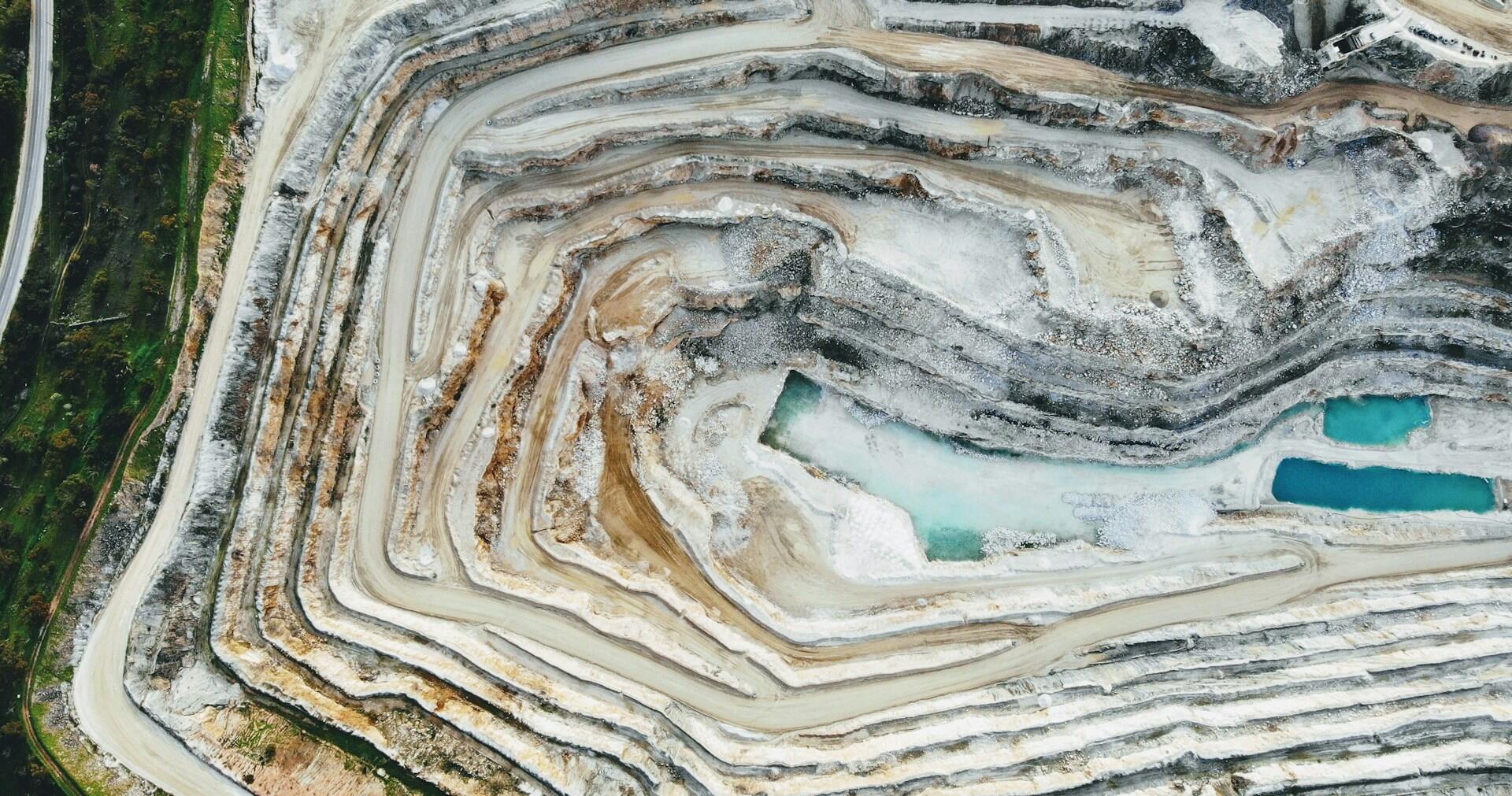
Unlike other industries that tend to thrive in the cities, many of the more lucrative chemical engineering jobs tend to be located in more remote areas. This is because many chemical engineers work in industries like mining and oil production, which are located outside of major hubs.
Here are the average salaries for chemical engineers in the various states across Australia.
| State or Territory | Average Annual Salary |
|---|---|
| New South Wales | $75K - $95K |
| South Australia | $75K - $95K |
| Tasmania | $75K - $95K |
| Australian Capital Territory | $75K - $95K |
| Northern Territory | $75K - $95K |
| Victoria | $80K - $85K |
| Queensland | $80k - $100K |
| Western Australia | $95K - $115K |
Chemical Engineering: Job Outlook and Growth Projections
Right now, chemical engineering is a moderate-to-highly in-demand career, with projections estimating that it will increase moderately in demand in the future. It’s an extremely competitive job market, with only about 3,100 employed people in Australia (according to Your Career from the Australian Government); however, this figure doesn’t include positions that are adjacent to chemical engineering. Other sources report more than 7,000 positions in Australia. Either way, there are very few job vacancies in chemical engineering according to Engineers Australia.
Future projections estimate that chemical engineering will become more popular, especially in the pharmaceutical, energy, food and beverage, and environmental fields. It’s estimated that the job market for chemical engineering will increase by at least 400 positions or 7.7% in the next 5 years.
The average salary for chemical engineers is also expected to increase to an industry average of about $166K per year by 2030.
Chemical engineers are reasonably in demand because there are many industries where they can work. Demand for chemical engineering is expected to increase in the next 5 years.
What Does a Chemical Engineer Do?
So, what do chemical engineers do to earn their salaries? Chemical engineers can be found in many different industries. However, the range of industries that require chemical engineers is limited in Australia because there are not very many manufacturers in Australia.
Let’s explore the most popular industries for chemical engineers.
Most Popular Chemical Engineering Industries in Australia
- Electricity, Gas, Water, Waste Services
- Manufacturing
- Mining, Oil, Petrochemical and Petroleum
- Professional, Scientific, and Technical Services
Most Popular Chemical Engineering Industries Globally
- Bioremediation
- Chemical manufacturing
- Consulting
- Food & Beverage Production
- Industrial
- Minerals and Energy
- Pharmaceutical
- Research & Development
Chemical engineers generally deal with the processes required to take raw materials and turn them into commercial and consumer products. They may research and develop the actual products or they may ensure the continued production of already-existing products. They may develop equipment or processes to implement in a production facility or plant.
Read about the overlap between food technicians and chemical engineers.
Responsibilities of a Chemical Engineer
The specific responsibilities will vary by role and industry, especially since it’s a very versatile job position. Depending on the role and the industry, chemical engineers may do the following in their jobs:
- Create designs for chemical process systems
- Plan control systems for chemical processes
- Supervise processes and plants for maintenance, safety and quality control
- Plan construction and fabrication of equipment for chemical processing
- Audit and monitor equipment and plants to improve efficiency
- Diagnose malfunctions and determine how to fix the problems
- Study product utilisation and pollution control issues
- Design experiments to test chemical processing
- Ensure products and facilities meet legal standards
A chemical engineer applies principles from a range of sciences including chemistry, physics, and engineering for a variety of purposes, such as developing new drugs, food, or chemicals; designing equipment for industrial purposes; and overseeing and managing industrial processes. They typically develop processes to turn raw materials into usable products.
Work Environment
Most chemical engineers work in an office or laboratory setting, with visits to industrial plant facilities, refineries, and similar locations. They may visit these facilities to gather data and monitor things like safety, quality, maintenance, and adherence to laws and guidelines.
Chemical engineers frequently collaborate with other professionals to gather all the data needed, create effective experiments, and implement changes. They will typically need to work closely with mechanics and technicians to ensure the proper maintenance of machinery, monitoring of product quality, and implementation of new processes.
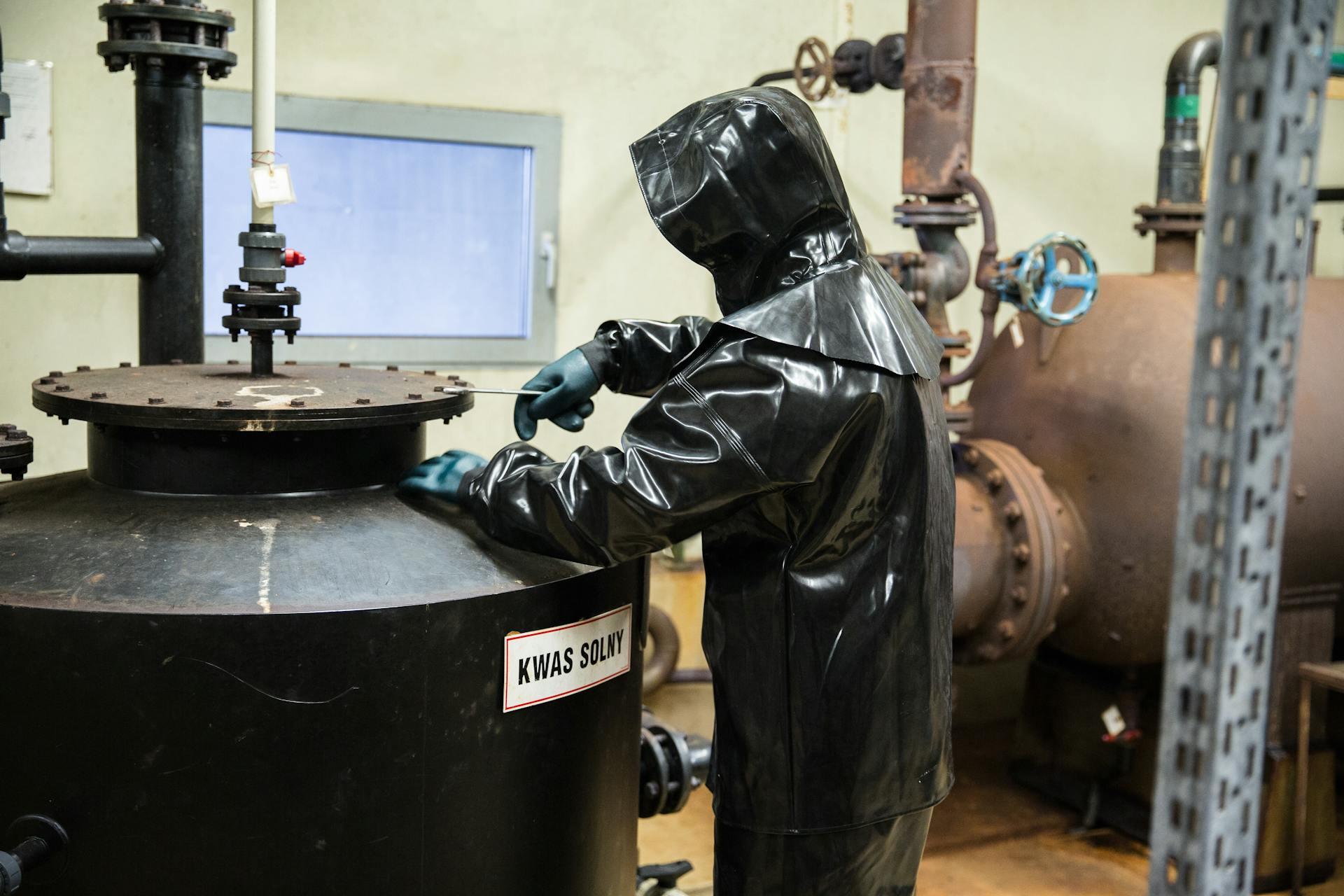
It tends to be a rather safe job, as long as all safety measures are observed while on-site at a facility and when handling chemicals in the lab. Chemical engineers need to be aware of safety measures required in industrial facilities, such as the wearing of hard hats and non-slip shoes, as well as lab safety, like wearing protective eyewear and gloves.
Some positions, such as lab assistant, can be part-time, while more advanced jobs may require overtime.
What Sorts of Jobs Do Chemical Engineers Get?
As previously mentioned, chemical engineers may work in many different industries, and in many different roles. Chemical engineering degrees are quite versatile! Many graduates end up working in an industry that utilises their chemical engineering knowledge, but their job title is not “chemical engineer.”
Jobs for Chemical Engineers
- Chemical Engineer
- Process Engineer
- Project Engineer / Project Manager
- R&D Process Chemist / Engineer
- Metallurgist
- Plant Engineer
- Chemist
- Engineering Technologist
- Operations Engineer
- Field Specialist
These jobs tend to have a specifier associated with them, such as “Wastewater,” “Gas Operations,” “food,” "pharmaceutical," and “Oilfield chemical.”
These jobs have to do with fields like bioprocessing, combustion, environmental safety, mining and minerals, process control, and project delivery.
Jobs Related to Chemical Engineering
- Analytical Chemist
- Analysis
- Energy Manager
- Consultant
- Hydrogeologist
With a chemical engineering degree, you can also pivot to other industries that use the same skillsets, such as banking, manufacturing, research, and technical fields.
How to Become a Chemical Engineer in Australia
The minimum requirement to enter the chemical engineering field is a bachelor's degree in a directly related subject. Very few positions may accept applicants with an associate’s degree. Earning a master’s degree is a great way to secure a higher-paying position.
Best Degrees and Universities to Get Into Chemical Engineering
Since chemical engineering is such a highly skilled specialisation, it is not possible to make a career pivot into the field without proper education. When choosing a university and major, students must carefully consider which one(s) to enrol in if they want to pursue chemical engineering in the future. Some degrees open multiple pathways, not just to chemical engineering, so choosing these degree programs can give the graduate multiple options.
Best Universities in Australia for Chemical Engineering
- The University of Queensland
- Monash University
- The University of Melbourne
- The University of New South Wales (UNSW Sydney)
- The University of Sydney
- University of Adelaide
- University of Technology Sydney
- Curtin University
Best Degrees to Earn for Chemical Engineering in Australia
Choose a degree programme that aligns with your future plans. You can also choose a concentration at some universities so you can learn more than just what’s included in the main area of study.
- Bachelor of Engineering (Honours) (Chemical Engineering)
- Master of Chemical Engineering
- Biochemical Engineering
- Chemical Reaction Engineering
- Metallurgical Engineering
- Master of Engineering (Chemical)
- Master of Philosophy (Engineering)
- Doctor of Philosophy (Engineering)
- Master of Engineering (Chemical with Business)
- Material Engineering
- Biomedical Engineering
- Environmental Engineering
- Mining Engineering
- Mechanical Engineering
- Physics
- Industrial Chemistry
- Petroleum Engineering
Students should also seek out internship opportunities during their school days. Chemical engineering relies on real-life experience just as much as theoretical studies. Finding an internship with an established company in the industry is ideal. There may also be opportunities to intern with university research centres.
Forensic science is another chemistry career that allows for lots of hands-on experiences.

Join Recognised Industry Bodies
Become a member of a recognised organisation to verify your education and dedication to the field. The two main bodies in Australia are:
- Engineers Australia
- Institution of Chemical Engineers (IChemE)
Joining these organisations can give you access to networking and job opportunities, as well as add credibility to your name and your credentials. Engineers Australia has several membership tier options, with a free level for engineering students to utilise. IChemE also gives its members a credibility boost, as well as providing continuing education opportunities, training, volunteering, and networking.
Chemical engineering is a great pathway for those who are scientifically inclined. Though the journey through university and securing a job may be difficult and arduous, the end result can be a lucrative, fulfilling career. If, at any point along the way, you need a tutor to help you firmly grasp all the difficult concepts of engineering or chemistry, you can find the perfect private tutor on Superprof!
References
- Works CitedChemical Engineer. (n.d.). Australian Government. https://www.yourcareer.gov.au/occupations/233111/chemical-engineer?distanceFilter=25
- Chemical Engineer Salary in AU (February, 2025). (n.d.). In SEEK. https://www.seek.com.au/career-advice/role/chemical-engineer/salary
- ERI Economic Research Institute. (n.d.). Chemical Engineer Salary Australia - SalaryExpert. In www.salaryexpert.com. https://www.salaryexpert.com/salary/job/chemical-engineer/australia
- How to become a Chemical Engineer. (2024). In Open Universities Australia. https://www.open.edu.au/advice/careers/engineering/chemical-engineer
- Intermediate Chemical Engineer Salary in Australia. (n.d.). In Salary.com. https://www.salary.com/research/au-salary/alternate/intermediate-chemical-engineer-salary/au
- Occupation 243131 Chemical Engineer. (2024). In Australian Bureau of Statistics. https://www.abs.gov.au/statistics/classifications/osca-occupation-standard-classification-australia/2024-version-1-0/browse-classification/2/24/243/2431/243131
- Russell, C. (2024). Chemical Engineering in 2025 - The Future of Innovation. In The ChemEng Student. https://www.chemengstudent.com/chemical-engineering-in-2024-the-future-of-innovation/?v=0b3b97fa6688
- The Australian Engineering Labour Market Overview. (n.d.). Engineers Australia. https://www.engineersaustralia.org.au/sites/default/files/2024-09/The-Engineering-Labour-Market-Overview-August-24.pdf
Summarise with AI:
Did you like this article? Leave a rating!

 Loading...