

If your child is interested in playing chess or learning to play chess, you may have thought about having them join a chess club.
If you haven't, don't worry! Let's have a look at when children should learn to play chess, why they should, and whether or not chess clubs are right for them.


When Should Kids Learn to Play Chess?
A lot of sports, especially contact sports, can be dangerous for very young children or may need to be changed so that younger players can enjoy them.
As you can imagine, there isn't this problem with chess. The only problem with chess is that it can initially be a complex game for very young children to wrap their heads around. That said, there are suggestions that children can start learning to play chess as young as 4 or 5 years old.
You know your child, though, and while some children will be able to learn the rules, with very young children, you also have to make sure that they have the attention span for an entire chess match, which is why this age may be too young for some kids. However, that doesn't mean you can't start trying to teach them the rules.
Can a 7-Year-Old Learn to Play Chess?
There are a lot of suggestions out there that the age of 7 is a great time for kids to learn how to play chess. At this age, they should have both the cognitive function and attention span to understand the game and play full matches without getting too bored or distracted.
Again, it will completely depend on the child and you can always slowly introduce them to the rules of the game without having them play full matches.
You must work with your child and not against them. If they've shown an interest in playing chess, you can teach them at any age. However, forcing them to play chess and learn the rules runs the risk of putting them off the whole thing.
What Age Is Too Late for Chess?
It's never too late to learn how to play chess. Even seniors can take up chess in retirement so there's no chance a child will ever be too old to play chess.
While sooner is always better as that'll give them more time to enjoy playing chess, it's easier for younger children as older children may feel self-conscious about having a lower level than other kids of their age.
This can be particularly problematic during adolescence, but as you'll see, chess clubs are often welcoming environments. They know that everybody has to start somewhere and it's very easy to fairly match opponents according to their level.
Why Chess Is Good for a Child's Development
The game of chess is sometimes referred to as a mind sport because of how heavily it relies on your intellectual ability.
As you'll see, playing a “mind sport” comes with a lot of benefits for your child, especially in terms of their cognitive development, but that isn't the only way that they'll benefit from playing chess.
Critical Thinking
Research has shown that playing chess can improve a child's critical thinking and problem-solving skills.
Children who play chess tend to score higher on maths and reading tests, though we should mention that this doesn't necessarily indicate a cause. After all, smarter kids could naturally be drawn to playing chess because they already have the cognitive abilities and attention span to play the game.
Either way, their critical thinking skills will improve and while we can't be certain of how it'll affect their academic performance, it's unlikely that it'll do any harm!
By playing chess, children will have to identify, analyse, and solve the problems they see on the board throughout the various phases of the game.
Planning
Chess is also an excellent game to teach children about planning. In chess, you have to think several moves ahead and make moves that will have an effect much later in the game.
While matches, especially at a chess club, won't be played over hours, this will teach children that they have to plan and prepare and show them the value of doing so.
This will also help them to focus, as they'll know what they're doing now will pay off later on. If they want to see the benefits of their planning, they'll need to still be involved in the match when it all pays off.
Teaching kids about the importance of planning and preparation will also serve them well in school and other aspects of their lives.
Consequences
Chess will also teach children about consequences. There's no random chance in chess so while the roll of a die can be inherently unfair in some games, there are few games that are as fair as chess.
While we could say that starting second comes with a slight disadvantage, this is often mitigated by having players take turns playing as white (the colour that always goes first).
Learning that actions have consequences is an important lesson for children and there's no better example than through chess where chance and fortune are completely taken out of the equation.
Reasons Chess Club Is Good for Kids
So now that we've seen that it's pretty obvious that chess is a good game for kids to be playing because it's great for their cognitive development, let's have a look at another way that kids can enjoy playing chess: as part of a chess club.
Chess is definitely a game that can be played casually at home with friends or family or online against people from all over the world, but a chess club is arguably one of the best environments for children to play chess while also learning more about the game and getting better at it.
Usually, it's quite easy to find a local chess club, but if you're still not convinced, here are some of the reasons why they're so good for kids.
Chess Club Is Good for New Players
Being a member of a chess club is great for new players whether they're young or old. A chess club can provide an environment whereby everyone is interested in getting better at chess and this positivity and passion for the game is great for kids.
Naturally, chess clubs are all about chess and while some clubs only have very good players, most clubs have players of all levels and are very welcoming to new players.
Chess clubs that welcome kids are even more welcoming to new players as many kids will be new to the game. After all, they haven't been alive for very long so why would they have had much time to play chess?
Chess Club Is A Great Way to Make New Friends
Chess clubs are also a place for kids to make new friends. As they'll have at least one thing in common with the other kids in their chess club, they have something to do together and you'll find that most kids only need one common interest to make friends.
Chess is also good for kids who might be shy as they'll have opportunities to socialise in small groups or one-on-one with other kids. In larger social settings and youth clubs, for example, some kids may end up not talking to anybody.
Over time and across a few matches with other kids of a similar age, even some of the shyer children are likely to have a few mates from chess club.
Kids Will Learn to Play Chess Together in a Chess Club
As you know, it takes two people to play chess together. Not only is this a great way for kids to make friends, but it's also a great opportunity to learn together.
Chess clubs are very focused on helping their members improve their chess game and kids who are members will learn alongside their peers.
They'll also learn more about playing together, being fair, and respecting their opponent, as chess is a game where sportsmanship is important and there are many rules about playing fairly, especially in tournaments.
Chess Clubs Have Equipment and Resources
While there'll definitely come a day when you have to buy a chess set if you haven't already, parents can rest safe in the knowledge that chess clubs have their own equipment.
Playing chess isn't really that expensive, but chess clubs can also loan sets to players, especially if they meet once a week and won't need them between meetings.
Chess clubs are also likely to have resources and books on chess that members can borrow. This means that between chess club sessions, players can study chess, practise playing, and look to improve before the next time they attend.
Opportunities to Attend Chess Events
Last but not least, chess clubs are a gateway to chess events and tournaments and while these events can be attended by players who don't belong to any chess club, it's much easier to be a part of the competitive chess scene if you're a member of a chess club.
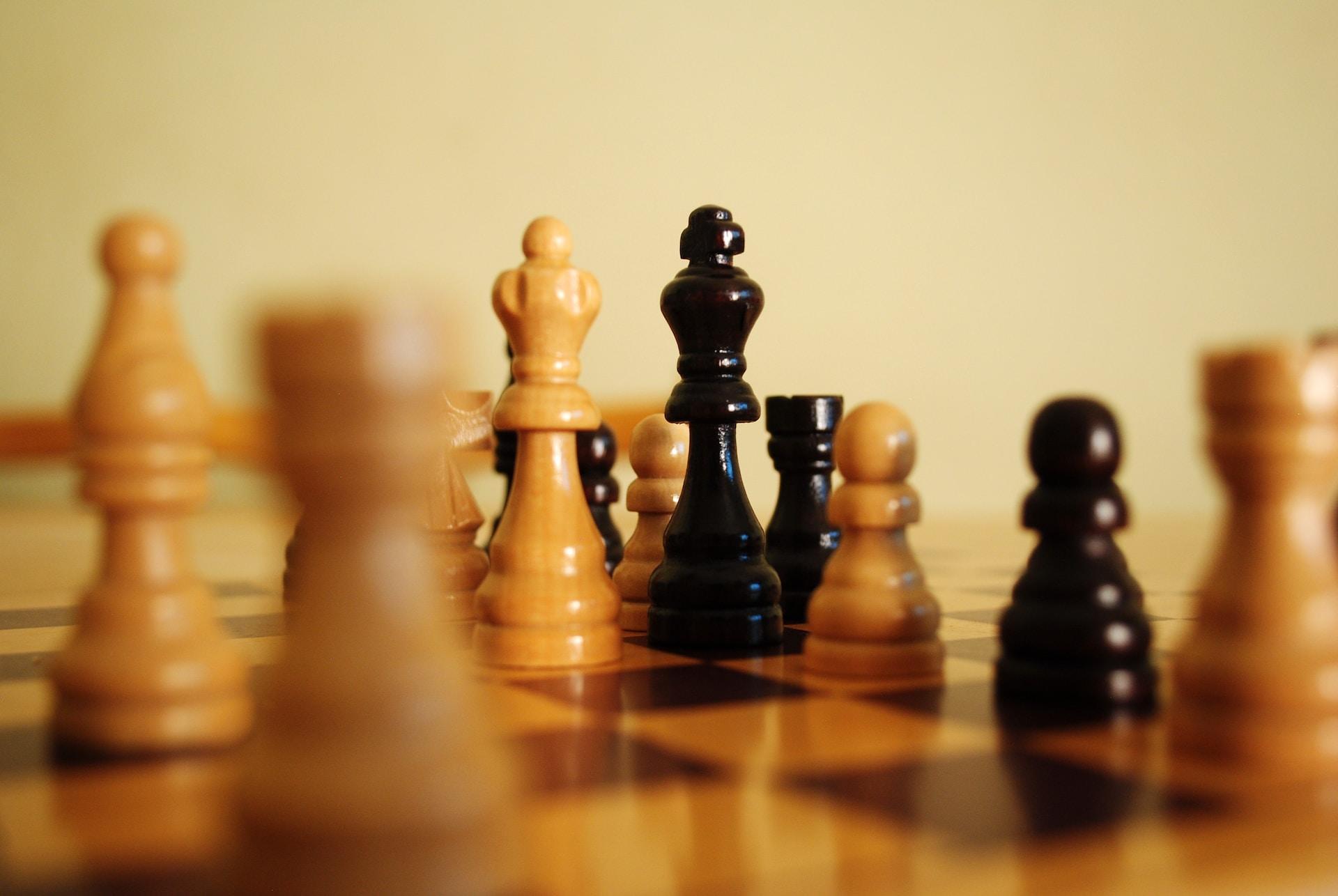
Chess tournaments are fun and kids can enjoy playing against new opponents. While tournament play is different to casual play, kids will learn the differences while attending a chess club.
So there you have it. There are clearly lots of reasons to join a chess club, especially for kids. Of course, if they're not ready for a chess club just yet, you could always get a private chess tutor to teach them how to play or develop their chess skills to prepare them for a chess club!
Summarise with AI:
Did you like this article? Leave a rating!


 Loading...
