
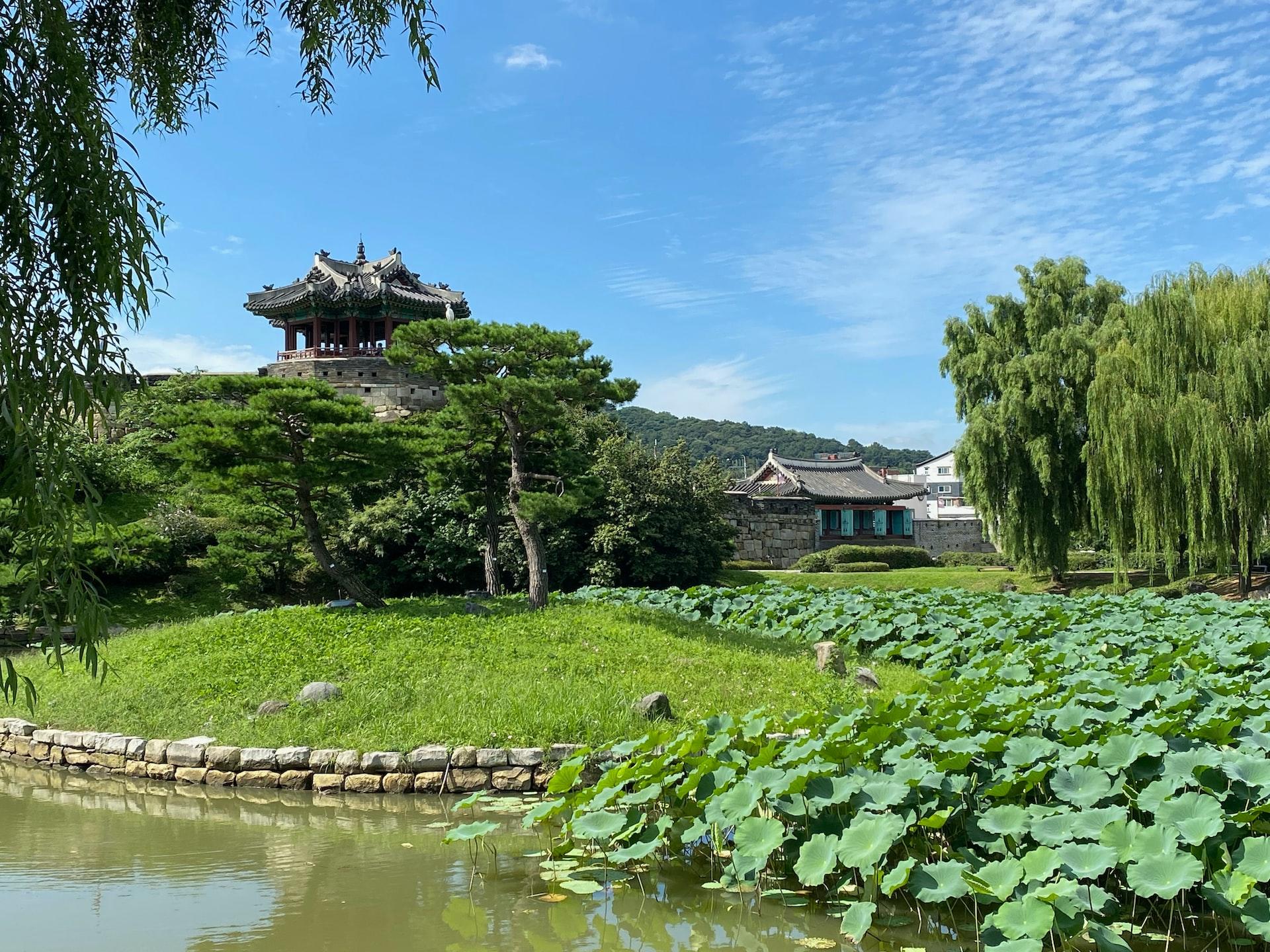

If you're travelling to South Korea, it certainly can help you to speak a bit of the language. If you haven't already started but would like to know enough Korean to get by, here are the main expressions that you should learn and why.
We actually have more than 20 phrases, but some phrases have to change according to the situation such as the time of day, who you're speaking to, and what you're doing.
You won't be having any lengthy conversations with these expressions, but they should come in useful if you're visiting South Korea as a tourist and just need to get around. These phrases won't give you a broad enough vocabulary to spend the day speaking to every Korean person that you meet, but having a short list of words and phrases to learn is a great place to start for any learner.


Starting and Ending Conversations in Korean
Every conversation has a beginning and an end so it only makes sense to start with some basic greetings.
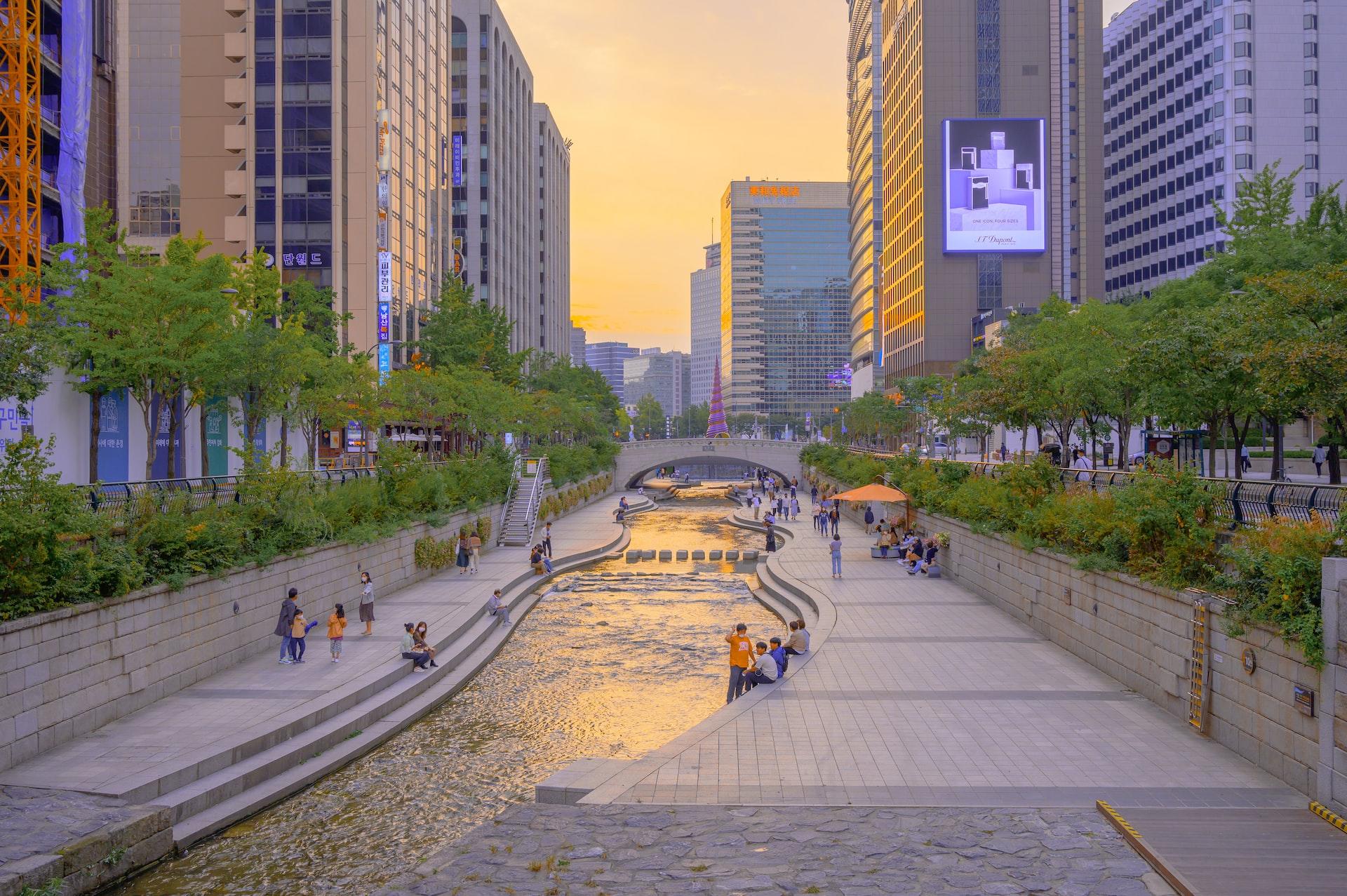
In Korean, there are differing levels of formality. Generally, you'll be forgiven for messing these up, especially if it's clear that you're not a native speaker and have a very limited grasp of Korean. However, it's generally a good idea to be overly formal than overly casual in social situations so err on the side of caution.
Hello. (very formal)
안녕 하십니까. (annyeong hasimnikka)
Hello. (formal)
안녕하세요. (annyeonghaseyo)
Hello. (casual)
안녕. (annyeong)
Hello. (for phonecalls)
여보세요. (yeoboseyo)
Naturally, it's also common to greet people according to the time of day just like we do in English. Just like in English, the expression for “good night” isn't used as a greeting, but rather at the ends of conversations, which is why we haven't included it here.
Good morning.
좋은 아침입니다. (jo-eun achimimnida)
Good evening.
좋은 저녁입니다. (jo-eun jeonyeogimnida)
The next step in any conversation is to ask people how they're doing. With just a handful of expressions, you can start having your most basic conversations in Korean.
If you're heading to South Korea with friends or family, it could be worthwhile practising these greetings and salutations until they're second nature to you.
How are you?
어떻게 지내십니까? (eotteoke jinaesimnikka?)
Fine, thank you.
잘 지냅니다, 감사합니다. (jal jinaemnida, gamsahamnida)
If this is the first time that you're meeting somebody, it can help to know what their name is or even tell them what yours is.
Just remember to fill in the “…” with your name. Similarly, if you have a shortened version of your name, it can be useful to go with that rather than the longer version as the person you're talking to mightn't be familiar with your name.
What is your name?
성함이 어떻게 되세요? (seonghami eotteoke doeseyo?)
My name is ...
제 이름은 ...입니다. (je ireumeun ...-imnida)
I am ...
저는 ...입니다 (jeoneun ...-imnida)
Nice to meet you.
만나서 반갑습니다. (mannaseo ban-gapseumnida)
And when it's time to end a conversation, there are a few ways to say goodbye depending on what you're doing.
The Korean language has a few ways to say goodbye and it'll depend on whether you're leaving a place or the person you're speaking to is leaving a place. These expressions only differ slightly, but it's worth trying to get them right.
Ready to learn Korean? Find a qualified tutor on Superprof!

Goodbye. (when somebody leaves)
안녕히 가세요. (annyeonghi gaseyo)
Goodbye. (when you leave)
안녕히 계세요. (annyeonghi gyeseyo)
Goodbye. (casual)
안녕. (annyeong)
Manners and Being Polite in Korean
In any language, it can help to be polite, especially if you're not a native speaker and the people you're speaking to are nice to you as you try to speak their language, especially when you're visiting the most popular attractions in South Korea, for example.
Please.
부탁합니다. (butakamnida)
Thank you.
감사합니다. (gamsahamnida)
You're welcome.
천만에요. (cheonmanyeyo)
Excuse me. (for getting somebody's attention)
실례합니다. (sillyehamnida)
I'm sorry.
죄송합니다. (joesonghamnida)
At this point, you should be able to start and end a conversation, find out somebody's name, and introduce yourself.
While you won't be able to ask for things yet, you can point to things, say “please”, and thank people. This should be enough in basic informal situations in shops and restaurants.
Basic Numbers
Korean uses two different sets of numbers, but the ones you'll want to learn as an absolute beginner actually come from Chinese and are used for money, phone numbers, the clock (when using the 24-hour format), and minutes.

Ideally, you'll want to learn the numbers up to ten plus all the tens, hundreds, and thousands, but here you can get started by learning to count up to ten.
0
공 (gong) / 영 (yeong)
1
일 (il)
2
이 (i)
3
삼 (sam)
4
사 (sa)
5
오 (o)
6
육 (yuk)
7
칠 (chil)
8
팔 (pal)
9
구 (gu)
10
십 (sip)
If you have time before your trip, learning larger numbers will be important, especially since the local currency, the South Korean won, regularly is issued in coins of 10, 50, 100, and 500 with 1000, 5000, 10000, and 50000 notes!
Getting Stuck in Korean
If you're learning just a handful of Korean phrases, you're bound to end up in situations where you reach the limit of your linguistic capabilities. While disappointing for language learners, sometimes you just have to accept defeat, admit you don't understand, or even ask to switch the conversation to English.
These are some of the key expressions to use in these situations.
Is there someone here who speaks English?
여기에 영어를 하시는 분 계십니까? (yeogi-e yeong-eoreul hasineun bun gyesimnikka?)
I don't understand.
이해가 안갑니다. (ihaega an-gamnida) / 모르겠습니다 (moreugetseumnida)
I understand.
알겠습니다 (algetseumnida)
Discover an amazing Korean course online with Superprof!
Asking Questions
While you won't have all the grammar to ask complex questions after learning a handful of Korean phrases, it can be useful to know the common question words as you can use them in isolation to make yourself understood in a broad range of conversations.
What?
무엇? (mueot?) / 뭐? (mwo?)
Where?
어디? (eodi?)
Who?
누구? (nugu?)
When?
언제? (eonje?)
Which?
무슨? (museun?)
How much?
얼마? (eolma?)
Again, it's not ideal to have such a limited vocabulary, but it can help to use the question words and signal things out.
However, it should be noted that pointing, especially with your index finger, is considered very rude in South Korea. Instead, gesture to things with your entire hand. The same is true of when you're eating. Do not use your cutlery to point, either.
Don't worry too much about this, though, because if you generally behave well and are nice to the Korean speakers that you meet, you'll likely be forgiven for making an occasional mistake.
Learning More Korean
Rather than endlessly learning expressions until you reach a point where you can converse in Korean, it's better to arm yourself with the linguistic tools to learn more Korean from native speakers. Anyone planning on moving to South Korea should have this level of Korean before living there.
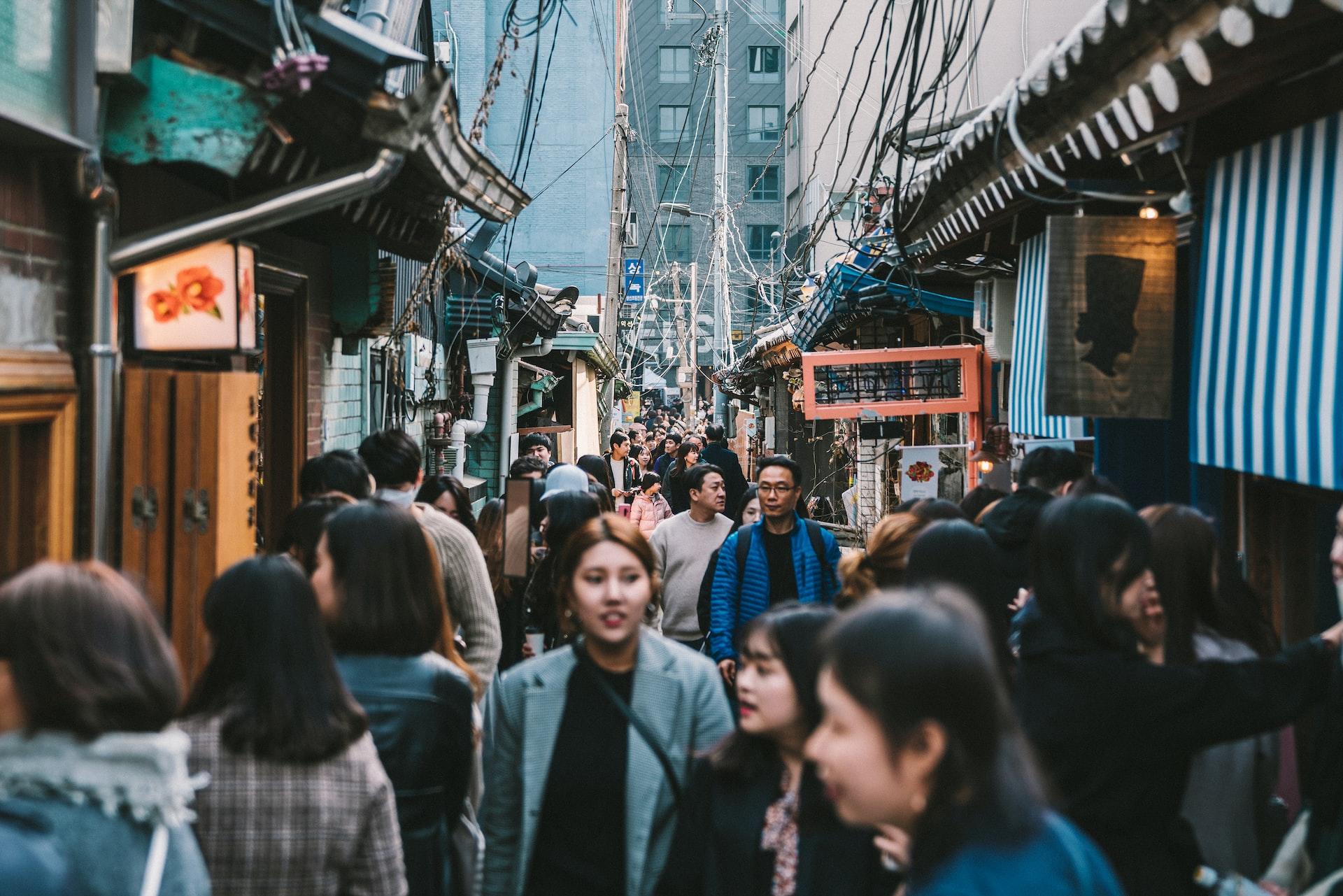
These are the expressions that you'll need to do this.
How do you say ... in Korean?
...은 한국말로 어떻게 말합니까 ? (...-eun hangungmallo eotteoke malhamnikka?)
What is this/that called?
이것은/저것은 무엇이라고 부릅니까? (igeoseun/jeogeoseun mu-eosirago bureumnikka?)
Begin Korean language classes Sydney here on Superprof!
Taking Your Korean Further
These expressions are just to get you started and there are plenty more that we could have added that would be useful for anyone travelling to South Korea. If you'd like to learn more Korean, it's definitely worth attending classes, studying the language yourself, or even working with a private Korean tutor to get some practice before you go.
Korean isn't the simplest language in the world and it can take thousands of hours of study to speak it fluently so don't get disheartened if you haven't mastered it even after a few months of study.
Most languages take a long time to get the hang of and Korean is certainly no exception. It's common to make mistakes and nobody expects you to start off speaking the language excellently. All you have to do is learn from your mistakes and remember that learning languages is a marathon, not a sprint. There's plenty of help out there if you need it and in the digital age, you can easily find teachers and tutors locally or even online!
You don't need to be fluent in Korean before you go there and it might be worthwhile setting yourself the more achievable goal of learning the most common words and building a vocabulary you can use in most situations.
Once your language skills start to advance, you can take them further by immersing yourself in South Korean culture since languages and cultures are fairly inseparable.
Summarise with AI:
Enjoyed this article? Leave a rating!

 Loading...
