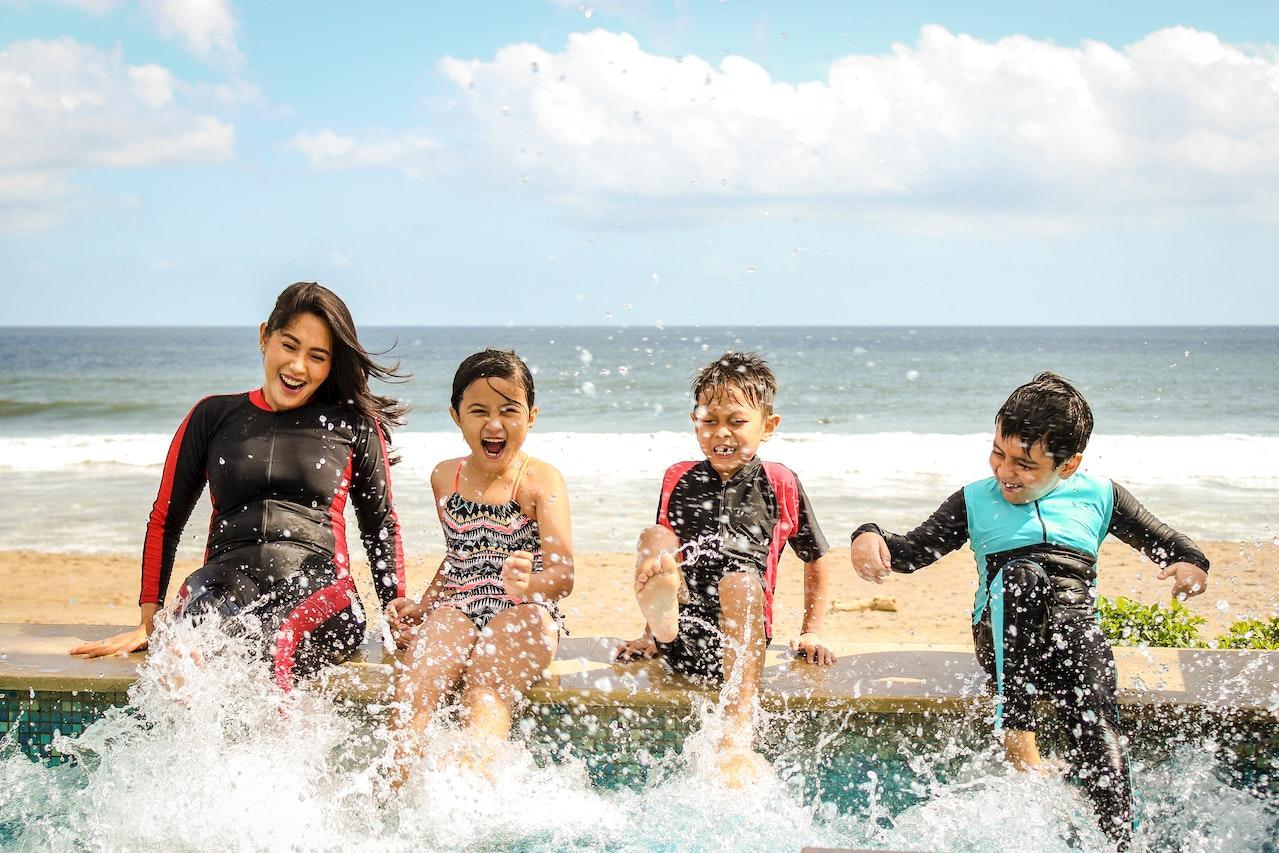

Is it any wonder that most Australian states have compulsory swimming programs in primary schools?
Providing water and swim-safety education is crucial for a country that has so many different forms of aquatic environments in which you might find yourself. Learning how to navigate the dangers posed by rivers, lakes, streams, beaches, and pools literally saves lives.
If you didn’t receive swimming instruction as a child, or you want or need further instruction, formal swim lessons are your best bet.





The Risks of Ignorance
According to the Royal Life Saving National Drowning Report for 2022, 339 people fatally drowned in Australian waterways between 1 July 2021 and 30 June 2022.
686 non-fatal drowning incidents also occurred.
While it may not sound like very many incidents in comparison to the 25,978,935 population in 2022, even 1 preventable death is too many. At the same time, it’s an attestation to show that widespread swim education helps prevent that number from being higher!
The groups at the highest risk for drowning deaths are people who were not raised in Australia, like immigrants. This is perhaps because of a lack of exposure to water or swimming education in their country of origin, and not pursuing swim lessons once arriving in Australia.
Finally, males are statistically at the most risk of drowning, perhaps due to more risky behaviour.
Why Learn to Swim?
Swimming is a handy skill, to be sure. But is there a more important reason to learn to swim than simply being able to enjoy the beach?
In addition to protecting yourself from fatally drowning, learning to swim has some distinct benefits.
Life-Saving Measures
Comprehensive swim education includes information and practices about saving other swimmers’ lives, from how to spot a distressed swimmer to how to being them to safety and administer first aid.
Additionally, swim education can teach you how to look for hidden dangers like undertows and rip currents before even entering a body of water.
You never know when you’ll need the ability to swim in an emergency! Any time you’re near the water whether it’s swimming, boating, rafting, on a cruise ship, on a plane, walking on a bridge, or any number of other things that bring you in close proximity to water, you will want to know swimming and survival skills in advance.
A substantial amount of people also drown during natural disasters like floods every year. In a crisis, it’s too late to learn.
A Lifetime of Fun
Swimming is a national pastime! Being able to safely enjoy the many waterways in the country is a real boon for making memories, having fun with friends, exploring nature, getting exercise, enjoying the sun, and taking breaks from the indoors.
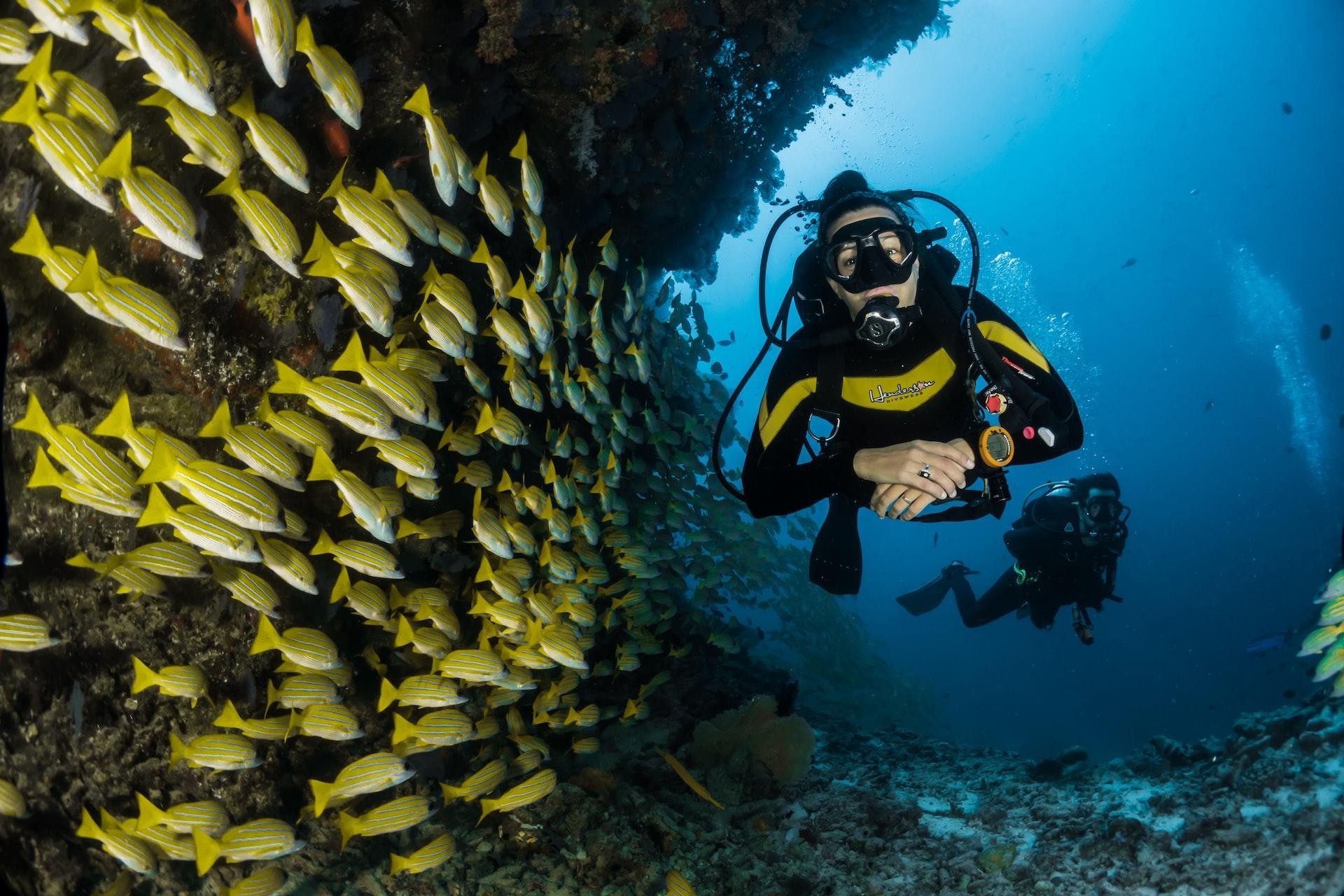
Think of all the wonderful, exciting activities that require water! Waterparks, sailing, snorkelling, parasailing, white water rafting, SCUBA diving… the list goes on!
Get to know more about the best swimming lessons in Australia here.
Opportunities Abound
Many water-based opportunities exist, in terms of education, fame, and career.
Many universities offer scholarships for athletes including swimmers, rowers, water polo players, and others.
There are many water-related sports in the Olympics every year, like artistic swimming, canoeing, diving, marathon swimming, sailing, surfing, water skiing, and wakeboarding. If learned early enough, Olympic watersports dreams are in the realm of possibility!
Lucrative, interesting careers that require swimming and water safety include fisherman, boat or ship captain, lifeguard, rescue swimmer, dolphin trainer, SCUBA instructor, underwater photographer, aquatic performer/mermaid, and swimming/diving instructor.
The only reason I started swimming was for water safety. Then, once I started falling in love with sports, I got more comfortable with it.
-Michael Phelps
Formal Lessons Ensure Mastery
Learning from a parent or family member is perhaps the most common way that people learn to swim, especially if swimming lessons are not provided as part of their primary education.
It’s better than nothing, but there are specific advantages that come with taking formal swim classes with a trained professional.
Comprehensive Education
The barebones basics of swimming include treading water and being able to swim on your back to avoid getting water in your mouth and nose. Valuable skills, to be sure, but not the be-all and end-all.
When you enrol in a swim program, you will learn and become skilled in lifesaving basics.
With a swim instructor, you can be certain to learn many different swimming techniques. Strokes for speed, endurance, calm waters, rough waters, for when clothed in swimwear or jeans, for rescuing yourself or someone else.
Learn in Safety
Perhaps the most valuable element of having a professional swim instructor is the guarantee that the person you’re with is already adept in water safety.
If you begin to accidentally drown while training, you’ll have someone who can quickly see the signs and provide life-saving measures.
Learning from an untrained relative or friend can turn tragic if something goes wrong.
It is also standard practice to teach life-saving skills like how to help someone in distress get out of the water either with a flotation device or with assisted swimming techniques. Having an instructor who can simulate these scenarios without putting anybody in real danger is the best way to practice lifeguarding skills.
Find a private, professional swim instructor for swimming lessons on Superprof.
Skill and Age-Appropriate Lessons
A swim instructor can be sure to teach you (or your children!) in the best way for your skill and age.
Keeping kids interested in lessons of any sort can be a challenge, so having someone who knows how to keep young students focused, involved, and safe is invaluable.
An instructor also knows how to measure the progress of their students, so they can be sure to keep working on the skills that need improving. They can teach you techniques to become a stronger swimmer and make sure that you are swimming at your best.
Who Needs Swimming Lessons?
According to the national benchmark for water safety, there are specific skills that should be known by certain ages.
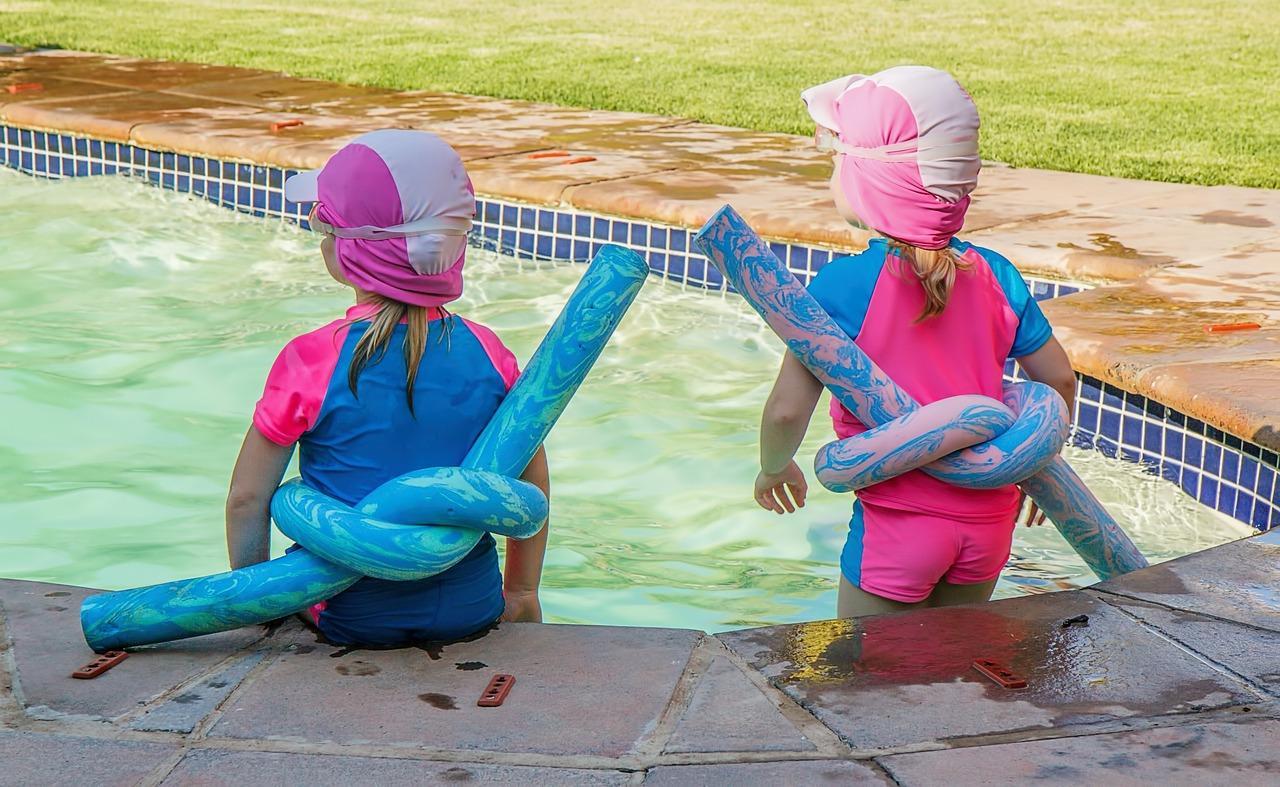
By age six, every child should be able to:
- Enter and exit shallow water unassisted
- Float and recover to a standing or secure position
- Move continuously for five metres
- Submerge their body and move through an obstacle
- Identify rules for safe behaviour in aquatic environments
- Identify people and actions to help in an aquatic emergency
By age twelve, every child should be able to:
- Enter and exit water in a range of environments
- Float, scull or tread water for two minutes and signal for help
- Swim continuously for 50 metres
- Surface dive, swim underwater and search to recover an object from deep water
- Respond to an emergency and perform a primary assessment
- Rescue a person using a non-swimming rescue technique
- Swim while wearing light clothing
By age seventeen, 50% of teens should be able to:
- Assist others to exit deep water
- Float, scull or tread water for five minutes and signal for help
- Swim continuously for 400 metres
- Search in deep water and recover a person
- Respond to an emergency and provide first aid
- Rescue an unconscious person in deep water
- Swim while wearing heavy clothing
If you do not meet these criteria, you should consider enrolling in swim lessons.
At-Risk Populations
There are many reasons why someone may not have learned swimming skills.
For most of Australia’s youth, swim lessons are part of primary education curriculums. But for some children, these lessons may not be available because of a lack of funding or facilities.
And even if a child had a swimming education, it does not guarantee that they are strong swimmers, especially if they have little or no experience swimming outside of these short programs.
An overwhelming majority of people who drown in Australia every year are members of migrant populations. These people often come from places where swimming is not taught either due to cultural reasons or simply because there are no places to swim.
Underestimating the dangers posed by natural waterways, many underskilled swimmers fall victim to rivers, creeks, lakes, and the ocean every year.
Gender is a Factor
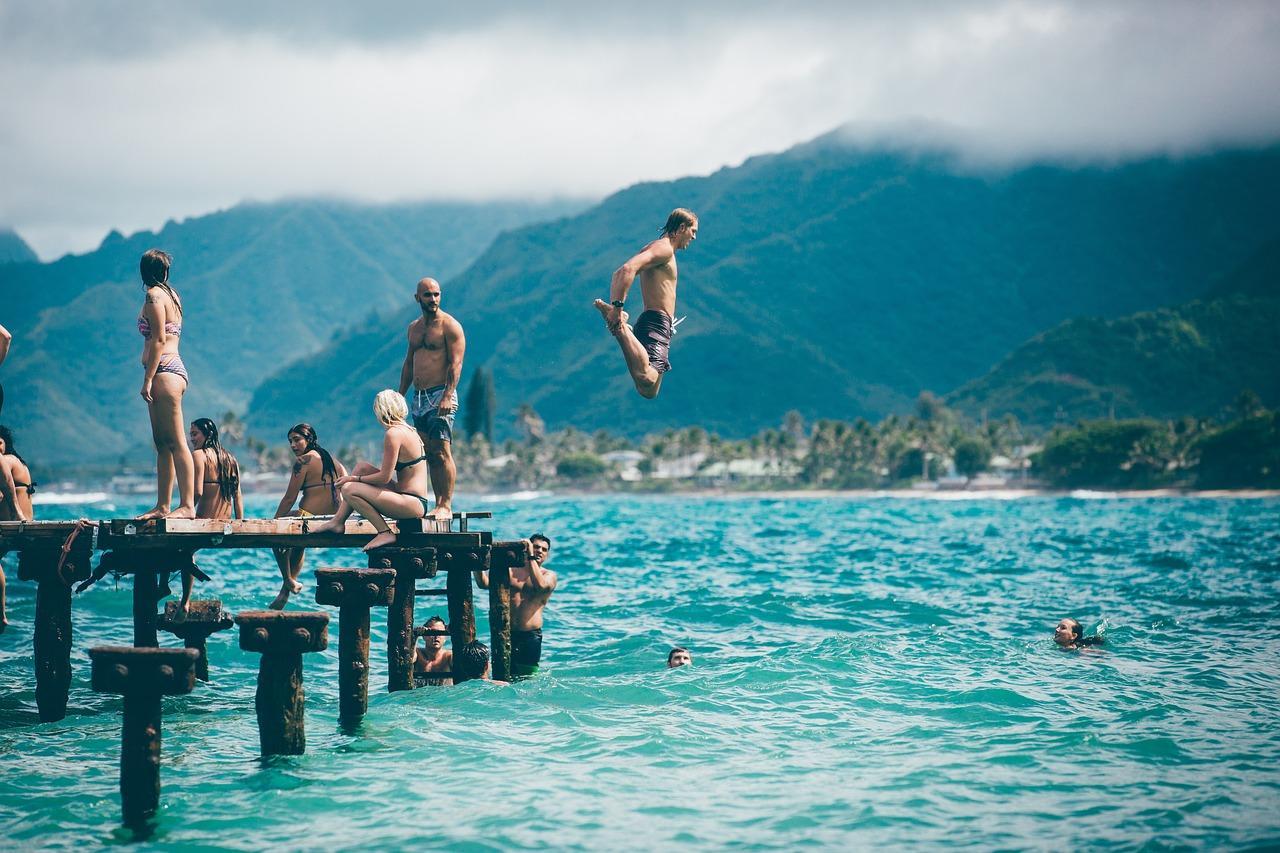
The overwhelming majority of drowning deaths in 2022 were males. 82%, in fact.
Theories include the fact that boys tend to be bigger risk-takers, and that it may be more socially acceptable for males to participate in swimming, especially in migrant communities where it might be less appropriate for females to do such things.
Regardless of the reason, the bottom line is that more swimming education could help prevent these drownings.
Age Doesn’t Mean Expertise
An alarming trend highlighted in the 2022 National Drowning Report is that 17% of drowning deaths occurred in the 65 to 74-year age range.
What the reason is- lack of swim education, body weakness, age-related confusion- is not clear. But what can be surmised is that simply because someone is older, it doesn’t mean they are wiser when it comes to water safety.
Luckily, you are never too old to take swimming lessons from a swim coach!
Are Swimming Lessons Worth the Cost?
Let’s sum up the facts:
- In 2022 there were 339 drowning deaths and 686 non-fatal drownings in Australia
- The vast majority of victims were older than seventeen
- Rivers and creeks are the sites of most drowning incidents, but swimming pools are also dangerous
- Learning with a swim instructor gives you individualised attention along with someone who can ensure your safety while practising
- Practising swimming skills makes you a stronger swimmer who is less likely to drown, more likely to be able to get out of a dangerous water situation, and more likely to be able to save someone else’s life in an emergency
While investing in swim lessons may be a financial hurdle, swim education can really save lives.
If cost is standing in the way of you or someone you know receiving swim education, you may be able to find programs that help pay for classes or an instructor who can work with you on a sliding scale.
Overall, the ability to swim can mean the difference between a fun day at the beach and a day that ends in tragedy. More than that, in a world covered in water there are countless opportunities for fun, education, exploration, and more when you are secure in your swimming ability.
Summarise with AI:
Did you like this article? Leave a rating!

 Loading...