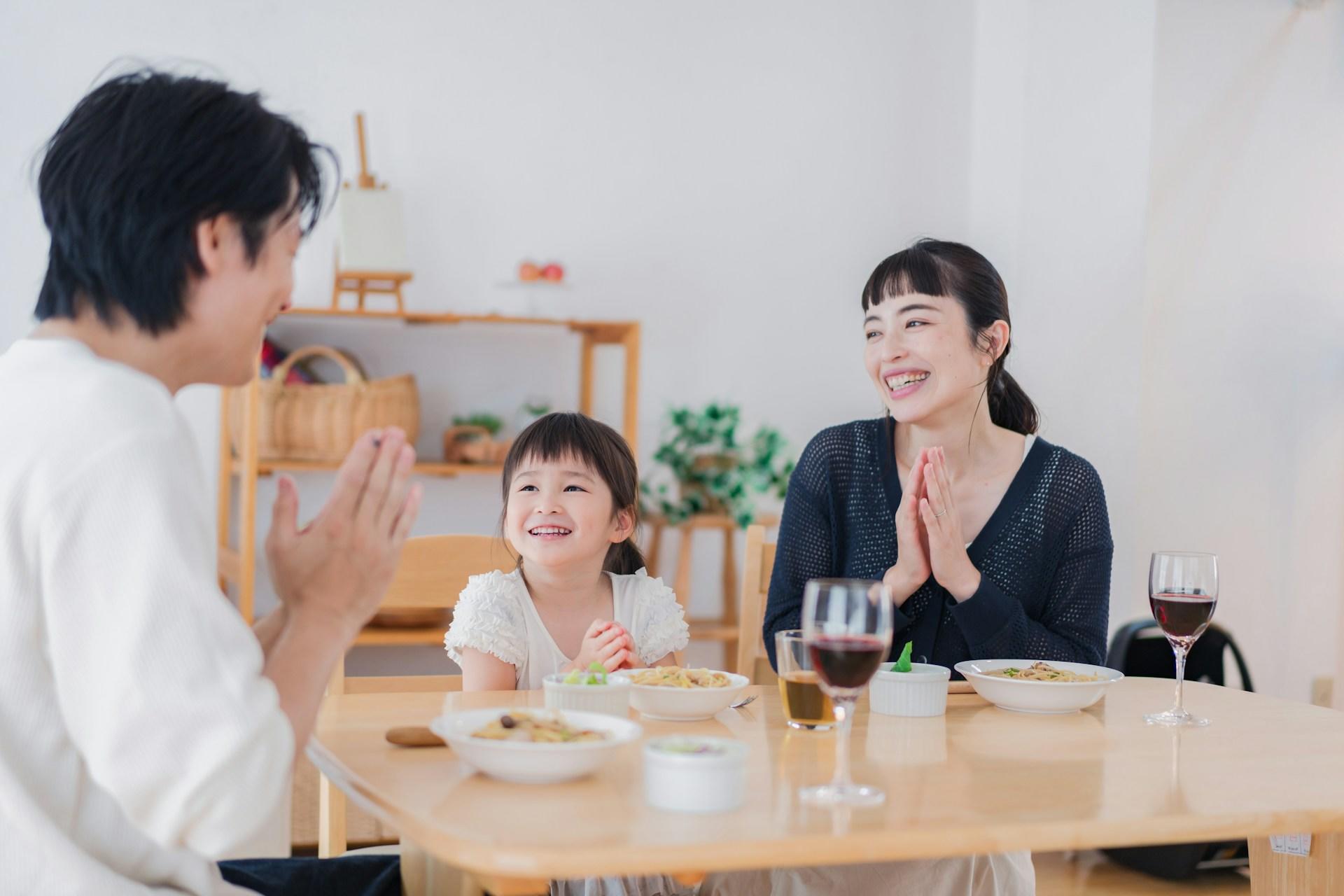

When watching Korean dramas or movies, you may notice that they often recycle the same names from show to show. Hyeong and Oppa, Eonni and Nuna; even the occasional Samchon. It's because those are Korean titles for family, not names.
In most Australian families, it’s perfectly fine to call each other by name. By contrast, Korean culture emphasises honorifics to talk to various family members. This distinction is the first rule of understanding Korean vocabulary to describe family, and there are various terms you can learn about in this guide.
If you’re a native English speaker, you would notice that there is a general lack of words to describe siblings older and younger than you. Nor does our culture make a distinction between the father's side of the family and the mother's. At best, our descriptions are clunky: "My aunt on my mother's side", for instance. Or, "my paternal grandfather".
With a bit of practice, you’ll find that it's so convenient to have specific words for family members in Korean! It simply leaves no confusion over which family member is being talked about. The trick is to master all of these titles - so let's do just that.


English vs Korean titles for family
The English language gets the word for 'groups of relatives' from Latin. As recently as the 15th Century, 'familia' meant 'servants in a household'. The Latin word for 'parents and their children' was 'domus'.
How odd that the English language inverted the two meanings! Typically, a 'domestic', from 'domus', is a person paid to do household chores. Family, as we all know, represents the parents, children and all the relatives who make up a collective group of people.
We could write a whole article about the Latin 'familia' and all of its related words; it's a fascinating subject. But it won't help us understand Korean culture, or simply how to address one’s daughter in Korean.
Remember, Korean culture prioritises the collective over the individual. Thus, it makes sense that family members would identify one another by their title - the position they occupy within the collective.
Korean family members all have individual names, of course, but they are not always used. One such instance of a family member’s name in Korean being used might be when a family member is in trouble. Another would be during a serious discussion.
In Australia, we typically call each other only by our given names - again, unless we're in trouble. That's when a parent might shout a child's first and middle name (full name if you got really unlucky). As a general rule, Koreans address one another by their full names: last name first, followed by their given name. Or by adding the 'ssi' honorific (씨) to a person's given name.
Although one might address a younger brother in Korean simply by their given name, this would still depend on family hierarchy and how the person is related to the said family member. At the same time, the 'ssi' honorific is just too formal for talk among family members.
Addressing members of one's family by their title is an elegant way to bypass all that awkwardness. It reinforces family bonds and perpetually signals that every member belongs, without having to spell out where they fit. And hey, it’s a subtle way of honouring Korean culture, too.
‘Brother’ in Korean or ‘Younger brother’ in Korean?
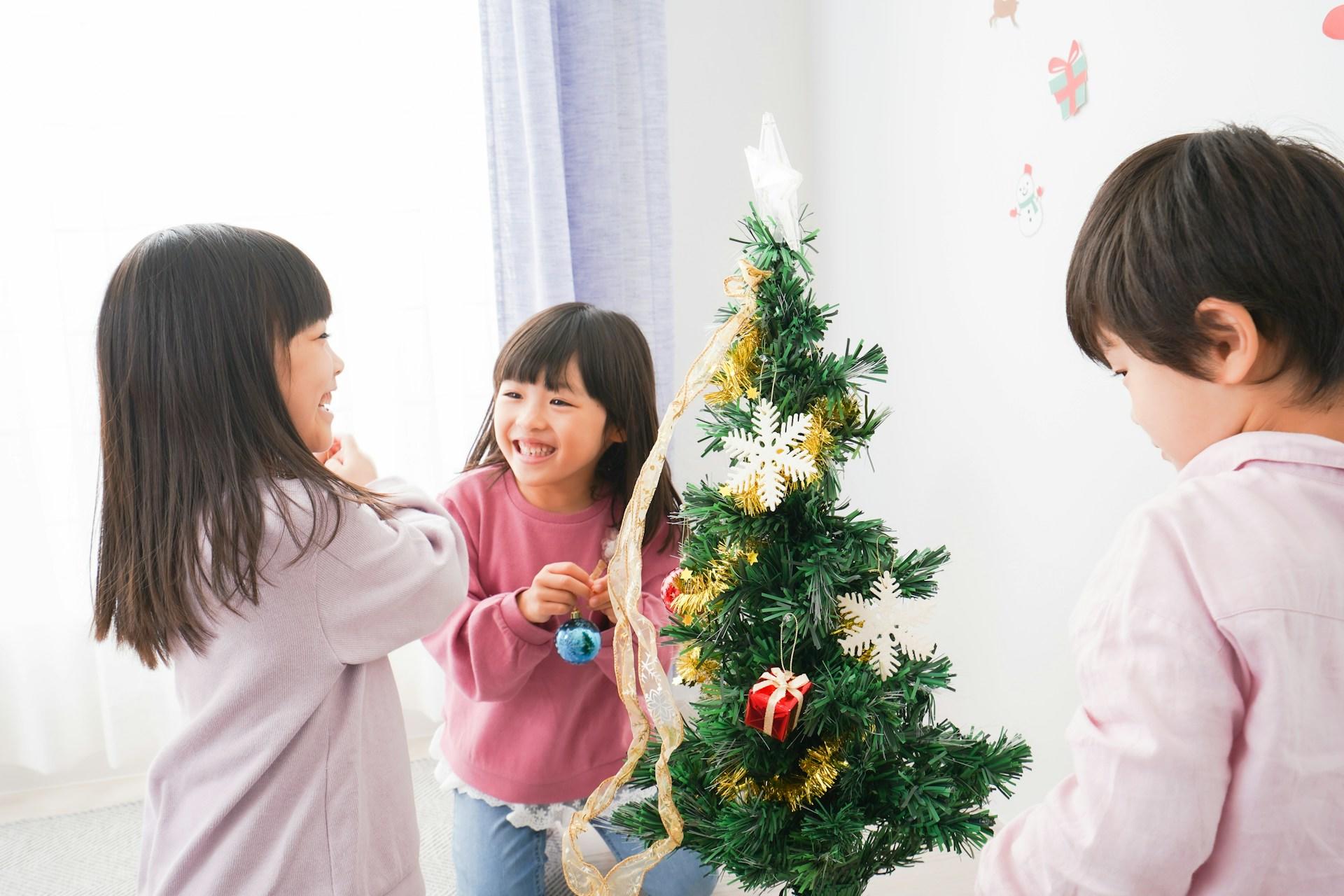
Do you know what Koreans call a younger brother? Koreans make a clear distinction between younger and older siblings in the family, and this would even be different for brothers and sisters. For instance, a younger brother would call his older brother ‘hyeong’. For the older brother, he would call his younger brother ‘namdongsaeng’.
On the other hand, a younger sister would use the term, ‘oppa’, to speak to her older brother or when she talks about him with others. However, regardless of the sibling’s gender, the term for younger brother remains ‘namdongsaeng,’ even if he is addressed by an older sister.
In every Korean household, a younger brother calls his older brother 'hyeong' - but a younger sister addresses him as 'oppa'.
You might be curious about why there is a need for such specific terms to be used among family. Roughly half of Korean vocabulary was strongly derived from Confucian classics, reflecting the presence of deeply-rooted Confucian values in Korean culture1. So, it’s no surprise that family titles in Korean represent a respect for others based on age and family roles.
The history of Korean family terms dates back centuries to when Confucianism was officially adopted during the Joseon Dynasty. This was when the use of hierarchical terms amongst the royal court and upper classes began, to promote structure and respect within families.
Eventually, the general Korean society used these formal terms, and practising appropriate family titles became a sign of filial piety and cultural knowledge. Hence, Korean families today continue using these terms with pride and care. Korean family terms are therefore not just vocabulary; they define identity, social harmony, and family honour!
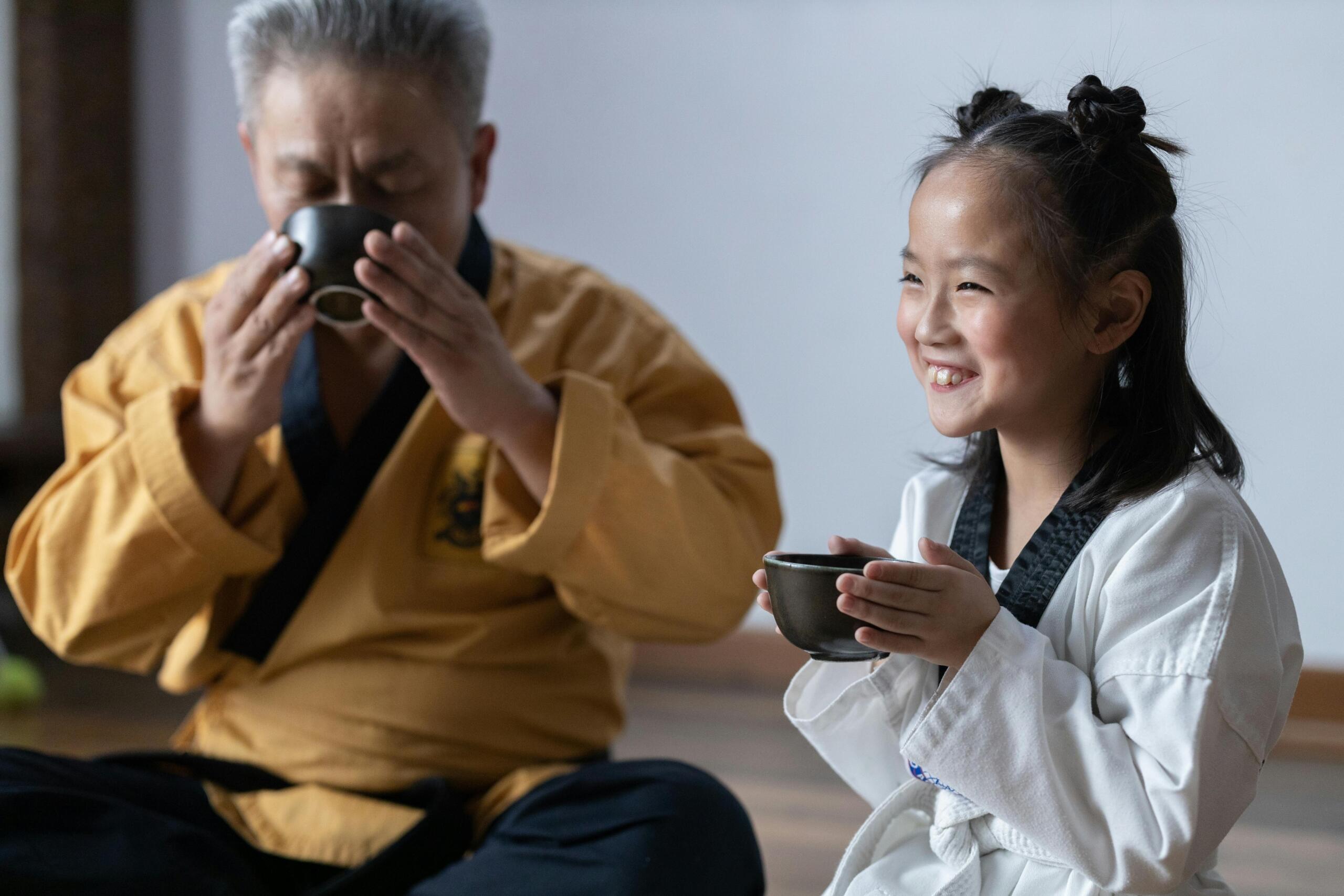
You may be tempted to forget how to say ‘sister’ in Korean, but saying the wrong term can sometimes make a family member feel disrespected or unimportant. That’s why children are taught from a young age to apply the correct Korean titles for family. Even adults have to address their elders using polite and age-appropriate terms.
This system of addressing family members goes beyond just knowing how to say ‘sister-in-law’ in Korean. There are even terms like ‘abeonim’ (honorific father) or ‘eomeonim’ (honorific mother-in-law) to address your in-laws respectfully.
By now, you’ve probably understood why Korean titles for family are widely used both in homes and in public media like K-dramas and variety shows. Through these terms, Koreans continue traditions and view family roles as lifelong relationships. So yes, learning the difference between ‘younger brother’ and ‘brother’ in Korean is an essential part of understanding Korean culture. Let’s get into mastering these distinctions.
Daughter in Korean & others: the Nuclear Family
The Korean word for family is 가족, romanised as gajok. The latter character means 'tribe' (among other definitions). The first character represents ‘border’, which can also be understood as 'end', 'side', 'edge', or 'addition'.
That breakdown gives us a visual representation of 'family'. It helps us see family as 'an encircled tribe'. Now, let's meet the tribe.
| Title | Hangul | Romanisation |
| Father Dad | 아버지 아빠 | abeoji appa |
| Mother Mom | 어머니 엄마 | eomeoni eomma |
| Parents | 부모님 | bumonim |
| Grandfather | 할아버지 | harabeoji |
| Grandmother | 할머니 | halmeoni |
| Grandparents | 조부모님 | jobumonim |
| Brothers | 형제 | hyeongje |
| Sisters | 자매 | jamae |
'Sister' in Korean
In English, we can get away with saying, "This is my older (or younger) brother/sister" if they are our only sibling. How do we designate our older siblings if we have several older and/or younger ones? The Korean language and culture have words for them!
We’ve already talked about the difference between ‘brother’ and ‘younger brother’ in Korean. As with brothers, so too with sisters. As a younger sister addressing her elder, you would call her 언니 - ‘eonni’. A younger brother always calls his sister 누나 - ‘nuna’.
A slightly younger male outside the family circle might address an older female as ‘nuna’ if they're very close. Likewise, a female from outside the tribal belt may call another woman ‘eonni’ if they're roughly the same age and social position.
'Younger Sister' in Korean
Older siblings call younger sisters 여동생 - ‘yeodongsaeng’. You might have noticed the pattern by now. The first character in that Hangul, 'yeo', indicates sister. 'Dongsaeng' remains the same for younger brothers and, generally, for younger siblings.
This all sounds like a convoluted system for counting and placing your relatives on a hierarchy. However, once you're used to it, you can appreciate its function and efficiency.
Korean titles for Family: Taking Sides
As noted throughout this article, where one fits within the family is important. While English speakers might stumble with 'on my dad's side' and 'paternal', Koreans breeze by those explanations with specific vocabulary. Each family member on the parents' respective sides has their designated titles.
Relatives on the Father's Side
| Title | Hangul | Romanisation |
| 'father's side' | 친가 | chinga |
| father's younger brother | 작은아빠 | jageunappa |
| father's older brother | 큰아빠 백부 | keunappa or baekbu |
| father's unmarried younger brother | 삼촌 숙부 | samchon or sukbu |
| father's sister | 고모 | gomo |
Note that 'samchon' (삼촌) also serves as a general term for 'uncle'. Korean schoolchildren might call a familiar-looking street cleaner 'samchon', for instance. The family's landlord may also merit that title. A child may extend a greeting to any youngish-looking male they know casually, and end it with samchon.
The Mother's Family
Mum's side of the family is equally served with vocabulary to describe these relations. It distinguishes itself by adding a qualifier for maternal grandparents. This table explains how to recognise these ties.
| Title | Hangul | Romanisation |
| 'mother's side' | 외가 | oega |
| maternal grandmother | 외할머니 | oehalmeoni |
| maternal grandfather | 외할아버지 | oeharabeoji |
| mother's brother | 외숙부 | oesukbu |
| mother's sister | 이모 | imo |
As you might guess, Korean mothers don't call their sisters 'imo'. That term is reserved for children to address their maternal aunt. The same applies to all the titles on Dad's side.
With all of these titles flying about, you might wonder how parents address their children. We might hear Mum call us 'luv' or 'sweetheart' rather than our names. Particularly if we're in their good graces.
In Korea, children are more likely to hear 아들 (adeul) - son, or 딸 (ttal) - daughter in Korean. It sounds unloving and brusque; acerbic, even. Until you consider the Korean cultural perspective. Such a title reaffirms the deep connection and reasserts the parental bond.
And what of that bond? We must also learn how Korean parents address each other. As you might guess, it's by their titles. Husbands are 남편 - nampyeon and wives are 부인 - buin.
They may also call one another (child's given name)-mum or -dad. For instance, Korean actress Park So-dam's dad may have addressed his wife as 소담엄마 - So-dam eomma. Especially when this beloved actress was younger.
Ready to learn Korean with a qualified tutor? Find your perfect teacher on Superprof.
Sister-in-law in Korean & more: Extended Family Members
When we introduce someone as "my brother-in-law", our audience has no idea which brother or from which side of the family they are from. We certainly don't know which title to accord that brother-in-law's spouse.
In Korean culture, however, every in-law has their place and each place has a designated family title. This partial list of in-laws explains these 사돈 - ‘sadon’. That's the general term for in-laws.
| Title | Hangul | Romanisation |
| father-in-law (husband's father) father-in-law (wife's father) | 아버님 장인 | abeonim jangin |
| mother-in-law (husband's) mother-in-law (wife's) | 어머님 장모님 | eomeonim jangmonim |
| husband's older brother's wife husband's younger brother's wife | 형님 동서 | hyeongnim dongseo |
| wife's older brother's wife wife's younger brother's wife | 아주머님 처남댁 | ajumeonim cheonamdaek |
| sister-in-law (husband's older sister) sister-in-law (husband's younger sister) | 형님 동서 | hyeongnim dongseo |
| sister-in-law (wife's older sister) sister-in-law (wife's younger sister) | 처형 처제 | cheohyeong cheoje |
| brother-in-law (husband's older brother) brother-in-law (husband's younger brother) | 아주버님 시동생 | ajubeonim sidongsaeng |
| brother-in-law (wife's older brother) brother-in-law (wife's younger brother) | 형님 처남 | hyeongnim cheonam |
| wife's older sister's husband wife's younger sister's husband | 형님 동서 | hyeongnim dongseo |
| husband's older sister's husband husband's younger sister's husband | 서방님 | seobangnim |
Now that you know the basic words for family in Korean, you're ready for your first homestay with a Korean host family! If your stay in Korea is still in the planning stages, you can train your ear to pick out these titles when you watch Korean dramas. At least, now you know that Oppa and Nuna are not recycled names.
Using Your Family Member's Name in Korean
Even if you know all these terms, would it really hurt for someone to simply use a family member’s name in Korean, instead of a family title?
In Korean culture, using someone’s name — especially a family member's — could be seen as rude or overly casual. You already know that Koreans place a strong emphasis on age hierarchy and proper social roles within families.
So if you were calling your older brother by his name instead of ‘oppa’ or ‘hyeong’, it may be extremely inappropriate. Similarly, calling your grandmother by her name instead of ‘halmeoni’ might shock your Korean relatives.
However, there are exceptions to this rule where people would use names instead of titles in Korea. For example, young children might call their siblings by name if they are unfamiliar or in the process of learning proper etiquette. Adults who have a close relationship may occasionally joke by calling each other by name, especially in casual settings.
Take caution though, as this is not common practice and could easily lead to misunderstandings if used too freely. In the majority of family or formal situations, we would advise you to stick with established Korean titles.
Now, if you accidentally call your aunt by her name instead of ‘imo’ or ‘gomo’, it’s important to apologise politely. A good phrase to use is “죄송합니다” (joesonghamnida), which means “I’m very sorry” in a respectful tone. You can also say “잘못 불렀어요” (jalmot bulleosseoyo), or, “I said it wrong”.
These phrases can help you smooth over accidental mistakes in family conversations. Always follow up with the correct family term to show you’ve learned from the situation.
Talking to Your Sister-in-law in Korean
Imagine this: You’re at a Korean family gathering and see your sister-in-law across the room. You want to say hello, but suddenly realise you’re not sure what to call her. Is it “형수님” (hyeongsunim), “새언니” (sae-eonni), or “올케” (olke)? Panic starts to set in, and you awkwardly pretend to be busy on the phone to avoid the conversation. This funny yet relatable situation happens more often than you’d think among Korean learners!
Fortunately, there are many fun, digestible ways to reduce pressure and build confidence when studying Korean family titles. Some helpful YouTube channels to help beginners learn Korean are “Grace’s Sooda” and “Korean with Ina.” The channels break down complex cultural topics like honorifics into short, bite-sized lessons.
You'll also find pronunciation guides, real-life examples, and helpful visuals on the channels, so that you can feel confident using family terms. With regular practice, you’ll be ready to speak naturally in family settings.
Here’s a video under 2 minutes to quickly practise essential family titles in Korean:
In addition to video content, you can also practise new Korean family terms on the go by listening to podcasts, which are great for developing your speaking and listening skills. “Korean Culture Cast” and “How to Study Korean Podcast” are recommended for focused discussions on language and etiquette. The hosts explain not only what to say in different family situations, but why certain terms are used.
You can listen while driving, walking, or relaxing at home - so take your time to absorb this information as you go about your routine. You may find listening to podcasts easier than watching videos if you usually have a busy schedule.
We love this podcast episode by “Korean Dad Podcast” where a Korean dad listens to his son talk about his day at school. If you listen closely, you’ll be able to pick up the ways in which the son (who speaks in English from time to time, and helps listeners tuning in!) addresses his father formally, even if it is just a casual conversation about their day.
Studying Korean family terms may feel overwhelming at first, but using these tools can turn stress into laughter and confidence. The more you hear and practice these terms, the easier it becomes to speak naturally at family gatherings. And who knows—next time, you might even initiate the conversation with your sister-in-law first!
Learning Korean titles for family with a private tutor
If you're an Australian learning Korean, you might be at a loss for where to start with these all these various family terms. The best way to make real progress is with a private Korean tutor who can help you understand both language and cultural nuances. One-to-one language tutors can offer personal feedback, correct your pronunciation, and explain when and where use different titles.
Whether you prefer learning face-to-face or online, customised lessons will speed up your confidence and fluency. If you do decide to study Korean family terms with a private tutor, here are some helpful tips for making the most out of your lessons.
Practise with real-life scenarios
You may be worried about engaging in real-life Korean family scenarios or encountering mistakes as you practise your Korean language skills. A private tutor can help you learn common dialogues like meeting in-laws, greeting grandparents, or talking with younger cousins.
You can even prepare for special occasions with your tutor, like a Chuseok dinner or a traditional wedding, where titles are crucial. Practise saying common phrases, like, "만나서 반갑습니다, 삼촌 (Mannaseo bangabseubnida, Samchon)", which translates to, "It's a pleasure to meet you, Uncle".
Create a personal vocabulary journal
Instead of memorising a long list of different family terms, it could help you to log each family term, example sentences, pronunciation tips, and notes from your tutor. In your journal, you can even group terms by categories: paternal side, maternal side, in-laws, and so on. You can even get creative by incorporating drawings and pictures of your relatives, to better make sense of what you've learnt.
Do consistent reviews
Conducting regular reviews can help you reinforce the terms you've learned, which you can do by having regular short quizzes with your tutor, or doing a 5-minute review at the start of your lesson, just to give you an example.
Feel free to discuss what type of reviews would best suit your learning style with your tutor. How about matching a picture of a relative to the right family term? Or, recite aloud the correct Korean titles for family while your tutor reads a cue card in English.
Relate it to daily life
Relating Korean family terms to your everyday life can help you navigate any key differences between the Korean language culture and your own, and help you remember them better. It could help you to discuss with your tutor how family honorifics differ between your mother tongue and the Korean language, and see which honorifics could potentially apply to your life.
As an example, you may find that the addition of "님" (nim) after a family term is similar to using the "Mr." or "Mrs." title in English! That is why, although a father could be referred to as "abeonim", friends and neighbours who are aware that this person is a father may also call him "abeonim" - the "님" is used to respect the person's family role as a father.
If you’re curious to learn more about Korean family terms, or pick up Korean in general, don’t hesitate to explore Korean language classes Sydney here on Superprof.
References
- Korean language. Asia Society. (2019, May 14). https://asiasociety.org/education/korean-language/.
Summarise with AI:
Enjoyed this article? Leave a rating!


 Loading...