


There are a lot of articles out there singing the praises of computer programming and why you should become a computer programmer. The good thing is that these are all true and computer programmers can look forward to excellent salaries, great employment opportunities, and a rewarding career that helps them to develop plenty of other transferable skills.
Before you can decide whether becoming a computer programmer is worth it, however, you need to see the downsides before you make your mind up. In this article, we'll be looking at how computer science and studying programming aren't always as great as people say they are.
Keep in mind that while this might seem like a lot of doom and gloom, there are still plenty of positives to becoming a computer programmer. You just need to keep everything in mind when making your decisions!


Choosing the Right Programming Languages
One of the first hurdles that any aspiring computer programmer has to overcome is choosing a programming language. There are plenty of different programming languages out there and some have very specific applications.
For example, if you learn languages like HTML and CSS, coding a website will be easy, but if you commit to learning a language like Python, you'll be better suited to building websites, automating tasks, and analysing data.

Usually, if you pick a specialist computer programming degree, you'll learn the appropriate programming language or languages, but if you're studying a general computer programming or computer science degree, you may learn a programming language that isn't right for your future career.
Make sure that you carefully research the programming languages available to you and which ones would be right for you, your level, and the work you'd like to do in the future as a computer programmer.
It's also worthwhile considering which programming languages are in demand and how many other programmers can code in these languages. Ideally, you'll want to choose a language that's in demand but not a language that's really common amongst programmers.
Your Health
The most important thing to consider when becoming a computer programmer is both your physical and mental health. There are quite a few harmful effects for computer programmers that you should take note of.
Inactivity
Naturally, as you'll be working on a computer the whole day, the job is particularly sedentary. You'll be spending long hours sitting at your computer and the harmful impacts this can have on your overall health are well documented.

Sitting for long periods can result in increased blood pressure, high blood sugar, excess body fat, and unhealthy cholesterol levels. To combat this, it's recommended that you get up regularly and walk around or use a standing desk, but this isn't always an option for computer programmers, their workloads, and their schedules.
Get into the practice of taking breaks from coding every hour or so and stretching your legs. Standing desks are also quite popular, but some find coding while standing too difficult and students are unlikely to be offered standing desks on their courses as they're far from free!
Increased Screen Time
Increased screen time comes with harmful effects, too. Some of these overlap with sitting for too long and being sedentary, but there are other downsides to staring at a screen for too long which, sadly, is an unavoidable part of being a computer programmer.
For one, looking at a screen can strain your eyes and lead to retina damage and blurred vision. It can also worsen myopia.
An increase in screen time can also impair your sleep and lead to sleep deprivation. Where possible, it's recommended that you avoid using any screens before going to bed and winding down away from your devices. When possible, computer programmers should avoid working late into the night or up until the moment they go to bed. Again, this isn't always possible depending on your workload or your schedule, but if it can be avoided, it should.
Too much screen time can also harm your cognitive ability leading to poorer concentration and memory, slower information processing, and weaker impulse control (which can also compound and snowball).
Too much screen time can also impair social skills and emotional intelligence so make sure these skills don't suffer if you spend most of your day at a computer not speaking to anyone.
It can be a good idea to find hobbies and interests that don't involve screens if you spend all day on them while studying or working.
Stress
Becoming a computer programmer isn't a walk in the park. It's a complicated line of work that requires a lot of studying (even once you've finished a degree) and it can and will test you in many ways that can lead to stress.
Stress itself comes with a series of harmful effects and should be avoided when it can, but computer programming rarely lends itself to being a peaceful stress-free activity. Computer programming will test your patience as computers do what they're told but won't fill in the gaps if you get something wrong.
You could spend hours working on solutions and getting rid of bugs in your code and end up with no solution in sight. While you do get to enjoy the “eureka” moments when they come, they often follow hours, days, or weeks of trying to solve problems.
Boredom
There are plenty of exciting moments as a computer programmer, but there are certainly plenty of tedious and repetitive tasks to be done, too.
They're often unavoidable and you just have to deal with them, but before you become a computer programmer, you have to know that it has its dull periods and isn't anywhere near like it's presented in Hollywood, for example.
Fortunately, students and young developers get a lot of practice in dealing with boredom as some of the earliest projects you'll do in software development will involve rudimentary code and coding projects according to your level. At a very low level, sadly, there aren't too many interesting things for developers to do, but once you learn how to code well, you can start working on more interesting software projects.
The best way to offset or at least reduce the harmful effects of being a computer programmer is to live the healthiest life you can outside of work and find a good work-life balance. It's probably not the best idea to spend even more time at your computer or sitting down once you've finished work so if there's anything you enjoy that has you up and around and moving and not looking at a screen, go for it!
Slowing Demand for Entry-level Jobs
One of the main reasons so many people recommend becoming a computer programmer is because there's a lot of work out there and it's well paid.

The downside to this is that more and more people are becoming computer programmers, which means supply is increased and getting into the industry is becoming more difficult.
It still remains a desirable line of work and there are lots of computer science jobs out there, but as time goes on and more students choose to study computer programming or computer science, entry-level jobs become increasingly competitive.
So what does this mean for the aspiring computer programmer?
Put simply, the best time to become a computer programmer is now because the more you wait, the harder finding a job will be.
You can always account for this slowing demand by choosing specialisations that are in high demand and learning programming languages that are highly sought after.
Of course, experienced developers will always have an advantage over beginners and there's no reason they can't start a course to learn more about coding in another language. There are plenty of resources, coding courses, and free software out there to help you learn programming languages like Python, HTML, or CSS, for example.
Keeping Up with the Industry
The world of computers is constantly advancing and this provides another challenge for computer programmers. While it's definitely rewarding to work in a constantly-changing industry and can keep things interesting, it also means that you can't rest on your laurels.
In addition to having to study to become a computer programmer, you can't stop once you graduate. You'll have to stay abreast of all the advances and also continue studying to ensure your skill set meets the demands of your employer or the industry. Experienced software developers have to be lifelong students and be constantly learning about computer science with up-to-date resources to stay relevant.
If you're happy with being a lifelong learner, then this won't be a problem, but it's certainly something that every aspiring computer programmer needs to know about before they commit to it.
It's ironic, but beginners may start their course with more relevant projects, practice, and resources than what experienced developers are working on just because of how quickly the world of computer programming and software development moves.
So Is It Worth It?
What's right for one person mightn't be right for another and we can comfortably say that the pros outweigh the cons, but the cons still need to be considered.
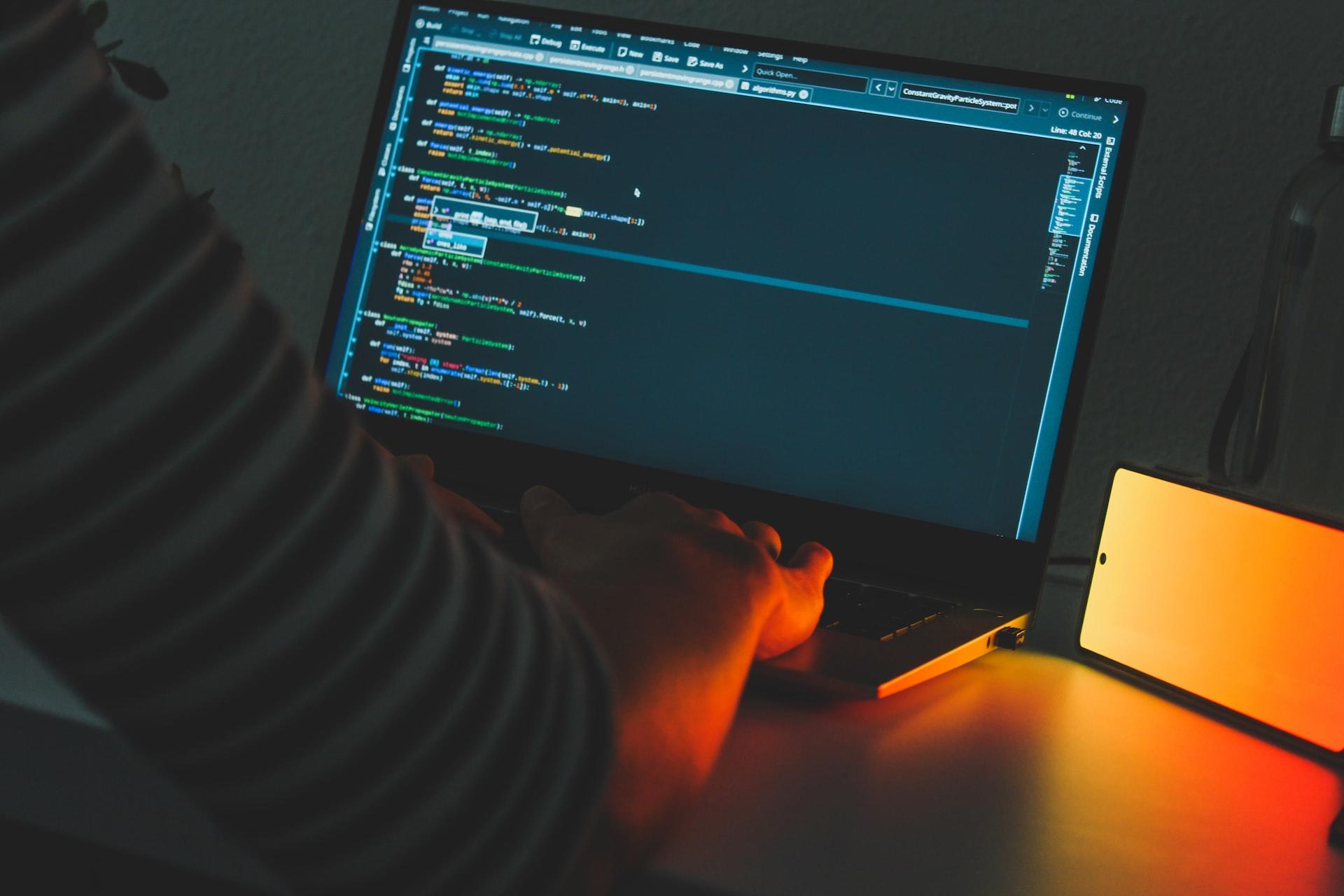
Computer programming is a rewarding and fascinating career that's backed up by good salaries, job prospects, and excellent university degrees.
It has its downsides, as mentioned, but it's not the only career that suffers from a lot of these complaints. Almost any desk job or job that uses a computer will come with the same risks of being sedentary and an increased amount of screen time.
It's also not immune to changing supply and demand so even if the job itself sounds good, you have to consider where and when you go for it, much like everything else.
Computer programming can boast a fascinating and ever-changing career for those who are willing to continue learning new skills and improving their current skills. There's a reason that it's a popular career choice and you can easily find an article online telling you about the best courses and options.
There's also a broad range of careers and other benefits for computer programmers so there's always the option to retrain, change jobs, or go somewhere else if the work stops being worth it.
If you keep your ear to the ground and stay informed, skilled, and relevant, being a computer programmer can be a satisfying career as long as you know and accept what you could be getting into.
Summarise with AI:
Enjoyed this article? Leave a rating!

 Loading...
