

Many countries, cultures, and languages have been influenced by Arabic. The English language, in particular, has been heavily influenced by Arabic, with Arabic words used for everything from everyday objects to scientific terms. Most of these English words that come from Arabic arrived in the Middle Ages, when trade, cultural exchanges, and knowledge transfer between the Arab world and Europe were at their peak.
Can you imagine our everyday interactions without the words coffee, sugar, zero, sofa, or lemon? The Islamic Golden Age honours its name due to its timeless heritage, especially in the fields of science, like Medicine, Mathematics or Chemistry, with Jabir ibn Hayyan (an alchemist) being considered by many one of the fathers of Chemistry. Under the Abbasid Caliphate, a major hub of wisdom was created, making the Arabs pioneers in research, preservation, and creation of many necessary techniques of today.
Philosophy, literature, and art also flourished during this period, which lasted from the 8th to 13th centuries. Arabic scholars synthesised Greek thought, developed kalām theology, and created works like One Thousand and One Nights. This rich Arabic cultural heritage gave English words like "genie" and "ghoul", demonstrating the lasting impact of Arab civilisation..
Below are over 32 common English words and we'll look closely at them in this article.
| English Word | Arabic Origin | Original Meaning |
|---|---|---|
| Admiral | Amir-al | Commander of the sea |
| Alchemy | Al-kīmiyā’ | The art of transformation and change |
| Alcohol | Al-Kuhl | Originally, a fine powder, later distilled |
| Alcove | Al-qubba | Dome or vaulted chamber |
| Algebra | Al-Jabr | Reunion of broken parts in mathematics |
| Amber | Anbar | From “ambergris,” a substance from whales used in perfumes |
| Apricot | Al-barqūq | Plum |
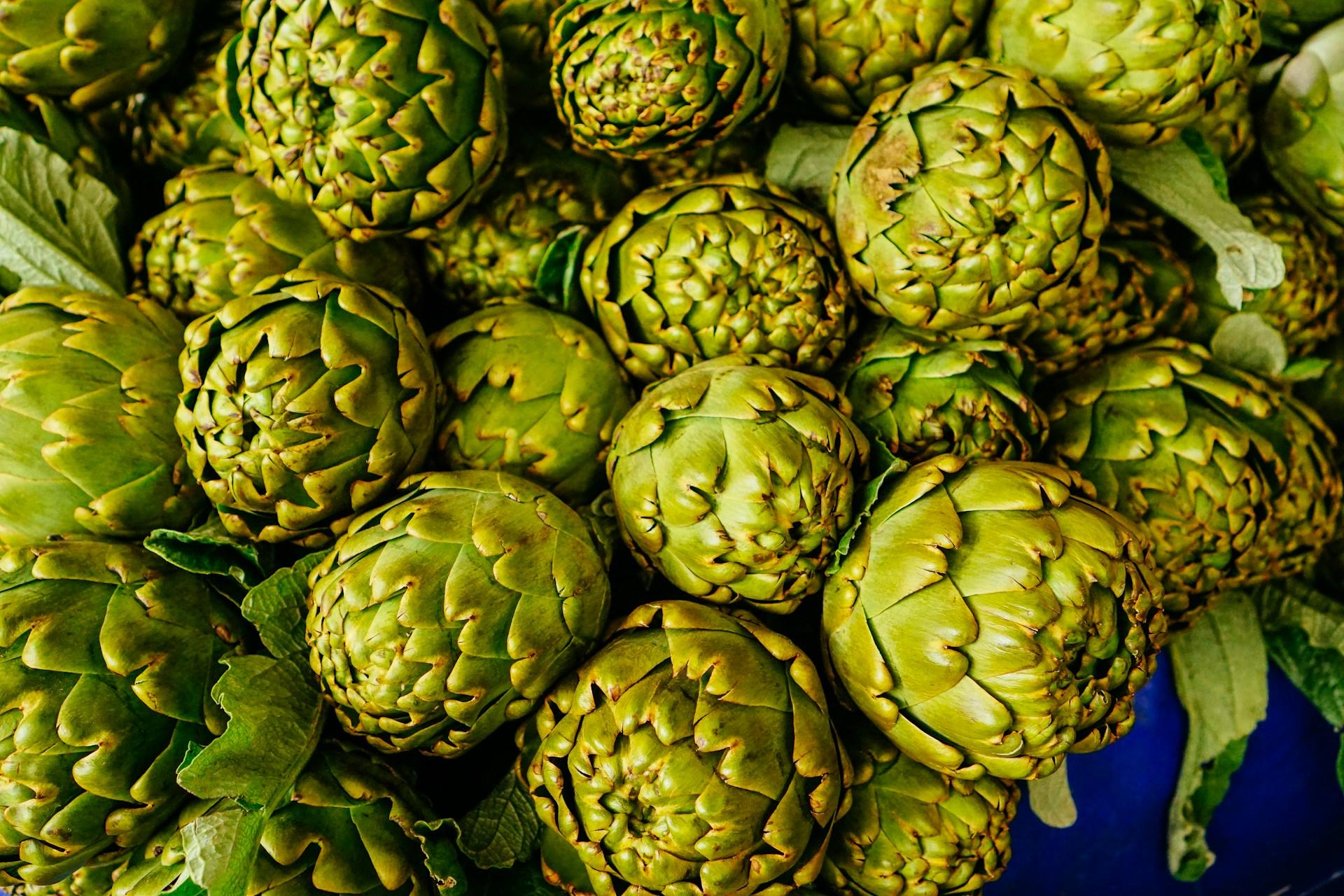
| Artichoke | Al-Kharshuf | A type of thistle plant |
| Camel | Jamal | A large, long-necked mammal |
| Candy | Qand | Crystallized sugar from a sugar cane |
| Carafe | Gharfa | A form of ladle to hold water |
| Checkmate | Shah Mat | The king is dead in chess |
| Cheque | Sakk | Paper payment order |
| Chess | shatranj | An old form of chess, played in the Sasanian Empire. |
| Elixir | Al-Ikseer | A mystical substance in alchemy |
| Mocha | Al-Mukhā | Port in Yemen famous for coffee trade |
| Alkaline | Al-qali | Burnt plant ashes |
| Hazard | Az-Zahr | A dice game, evolved to mean risk or chance |
| Damask | Dimašqa | From Damascus |
| Spinach | Isfānākh /Aspanākh | The spinach plant |
| Genie | Jinnī | Supernatural deity |
| Jumper | Jubba | A kind of men’s gown or robe |
| Magazine | Khazan | A place to store items |
| Lemon | Laymun | A citrus fruit |
| Magazine | Makhazin | A place to store items |
| Mattress | Matrah | A place to lie down |
| Nadir | Nazir | The lowest point, used in astronomy |
| Gabardine | Qabā’ | A long garment, like a cape or robe. |
| Coffee | Qahwa | A hot drink made from roasted beans |
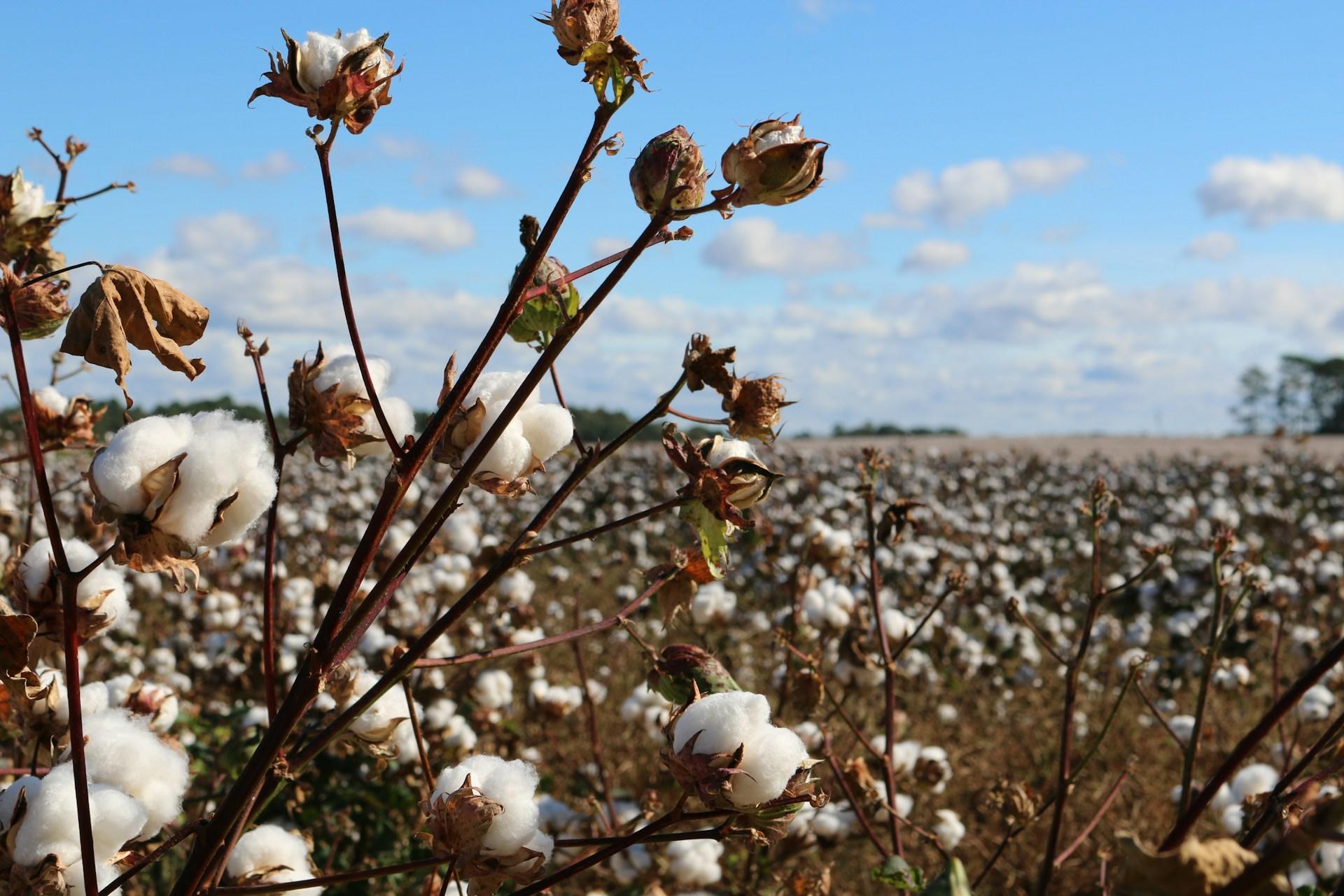
| Cotton | Qutn | A soft textile fiber |
| Safari | Safar | A journey or trip |
| Syrup | Sharab | A sweetened drink |
| Cipher/Zero | Sifr | Code or symbol representing zero |
| Sesame | Simsim | Seeds or plants |
| Sofa | Suffa | Raised platform for sitting |
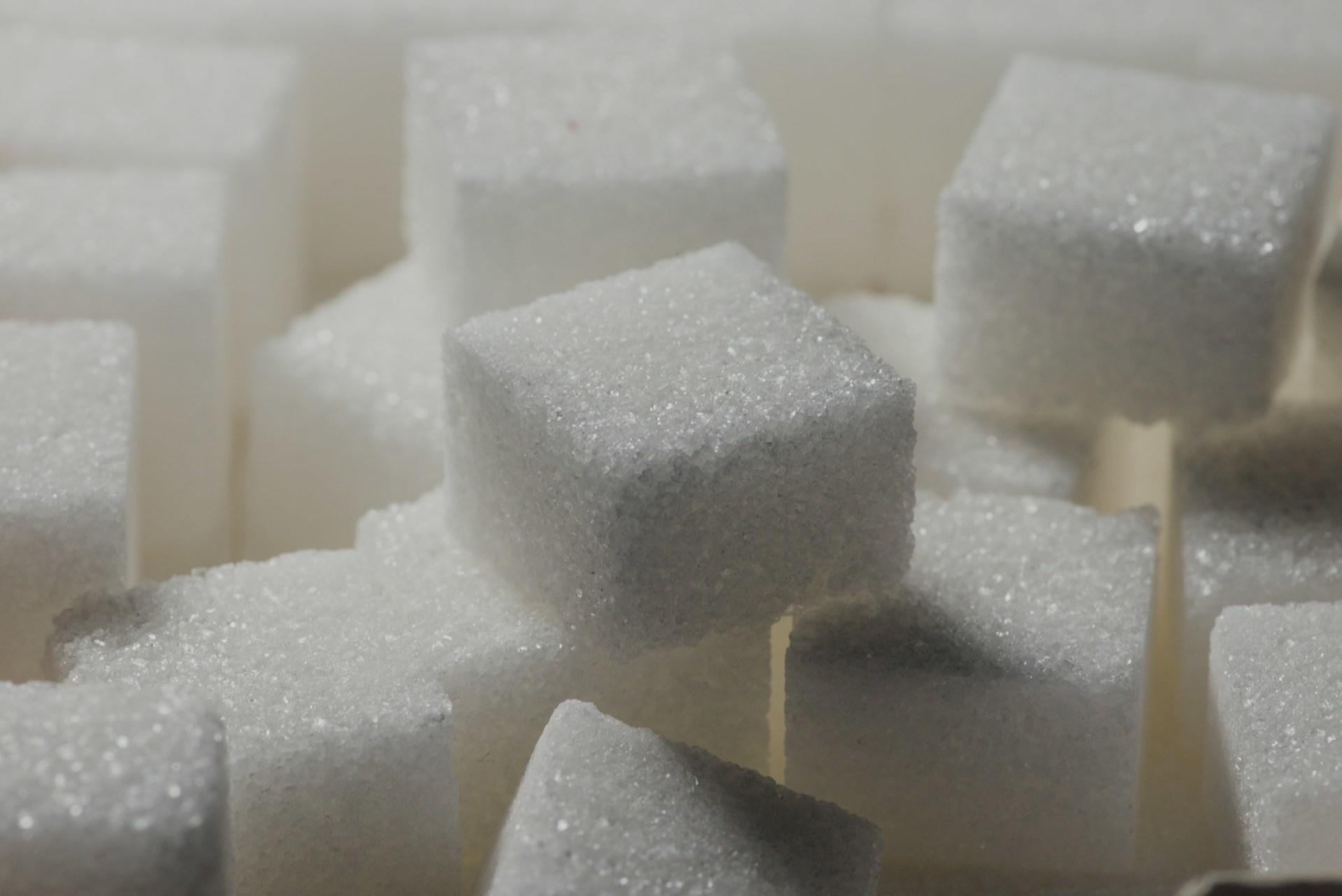
| Sugar | Sukkar | Sweet, derived from Sanskrit |
| Jasmine | Yasmin | A fragrant flower |


Admiral
Arabic Origin: Amir-al
The Arabic term amir-al means “commander of the sea”. As it made its way into European languages (not just English), the term transformed into “admiral”. Since an admiral means a high-ranking naval officer, the original meaning in Arabic has been well preserved.
Alchemy
Arabic Origin: Al-kīmiyā’
The Arabic term originally means "The art of transformation and change," with 'al' being a definite article in the Arabic language and 'kimiyā' being the noun for chemistry. Many scholars believe that this word passed from Hellenistic Greek into Arabic, merging χημεία / khemeía (the art of melting metals, transmutation), χυμεία / chymeía (pouring, melting) and chymos (juice/fluid).
Alchemy is considered the starting point for chemistry, thanks to the Arab scholars who worked with it and experimented in their time. The current meaning of alchemy refers only to the art of transforming metals to find a cure for all diseases. In ancient times, the purpose was to find "the elixir of life," hence the esoteric, magical, or secretive character that the word has retained since the Middle Ages.
Alcohol
Arabic Origin: Al-kulh
The word al-kuhl originally referred to a type of distilled cosmetic powder but later evolved to refer to any distilled substance.
The term eventually referred specifically to distilled spirits, retaining the Arabic roots in the English word.
Arabic dates back to at least the 4th century CE and is deeply rooted in the Arabian Peninsula. Over centuries, it has spread widely due to Islamic expansion and is still spoken by over 400 million people today, making it one of the oldest continually spoken languages in the world.
Like many Arabic loanwords, the "al", meaning "the", has been retained in English. However, since words and their usage aren't planned, English speakers retained the redundant "al" even when using the definite article in English "the". These kinds of evolutions and usages are why you have to be really careful when getting Arabic tattoos.
Alcove
Arabic Origin: Al-qubba
Alcove comes from the Arabic al-qubba “dome or vaulted chamber”. Nowadays, this noun is linked to a more common area in a room, one little place in the back; it’s not a main room. According to the Cambridge Dictionary, a “small space in a room, formed by one part of a wall being further back than the parts on each side”.
Algebra
Arabic Origin: Al-jabr
The Arabic al-jabr means "reunion of broken parts". The Persian mathematician Al-Khwarizmi coined the term, and the Arabic influence on mathematics can still be seen today and mathematics remains an important part of Arab history.
Many Arabic-derived English words start with “al-” (the Arabic definite article) because Europeans misunderstood it as part of the word. Therefore, we have now algebra (al-jabr), alcohol (al-kuhl), alkali (al-qalī), azahar flower (al-zahr).
Apricot
Arabic Origin: Al-barqūq
Another word that passed from Greek to Arabic to English is al-barqq. Al-barqūq originally meant just “plum" in Arabic but comes from the Greek praikokkion (premature fruit). Nowadays, in Arabic, the apricot is curiously called “Mishmish.”
Artichoke
Arabic Origin: Al-Kharshuf
The artichoke plant originated in the Meditteranean and via Spanish (where the word is "alcachofa"), the term made its way into English. Again, this is another word from Arabic that retains the “al” article.
Camel
Arabic Origin: Jamal
One of the most important symbols of the Arabic world—with more than 150 words to refer to this mammal in that language—gave English only one word to name it. The word "camel" arrived in the English world around the 19th century.
Candy
Arabic Origin: Qand
This word comes from the Arabic qand (in Farsi), which refers to crystallised honey from sugar cane. Sugar arrived in Europe thanks to the Arabs, who had already developed it in a crystallised form and used it as a sweetener. However, there are previous registers of its use as a sweetener in India and other South Asian places.
Carafe
Arabic Origin: Gharfa
A gharfa referred to a ladle that was used to hold water. However, this word made its way into English from Arabic via Italian.
The Medieval Arabic word became caraffa in Italian before becoming carafe in English. Rather than a ladle, it tends to refer to a glass vessel used to hold drinks and often wine.
Checkmate
Arabic Origin: Shah Mat
The game of chess originated in India, and like the linguistic terms we use today, it evolved as it traveled through several countries.
It was particularly popular in the Arabic-speaking world and Persia. The phrase “shah mat” actually means the “the king is dead”, which is metaphorically what's happening in the end of a game of chess.
Cheque
Arabic Origin: ṣakk
A financial tool that resists dying today, the word cheque has its Arabic origins in the word ṣakk, which was used for a document for payment or legal financial document. During the period between 8c and 13c, Muslim merchants used the term ṣakk as an early form of a bank draft or promissory note, allowing money to be withdrawn in distant cities without carrying physical coin—an early version of the modern cheque.
The word ṣakk entered European languages during the Crusades via Italian and Old French before becoming "cheque" in English.
Chess
Arabic Origin: شطرنج shatranj and Persian chatrang
Chess etymology is fascinating, with three origin tracks. It departed from Sanskrit, passed through Persian, then French, to finally finish in the English term “chess”. The game originated in India as chaturanga, meaning "four divisions/members of the military”. It was then adapted into Persian as chatrang, and later into Arabic as shatranj.
The concept of "check"—from the Persian shāh māt ("the king is helpless")—played a central role in the game and led to the Old French term eschec, meaning "check" or "checkmate."
Eventually, the plural échecs referred to the chess pieces, and from this, the English word chess developed.
Cipher/Zero
Arabic Origin: Sifr
The terms "cipher" and "zero" in English are different evolutions of this Arabic term. The Arabic word means "empty", which makes a lot of sense when considering the concept of zero. It also evolved to refer to coded messages and encryption, another example of Arabic's influence on mathematics, which also influenced the outstanding Arabic architecture that can still be seen today.
Arabic has a variety of dialects that can differ greatly from one region to another. While Modern Standard Arabic (MSA) is used in formal settings like news, literature, and politics, regional dialects are so distinct that speakers from different regions may not understand each other.
Coffee
Arabic Origin: Qahwa
Weirdly, the Arabic term that evolved into our term for this beverage didn't initially refer to it at all. Instead, it referred to a type of wine. This term actually travelled and evolved a lot before ending up in English. In Turkey, it became kahve. In Europe, it was café. Finally, in English, it became coffee.
Cotton
Arabic Origin: Qutn
Cotton was one of the most valuable goods during Medieval times and was called qutn in Arabic. The term spread across European languages, particularly as the textile trade boomed, before becoming the English word cotton.
Elixir
Arabic Origin: Al-Ikseer
Though the word elixir comes from the Arabic al-ikseer, it could have just as easily evolved similarly to the other words that had "al" at the beginning. In Arabic, this referred to a mythical subject, which came from alchemy, another word with Arabic origins. Nowadays, in English, it refers to either a medicinal or magical potion.
Gazelle
Arabic Origin: Ghazāl
With a very similar sound in pronunciation from its root to modern English, ghazāl comes from African Arabic. It’s used in Arabic to name any type of deer.
Genie
Arabic Origin: jinnī (singular), jinn (plural)
The “Arabian Nights” reference for this one is beyond clear. The word genie spells exactly the same as the French“génie,” but they took it first, of course, from the Arabic jinnī, which translates to “spirits"."Djinn", the original etymology, referred directly to Arabian mythology and its stories, where it was linked to natural good or evil deities.
Hazard
Arabic Origin: Az-zahr
In Arabic, the word az-zahr refers to "dice" and was also used to refer to a game of chance. In other languages, related words still refer to chance and randomness. In English, it took the broader meaning of risk or danger, particularly in situations where there is randomness or chance.
Jasmine
Arabic Origin: Yasmin
The name of this flower is yasmin in Arabic. The popular flower's name has remained relatively unchanged in the English language. It was originally cultivated in Persia for thousands of years, and the Arabic term came from the Persian term yasamin.
Due to historical trade, conquest, and cultural exchange, Arabic words have made their way into languages like Spanish, Portuguese, Turkish, Persian, and even English.
Jumper
Arabic Origin: Jubba
If you ever wondered by the word “jumper” had nothing to do with jumping, this is why. The word originated from the Arabic jubba, a men's robe or gown. Though an Arabic jubba is unlike a jumper, the term shifted over time to refer to cozy knitwear in English.
Lemon
Arabic Origin: Laymun
The word for lemon comes directly from the Arabic word laymun for the fruit. In many situations where something is specific to a location, it's not unusual to find the local word being borrowed or adapted. The term orange also originated in Arabic as naranj, from Persian and Sanskrit. It made its way into English, like many other words, from French.
Magazine
Arabic Origin: Makhazin
The Arabic word makhazin refers to "storehouses" rather than the printed product we know today. It made its way into English from French, where the word "magasin" refers to stores and shops.
The word magazine still referred to a type of storage in military contexts before becoming most commonly used for the printed product, which is perhaps a storage for knowledge or information.
Though the French word magasin influenced the English word magazine, the French borrowed the word magazine, which now exists in French, too!
Mattress
Arabic Origin: Matrah
In Arabic, matrah was more a place to sit or lie down. It means "something thrown down" or "a place where something is thrown".
European languages borrowed the word, and it became more commonly used to refer to the object used for lying or sleeping, though after a long day, it might be a place where you throw yourself down in exhaustion.
Arabic has played a key role in shaping musical terminology in English, particularly through instrument names such as guitar (from the word qīṯārah). The instrument has its origins in Egypt and Spain, during the Arabic period.
Mummy
Arabic Origin: Mūmiya / mūmiyah (Persian)
The original meaning for Mūmiya in Arabic is “embalmed corpse or body”. Its usage in the English Language arrived in the 15th and 16th centuries thanks to the French “momie”, initially referring to the embalming substance and later to the preserved corpse itself.
Its roots find influence in the Persian word “mūmiyah,” which means asphalt and also comes from “mūm” (wax); it was believed in ancient Egypt that mummies were embalmed with a medicinal substance: asphalt.
Nadir
Arabic Origin: Nazir
The Arabic term nazir means "opposite" and describes the lowest point in astronomy. In English, it was adopted in both astronomy and general usage to refer to a low point.
Safari
Arabic Origin: Safar
The word safar in Arabic means journey. It actually journeyed into Swahili where it became “safari”. From there, it made its way into English.

Sofa
Arabic Origin: Suffa
In Arabic, a suffa is a raised platform for sitting, which was common in many Arabic households. This wasn't necessarily a piece of furniture like today but rather an area with cushions and rugs.
As the idea spread into Europe, the word was adopted to refer to the sofas found in homes today. It arrived in French as a sofa, referring to a cushioned seat, before ending up in the English language. If you've been to any popular Arabian cities, you'll likely still see areas like this.
Sugar
Arabic Origin: Sukkar
The Arabic word sukkah was from the Sanskrit sharkara. When Arabs introduced sugarcane to Europe, the word stuck.
Indian civilisations were some of the first to cultivate sugarcane, including extracting crystals from its juice, but the word in European languages like Italian (zucchero), Spanish (azúcar), and French (sucre) came from the Arabic.
Syrup
Arabic Origin: Sharab
Another sweet term from Arabic. However, sharab refers to a “drink” or “beverage” in Arabic. As fruit and sugar mixtures gained popularity, the term evolved to refer to how we understand syrup today.
English is a tapestry of terms from many different languages, including Arabic. Naturally, the Arabic language had stronger influences on terms in fields like mathematics, science, and cuisine, where Arabic speakers dominated.
Not only did Arabic influence these English words and many others, it is also responsible for our numbers or Arabic numerals, which we use daily.
Summarise with AI:
Did you like this article? Leave a rating!

 Loading...
Would like to be in touch with you, coze I’m very much interested in this article.
Hi Hamid, You can get in touch with any questions by emailing me at emma@superprof.com. Thanks!
Thank you