

Reading French literature is a wonderful way to improve your comprehension and vocabulary when learning the French language. While beginners should obviously start with works of fiction written in a simple language, such as children’s books, here are some famous writers to put on your book list to practise advanced French and improve in your French lessons.
| Writer | Genre / Movement | Notable Works | Key Contribution |
|---|---|---|---|
| Chrétien de Troyes (c. 1130 – c. 1191) | Medieval Romance | Érec et Énide, Yvain ou le Chevalier au Lion | Pioneered Arthurian Romance literature |
| Voltaire (1694 – 1778) | Enlightenment, Satire | Candide, Zadig | Shaped Enlightenment thought with wit and satire |
| Victor Hugo (1802 – 1885) | Romanticism | Les Misérables, Notre-Dame de Paris | Defined French Romanticism with deep social themes |
| Honoré de Balzac (1799 – 1850) | Realism | Le Père Goriot, Eugénie Grandet | Founded realism, depicting post-Napoleonic France |
| George Sand (1804 – 1876) | Feminist Literature | Indiana, La Mare au Diable | Challenged gender norms in literature and society |
| Edmond Rostand (1868 – 1918) | Theatre, Poetry | Cyrano de Bergerac | Mastered poetic drama with wit and humor |
| Marcel Proust (1871 – 1922) | Modernist, Lyrical Prose | À la recherche du temps perdu | Explored memory and consciousness in literature |
| Émile Zola (1840 – 1902) | Naturalism | Germinal, L'Assommoir | Led the Naturalist movement, exposing social issues |
| Charles Baudelaire (1821 – 1867) | Symbolism, Poetry | Les Fleurs du Mal | Redefined modern poetry with Symbolism |
| Gustave Flaubert (1821 – 1880) | Realism, Psychological Fiction | Madame Bovary, Salammbô | Perfected realism and psychological storytelling |
| Molière (1622 – 1673) | Comedy, Satire | Tartuffe, Le Misanthrope | Revolutionized French theater with social critiques |
| Jean-Paul Sartre (1905 – 1980) | Existentialism | La Nausée, Huis Clos | Popularized existentialism in literature and philosophy |


Chrétien de Troyes
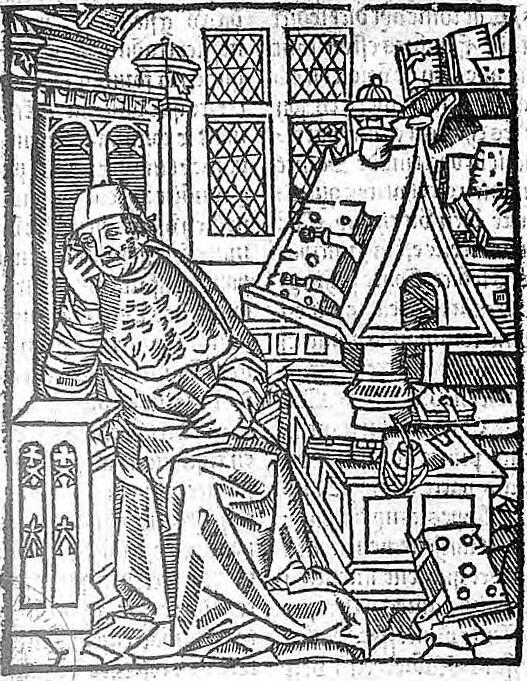
Chrétien de Troyes (c. 1130 – c. 1191)
- Genre / Movement: Medieval Romance
- Notable Works: Érec et Énide, Yvain ou le Chevalier au Lion
- Key Contribution: Pioneered Arthurian Romance literature
Born in Troyes in Champagne around 1130, Chrétien de Troyes revolutionised French literature. He wrote Romance stories - stories in the Romance language of Old French, as opposed to Latin. In those days, the vernacular was called Roman, which has given the French word for novel (le roman).
While he was not the first to do so, he was one of the first, and what is more, took one of the popular themes of medieval European literature - the Matter of Britain, or Arthurian stories - and spun them into complete tales.
Later in the Middle Ages, the Matter of Britain was re-told as the Prose Lancelot, the Romance of the Holy Grail, Tristan and Parzival; but Chrétien was the first to make it truly popular.

While the originals may not be a good read for those not studying the history of the French language, you might enjoy modern French translations of:
- Érec et Énide
- Le Chevalier de la Charette (the story of Lancelot and Guinevere)
- Yvain ou le Chevalier au Lion
- Perceval ou le conte du Graal (sadly unfinished, but there are several continuations by other medieval novelists).
The word "roman" (French for "novel") comes from Romance languages, like Old French! Chrétien de Troyes, one of the earliest Arthurian storytellers, wrote in Old French, making him one of the first to create "romans" as we know them today.
Voltaire
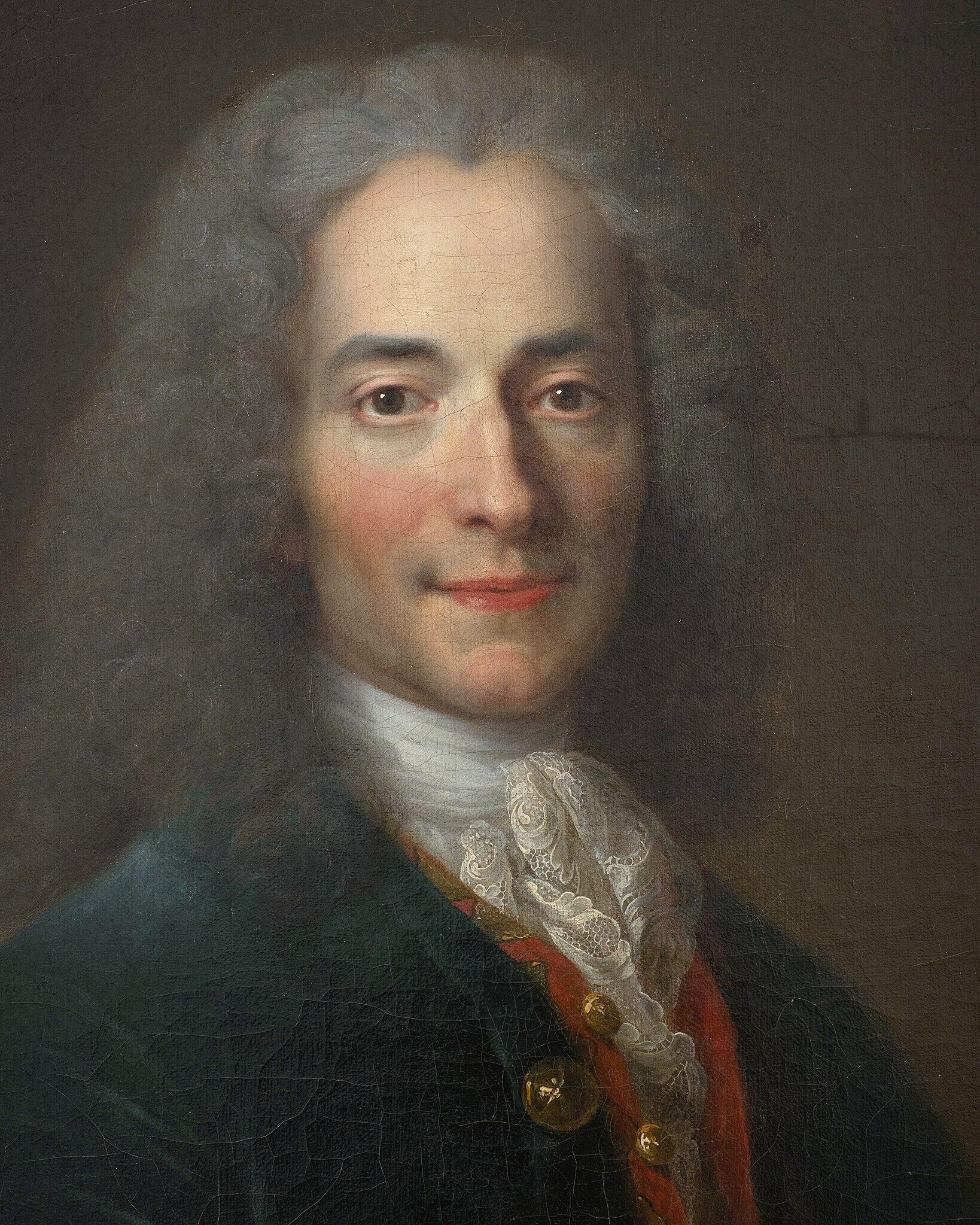
Voltaire (1694 – 1778)
- Genre / Movement: Enlightenment, Satire
- Notable Works: Candide, Zadig
- Key Contribution: Shaped Enlightenment thought with wit and satire
François-Marie Arouet, better known under his pen name Voltaire, was an eighteenth-century French philosopher and writer from the French Enlightenment. Authoring more than 2000 published books and pamphlets, he was ridiculously prolific and extremely witty, with a gift for the mot juste.
In his best-known words, Zadig and Candide, he explores the stupidity of the human race, morality, and optimism (Professor Pangloss from Candide believes we live in “the best of all possible worlds”).
Despite being from the 17th century, the language is easy to follow and the stories relatively short and entertaining, making them ideal for intermediate-level French reading. You can find and take suitable French lessons online.
Victor Hugo
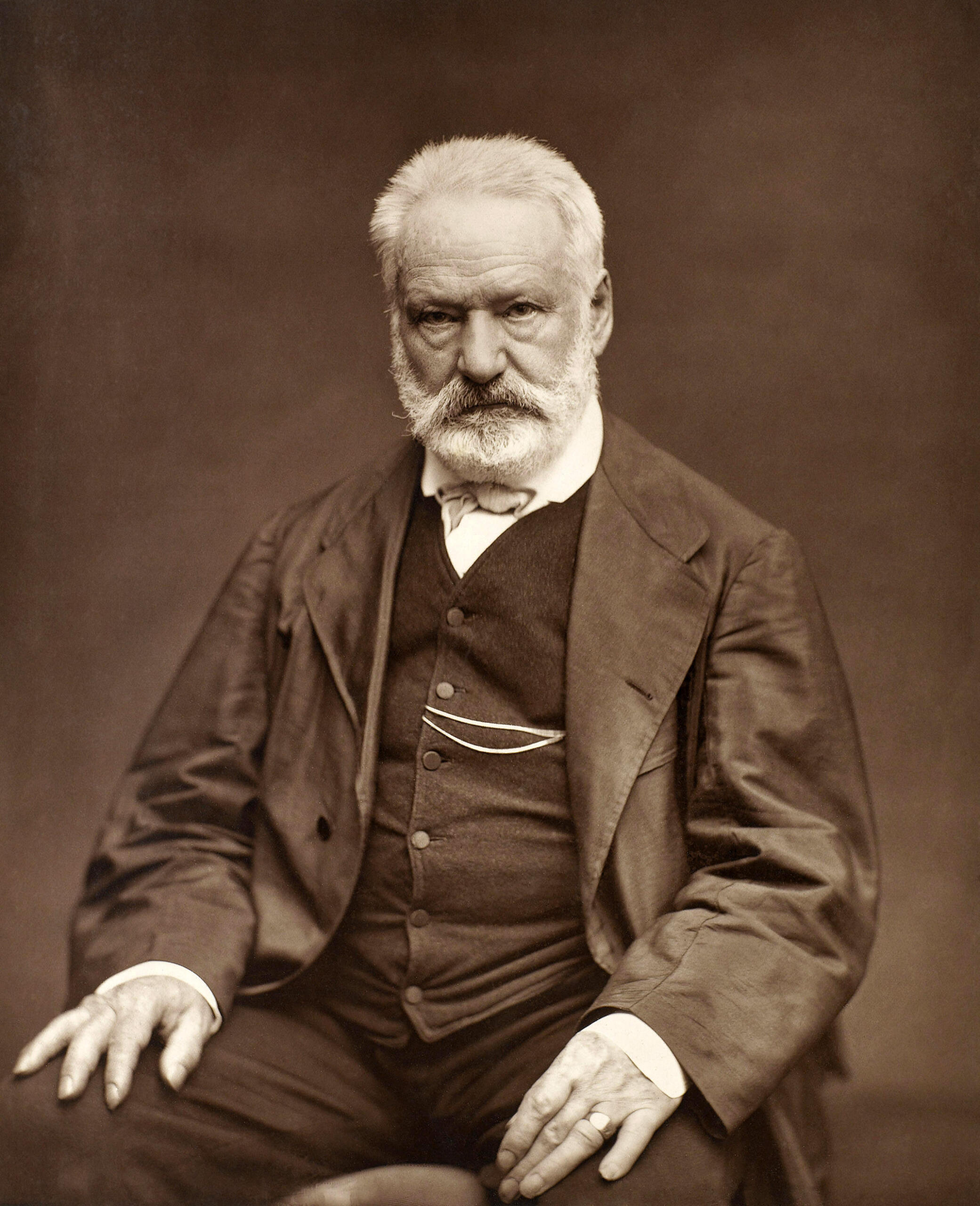
Victor Hugo (1802 – 1885)
- Genre / Movement: Romanticism
- Notable Works: Les Misérables, Notre-Dame de Paris
- Key Contribution: Defined French Romanticism with deep social themes
Victor Hugo's masterpiece Notre-Dame de Paris (The Hunchback of Notre Dame), set in the 15th century, offers a captivating portal to the Middle Ages through a more contemporary lens. This bittersweet tale explores the paradox of love and appearances—revealing how physical beauty may garner initial favor, yet fails to disguise or redeem inner cruelty.
Hugo, equally renowned for his poetry and his epic novel Les Misérables, demonstrates his exceptional talent for emotionally resonant prose in both works. However, Les Misérables takes place against the backdrop of the June Rebellion of 1832 (a smaller, less successful uprising than the French Revolution of 1789).
For readers who tend to skim descriptive passages (like those detailing whaling practices in Moby Dick), Notre-Dame de Paris might prove more accessible. It contains just one digressive chapter about 15th-century Paris, while Les Misérables features numerous extended sections of social commentary woven throughout the narrative.
Honoré de Balzac
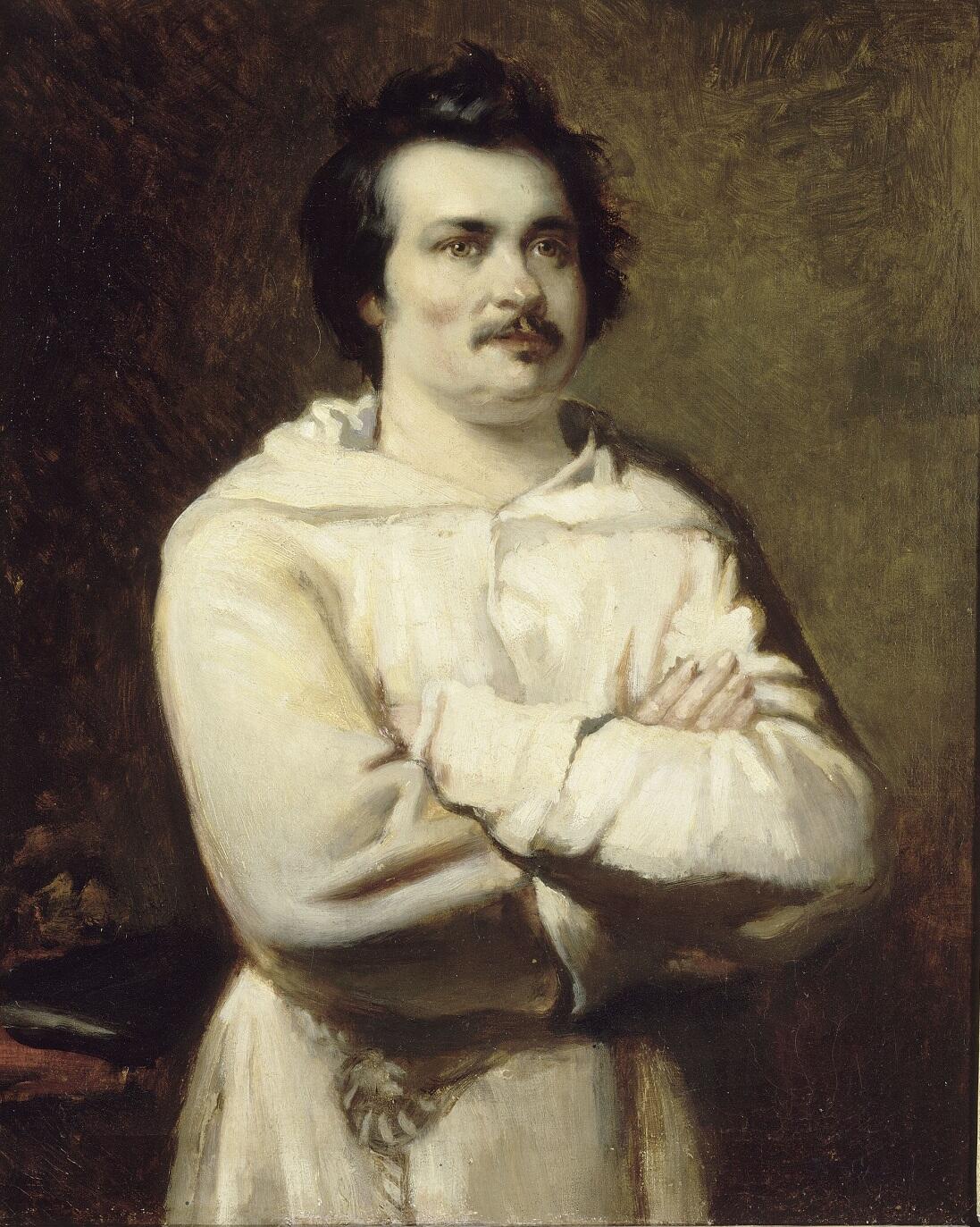
Honoré de Balzac
- Genre / Movement: Realism
- Notable Works: Le Père Goriot, Eugénie Grandet
- Key Contribution: Founded realism, depicting post-Napoleonic France
His use of details is why many consider Balzac the founder of realism in European literature and a significant contributor to French culture. He was forced to study law by his family, but soon quit the law firm he worked in. He started his writing career by co-authoring sensationalist novels, but soon gained enough notoriety to write what he wanted.
He started a series of books called La Comédie Humaine (The Human Comedy) on life in post-Napoleonic France. These ranged from short stories to novellas to full-blown novels, totaling 91 finished works, with 46 more planned (of which some were started, but some are only known by title).
They are divided into sub-categories such as “scenes from provincial life”, “scenes from military life” etc. A few select titles are:
- Eugénie Grandet
- Le Père Goriot
- Le Lys dans la Vallée (The Lily in the Valley).
Along with his eclectic writing schedule (1 to 8 in the morning), de Balzac is famous for his addiction to coffee - which some suggest caused his death by heart failure in 1850 at the age of fifty-one, only five months after his wedding.
French realist Honoré de Balzac was famous for drinking up to 50 cups of coffee daily while writing. His extreme caffeine habit may have contributed to his early death at 51.
George Sand
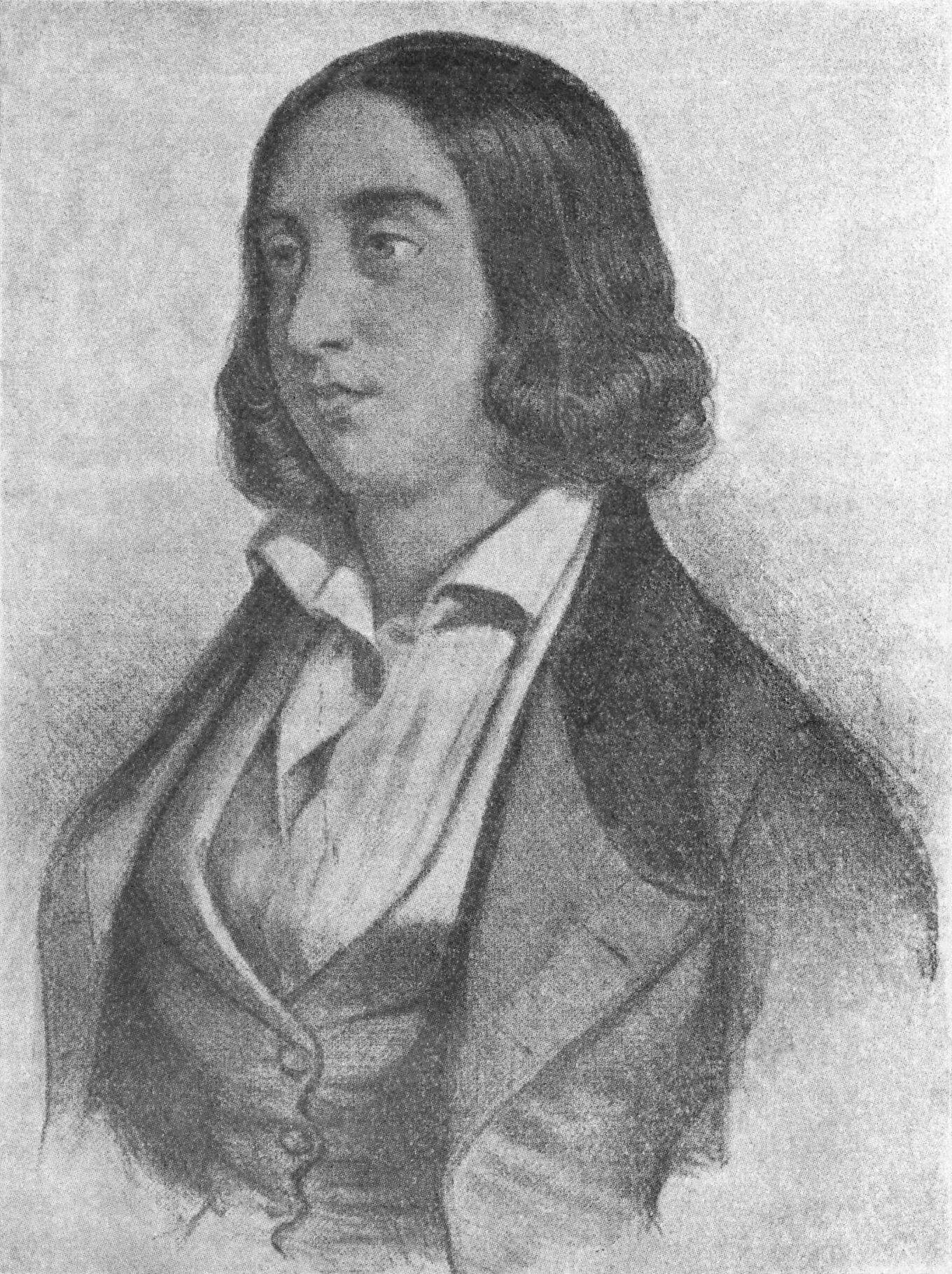
George Sand (1804 – 1876)
- Genre / Movement: Feminist Literature
- Notable Works: Indiana, La Mare au Diable
- Key Contribution: Challenged gender norms in literature and society
Born Amantine Lucile Aurore Dupin in 1804. She spent most of her childhood in Berry, an area often featured in her novels and stories. She married Casimir Dudevant at eighteen but separated from him in 1831, taking her children with her. Search for different French lessons here.
Her first affair in 1831 was with Jules Sandeau, a novelist with whom she wrote several stories, including Rose et Blanche, under the pseudonym of Jules Sand.
For her first solo novel she adopted the pen name George Sand. George Sand was famous for her affairs with prominent artists of the time, including writers Prosper Mérimé and Alfred de Musset and composer Frédéric Chopin.
She kept up a friendly correspondence with Gustave Flaubert and actress Marie Dorval, with whom she was rumoured to have had a lesbian relationship (the few surviving letters she wrote would seem to support this).
Her affectation of male dress - more comfortable and offering greater ease of movement than the female garb of the time, as well as gaining her entry to places otherwise barred to French women - and her smoking did little to alleviate these claims. She is one of the great women writers, being to the 19th century what French philosopher Simone de Beauvoir was to the twentieth.
Edmond Rostand
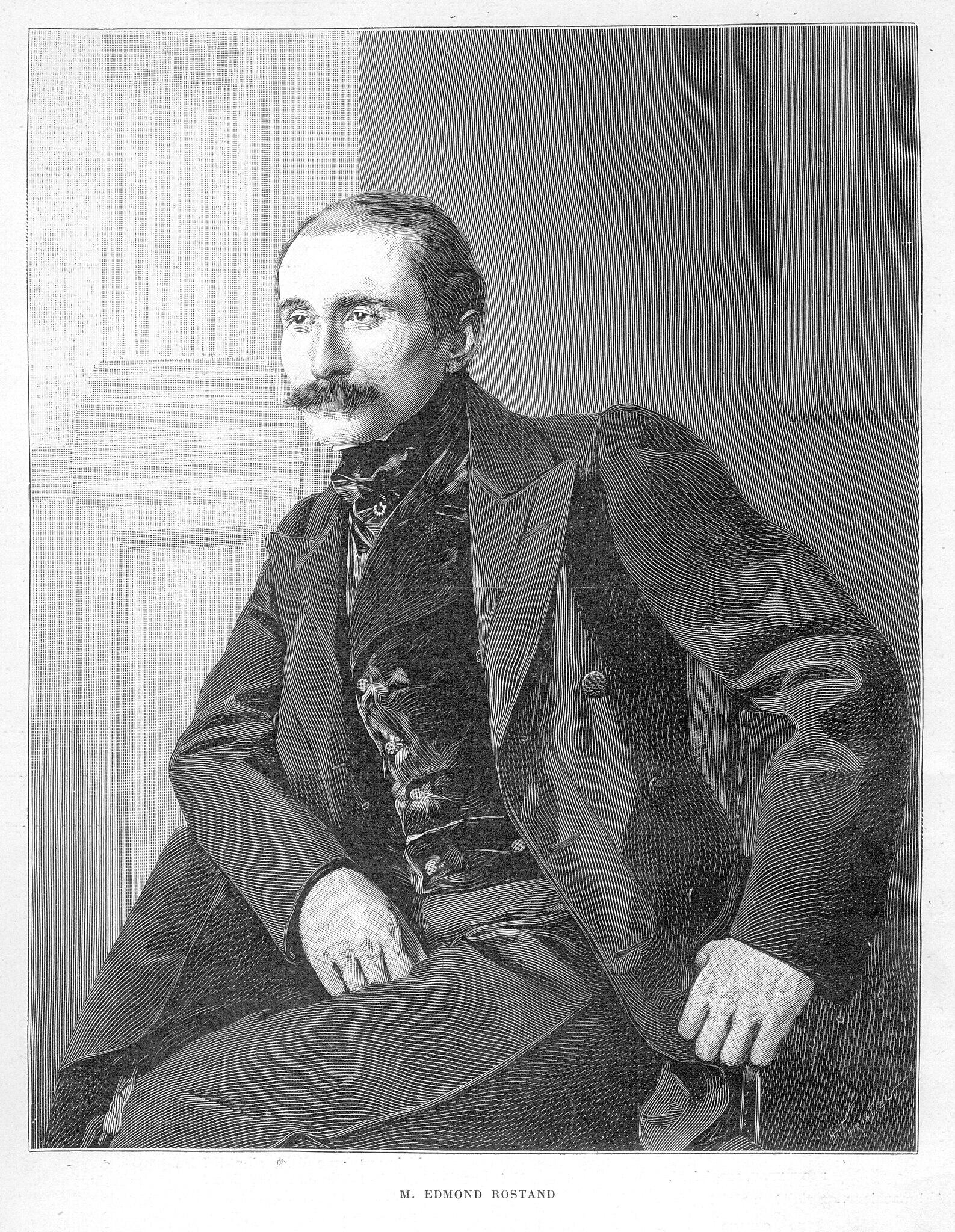
Edmond Rostand (1868 – 1918)
- Genre / Movement: Theatre, Poetry
- Notable Works: Cyrano de Bergerac
- Key Contribution: Mastered poetic drama with rich language and wit
Are you a fan of the swashbuckling genre? You can go to bed every night with Alexandre Dumas (whose grandmother had been a black slave) and his roaring adventure set in the 17th century, The Three Musketeers and their sequels - yes, there are sequels:
- Twenty Years Later
- The Vicomte de Bragelonne (which includes the story of the Man in the Iron Mask)
But swashbuckling romances were quite popular in the nineteenth century, such as Paul Féval’s Le Bossu (“The Hunchback” - not to be confused with Hugo’s work) and of course, that masterpiece of French poetry, playwright Edmond Rostand’s Cyrano de Bergerac. I don’t recommend this work to beginner French students. It is a play, and in verse. It’s like reading Shakespeare to learn English, except the language is primarily modern.
However, more advanced readers will adore the wit and satire in the story of a faithful wingman, who writes poetry to help his friend win the lady he is in love with - but with whom he has no chance, being afflicted with an enormous nasal appendage. If nothing else, you will learn curses from the Gascogne region, such as “Mordiou!” and the proper etiquette for insulting someone’s nose.
Marcel Proust
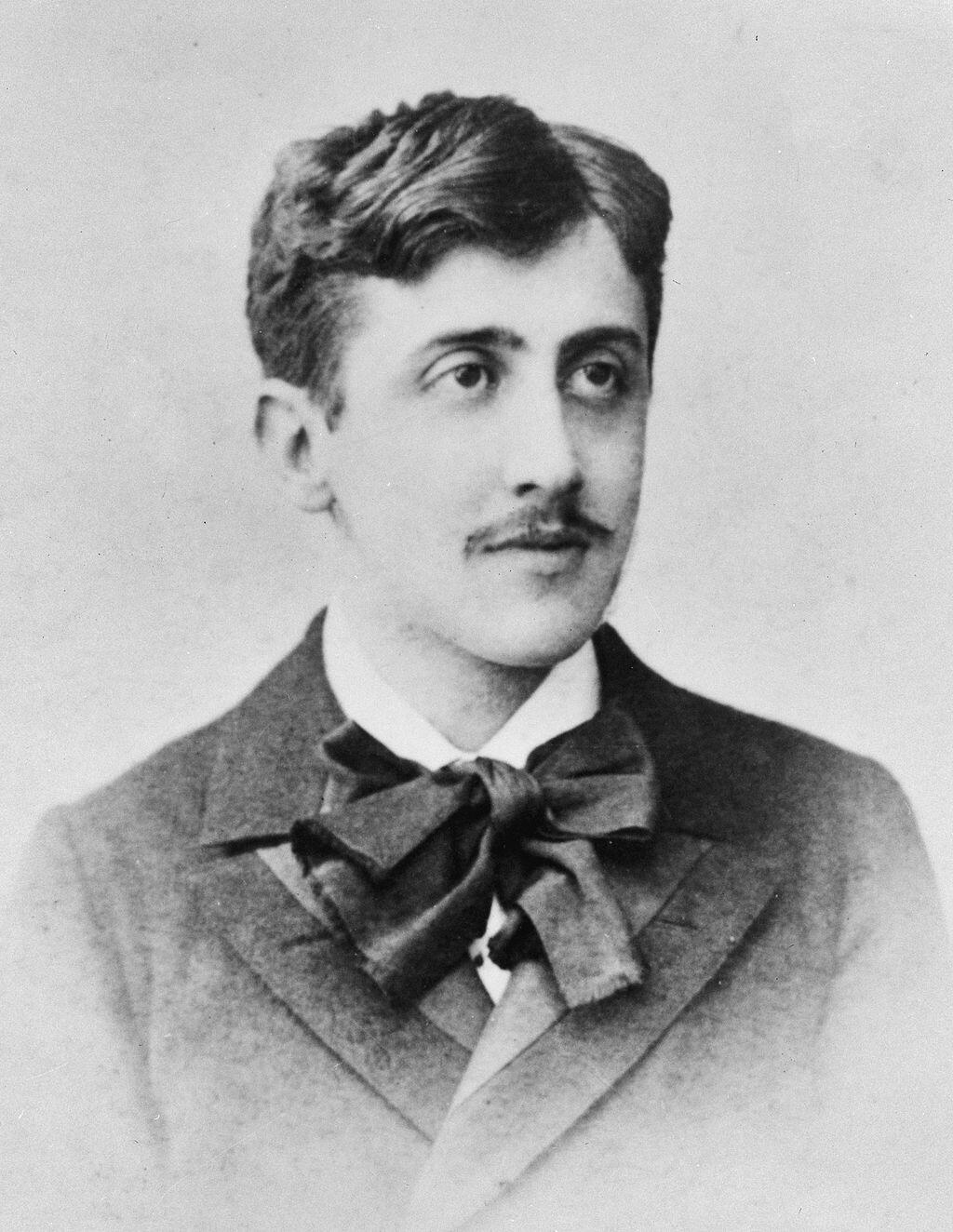
Marcel Proust (1871 – 1922)
- Genre / Movement: Modernist, Lyrical Prose
- Notable Works: À la recherche du temps perdu
- Key Contribution: Explored memory and consciousness in literature
Marcel Proust, though nominally employed at the Mazarine library, was more devoted to his literary pursuits than his official duties. His early career flourished within Parisian literary circles, where he contributed to prestigious publications like the literary revue Le Banquet and frequented influential salons. These connections placed him among France's cultural elite; his early collected works even featured a preface by the renowned French poet and journalist Anatole France.
Proust's magnum opus, the seven-volume À la recherche du temps perdu (translated as In Search of Lost Time), stands as his greatest achievement. This monumental work provides a nuanced portrait of French society during the transformative period at the turn of the 20th century, examining how traditional aristocratic values and lifestyles were increasingly challenged by modern sensibilities.

The protagonist of this epic series, Swann, shares many autobiographical elements with Proust himself. Though Proust died in 1922 before completing the entire cycle, his publishers released the final volumes posthumously:
- Swann's Way (Du côté de chez Swann, 1913)
- In the Shadow of Young Girls in Flower or Within a Budding Grove (À l'ombre des jeunes filles en fleurs, 1919)
- The Guermantes Way (Le Côté de Guermantes, 1920/1921)
- Sodom and Gomorrah or Cities of the Plain (Sodome et Gomorrhe, 1921/1922)
- The Prisoner ot The Captive (La Prisonnière, 1923)
- The Fugitive, The Sweet Cheat Gone or Albertine Gone (Albertine disparue, also called La Fugitive, 1925)
- Finding Time Again, Time Regained or The Past Recaptured (Le Temps retrouvé, 1927)
Historical evidence strongly suggests Proust was homosexual, a theme reflected in many of his characters who exhibit homo- or bisexual tendencies—a remarkably progressive and daring literary choice for his era. His prose style is distinguished by its extraordinary lyrical quality—both beautiful and poetic—though his famously intricate, lengthy sentences can present challenges to readers without advanced proficiency in French. Find good online French courses here on Superprof.
Émile Zola
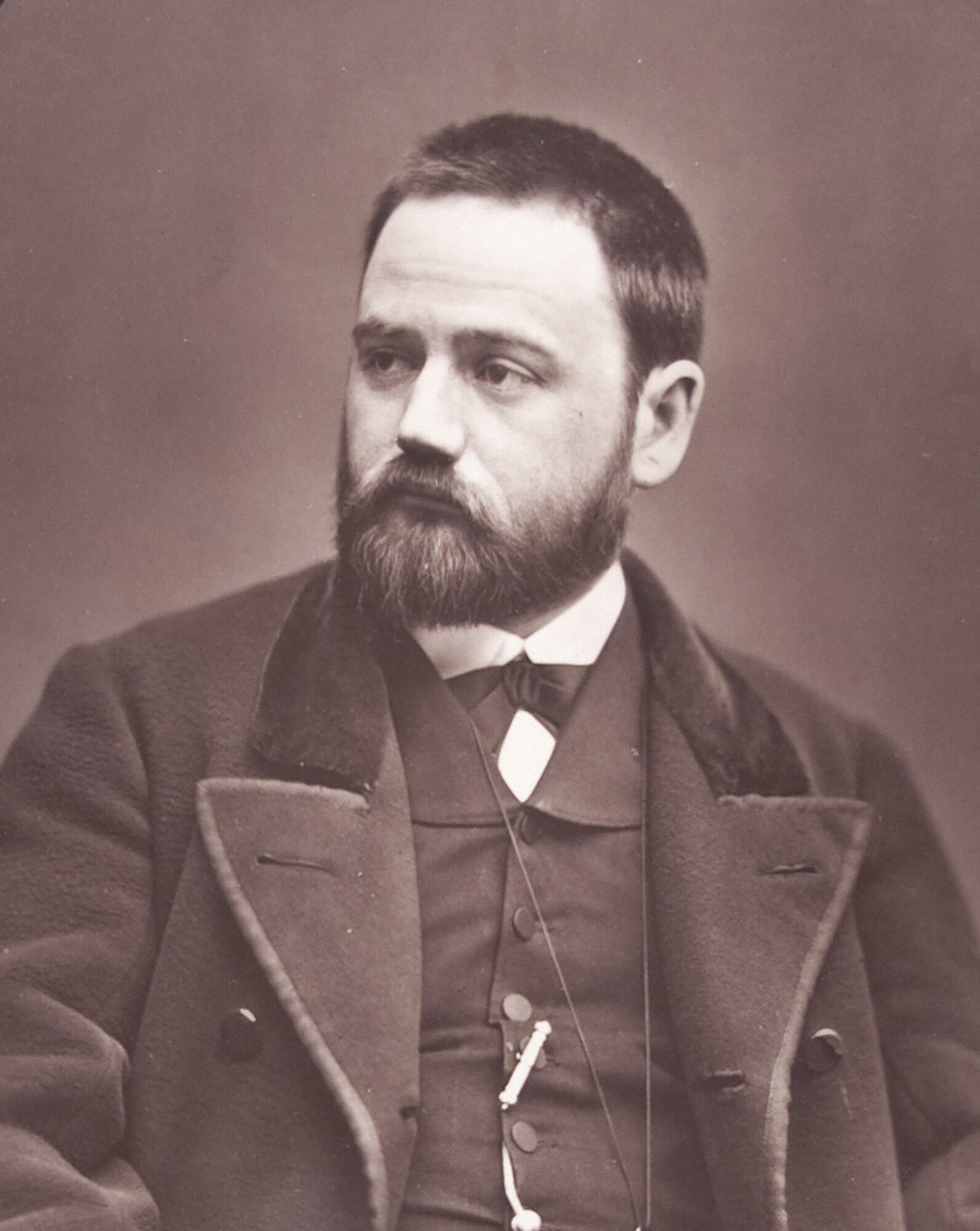
Émile Zola (1840 – 1902)
- Genre / Movement: Naturalism
- Notable Works: Germinal, L'Assommoir
- Key Contribution: Led the Naturalist movement, exposing social issues
Émile Zola was a naturalist writer and childhood friend of artist Paul Cézanne. Among his earlier works are many of the stories from a series of twenty novels depicting two branches of a family over several generations, les Rougon-Macquarts. Émile Zola became famous for l’Assomoir in 1877; his later bestsellers are Germinal in 1885 and the “city” novels Lourdes, Rome and Paris (1894, 1896 and 1897). He became a leader of the French literati world and was paid more than Victor Hugo.
Emile Zola was ever a critic of French politics, being particularly vociferous about Napoleon III and the Second Empire. Still, his most famous article was his denunciation of the Dreyfus affair, in which Alfred Dreyfus, a Jewish artillery officer, was made a scapegoat in a spy affair, convicted of treason and exiled on almost no evidence. In his famous article, J’accuse!, Zola denounced the French government for anti-semitism and obstruction of justice in handling the Dreyfus affair.
Charles Baudelaire
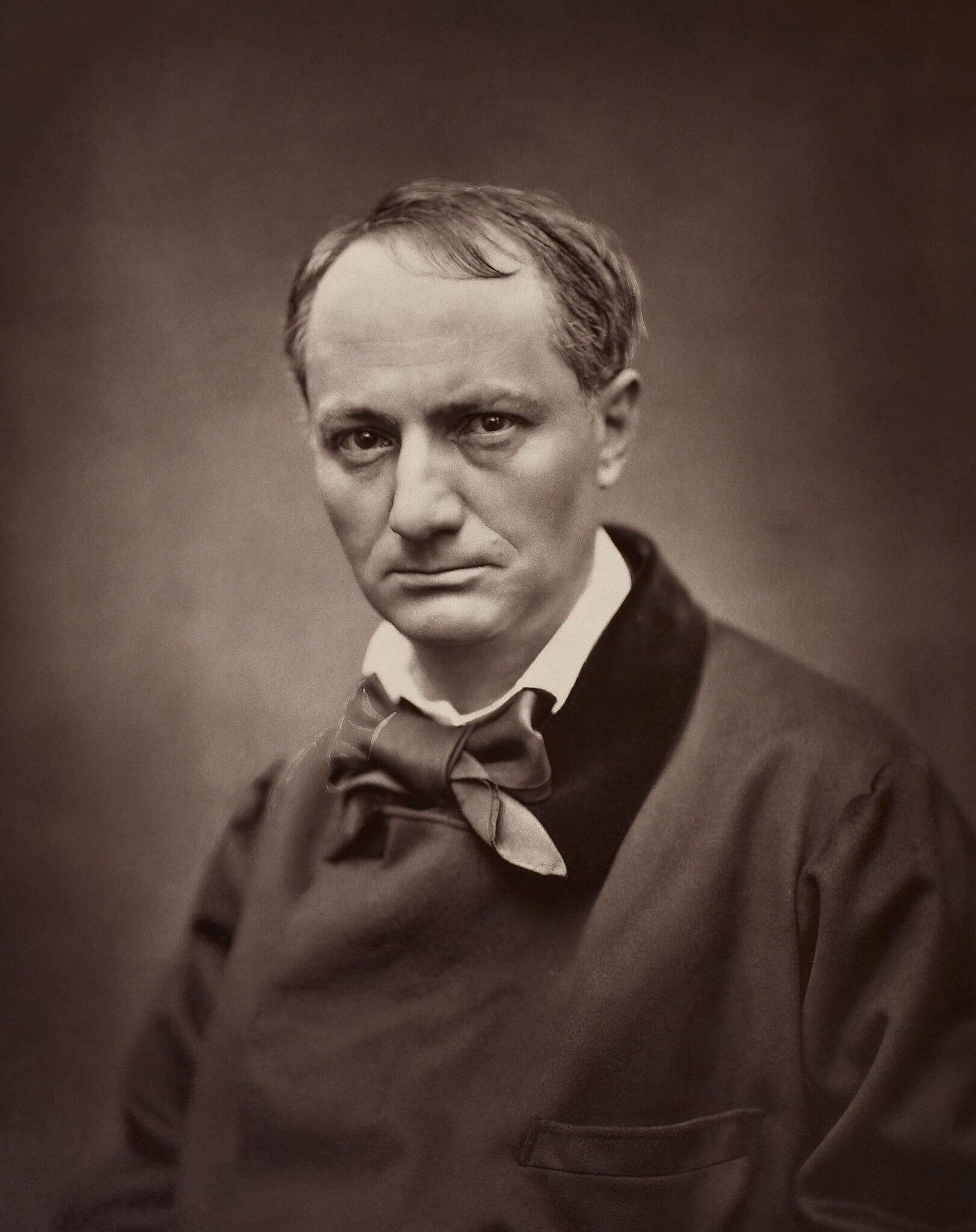
Charles Baudelaire (1821 – 1867)
- Genre / Movement: Symbolism, Poetry
- Notable Works: Les Fleurs du Mal
- Key Contribution: Redefined modern poetry with Symbolism
Charles Pierre Baudelaire was a French poet with far-reaching influence. For one, his translation of the poems of Edgar Allan Poe extended the reach of this English writer onto the Continent; additionally, his work influenced leading 19th-century French poets such as Paul Verlaine and Arthur Rimbaud.
His first published work was Salon of 1845, an art revue. Baudelaire was a free-spender and often idle, and he did not publish his best-known work, Les Fleurs du Mal, until he was 36. The Flowers of Evil is a collection of poems that address themes of love in various forms—passion, eroticism, lesbianism, sacred love, death, and decadence.
With the Fleurs considered an obscenity against public morals, Baudelaire was prosecuted and convicted, but came off with a fine rather than exile, and had to omit some of the poems from subsequent editions. Of his affairs, the best-known is his long-standing mistress of two decades, Jeanne Duval, a half-Creole of French and African ancestry born in Haiti. He called her his “black Venus” and dedicated several poems to her. He probably gave her syphilis - both of them died of it, though the exact date of Duval’s death is unknown.
Gustave Flaubert
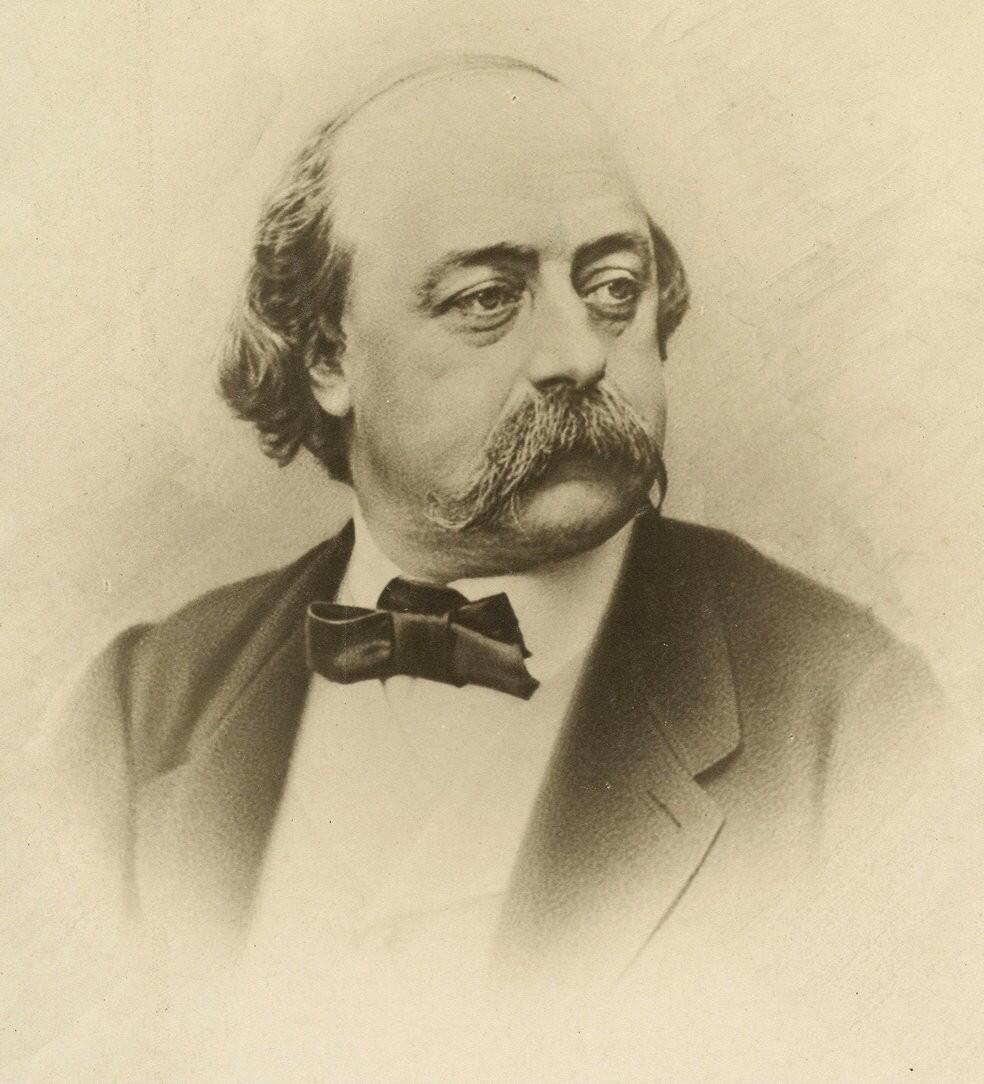
Gustave Flaubert (1821 – 1880)
- Genre / Movement: Realism, Psychological Fiction
- Notable Works: Madame Bovary, Salammbô
- Key Contribution: Perfected realism and psychological storytelling
Yet another failed law student, Flaubert led an exciting and varied life, often traveling. Though he loathed Paris and left it after an attack of epilepsy, he often visited to meet literary friends such as Émile Zola, Alphonse Daudet or Ivan Turgenev, or his later protegé, Guy de Maupassant.
His first finished work was a novella entitled November, which came out in 1842. His second novel, la Tentation de Saint Antoine (The Temptation of Saint Anthony), was heavily critiqued by his friends. He was enjoined to leave the supernatural out of his writings, and shortly thereafter embarked on a long trip to Egypt, returning in 1850 to start on his most famous novel, Madame Bovary.
In it, Emma Bovary, bored with life with her shy and awkward husband, embarks on a series of adulterous affairs that eventually ruin her both emotionally and financially. The book tracks her emotional journey, bookended by her husband’s story before their marriage and after her death.
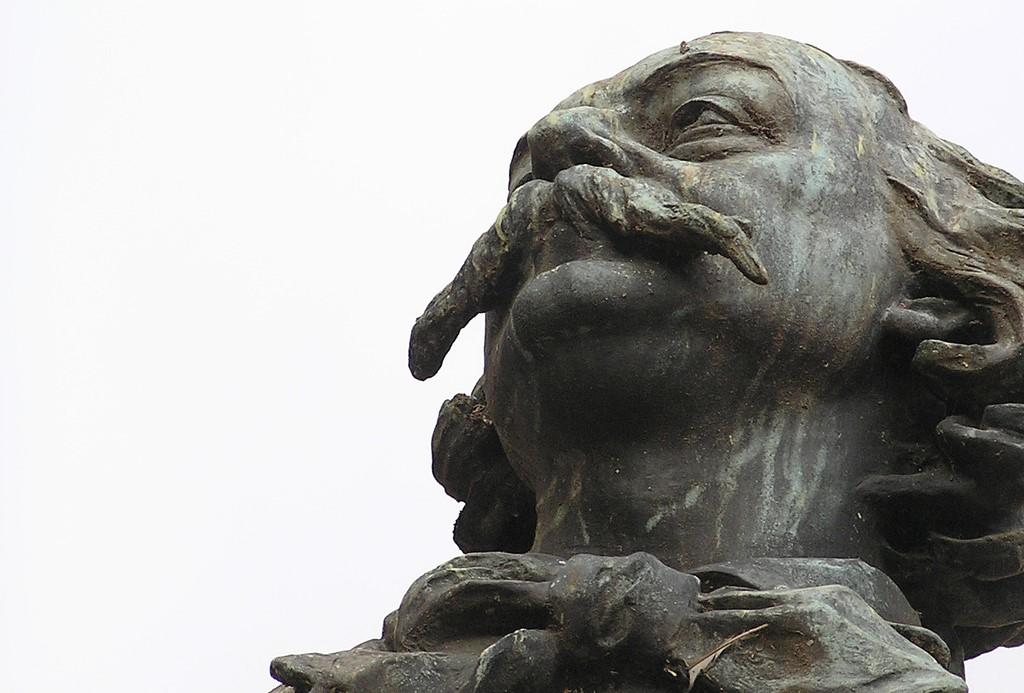
Like Baudelaire and several other prominent French novelists, Flaubert was accused of public indecency, but acquitted. The publicity surrounding the publication of Madame Bovary no doubt in part contributed to its success. Flaubert next travelled to the ruins of Carthage to research his novel, Salammbô, set in ancient Carthage shortly after the First Punic War.
His last finished novel was L’éducation Sentimentale (The sentimental education), on the romantic life of a young man during the French Revolution. Though praised by French critics, Henry James disliked it. Settled by then in Rouen, Flaubert spent the last years of his life working on various projects, including a re-working of the Temptation of Saint Anthony and a novel called Bouvard et Pécuchet. Of those, only a collection of novellas was published. He died in 1880 at the age of 58.
Molière
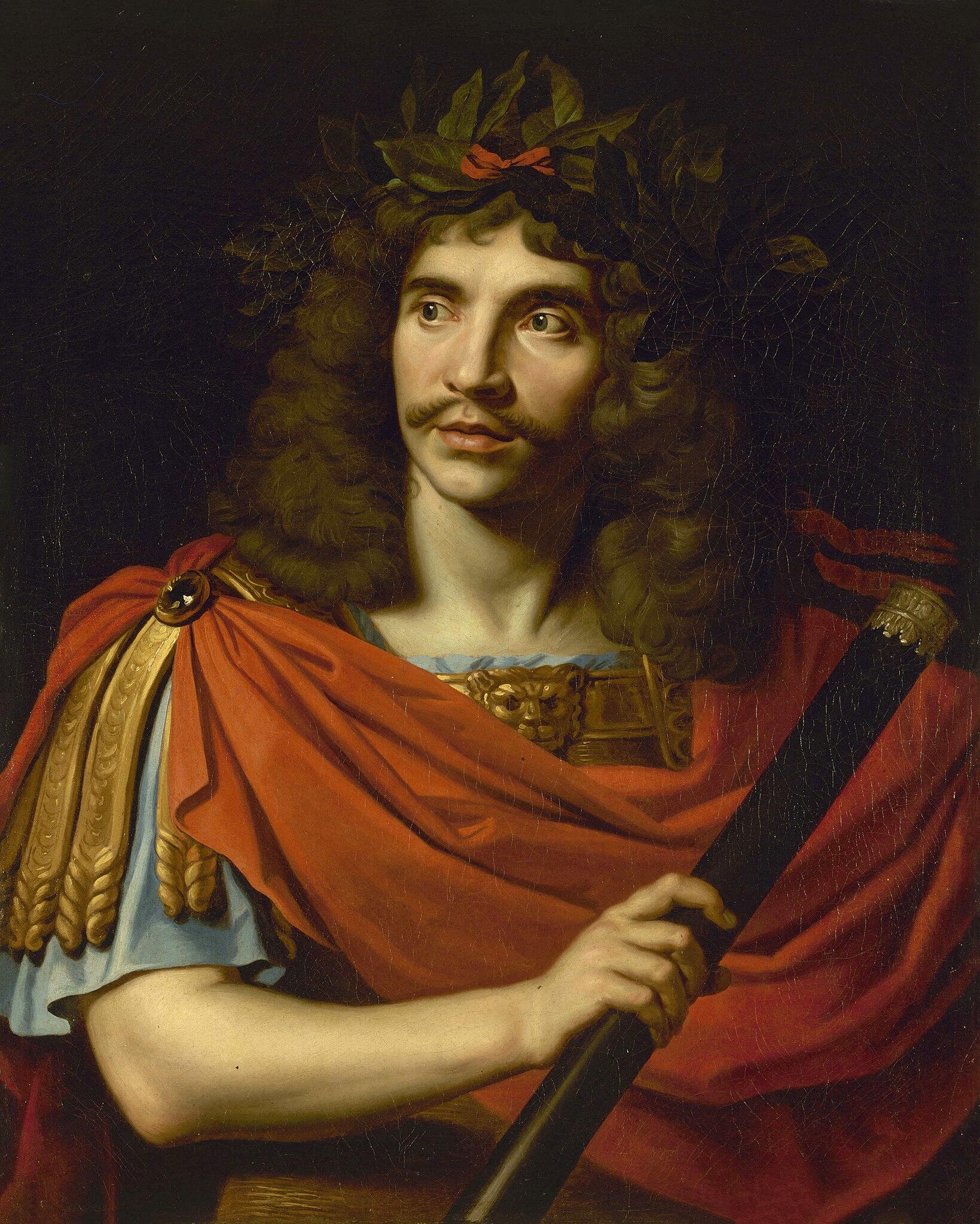
Molière (1622 – 1673)
- Genre / Movement: Comedy, Satire
- Notable Works: Tartuffe, Le Misanthrope
- Key Contribution: Revolutionized French theater with social critiques
Molière is considered to be one of France's best playwrights. With his sharp wit and satirical comedies, Molière critiqued society and human nature. Many of his plays are still performed worldwide and his mastery of dialogue makes his works excellent for improving conversational French.

He revolutionised French theatre with his controversial yet popular plays, which satirised the hypocrisy of the aristocracy, the church, and the medical profession. His work, Tartuffe, for example, was originally banned.
His work was so important that many of the phrases from his plays have become common expressions in modern French.
Jean-Paul Sartre
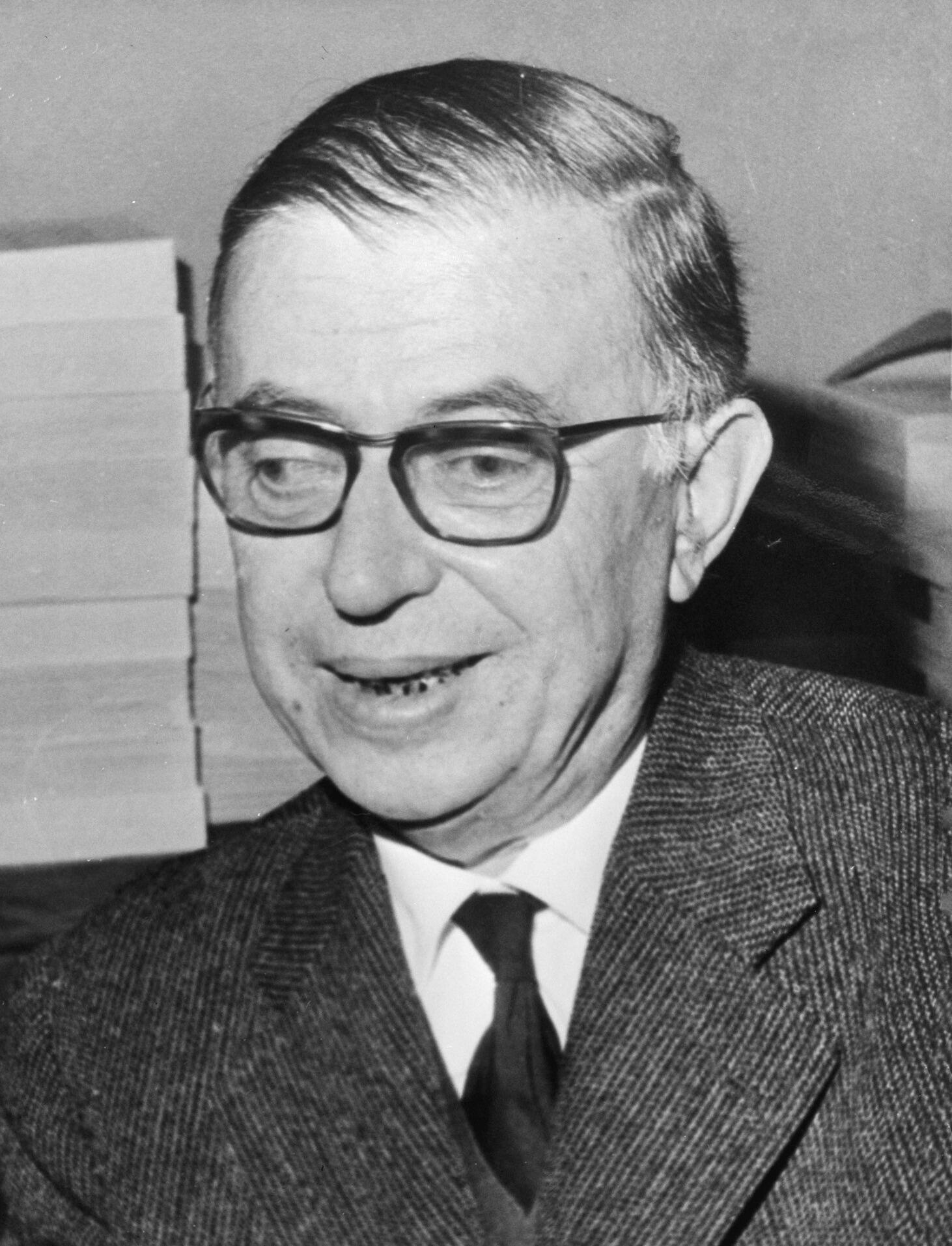
Jean-Paul Sartre (1905 – 1980)
- Genre / Movement: Existentialism
- Notable Works: La Nausée, Huis Clos
- Key Contribution: Popularized existentialism in literature and philosophy
While Jean-Paul Sartre was a leading existentialist figure, he explored freedom, responsibility, and existential angst in his works. His clear yet profound prose made his writing a good option for intermediate and advanced French learners.
His novel La Nausée explores themes of alienation and freedom while Huis Clos (No Exit) is famous for the phrase "L'enfer, c'est les autres" ("Hell is other people").
Beyond literature, he also influenced philosophical ideas, particularly France's post-war intellectual movements and political thought.
If you want to become a French citizen of the mind and explore French literature more in depth, why not see if a Superprof tutor is willing to help you with your reading list?
Summarise with AI:
Did you like this article? Leave a rating!

 Loading...