


As picture teaches the colouring, so sculpture the anatomy of form.
Ralph Waldo Emerson
That American writer nailed it with his description of sculpture as an art form. Of all the visual arts, statues represent their subjects in three dimensions – not just two. Often, it's not difficult to reconcile a life form in white marble, terracotta, or ceramics, with a warm, sentient being.
To fully appreciate a sculptor's work, you must see for yourself. You've many different types of sculpture to behold: kinetic, glass, abstract; historical sculptures and famous modern sculptures. This article presents a sampling of all types, and where to find them.
| Museum name | Where it is | What you'll find |
|---|---|---|
| National Museum | New Delhi, India | Dancing Girl |
| First Chinese Emperor Mausoleum | Xi'an, China | Terracotta Army |
| Grounds for Sculpture | New Jersey, USA | Contemporary works |
| National Archaeological Museum | Athens, Greece | Ancient sculpture collection |
| Kröller-Müller Museum | Otterlo, Netherlands | Enamel Garden |
| Neues Museum | Berlin, Germany | Bust of Nefertiti |
| The Rodin Museum | Paris, France | The Thinker |
| The Louvre | Paris, France | Venus de Milo |
| The British Museum | London, UK | The Parthenon Marbles |
| Museo Anthropologia | Xalapa, Mexico | Colossal Head sculptures |
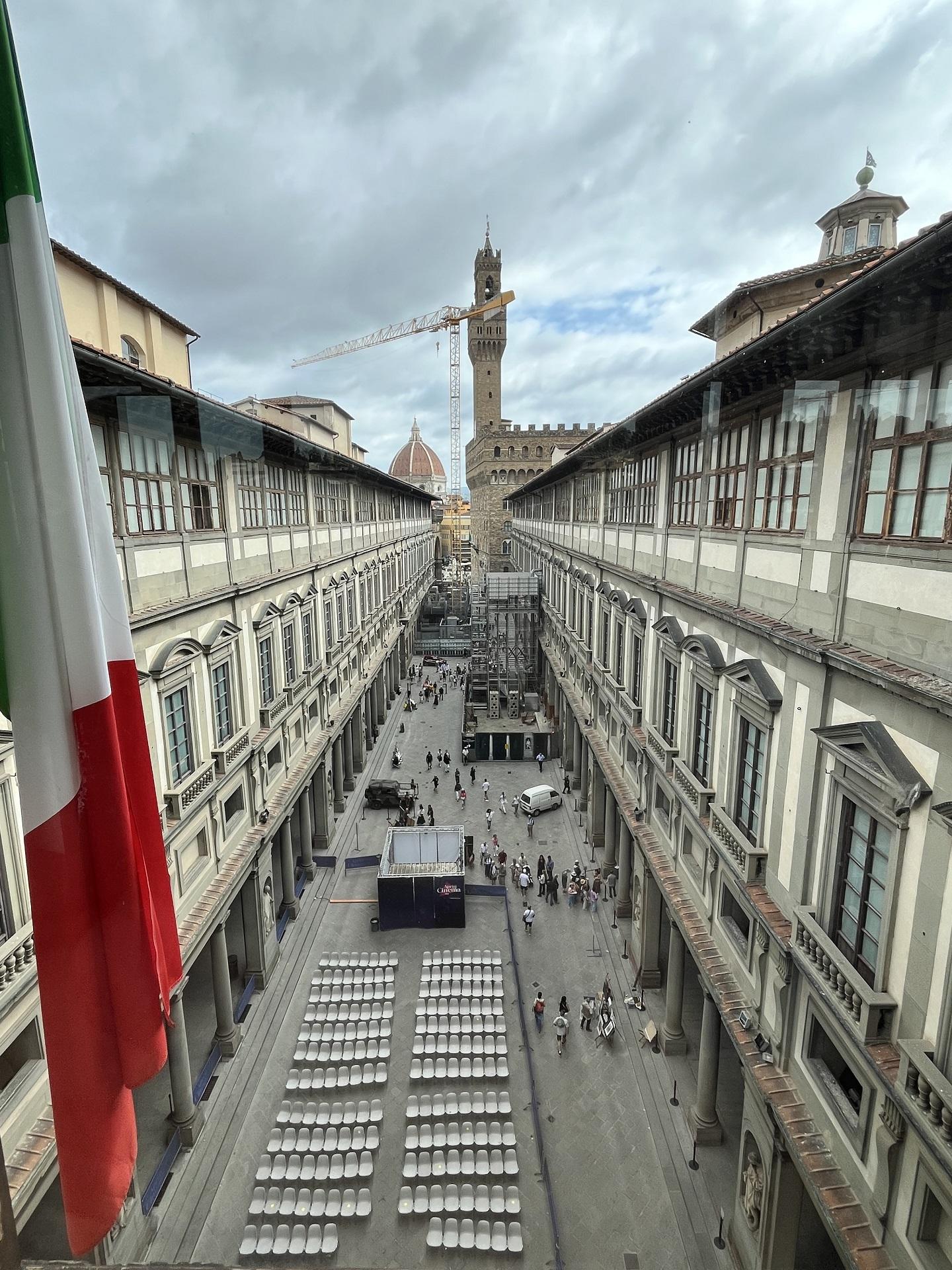
| Uffizi Gallery | Florence, Italy | Statues of the Loggiato |


Uffizi Gallery: Statues of the Loggiato
Rome is synonymous with some of the world's most beautiful churches, cathedrals, and museums. However, you needn't ever enter a museum to see one of this city's most famous assemblages of statues. The Trevi Fountain is world-renowned for its intricate carvings; the work of five different sculptors.
Travelling north from the Eternal City will bring you to Florence, an equally magical city with just as legendary a museum. The Uffizi Gallery draws in millions each year, with untold numbers being return visitors.
It's impossible to take in the magnitude of the work, and the collections' full breadth, in a single visit. You can see works by Gian Lorenzo Bernini and Leonardo da Vinci, and many other Renaissance artists. After all, Florence was that epoch's birthplace. Be sure to build time into your schedule to behold the world famous sculptures that line this museum's Loggiato.
To find Renaissance whimsy, ramble through this courtyard, which lies in the embrace of the museum's two long halls. The statues of Michelangelo, da Vinci, and Medici are posed to tell a story, one Dante's statue seems to curse. A day spent imagining those stories is one well-spent, indeed!
Make the most of your Florence visit with a trip to the Galleria dell' Accademia, where you can see for yourself the colossus, Michelangelo's David.
Museo Anthropologia de Xalapa, Mexico: Colossal Head Sculptures
Typically, when we think of art and sculpture, we picture works from Ancient Greece to Renaissance Europe. Stuff we might try to reproduce, and styles to imitate, in our art classes Perth. Seldom do we invoke African, or South American art.

That is to our detriment. Fortunately - if not belatedly, sculptures from ancient societies in those regions are coming to fore. You'll find no better collection of Mezoamerican statues than at Xalapa's Anthropological Museum.
The Olmeca were a complex civilisation that thrived from around 1200 BCE (Before the Current Era) until circa 400 BCE. They lived in settlements and practised agriculture. This stability afforded them the luxury of pursuing artistic endeavours.
It's such a shame that the scientific community failed to give these societies the attention lavished on others! We know little about the Olmec people, and thus, struggle to explain the giant head carvings they left behind.
The smaller treasures archaeologists have unearthed, some 25 000 of them, dwell in this museum. El Señor de las Limas, a ~3 000-year-old greenstone sculpture, is but one example of the treasures that await your visit.
The British Museum: The Elgin Marbles
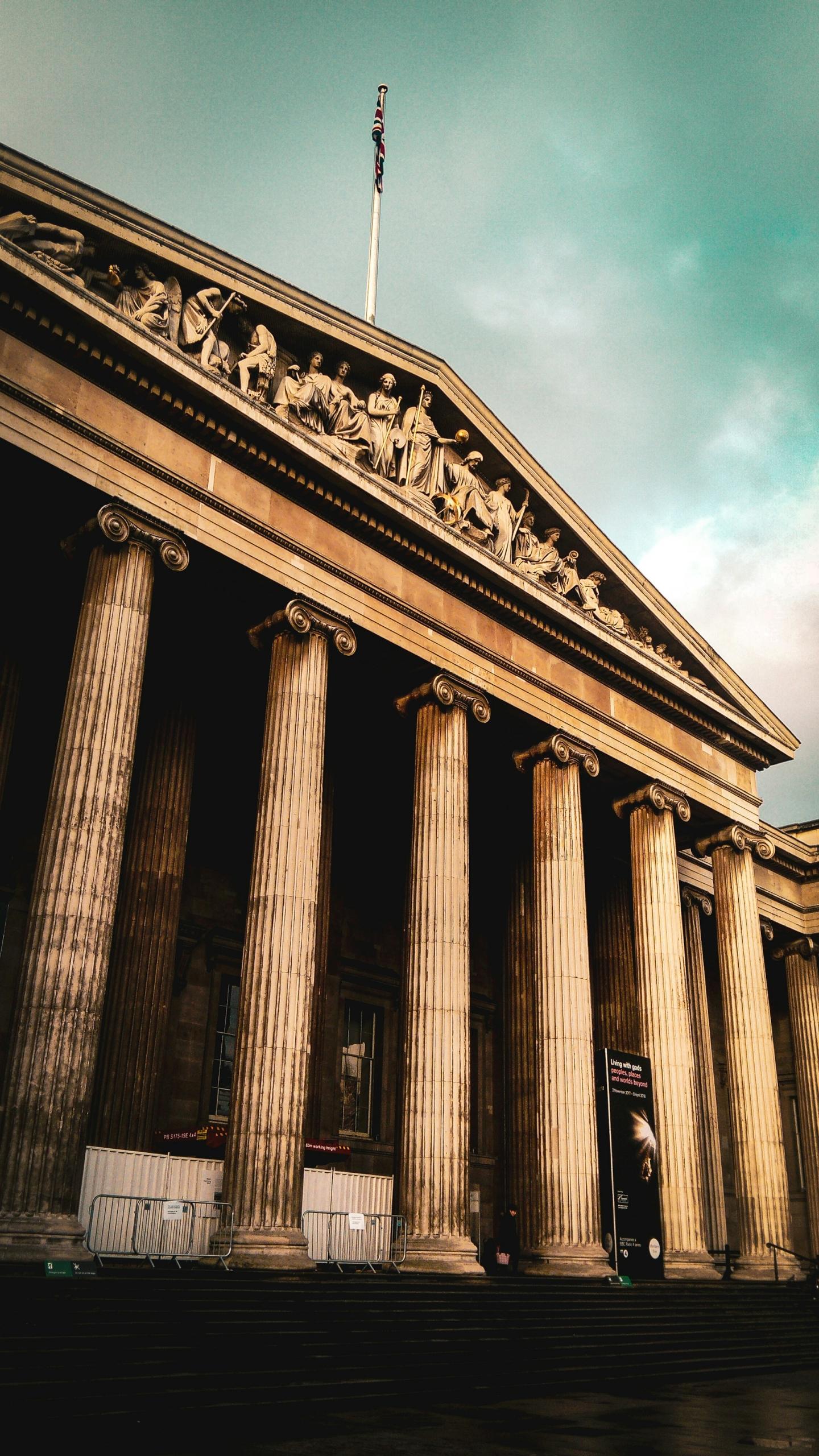
With over eight million objects, this museum is one of the largest in the world. Due to the ‘controversial’ (to put it mildly) history of the British Empire, this repository has become home to historical treasures from across the world. And, it's got work by some of history's greatest sculptors.
The so-called Elgin Marbles are a sterling example of such. Named for the Earl of Elgin, who imported them, these Parthenon Marbles stand at the front line of debate surrounding repatriation of museum treasures.
Museum curators worry that returning some precious artefacts will open the floodgates for returning all of them. Still, it may yet come to pass that parties might strike some sort of lending agreement. Whether at the British Museum or their proposed new home, the Acropolis Museum, this exquisite assemblage is well worth your visit.
The Louvre, Paris: Venus de Milo
This museum competes with the British Museum for vastness, and the value of its collection. The Louvre houses all the pre-1850 works of art (later works now reside at the nearby Musée D’Orsay). This collection of exquisite artefacts, from antiquity to the eighteenth century, includes pieces from Ancient Greece and Mesopotamia.
But don't limit yourself to those; the works of Michelangelo and Antonio Canova entice, too. In fact, this entire museum is a treasure trove for those interested in the history of sculpture.
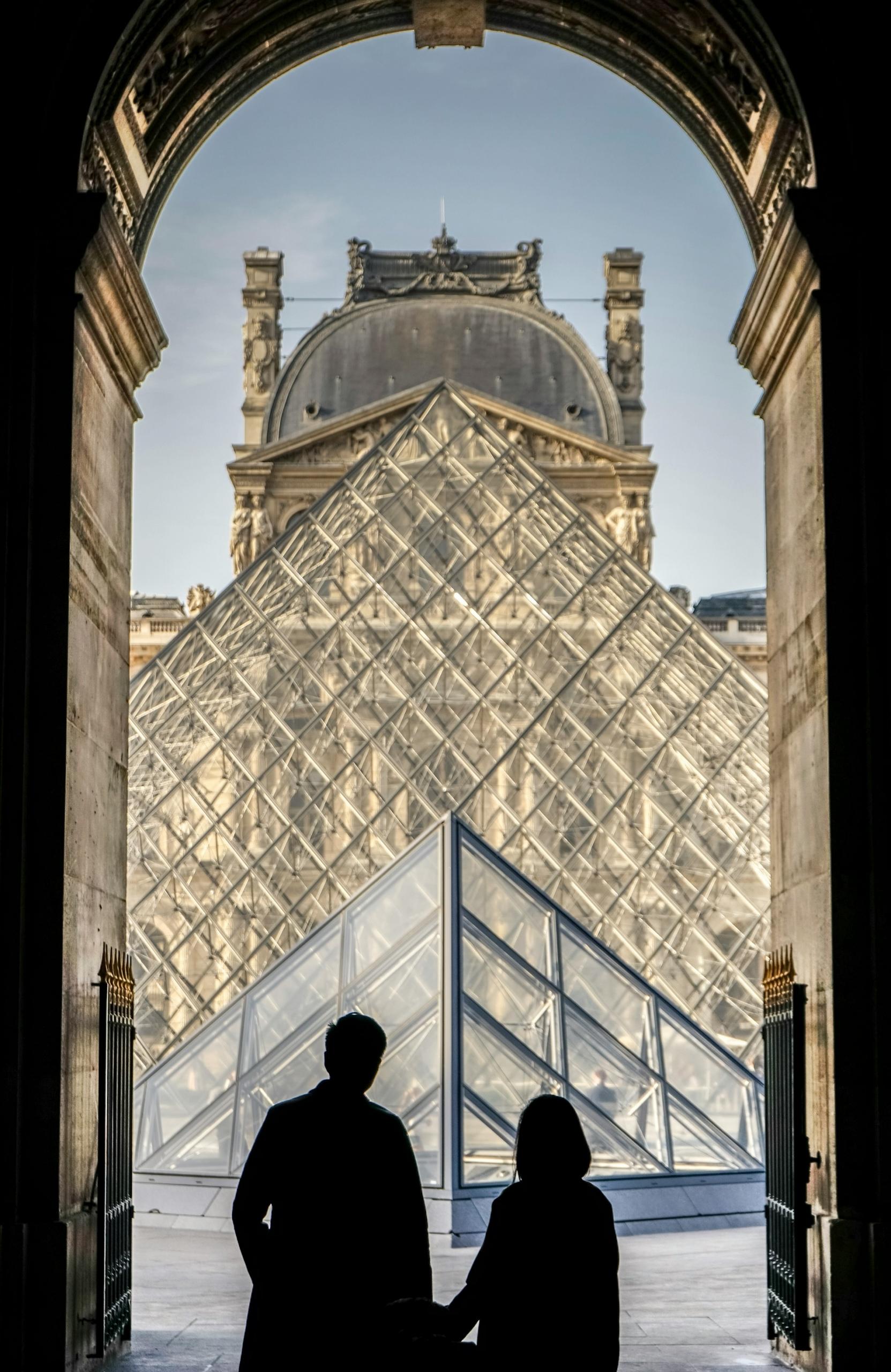
Beware, though, that the Louvre's most renowned pieces often demand long wait times to see them. Such is the case with Venus de Milo. Though placed in an open, accessible space, the throngs around her challenge your ability to see her up close. Luckily, she stands high on a plinth, so you can turn your gaze her way from a distance.
Musée Rodin, Paris: The Thinker
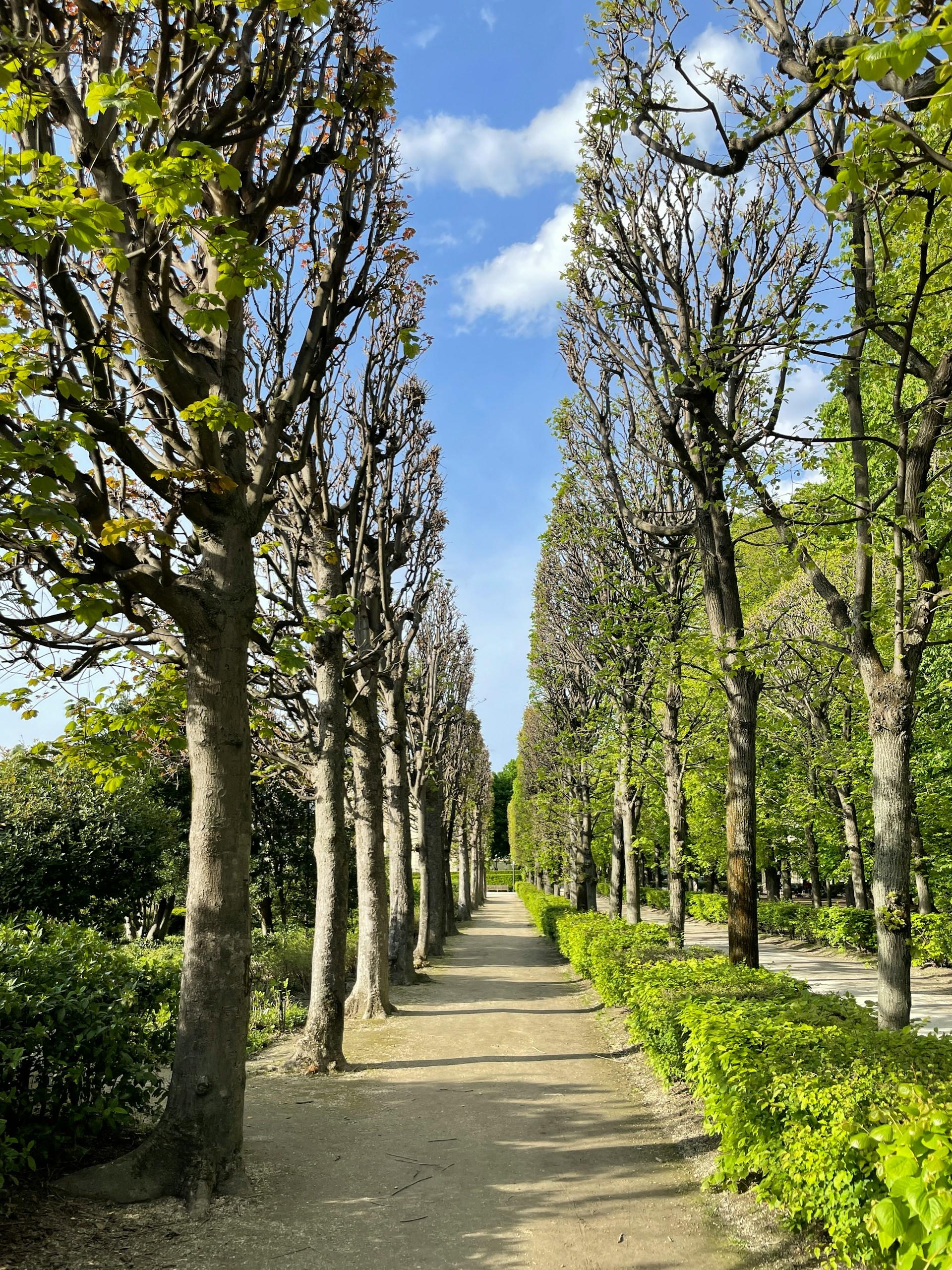
It seems a bit unfair to single out one artist and the museum dedicated to their work. On the other hand, few sculptors have generated such memorable pieces as The Thinker, The Kiss, and The Gates of Hell. And the luck at having them all in one place, with such a lovely garden as this, a part of the museum!
The Rodin Museum doesn't rank among the famous sculpture museums, despite Rodin's sculptures being world-renowned. Perhaps sharing a city the Orsay and Louvre museums is why.
It's hard to compete for attention with crowd magnets like that. Still, if you're taking art classes Brisbane, and want to avoid the Louvre masses, give the Rodin house a go.
Neues Museum, Berlin: Nefertiti Bust
It would be challenging to find a less aptly named artefact repository than this one. Constructed during the mid 1840s, this building was the second to grace Berlin's Museum Island.

Prussian kings set aside this parcel of land for cultural initiatives.
The bust of Egyptian Queen Nefertiti relocated to her new home soon after the structure's grand reopening, in 2009. She's been a guest of German cultural preservation for nearly a century. Egypt has launched many requests to bring their queen home. Like the Parthenon Marbles, controversy surrounds this gorgeous work's return.
Kröller-Müller Museum, Netherlands: Jardin d'émail
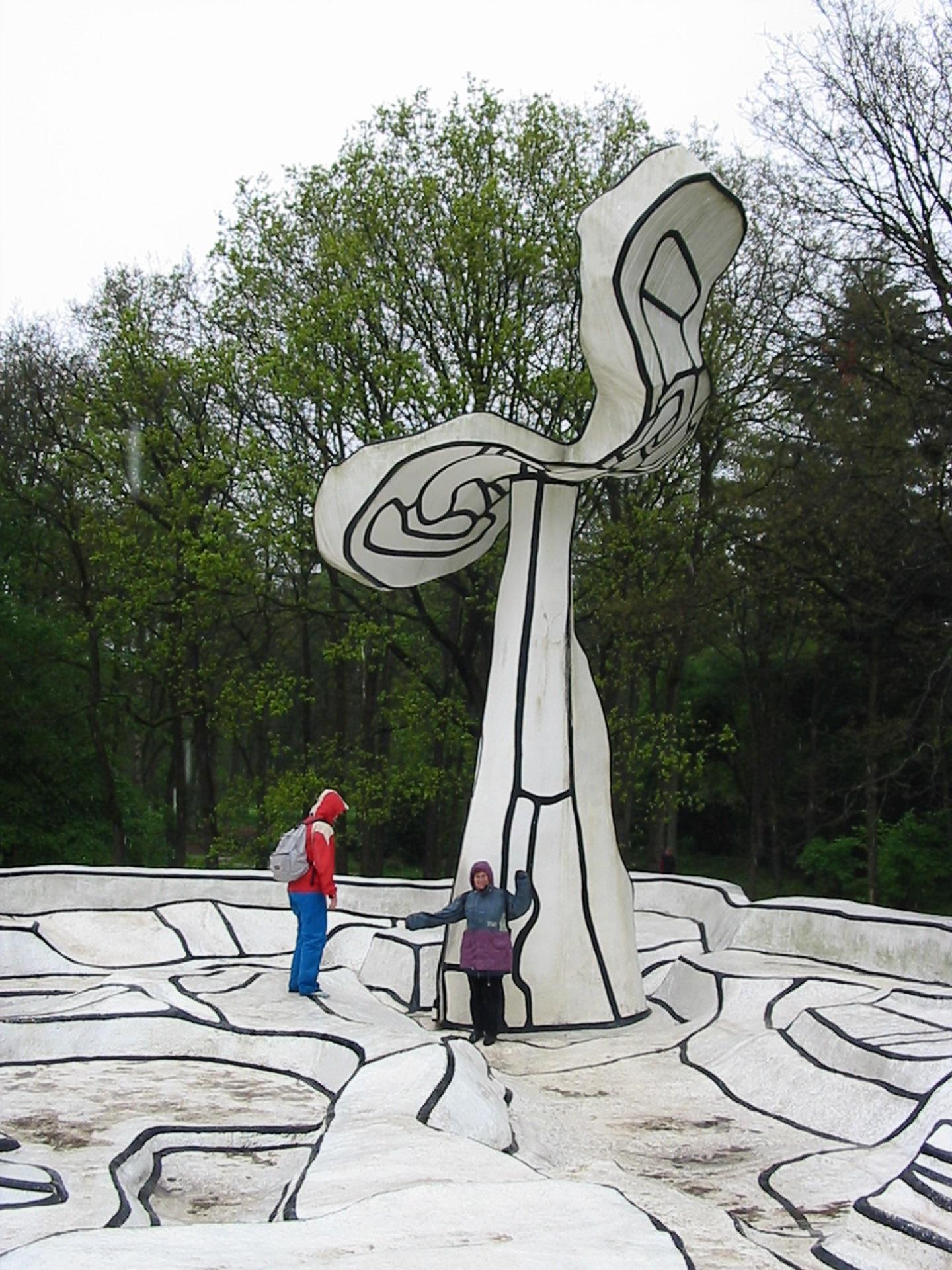
Holland’s Kröller-Müller Museum is a sprawling landscape of sculptures, winding paths, forests, and cycling tourists. You might learn everything about sculpture by meandering through those trails. That is, if Jean Dubuffet's Enamel Garden doesn't see you rooted in place.
It's not made of enamel, of course. This abstract installation consists of concrete, fibre-reinforced resin, and polyurethane, painted to resemble enamel.
It's a clever and engaging illusion, as magnetic as this museum's mammoth collection of Van Gogh paintings. They boast, the second-largest in the world, after the Amsterdam Museum's.
National Archaeological Museum, Athens: Sculptures Collection
As much as we've collectively ignored the Global South's history and art, that much we've invested in Ancient Egypt and Greece. That's a roundabout way of saying that the Ancient Greeks left us many artefacts and works of art to uncover and marvel over.
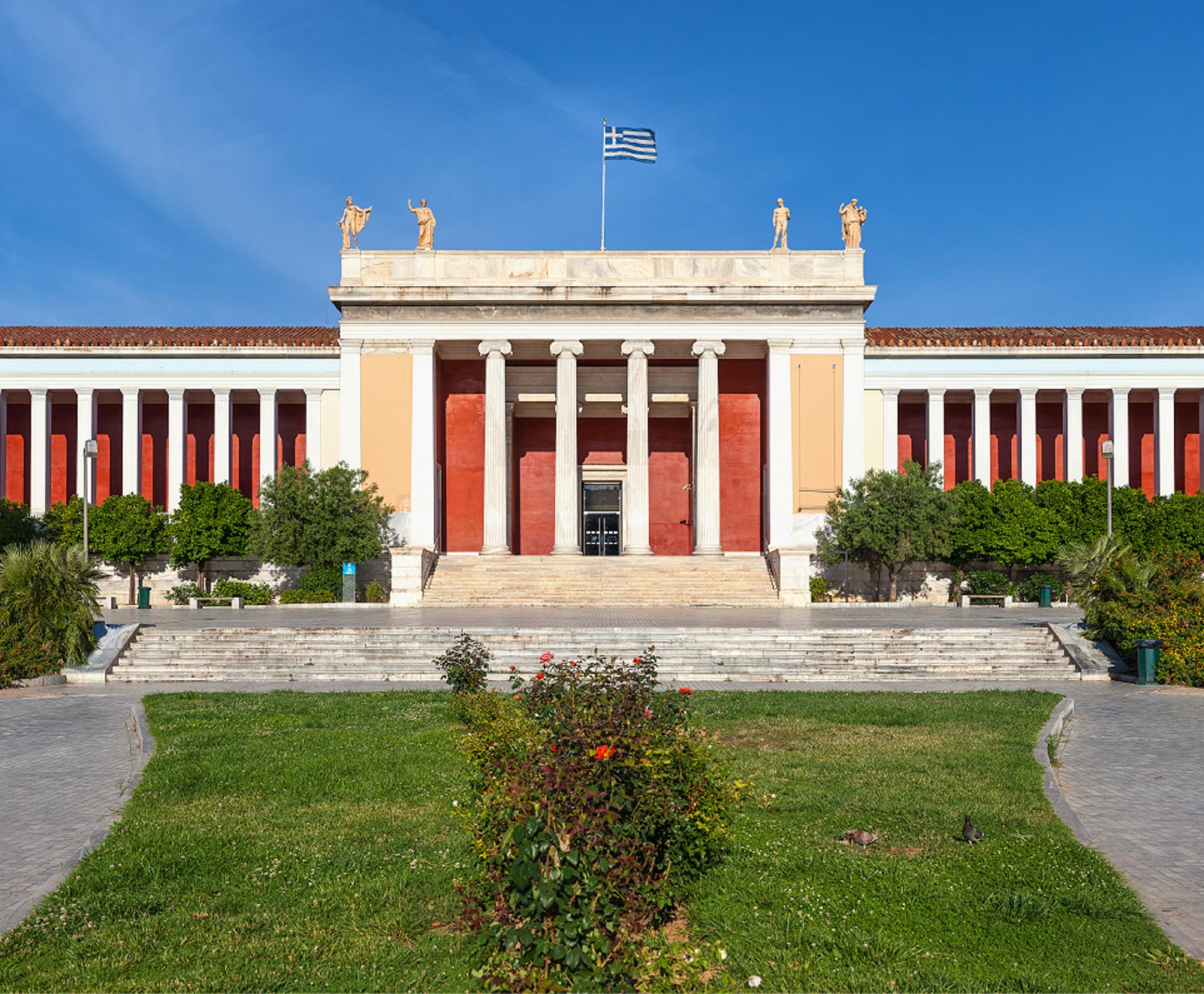
You won't find any famous modern sculptures in these halls. You will find statues and sculptures ranging from prehistoric section to late Antiquity. The Pan-Aphrodite-Eros complex is particularly compelling.
Grounds for Sculpture, New Jersey: Contemporary Sculpture
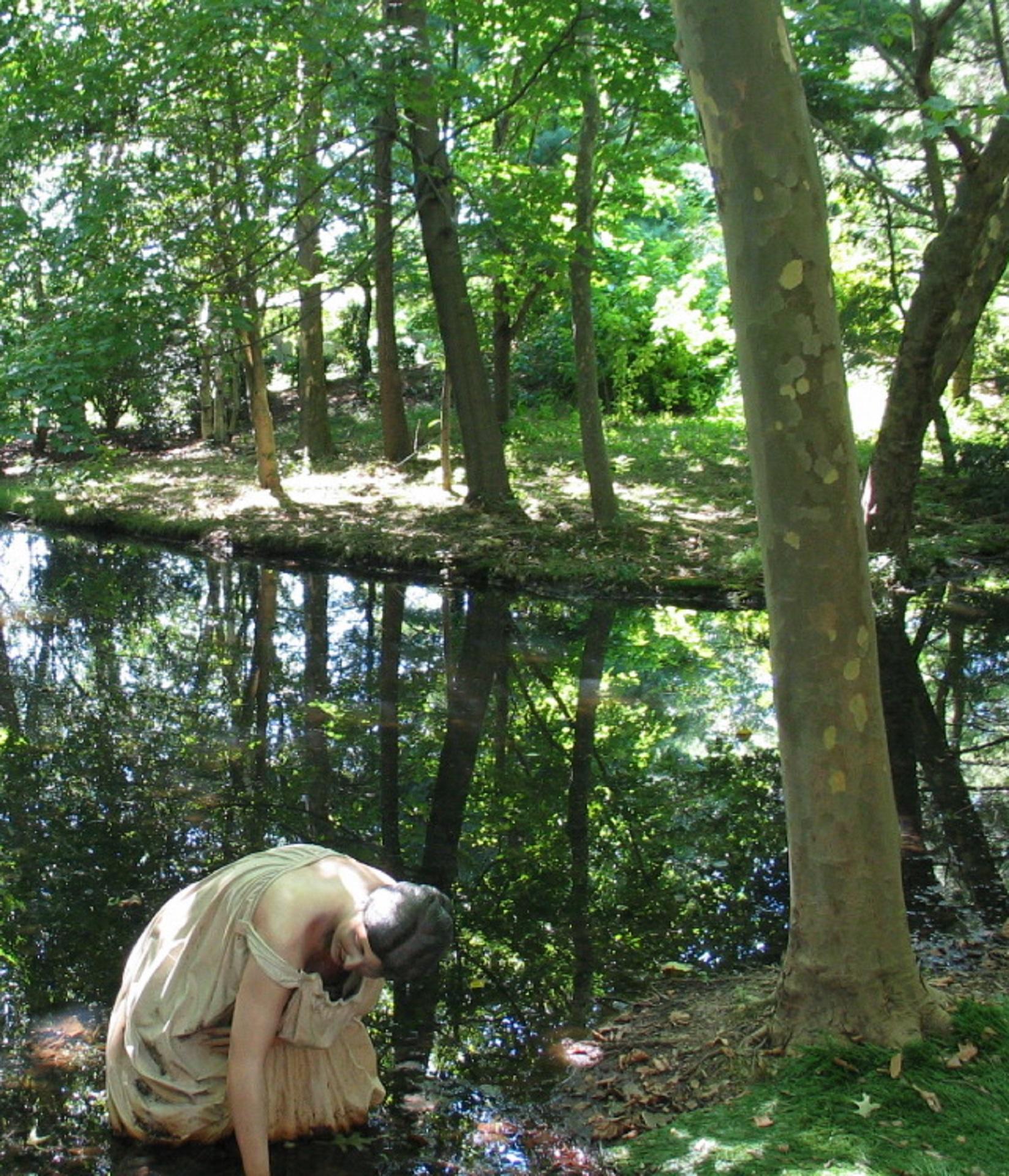
Like Paris, New York boasts one of the best collection of art museums and galleries in the world. Their collections are a lot like other statues in museums' sculpture gallery.
Posed against ideal backgrounds, these works deliver their maximum visual effect. This installation, a copy of a famous painting, is a prime example of such.
Grounds for Sculpture (GFS) offers art patrons a vastly different experience. This sculpture park promotes contemporary sculpture. It hosts exhibitions and community events to educate people on sculpting techniques. They even offer art classes for kids there.
Mausoleum of the First Chinese Emperor, Xi’an: Terracotta Warrior Army
This museum and archaeological complex is the only site-specific work our list features. Likewise, it's the only one that defies clinical description. It is impossible to convey its magnitude with mere words. Consider this writer who, in fact, did visit this complex.

It's difficult to describe the feeling of being in this army's presence. The timelessness of the human experience overwhelms you, as much as the awe over the obvious craftsmanship on display.
Since its initial discovery in 1974, even more battalions have come to light. Not only military figures, but musicians, acrobats, and animals. This 2005 Jackie Chan film helps convey these warriors' long history, as well as their purpose, and how extensive this collection is.
National Museum, New Delhi: Dancing Girl
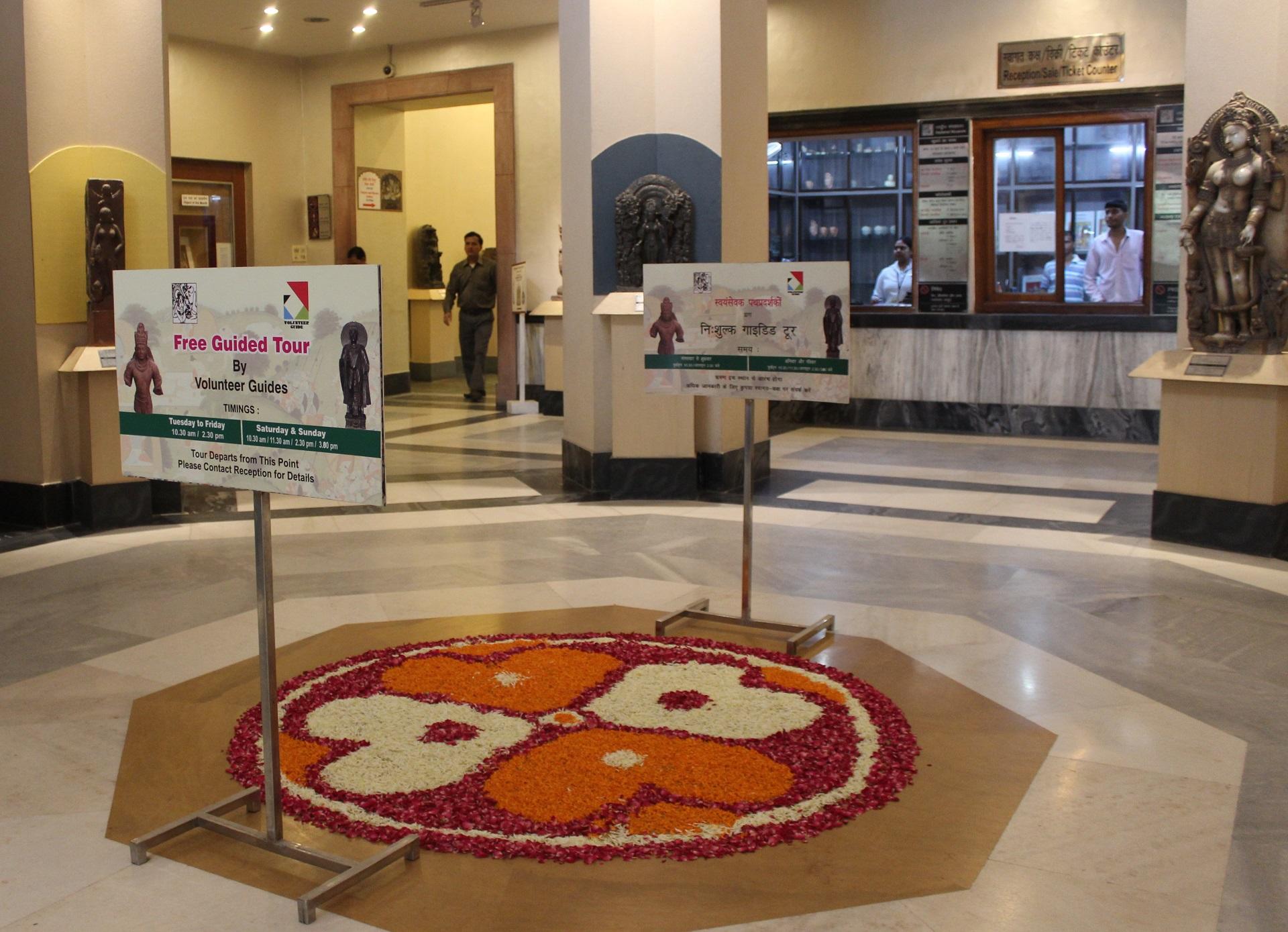
We end our grand tour of famous sculpture museums with our oldest statue yet. Dancing Girl, Mohenjo-daro is cheeky, for being possibly more than 4 000 years old. She stands 10.5cm tall, with one hand on her hip and a foot raised, as though frozen in mid-step for all eternity.
She's by no means the only statue this facility houses, but she is among the most remarkable. While you're there, be sure to look for Saraswati, Surya, and a gorgeous relief of the Goddess Ambika.
Summarise with AI:
Did you like this article? Leave a rating!


 Loading...
