

Before learning German grammar & cases, it is important to remember that the German language has three genders, as opposed to English, which is oddly conflicted, having two genders for pronouns (he and she) but none at all for nouns (or one, as ”the” is a neutral gender article.) The basic articles are: Masculine Feminine Neuter Der Die Das Definite Ein Eine Ein Indefinite


How Do You know if a German Noun is Masculine or Feminine or Neuter?
Generally speaking, when learning German vocabulary you should learn the gender with it - be sure to write it down in your vocabulary lists and flash cards. However, you will hopefully pick up a lot of vocabulary by immersion (reading or listening to German), and may sometimes be unsure of the gender. While some are without any visible logic, certain groups of words or certain suffixes always take the same gender. Here is how to recognise the gender of a German noun:
How to recognise masculine words in German
Masculine words include the points of the compass, most things to do with the calendar (days of the week, months, seasons) and words ending in: “-er” (”der Bäcker”, the baker) “-ich” (”der Teppich”, the rug) “-eich” (”der Bereich”, the area) “-ismus” (”Optimismus”, for example). 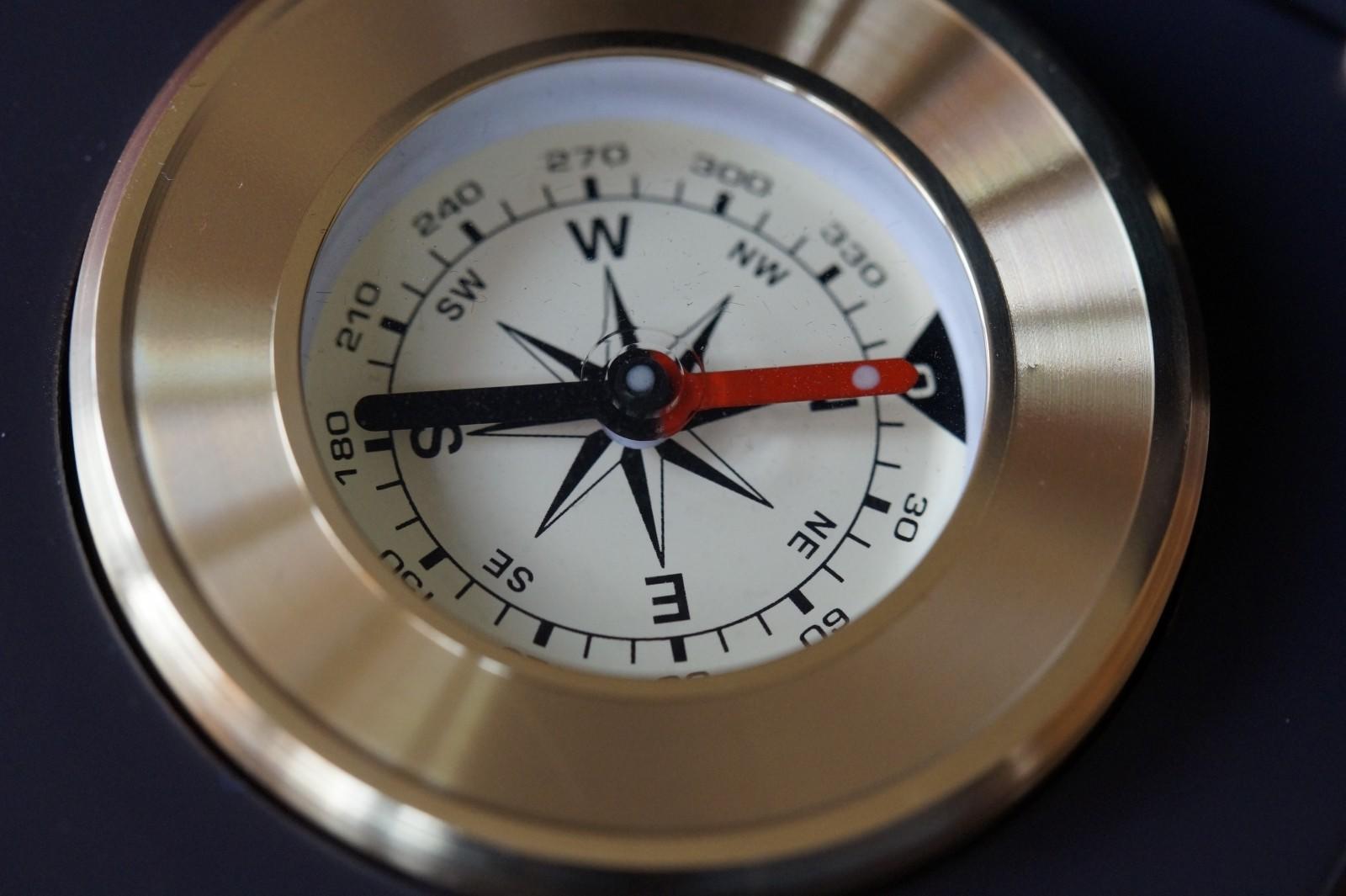
Photo via Visual hunt
An easy way to see if a German word is feminine
Feminine words in German include the cardinal numbers and the names of most plants and trees. The following endings indicate a feminine word: “-heit” (”die Freiheit”, freedom) “-enz” (”die Existenz”, existence) “-schaft” (”die Gesellschaft”, society) “-ung” (”die Bildung”, education)
Which German words are Neuter?
The chemical elements and any noun formed from an infinitive (”das Lesen”, “das Schneiden”) are neuter, as are nouns with the following endings: “-heit” (”die Freiheit”, freedom) “-enz” (”die Existenz”, existence) “-schaft” (”die Gesellschaft”, society) “-ung” (”die Bildung”, education)
The Nominative Case and Its Uses in German
The nominative case is the default case. It the case you learn when you learn German vocabulary and conjugation.
German Articles and Pronouns in the Nominative
Articles
Masculine Feminine Neuter Plural Der Die Das Die Definite Ein Eine Ein 0 Indefinite
Pronouns
Singular 1st Person 2nd Person 3rd Person Masculine Feminine Neuter Ich Du Er Sie Es Plural 1st Person 2nd Person 3rd Person Wir Ihr Sie The nominative is the case used for:
The subject of a sentence
Ich höre Musik. (I am listening to music) Der Mann lernt Deutsch. (The man is learning German.) Wir gehen einkaufen. (We are going shopping.)
The modifying noun in a sentence with “sein” (to be):
Ich bin ein Berliner. (I am from Berlin.) Dieses Pferd ist ein Einhorn. (This horse is a unicorn.) Die Prinzessin bin ich. (I am the princess.)
How To Use the Accusative Case in German

Photo via VisualHunt
The Accusative Articles and Pronouns in German
Masculine Feminine Neuter Plural Den Die Das Die Definite Einen Eine Ein 0 Indefinite Singular 1st Person 2nd Person 3rd Person Masculine Feminine Neuter mich dich ihn sie es Plural 1st Person 2nd Person 3rd Person Uns euch sie
The German Accusative Object
The accusative or direct object is the object (ha!) of the verb’s action. It answers the question “who/what is being verbed?” “Ich kaufe einen Brot.” I am buying (one loaf of) bread. What am I buying? Bread. “Brot” is the accusative object. NOTE: there is no such thing as an accusative indefinite plural article. Just as in English you would say “I am buying bread” if you are buying more than one loaf, so does German say: “Ich kaufe Brot.” “Ich hole Severin ab.” I am picking Severin up. Who am I picking up? Severin. "Er bringt uns zum Bahnhof." He is bringing us to the train station Die Mechanikerin repariert das Raumschiff. The mechanic is repairing the spaceship.
Which German prepositions use the accusative?
In German grammar, the nouns following prepositions take different cases depending on the prepositions. Here are the main German prepositions to take the accusative: Durch = through the action of, through Für = for Gegen = against Ohne = without Um = so as to Sie repariert das Raumschiff für den Pilot. She is repairing the spaceship for the pilot. Er wird nicht ohne sie abheben. He won’t take off without her. Durch das Können der Mechanikerin, geht der Hyperraumantrieb einwandfrei. Through/ Because of the mechanic’s expertise, the hyperdrive functions perfectly.
When to use the accusative with German locational prepositions
When using locational prepositions (in, auf, unter etc.), you use the accusative to indicate movement. 
Photo via Visual hunt
Use the accusative to indicate time, with or without the prepositions "über" and "auf"
Jeden Tag ist was neues am Raumschiff kaputt. Every day, something new breaks down in the spaceship. Über eine Stunde arbeitet die Mechanikerin schon dran. The mechanic has been working on it for more than an hour.
Units of measurements take the accusative in German
Als der Pilot ankam, ging sie einen Schritt zurück. When the pilot arrived, she took a step back. Ihr Schraubschlüssel war einen Meter lang. Her wrench was one metre long.
Understanding the Dative Case in German
Dative articles and pronouns in German Masculine Feminine Neuter Plural Dem Der Dem Den Definite Einem Einer Einem 0 Indefinite Singular 1st Person 2nd Person 3rd Person Masculine Feminine Neuter mir dir ihm ihr ihm Plural 1st Person 2nd Person 3rd Person uns euch ihr
The plurals of German nouns in the dative case
While, in general, the noun is not declined in German grammar, plurals take an “-n” at the end in the dative case, unless the plural is formed with “-s” or “-n”. Diese Raumschiffe sind leicht zu reparieren. These spaceships are easy to repair. Die Mechanikerin gibt den Raumschiffen viel Aufmerksamkeit. The mechanic gives the spaceships a lot of attention.
German grammar made easy: the dative or indirect object
In sentences, the indirect object indicates who the action is done for: Der Pilot bringt der Mechanikerin ein belegtes Brot. The pilot brings the mechanic a sandwich. Who does the pilot bring the sandwich to? The mechanic. The mechanic is the indirect object, and takes the dative case. Learn more about German sentence structure in this dedicated blog.
German prepositions that take the dative case
Remember these from your German lessons? The prepositions that take the dative are:
- Aus
- Bei
- Mit
- Nach
- Seit
- Von
- Zu
- Außer
- Gegenüber
Using locational prepositions with the dative in the German language
Though the accusative is used when motion is involved, the dative is used when a location is fixed. Er setzt den neuen Hyparantrieb in das Raumschiff. Her puts the new hyperdrive into the spaceship. The act of “putting” is a motion, so “in” takes the accusative. BUT: Der Pilot sitzt in seinem Sitz. The pilor sits in his seat. Here, he is not moving, so “in” takes the dative. 
Photo credit: Yoshikazu TAKADA via Visual hunt / CC BY
The German dative case is used to indicate time with prepositions other than “über” or “auf”
Der Hyperraumantrieb hat in der Nacht aufgegeben. The hyperdrive broke down during the night. An dem Tag, indem er kam, regnete es. It was raining on the day he arrived. Vor dem Schlafen putzt man Zähne. One brushes one’s teeth before sleeping.
German verbs that take the dative
Some verbs take the dative where an English-speaker would expect the accusative. "Danken", "gehören", "ähneln", "einfallen", "schmecken" are a few.
- Ich danke dir. (I thank you.)
- Das gehört ihm. (This belongs to him.)
- Sie ähnelt ihrer Mutter. (She resembles her mother.)
- Der Text fällt mir nicht ein. (I can’t remember the text.)
- Bohnen schmecken ihr nicht. (Beans don’t taste good to her.)
Some verbs have the dative built in - verbs with the prefixes “nach”, “bei” and “zu” (the same prepositions that take the dative), as well as those with the inseparable prefix “ent-”:
- Das Kind läuft seiner Mutter nach. (The childs follows its mother.)
- Er trat dem Schützenverein bei. (He joined the rifle association.)
- Sie schaut dem Spiel zu. (She is watching the game.)
- Er konnte dem Schicksal nicht entkommen. (He couldn't escape destiny.)
Learn more about German Verbs in this dedicated blog.
The Genitive Case in the German Language
The genitive is the only case in which the noun is declined - for most masculine and neuter words, by adding an “-s” at the end: Das Raumschiff des Pilots. The pilot’s spaceship. Der Hyperantrieb des Raumschiffes. The spaceship’s hyperdrive. Die Werkzeuge der Mechanikerin. The (female) mechanic’s tools. As you can see, feminine nouns are not declined in the genitive, only the article.
Genitive articles and pronouns in German
Masculine Feminine Neuter Plural Des Der Des Den Definite Eines Einer Eines 0 Indefinite Singular 1st Person 2nd Person 3rd Person Masculine Feminine Neuter meiner deiner seiner ihrer seiner Plural 1st Person 2nd Person 3rd Person unser eurer ihrer
The German possessive case: the genitive

Photo credit: ayearineurope via Visualhunt.com / CC BY-NC-ND
German prepositions that take the genitive case
Many of the prepositions that take the genitive are mostly used in very formal speech, but not so much in daily life. In fact, those that are used frequently tend more and more to be used with the dative instead. Here are a few of the more common ones: Wegen (because): Wegen der Reparaturen kann das Raumschiff nicht abheben. Because of the repairs, the spaceship can’t take off. Während (during): Während des Fliegens konnten die Reparaturen nicht gemacht werden. The repairs could not be done during flight. Trotz (despite): Trotz seiner vielen Macken liebt der Pilot sein Raumschiff. Despite its many faults, the pilot loves his spaceship. (An)statt (instead): Er ist froh, dass er statt eines Kopilots die Mechanikerin mit an Bord genommen hat. He is glad that he took the mechanic on board instead of a copilot. Dank (thanks to): Dank ihrer Arbeit kann er bald weiterfliegen. Thanks to her work he will soon be able to take off again.
German verbs constructed with the genitive
Again, verbs constructed with the genitive are seldom, but this group includes some commonly-used German verbs such as "helfen" adn "erfreuen":
- Der Pilot hilft der Mechanikerin bei der Reparatur. The pilot helps the mechanic with the repairs.
- Die beiden erfreuen sich des reparierten Raumschiffes. Both enjoy the repaired spaceship.
Photo credit: LostCarPark via Visual hunt / CC BY-NC-SA
Summarise with AI:
Did you like this article? Leave a rating!

 Loading...