
Haute couture is the highest standard of luxury fashion. Haute couture is a regulated type of fashion that combines technical craftsmanship, exclusive design, and cultural influence. Here's how it all works.
Key Takeaways
- Haute couture is the highest level of fashion design, combining handmade craftsmanship, exclusivity, and artistic innovation.
- Haute couture is legally protected in France and requires fashion houses to meet strict industry criteria.
- Haute couture garments are custom-made for individual clients using premium materials and specialised artisan techniques.
- The history of haute couture began in nineteenth-century Paris and continues to influence global fashion trends today.
- Haute couture differs from ready-to-wear and fast fashion through its bespoke production, limited availability, and luxury craftsmanship.
- Famous couture houses such as Chanel, Dior, and Givenchy helped shape high fashion and luxury clothing worldwide.
- Haute couture influences cultural identity, global fashion economies, and modern sustainability discussions within the industry.


Definition of Haute Couture and High Fashion
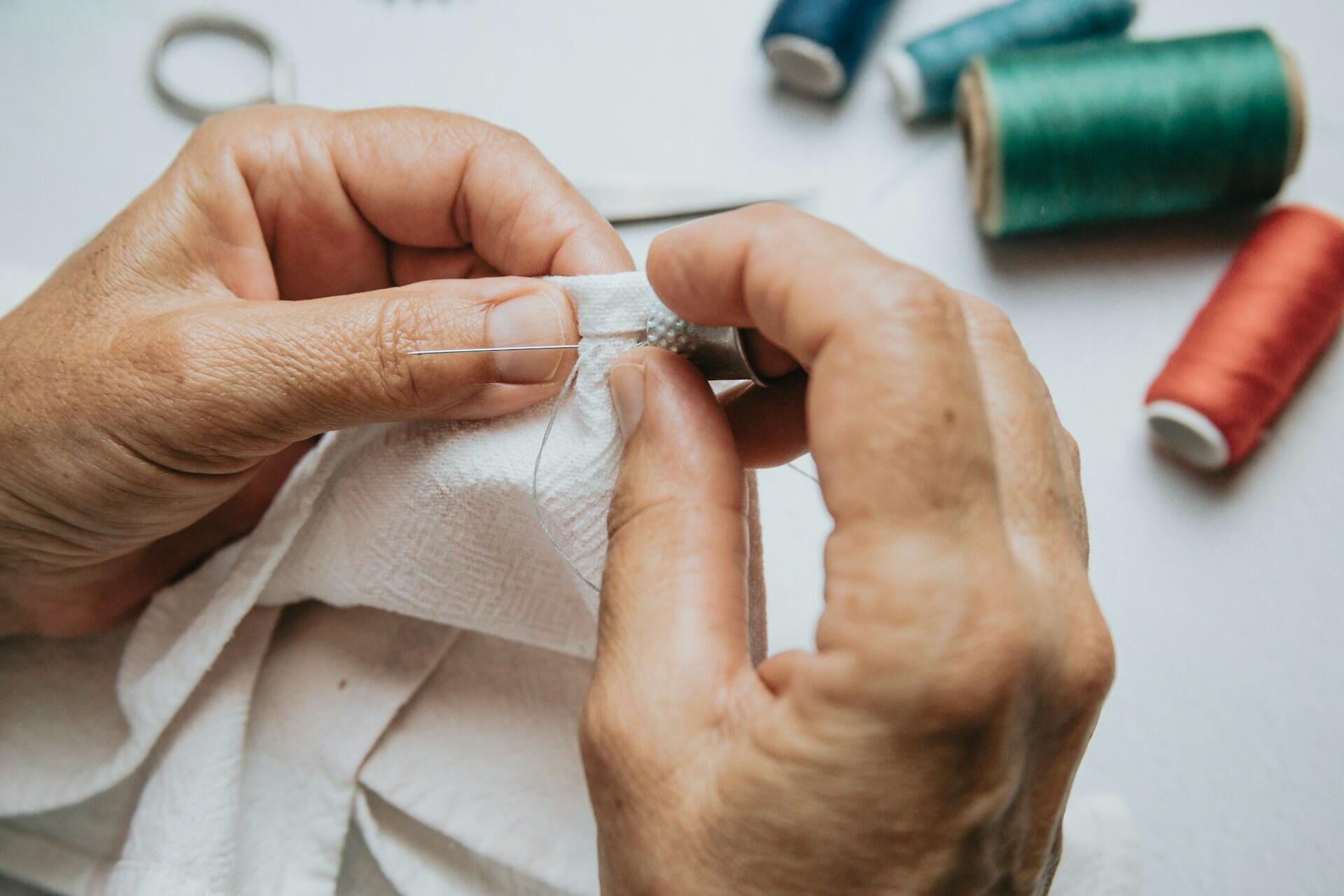
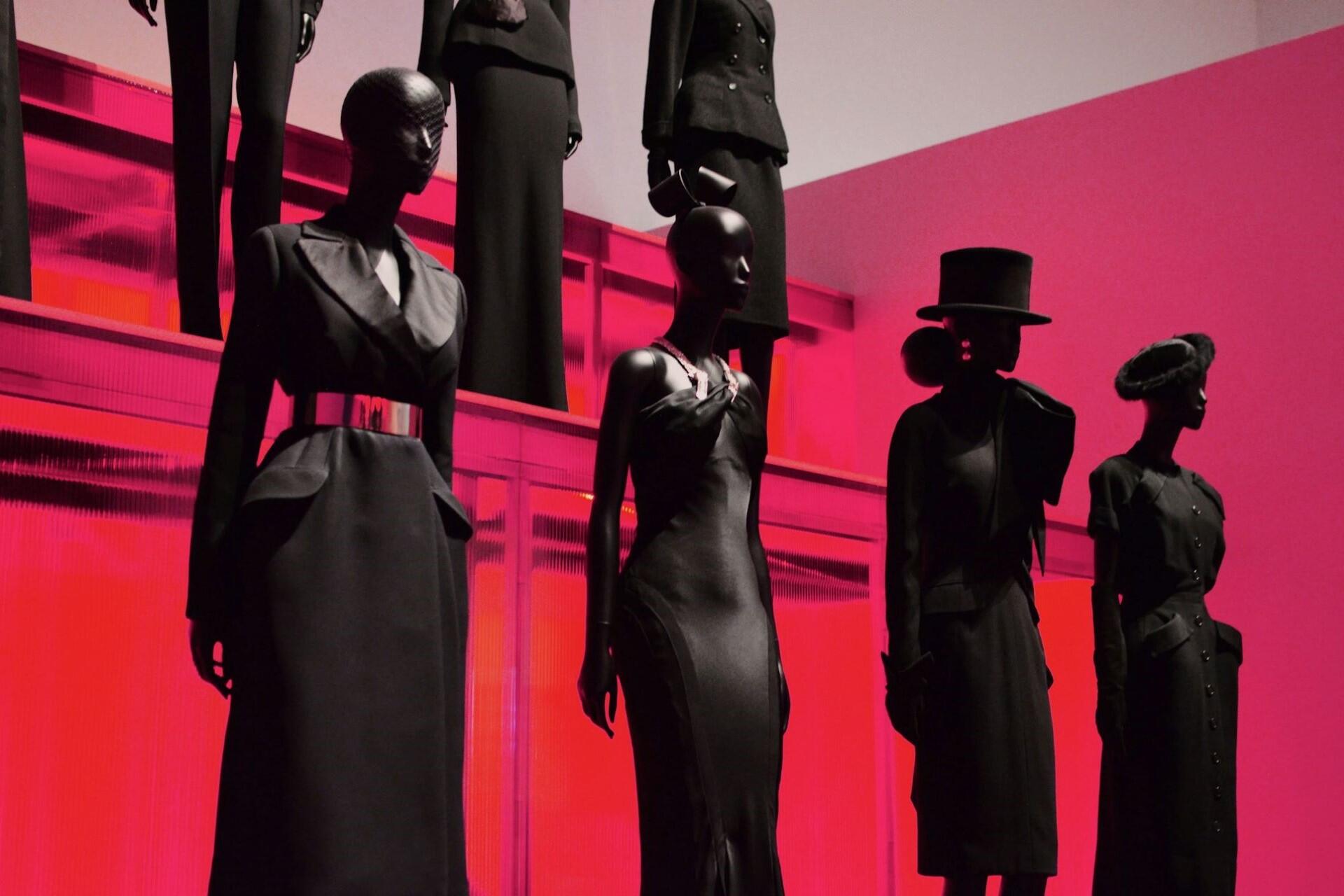
Haute couture is the highest level of fashion design.⁴ It combines artistry, craftsmanship, and exclusivity. In France, haute couture is legally protected, meaning only approved fashion houses may use the title.² Unlike general high fashion, which can include luxury ready-to-wear clothing, haute couture garments are handmade using specialised techniques.
Haute couture represents the pinnacle of luxury fashion, not simply because of its high price tag, but also because of its craftsmanship, exclusivity, and artistry. The term "haute couture" is protected by law in France, and only fashion houses meeting stringent criteria can be designated as such.² Haute couture garments are meticulously handcrafted, made-to-order for individual clients, and crafted from the finest materials available. They reflect a designer's creativity and expertise, making them not only a product of high fashion but also wearable art.
The History of Haute Couture in Fashion
The history of haute couture began in the mid-nineteenth Century with Charles Frederick Worth establishing the first recognised couture house in Paris.⁷ Haute couture expanded in the late nineteenth and early twentieth centuries.⁴ Haute couture underwent a revival after the Second World War. Today, haute couture evolves with digital innovation, sustainability efforts, and global cultural influences, though the top Australian designers, as good as they are, can't be haute couture unless they're based in Paris.

1858
Birth of Haute Couture
Charles Frederick Worth opens the first haute couture house in Paris, setting the standard for custom, made-to-order garments for elite clients.⁷
1868
Formation of the Chambre Syndicale
The Chambre Syndicale de la Couture Parisienne is established to regulate and standardise the growing haute couture industry in Paris.¹
Early 1900s
Paris Becomes Fashion Capital
Paris emerges as the centre of fashion, with couture houses influencing global trends and introducing new design techniques.
1945
Legal Protection of Haute Couture
Haute couture becomes officially regulated, requiring designers to meet strict criteria, including seasonal collections and bespoke tailoring for private clients.²
1947
Christian Dior’s “New Look”
Christian Dior's revolutionary "New Look" collection reshapes post-war fashion with feminine, voluminous skirts and structured jackets.
1960s–1980s
Expansion of Ready-to-Wear
Designers like Yves Saint Laurent bring couture to the masses with ready-to-wear collections, blending luxury and accessibility.
21st Century
Couture Adapts to Modern Times
Modern haute couture blends traditional techniques with digital innovation, embracing sustainability while shaping global fashion.
How Haute Couture Houses Operate Today
Haute couture still operates under strict regulations.¹ These are defined by the Chambre Syndicale de la Haute Couture in Paris. Fashion houses have to adhere to a set of requirements, including that items be handmade for individual clients.²
Requirements to Be Recognised as an Official Haute Couture House
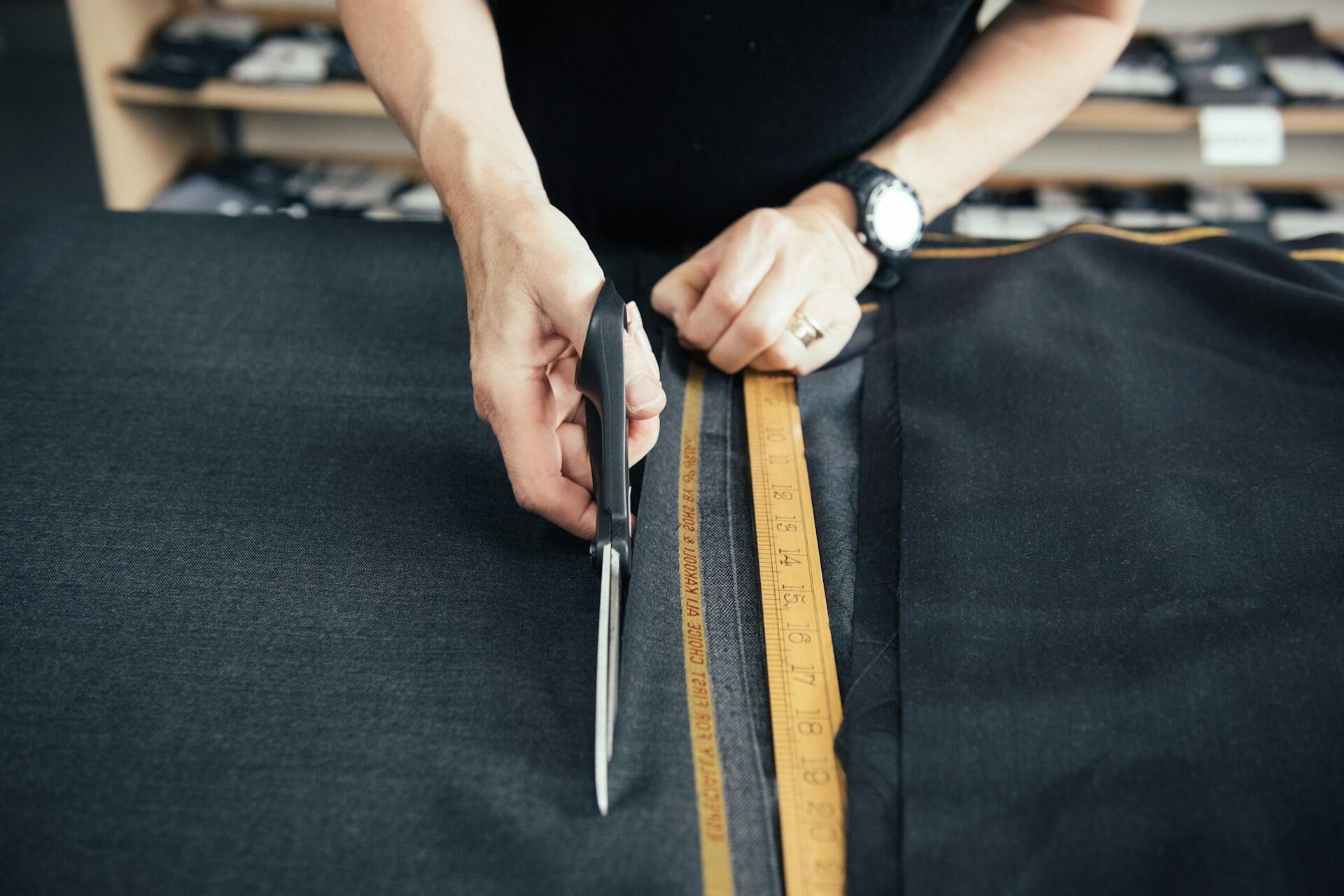
Every haute couture piece must be made-to-order for private clients and typically requires multiple fittings.
The fashion house must operate at least one workshop located in Paris, which serves as the centre of couture production.
Couture houses must employ a team of full-time artisans specialising in sewing, embroidery, tailoring, and textile craftsmanship.
Houses must present a minimum of 50 original designs twice per year, including both daytime and evening garments.
Recognition as a haute couture house requires certification and continued approval from the governing French fashion authority.
Haute Couture vs Ready-to-Wear and Fast Fashion
While haute couture is often used in common parlance to refer to luxury clothing, there are actually key differences between it and other types of fashion.⁵ You could imagine fashion as being on a spectrum, with haute couture at one end, then luxury clothing, ready-to-wear, and finally, fast fashion. Here's how they compare.
Haute Couture
- Custom-made for individual clients
- Produced using premium materials and traditional techniques
- Requires multiple fittings and skilled artisans
- Extremely expensive and exclusive
- Produced in minimal quantities
Ready-to-Wear
- Designed by luxury houses, but produced in standard sizes
- Available in retail stores for immediate purchase
- Offers a balance between creativity and mass-market accessibility
- Still high quality, but more affordable than haute couture
- Manufactured in larger quantities than couture
Fast Fashion
- Mass-produced and sold at low prices
- Inspired by runway trends but created quickly and cheaply
- Uses cost-efficient materials and production methods
- Available immediately to consumers at affordable prices
- Criticised for environmental and social impacts
Famous Haute Couture Houses and Designers
Haute couture isn't just the regulations that define it; it's also the fashion houses and designers that have operated under these strict requirements.⁶ These houses have produced exclusive, made-to-measure garments while also influencing global fashion trends and art. Most have decades or centuries of history. Here are some of the most famous ones.
Famous Haute Couture Houses and Designers

The Cultural and Economic Impact of Haute Couture
Haute couture has influenced global culture.⁵ It helps fashion to be seen as art and identity, while reflecting social movements, artistic trends, and cultural values, much like some of the top Australian fashion brands. It mirrors society at key moments in history, with designers using couture runway shows to showcase creative concepts, challenge beauty standards, and explore ideas about luxury and exclusivity.
Economically speaking, haute couture helps maintain the prestige and financial stability of fashion houses.⁶ Couture garments are produced in limited numbers for a niche clientele. Still, they're also powerful marketing tools that elevate brand reputation. Couture also supports artisan industries and keeps manufacturing practises alive in the face of fast fashion.
Sustainability and Ethical Challenges in High Fashion
Despite the craftsmanship on display in haute couture, there has been growing scrutiny regarding sustainability and ethical responsibility.⁶ Luxury garments require rare materials, complex supply chains, and labour-intensive processes that can have both environmental and social consequences. Haute couture might be designed to last, but the luxury fashion industry still contributes to resource consumption, textile waste, and carbon emissions with material sourcing, manufacturing, and global distribution networks.
There are also ethical concerns around labour practices and diversity within the industry. Haute couture houses employ highly skilled artisans, but labour standards across luxury fashion brands are more diverse, especially worldwide. Representation, inclusivity, and body diversity often face criticism.
References
- “Fédération de la Haute couture et de la mode.” Fédération de la Haute Couture et de la Mode, 1. https://www.fhcm.paris/en/federation-de-la-haute-couture-et-de-la-mode. Accessed 9 Feb. 2026.
- Kelly, Mark. “What ‘Haute Couture’ Really Means in French Law.” In Custodia Legis: Law Librarians of Congress, Library of Congress Blogs, https://blogs.loc.gov/law/2025/07/what-haute-couture-really-means-in-french-law/. Accessed 9 Feb. 2026.
- “Christian Dior (1905–1957).” The Metropolitan Museum of Art, https://www.metmuseum.org/essays/christian-dior-1905-1957. Accessed 9 Feb. 2026.
- “Haute Couture.” Encyclopaedia Britannica, https://www.britannica.com/art/haute-couture. Accessed 9 Feb. 2026.
- “The Complete Guide to Haute Couture.” Sotheby’s, https://www.sothebys.com/en/articles/the-complete-guide-to-haute-couture. Accessed 9 Feb. 2026.
- Stoker, Jamie. “The Inner Workings of Haute Couture.” British Vogue, https://www.vogue.co.uk/fashion/article/behind-the-scenes-at-haute-couture. Accessed 9 Feb. 2026.
- “Worth. Inventing Haute Couture.” Palais Galliera, https://www.palaisgalliera.paris.fr/en/exhibitions/worth-inventing-haute-couture. Accessed 9 Feb. 2026.
- “Worth.” Petit Palais, https://www.petitpalais.paris.fr/en/expositions/worth-0. Accessed 9 Feb. 2026.
- “Haute Couture.” Cambridge Dictionary, Cambridge University Press, https://dictionary.cambridge.org/dictionary/english/haute-couture. Accessed 9 Feb. 2026.
- “Haute Couture.” Merriam-Webster Dictionary, https://www.merriam-webster.com/dictionary/haute%20couture. Accessed 9 Feb. 2026.
Summarise with AI:
Did you like this article? Leave a rating!

 Loading...