
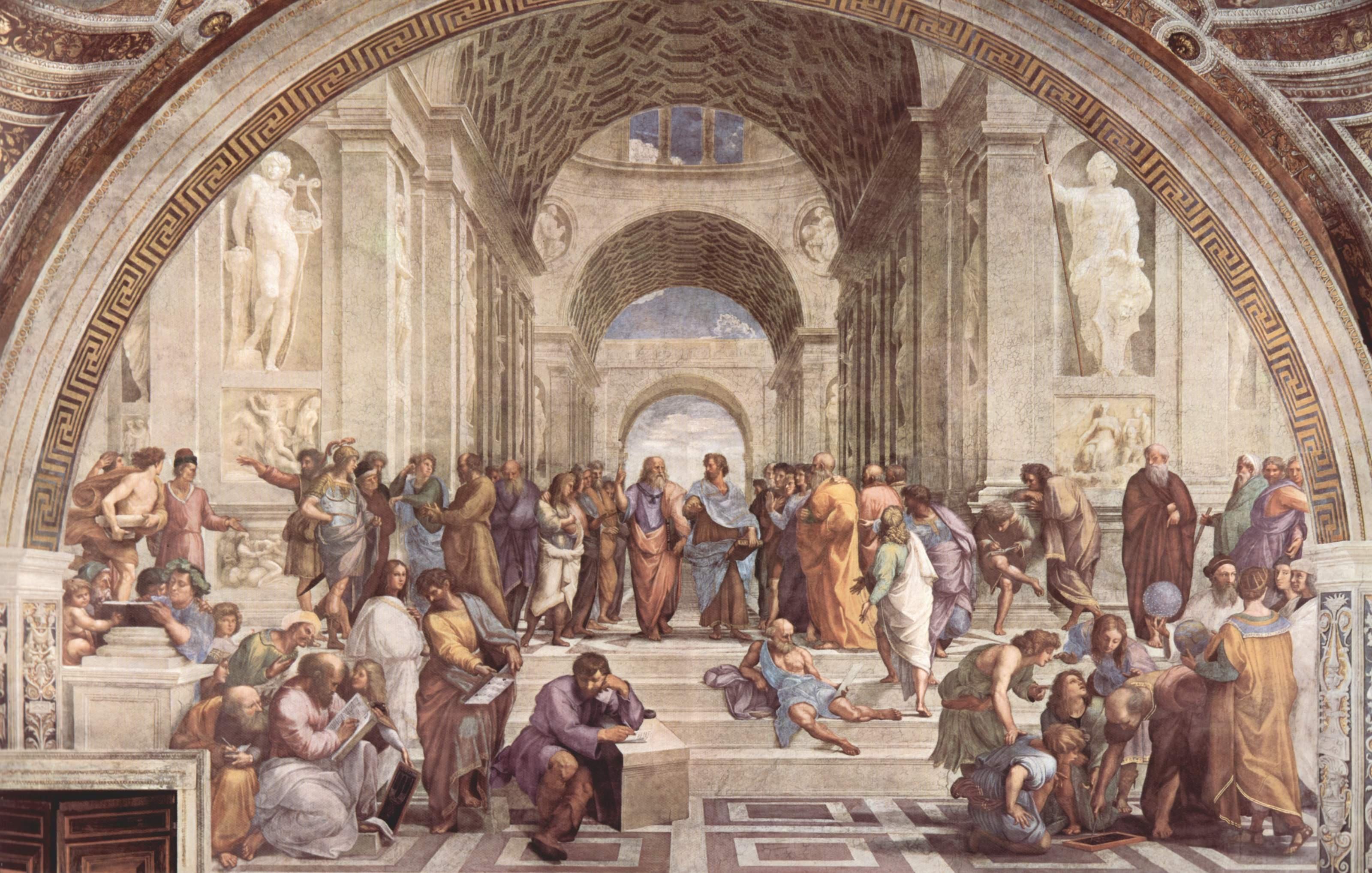

Italy, as we know it today, is only about 160 years old. Before its unification in 1861, it was a collection of states influenced by the ancient Roman system and torn apart by proxy wars waged by other European powers. This brief overview barely scratches the surface of Italy's rich culture and millennia-old history.
It's remarkable how this patchwork of states became a cradle for many of history's most renowned figures, contributing to art, literature, and politics that continue to resonate today. Feeling inspired to delve deeper into Italian history, culture, or learn the language?


Famous Italians in Politics
Since Italy (or the area that would come to be known as Italy) was a superpower for much of history, it’s no surprise that many famous people from Italy were/are in business and politics.
Julius Caesar (100 to 44BC)
As the most renowned Roman military leader and politician, Julius Caesar is not just a famous Italian. He's one of the most famous people to have ever lived. He was born in Rome in 100AD and died there in 44AD. He was a writer, politician, and Roman general. As a tactician and political genius, he became most famous for leading the Roman legions in their conquest of Gaul.
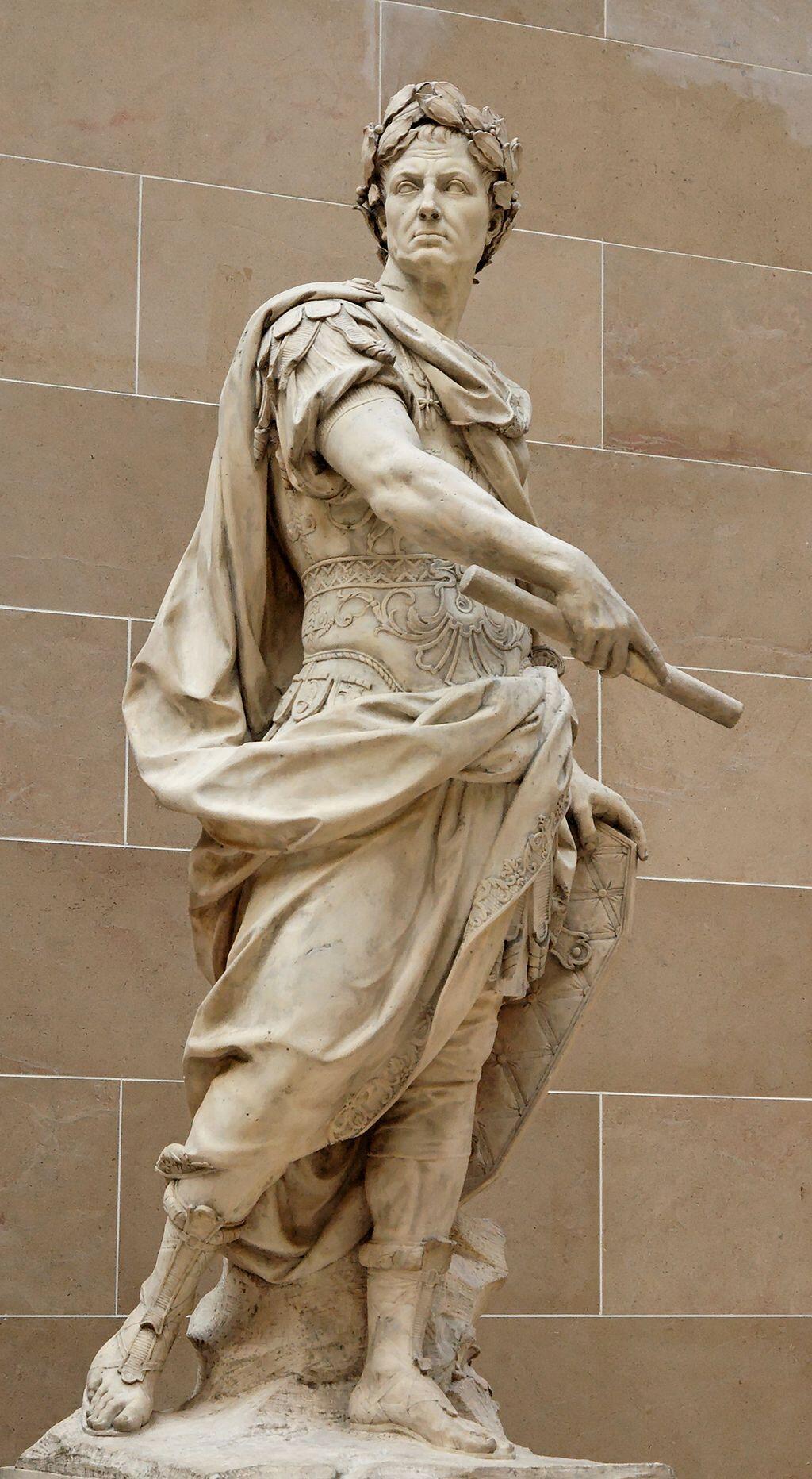
At the time of his conquest, Gaul covered an area that included much of modern-day France as well as parts of Belgium, Germany, and Italy.
He declared himself Dictator for Life in 48AD, but was assassinated 4 years later in the Senate in a plot the senators engineered. After his death, his adopted son Octavius reformed the Roman Republic.
As a leader, Caesar was instrumental in the rise of the Roman Empire. He implemented political and social reforms still used today. He authored the Julian calendar, which bears his name. It laid the foundations for today's standard Gregorian calendar (established in 1582).
The Julian calendar was introduced by Caesar in 46 BCE and became dominant during the Roman era. It laid the foundations for the Gregorian calendar (the calendar we use today) to be implemented in 1582.
Two noteworthy facts that I learned during my Italian lessons Sydney: the Council of Trent gave Pope Paul III permission to modify the calendar. It's not named after any Pope Gregory. Second fact: Caesar uttered that famous quote to downplay his victory at Pontus. It was not a standard tag line, as it's often portrayed.
Niccolò Machiavelli (1469 - 1527)
This Renaissance-era diplomat, author, and philosopher is renowned as the father of political science. Regrettably, his name became associated with crime, treachery, and deceit in politics.
To be sure, Machiavelli was not such a leader. His studies of politics led him to conclude that those practices are inseparable from political philosophy.
Like so many others on our list, Machiavelli was well-born and lived comfortably. His father was an attorney, likely descended from a long line of Gonfalonieres of Justice.
These government workers were instrumental in selecting staff to keep the state machine running.
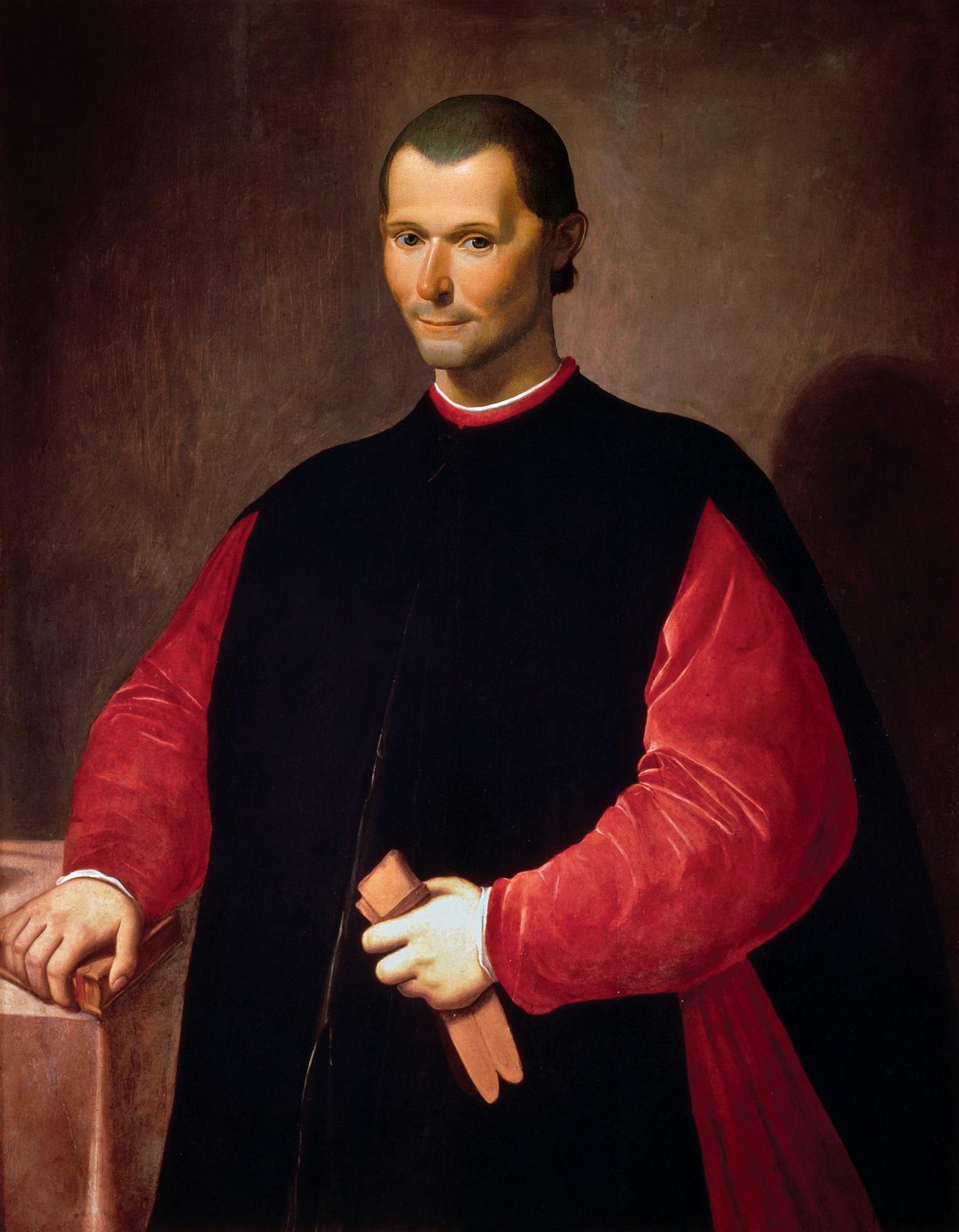
He accepted a government post while still a young man, quickly moving up the diplomatic ladder. He created a Florentine militia to fight crime, but all of his work failed to stop the Medici family's return. The Florentine Republic dissolved upon their return, and Machiavelli was imprisoned and tortured for his part in the resistance.
Upon his release, he retired from public life and began his writing career. His most famous work, The Prince, was published five years after his death. This volume has caused controversy ever since.
Some contend it's a tyrant's handbook, while others hail it as the most clear-headed treatise of political reality. Today, we describe tyrannical schemes as Machiavellian, implying all the deceit and cruelty this author recorded.
Benito Mussolini (1883-1945)
One of the most notorious politicians in Italian history, Benito Mussolini, founded the Fascist Party in 1919 and became the dictator of Italy from 1922 until his downfall in 1943. His regime emphasised authoritarian nationalism, with Mussolini styling himself as Il Duce ("The Leader") and promoting aggressive expansionist policies that played a significant role in the events leading up to World War II.
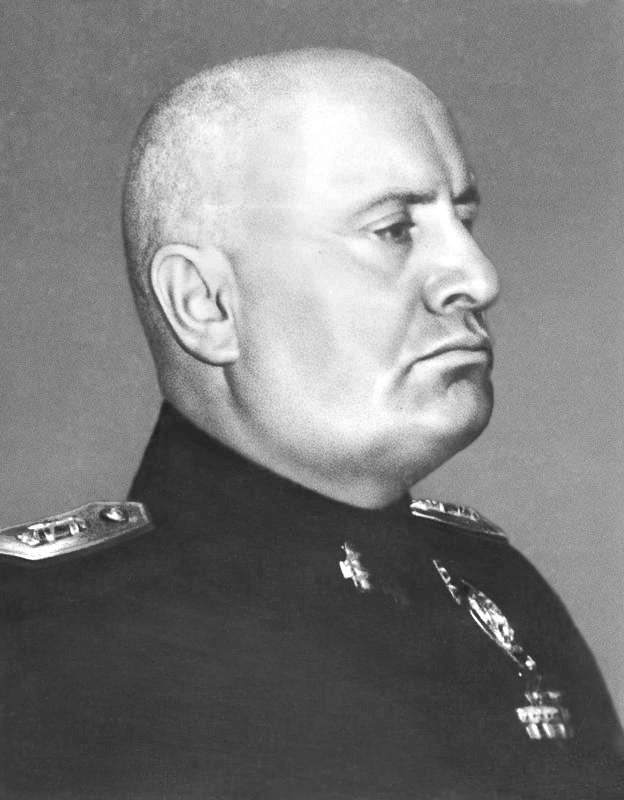
Mussolini's innocuous background hardly hinted at a revolutionary bent, let alone a dictatorial one. Born to a socialist smithy father, with a teacher for his mum, it's hard to see where his radical impulses came from.
He joined the Italian Socialist Party in 1912, just shy of his 30th birthday. However, he was expelled in 1914. He later created the National Fascist Party in 1921. Things went downhill from there.
Like so many dictators before him, Mussolini consolidated power and eliminated opponents as soon as possible. From then on, he ruled Italy with a cruel fist. The six attempts on his life are a testament to the Italian people's displeasure with his total power.
Learn more about Italian history and language with Italian classes Canberra here on Superprof.
Silvio Berlusconi (1936 - 2023)
Before being the career politician we knew him to be, Silvio Berlusconi was a businessman. Born in Milan in 1936, Berlusconi founded and directed Fininvest (a financial holdings company) and Mediaset (a media group).
In 1994, thanks to his centre-right Forza Italia political movement, he became prime minister for the first time.
Although he resigned, he later became the prime minister again in 2001-2006, and then again in 2008-2011.
After being convicted of tax fraud in 2013, he was banned from public office until 2019.
He had also been a Member of the Senate, European Parliament, and Chamber of Deputies during his career.
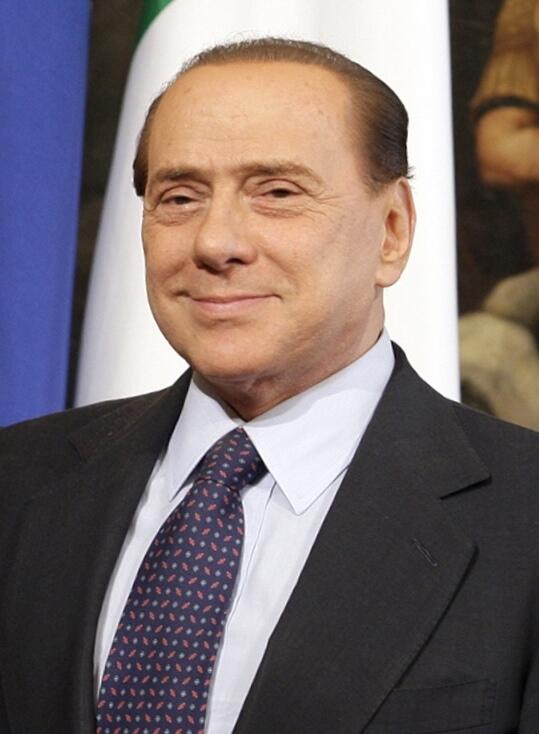
His fame comes from his political career as Prime Minister, his amassed fortune, the power he gained over media outlets that shaped public opinion, various scandals, and his flamboyant lifestyle and personality.
Federica Mogherini (1973 – )
Federica Mogherini is an Italian diplomat and politician who served as the High Representative of the European Union for Foreign Affairs and Security Policy from 2014 to 2019.
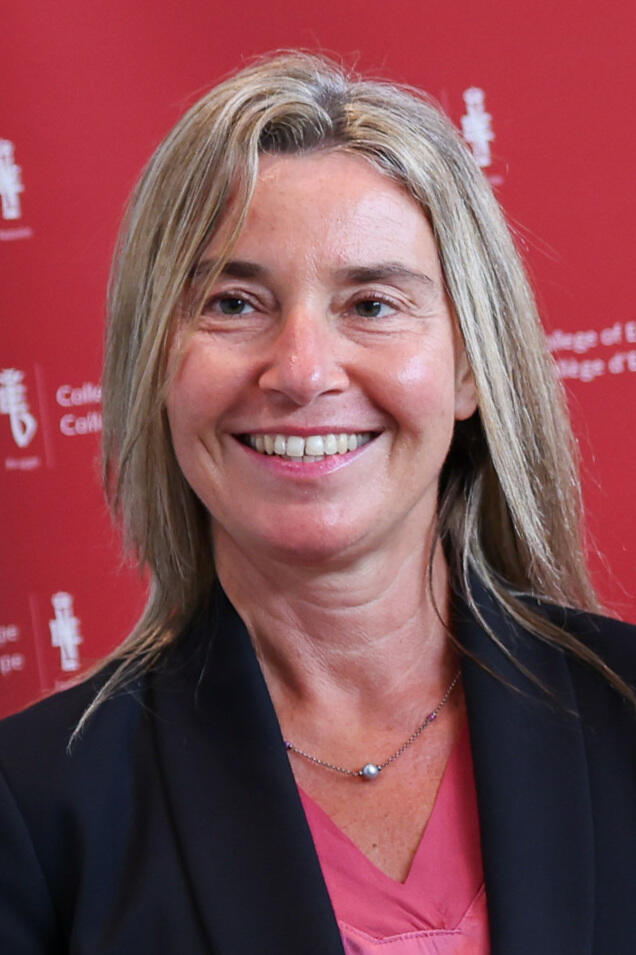
Federica Mogherini was born in Rome in 1973, studied political science, and specialised in political philosophy before starting her political career with Italy's Democratic Party.
When Mogherini was appointed Italy's Minister of Foreign Affairs in 2014, she was one of the youngest people to ever hold that position.
In the same year, she was selected to be the EU's top diplomat. She represented the EU in complex global issues, including climate change, migration, and security.
Consider exploring Italian classess Melbourne through Superprof tutors who can guide you in discovering this fascinating culture through language study.
Italian Explorers
Italy played a huge part in Europe’s discovery and colonisation of the New World, as well as exploration in the East and Africa.
Marco Polo (1254-1324)
Marco Polo was an Italian merchant and explorer. He was born in 1254 in Venice and died there in 1324.
Famous for his voyages to China, Marco Polo was as much a merchant as he was an ambassador to the first Mongol emperor of the Yuan Dynasty, Kublai Khan.
He subsequently became a messenger for the Chinese Emperor, Iran, and Russia and completed numerous missions across Asia.
The 13th-century work, Le Livre de Merveilles, which was transcribed by Rustichello da Pisa, details Marco Polo's experiences as told by the explorer himself.
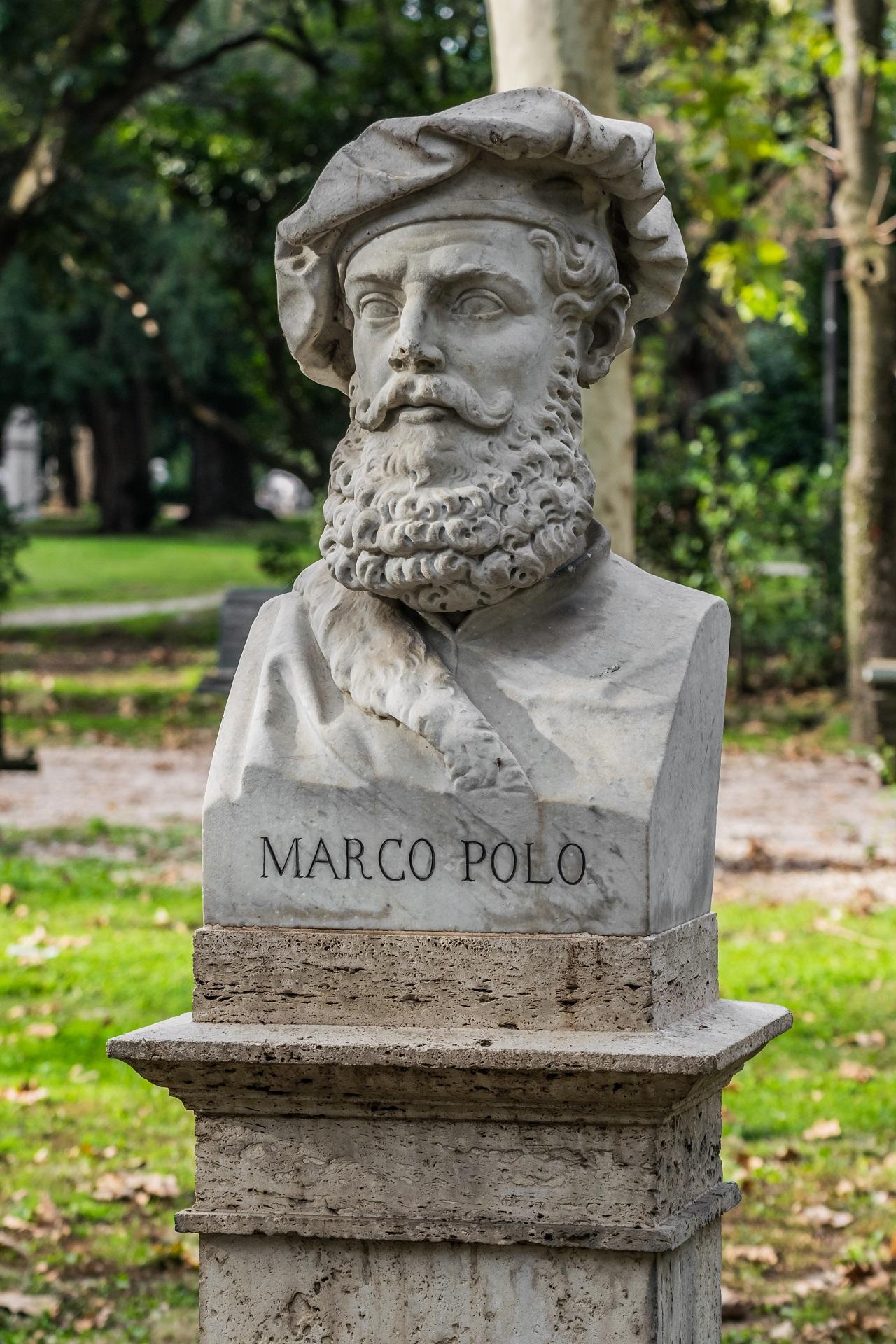
Marco Polo's Livre de Merveilles contains many interesting accounts of his first encounters with unfamiliar territories. Polo was one of the first Europeans to explore Asia, and due to having never heard of many of the flora and fauna of faraway lands, he wrongly believed some animals to be mythical creatures upon sighting them. One famous example of his blunder is his mistaking of a rhinoceros for a unicorn because of its horn!
His explorations influenced Christopher Columbus, who is said to have carried a copy of Polo's famous travelogue with him while on his travels.
Explore Italian culture with Italian classes Perth, you can learn more about Marco Polo's adventures and master travel-related Italian vocabulary!
Christopher Columbus (1451 - 1506)
Everyone knows the most famous European explorer, Christopher Columbus (AKA Cristoforo Colombo), but did you know that he is one of the most renowned Italian historical figures?
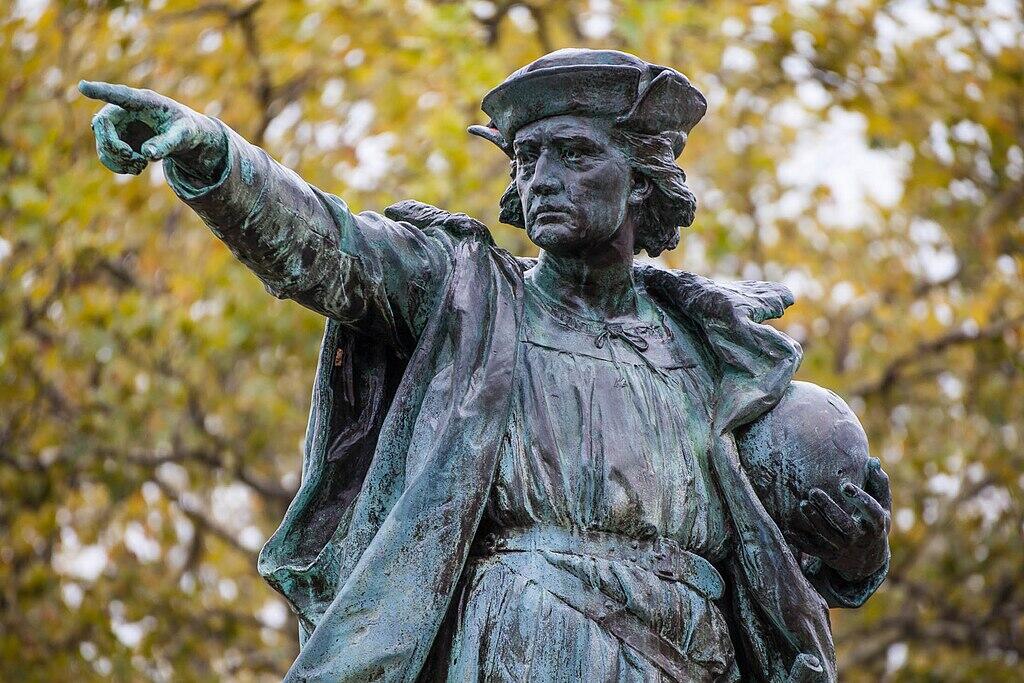
As the first European to cross the Atlantic in 1492, Columbus became famous when he returned from his first voyage to Spain.
Although he believed he arrived in the East Indies rather than the Americas, Columbus's voyage landed him in the Caribbean.
This one voyage changed the world forever, as Europe quickly began to colonise this new land and shaped the Americas as we know them today. Perhaps Columbus's most consequential contribution to European colonialism was the initiation of the transatlantic slave trade, after having captured indigenous Caribbean people.
It’s unclear whether Columbus ever accepted the fact that he had found a new continent rather than new islands off the coast of China, even though his contemporaries suspected this fact. It wasn’t proven that the land was indeed not the East Indies until after Columbus’s death.
Amerigo Vespucci (1451-1512)
Though Columbus is credited with being the first European to find the Americas, he wasn’t the only Italian invested in learning about this previously unknown land, which at the time was thought to be the East Indies.
Vespucci participated in at least two voyages (perhaps four, but scholars aren’t sure) during the Age of Exploration in 1499 and 1504.
After these voyages, two booklets were published under his name, although it’s unknown if he was the one who authored them.
Regardless, they conveyed important, new, and fascinating information about the discovery of the new land, and they were widely read across Europe. The booklets gave Vespucci the reputation of an explorer and navigator.
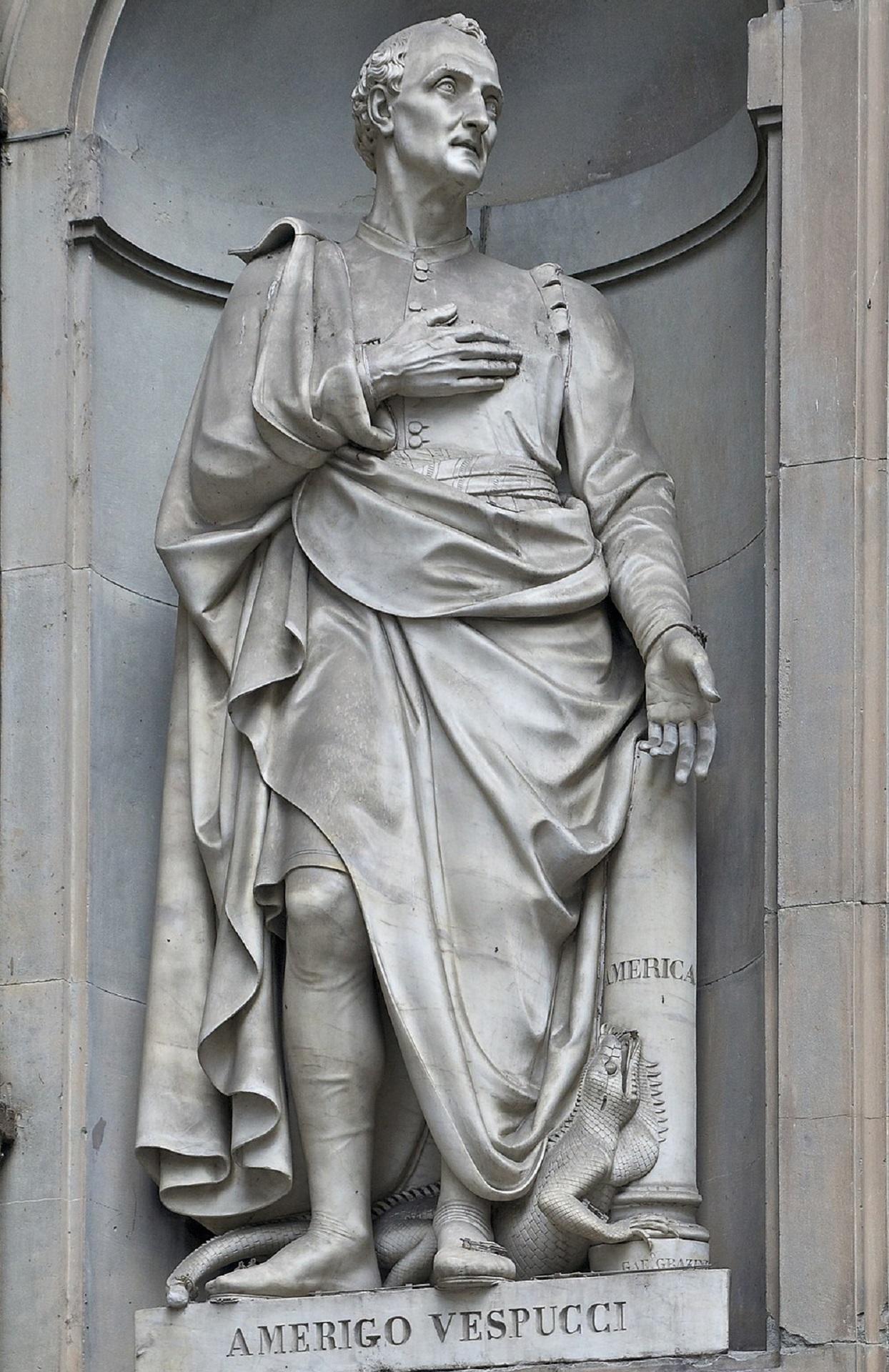
In 1501, he hypothesised that the discovered land that would come to be known as Brazil wasn’t actually part of East Asia, and was instead part of a previously unknown continent, which he dubbed the New World.
German cartographer Martin Waldseemüller was so inspired by this revelation that he labelled the new landmass as “America” (the Latinized form of “Amerigo”). From then on, people associated the New World with the name America, and that’s how North and South America got their names!
The name "America" comes from Italian explorer Amerigo Vespucci. A German mapmaker honoured him by naming the newly identified continents after him.
Italian Scientists and Inventors
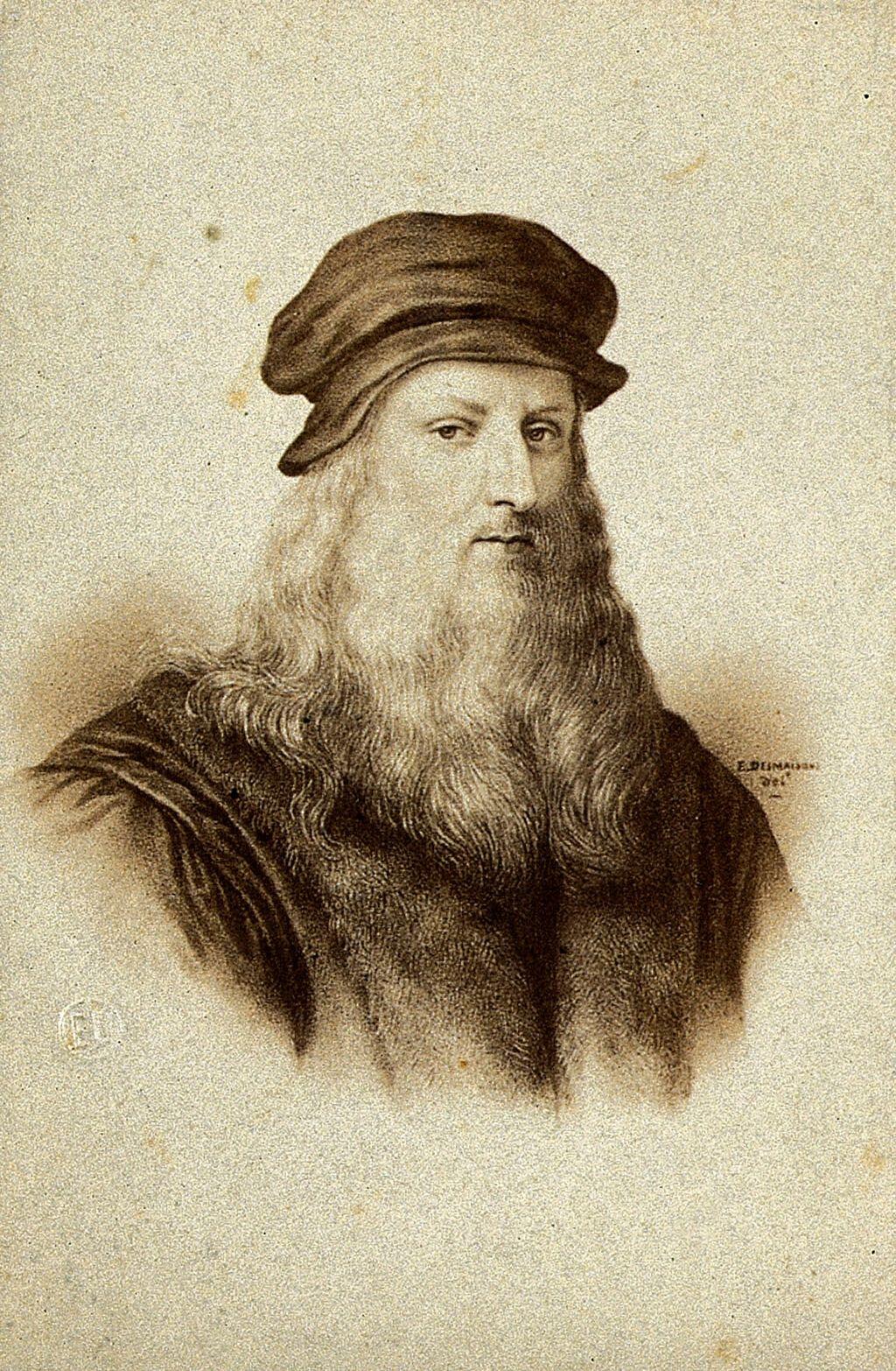
Leonardo da Vinci (1452 - 1519)
Da Vinci, whose real name was Leonardo di ser Piero da Vinci, has always been seen as a symbol of the Renaissance. A jack of all trades, and seemingly a master of all, too, Leonardo da Vinci was a painter, scientist, architect, mathematician, poet, diplomat, astronomer, and even a sculptor.
Da Vinci’s medical and anatomical studies, though enhanced with great artistic skill, were and still are influential in the medical field.
His drawings helped advance the understanding of early surgery and physiology.
In engineering, Da Vinci’s inventions, like the flying machine, may have seemed foolish at the time.
Still, they were centuries ahead of their time, and his calculations were used as inspiration in the development of modern aviation.
Da Vinci theorised aeroplanes, cars, submarines, and helicopters, as well as made critical discoveries in the fields of optics, anatomy, hydrodynamics, and civil engineering.
The number of invention ideas Da Vinci sketched out in his notebooks.
Galileo Galilei (1564-1642)
Part of the Scientific Revolution during the Renaissance period, Galileo is one of the greatest European scholars of physics, mathematics, astronomy, and geometry to have ever lived.
Born in 1564 in Pisa, Galileo was a pioneer of physics.
In fact, since 1680, he’s been considered the founder of the discipline.
Furthermore, he established the foundations of modern mechanics, making him one of the most famous Italians in history.
Galileo's passion for pursuing the truths that explain our place in the universe led him to make some remarkable discoveries in many fields, which paved the way for modern science.
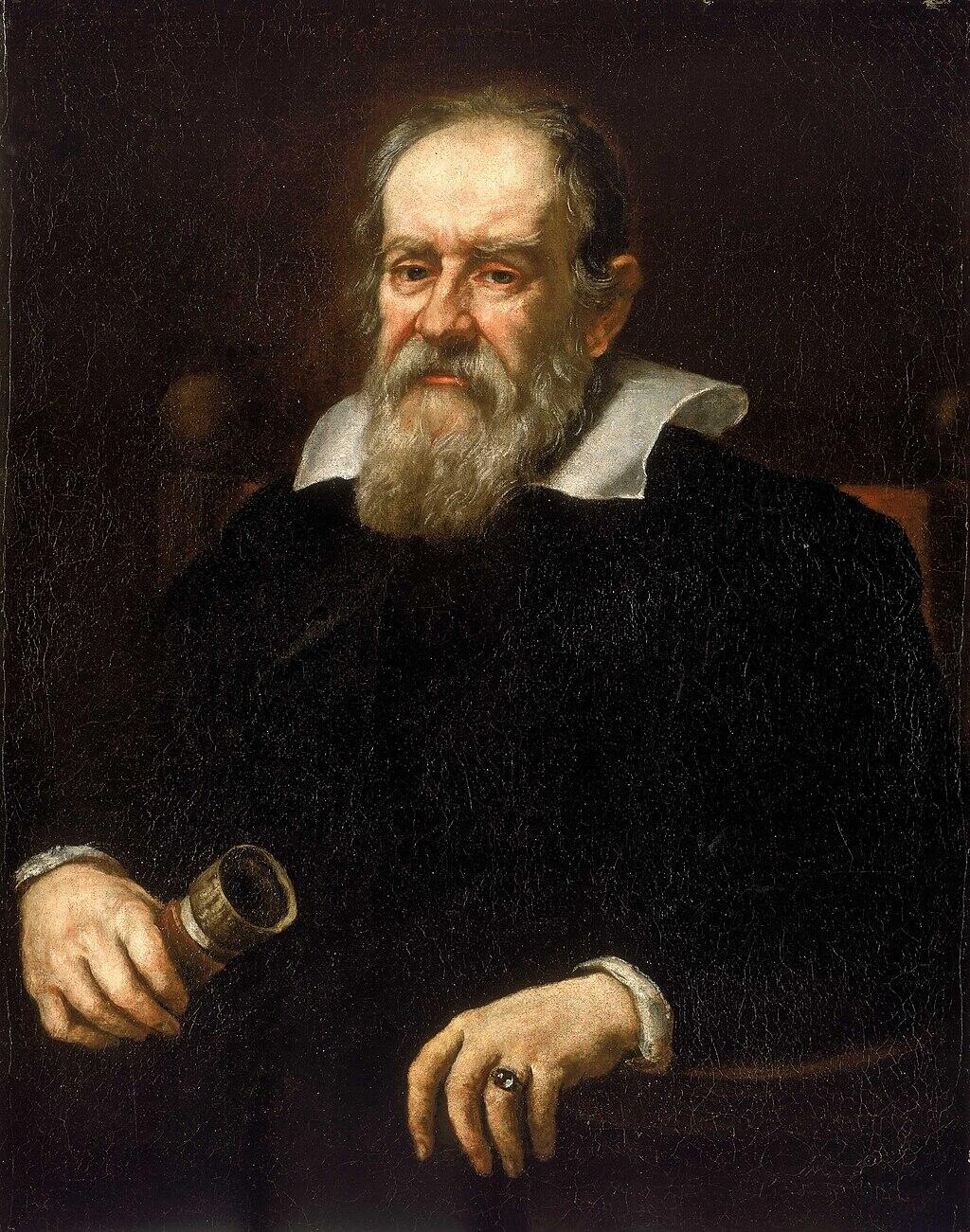
Measure what is measurable, and make measurable what is not so.
Galileo Galilei
Galileo's world was heavily involved with astronomy and understanding the solar system - he was even accused of heresy for suggesting that the planets revolved around the sun! Sadly, his passion for studying the universe landed him a life sentence in prison, once again for heresy because he supported the Copernican theory. Thankfully, Galileo was able to soften his punishment to house arrest, but sadly, he was not entitled to share his thoughts, and Galileo had to renounce his heliocentric beliefs publicly.
Discover Italian courses Adelaide here on Superprof.
Antonio Meucci (1808 - 1889)
Antonio Santi Giuseppe Meucci was an Italian inventor, and arguably the first to invent the telephone, rather than Alexander Graham Bell. Instead, he is known as a voice communication apparatus developer.
Meucci investigated electromagnetic voice communication for many years following his career in Cuba and, in 1856, he succeeded in broadcasting his voice through a wiring setup.
In 1857, Meucci created his telephone 'system' at home, so his disabled wife could call him, no matter where in the house he was.
Meucci lacked the funds to patent his inventions. Alexander Graham Bell was granted a patent in 1875 for the same type of device. Meucci was prosecuted for allegedly copying Bell and backdating his research.
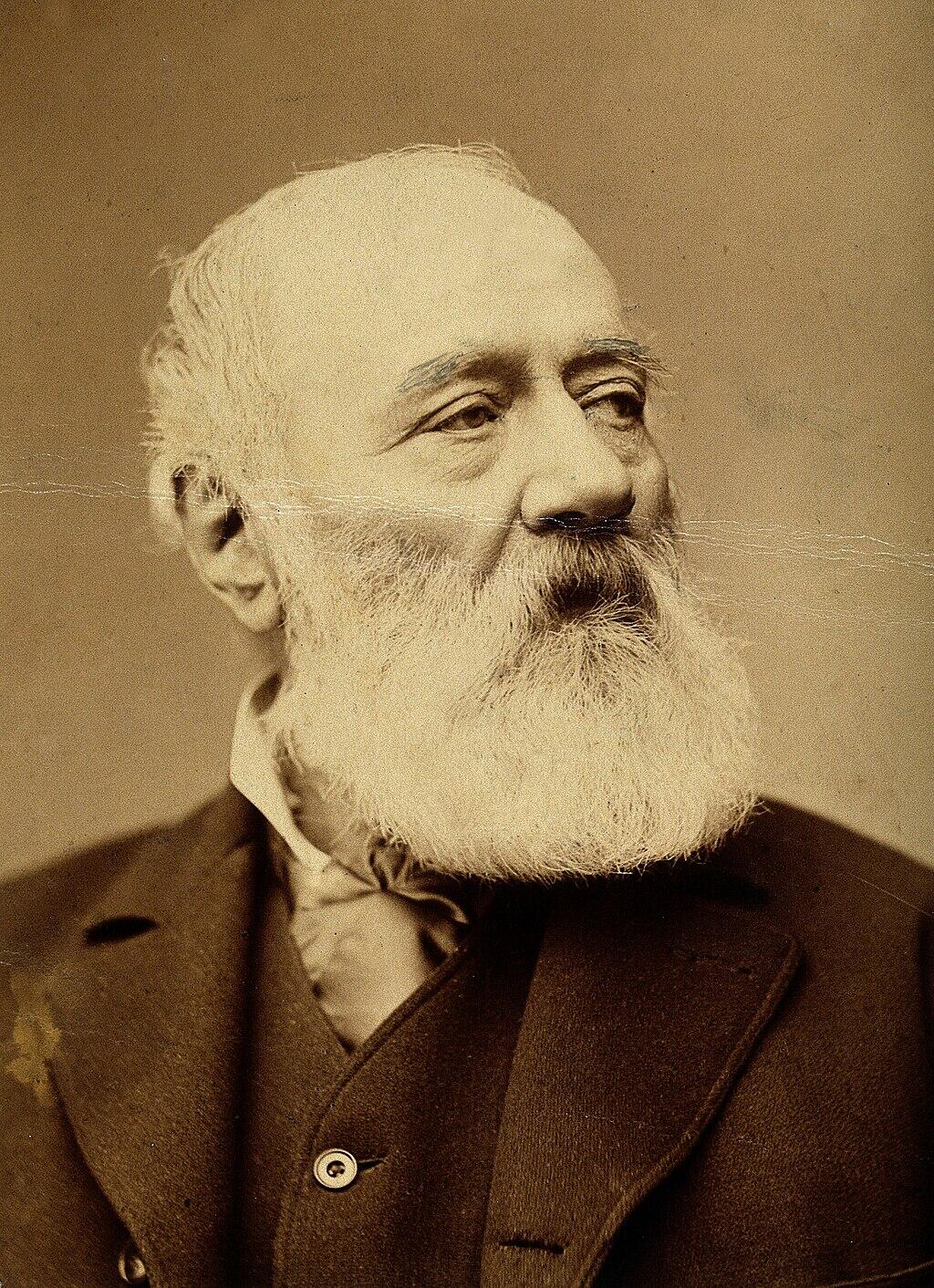
He continued inventing household equipment for the rest of his life. He patented many of them, including candle moulds, a lamp burner, and a method for testing milk.
It consists of a vibrating diaphragm and a magnet electrified by a spiral wire that wraps around it.
Antonio Meucci, describing his invention
Famous Italian Artists
Cultures are regularly observed by their contributions to the arts since they offer valuable insights into the society at the time, and none more so than Italian culture.
Dante Alighieri (1265-1321)
Dante Alighieri (real name Durante degli Alighieri) was a Florentine poet, writer, and politician. He was born in Florence in 1265 and died in Ravenna in 1321. He’s most famous for his epic poem La divina commedia, or The Divine Comedy.

Many historical sources credit Dante Alighieri with modernising the Italian language.
In fact, his literary masterpiece helped make the Tuscan dialect Italy's standard language.
Dante's literature didn't just enrich modern Italian; it practically constructed it.
Around the time Dante was writing, early in the 14th Century, the Italian vocabulary was rather sparse. He may well have been Italy's most prolific word inventor!
Dante's success in writing and word creation means that Italian language courses are rich with evocative terms. You only need to read his masterpiece to appreciate the richness of the language he authored.
Michelangelo (1475 – 1564)
Michelangelo Buonarroti (1475-1564) was one of history's greatest artists, excelling as a sculptor, painter, architect, and poet during the Italian Renaissance. At age 13, he began his apprenticeship under Domenico Ghirlandaio in Florence, where his extraordinary talent quickly became evident.
Though skilled in multiple mediums, Michelangelo considered himself primarily a sculptor. His marble masterpiece, David (1501-1504), standing 17 feet tall, revolutionised Renaissance art and remains an iconic symbol of human achievement. He also created elegant funerary monuments for Giuliano and Lorenzo de' Medici in the Medici Chapel at San Lorenzo.
In 1505, Pope Julius II commissioned Michelangelo to design his papal tomb—a troubled project that produced the powerful sculpture of Moses (1513-1515), notable for its intense psychological presence.
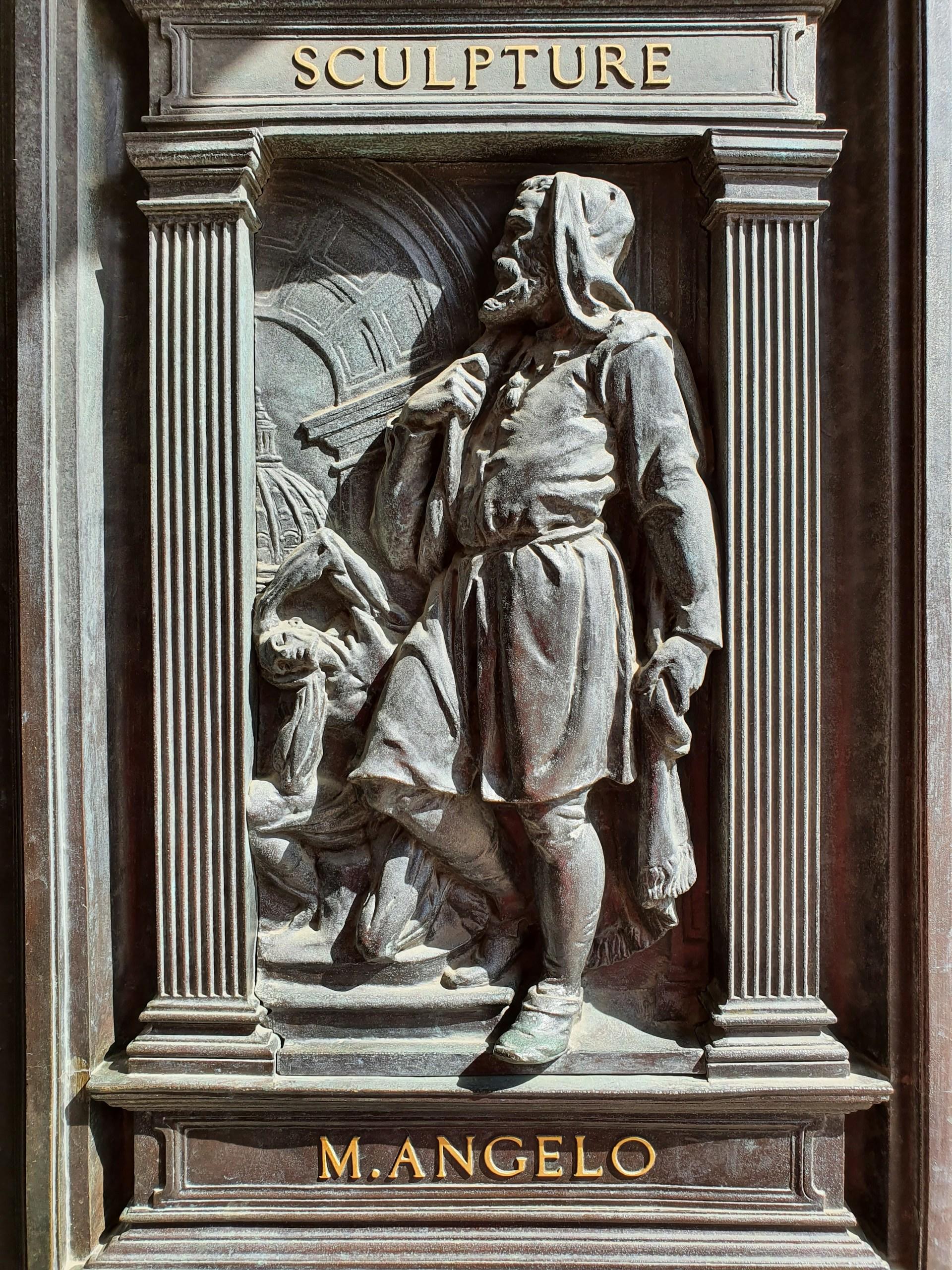
Perhaps his most famous achievement was painting the Sistine Chapel ceiling (1508-1512), where he created over 300 figures depicting biblical scenes, including the iconic creation of Adam. Decades later, he returned to paint The Last Judgment (1536-1541) on the chapel's altar wall, a darker work reflecting the religious turbulence of his later years.
Michelangelo's artistic genius lay in his ability to infuse marble and paint with profound human emotion and spiritual intensity.
Italian Musicians And Composers
Of course, Italy is known widely for its contributions to opera and classical music, which continues to be performed in its original Italian today.
Antonio Vivaldi (1678-1741)
Antonio Vivaldi was a famous composer and violin genius. Born in Venice in 1678 and died in Vienna in 1741, Vivaldi left his mark on classical music. He was one of the most important composers of the Baroque period.

You may have heard The Four Seasons, Stabat Mater and L’estro armonico - all of these are Vivaldi compositions.
We recognise Vivaldi's music by its bright and lively style. During his time as a composer, Vivaldi penned upwards of 500 concertos (the majority of which were for the violin). He also wrote 46 operas and arrangements for instruments and voices.
Many people don't know that, aside from being a musical genius, Vivaldi was also a music teacher at an all-girls school. He was also an ordained priest. However, he was forced to give up his priestly aspirations due to a decline in his health.
Learn Italian with Italian lessons Brisbane.
Giuseppe Verdi (1813 – 1901)
Verdi first showed musical promise at a young age. He started studying musical composition before getting his first big break in 1833, when he was hired to conduct at the Philharmonic Society in Busseto.
A leading Italian composer of opera in the 19th century, best known for operas such as Rigoletto (1851), Don Carlos (1867), Aida (1871), among many others.
Verdi's renown grew for his skill in creating melodies and his use of grand theatrical effects. His move away from the traditional Italian opera style added to his fame.
For the rest of the 1840s, and up until the 1870s, Verdi continued to rise in success and fame.
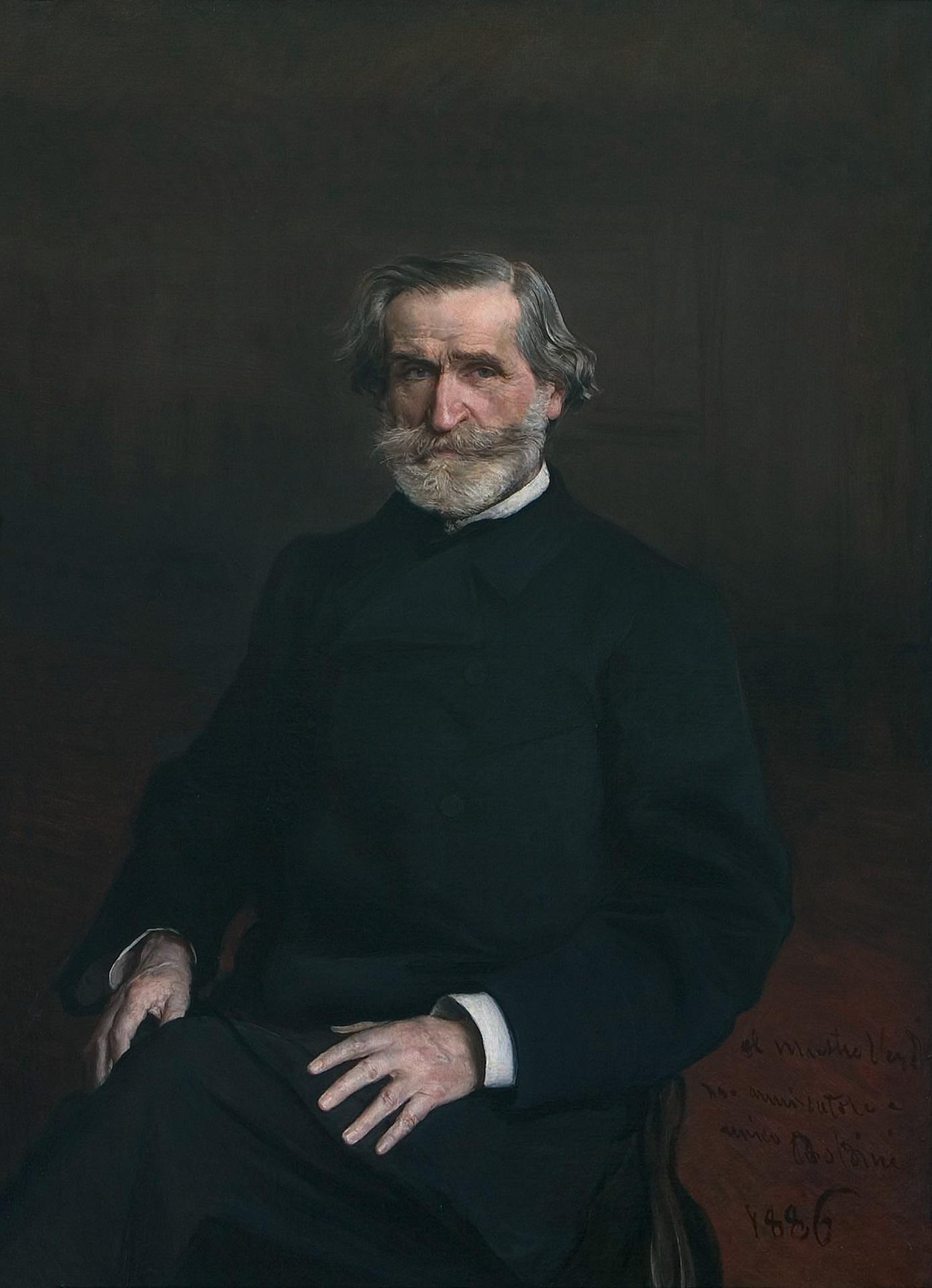
Despite planning to retire, in the mid-1880s, Verdi had one more opus to deliver. He collaborated with composer and novelist Arrigo Boito to complete Otello, based on Shakespeare's 'Othello'. It met with high acclaim throughout Europe, and continues to be regarded as one of the greatest operas of all time.
Giacomo Puccini (1858 – 1924)
Puccini was born to a family of church musicians. He moved to Milan in 1880 to study at the Milan Conservatory. As a student, he attended many performances at La Scala.
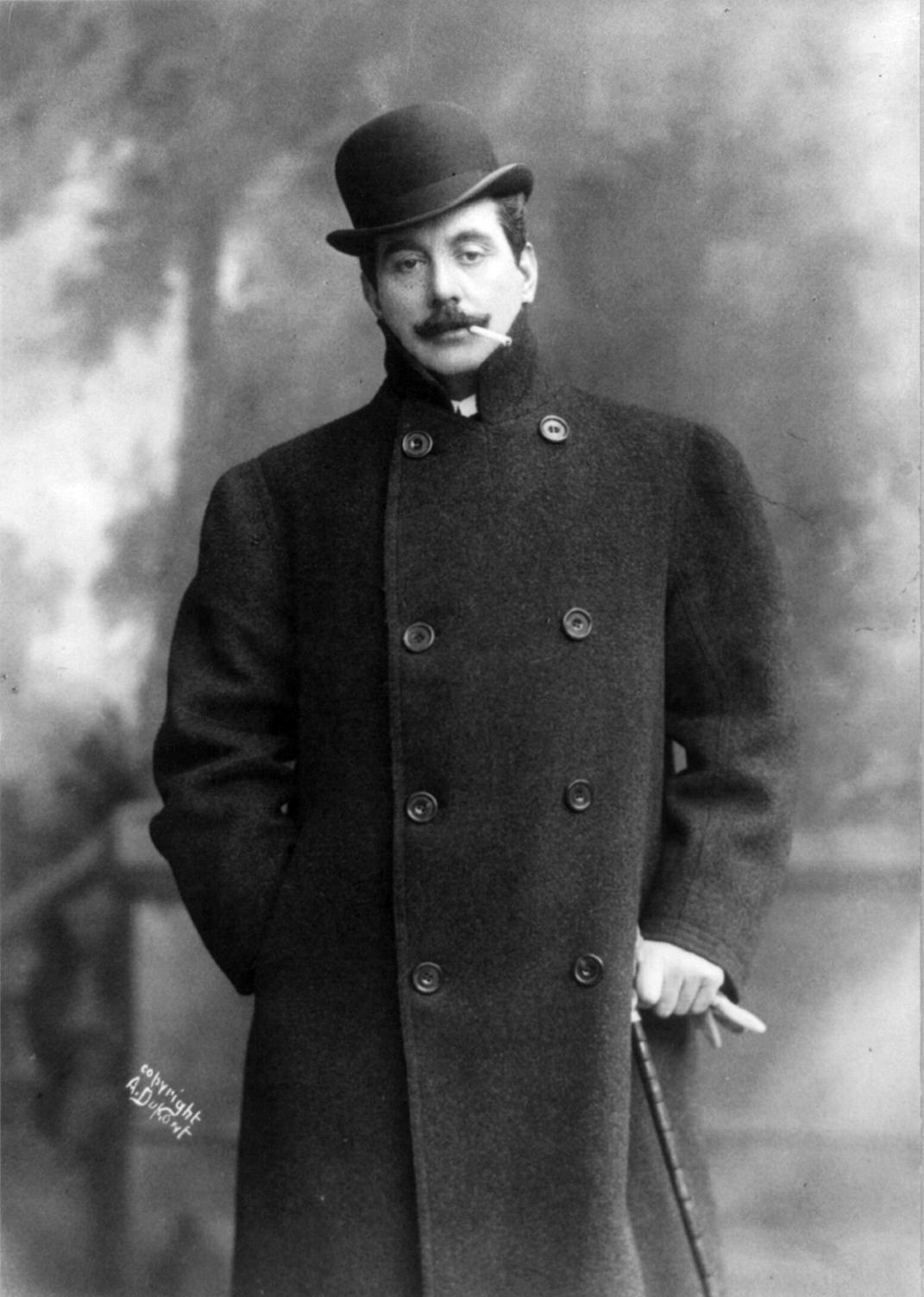
Puccini completed his first opera, the one-act 'Le villi', for the Sonzogno Competition. The judges rejected it. It premiered in 1884 with much success.
His second opera, Edgar (1889), was a failure, but his first mature work saw him claim the limelight.
While completing Manon Lescaut, Puccini joined librettists Giuseppe Giacosa and Luigi Illica to write three of his greatest operas. La Bohème (1896), Tosca (1900) and Madame Butterfly (1904) still play to sold-out houses. The latter was even made into a top Italian film.
Following the death of Giacosa in 1906, Puccini struggled to find inspiration. In his last years, Puccini began work on his final opera, Turandot, set in ancient China. Succumbing to throat cancer, he couldn't finish the final act. Franco Alfano completed this masterpiece, which premiered two years after Puccini's death.
Giacomo Puccini was, and remains, one of opera’s most popular composers. His operas are famous worldwide because of the high levels of drama brought into their plots. He infuses them with soaring melodies and writes great roles that perform well.
Luciano Pavarotti (1935-2007)
Luciano Pavarotti was an Italian operatic tenor. Born in 1935 and died in 2007 in Modena, Pavarotti was known as one of the greatest opera singers of his generation and one of the most famous Italian singers.
With over 100 million albums sold worldwide, he is not only famous for his voice, but also for his success in bringing the classical style of opera to popular culture.
Well-established in his genre, Pavarotti crossed over to pop. He collaborated with Mariah Carey, U2, and Barry White, among others, and performed many beloved songs.
However, it was not just his crossover into pop with help from other famous names that made Pavarotti a household name.
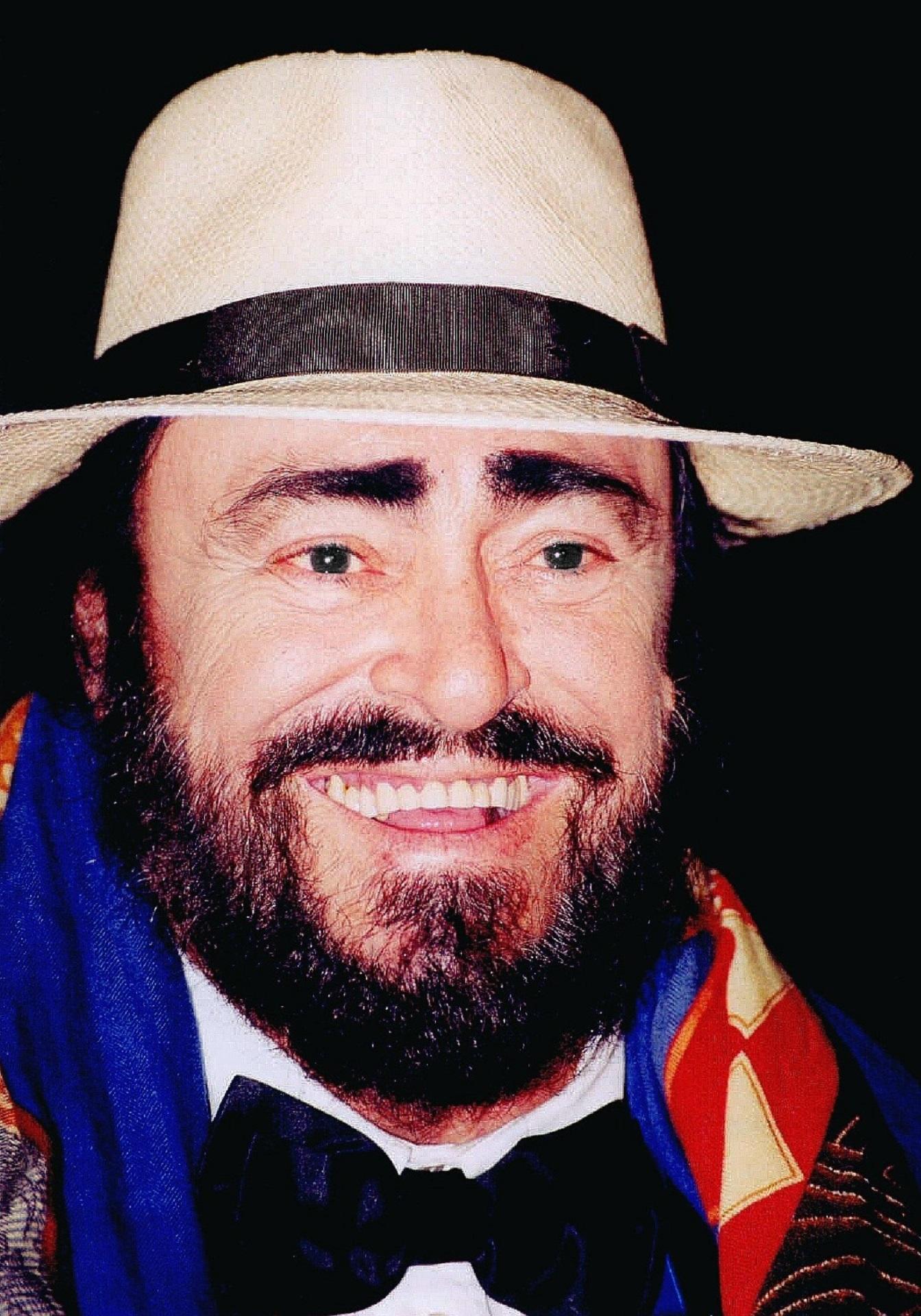
Pavarotti's humanitarian work involved raising awareness of world issues. These initiatives earned him the title of United Nations Messenger of Peace in 1998. He also lent his voice to humanitarian causes such as War Child.
Have you considered taking Italian lessons with a private Italian tutor?
Andrea Bocelli (1958 - )
Another one of the world's most famous singers is also an Italian export. Andrea Bocelli is an Italian singer born in Lajatico in 1958. Andrea Bocelli is known around the world for his tenor vocal talent, having performed many operas and released a plethora of albums that were popular in the classical community as well as being incredibly successful in the music charts.
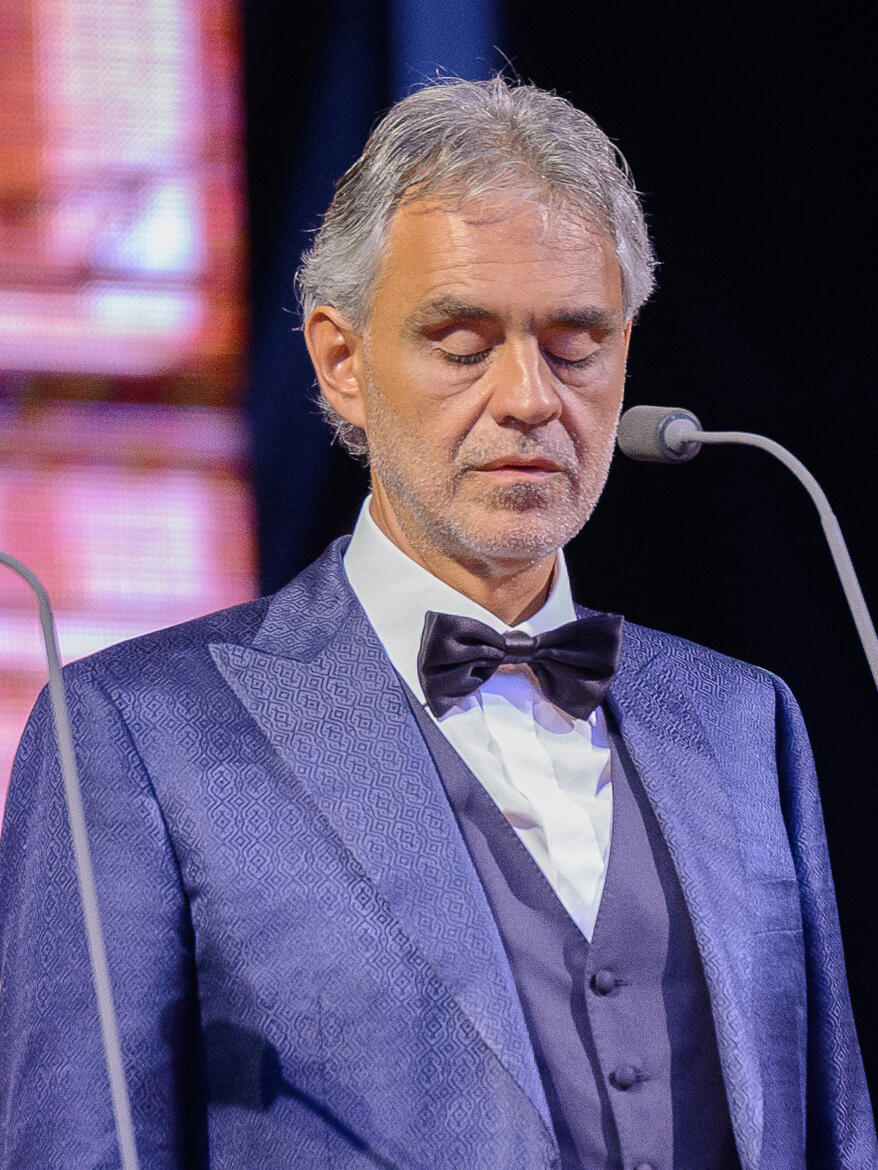
The singer (who has been blind since the age of 12) has sold over 80 million albums around the world.
Bocelli has risen to fame not only in the world of classical music but he is also known for his pop music, too. You should check out Con te partirò, Vivo per lei, or Romanza.
Andrea Bocelli's contributions to music have earned him a star on the Hollywood Walk of Fame, and he has also been given the title of "Grand Officer of the Order of Merit" of the Italian Republic.
You can also learn Italian with online Italian courses.
Summarise with AI:
Did you like this article? Leave a rating!


 Loading...
Nice