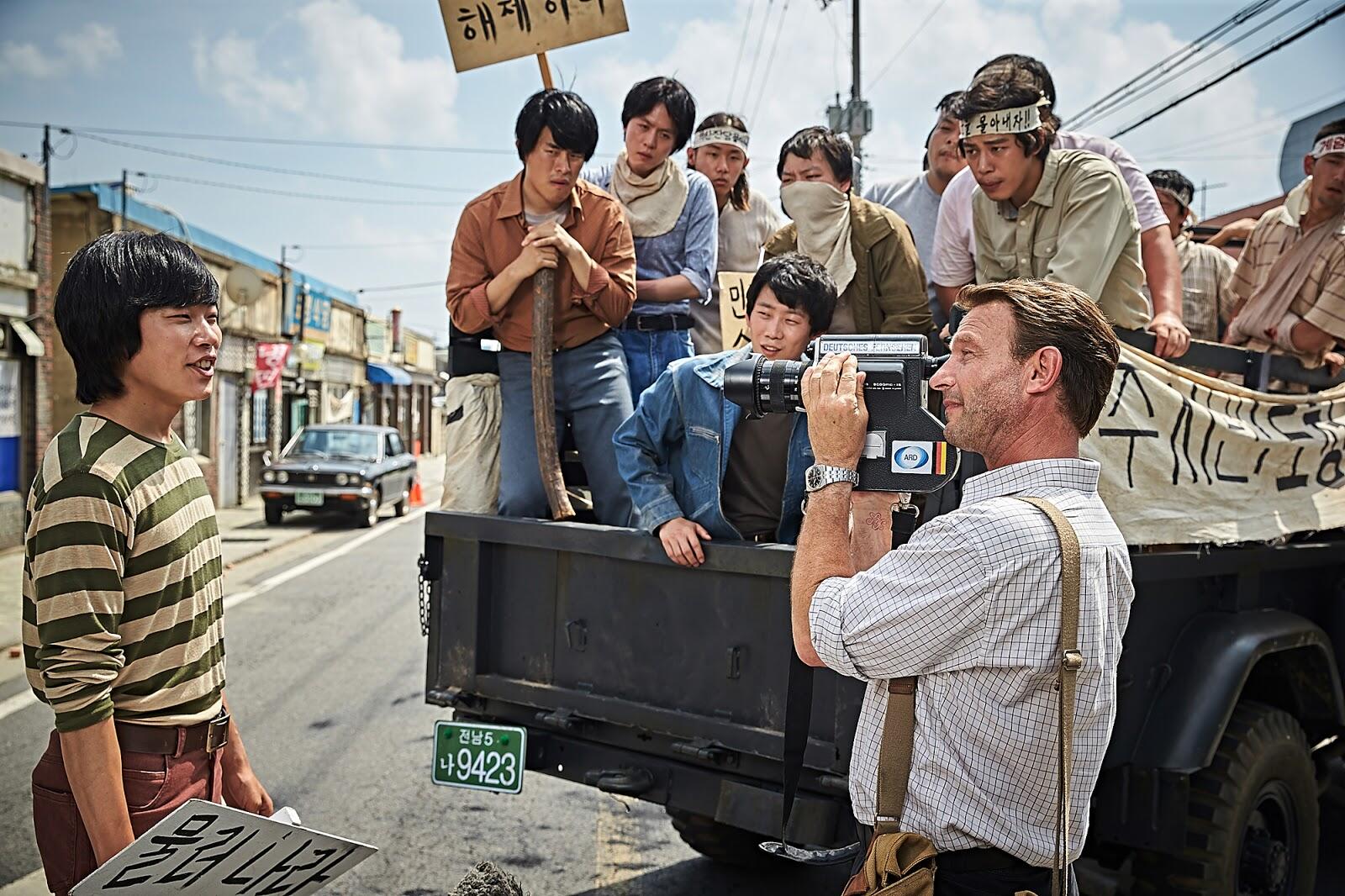

Korean cinema celebrated its 100th year in 2019. Since the first silent film debuted in colonial Korea, thousands of films, actors, actresses, and directors have contributed to the artistic culture found within Korean filmmaking. Whether you’re just discovering Korean films or you’re an enthusiast, learning about the history of the film industry in Korea can help you appreciate the art even more.


The Origins and Early Development of Korean Cinema
Film as a form of art and entertainment started becoming popular first in countries like Italy, France, Germany, Britain and the U.S. in the early 1900s. Although Korea was struggling under the occupation of Japan beginning in 1910, the country still managed to experiment with the newer film technology at the time.
The Birth of Korean Film (1919)
1919 is considered the origin of Korean film. That was the year Righteous Revenge debuted.
It wasn’t a standard film; instead, it was a stage play that featured projected film segments, in a style known as a “kino-drama.” The incorporation of the new technology with the traditional play demonstrated how powerful moving pictures could be as an element of storytelling.
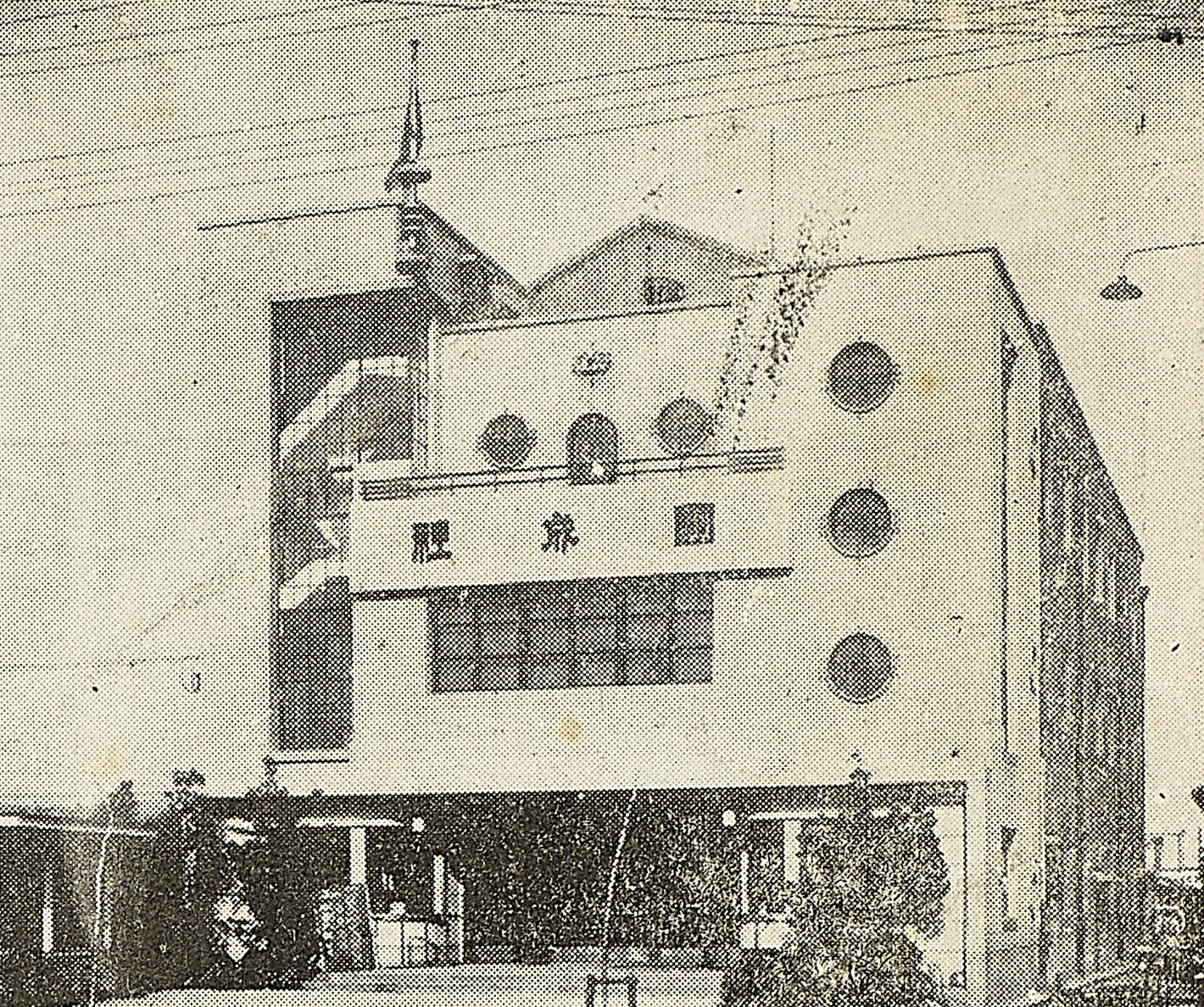
The kino-drama was presented at Dansungsa in Seoul, one of the oldest movie theatres in the country.
The venue became a central hub for film and cinema, hosting imported and domestic productions and creating a culture of filmgoing as a regular part of urban life.
Cinema During Japanese Occupation (1910–1945)
The Japanese occupiers heavily controlled and censored film production. Korean studios were required to submit scripts and prints to censors for approval before they were allowed to be made. Films that were too nationalist were heavily modified or outright banned. Propaganda requirements increased over time, and by the 1940s, it was difficult to even make a movie in the Korean language.
Translators, called byeonsa, provided narrations during screenings of foreign silent films.
Despite the challenges and obstacles, Korean filmmakers and actors found ways to continue making movies. They often used heavily coded elements and symbolism to make meaningful films for the Korean people. Many prints and reels of films from this time period have been lost, so sadly, it’s not possible to watch many of the films. We know about the existence and impact of the films through records.
Learn more about famous Korean actresses through the ages.
The Golden Age and Subsequent Challenges
After the Japanese were ousted in 1945 after the Korean War, the film industry was rebuilt under new leadership. This was a time of rapid modernisation and change in the country, which is reflected in many, many films from this era and afterwards. In the county’s collective history, these years had an immense impact on generations of people, and the aftermath can still be felt in modern-day Korean culture.
Post-Liberation Boom (1950s–1960s)
In the 50s and 60s, attending the cinema became a culturally important activity for those living in urban areas.
The first era of famous career directors blossomed and included names like Han Hyeong‑mo, Kim Ki‑young, Yu Hyun‑mok, and Shin Sang‑ok.
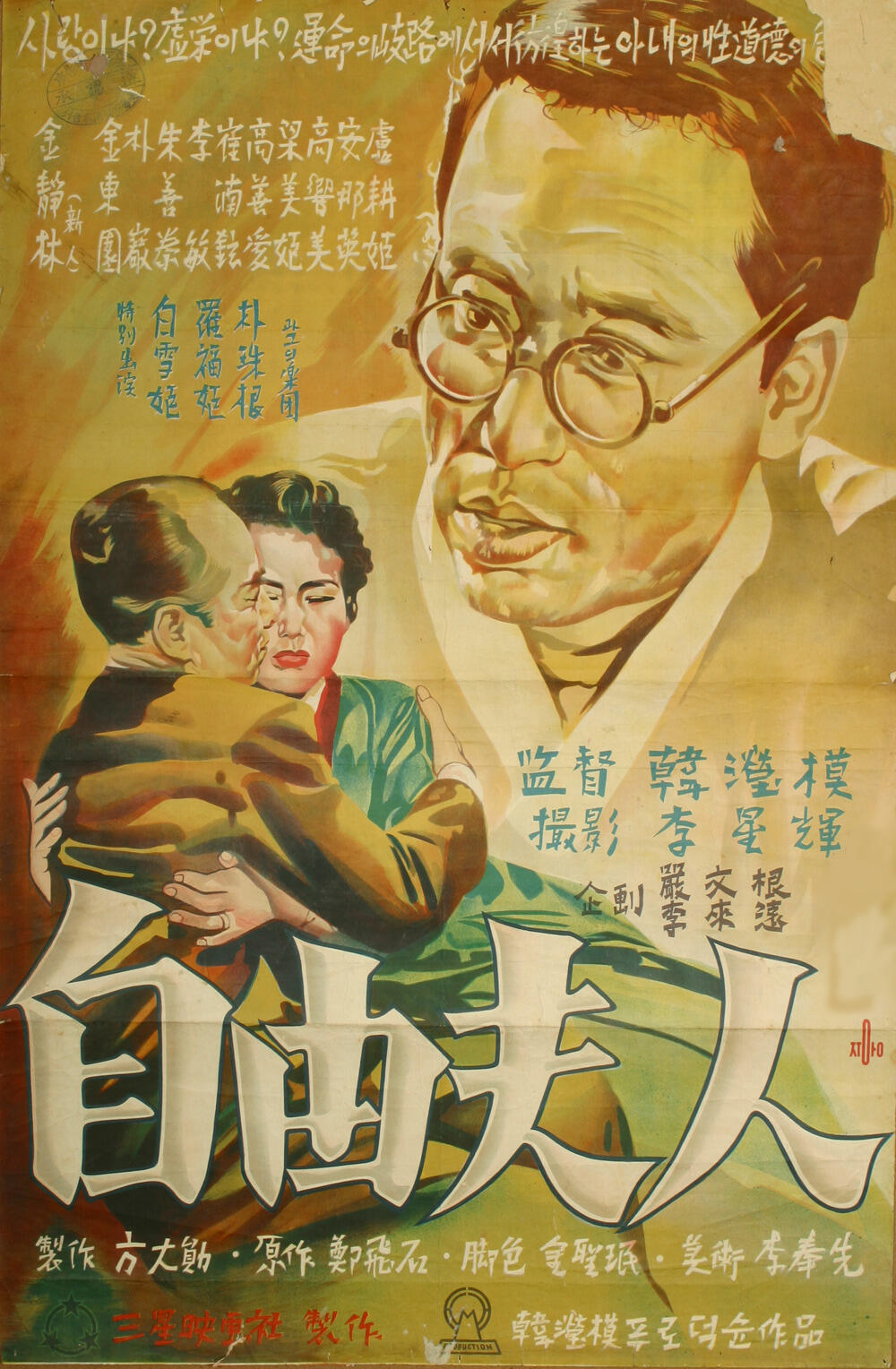
In the short period of more freedom in the late 50s to about 1961, directors created masterpiece films like Madame Freedom and The Housemaid.
In 1962, the new authoritarian government imposed the Motion Picture Law (MPL), which sought to achieve several things:
- Censorship to block films that were critical of the authoritarian government and promote anti-communist messages
- Promote domestic films over foreign imports
- Set a quota for production companies to increase the number of domestic, state-approved films
The MPL effectively incentivised filmmakers to crank out as many movies as fast as possible. If they created enough “quality” films (pro-government propaganda, mostly), they would be allowed to import foreign movies. This resulted in directors and producers creating hundreds of films, known as the Golden Age of Korean cinema. The safe and fast choice was the formulaic melodrama, which is still a genre often used today. Though some directors began experimenting in whatever ways possible under the quotas and censorship. War dramas and literary adaptations were also popular.
Under the law, production companies were allowed to import 1 foreign film for every 3 domestic films they created. As a result, production houses and directors made movies in a matter of weeks. Many directors made 6-8 movies per year.
Kim Soo-yong shot 10 features in 1967 alone. One of the films was his famous masterpiece, Mist.
Political Turmoil and Censorship (1970s–1980s)
Still under the thumb of the MPL, directors did their best to express creative freedom while adhering to censorhio which was growing ever-stricter. Melodramas and action movies were safe choices, as were carefully-crafted sex comedies. Still, masterful directors managed to release pivotal and important works such as Mandala, The Surrogate Woman, and A Fine, Windy Day.
Films in this era were still heavily focused on themes like change and the working-class, but also began to touch on social issues wherever they could get around censors.
Discover the top Korean actors through time.
The Resurgence and Global Recognition
In another surge of rapid change, Koreans started being awarded more freedom and freedom of expression. At the same time, American influence started pervading society, which was both a symbol of freedom to connect with the outside world and a sign to protect Korean culture from getting lost in globalisation.
This period of rapid economic and social growth is known as “the miracle on the Han river.” It’s another era of extreme societal change that rocked generations of Koreans and can also be felt in modern Korean culture.
During this time of development, conglomerate companies (chaebol) such as Samsung and CJ entered the film business, ready to invest. With new financial backing and relaxed censorship laws, Korean filmmakers began creating modern works and leaning more heavily into social commentary.
The quota system was still in place, which did succeed in preserving Korean domestic filmmaking even though the possibility of importing more Hollywood movies was tempting.
The Korean New Wave (1990s–2000s)
The MPL was overturned in 1996, and the Korean film industry experienced a renaissance of sorts. Auteur, socially relevant films were suddenly allowed without much restriction, which permitted the first generation of modern Korean directors to come forward.
Directors like Bong Joon‑ho, Park Chan‑wook, Kim Jee‑woon, and Lee Chang‑dong emerged. Their works became known internationally after earning recognition at film festivals like Cannes, Venice, and Berlin. They grabbed the globe’s attention, showcasing the kind of art and messaging Korea can put out in films, proving that the world should pay attention.
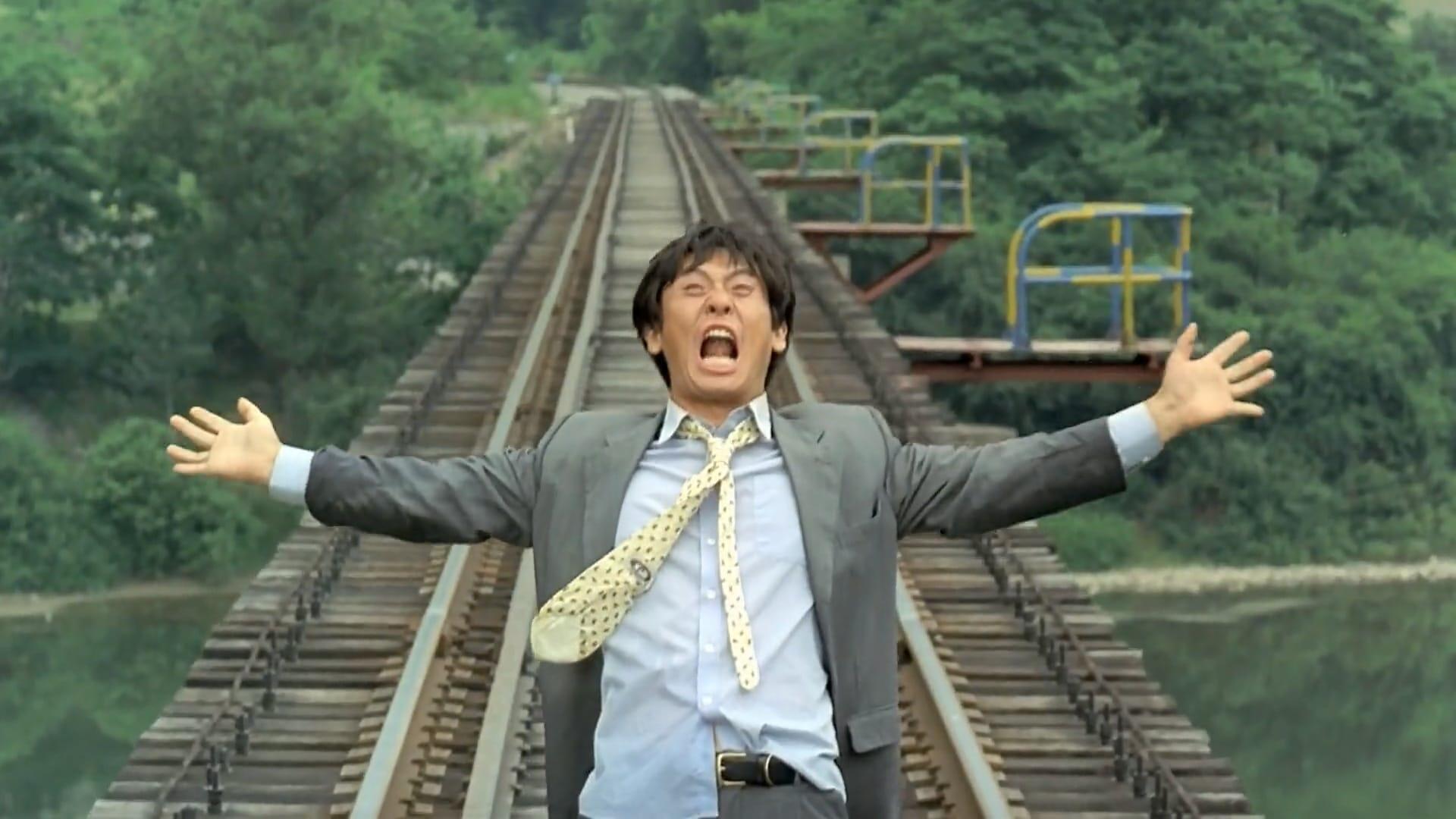
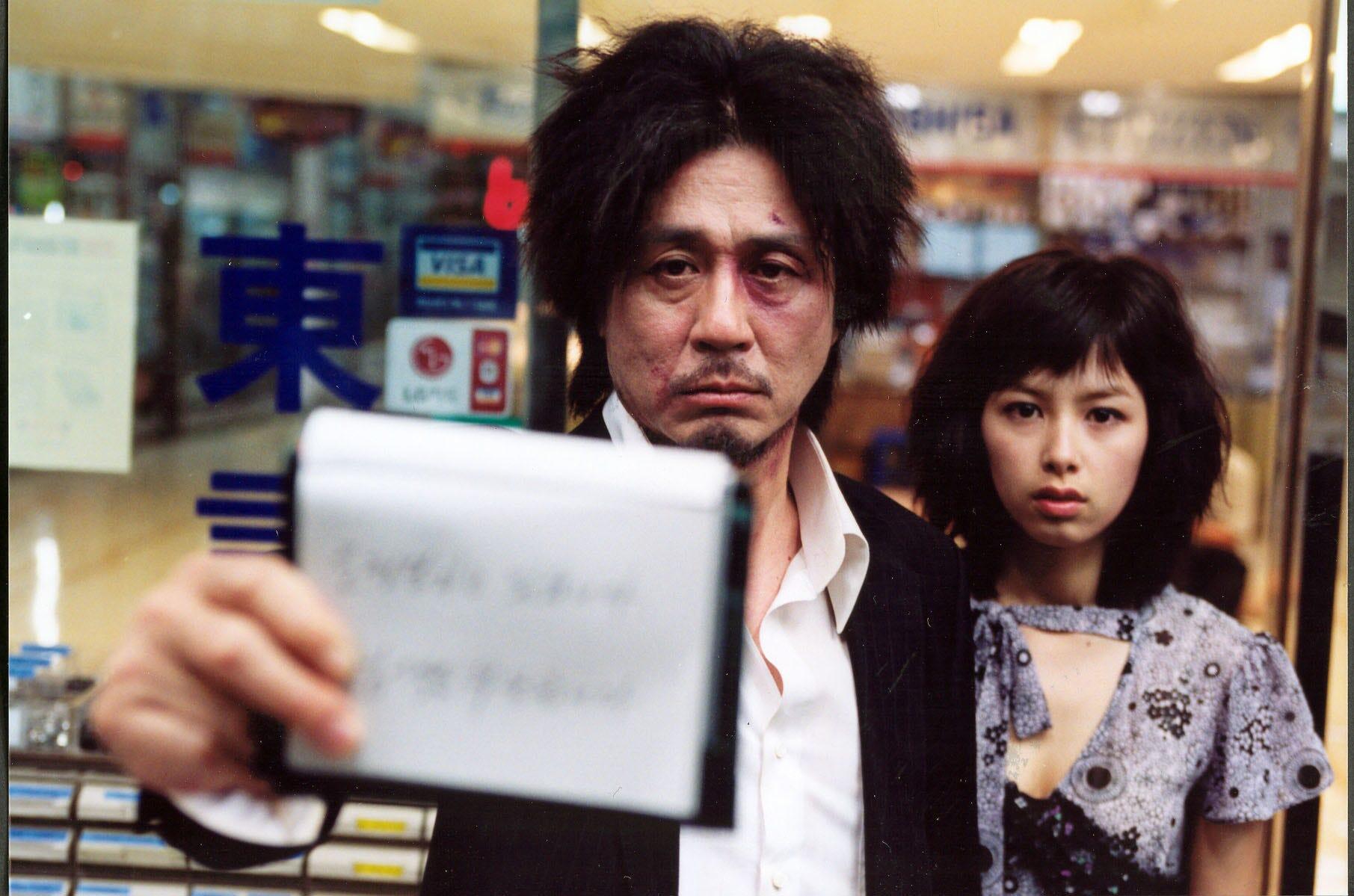
Directors experimented with films featuring heavier messaging about class struggle, identity, inter-generational conflict, violence, and psychological thrillers. They clearly hit a stride, putting out films like Peppermint Candy, Oldboy, and Memories of Murder, and hooking global audiences.
Contemporary Successes (2010s–2020s)
The 2010s saw Korean cinema hit a new era. Directors, actors, and actresses gained international renown for their artistry. Movies were winning international awards and were being distributed globally. The Hallyu Wave was in full effect, with Korean culture of all kinds being embraced in many countries.
Parasite became the first non-English language film to win an Academy Award for Best Picture, proving that Korean cinema had breached a threshold. Even a few years prior, the idea of a Korean-language film being not only accepted in English-speaking countries, but highly anticipated and praised even by casual audiences would have been far-fetched.
Million admissions in theatres
New genres like horror and crime drama attracted more worldwide audiences. Korean culture in general became a point of interest in foreign countries.
Today, the current wave of popular Korean movies abroad has crested, but it’s only a matter of time until the next one hits!
Learn more about the best Korean films you should watch.
The Structure of the Korean Film Industry
Modern Korean cinema is produced by a handful of big companies, combined with independent producers and public institutions. It works differently from the film industry in, say, Hollywood, but also features many similarities. The culture of manufactured entertainment and art in Korea is unique, creating ample opportunities for real, meaningful, fulfilling creative projects, but also a high amount of pressure and stress.
Key Players and Production Companies
The major studios and distributors in the Korean film industry include CJ ENM, Lotte Entertainment, and Showbox. These corporate powerhouses provide most of the financing for many of the best-known films. They largely control distribution and work with the biggest directors, like Bong Joon‑ho, Park Chan‑wook, and Ryoo Seung‑wan.
On the public side, the Korean Film Council (KOFIC) supports production through funding programmes. It promotes Korean films at festivals and collects box-office data to chart the state of the industry.
Current distribution and production laws seek to support a screen quota, not unlike the 1962 law. However, there is much more artistic freedom this time around, leading to more impactful and creative films. The law appears to help keep Korea’s domestic filmmaking strong, rather than get drowned out by foreign productions.
Distribution and Exhibition
Exhibition of films is dominated by a few large companies that own multiplexes, namely CGV, Lotte Entertainment, and Megabox. They can dictate film schedules, which have a huge impact on which movies succeed and which fail. Smaller and indie filmmakers can often struggle to compete with major studios.
However, streaming platforms like Netflix also give Korean movies and TV shows the opportunity to be loved by global audiences.
The distribution industry’s current challenge is to balance box office income against digital rights and streaming.
Discover the top Korean film directors whose bodies of work you should see!
Timeline of Korean Cinema
We’ve covered a lot of events and people involved in Korean cinema in this article. Keeping track of the different time periods and associated conditions, and how they affected Korean film production, is hard to remember.
Here’s a timeline of the most important events, films, and people in Korean cinema so you can get a better understanding.
1919
"Righteous Revenge (의리적 구투)"
Director: Kim Do‑san. A kino-drama, considered the first film in Korea.
1923
"Plighted Love Under the Moon (월하의 맹서)"
Director: Yun Baek‑nam. Starring: Yun Sim‑deok. Often cited as the first Korean feature film.
1924
"Jang-hwa and Hong-ryeon (장화홍련전)"
Director: Park Jung-hyun. Starring: Kim Ok-hui, Kim Seol-ja, Choe Byeong-ryong, Yu Jeong-sik. One of the most classic Korean fairy tales, this version was the first feature produced entirely by Korean filmmakers. It has been remade many times since.
1926
"Arirang (아리랑)"
Director: Na Woon‑gyu. Starring: Na Woon‑gyu, Shin Il‑seon. A landmark nationalist film that demonstrated film as a medium for expressing Korean identity.
1935
"Chunhyangjeon (춘향전)"
Dir: Lee Myeong‑woo. Starring: Moon Ye‑bong, Jo Taek‑wan. Korea's first film with sound.
1936
"Sweet Dream (미몽)"
Dir: Yang Ju‑nam. Starring: Mun Ye‑bong. One of the few remaining films from the 1930s.
1945
End of Japanese Occupation
Korea is liberated from colonial rule.
1950-1953
Korean War
The Korean peninsula divides.
1955-1956
Post-War Revival Period Begins (Golden Age)
1956
"Madame Freedom (자유부인)"
Dir: Han Hyeong‑mo. Starring: Kim Jeong‑rim, Namgung Won. Post-war film about an affair; it shocked audiences and revived the film industry.
1960
"The Housemaid (하녀)"
Dir: Kim Ki‑young. Starring: Kim Jin‑kyu, Lee Eun‑shim. Considered one of the best Korean films ever made.
1961
"Aimless Bullet ('Obaltan,' 오발탄)"
Dir: Yu Hyun‑mok. Starring: Kim Jin‑kyu, Choi Moo‑ryong. A portrait of post-war poverty, later considered a masterpiece.
1961
"The Houseguest and My Mother (사랑방 손님과 어머니)"
Dir: Shin Sang‑ok. Starring: Choi Eun‑hee, Kim Jin‑kyu. The epitome of the emotional subtlety of films from around this time.
1962
Motion Picture Law Imposed
A military coup brings authoritarian rule. The MPL imposed heavy censorship and quotas on production studios.
1964
"The Red Scarf (빨간 마후라)"
Dir: Shin Sang‑ok. Starring: Shin Young‑kyun, Nam Jeong‑im. Walked the line between propaganda and a meaningful story.
1973
New Regulatory Body for Film
Korean Motion Picture Promotion Corporation is established, later evolving into KOFIC.
1970s
New Wave Era Begins
Serious art films become more prevalent.
1979
"Rainy Days (초우)"
Dir: Yu Hyun‑mok. Starring: Lee Dae-keun, Hwang Jeong-sun, Sunwoo Yong-nyeo, Park Jung-ja. Used a realistic, sombre tone (as opposed to melodramatic) to explore social change and family.
1980
"A Fine, Windy Day (바람 불어 좋은 날)"
Dir: Lee Jang‑ho. Starring: Ahn Sung-ki, Lee Yeong-ho, Kim Seong-chan. Stand-out example of youth-focused films and socially-aware messaging.
1981
"Mandala (만다라)"
Dir: Im Kwon‑taek. Starring: Ahn Sung-ki, Jeon Moo-song. Shows the shift to include serious art films and religious exploration.
1987
Censorship Eases
Less oversight allows even more bold, artistic, and critical films.
1987
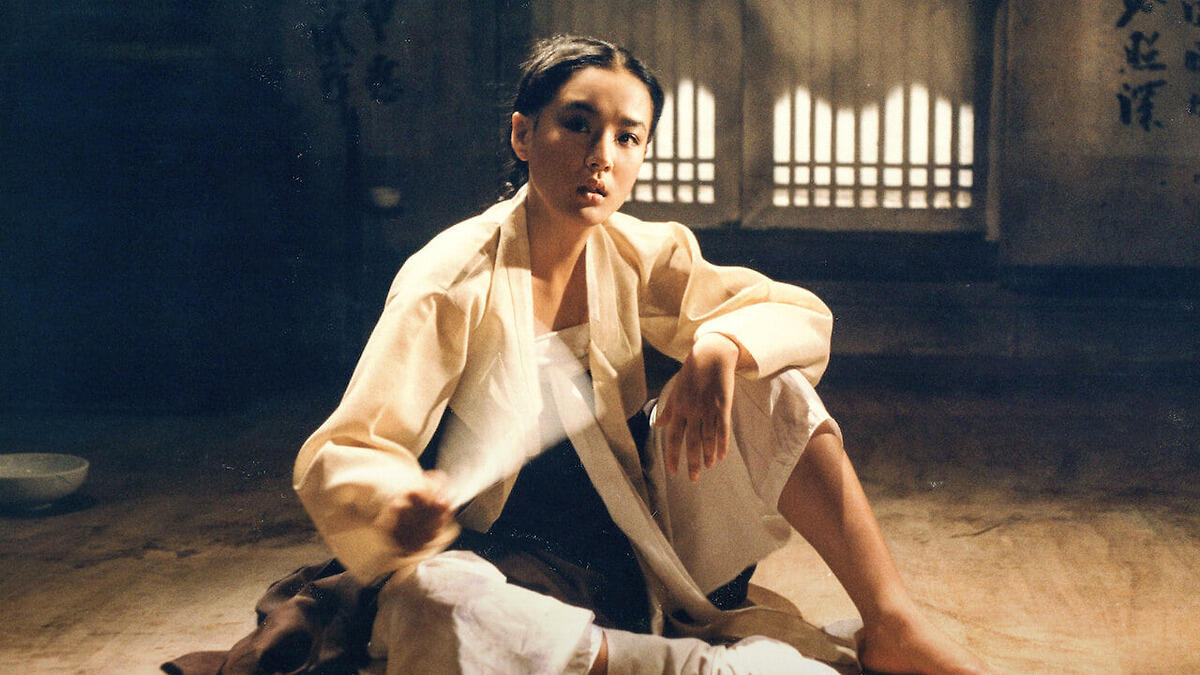
"The Surrogate Woman (씨받이)"
Dir: Im Kwon‑taek. Starring: Kang Soo‑yeon. Won Best Actress in Venice. Historical examination of the Joseon period.
1993
"Sopyonje (서편제)"
Dir: Im Kwon-taek. Starring: Oh Jung-hae, Kim Myung-gon, Kim Kyu-chul. Based on a novel, it revived interest in traditional arts, especially pansori.
1997
"Green Fish (초록 물고기)"
Dir: Lee Chang‑dong. Starring: Han Suk‑kyu, Shim Hye‑jin, Moon Sung‑keun. Marked a shift in tone, offering a bleak look at lost ideals in a changing Korea.
1999
"Shiri (쉬리)"
Dir: Kang Je‑gyu. Starring: Han Suk‑kyu, Choi Min‑sik, Kim Yunjin, Song Kang‑ho. The film outperforms Hollywood movies at the domestic box office.
1999
"Peppermint Candy (박하사탕)"
Dir: Lee Chang‑dong. Starring: Sol Kyung‑gu, Moon So‑ri. One of the first examples of groundbreaking storytelling techniques.
2000
"Joint Security Area (공동경비구역)"
Dir: Park Chan‑wook. Starring: Lee Byung‑hun, Song Kang‑ho, Lee Young‑ae, Kim Tae‑woo. Based on true events surrounding the DMZ. Most notable film from this era addressing the tensions between North and South Korea.
2003
"Memories of Murder (살인의 추억)"
Dir: Bong Joon-ho. Starring: Song Kang‑ho, Kim Sang‑kyung. Based on real serial killings, the dark humour and social critique make it stand out as one of the best Korean films of all time.
2003
"Oldboy (올드보이)"
Dir: Park Chan‑wook. Starring: Choi Min‑sik, Yoo Ji‑tae, Kang Hye‑jung. Won the Grand Prix at Cannes. Attracted the attention of global audiences, especially with its intensity and shocking twist.
2003
"Spring, Summer, Fall, Winter… and Spring (봄 여름 가을 겨울 그리고 봄)"
Dir: Kim Ki-duk. Starring: Oh Young‑soo, Kim Young‑min, Seo Jae‑kyung. A gateway film for many arthouse fans.
2004
"3-Iron (빈집)"
Dir: Kim Ki-duk. Starring: Jae Hee, Lee Seung‑yeon. A minimalistic, romantic film with sparse dialogue and beautiful cinematography. Demonstrated how Korean directors could experiment with the medium in new ways.
2006
"The Host (괴물)"
Dir: Bong Joon-ho. Starring: Song Kang‑ho, Byun Hee‑bong, Park Hae‑il, Bae Doona, Go Ah‑sung. The first major example of blended genre films that have become very popular.
2010
"The Man From Nowhere (아저씨)"
Dir: Lee Jeong-beom. Starring: Won Bin, Kim Sae‑ron. A cult favourite that sparked more international curiosity in Korean film.
2010
"I Saw the Devil (악마를 보았다)"
Dir: Kim Jee-woon. Starring: Lee Byung‑hun, Choi Min‑sik. Stand-out example of intense genre film Korea is now known for.
2012
"The Thieves (도둑들)"
Dir: Choi Dong-hoon. Starring: Kim Yoon‑seok, Kim Hye‑soo, Lee Jung‑jae, Jun Ji‑hyun, Simon Yam. A Hollywood-style blockbuster demonstrating the capacity of modern commercial Korean cinema.
2013
"Snowpiercer (설국열차)"
Dir: Bong Joon-ho. Starring: Chris Evans, Song Kang‑ho, Tilda Swinton, Jamie Bell, Octavia Spencer. Major feature film acted in English and produced with international companies and cast. Broke barriers for Korean directors to work with global producers and talent.
2015
"Veteran (베테랑)"
Dir: Ryoo Seung-wan. Starring: Hwang Jung‑min, Yoo Ah‑in, Yoo Hae‑jin. Comedy that addresses anger over inequality.
2016
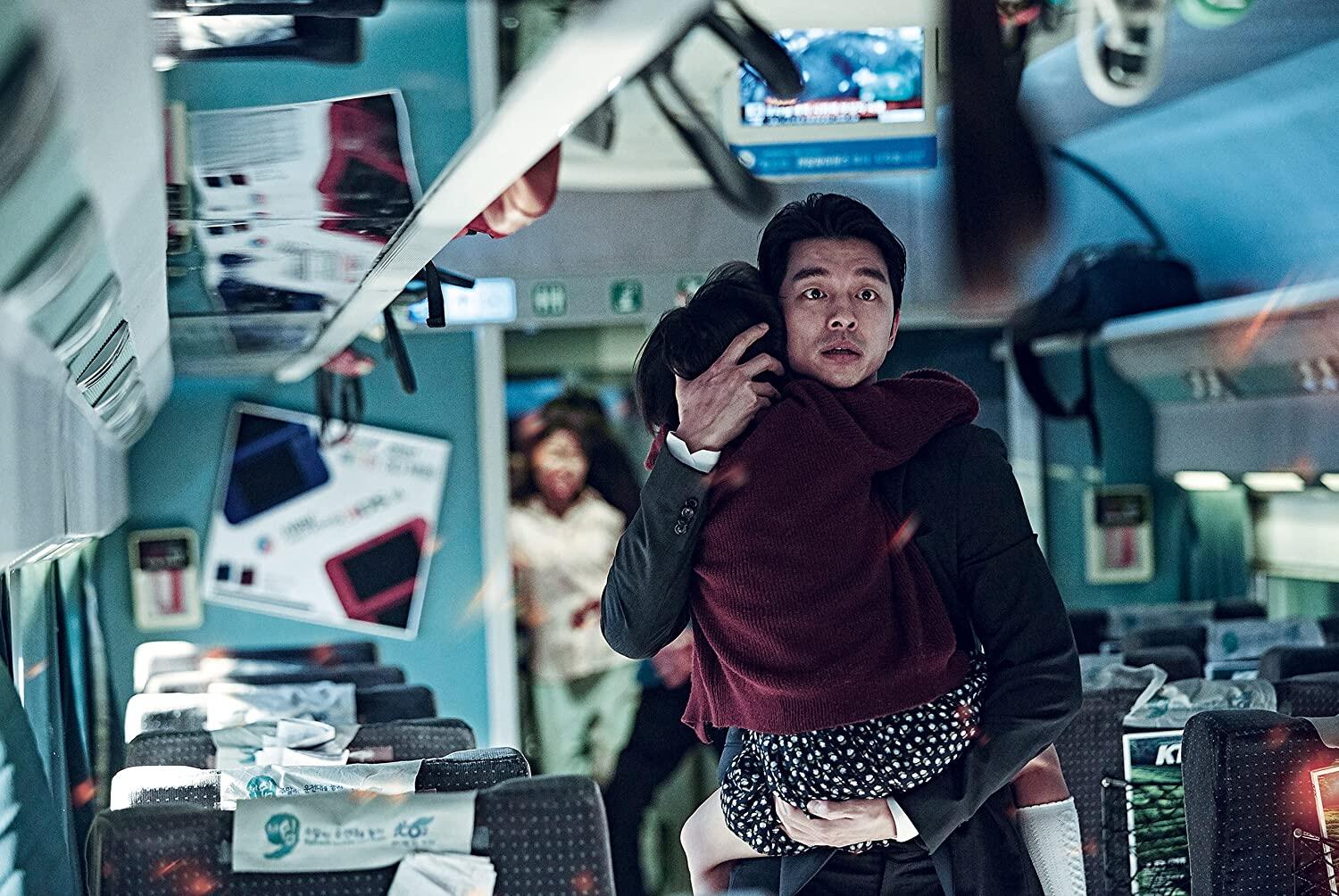
"Train to Busan (부산행)"
Dir: Yeon Sang-ho. Starring: Gong Yoo, Jung Yu‑mi, Ma Dong‑seok (Don Lee), Kim Su‑an. The film captures new audiences with its fresh take on the zombie film genre.
2016
"The Wailing (곡성)"
Dir: Na Hong-jin. Starring: Kwak Do‑won, Hwang Jung‑min, Chun Woo‑hee, Jun Kunimura. Fusion of traditional folklore, religion, and horror.
2017
"A Taxi Driver (택시운전사)"
Dir: Jang Hoon. Starring: Song Kang‑ho, Thomas Kretschmann, Yoo Hae‑jin, Ryu Jun‑yeol. Historical drama about the 1980 Gwangju uprising.
2019
"Parasite (기생충)"
Dir: Bong Joon-ho. Starring: Song Kang‑ho, Lee Sun‑kyun, Cho Yeo‑jeong, Choi Woo‑shik, Park So‑dam, Jang Hye‑jin. Makes history by winning the Palme d'Or and Academy Award for Best Picture.
2020
"The Man Standing Next (남산의 부장들)"
Dir: Woo Min-ho. Starring: Lee Byung‑hun, Lee Sung‑min, Kwak Do‑won, Lee Hee‑joon. Historical drama exploring the assassination of President Park Cheung-hee.
2025
"KPop Demon Hunters"
Dir: Maggie Kang and Chris Appelhans. Starring: (voices) Arden Cho, May Hong, Ji-young Yoo, Ahn Hyo-seop; (singing) Ejae, Audrey Nuna, Rei Ami, Andrew Choi. First animated film showcasing Korean characters with modern and traditional cultural references. The film was a massive success globally.
The history of cinema in Korea is particularly interesting because of its close ties to history, politics, culture, and social reckoning. Creatives throughout the entirety of Korean cinematic history have been using the art form as a way to share ideas and explore the problems, joys, and changes that their society was going through collectively. Film is a powerful medium, and Korean film is exemplary of that fact.
References
- A brief history of K-cinema · V&A. (n.d.). In Victoria and Albert Museum. https://www.vam.ac.uk/articles/a-brief-history-of-k-cinema
- jburkepmc. (2021). The History of the Korean Films That No Longer Exist. In Golden Globes. https://goldenglobes.com/articles/history-korean-films-no-longer-exist-articles-history-korean-films-no-longer-exist
- Kim, J.-H. (2022). A Brief History of K-cinema. In www.jaehakim.com. https://www.jaehakim.com/2022/09/a-brief-history-of-korean-cinema-films
Summarise with AI:
Did you like this article? Leave a rating!

 Loading...