


Doctors in every country, including Australia, are highly-qualified specialists. You're probably aware that you can't become a doctor overnight, but exactly how long does it take to become a doctor in Australia, what qualifications will you need, and how much can you expect to be paid once you finally become a doctor?
In this article, we'll be looking at the answers to all those questions and a few more that you may have about becoming a doctor.


What Qualifications Do You Need to Become a Doctor?
Before we tell you how long it takes to become a doctor in Australia, we need to go through a few of the qualifications you need to become one.
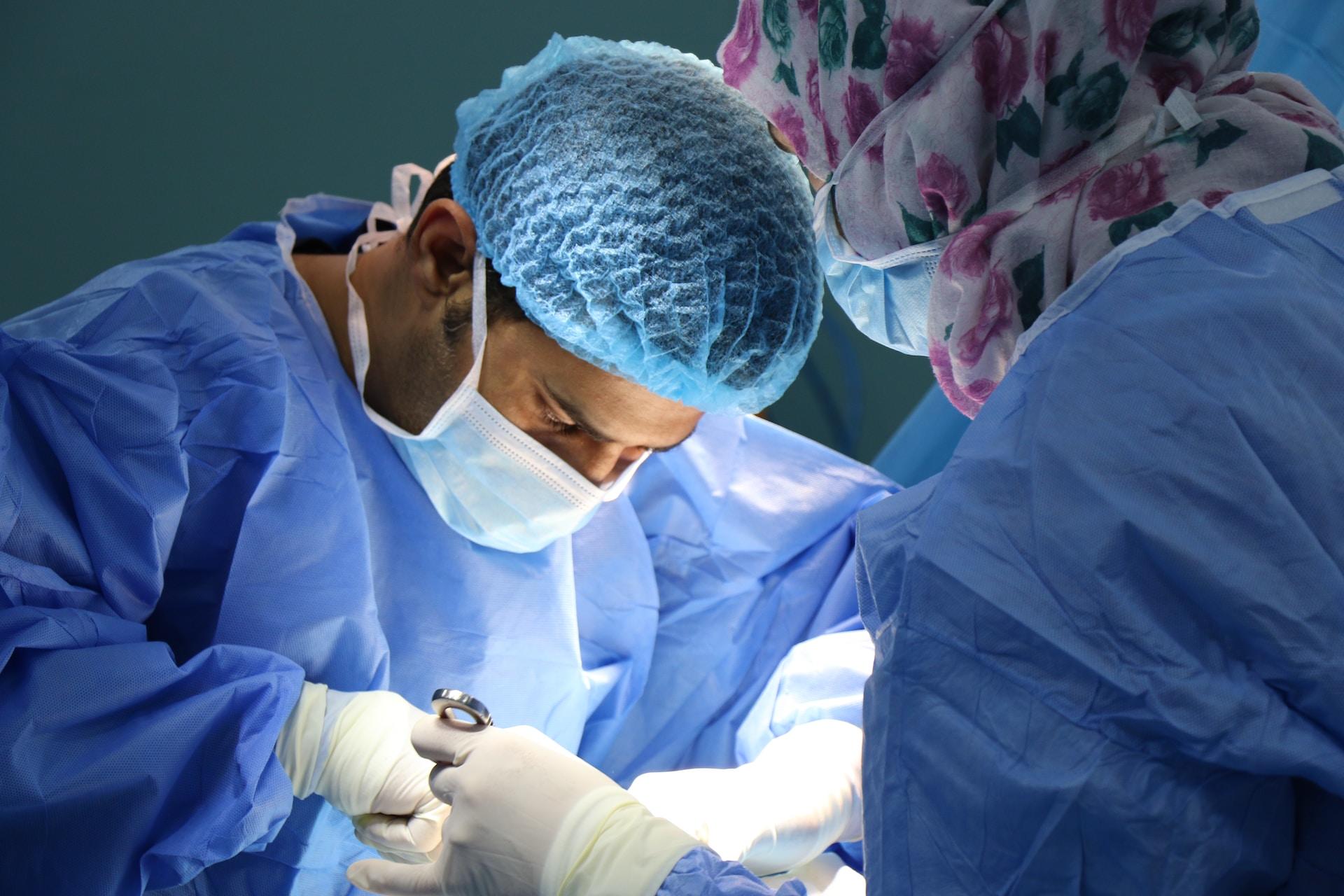
After all, it's these qualifications that make becoming a doctor take so much time as you can't skip these qualifications.
To become a doctor in Australia, there are two main qualifications that you'll need: a bachelor's degree and a doctor of medicine degree.
Bachelor's Degree
After secondary school, the first main qualification that any doctor in Australia will need is a bachelor's degree.
While there are bachelor's degrees in medicine that lead straight onto doctor of medicine degrees in Australia, you can actually study pretty much whatever you like for your undergraduate degree.
That said, the most competitive medical schools in the country will be looking for students with undergraduate degrees in related subjects like anatomy, physiology, biochemistry, and other subjects that will help you when you end up studying medicine.
Doctor of Medicine
The Doctor of Medicine (MD) degree is what every doctor in Australia will have to study provided they don't study the equivalent postgraduate degree in another country.
This is basically your medical degree and aside from actual experience practising medicine, it's what qualifies you as a doctor.
That said, this isn't exactly the only thing you need to do to become a doctor in Australia and while this is the main qualification needed, there are a few other steps before you can become a registered doctor.
A Doctor of Medicine degree typically requires 4 years to complete, following a 3-year undergraduate program, totalling 7 years to graduation. Including a year for an internship or registration, the path to becoming a registered doctor in Australia extends to 8 years.
The Other Steps to Becoming a Doctor in Australia
You need more than just an MD to become a doctor in Australia. Here are a few of the other things you'll have to do on your journey to becoming a qualified and registered doctor in the country.
GAMSAT
Before you can even attend medical school, you'll likely need to take the Graduate Australian Medical School Admissions Test (GAMSAT) or similar like the MCAT or UCAT.

As you've probably guessed, this test is specifically for getting you onto a Doctor of Medicine course at a medical school.
You can take this test in either your last or second-last year of undergraduate study. The results of the GAMSAT will also decide which medical schools you can get into with more competitive schools demanding higher results.
Internship
Even after you've finished your MD, there's one more obligatory thing you have to do before you'll be fully registered as a doctor: do your internship in an Australian hospital.
While you will need to make a provisional registration with the Australian Medical Board before the end of your MD, you won't be a fully-registered doctor until you complete the internship year.
While the year itself is actually 47 weeks (to account for holidays, etc.), once you've completed this, you're a doctor.
In practice, though, this won't be the end of your journey, and most doctors will continue with their residency as they seek a medical specialisation.
Residency
You can also call residency prevocational training, which probably gives you a better idea of what it is. During your time as a resident, you'll spend a year or two preparing for the last part of your training: specialising in a particular field of medicine.
Specialisation
After your residency, you can start a program to specialise in a particular area of medicine through speciality colleges.
These programs can take between 3 and 7 years so you could be looking at nearly 2 decades before you're a fully-qualified in your field of choice. Of course, you'll have been working as a doctor and practising medicine for a while at this time.
What Is the Shortest Time to Become a Doctor?
The shortest route to becoming a registered doctor from secondary school is through 3 years on a bachelor's degree course, 4 years at medical school, and a year as an intern in a hospital. In total, the quickest you can feasibly become a registered and practising doctor is 8 years. One of Australia's easiest to get into medical schools offers such a program.
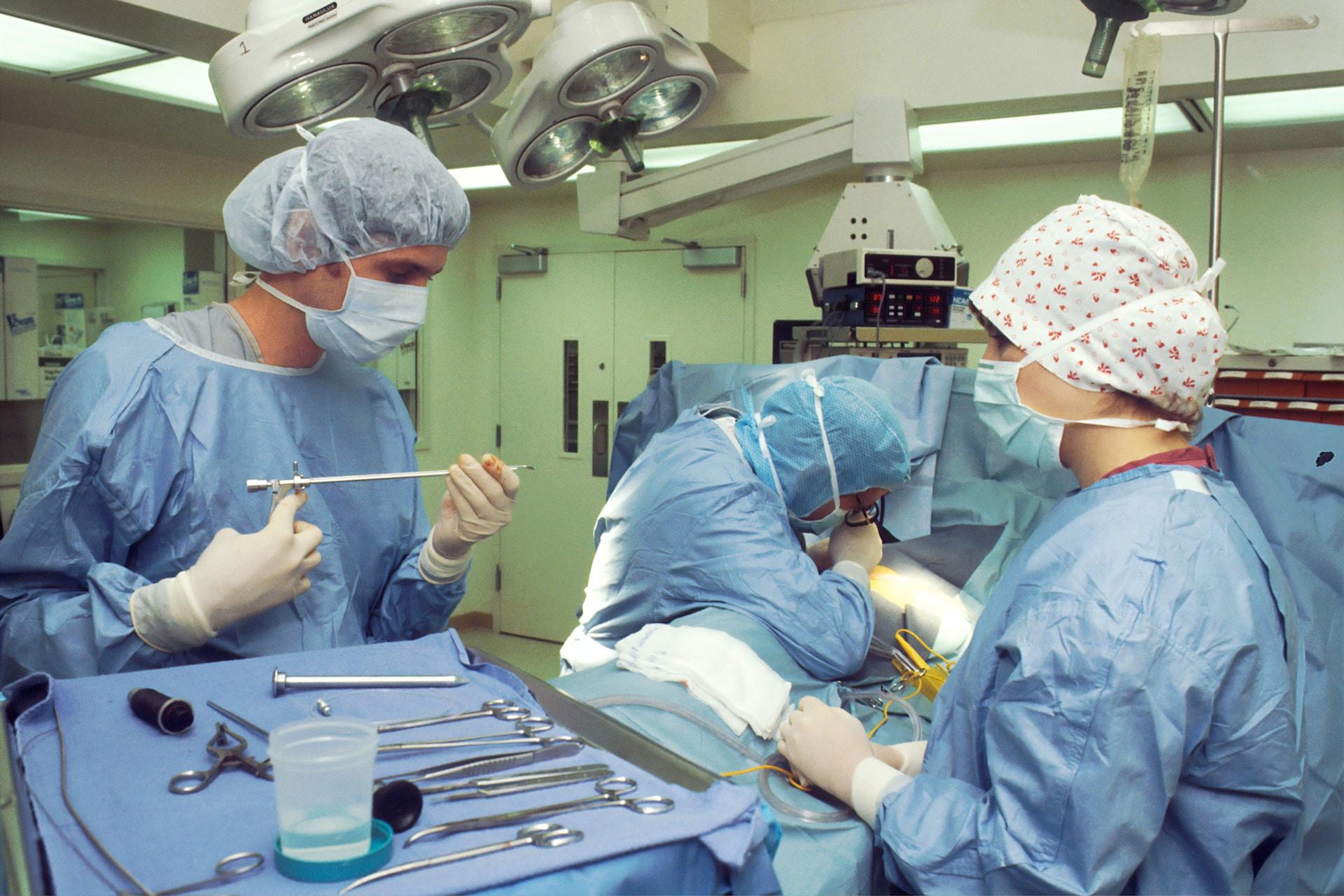
As we've mentioned, though, it's very unlikely that your journey will be over after just 8 years, but at least you'll start earning a decent salary by this point rather than still be studying.
How Much Does It Cost to Become a Doctor?
You've likely realised that 7 years of undergraduate and postgraduate study isn't going to be given to you for free, though scholarships and funding are options you should look into.
With undergraduate degrees costing between $20,000 and $50,000 and an MD costing around $350,000, you'll be close to spending $400,000 on your education before you've even started your internship.
This amount doesn't include the $500 or so that you need to pay for the GAMSAT, the cost of living, accommodation, and food that you'll need to pay for during your studies, either.
Let's just say that it's not cheap becoming a doctor in Australia.
Do Medical Students Get Paid in Australia?
During your time at university and medical school, you won't be paid to study. However, there are scholarships and funding options to help you pay for your degrees, but this isn't a wage.
As an intern, however, you will be paid. How much you'll be paid will depend on where you intern. Western Australia tends to offer the best-paid internships while New South Wales offers the lowest average salaries to medical interns. The average salaries for medical interns are between $68,000 and $79,000.
How Much Are Doctors Paid in Australia?
With so many different specialisations and types of doctors out there, it's hard to pinpoint an exact salary for those who practise medicine in Australia, but the average is close to $150,000 a year.
As with other lines of work, the salary will scale with experience and the most experienced doctors earn closer to $230,000 a year.
You can improve your earning potential with in-demand specialisation and through gaining experience. Naturally, the higher the demand for your field, the more you can expect to be paid.
How Much Does a First-Year Doctor Get Paid in Australia?
The average salary for a doctor starting their career in Australia is around $120,000. As we've said, you'll see this go up as you gain experience, during your residency, and if you work towards a specialisation.
That said, we have seen positions closer to the salary earned by interns, too, so it really depends on where you're looking to work.
Get Help with Becoming a Doctor
Not only does becoming a doctor take a long time, but it also takes a lot of hard work and study so it's hardly surprising that medical students might need help with their studies.

Fortunately, there are lots of experienced private tutors out there who can help you with everything from anatomy to study skills.
There are tutors out there for every student as they'll adapt their sessions to the student and can take the time to focus on the things that you're finding difficult or need help with.
In the larger classes, you may be a part of in university or medical school, it can be easy to become just a face in the crowd, but your tutor can spend every minute of every session working with you on the things you need to learn.
There are private tutors for all levels and budgets, too, so you can shop around to find the best tutor to achieve your goals.
You'll get what you pay for, though, and you should expect to pay more for the more qualified and experienced private tutors. In comparison to the cost of becoming a doctor, though, private tutors might seem pretty affordable.
Face-to-face tutoring is usually the most effective while also being the type of tutoring you can expect to pay the most for. You can save money by opting for online tutoring as the tutor doesn't have to worry about travel costs and can usually charge more competitive rates.
To save even more money, you and a few of your fellow students could hire a tutor for group sessions. While you won't enjoy the benefits of one-on-one tuition, you can share the cost of their time and expertise while working in smaller groups than you usually see in your classes.
Have a look around for tutors and you're bound to find someone with the expertise to help you!
Summarise with AI:
Did you like this article? Leave a rating!


 Loading...
