
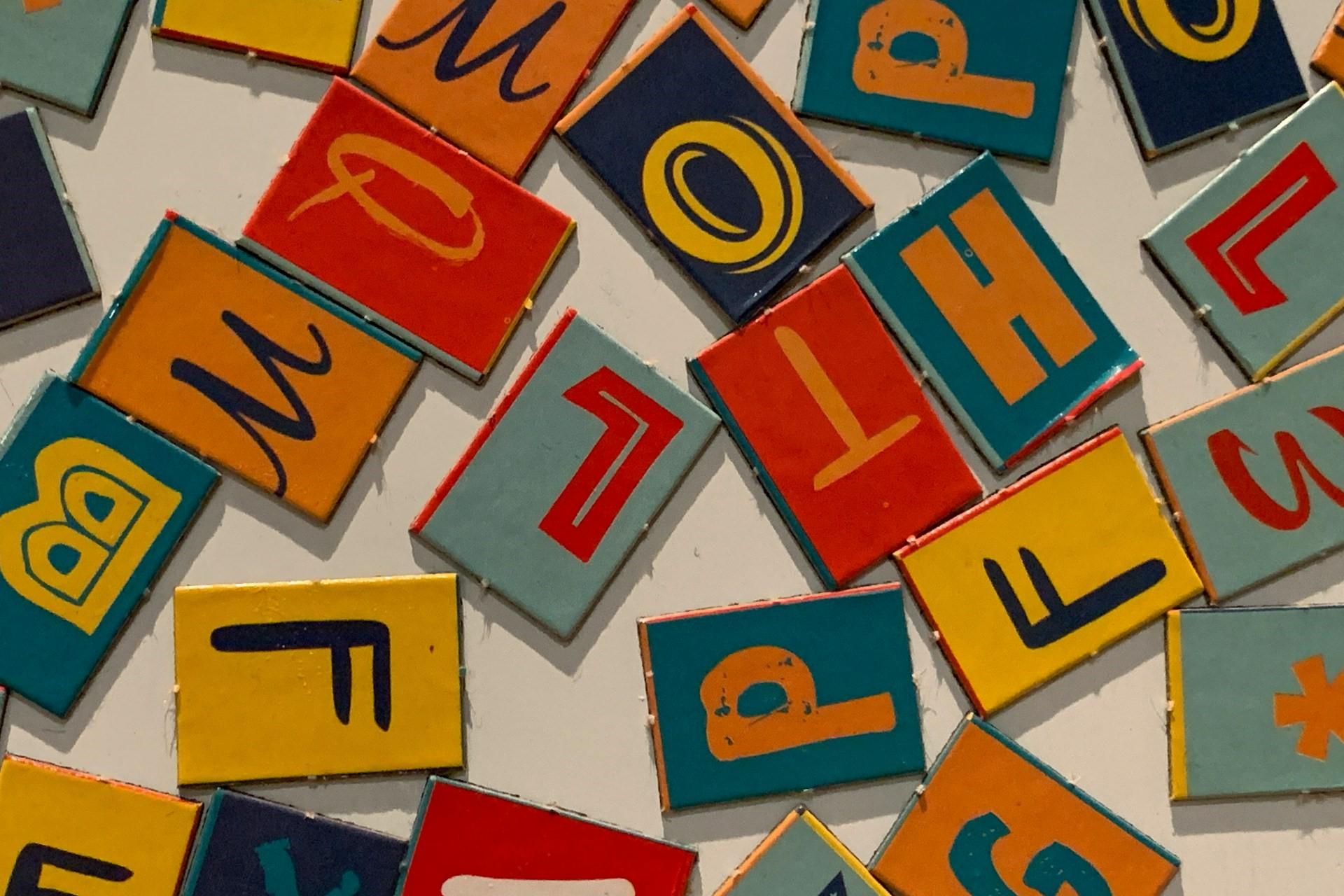

If you're learning any language, it helps to know the alphabet. Whether you're reading or writing in the language or spelling your name and new words, the writing system is essential. For languages that use a different writing system, this can be a challenge for learners.
The Italian language uses the Latin alphabet like English, so you'll recognise the letters. However, the names of the letters and how they're pronounced are different. Let's take a look.



The Italian Alphabet
While the English alphabet uses 26 letters, Italian, Latin's closest cousin, doesn't use the full 26. Instead, Italian only technically uses 21 letters.
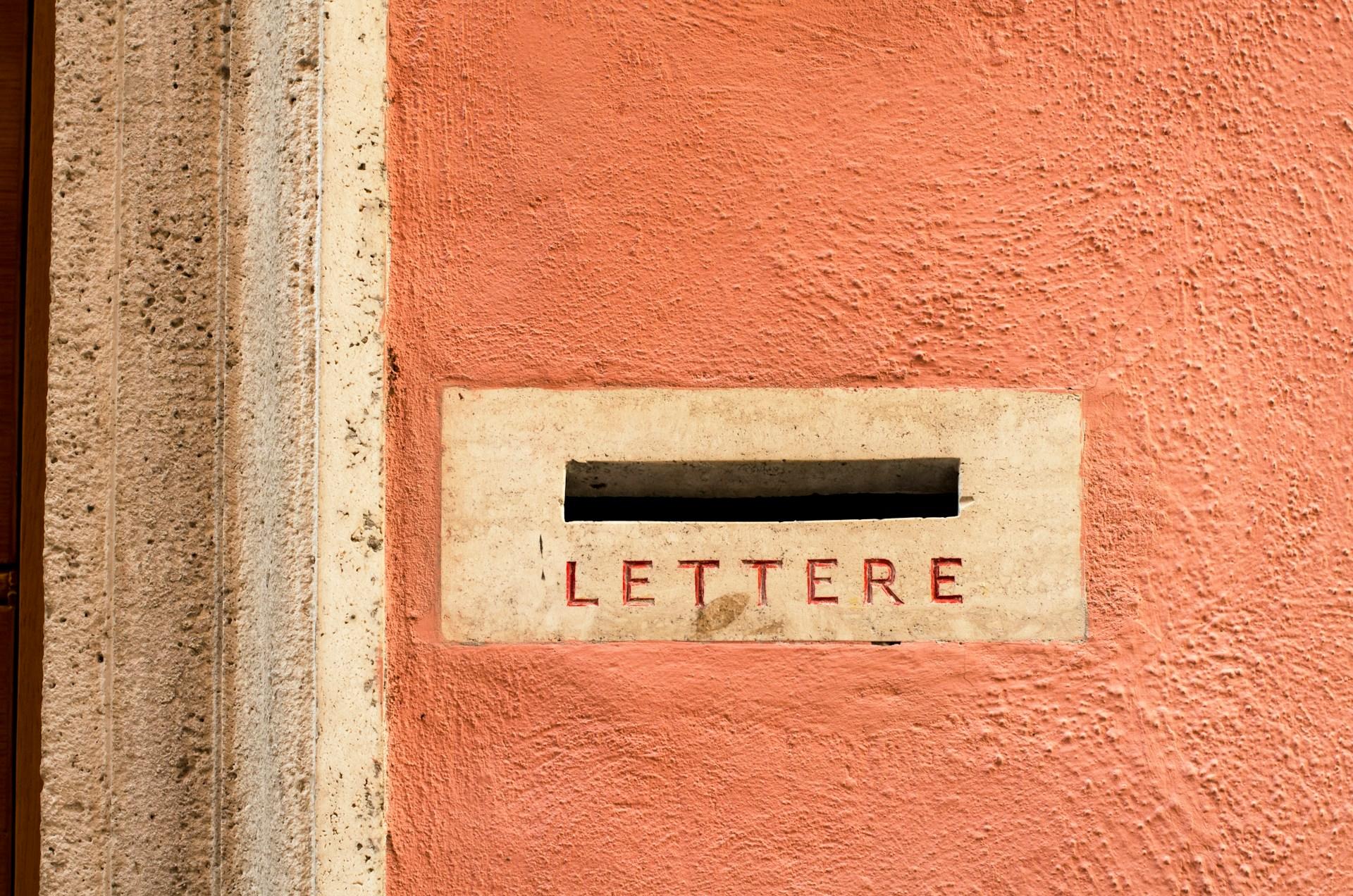
Vowels in the Italian Alphabet
The Italian alphabet has the same 5 vowels as in English:
| Letter | Name | Pronunciation (English Equivalent) | Pronunciation (IPA) |
|---|---|---|---|
| A | a | ah | /a/ |
| E | e | eh | /e/ |
| I | i | ee | /i/ |
| O | o | oh | /o/ |
| U | u | oo | /u/ |
Consonants in the Italian Alphabet
However, it only uses 16 consonants:
| Letter | Name | Pronunciation (English Equivalents) | Pronunciation (IPA) |
|---|---|---|---|
| B | bi | bee | /bi/ |
| C | ci | chee | /tʃi/ |
| D | di | dee | /di/ |
| F | effe | eh-feh | /ˈɛf.fe/ |
| G | gi | jee | /dʒi/ |
| H | acca | ahk-kah | /ˈak.ka/ |
| L | elle | eh-leh | /ˈɛl.le/ |
| M | emme | eh-meh | /ˈɛm.me/ |
| N | enne | eh-neh | /ˈɛn.ne/ |
| P | pi | pee | /pi/ |
| Q | cu | koo | /ku/ |
| R | erre | eh-rreh (rolled 'r') | /ˈɛr.re/ |
| S | esse | eh-seh | /ˈɛs.se/ |
| T | ti | tee | /ti/ |
| V | vi or vu | vee or voo | /vi/ or /vu/ |
| Z | zeta | dzay-tah | /ˈdze.ta/ |
Foreign Letters in the Italian Alphabet
The letters that we have in English that aren't technically in the Italian alphabet are:
| Letter | Name | Pronunciation (English Equivalents) | Pronunciation (IPA) |
|---|---|---|---|
| J | i lunga | ee loong-gah | /i ˈlun.ɡa/ |
| K | kappa | kahp-pah | /ˈkap.pa/ |
| W | vu doppia or vi doppia | voo dohp-pyah or vee dohp-pyah | /ˈvu ˈdɔp.pja/ or /ˈvi ˈdɔp.pja/ |
| X | ics | eeks | /iks/ |
| Y | ipsilon or i greca | eep-see-lon or ee gray-cah | /ˈip.si.lon/ or /i ˈɡre.ka/ |
However, while these letters aren't in the Italian alphabet, you might still see them when visiting Italy. A fine example is the letter "X" on the signs for every "taxi" in the country.
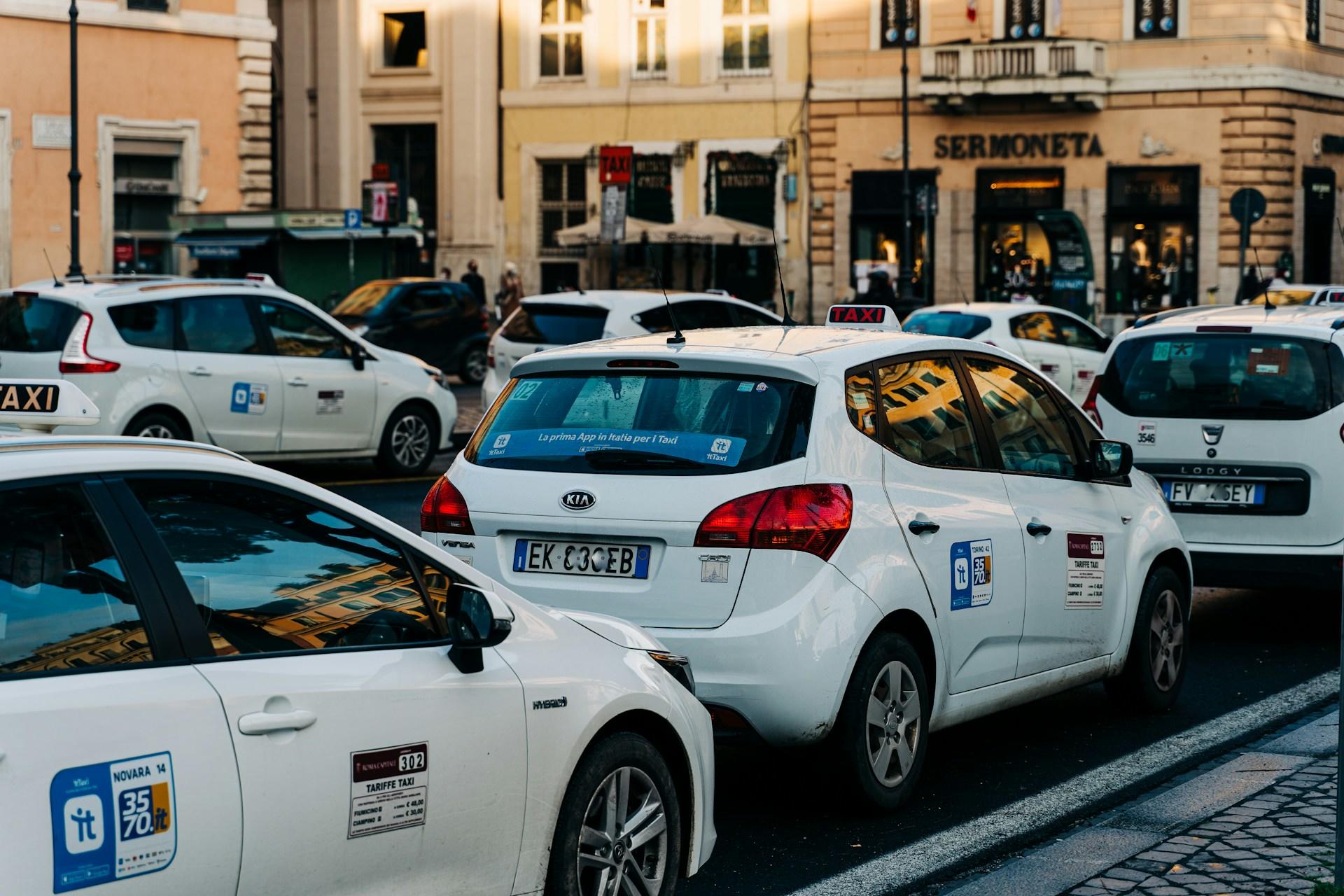
In fact, J, K, W, X, and Y are used in Italian but aren't native to the language. Instead, if you see any of these letters, the word is likely borrowed from another language or part of a proper name or brand name. Ironically, the Italian sportswear brand "Kappa" not only uses the letter "K" but is named after the letter. Rather than refer to the brand, you can improve your Italian by learning the words for colours to better describe clothes.
Every Letter in Italian
If it helps you learn, it might help to just go through all the letters as they appear in the alphabet when used in English.
| Letter | Name | Pronunciation (English Equivalents) | Pronunciation (IPA) |
|---|---|---|---|
| A | a | ah | /a/ |
| B | bi | bee | /bi/ |
| C | ci | chee | /tʃi/ |
| D | di | dee | /di/ |
| E | e | eh | /e/ |
| F | effe | eh-feh | /ˈɛf.fe/ |
| G | gi | jee | /dʒi/ |
| H | acca | ahk-kah | /ˈak.ka/ |
| I | i | ee | /i/ |
| J | i lunga | ee loong-gah | /i ˈlun.ɡa/ |
| K | kappa | kahp-pah | /ˈkap.pa/ |
| L | elle | eh-leh | /ˈɛl.le/ |
| M | emme | eh-meh | /ˈɛm.me/ |
| N | enne | eh-neh | /ˈɛn.ne/ |
| O | o | oh | /o/ |
| P | pi | pee | /pi/ |
| Q | cu | koo | /ku/ |
| R | erre | eh-rreh (rolled 'r') | /ˈɛr.re/ |
| S | esse | eh-seh | /ˈɛs.se/ |
| T | ti | tee | /ti/ |
| U | u | oo | /u/ |
| V | vi or vu | vee or voo | /vi/ or /vu/ |
| W | vu doppia or vi doppia | voo dohp-pyah or vee dohp-pyah | /ˈvu ˈdɔp.pja/ or /ˈvi ˈdɔp.pja/ |
| X | ics | eeks | /iks/ |
| Y | ipsilon or i greca | eep-see-lon or ee gray-cah | /ˈip.si.lon/ or /i ˈɡre.ka/ |
| Z | zeta | dzay-tah | /ˈdze.ta/ |
How to Pronounce Letters in Italian
Pronunciation in Italian is generally straightforward, as most letters are almost always pronounced the same way.
Unlike in English, where each letter is at the behest of the letters that precede or follow it, with Italian, you can learn how the letters are pronounced and then have a good idea of how to say any new Italian words you encounter.
How to Pronounce Vowels in Italian
The vowels in Italian are often pronounced like their names:
- A – as in “father” or “hat”
- E – as in “met” or “hey”
- I – as in “machine”
- O – as in “not” or “more”
- U – as in “flute”
How to Pronounce Consonants in Italian
For the most part, consonants have one main pronunciation. However, the letters 'C' and 'G' have a hard and a soft version, like in English. A 'hard' consonant is pronounced with a stronger sound, while a 'soft' consonant is pronounced with a softer sound. The letters that follow these will indicate which way you should pronounce them.
- B – as in “bee”
- C – as in “ch” when before “e” or “i” or as in “cat” when before “a”, “o”, “u”, or a consonant
- D – as in “dee”
- F – as in “effort”
- G – as in "genes" when before "e" and "i" and as in "go" when before "a", "o", "u", or a consonant
- H – the letter “h” is silent in Italian
- L – as in “ell”
- M – as in “em”
- N – as in “en”
- P – as in “pea”
- Q – as in “quest”
- R – No English equivalent. The “r” in Italian is trilled or rolled.
- S – as in “see” or “rose”
- T – as in “tea”
- V – as in “vee”
- Z – as in “zoo” or “pizza”
How to Pronounce Foreign Letters in Italian
While not natively Italian letters, you still need to know how the letters are pronounced when they appear in loanwords or names in Italian.
- J – as in “jazz”
- K – as in “kilo”
- W – as in “web”
- X – as in “taxi”
- Y – as in “yoga”
These letters are fairly unlikely to appear in the most common Italian verbs, but you should still learn them.
How to Pronounce Vowel Combinations in Italian
There are some commonly occurring vowel combinations you should learn to pronounce, too.
- ai – like the “y" in "my"
- ei – like the “ay” in “say”
- oi – like the “oy” in “boy”
- ui – like the “ee” in “sweet”
- au – like the “ow” in “cow”
- eu – like the “eu” in “feud”
- ia – like the “ya” in “yacht”
- ie – like the “ye” in “yes”
- io – like the “yo” in “yo-yo”
- iu – as in “you”
How to Pronounce Consonant Combinations in Italian
Certain combinations of consonants also occur in Italian quite frequently, and you should be aware of how they change the pronunciation of each letter.
- ch – like “k” in “key”
- gh – like “g” in “go”
- gn – like “ny” in “canyon”
- gli – like “lli” in “million”
- sc – like “sh” in “shoe”
The "gli" can be found in the Italian for family, "famiglia".
Stress and Intonation in Italian
How you pronounce words in Italian is about more than just learning how each letter is pronounced. Italian has a very particular sound, almost musical to our ears. This is because Italian, like many other languages, has a specific rhythm and melody, which is determined by the stress and intonation of the words.
The reason for this is that whilst English stresses words either at the beginning (table, yellow, poker), the end (repair, begin, survive), or on the penultimate syllable (elephant, record, beautiful), Italian almost always stresses the penultimate syllable. You can practise this by learning the months of the year in Italian.
That said, some Italian words aren't stressed on the penultimate syllable. Generally, words that end in a vowel other than "a", "e", or "e", or words that end in a consonant followed by "e" or "i" will break this rule.
Accent marks are often used in Italian to indicate words that don't follow the standard stress or pronunciation that you'd expect.
These marks, called 'accenti ', are placed over certain vowels to indicate that they should be stressed or pronounced differently. For example, the word 'café' in Italian is spelled 'caffè' to indicate that the stress falls on the last syllable.
While there are many regional differences in the Italian language, the stress and intonation of the language don't tend to change as much as they do in English, where stress and intonation aren't as regular.
These regional differences can affect the pronunciation of certain words or sounds, so it's important to be aware of them if you're planning to travel or communicate with people from different regions of Italy.
Why Study the Italian Alphabet?
Knowing the Italian alphabet will come in very handy.
By learning it, you'll be able to read, write, and pronounce Italian words. In fact, with an understanding of the alphabet, you can ask about new words or how they're spelled in Italian without resorting back to English or having somebody write everything down for you.
Learning the alphabet is also an essential part of Italian language proficiency tests. The CILS (Certificazione di Italiano come Lingua Straniera) and the CELI (Certificato di Conoscenza della Lingua Italiana) include the Italian alphabet.
Knowing the alphabet and which letters are native and which aren't will help a lot when it comes to spelling words in Italian. You'll know that when you hear the word “chilogrammo” (kilogram), that it won't be spelled with a “k” in Italian since the letter isn't native. You should also learn numbers in Italian for this kind of stuff.
Similarly, if you meet an Italian person called “Giulia” (which sounds a lot like Julia), you'll know that it probably begins with a G since “J” isn't typically part of the alphabet.
Get Help with Your Italian from a Private Tutor
More than simply learning the Italian alphabet is required to get you to speak Italian. While immersion is a great way to pick up a language, working with a private Italian tutor is arguably the second-best way to learn Italian.
A private tutor can give you a personalised learning plan, immediate feedback, and many opportunities to practise speaking Italian, which you might only sometimes get when working in a large class with many other students.
Tutors can also focus on the parts of the language you need the most help with. If you quickly master one aspect of Italian grammar, you can move on to something else, and you won't have to wait for the rest of the class. Conversely, if something about the Italian language is causing you problems, you can focus more on it.
If you'd like to learn Italian with a private tutor, search for "Italian" on the Superprof website. From there, you can browse different tutors' profiles and see what they offer, how much they charge, and what their other students think of them.
Most tutors offer the first lesson for free, so you can try a few different Italian tutors before choosing the one who's right for you.
Summarise with AI:
Did you like this article? Leave a rating!


 Loading...
