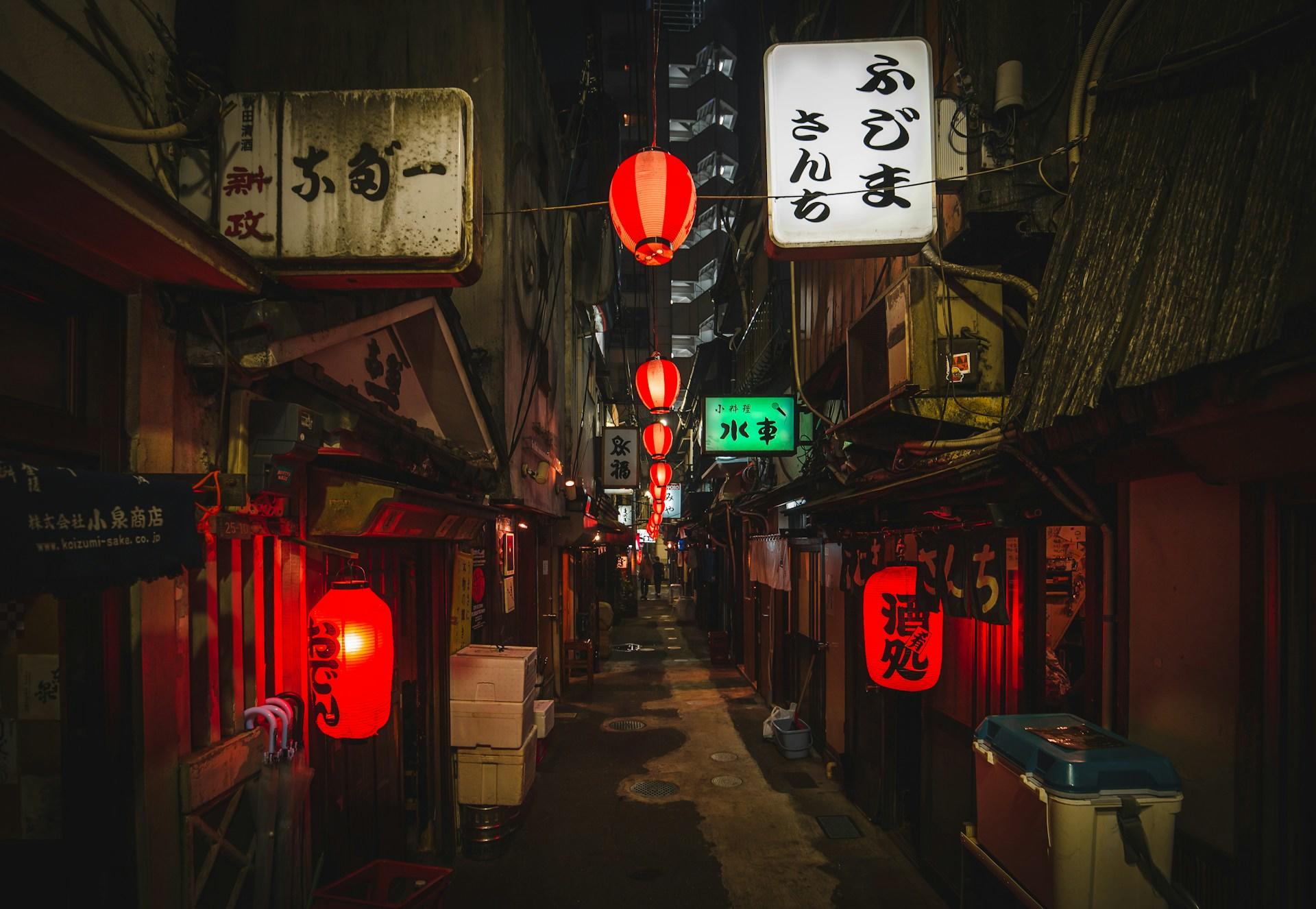

English speakers learn their language's alphabet with the ABCs rhyme or song. Native Japanese speakers learn a song too but it's not letter by letter. The typical two-letter syllables, a consonant-vowel pair make up the Japanese Kana chart. Learners memorise row by row and column by column.
The kana systems are similar to the Latin or Cyrillic alphabet. These basic, short-sound syllables are a Japanese creation; they're much simpler than the Kanji system based on Chinese characters.
The kana systems are called hiragana and katakana. Hiragana is reserved for authentically Japanese words; katakana is for foreign words and words like 'hiss' and 'buzz' - words that sound like the noise they make. These kana make the same sounds despite being written differently. They are the first "letters" you will encounter when learning the language despite being syllables.
You will need to memorise hiragana and katakana separately. You'll first encounter them in a five-column, 11-row grid of characters, but not every box is full. In all, you'll master 46 sounds written in two different ways.
Both systems are fundamental to Japanese reading and writing. It doesn't take long to grasp them once you start learning. Read on to learn the Japanese writing systems.



Japanese Alphabet Hiragana
Hiragana and Katakana represent phonetic elements; they require more letters to communicate a concept. By contrast, kanji can communicate an entire idea with one character. The character 国 (kuni), 'borrowed' from Chinese and meaning 'country', represents the emperor (王 - wang) and jade (玉 - yü) within a border (口 - kou) in its original language. Each of those 'component' characters may in turn be used alongside others to convey different ideas.
By contrast, each kana character only associates with 1 sound, which means that you need a string of them to form a word. You may also use kana when you're writing phonetically, to express or learn something. The 46 kana sounds break down into:
- the five vowels: a, e, i, o, u
- 40 consonant-vowel pairs
- k-, s-, t-, n-, h-, m-, r- each of which pairs with all 5 vowel sounds
- y-, which only pairs with a, u, and o
- w-, which goes with a and o only
- -n character which always has to pair with another kana
Hiragana is theoretically the closest to an alphabet as we know it but is not used on its own because it is too simplistic. Besides, kanji characters perform an essential role in phrase creation. As we mentioned before, it would be hard to distinguish words from one another if everything were written in hiragana.
Remember that the Japanese written language does not include spaces between words. That being the case, Japanese readers would need specialised knowledge of the language to understand written texts if written only in kana. The basics of learning Japanese are necessary to fully comprehend this language, even for Mandarin speakers.
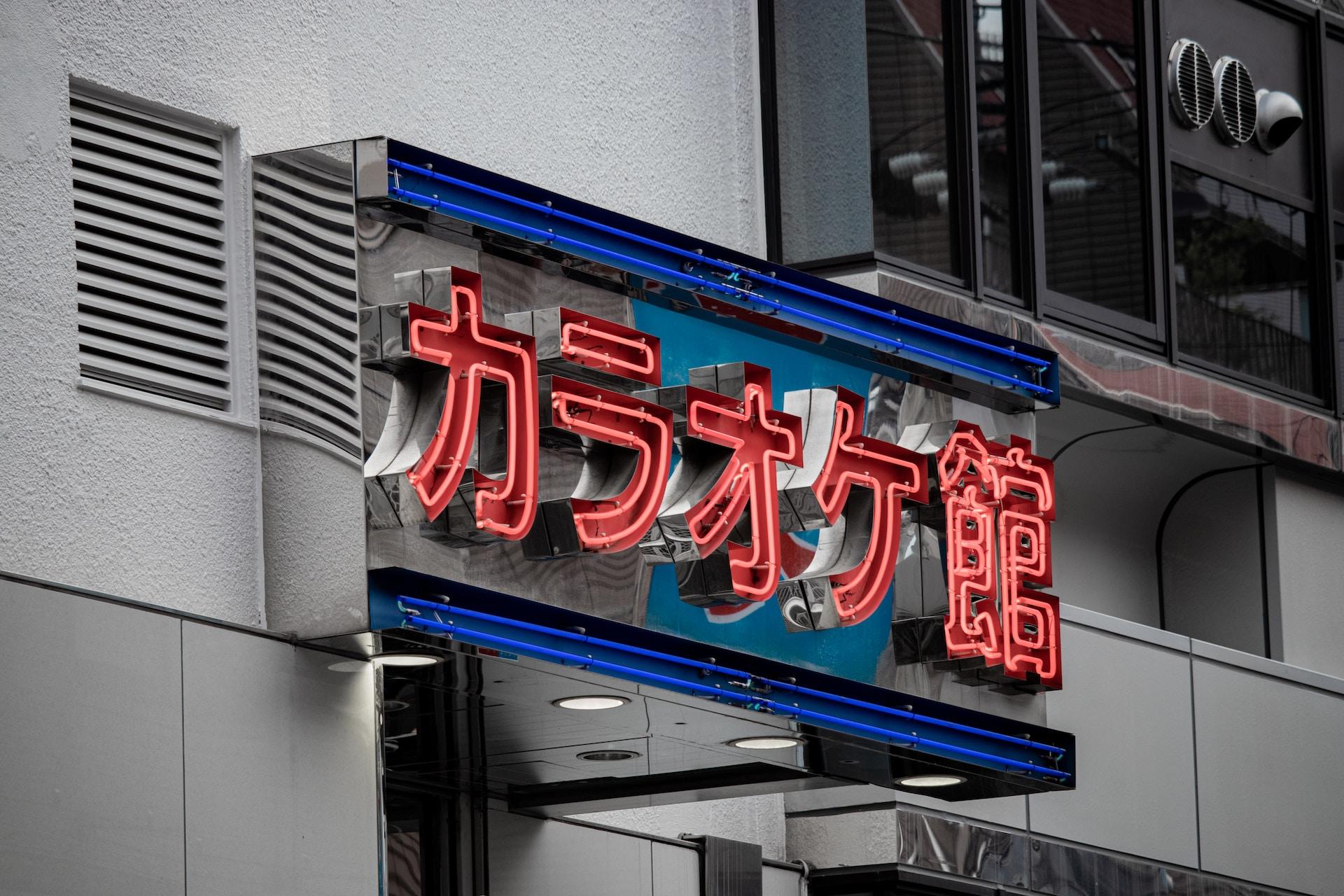
Japanese Letters - Katakana?
Given that the kana systems each represent a phonetic element of Japanese, they have lots in common. Indeed, you might think of them as different ways to write the same 46 sounds.
To illustrate an example of hiragana and katakana's different orthography, let's look at tsu. In hiragana, we write つ but in katakana, it's ツ. This character appears a lot because it signals a double consonant sound when written small before the following character. Thus, even a basic user of Japanese can see that tsu is different from one writing system to the next.
The 46 'sounds' written in hiragana are the same as in katakana but are written in a more angular, less rounded style. They have exactly the same sounds, but since hiragana is reserved for words of Japanese origin, katakana has different functions. The combination of sounds these two sound chart siblings make will therefore vary because they're not interchangeable.
You'll find greater simplicity in the katakana set of syllables. For instance, the character for the 'mu' syllable in hiragana looks like む, whereas katakana's version is simpler and more angular: ム.
Despite Japan's historical isolationism and fierce cultural pride, foreign words from English, Chinese, and European languages broke through. Hence the need for katakana, which sees its greatest use in writing loan words. You'll notice when reading or writing Japanese words and phrases, that words like coffee (コーヒー kōhī) and beer (ビール biru) use only katakana (and sound English).
Japanese Alphabet: Kanji
Japan and China have had a tense relationship since the early 20th century. That might make you wonder why this rivalry didn't push Tokyo to purge all traces of Chinese - the kanji writing system, from their language. Simply put, kanji serves too vital a purpose to be removed.
As mentioned above, a Kanji character lets the reader know when a new word begins thanks to its semantic meaning and impact on the sentence. Recall that Japanese writing doesn't use spacing between words so it would be harder to tell a new word's start if only kana were used. The individual words would likely be harder to distinguish and their relationship to one another would be less clear.
Remember that a single kanji can represent a complete idea. Thus, there exists far more kanji than kana. Even Chinese scholars shudder at the thought of learning all 5000+ characters but you don't need to know nearly that many. You might get by with knowing around 500, to start. Some of the easier ones include:
- 大 - dai - big
- 人 - hito - person
- 星 - hoshi - star
- 口 - kuchi - mouth
- 天 - ten - heaven or sky
You can remember three of these with a mnemonic: man is big but the sky's the limit (can you see it?). Kanji's origin story and its many uses add character to the Japanese language. These characters have intrinsic cultural meaning, not the least when writing names in Japanese. Besides people's names, kanji are used to write numbers, nouns, verbs and adjectives.
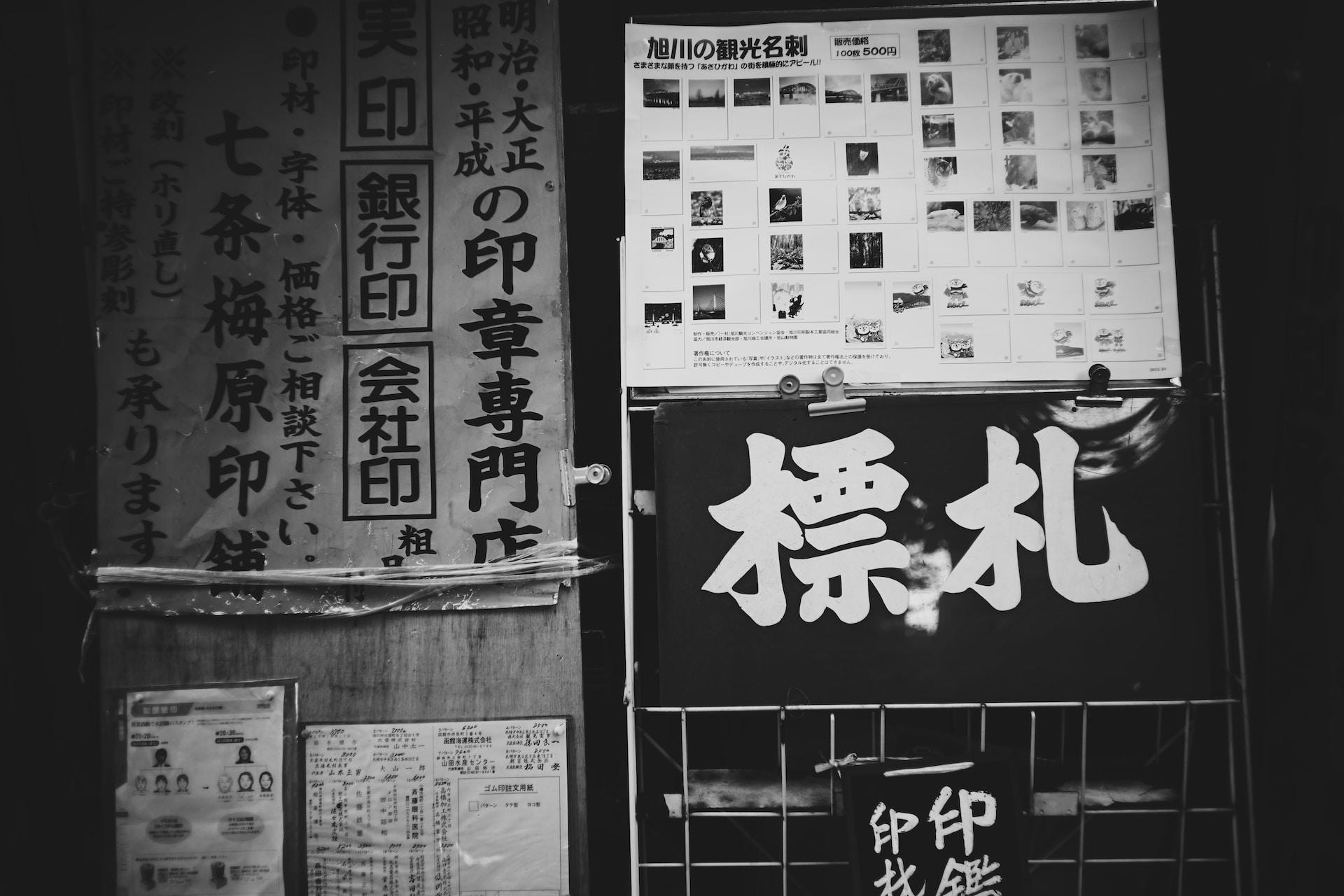
Japanese Alphabet: Three Writing Systems
Learning three writing systems seems like a lot to people who are used to writing with just one alphabet.
But the three kinds of writing complement each other, with kanji used for official names and semantic communication. Kana serves the language's functional aspects specific to sounds in Japanese.
Keep in mind that hiragana is used for words of Japanese origin while katakana is for those with foreign origins. Hanbaga (ハンバーガー) comes from English. Onigiri (おにぎり) is distinctly Japanese. Why not just write everything in kanji, though?
For one, that writing system belongs to another country. Besides, the Japanese language uses traditional Chinese characters, rather like Taiwan does. The Chinese government reformed its language's writing system in the 20th century so today's Mandarin speakers nearly all read and write using simplified characters.
What's kanji's link to Japanese, besides being historic? Many core concepts, in particular, Japanese numbers, have changed their sounds over time. Today, many kanji have a Japanese pronunciation (kunyomi) and a Chinese one (oniomi). The other sets of syllables exist to complement these.
Japanese Alphabet: Romaji For The 21st Century?
Romanji, ie writing Japanese words with Latin characters makes it easier for foreigners to understand the language. It might seem logical to transition to such a system, given the state of globalisation today.
Japanese into Latin characters began when Portuguese missionaries went to Japan in the 16th century. Two main romaji styles have emerged over the years: Nippon and Kunrei systems. Some say that romaji - hanbaga, biru, onigiri and other examples throughout this text, helps students learn at a beginner level. Many contend it's suitable even for native Japanese speakers.
Superprof Japanese tutors don't agree. They recommend not using romaji at all, not even as a beginner Japanese learner. For one, romaji strips the Japanese language of its signature appearance and insults the culture. For two, learners should adapt to their target language, not the other way around.
The kana systems make learning Japanese easy. Let's assume you take 2-4 hours of Japanese lessons per week as recommended for beginner language learning. You will have plenty of opportunities to practice the kana systems while reading and writing, and you can spend your free time practising them, too.
Setting your computer or phone to Japanese can be a great way to do that. You might consider typing little messages to yourself and others. This will help train you when looking for katakana's sa (サ) or hiragana's (さ), for instance.
Don't be daunted by the three writing systems when learning Japanese. You'll master them quickly, and you will feel satisfied with your progress in learning bigger and more difficult words in Japanese.
Just think about how much you've been able to do with just 26 letters from our own alphabet. Imagine applying that logic here! Mastering kanji and the kana is both an intellectual and artistic pursuit from which you'll come out ahead in the end.
Summarise with AI:
Did you like this article? Leave a rating!

 Loading...