


Whether you're training to become a doctor or are about to start your career as a registered doctor in Australia, you need to think about the future of your career, what you'll do, where you'll work, and the decisions you should make.
In this article, we'll look at how you can become a doctor in Australia, the pros and cons of working in private or public health, and the medical specialisations that are likely to be in demand in the future.


How Do You Become a Doctor?
It's neither easy nor quick to become a doctor in Australia. You'll need to do both an undergraduate degree and a Doctor of Medicine (MD) postgraduate degree.
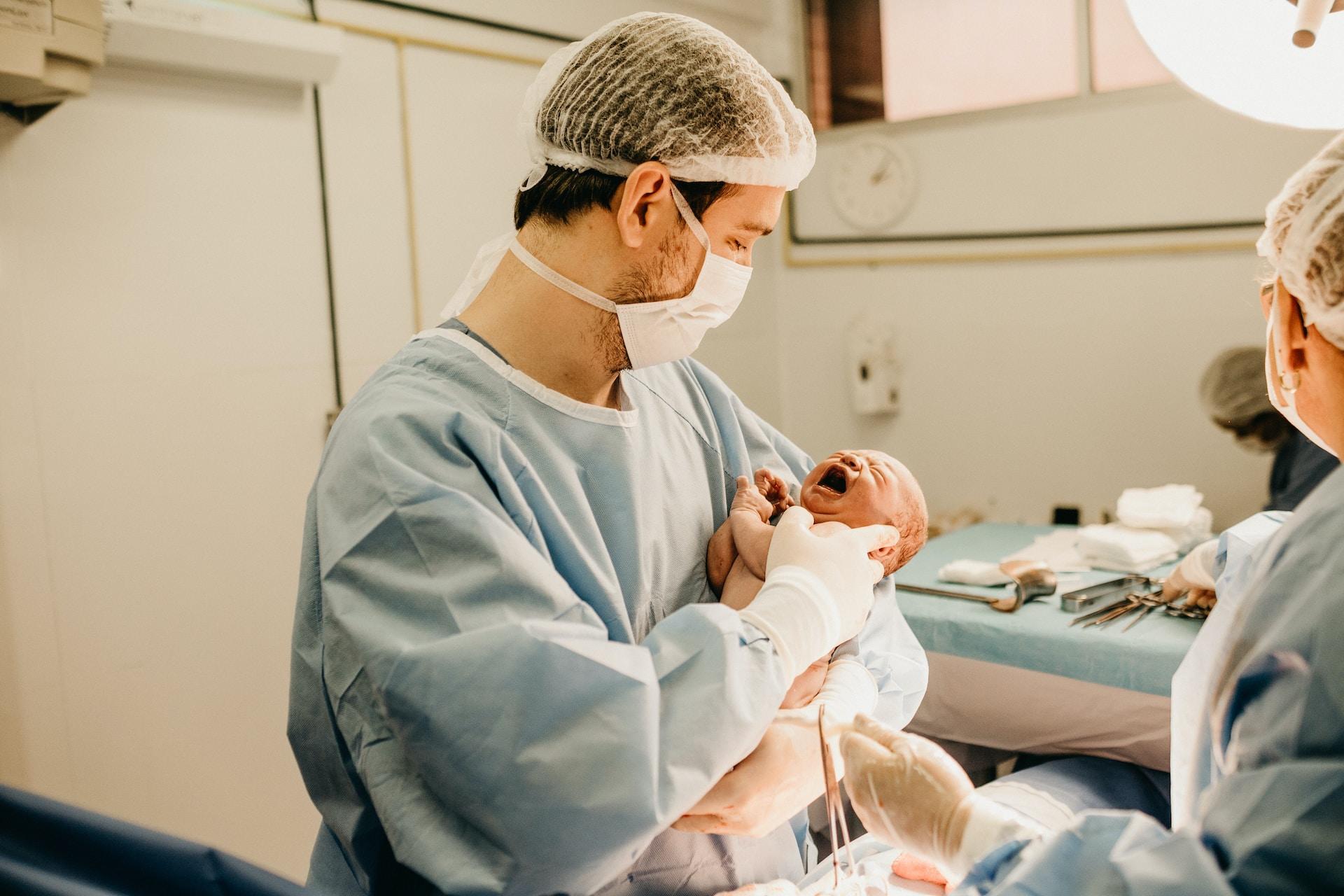
These two degrees will take 7 years and you still won't be a doctor. Once you finish your MD, you need to do a year in a hospital as a medical intern.
Once you've finished your year as an intern in a hospital, then you'll be a fully-registered doctor, but most go on to do their residency, pre-vocational training, and then specialising in a particular area of medicine or care.
Public or Private Health?
When you start out your career as a doctor, you'll most likely have to start in public health as private health institutions are less likely to take on doctors with limited experience.
Your internship will likely have been in a public hospital, too, so you'll have already worked in public health before you officially start your career as a doctor.
Later on, however, you'll have the option to stay in public health or move into private health. Let's have a look at the differences between the two and the reasons for and against working in each of them.
Public Health
Public health, much like other public sector jobs, comes with a lot of job security. The public health system is somewhat bigger than private health and private health institutions so job losses are much rarer.
With public health, there are better opportunities to be involved in policy work and addressing public health issues, but the career progression with public health is much slower.
In public health, you're more likely to struggle for staff and resources, too, as there's naturally less money floating about to fund it.
Private Healthcare
In private healthcare, doctors have fewer patients to deal with. After all, patients are paying a premium to not have a doctor that's struggling to keep up with their caseload.
You're far more likely to work in nicer environments in the private sector, too. Again, this is because there's more money in the private sector. One of the key selling points of private healthcare is nicer facilities, quicker care, and better conditions for both patients and staff.
The downside to private healthcare is that it's run more like a business and this means doctors need to work harder to earn money for their employers and your work is as much about treating patients as it is generating business.
Since your income will be related to performance, patients, etc., your income is more likely to fluctuate in private healthcare than in public healthcare where your salary will be fairly steady.
Which Kinds of Specialisations are in Demand?
Your specialisation will likely dictate where you work more as you'll be working in the relevant department for that specialisation and some specialisations are usually located in hospitals or clinics whereas other specialists will work in dedicated buildings or labs.
There are so many medical and clinical jobs out there that require education beyond a degree as the roles are very specialised.
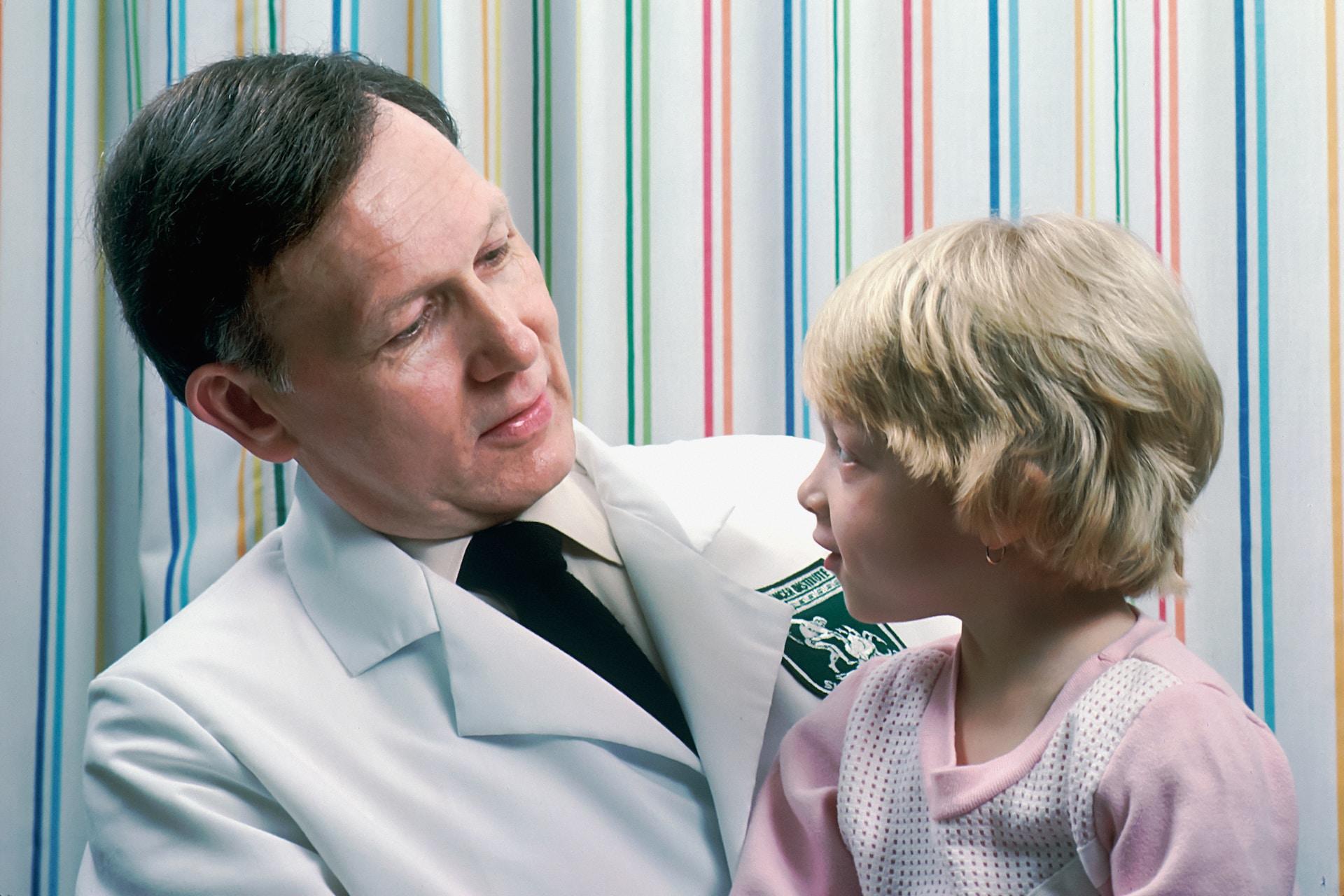
NSW Health has an excellent page outlining all the specialties in the state and has organised them in terms of career opportunities from "significant career opportunities" all the way down to "adequate career opportunities".
We've picked a few of the specialties that we think are the most interesting, but it's always worthwhile looking into the demand for each specialty in your state or territory before committing to all the pre-vocational training and vocational training you need to do to specialise.
Specialties with the Highest Demand
Nobody wants to have to struggle to find work and for doctors, the best way to ensure that you'll always find work is by specialising in a high-demand area. You can study these in-demand specialty areas even in medical schools that are easy to get into.
Clinical Genetics
Clinical genetics is the area of medicine that focuses on diagnosing and treating genetic conditions.
Nuclear Medicine
In nuclear medicine, radioactive materials are used to diagnose and treat diseases. Nuclear medicine uses imaging techniques to provide doctors with information.
Reproductive endocrinology and infertility (O&G)
Reproductive endocrinology and infertility are part of obstetrics and gynaecology and focus on women's health before, during, and after childbirth.
Surprisingly, the number of women working in this area (at least in NSW) is only 37% and one of the reasons contributing to the demand for this area is the ageing workforce, with three-quarters being aged 50 or over.
Specialties with High Demand
These chosen specialties are still in high demand, but they're not quite as highly sought after as some of the previous specialties.
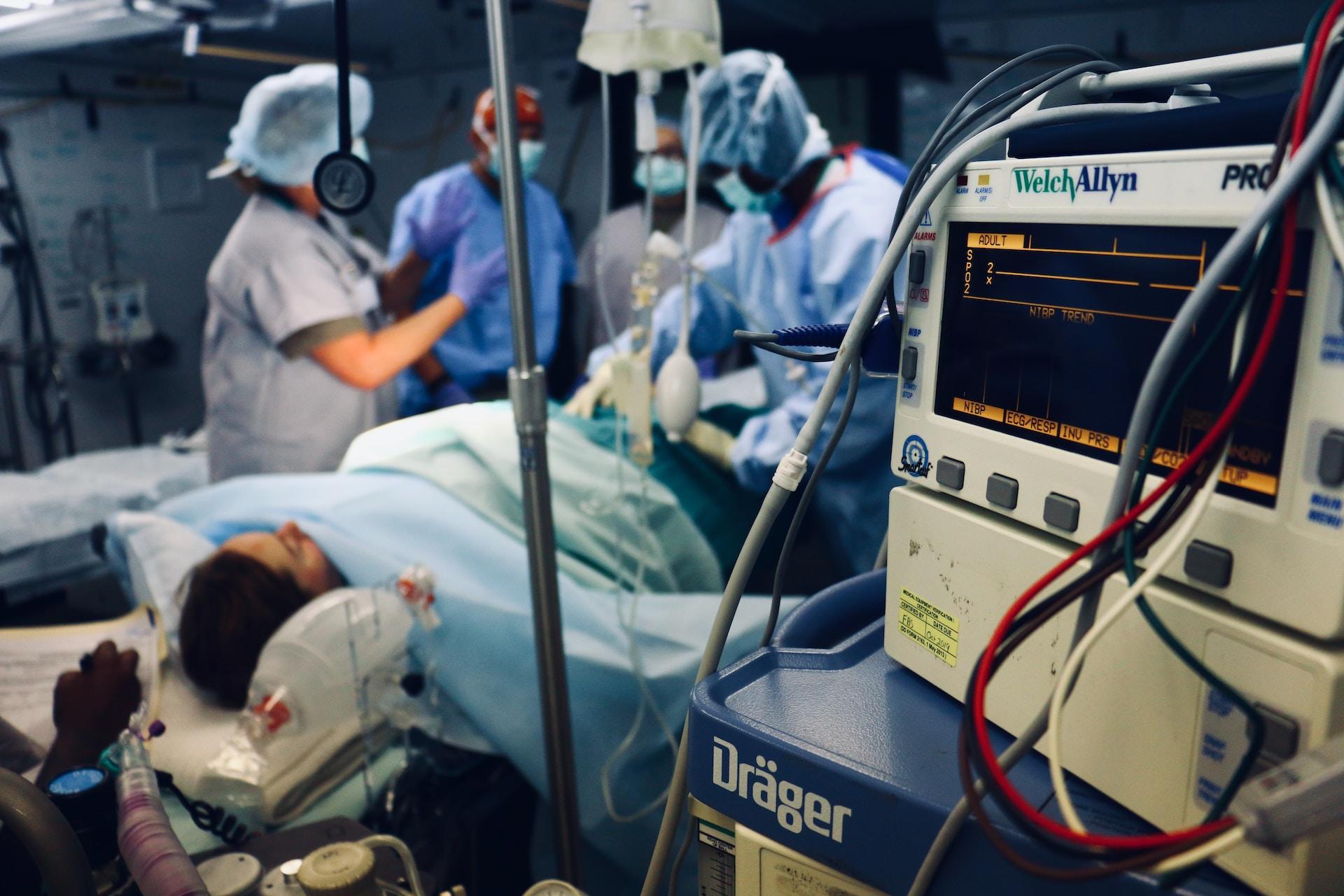
That said, you still should be able to find work in these areas without too much difficulty, particularly in NSW. Again, these are just a few of the specialties that we find interesting and there are many more medical specialties with similar levels of demand.
Dermatology
Dermatologists specialise in the skin and diagnosing and treating skin diseases and skin cancers. This is another area of medicine with an ageing workforce that will create lots of opportunities for new specialists.
Ophthalmology
Ophthalmologists specialise in the human eye. In addition to treating and diagnosing diseases in and around the eye, they also deal with eye injuries.
Palliative Medicine
Palliative medicine focuses more on a patient's quality of life. Palliative medicine often treats patients with progressive and advanced diseases.
While palliative care is often used for terminal patients, this isn't always the case. In fact, palliative care can be applied to patients who aren't nearing the end of their lives.
Other Specialties Worth Considering
Any specialisation is better than none as the extra training and experience will help you to command a higher salary and beyond the salary, there's also the fact that you can specialise to work in a field that you find interesting.
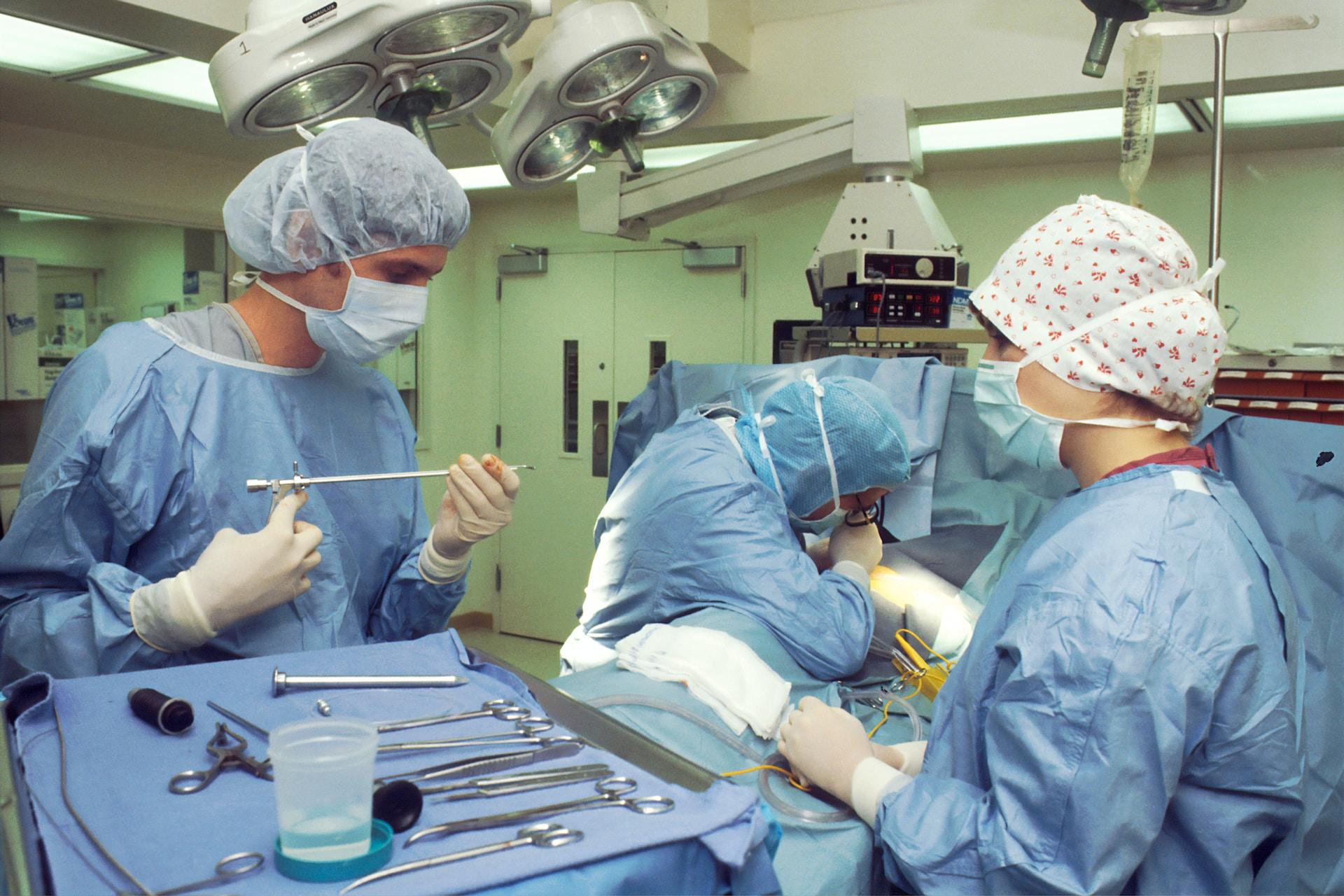
Here are just a few specialties that have limited demand but could be quite interesting.
Neurology
Neurologists focus on the human nervous system and the conditions, diseases, and disorders that can affect it.
It mightn't be the most in-demand specialty for doctors, but it's certainly an area of medicine that could be of interest to newly-qualified doctors thinking about their residency and vocational training.
Neurosurgery
Neurosurgery is the surgical side of neurology and since surgeons are pretty much always in demand, this could be another area worth pursuing.
The average age of surgeons is lower than some of the other specialisations we've seen so far, which could go some way to explaining the lower levels of demand.
Plastic surgery
Plastic surgery isn't just for cosmetic surgery. Plastic surgeons work repairing skin, soft tissue, and bone as well as manipulating them for cosmetic reasons.
This is another area with a younger workforce than the most in-demand specialisations, but it's an area that has generally been somewhat in demand and the demand isn't looking like it'll go anywhere.
The Best-Paying Medical Specialisations in Australia
After spending a hefty sum on the education required to become a doctor, you'll likely want to earn a decent salary and while doctors in Australia are well-paid, some are paid more than others.
Where you work and your specialisation will affect your salary and generally, the higher the demand, the more you'll get paid.
In addition to the in-demand specialisations we've already covered, here are some of the roles that come with the best salaries.
Cardiology Physician
Doctors specialising in the heart command one of the best salaries in the country. Generally, they'll look to test patients to diagnose possible cardiac diseases and conditions.
Oncologist
Oncologists focus on patients with cancer. They evaluate the patient's cancer and make important decisions about their treatment and care.
Paediatrician
Paediatricians specialise in healthcare for children. They administer regular check-ups, treat injuries, and focus on preventative care such as immunisation.
General Practitioner
Despite the name, a General Practitioner is still a kind of specialisation. GPs operate a little differently from other doctors as they tend to act as business owners rather than salaried employees.
How much they earn will depend on how many patients they treat so while the average salary for them is quite high, everyone's practice is different.
A general practitioner is still a medical professional and will still help patients.
Orthopaedist
Orthopaedists focus on bones and will likely see patients referred to them by other doctors. They can diagnose and treat injuries as well as things like bone tumours and pains.
Naturally, there's more to choosing medical specialisations and jobs based on demand, but since you have to spend years studying, specialising, and gaining clinical experience, it can be useful to make sure that there'll be jobs when you've finished your training.
Whether you want to provide care in a public hospital, a private clinic, or find a specialist medical job, don't forget that private tutors can provide you with bespoke and tailored tuition to help you through your studies.
Summarise with AI:
Did you like this article? Leave a rating!

 Loading...
