


Learning a language comes in many different forms. There's no right or wrong way to do it as it completely depends on what you're learning the language for. Just ask a language learning forum what "fluency" is and you'll see how complicated learning languages can be.
There are as many different ways to learn a language as there are language learners, but today, we want to look at both linguistic and cultural immersion and the role they can play when it comes to learning Korean.


The Common Ways to Learn a Language
Most languages have two main forms: a spoken form and a written form. As they're communicative, they'll have someone who's communicating an idea and someone who's receiving and understanding this idea.

In the spoken form, you have a speaker and a listener. In the written form, this is the writer and the reader. This basically means that there are four main skills you need to master to learn a language: speaking, listening, reading, and writing.
How we're taught languages depends on how much we want to focus on each of these. It's common for language lessons in schools to focus a lot on reading and writing since students are often tested with written exams.
It's still quite odd that a lot of lessons teach students how to read and write in a foreign language before they really teach them how to converse, especially since we learn our native languages completely the opposite.
For many, a foreign language should be learned in the same way as our mother tongues: listening and speaking first and reading and writing second.
Of course, if you learn as an adult, you have the advantage that you likely already know how to read and write which means you can start honing these skills much earlier than you did with your mother tongue, but the focus should still remain on speaking and using the language in real-life situations rather than the classroom.
Why Is Immersion Important?
This brings us to immersion. Put simply, immersion is just living your life as if your target language was your mother tongue. You live as much of your life as possible in the target language and this helps you to learn the language and improve naturally. You won't need an advanced level of Korean to move to South Korea, but it does help to start with the basics.
It's arguably one of the quickest ways to learn a foreign language as rather than studying for a few hours each week, almost every waking minute is spent using the language.
Ideally, you'll want to immerse yourself in the language by living somewhere the language is spoken, but if you can't do that, you can always just try to live as much of your life as possible in your new language.
This can include simple things like consuming media in the target language, changing the language on your devices to Korean, and hanging out with Korean speakers as much as you can.
What Are the Benefits of Immersion?
The key benefit of immersion is how much practice you get in your target language. All this practice generally results in progressing way more quickly than you could ever dream of by only attending lessons.

With weekly language lessons, you'll only get a few hours of practice, but with immersion, you're practising your new language all the time, even when you think you aren't.
This also leads to thinking about the language differently. In conversations, you'll be more fluent because you've learned these skills naturally rather than in a classroom by having awkward practice conversations with your classmates.
You'll also learn to think on your feet. If you run into problems when speaking to somebody, you just have to make yourself understand and even use language creatively to solve the problem. If you don't know a word, you're going to have to explain it.
If there's been a misunderstanding, there'll be real-life consequences rather than a teacher telling you that you got it wrong. Most of these misunderstandings will be absolutely harmless (or maybe even funny) so don't worry about getting things wrong, that's how we learn.
Immersion can be tricky at first, especially when you have no safety net of speaking in English to fall back on, so it can help to teach yourself the most important and common phrases in Korean before you start.
What Are the Downsides to Immersion?
Immersion is the best way to learn, but you always run the risk of developing your target language without any formal education. You can end up a master of casual conversations without mastering grammar and while this is definitely useful for communicating, it can help to also formally study your target language to give you a firm foundation in terms of grammar, structure, and all the other things you need to know to take your language learning further.
In the same way that focusing too much on studying the language and not using it can lead to problems further down the line, so can focusing solely on immersion and never really studying the language.
Don't forget that even Koreans will learn about their own language in school even if they all learn to speak it natively at home.
What Is Cultural Immersion?
Language and culture are two sides of the same coin and neither exists in isolation. Language can inform culture and culture definitely informs language.

Cultural immersion is much the same as the linguistic we've just been talking about, but it extends to consuming the culture of the people who speak your target language.
Don't forget that culture is broad and there isn't a single country or language with a singular culture, but that doesn't mean there aren't things that exist in that culture that don't in your own.
Broadly speaking, cultural immersion is about almost exclusively consuming the culture produced in your target language and from speakers of your target language.
For Korean cultural immersion, this could mean listening to Korean music (ideally with lyrics), watching Korean cinema, enjoying Korean TV shows, and reading Korean books.
Beyond that, there's also the culture that exists in terms of traditions, events, and religion. We're not saying you have to convert to immerse yourself culturally (South Korea is fairly secular, after all), but it does help to know why things are happening and their background.
You can begin learning Korean on Superprof with Korean classes Melbourne.
Why Is It Important to Learn About Culture When Learning a Language?
Because culture and language are inextricably linked, you can't fully understand one without understanding the other.
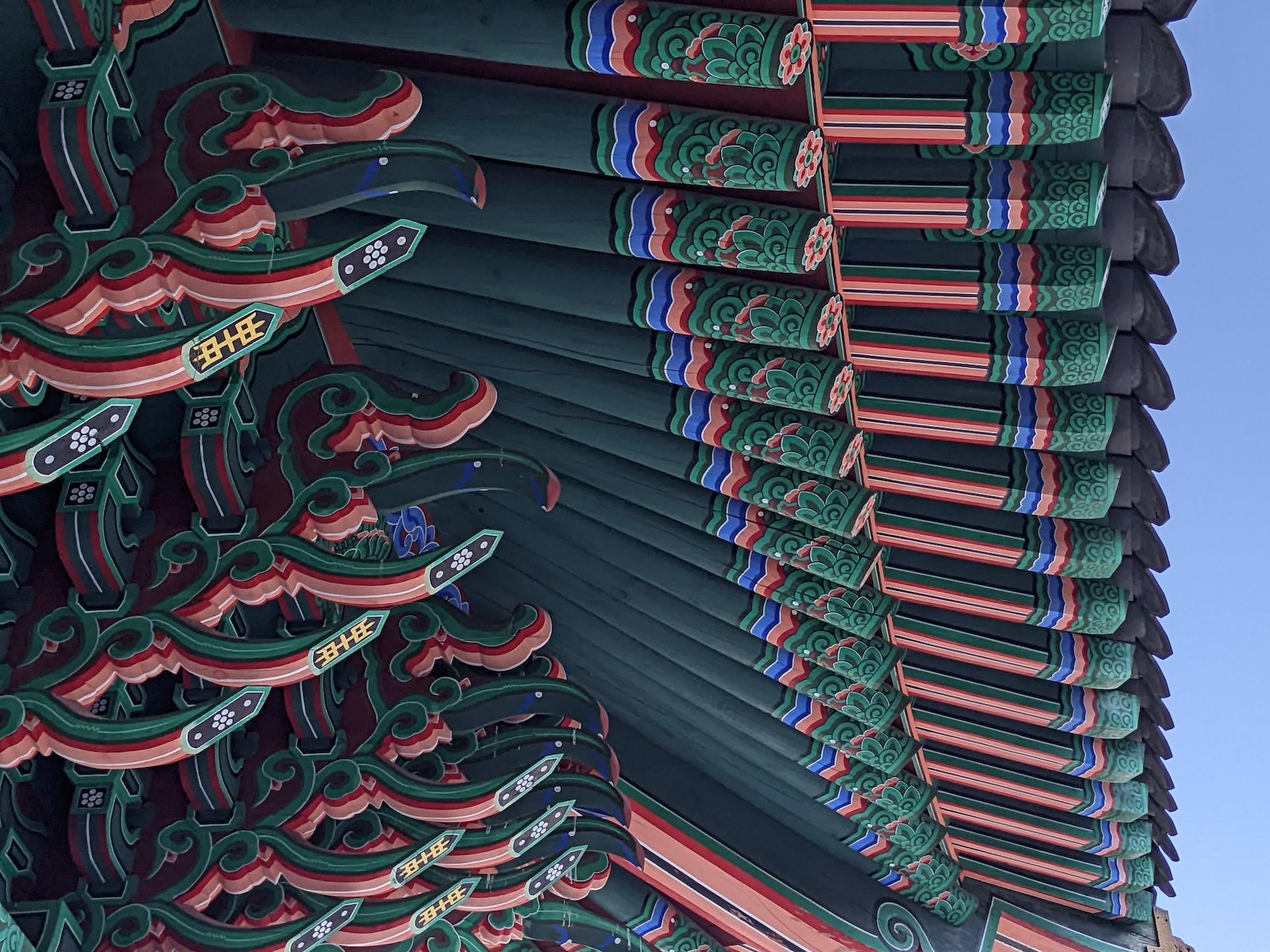
Cultural immersion will help you to learn Korean, too. Not only will you better understand your surroundings if you're living in Korea, but it'll also help you when socialising as you'll have things to talk about even if it's just to get the conversation started.
This can also help you to get the conversation started, but it'll also help you to understand how to conduct yourself in social situations. Knowing the language is one thing, but knowing how to behave in social situations is part of the culture.
Naturally, some of these cultural lessons will come through everyday conversations, but if you're actively consuming the culture, participating in cultural events, and living your life as a South Korean, your language skills will naturally progress, too.
Learning about somebody's culture will also help you understand the people and better empathise with them. Again, keep in mind that cultures aren't homogenous so while cultural immersion will help you gain a better understanding of how certain peoples generally behave, you also need to remember that every person you interact with is also an individual.
How Can You Immerse Yourself in Korean Culture?
Even before you get to South Korea, you can start immersing yourself in the culture. In the digital age, we have more access to other cultures than ever before through TV, cinema, music, literature, and online communities.
Online communities are a great place to start. Whether it's other people learning Korean or just Korean-speaking communities, they can point you in the right direction in terms of which content to consume and which parts of Korean-speaking culture they think would be good for you and your level in the language.
With cultural immersion, you must match it to your level in the language and while you might want to read classic Korean literature or watch the latest blockbuster film, it might be better to start with books and TV shows for children as the language used is usually simpler and easier to understand. While visiting Korea's top attractions may seem touristy, it can also help teach you about the cultures present in the country.
As for the cultural calendar, you can always learn about traditions and events in English, but if you're really going for linguistic immersion, you should look these up in Korean, too.
Finally, an excellent way to learn about Korean culture is through a Korean private tutor, especially if they're a native speaker. They'll be able to share their culture with you and show you what to watch, what to listen to, and what to read while also teaching you all about their language.
If you want to speak like a native, it helps to have a private Korean tutor that's a native speaker. Fortunately, thanks to online teaching, students can find tutors from all over the world, including South Korea.
Ready to learn with a qualified tutor? Find Korean classes Sydney on Superprof!
Summarise with AI:
Enjoyed this article? Leave a rating!


 Loading...
