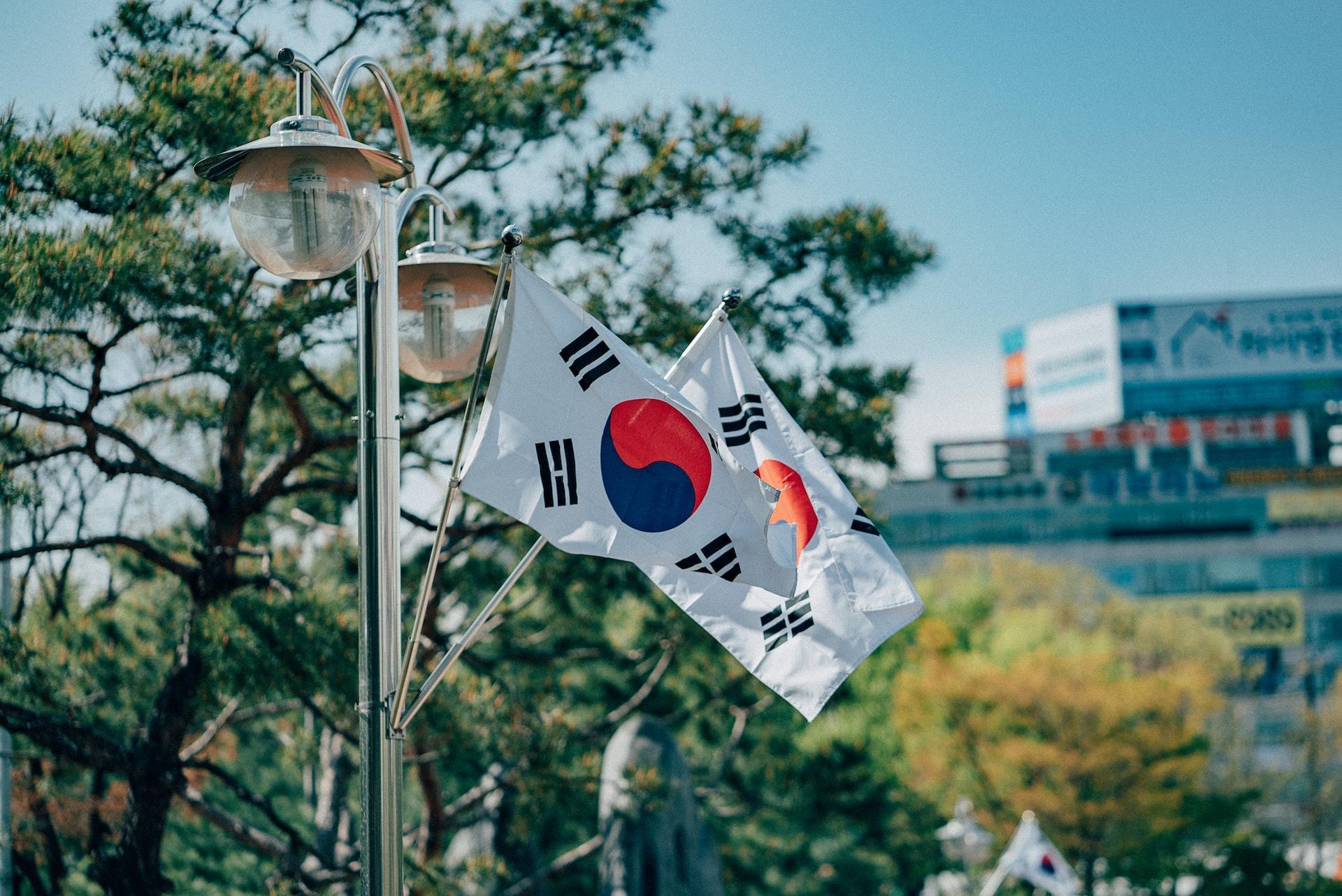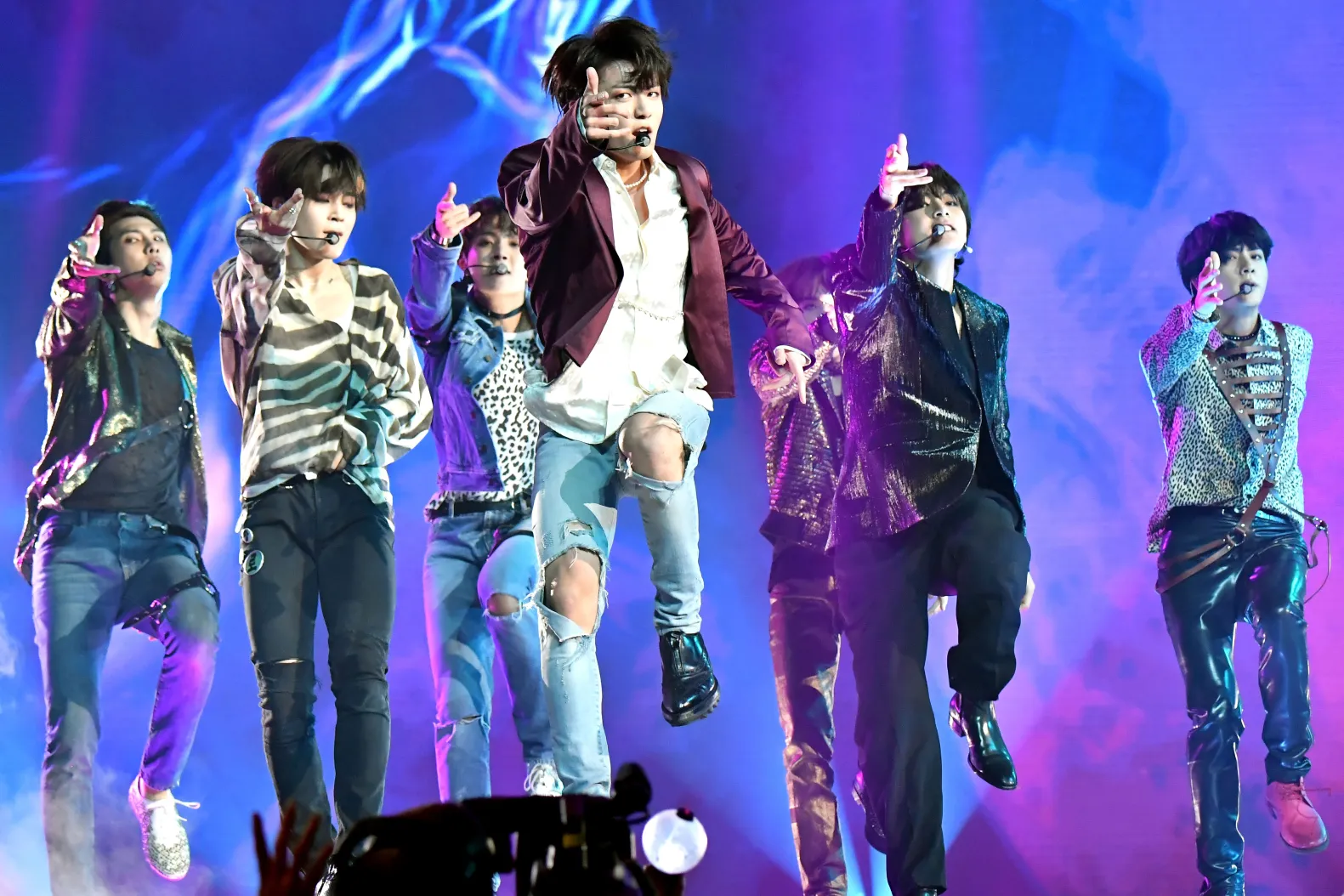

At a glance, K-pop is popular music from South Korea. But, there is so much more to it. It’s not just a music genre; it’s a carefully-constructed system fully integrated into South Korean culture. In recent years, the rise of groups like BTS has brought more awareness to the genre, but the industry has been around since the 1990s. In Asia, especially East Asia, K-pop has been a major cultural force for decades. Use this beginners guide to Kpop to understand more about the unique music genre that doubles as an entire industry on its own.


What Does “K-Pop” Stand For?
The literal definition of K-pop is “Korean Pop Music.”
The “K” refers to “Korean” (in much the same way, “J-pop” is “Japanese pop,” “C-pop” is “Chinese Pop,” “T-pop” is “Thai pop,” etc.).
The term is mostly used outside the country. Within South Korea, people often just call it gayo, which means “popular song.”
K-pop music is almost exclusively produced by Korean entertainment companies in South Korea (though some K-pop companies are opening up abroad to find talented non-Koreans). Many idols in South Korea are not Korean by nationality. It’s common for idols to be from Japan, China, Thailand, and other nearby countries. Still, they mostly train and work in South Korea.
Hallyu is also called the Korean Wave. It refers to the interest in Korean culture spreading across the world. In recent years, Korean TV shows (like Squid Game) and dramas (K-dramas like When Life Gives You Tangerines), movies (like Parasite), media (manhwa), music, food (gochujang, etc.), online games (like MapleStory), and even products/brands like LG and Hyundai have all contributed to Korea’s ‘soft power’ presence across the world.
Behind the music, there is an entire industry responsible for crafting K-pop as meticulously as any other high-end product, like a car or expensive watch. At its core, K-pop is the top vehicle for South Korea to export culture, inspired by countries like Japan and the United States. K-pop isn’t just music. It’s a multi-experiential product designed to showcase Korean excellence, boost the country’s economy and international popularity, and get fans involved in as many ways as possible.
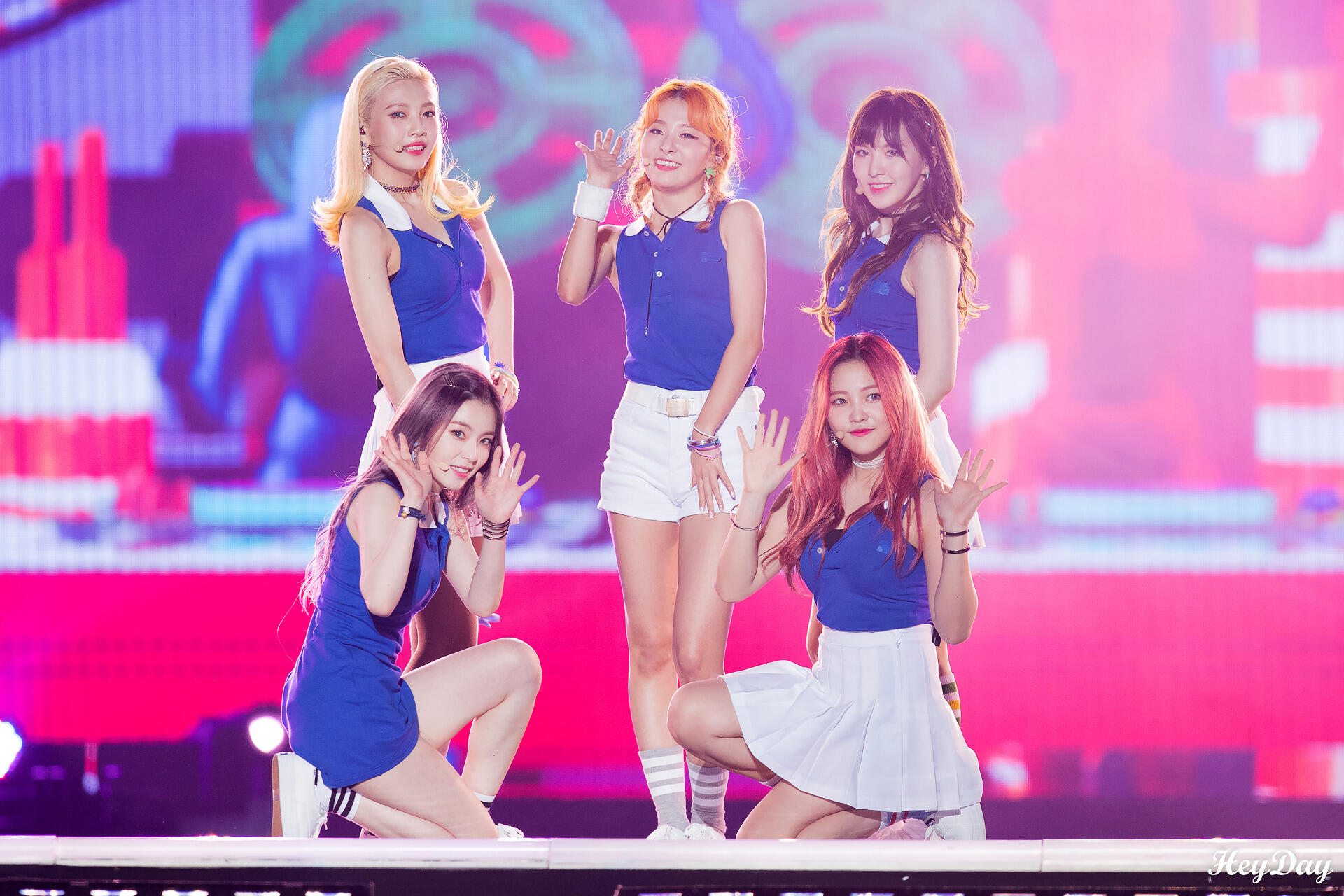
The Origins and History of K-pop
Unlike other music genres, K-pop wasn’t organically formed. It was a deliberate, tactical move by the Korean government in an effort to help the country economically – and it worked. Its phenomenal success has added fuel to the fire over the years, turning K-pop into the polished, mystifying finished product we see today.
Early Influences: Impact of Western music on South Korea in the 1950s
After the Korean War ended in 1953, the country was in economic turmoil. South Korea was one of the poorest countries in the world, with much of the country’s infrastructure damaged and collapsing and much of the population displaced and destitute.
In the 50s, South Korea relied heavily on foreign aid as it struggled to rebuild society, including growing food and developing the industrial sector.

American troops shared aspects of American culture with the Koreans, especially music, language, and fashion.
American military bases introduced the country to jazz, rock, and pop.
Korean musicians began performing Western songs and later adapting them into Korean-language versions.
In the 1960s and 70s, President Park Chung-hee focused on quickly rebuilding Korea. His plan turned out to be extremely successful, sparking a period of exponential economic growth now called the “Miracle on the Han River" that resulted in the 80s. However, Korean music and media were heavily censored at this time. Korean music at this time remained rather traditional.
But the people still enjoyed Western music, which by then was embedded in the new-age culture. They managed to adapt foreign sounds to a more local identity.
The Birth of Modern K-pop: Emergence of Seo Taiji and Boys in the 1990s
In the 1990s, Korea had another economic downturn. The government created the Ministry of Culture, intending to develop Korean culture as an exportable good that would help keep the economy stable. Inspired by the global popularity of Japan and America, South Korea aimed to make itself as popular as those countries, hoping to be as universally considered as them by the 21st century.
Harkening back to the 1950s, it was clear that the most effective way to popularise a country is through culture and music. Those things have a low risk and low cost of entry for consumers, and their staying power is unmatched. Thus, the Ministry of Culture and the (relatively) progressive president Kim Dae-jung reduced censorship in Korean media and pushed for the creation of pop music that would be well-received internationally.
The first band to break into the global market was Seo Taiji & Boys in 1992. They introduced a new type of music to Korea: Western-influenced, edgy, and rebellious. The group’s debut shocked audiences, using rap, hip-hop, and Western dance moves with Korean lyrics. It was an instant hit among domestic audiences (read: teens).
By 1996, they were gaining international recognition in the highly influential United States. Korean entertainment companies realised the band was on to something. They started studying Western pop culture more closely, formulating a plan to bridge Korean and Western culture into something both worlds can enjoy.
The first generation of K-pop established a few key features: Western-influenced music and dance, groups rather than solo artists (with different ‘types’ in each group to appeal to more fans), and bold fashion.
Evolution Over the Decades: Development of K-pop through the 2000s to the present
In the late 90s and early 2000s, the major entertainment companies established themselves. SM Entertainment, YG Entertainment, and JYP Entertainment created systems to train individuals and groups to become idols: the trainee system.
Early groups like H.O.T., S.E.S., g.o.d, and Shinhwa established the trajectory of future groups. They developed the practise of synchronised dance, fan clubs, and carefully managed public images.
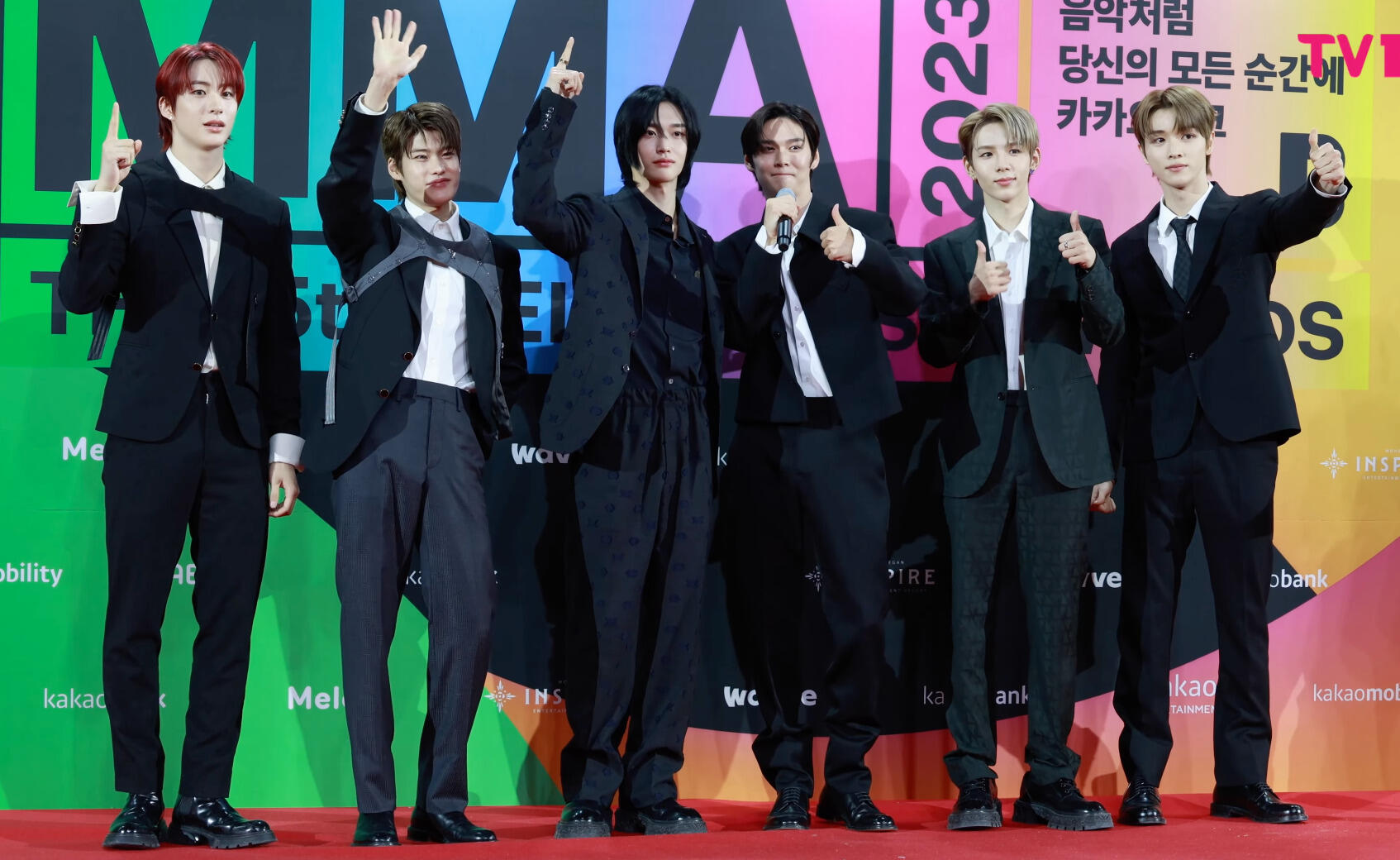
In the late 2000s, there was a new factor to consider: YouTube. Music videos became tools that could spread popularity internationally. Online forums allowed fans from all over the world to gather and grow their interests together. Idols could interact with fans outside of face-to-face encounters via videos and comments. Still, in this stage, K-pop was mostly designed for regional Asian audiences and had a very small following in other parts of the world.
By the 2010s, K-pop groups began expanding their target audience. They began including more English in their lyrics, including English subtitles on videos, and conducting global tours in non-Asian countries.
BTS was the breakthrough group for K-pop to be taken seriously in the West. Since then, interest has only increased, just as the Ministry of Culture had hoped.
The ways that groups can present themselves and the musical content they can create have evolved through each generation.
Characteristics of K-pop Music and Performance
K-pop is unique for its sound and performance standards, in addition to the off-stage activities. Groups are trained to perfection in their vocal and dance skills. When enjoying K-pop music and music videos, there are a few distinctions you’ll notice.
Musical Diversity
One notable feature of K-pop music is that it doesn’t follow strict genre rules. A single song may change tempo, mood, or style multiple times. For those who usually listen to other genres, this can be jarring or confusing. For K-pop fans, its an exciting, engaging journey contained within one track.
Producers are often made up of international teams. Songwriters from South Korea, the U.S., and Europe often collaborate on tracks. This approach makes songs contain elements that easily resonate with different audiences, simultaneously exposing them to non-familiar elements and expanding their musical palates. It also keeps K-pop music distinct from other genres.
K-pop encompasses a blend of lots of different influences. Each band typically leans into a small handful of styles, but many also experiment with a wider variety as well.
K-pop’s sounds usually encompass stylings from Western pop, Korean pop trends, R&B, rap, hip-hop, electronic and EDM, trap, and funk. Less frequently, songs might incorporate elements from rock and Korean rock, trance, and other adjacent genres.
The pop sounds can range from bubblegum pop, to synthpop, to UK garage, and beyond.
Lyrically, K-pop songs usually focus on youth, identity, love, and social pressure. Some are more Western-influenced and make risqué references to sexuality, but generally stay clear of drugs and other illicit activities (which are highly restricted and banned in South Korea).
Some songs are fun and playful, others are flirty or suggestive, and some are very serious and tackle issues like mental health, self-worth, and loss.

Choreography and Visuals
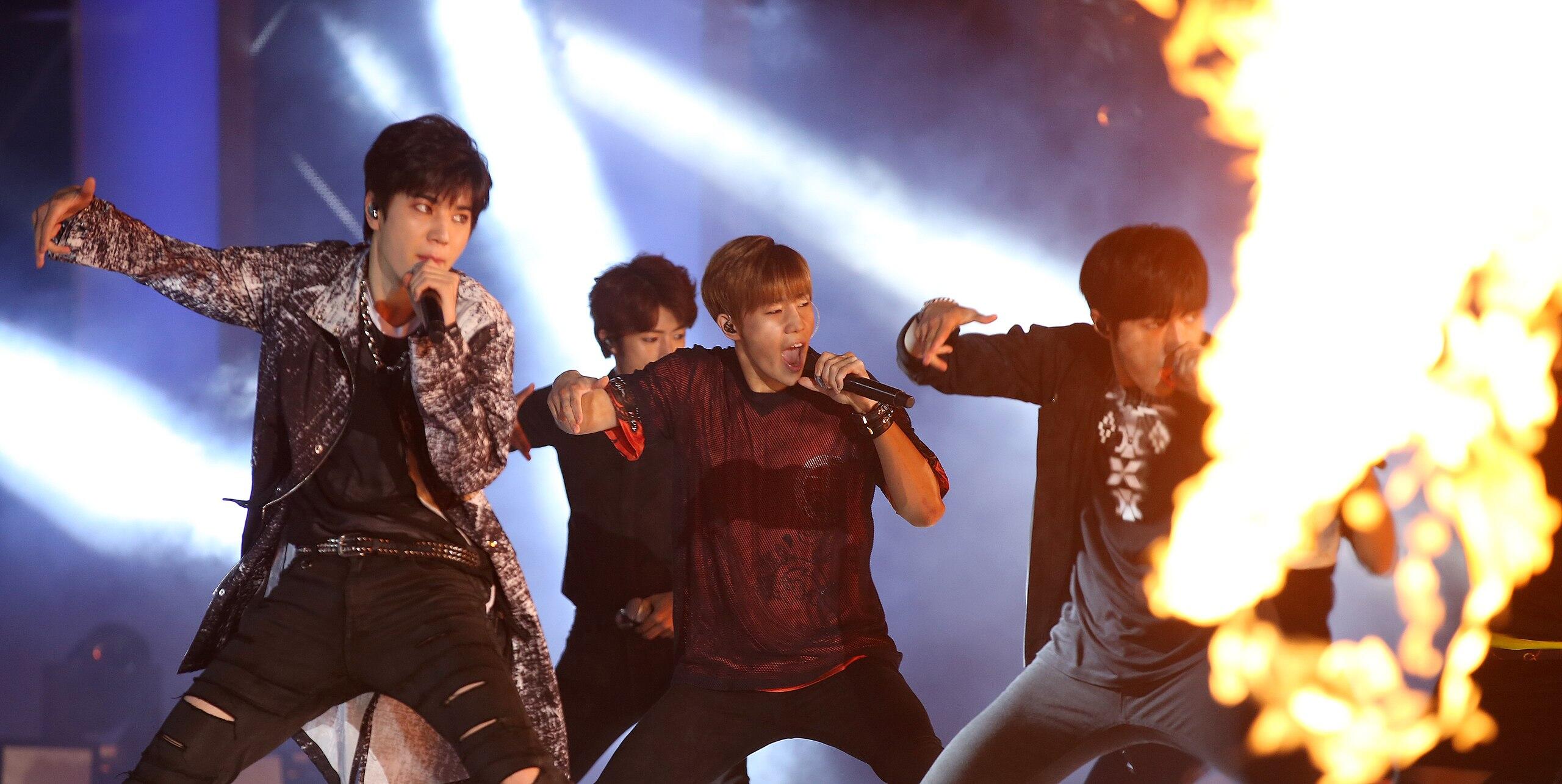
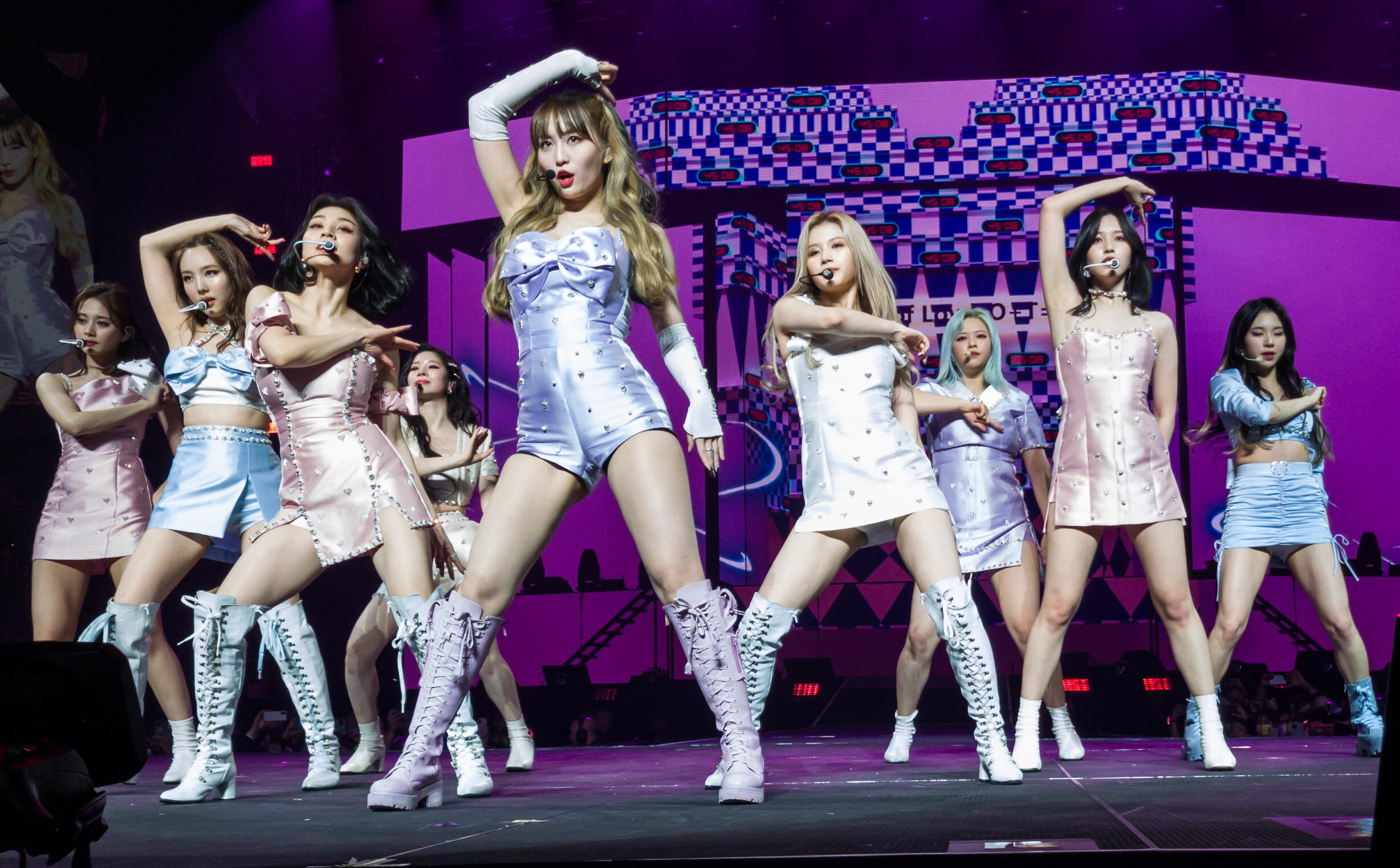
Just as important as the music is dance and choreography. The performance aspect of K-pop needs to be just as polished as the sound for a group to be highly successful. Performances are planned to be visually cohesive and repeatable, especially since groups tend to perform the same routine many, many times on stage during promotions.
Fans often learn the choreography and share videos of their attempts online, helping to spread the songs and hype.
Music videos are high-budget productions. They typically rely on concepts rather than realism. The set design and fashion are typically immaculate, giving a sense of unfathomable wealth and perfection. Sets, colours, and camera work are designed to enhance a group’s image, focusing on their strengths and talents.
Even in live performances, groups are expected to give a show comparable to the music video. They sing live even while executing exhaustive dance moves. Their consistency and impressive stamina build trust with fans and show their elite professionalism.
Discover some of the best K-pop songs!
Fashion and Aesthetics
Groups never wear the same thing twice. Their outfits reflect the concept of each song, so each member of each group will wear wildly different types of outfits depending on the vibe of each song they make.
Stylists work closely with entertainment companies, perfecting each idol’s hair, makeup, and outfit to coordinate with one another. Fashion decisions are mostly made by stylists and management, so if you see an idol with a bad outfit, know that they didn’t pick it out themselves.
Fashion and beauty trends are frequently influenced by K-pop. These days, K-pop fashion is part of global culture. Luxury brands often partner with idols, with Korean style, skincare, makeup, accessories, and clothes appearing in international media.
The K-pop Industry and Idol Culture
K-pop is distinct for the method by which it’s created. Other genres typically see musicians self-develop to the point where a label sees their potential and agrees to work with them. Additionally, the way K-pop fandoms work is on a different level from other types of fans for almost any other concept. Read on to have these foundational elements of Kpop explained.
Trainee System
One of the most discussed aspects of K-pop is the trainee system. Aspiring idols, often teenagers, train for years before debut. In fact, they usually spend months or years training just to audition for a training program.
Inside a trainee course, trainees learn K-pop-specific skills includes singing, dance, language skills, and media behaviour.
Not every trainee debuts. The process is competitive and demanding, and many trainees drop out or simply never make the cut. Critics point out the pressure and lack of freedom, especially because trainees are usually very young, around age 13 to 20. Supporters argue that the system produces highly skilled performers the same way medical school produces highly-skilled surgeons, for example.
The system reflects South Korea’s broader education culture, which values discipline, rigid structure, and effort.
Major Entertainment Companies and Global Marketing Strategies
Trainees sign with entertainment conglomerates before making a debut with their group. These giant companies are extremely influential in South Korea, and their presence is spreading abroad. They manage nearly every aspect of an idol’s career, including music production, branding, schedules, and global outreach. Many contracts even have clauses dictating idols’ private lives, such as how they can use social media, forbidding them from dating, and expectations about weight.
Marketing is focused on the fans. Beyond the easily-accessible content like music and video releases, additional content like social media live streams, live releases, and behind-the-scenes videos are regularly pushed. Fans are given opportunities to feel more connected to the idols beyond the music. Companies rely on fans to act as a marketing channel.
Idol culture is exciting for fans because it’s normalised to be obsessive about your favourite idols (your bias). Other fans join in the indulgent fanaticism, reinforcing one another’s behaviour. While many fans manage to keep their parasocial relationship with idols harmless, that’s not always the case. Ultra-fans tend to overly fantacise about idols romantically, on a friendship level, or as a self-projection. They can develop unhealthy tendencies that interfere with their own lives (like an addiction) or even become stalkers, putting the idols in danger or at the very least, making them extremely uncomfortable. Rabid fan reactions to real or perceived controversies can even end an idol’s career. The pressure often leads idols to mental health crises.
With streaming platforms hosting recorded versions of K-pop concerts, YouTube promoting music videos and fan edits, and social media allowing fans to be excited together, the barrier to entry to the K-pop fandom became very small. Fans are not passive consumers. They drive the genre’s popularity and direction and have a real effect on idols’ careers and lives. They are also responsible for much of Hallyu, even translating content, making beginner-friendly content for the uninitiated, organising events, and promoting their favourite groups for free, out of love for the scene.
When Did K-pop Become Popular Globally?
If it seems like K-pop suddenly became more popular in the last few years, it’s because it did. While the idea of Korean entertainment has been in the global cultural sphere for a while, the intensity cranked up in the last decade or so. Here’s why:
Hallyu / Korean Wave
The Korean Wave, known as Hallyu, began in the late 1990s and early 2000s. Korean dramas and music became popular in China, Japan, and Southeast Asia.
K-pop benefited from this cultural flow. Television shows, concerts, and physical albums built regional fanbases. The government and entertainment companies started pushing more cultural exportation of K-pop, and it started breaking into Western audiences.
By the mid-2000s, K-pop was a strong phenomenon in Asia, and it began to spill over to other regions.
The animated movie 'KPop Demon Hunters' is a great example of the Korean Wave permeating global pop culture.
million-selling albums
million-selling albums
Breakthrough Moments
The pivotal moment for modern K-pop popularity in the West was Psy’s “Gangnam Style” in 2012. The song went viral, introducing many people to Korean pop music. Love it or hate it, suddenly everyone became aware of the type of high-production-value songs being made in South Korea. Psy’s image (which is not like most idols’) was more approachable and understandable to those outside of East Asia.
views as of December 2025
Later, groups like BTS, BLACKPINK, and EXO built strong, international audiences. Many of their songs and videos balanced a familiar “90s boyband” or “90s girlband” style with a contemporary edge and intriguing foreign elements. BTS’s success in the music charts showed that non-English music can compete and be popular.
Here are the top breakthrough moments that have led to the widespread popularity of the genre today. Note that there isn’t a clean divide between generations, and many groups span multiple generations.
1992 - First Generation
Seo Taiji and Boys debuts
The group is the first popular Korean pop ensemble.
1996
Seo Taiji and Boys earns international recognition
They mostly find success in Asia, but even the US acknowledges their music.
Late 1990s
Other Famous K-Pop Bands of the Generation
H.O.T., Sechskies, Shinhwa, g.o.d, S.E.S., Baby VOX, Fin.K.L
2003 - Second Generation
K-Pop becomes more commercial
Lightsticks and exclusive photocards become cornerstones of K-pop merch. K-pop becomes much more popular in Asia. Again, there is some recognition in the West, but not much.
2000s
Famous K-Pop Bands of the Generation
TVXQ!, Big Bang, Super Junior, Shinee, 2pm, beast, Girls' Generation, Wonder Girls, Kara, 2ne1, f(x)
2012 - Third Generation
“Gangnam Style” introduces the world to K-pop
Psy didn’t become a popular artist overall, but his one viral hit made the world realise there was a plethora of music they hadn’t yet explored.
2013-2018
The Rise of BTS
BTS became widely famous in Asia with several hit songs. They started gaining fans in the U.S. with their song “D.N.A.” and in 2017, performed at the American Music Awards. The crowd went wild, and the public became aware that BTS (and K-pop in general) was worth becoming interested in.
2018-2019
BLACKPINK’s Breakthrough
About 2 years after first charting on Canada’s Hot 100, they became the first K-pop group to debut at the top of Billboard’s Emerging Artists list with “Ddu-Du Ddu-Du”. Their popularity soared. In 2019, “Kill This Love” was the biggest music video debut in YouTube’s history.
2010s
Other Famous K-Pop Bands of the Generation
EXO, Seventeen, Wanna One, NCT, Monsta X, Winner, Ikon, GOT7, Twice, Red Velvet, GFriend, Mamamoo, Oh My Girl
2018/19 - Fourth Generation
The Rise of Virtual Interaction
Due to the pandemic, idols couldn’t go on tour and meet fans. Instead, they began hosting online events like livestreams and Q&As. This allowed fans from all over the globe to attend the same events and garnered a bigger following.
Early 2020s
Music Survival Shows Start Becoming Popular
Another way for fans to interact with the industry, music survival shows start allowing fans to vote for which competing groups should debut. They also got a sample of different groups pre-debut, establishing fan bases for groups and individuals before they even became official idols.
Early 2020s
Famous K-Pop Bands of the Generation
Stray Kids, Ateez, TXT, Treasure, Enhypen, The Boyz, (G)I-dle, Itzy, Aespa, IVE, New Jeans, Le Sserafim
2024 - Fifth Generation
Korean Culture In Media
More Kpop and other cultural elements are becoming popular globally. The movie “KPop Demon Hunters” shows how accepting Western culture has become of the premise.
Currently
Famous K-Pop Bands of the Generation (So Far)
Riize, Zerobaseone, Boynextdoor, Xikers, Kiss of Life, BabyMonster
K-pop is an exciting music genre with its own intricate history and lore. Fans have a lot to explore in terms of groups, dynamics, and individuals. The fanbase is like no other, leading to lots of connections with people who have a shared interest. Overall, it's an exciting and fun music genre to learn about and listen to!
Summarise with AI:
Did you like this article? Leave a rating!

 Loading...