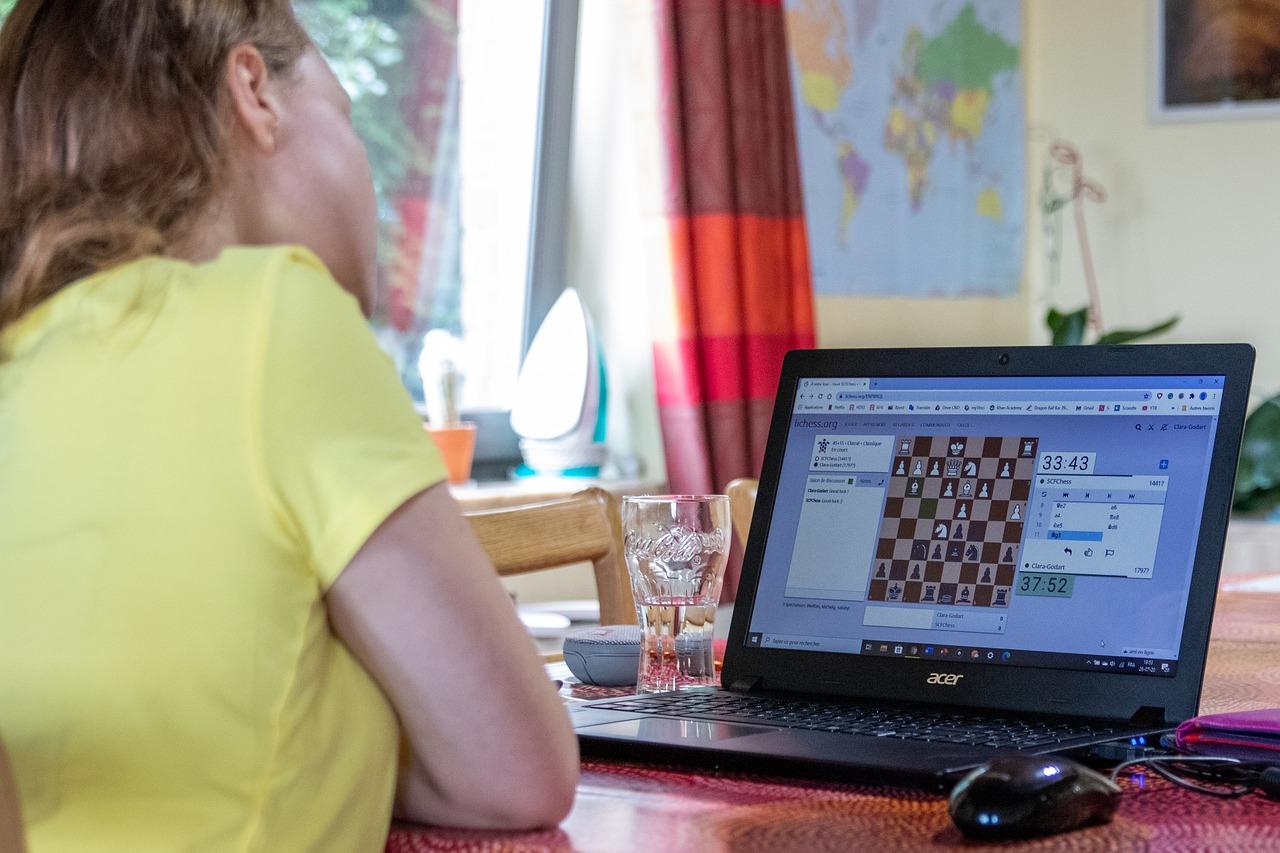

Chess is the gymnasium of the mind.
~ Blaise Pascal ~
We all watched The Queen's Gambit and followed Beth Harmon's every move as she learned chess and rose to become a grandmaster. Despite its fictional nature, it's hard not to be inspired and motivated to learn chess after watching this Netflix original.
If you've never played chess before, or learned as a child but need to brush up on those skills, why not start by looking at how you could learn chess online?


Engage a Private Tutor
There's more to chess than memorising each piece's allowable moves. Becoming a tournament-worthy player can mean years of practice.
Remembering the names of the pieces, how they can move and the basic strategies can be confusing on your own, so many beginners choose to start with private chess lessons.
Chess Tutors on Superprof
There are over 1,000 chess tutors throughout Australia on the Superprof platform. While there may be a few in your local area, most offer online tutoring sessions. This means you can learn from the comfort of your home and have access to the best tutors for you, even if they're over the other side of Australia.
On average, Superprof chess tutors charge $20 an hour for their private tutorials but this will depend on your level and their experience and qualifications. The first lesson is almost always free so you and the tutor can determine if you're a good fit.
As a beginner, you will learn:
- the rules
- what each piece is called and how it can move
- how to set up the board
- basic strategies and move sequences.
Advanced students may work with their tutor on more technical strategies and game plans.
To improve your game, it's important to play against different people. Each player will have their own style and strategies, so by playing you are also learning.
Teachers and players on Private Chess
Private Chess is an online playing platform where you can learn to play with a private or group lesson, or you can play against players from all over the world in a tournament.
Used well, with a combination of coaching or tutoring and matches with a variety of players, students find their game improves quickly. The teachers can help you analyse your games and learn from your errors as well as the strategies of your opponents.
Find more tips on learning to play chess.
ChessMates tutoring and clubs for kids
ChessMates was originally set up for kids as a school and childcare program but now offers private in-person and online lessons for all ages, as well as group classes in retirement homes.
The premise behind ChessMates' program is that the game of chess is as much about social skills, communication and interaction as it is about competition and winning. ChessMates is also the only NDIS-accredited service provider for chess lessons in Australia.
Can You Learn Chess Through a Website?
The best chess players are strategic, calm and quick-thinking.

Regular practice will help you build these skills. Often, your first move decides the game. If you want to win, you have to develop the skills to read and act against any move.
Learn chess and play games on Chess.com
While it is good to play against a live person, playing against the computer is also a great way to practice.
Chess.com allows players to:
- try a range of sequences and tactics
- solve chess-based problems and puzzles
- analyse your strategies and moves, as well as your errors
- discover new and different moves.
Download the site onto your phone or other device and play chess wherever and whenever you feel like it.
Learn more about playing chess.
Free online games with Lichess.org
When you're using a new chess app, explore the 'learn' or 'coaching' tabs first to work out what to start practising.
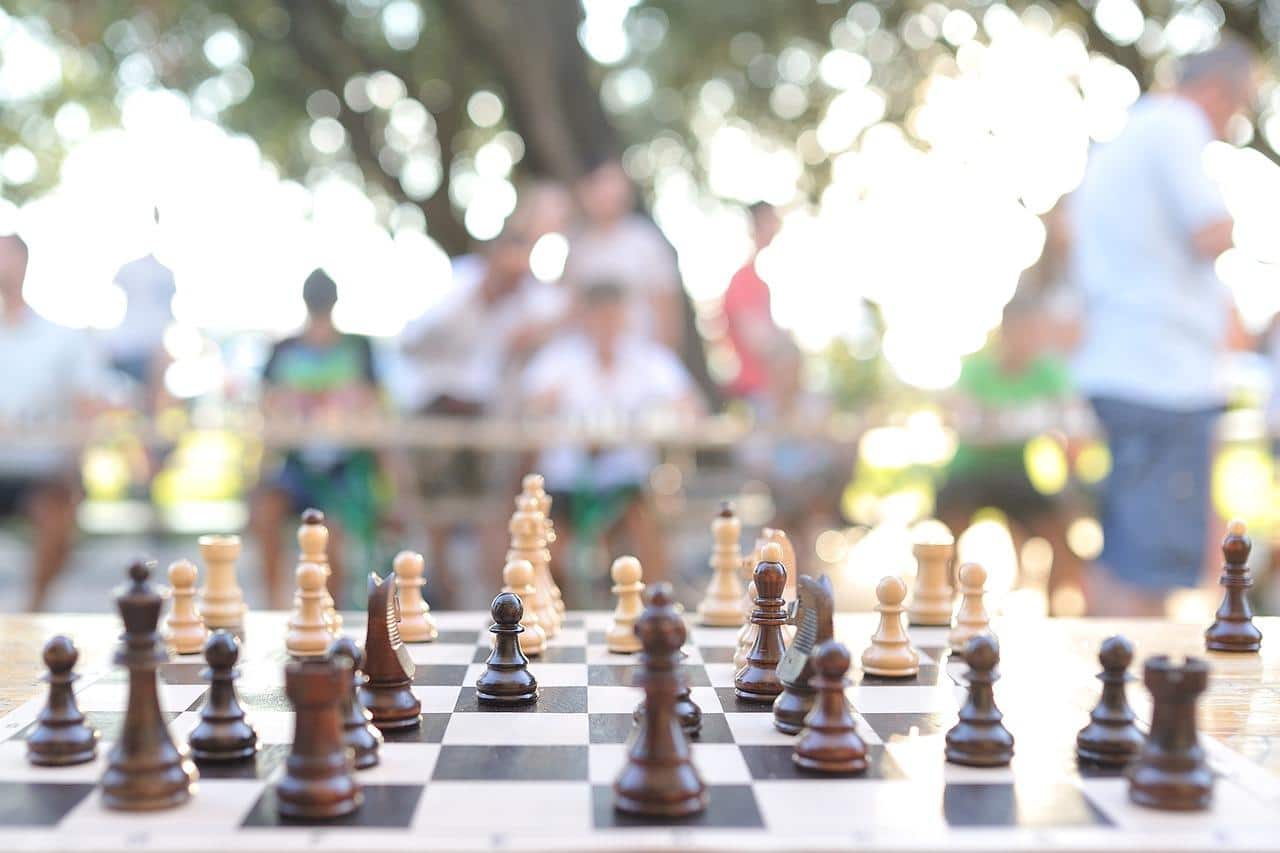
On the Lichess platform, you can create an account. This enables you to save your progress and track your improvement. It also keeps a record of games you've played and against whom.
As with chess.com, Lichess allows you to play against a computer opponent. Doing this is perfect to try out new moves before using them in a tournament.
Chess puzzles are also available and should be utilised to focus on specific moves.
Other functions include the ability to watch live games and use analysis tools to work on your own game plan.
Search for more chess lessons on the Superprof platform.
Chessable
Chessable's mission is to make learning chess fun and efficient. The site offers a range of courses to play and learn more about different game aspects.
Not all courses on Chessable are free. In fact, some, particularly those offered by Grandmasters, are pricey and are possibly better left for advanced players rather than complete beginners.
Once you're ready to compete in tournaments, and looking to master specific techniques, Chessable is likely to be a great 'go-to' site.
Internet Chess Club (ICC)
Like other chess websites, ICC enables players to:
- learn how to play the game at different levels
- play against other players
- become involved in the online chess community.
ICC is great for beginners as the 'Learning Centre' provides a range of activities and videos that start right back at the basics.
Compare the cost of chess lessons and find out more about what you receive for your money.
Tips for Beginners
Before you get started on your chess journey, make sure you have everything you need.
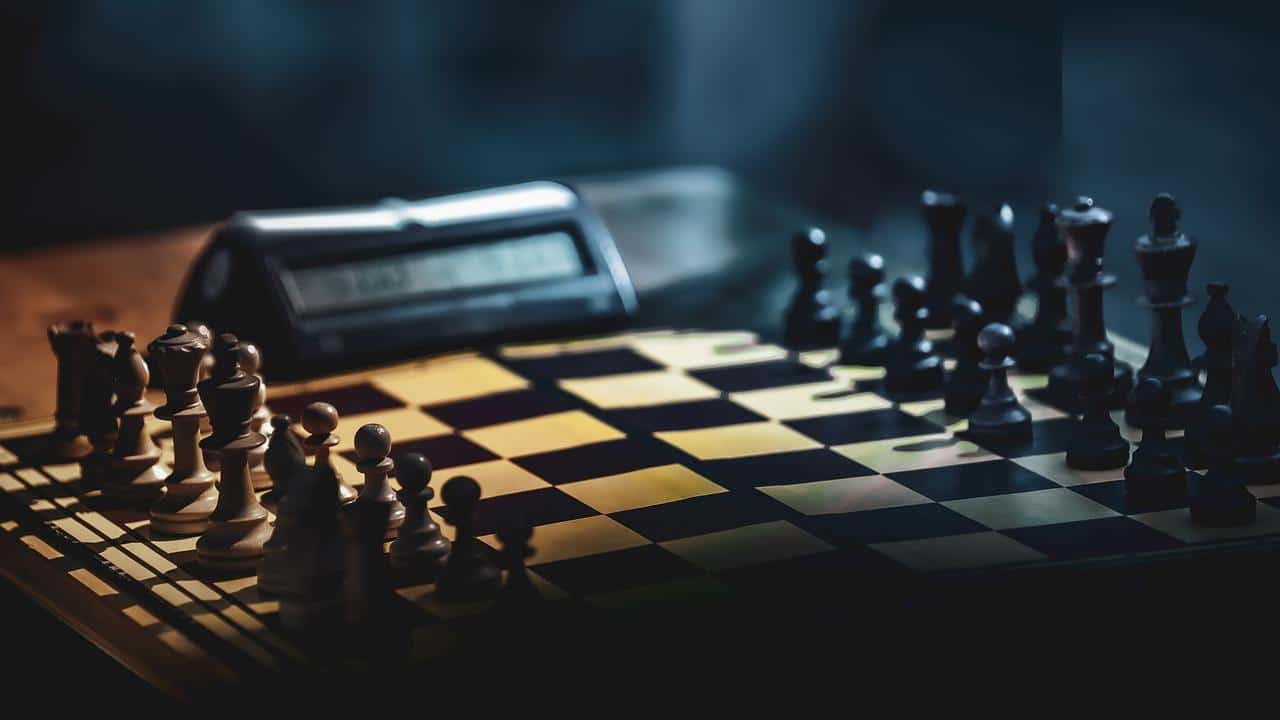
Equipment
You really don't need much at all in terms of equipment.
- Chess set
Even if you're learning online, a physical chess set is useful. The sense of touch is powerful in learning and memory retention and seeing the board from a range of angles gives players a better understanding of game play. You don't need an expensive set. A cheap plastic set is fine; later you can invest in something beautiful made from stone, marble or wood.
- Clock
A good chess clock helps you understand timing and game speed.
- Notebook
Always having a dedicated notebook and pen or pencil next to you as you play or practise is essential. Use it to note down new strategies and handy moves.
Chess app
This is not essential but having a game app on your phone or tablet can be handy so you can practise moves in your free time.
Find places to play
While apps and websites are great, nothing beats playing with a real set against real people. Look around for parks that have chess tables or places that have giant chess boards for the public to use. (Sometimes seeing the game from a different, larger, perspective can give you new ideas and strategies.)
Basically, take every opportunity you can to play. The more you play, the better you'll get.
Different types of tutoring
Whether you are learning the basics of chess from scratch or preparing for a top-level tournament, an experienced tutor should be able to work out what you need and help you analyse your game to improve it.
Many chess tutors offer tutoring in different formats. Each type of tutoring has advantages and disadvantages, so it is important to know what your goals are, and what your limitations (e.g. budget) are to ensure you find the type of tutoring, and tutor, that is perfect for you.
Face-to-face tuition
In-person tuition has always been the most popular and effective for chess lessons. Having the tutor right there with you to demonstrate moves and manipulate pieces makes strategies and game play easier to understand.
The downside of meeting your tutor face-to-face is that one, or both, of you have to travel. Travel time and transport costs will always be factored into the session cost, making private face-to-face tuition the most expensive of the different types.
Online tutoring
Chess tutors are able to offer tuition online thanks to all the websites and game apps we've just discussed in this article. Online tutoring tends to be cheaper than face-to-face tuition because tutors do not need to account for travel time or costs. This also means they can fit in more students.
All you need is a stable internet connection, a reliable webcam and a microphone.
Really, the only disadvantage is not having a physical chess set you can both see for demonstrations.
And, the added bonus is that it doesn't matter where you and your tutor live — so you have access to the best tutors from all over the world.
Group sessions
If you're on a tight budget, a small group tutoring class is fantastic as students will split the cost of each lesson — making this type of tutoring the cheapest. On the downside, you will get less personal time with the tutor. However, having more students in the group also means you have more people to play against.
Summarise with AI:
Enjoyed this article? Leave a rating!

 Loading...