
If nothing else, the coronavirus pandemic proved that online learning is a viable mass education strategy. All around the world, every student from preschool to graduate school perched in front of their screens, listening to their teachers. If only we'd had time to make the jump to online learning, things probably wouldn't have been so chaotic, though.
Distance learning isn't a new instruction delivery method, only the technology we have at our disposal is. At least 300 years ago, students received study materials and turned in their assignments by mail. Even as tele-training gained a foothold in the 1960s, people still signed up for correspondence courses.
Tele-training was mainly used in professional settings, as its name suggests. Starting in the 70s, as more satellites entered orbit, distance learning evolved from broadcast-based to transmitted. Today, information travels fast across our digital technology. Liquid crystal screens render crisp images and sound cards make every spoken word clear.
The pandemic did a lot more than show us distance learning is feasible with our level of technology. In fact, that infernal virus proved many things, among them the need for more medical personnel in Australian healthcare.
Not just doctors and nurses, but medical science professionals, nutritionists, administrators and public health officials. Can we learn all these skills online?


Areas to Study Medicine Online
Now that online education has undergone its trial by fire and met with some degree of success, technology offers us more frontiers to vanquish. Like teletraining, telemedicine has been around for a long time.
These systems let us ring the doctor or talk with an automated response system for prescription refills. Or we could leave a voicemail and the doctor would call us back.
Now, with Artificial Intelligence (AI) growing more capable every day, we stand at the threshold of personalised medicine. AI-assisted healthcare proposes to monitor patients via their wearable devices and update their medical records in real-time. AI may even analyse a patient's symptoms and render a diagnosis.
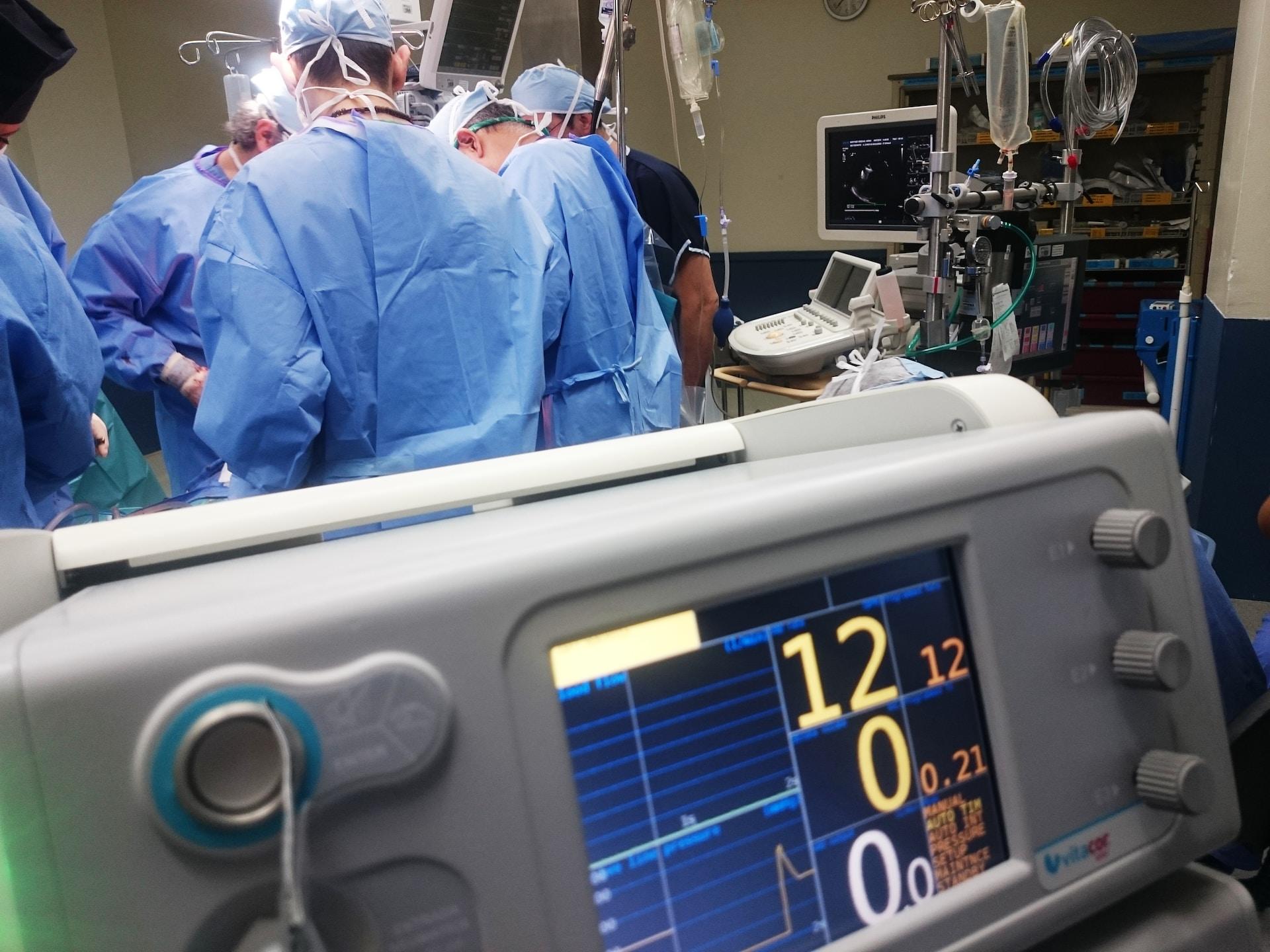
Medical technology is advancing by leaps and bounds. Robotic surgery devices already haunt operating theatres. Gene editing tools take pride of place in laboratories that have them.
But no matter the innovation, trained medical personnel operate them and analyse their results. And no matter how futuristic medical care is, personalised healthcare initiatives demand that a human doctor interact with patients.
With all this in mind, let's answer the big question: Can you earn a Bachelor of Medicine, Doctor of Surgery (MBBS) online?
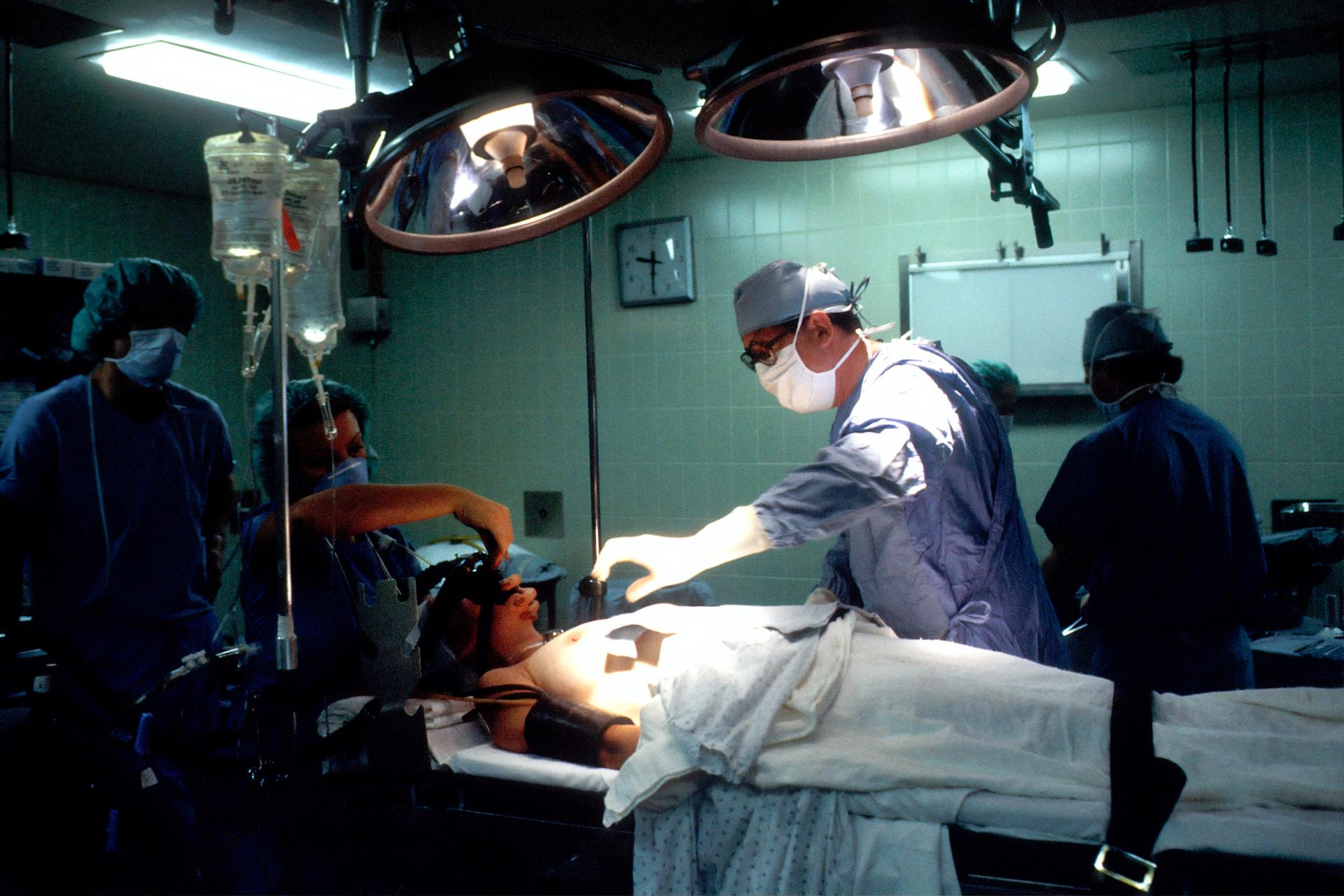
And a related question: can you earn a Bachelor of Dentistry, Optometry or nursing online? No, any degree you need to treat patients requires on-campus study.
Despite all these advances in medical technology, patient care remains a human endeavour. Thus, it stands to reason that educational technology, no matter how advanced, will never supplant in-person medical studies. Patients in pain and worried about their health would feel more isolated if only robots attended to them. So, across all the pathways into medicine, the human component remains.
Can You Study Medicine Online at Any Online University?
Universities offering degree and certificate courses online abound but you have to be careful which courses you sign up for. The worldwide web delivers just that: courses from around the world. Of course, you may sign up for any online medicine course that interests you but you might not get much use out of your certifications in Australia.
Anyone involved in patient care must submit their credentials to the Medical Board of Australia for review and approval. They will decide whether your school has the proper accreditation to meet medical education standards in our country. For instance, if you are an internationally trained medical graduate (IMG), you may apply for a two-year provisional registration.
That courtesy extends only to doctors in training who've undergone an approved, recognised course of study in medicine. That entails travelling abroad to attend classes. It does not apply to certificate courses or any online courses, in general.
The Medical Board of Australia oversees every aspect of our healthcare system. If you're an international student applying to study medicine in Australia, this board will review and green-light your application, provided you've met all the conditions to study in Australia. But it seems this board has little to say about online courses in medical-related fields.
We can answer the 'study medicine at any online university' question by saying "Yes, as long as it's an Australian university online". Of course, with the understanding that this only applies to medicine-related courses and degree programs. To reiterate, training as a doctor of any type or a nurse, you must attend on-campus classes.

Study Medicine Online: Career Paths
The healthcare field is broad and not every medical professional engages in patient care. The online degree programs offered through various Australian universities train students for non-clinical positions. Those include community health advisors and medical office managers. The following are all undergraduate degree courses that take three years (or part-time equivalent) to complete online.
The University of Adelaide offers a Bachelor of Health Service Management undergraduate degree online. This three-year course does not require an Australian Tertiary Assessment Rating (ATAR). However, you must complete four prerequisite courses. You will then explore healthcare's administrative side, including finance and personnel management.
The University of South Australia offers four undergraduate degree programs online. Each one takes three years (or a part-time equivalent) to complete and they all have entry requirements. To apply, you must have at least a Level 4 AQF or complete four prerequisite classes. With those entry requirements met, you may choose one of these degree plans:
- Bachelor of Health Science
- Bachelor of Health Science (Nutrition and Exercise)
- Bachelor of Community Health
- Bachelor of Public Health
Torrens University invites you to discover the connection between food and health. You may apply to their three-year, all-online Bachelor of Nutrition course if you've completed Year 12 or if you have a vocational qualification. If you are a Vocational Education Technology (VET), alumnus, you must have at least Level 4 Australian Qualifications Framework (AQF) to apply.
Your studies will expose the connection between health and nutrition, and how poor eating habits lead to negative health outcomes. You'll study food from a macro perspective, both macronutrients and the global food system. You'll also explore the connection between society, food and public health.
If you are interested in an international perspective of global health initiatives, the University of New South Wales Sydney (UNSW Sydney) offers a Bachelor of Public Health degree. It, too, is three years and completely online. Once you graduate, you may join the ranks of people who study and analyse public health data and predict patterns of disease and formulate interventions.
Our recent mask mandates and home confinements are examples of what this type of work entails. If you're a mature-age student - you've been out of secondary school for more than five years, you may still qualify for this undergraduate course. Likewise, if you have a VET Level 4 AQF certificate or an ATAR, you may apply to this program.
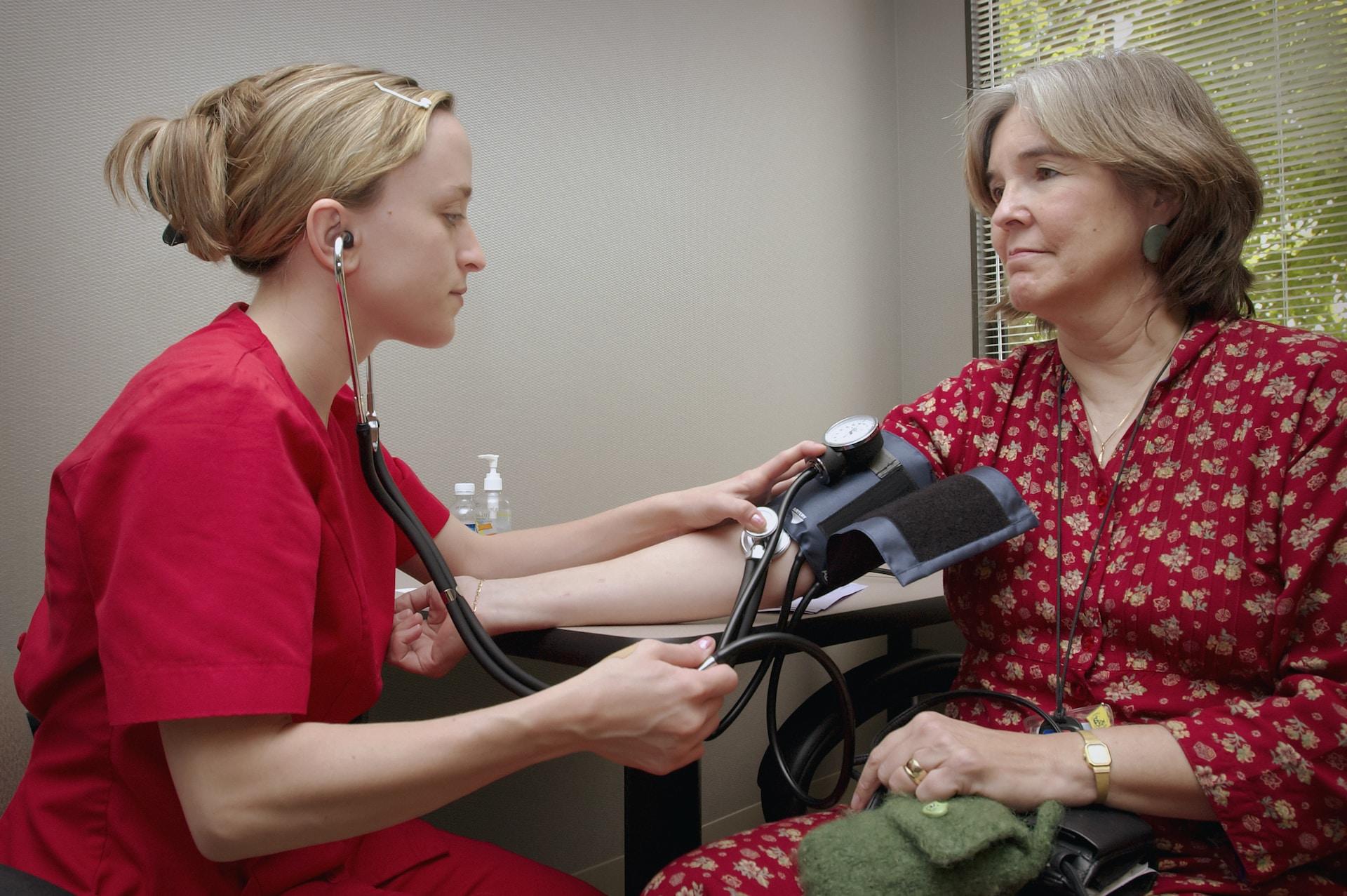
Dementia has to be one of the most heart-rending conditions. As a society, we're ill-prepared for what studies predict will be a rise in dementia cases over the next 20 years. The University of Tasmania offers Australia's first degree in dementia care. This undergraduate degree program teaches you how to devise and implement dementia risk reduction strategies.
You'll explore the human nervous system's anatomical and physiological structures to understand dementia pathology. You'll learn how to develop multidisciplinary dementia care approaches. You'll coordinate efforts between carers and family members, people living with dementia and members of the community.
You may apply for this study program if you have a Level 3 or higher AQF, an ATAR, or any measure of higher education. If you've any prior experience working with dementia patients, formally or informally, you'll receive credit for prior learning.
No discussion of medical studies online is complete without mentioning Deakin University. This school offers four postgraduate-level online courses. They're targeted at doctoral students on a research career path. Each takes three years to complete and may require occasional on-campus classes.
If you've completed your undergraduate studies and would like to study medicine, you may sit the Graduate Medical School Admissions Test (GAMSAT). Should that pathway into a career in medicine not fit your circumstances, you may turn to Deakin University for one of its three graduate certificate programs.
The graduate certificate of Health Research Practice takes one year to complete online. It is targeted at students with a medical background who intend to go into medical research. However their graduate certificate in Agricultural Health and Medicine is open to any applicant with an undergraduate degree.
In these times of climate change, the agricultural community's health and well-being are prime concerns. This one-year hybrid course will teach you aspects of farm workers' social, mental and physical health.
If you've ever wondered why you should study medicine in Australia, caring for people who grow our food would be a good answer.
Summarise with AI:
Did you like this article? Leave a rating!


 Loading...