

The field of chemistry has contributed to the incredible development of science, and this discipline has given us some of our fundamental knowledge of the world. We might now take for granted that the world is made of tiny particles and that you can burn things like coal to get heat. Not only that, but chemistry has revolutionised how we live, offering us technologies from radiation to solar panels to the dye in jeans.
| Chemist | Born | Known for | Major Contribution | Recognition |
|---|---|---|---|---|
| Joseph Priestley | 1733, England | Discovery of Oxygen | Isolated Oxygen & Studied Gases | Member of the Royal Society, Pioneer of Modern Chemistry |
| Antoine Lavoisier | 1743, France | Law of Conservation of Mass | Named Oxygen & Hydrogen | Father of Modern Chemistry, French Academy of Sciences |
| John Dalton | 1766, England | Atomic Theory, Dalton’s Law | Proposed Atomic Theory | Royal Medal, Member of the Royal Society |
| Amedeo Avogadro | 1776, Italy | Avogadro’s Law | Distinguished Atoms vs Molecules | Avogadro’s Number Named After Him |
| Jöns Jacob Berzelius | 1779, Sweden | Chemical Notation System, Discovery of Elements | Developed Modern Chemical Symbols | Copley Medal, Founder of Modern Chemistry |
| Dmitri Mendeleev | 1834, Russia | Periodic Table of Elements | Developed the Periodic Table | Copley Medal, Davy Medal, Russian Academy of Sciences |
| Robert Bunsen | 1811, Germany | Bunsen Burner, Spectroscopy | Discovered Caesium & Rubidium | Copley Medal, Albert Medal |
| Louis Pasteur | 1822, France | Pasteurization, Germ Theory | Developed Vaccination Techniques | Father of Microbiology, Copley Medal |
| Alfred Nobel | 1833, Sweden | Invention of Dynamite, Nobel Prize | Established Nobel Prize | Recognized as a Pioneer in Chemistry & Engineering |
| Marie Curie | 1867, Poland | Radioactivity Research | Discovered Radium & Polonium | First Woman to Win a Nobel Prize, Won Two Nobel Prizes |
| Alice Ball | 1892, USA | Ball Method for Leprosy Treatment | First Injectable Treatment for Leprosy | First African American Woman with a Chemistry Degree |
| Linus Pauling | 1901, USA | Quantum Chemistry, Molecular Biology | Discovered Protein Structures | Nobel Prize in Chemistry & Nobel Peace Prize |
| Dorothy Hodgkin | 1910, England | X-ray Crystallography | Solved the Structure of Insulin | Nobel Prize in Chemistry, Copley Medal |
| Kathleen Lonsdale | 1903, Ireland | Crystallography, Structure of Benzene | Determined Crystal Structure of Diamond | Fellow of the Royal Society, Davy Medal |
| Rosalind Franklin | 1920, England | DNA Structure via X-ray Crystallography | Provided Key Evidence for DNA Double Helix | Pioneer in Molecular Biology |
If many people think that chemistry is for the academic, the professor, or the weirdo scientist in his big round glasses and white lab coat, it is essential to remember that it is so much more than that. And those weirdo chemists changed your life in more ways than you probably realise.
In this article, we’ll examine the most important scientists in the history of chemistry and some of the most groundbreaking scientific findings.





Joseph Priestley
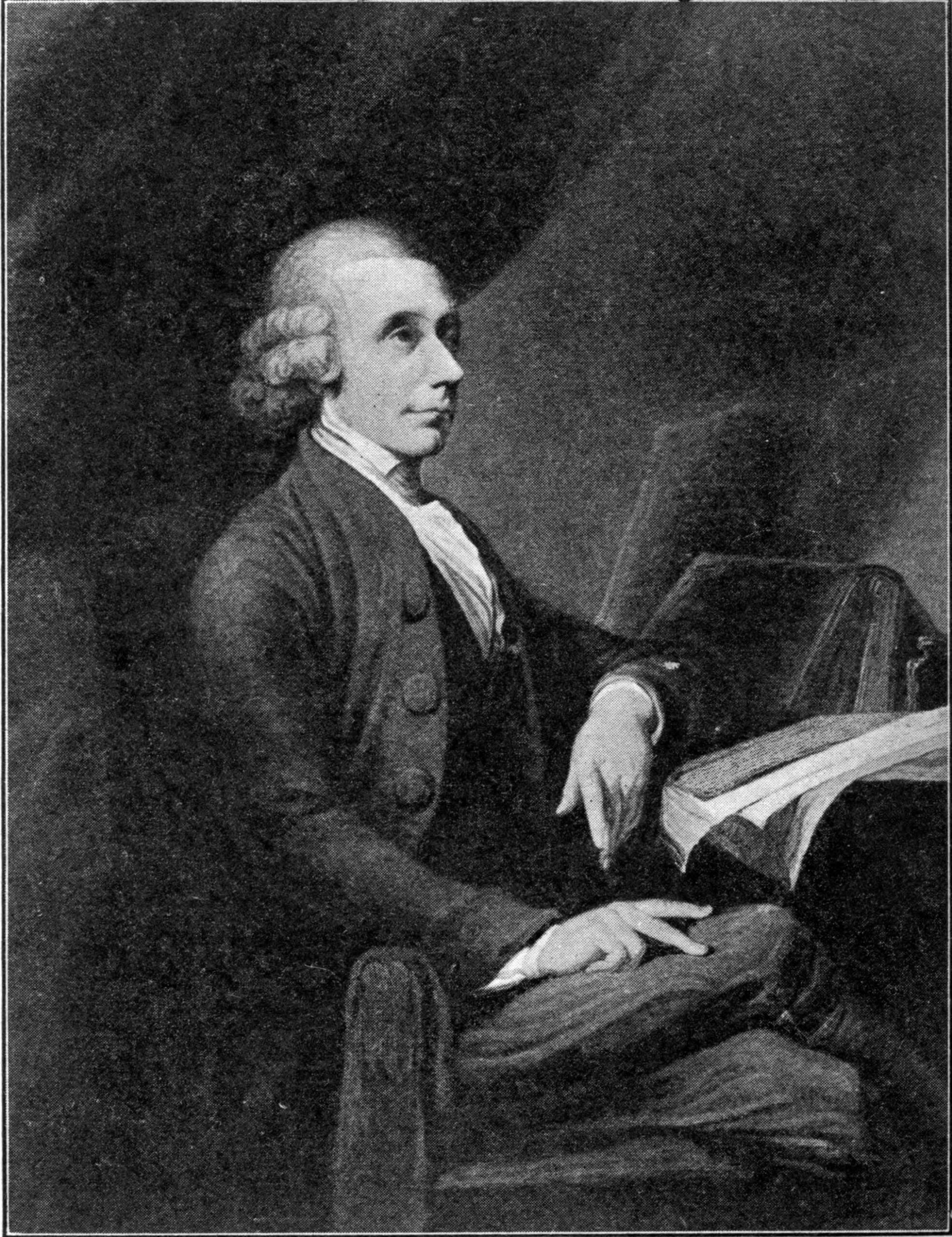
Joseph Priestley
- Born: 13 March 1733, England
- Known for: Discovery of Oxygen, Studies on Gases, Invention of Carbonated Water
- Established: Isolation of Oxygen, Discovery of "Dephlogisticated Air", Research on Electricity
- Awards/Recognition: Member of the Royal Society, Pioneer of Modern Chemistry
Joseph Priestley (1733 – 1804) was an English chemist, natural philosopher, separatist theologian, grammarian, multi-subject educator, and liberal political theorist who published over 150 works. He has historically been credited with the independent discovery of oxygen in 1774 by the thermal decomposition of mercuric oxide, having isolated it. Although Swedish chemist Carl Wilhelm Scheele also has strong claims to the discovery, Priestley published his findings first. Scheele discovered it by heating potassium nitrate, mercuric oxide, and many other substances in about 1772.
During his lifetime, Priestley's considerable scientific reputation rested on his invention of carbonated water, his writings on electricity, and his discovery of several "airs" (gases), the most famous being what Priestley dubbed "dephlogisticated air" (oxygen).
Antoine Lavoisier
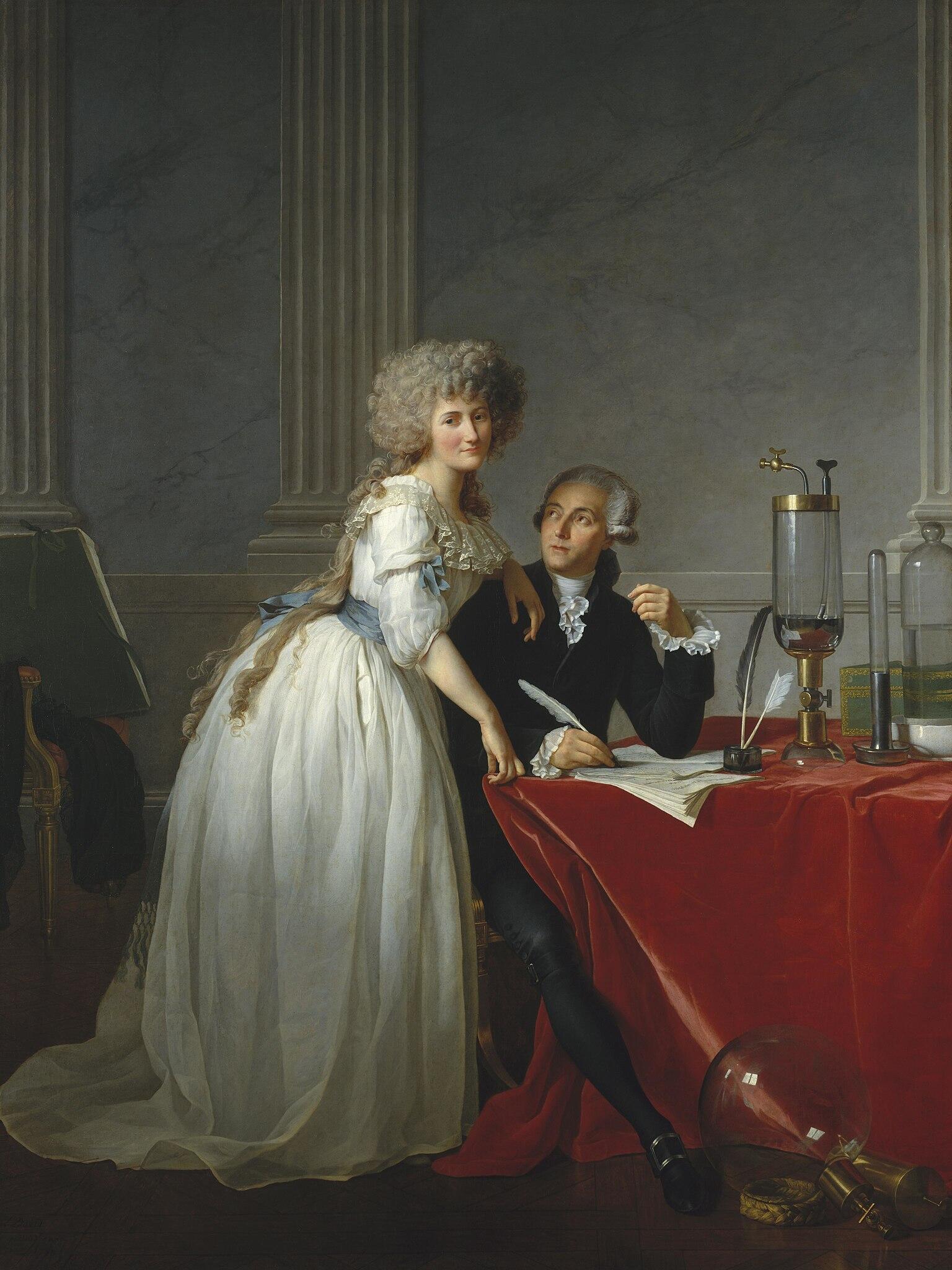
Antoine Lavoisier
- Born: 26 August 1743, France
- Known for: Law of Conservation of Mass, Chemical Nomenclature, Role of Oxygen in Combustion
- Established: Law of Conservation of Mass, Oxygen and Hydrogen as Elements, Modern Chemical Reactions
- Awards/Recognition: Considered the "Father of Modern Chemistry", Member of the French Academy of Sciences
Antoine Lavoisier (1743-1794) was a chemist, biologist, and victim of the French Revolution.
His most famous discovery was the law of conservation of mass, which states that whilst substances may change their state or form, they retain the same mass. This was important because it allowed other scientists to think about the differences between substances in terms other than differences in qualitative properties.
Lavoisier is most noted for recognising and naming oxygen (1778) and hydrogen (1783) and for discovering the role oxygen plays in combustion, which is now fundamental to understanding almost all chemical reactions.
John Dalton
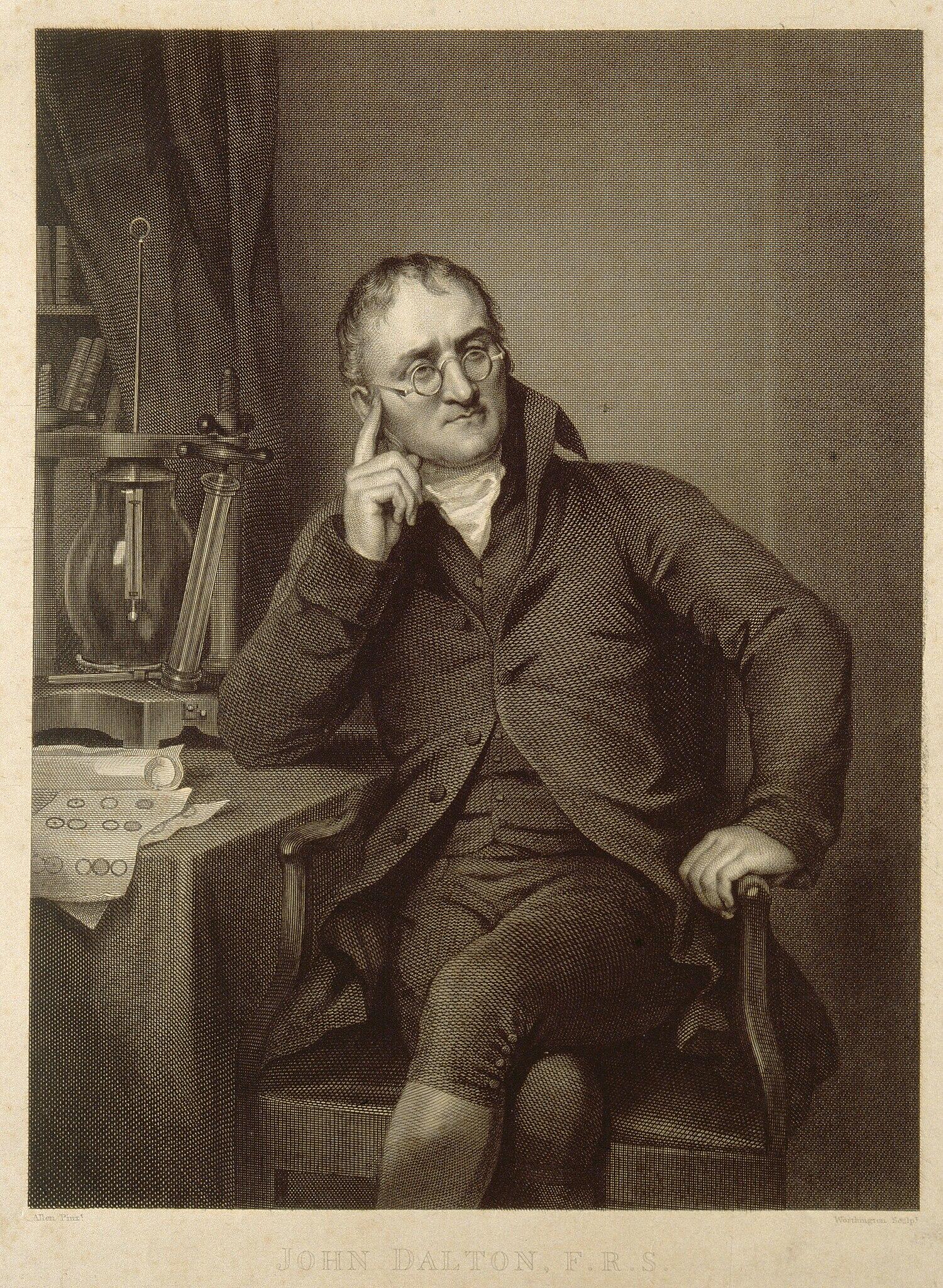
John Dalton
- Born: 6 September 1766, England
- Known for: Atomic Theory, Law of Partial Pressures, Dalton's Law
- Established: Atomic Theory, Dalton's Law of Partial Pressures, Concept of Atomic Weight
- Awards/Recognition: Member of the Royal Society, Royal Medal (1826)
Working on Lavoisier’s theories, John Dalton (1766-1844) is today remembered for proposing his atomic theory, which is literally the basis of chemistry today.
This theory suggested that every substance is made of atoms and that the atoms of each element are identical, which was an incredible revelation for science. Dalton’s atomic theory also held that chemical compounds are the combination of atoms of different elements and that, in chemical reactions, these atoms are rearranged and combined.
In his laboratory experiments, he also studied and ultimately formulated a theory of atomic weight. This notion helped us understand the different molecular structures of substances.
Amedeo Avogadro
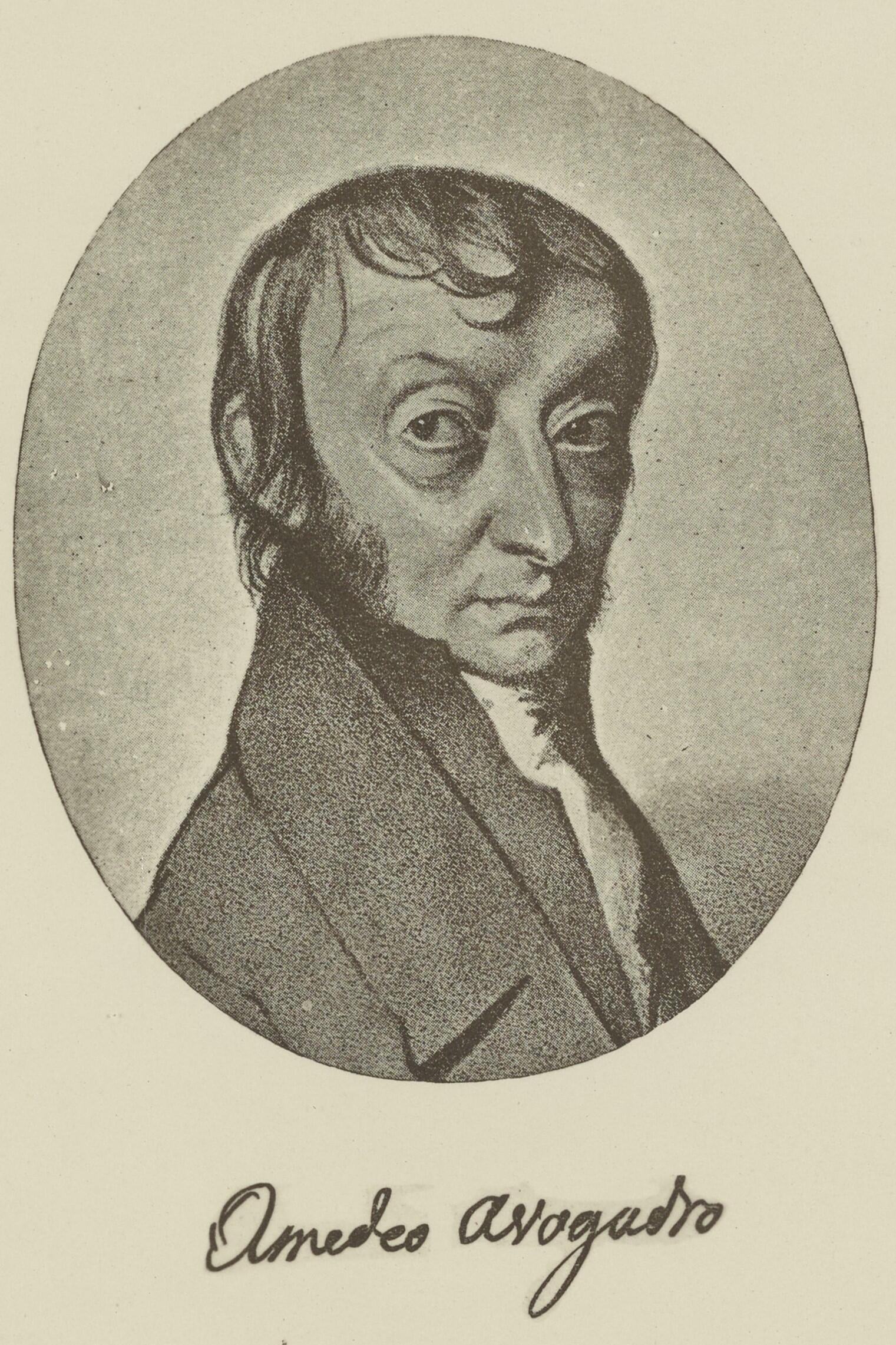
Amedeo Avogadro
- Born: 9 August 1776, Italy
- Known for: Avogadro’s Law, Molecular Theory, Concept of Elementary Molecules
- Established: Avogadro’s Law (Equal Volumes of Gases Contain Equal Numbers of Molecules)
- Awards/Recognition: Pioneer of Molecular Chemistry, Name Given to Avogadro’s Number (6.022 × 10²³)
If you have studied chemistry at any level in your life, you will have heard of Amedeo Avogadro (1776-1856), who named after him a scientific law, a chemical unit, a mineral, and even a lunar crater. As a chemist and mathematical physicist, he was a pioneer.
Avogadro’s great discovery is what has become known as Avogadro’s Law. This law states that, under the same temperature and pressure conditions, the same volumes of different gases will have the same number of molecules.
Why did this matter? Because it ultimately helped to distinguish between the molecule and the atom, which he called the ‘elementary molecule’. Dalton had never considered the difference, but thanks to Avogadro, we know better!
Your chemistry tutor should have acquainted you with all of these names!
Jöns Jacob Berzelius
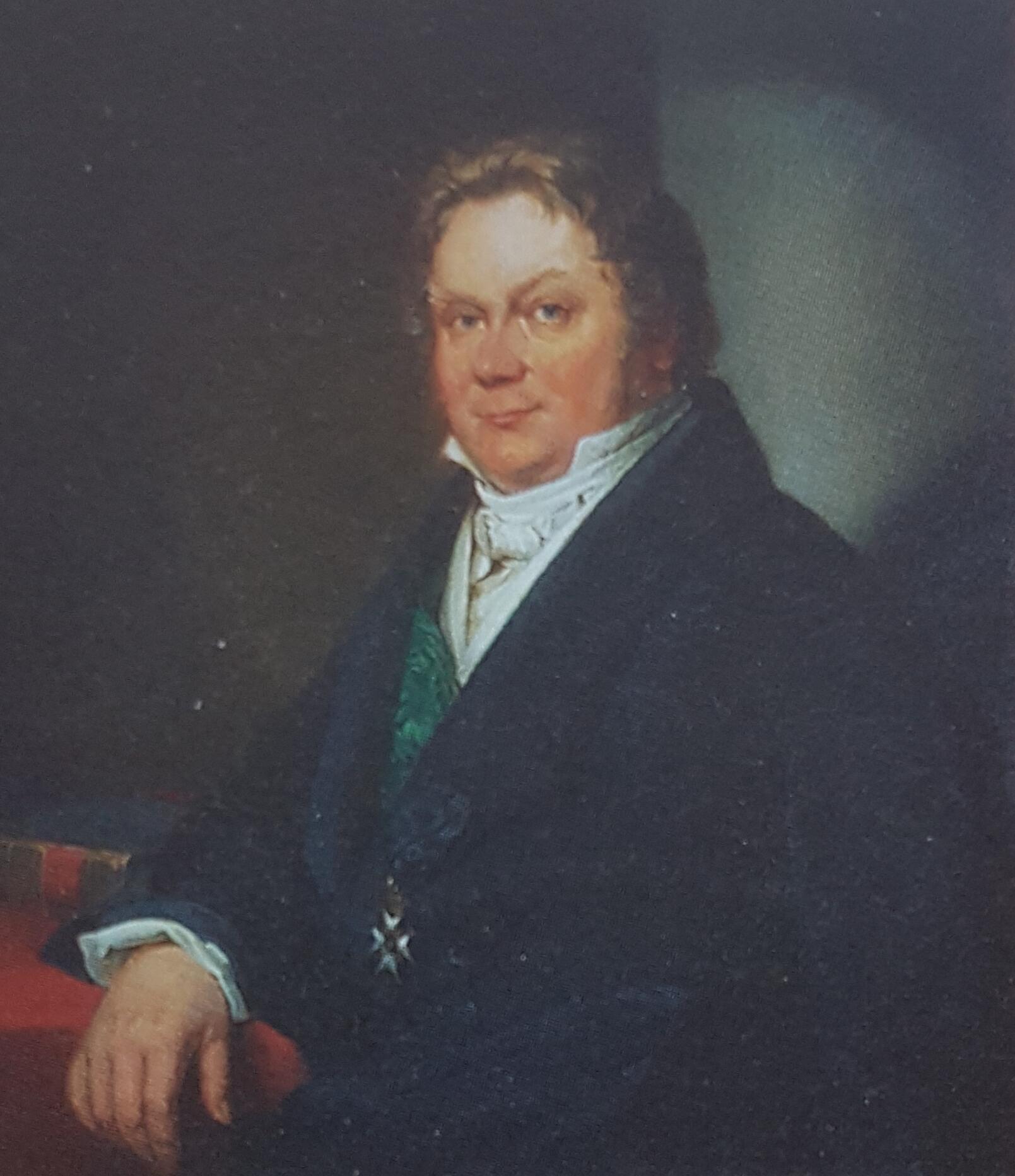
Jöns Jacob Berzelius
- Born: 20 August 1779, Sweden
- Known for: Chemical Notation System, Discovery of Several Elements, Contributions to Physical Chemistry
- Established: Modern Chemical Symbols, Discovery of Cerium, Thorium, Selenium, and Silicon
- Awards/Recognition: Copley Medal, Considered One of the Founders of Modern Chemistry
The last of these grandparents of chemistry, the contribution of Jöns Jacob Berzelius (1779-1848) is as significant as all the above.
Primarily, Berzelius is known for formalising the language of chemistry. He invented the system of notation by which we refer to different elements, and he came up with fundamental terms in physical chemistry, such as catalysis, polymer, and what we now call ionic bonding. Not only this, but he also discovered several elements himself: cerium, thorium, and selenium.
However, perhaps most importantly, Berzelius is credited with being the first person to measure accurately the weight of atoms. Drawing on Dalton’s prior work, Berzelius experimental success in this field paved the way for everyone who came after.
Dmitri Mendeleev
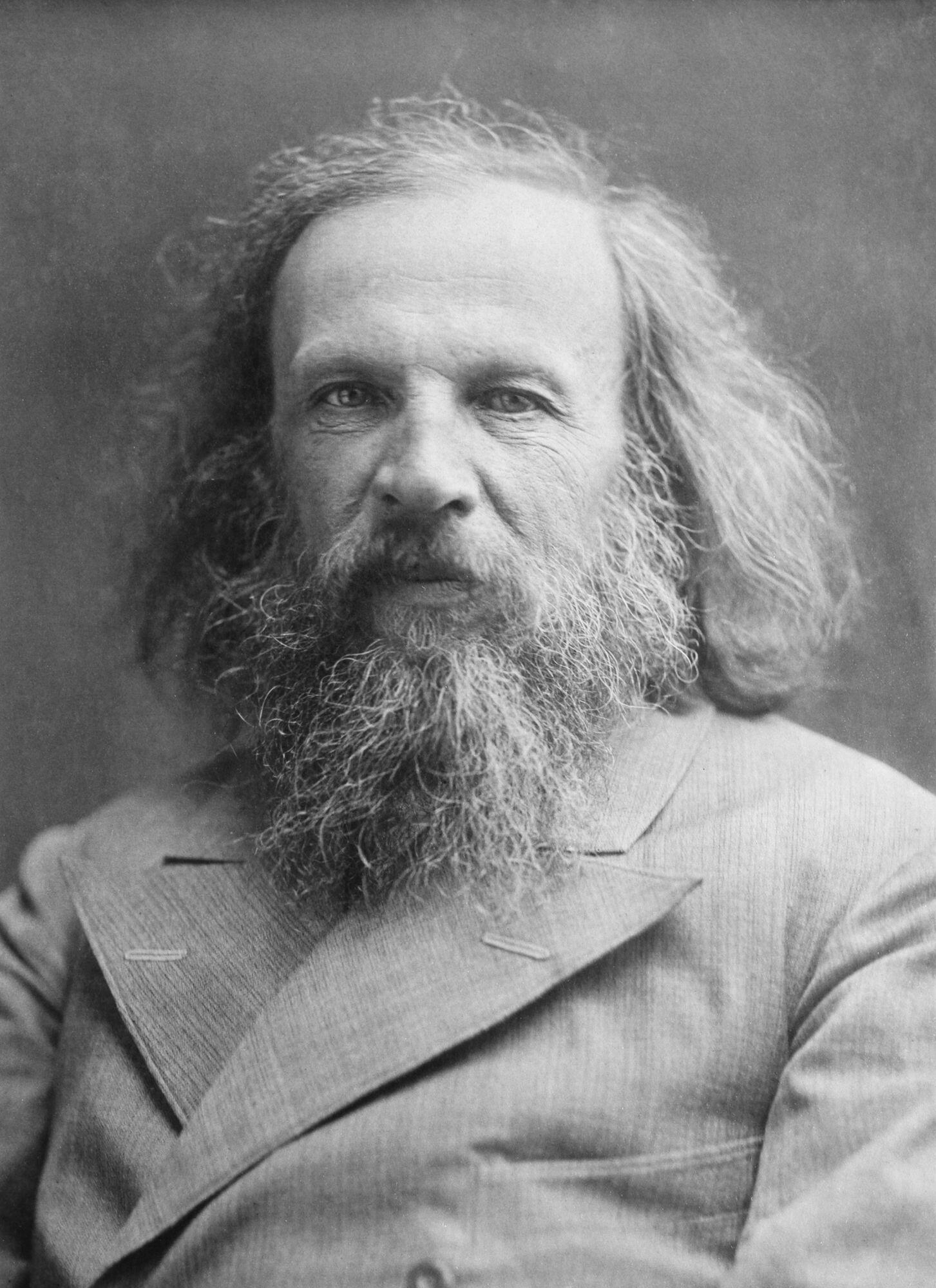
Dmitri Mendeleev
- Born: 8 February 1834, Russia
- Known for: Periodic Table of Elements, Prediction of Undiscovered Elements
- Established: The Modern Periodic Table, Periodic Law
- Awards/Recognition: Copley Medal, Davy Medal, Member of the Russian Academy of Sciences
The work of Dmitri Mendeleev (1834-1907) is something we have all seen in our lives and something that is still the most iconic symbol of chemistry: the periodic table. Not just a chemistry genius but also interested in geology, meteorology and other disciplines, he’s probably had the most significant impact on what we understand to be chemistry.
He came up with the periodic table of the elements in a dream, in which he saw patterns between different chemicals that could allow them to be arranged in a specific order. Not yet knowing all the elements we do now, he left gaps in the table that were later to be filled. As such, he not only laid the ground for future developments in chemistry, but he also predicted them.
Robert Bunsen
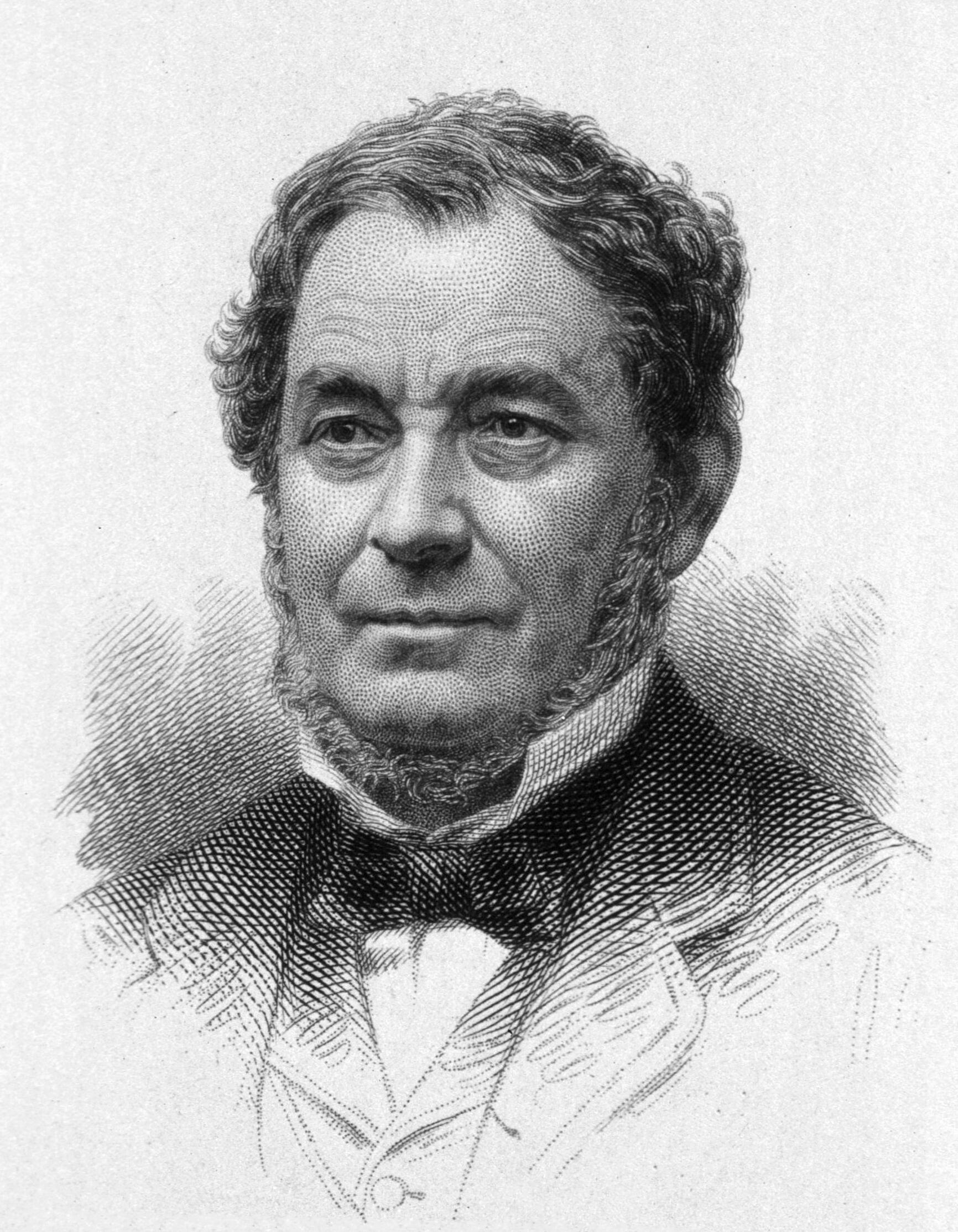
Robert Bunsen
- Born: 31 March 1811, Germany
- Known for: Invention of the Bunsen Burner, Spectroscopy Research, Discovery of Caesium and Rubidium
- Established: Emission Spectroscopy, Analytical Chemistry Techniques
- Awards/Recognition: Copley Medal, Davy Medal, Albert Medal
Ever heard of a Bunsen burner? If so, you have one man to thank (or blame!): Robert Bunsen (1811-1899), the inventor of everyone’s favourite piece of scientific apparatus.
A university lecturer in Germany and seemingly an all-around lovely guy, in his spare time from writing textbooks, he developed an antidote for arsenic poison and discovered the element caesium.
As you can imagine, he was interested in burning things and mainly concerned with the different colours (emission spectra) that different elements produced when they are heated. That’s why he created his famous burner so that the colour of the flame itself didn’t ruin these colours!
Louis Pasteur
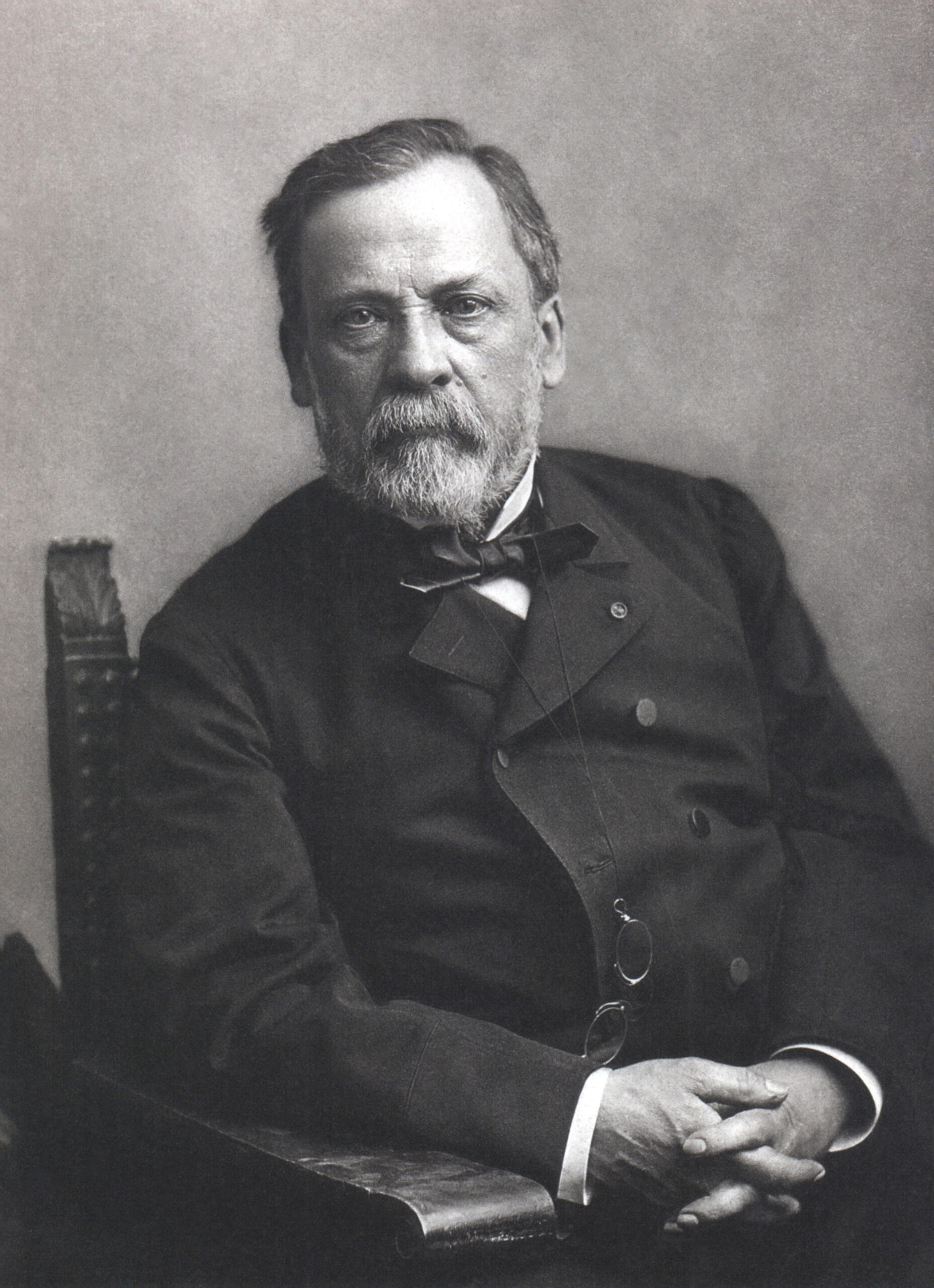
Louis Pasteur
- Born: 27 December 1822, France
- Known for: Pasteurisation Process, Germ Theory of Disease, Vaccines for Rabies and Anthrax
- Established: Microbial Fermentation, Vaccination Techniques, Pasteurisation
- Awards/Recognition: Copley Medal, Albert Medal, Considered the "Father of Microbiology"
Louis Pasteur (1822-1895) was a French chemist and microbiologist renowned for his discoveries of vaccination, microbial fermentation, and pasteurisation principles. His chemistry research led to remarkable breakthroughs in understanding the causes and prevention of diseases, laying down the foundations of hygiene, public health and much of modern medicine.
His works are credited with saving millions of lives through the development of vaccines for rabies and anthrax. He is regarded as one of the founders of modern bacteriology. He has been honoured as the "father of bacteriology" and as the "father of microbiology" (together with Robert Koch, and the latter epithet also attributed to Antonie van Leeuwenhoek).
Pasteur is also regarded as one of the fathers of the germ theory of diseases, a minor medical concept at the time. His many experiments showed that diseases could be prevented by killing or stopping germs, directly supporting the germ theory and its application in clinical medicine. He is best known to the general public for inventing the technique of treating milk and wine to stop bacterial contamination, a process now called pasteurisation.
Alfred Nobel
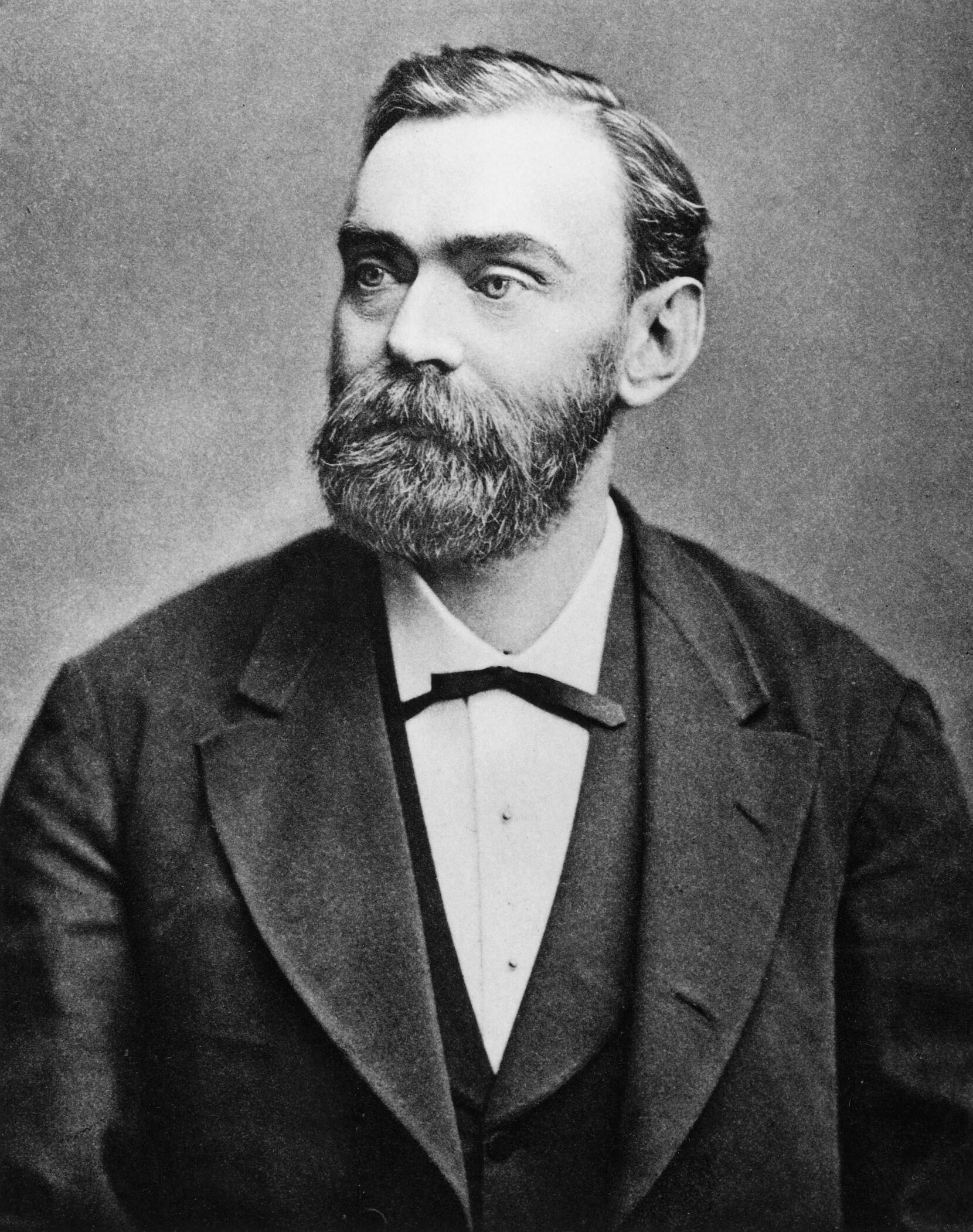
Alfred Nobel
- Born: 21 October 1833, Sweden
- Known for: Invention of Dynamite, Establishing the Nobel Prize
- Established: Safer Explosives for Industry, Nobel Prize in Science, Literature, and Peace
- Awards/Recognition: Nobel Prize Funded in His Name, Recognized as a Pioneer in Chemistry and Engineering
You know this name, too. This chemist and businessman, Alfred Nobel (1833-1896), is known in all fields due to the Nobel Prize, the award for excellence in literature, the sciences, and economics.
But this man’s biography is not as nice as you might expect. His professional life was in selling weapons – explosives, mainly – and to chemistry, his contributions were generally in inventing the explosives that he sold.
Nobel’s main achievement was the invention of dynamite. Intended as a tool for construction – for roads, industry, and canals – this chemical discovery was to have a sordid history, as we know.
In his later years, as the story goes, he felt a little guilty about producing one of the most destructive chemical substances ever devised. He donated his massive fortune to inaugurating the Nobel Prize in Chemistry, Physics, Medicine, and Peace.
Marie Curie
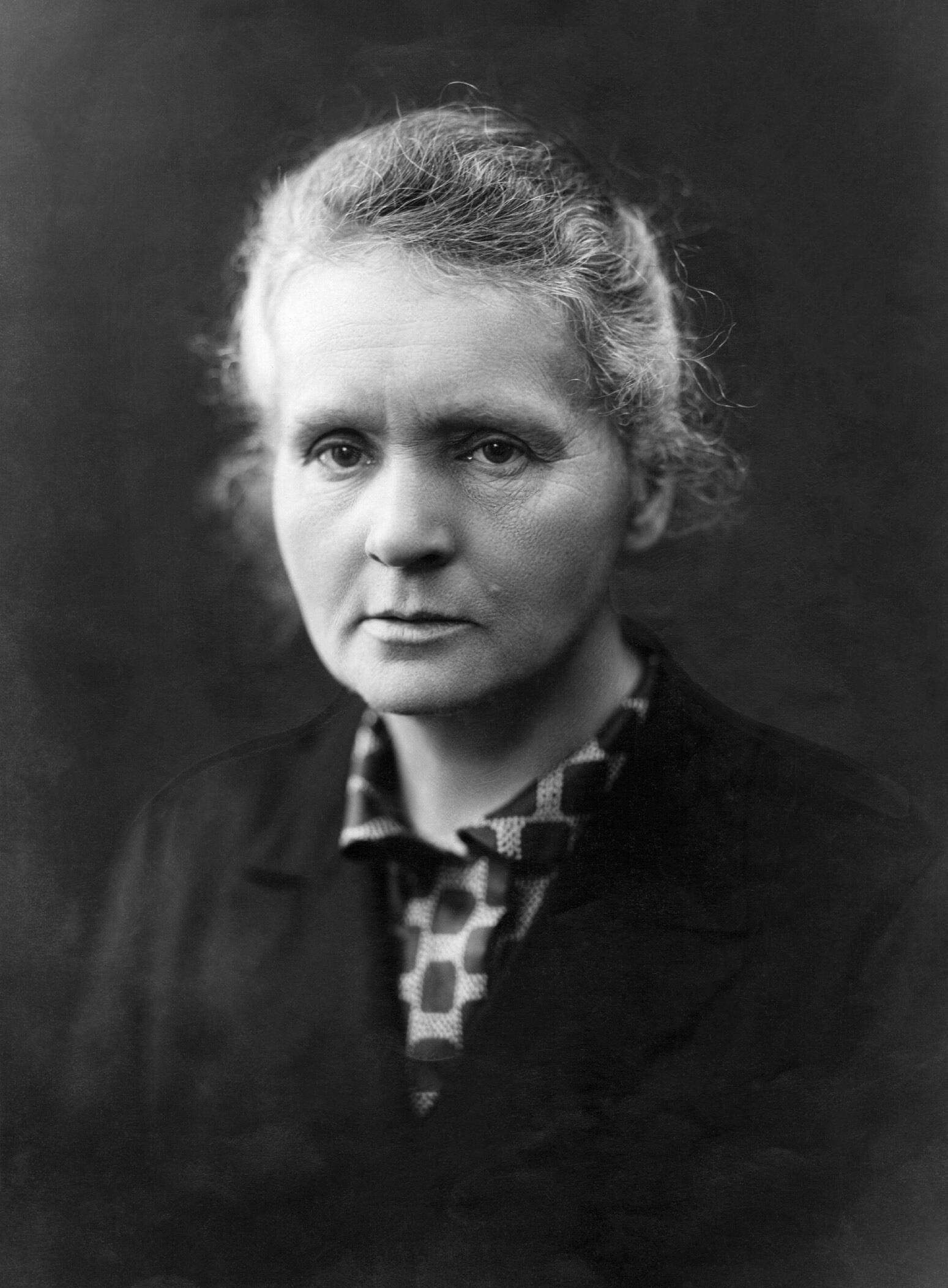
Marie Curie
- Born: 7 November 1867, Poland
- Known for: Discovery of Radium and Polonium, Research on Radioactivity
- Established: The Concept of Radioactivity, Radiation Therapy for Cancer Treatment
- Awards/Recognition: First Woman to Win a Nobel Prize, Only Person to Win Two Nobel Prizes in Different Sciences
Marie Salomea Skłodowska Curie (1867 – 1934) was a Polish and naturalised French physicist and chemist who pioneered radioactivity research. She was the first woman to win a Nobel Prize, the first person and the only woman to win the Nobel Prize twice, and the only person to win the Nobel Prize in two scientific fields. Her husband, Pierre Curie, was a co-winner of her first Nobel Prize, making them the first-ever married couple to win the Nobel Prize and launching the Curie family legacy of five Nobel Prizes. In 1906, she was the first woman to become a professor at the University of Paris.
In 1895, she married the French physicist Pierre Curie, and she shared the 1903 Nobel Prize in Physics with him and the physicist Henri Becquerel for their pioneering work developing the theory of "radioactivity"—a term she coined. Marie won the 1911 Nobel Prize in Chemistry for discovering polonium and radium, using techniques she invented for isolating radioactive isotopes.
Under her direction, the world's first studies on the treatment of neoplasms using radioactive isotopes were conducted. In 1920, she founded the Curie Institute in Paris and, in 1932, the Curie Institute in Warsaw; both remain major medical research centres. During World War I, she developed mobile radiography units to provide X-ray services to field hospitals.
Alice Ball
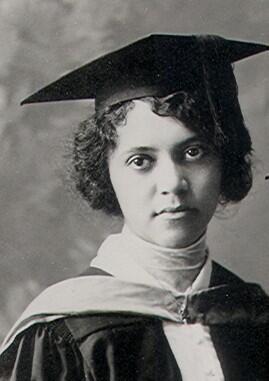
Alice Ball
- Born: 24 July 1892, USA
- Known for: Developing the "Ball Method" to Treat Leprosy
- Established: First Injectable Treatment for Leprosy, Research in Pharmaceutical Chemistry
- Awards/Recognition: First African American Woman with a Chemistry Degree from the University of Hawaii
Alice Augusta Ball (1892 - 1916) was an American chemist who developed the "Ball Method", the most effective treatment for leprosy during the early 20th century. She was the first woman and first African American to receive a master's degree from the University of Hawaii and was also the university's first female and African American chemistry professor.
Ball was an assistant to Dr. Harry T. Hollmann at Kalihi Hospital in Hawaii for his research into the treatment of leprosy. At the time, leprosy was a highly stigmatised disease with virtually no chance of recovery. At age 23, Ball developed a technique to make chaulmoogra oil injectable and absorbable by the body.
Unfortunately, due to her untimely death, Ball could not publish her revolutionary findings. Arthur L. Dean, a chemist and later the president of the University of Hawaii, stole her work, published the findings without crediting Ball, named the technique after himself, and began producing large quantities of the injectable chaulmoogra extract.
It was not until years after her death that Hollmann attempted to correct this injustice. He published a paper in 1922 credited to Ball, calling the injectable form of the oil the "Ball method." Unfortunately, she remained forgotten in the scientific record. In the 1970s, Kathryn Takara and Stanley Ali, professors at the University of Hawaii, searched the archives for Ball's research. After numerous decades, they were able to bring her efforts and achievements to light, giving her the credit she earned.
Linus Pauling
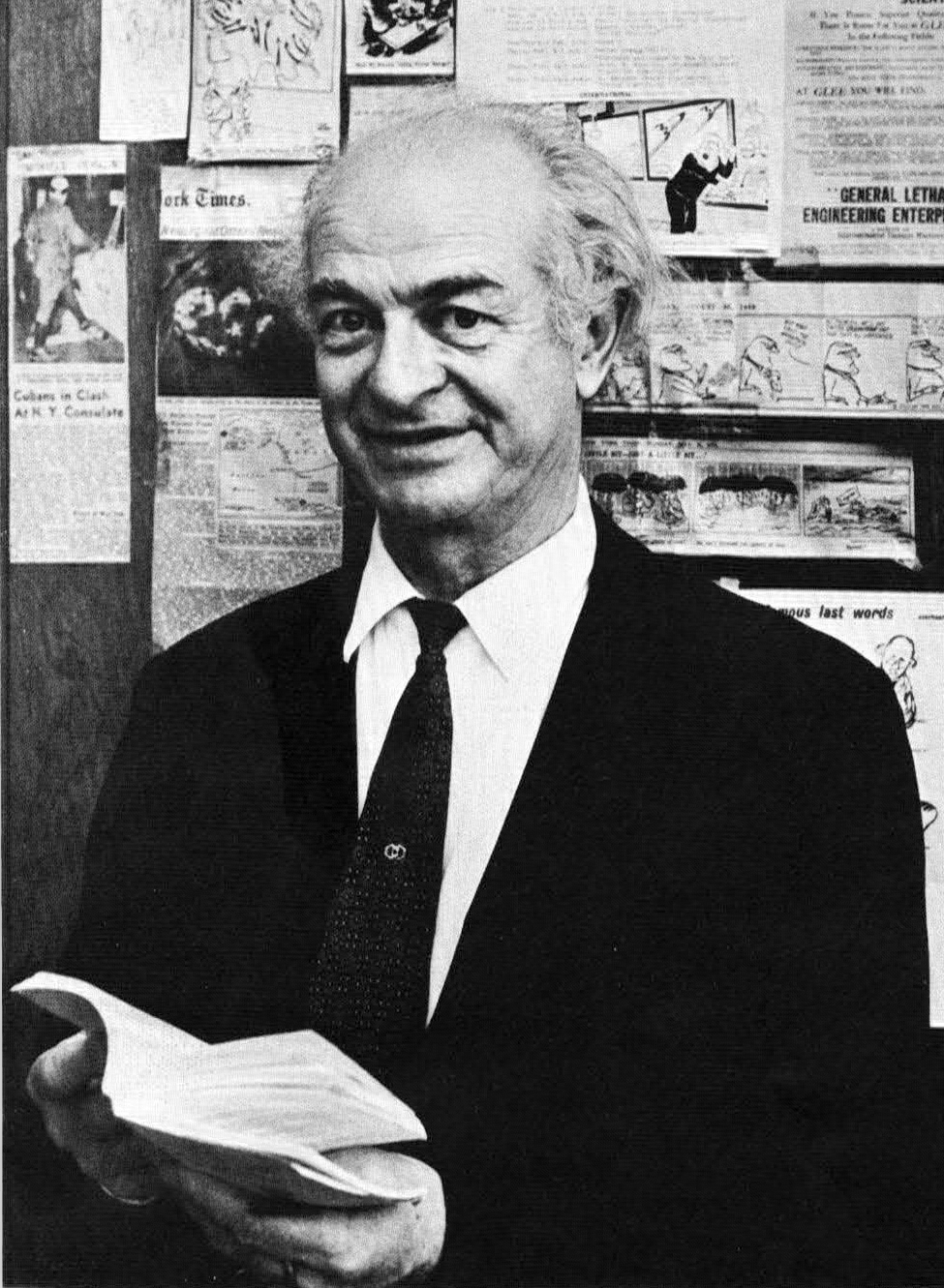
Linus Pauling
- Born: 28 February 1901, USA
- Known for: Quantum Chemistry, Molecular Biology, Research on Chemical Bonds
- Established: Concept of Hybridization in Chemistry, Research on Protein Structures
- Awards/Recognition: Nobel Prize in Chemistry (1954), Nobel Peace Prize (1962)
Linus Carl Pauling (1901-1994) has often been hailed as one of the most important scientists ever to have lived – and if you haven’t heard of him, now is your opportunity.
Pauling invented, single-handedly, what we now know as molecular biology – the study of things like proteins and acids in the body – and quantum chemistry, or the study of the relationships between the smallest things in the atom. And if, at school, you’ve heard of fundamental chemistry concepts like covalent or ionic bonds – you have Pauling to thank for understanding them too.
As a lifelong activist for nuclear disarmament, Pauling was not only a Nobel Laureate in chemistry but also won the Nobel Peace Prize. Finally, his research into proteins inspired the work of Francis Crick and James Watson, who, without Pauling, would never have discovered the structure of DNA.
Dorothy Hodgkin
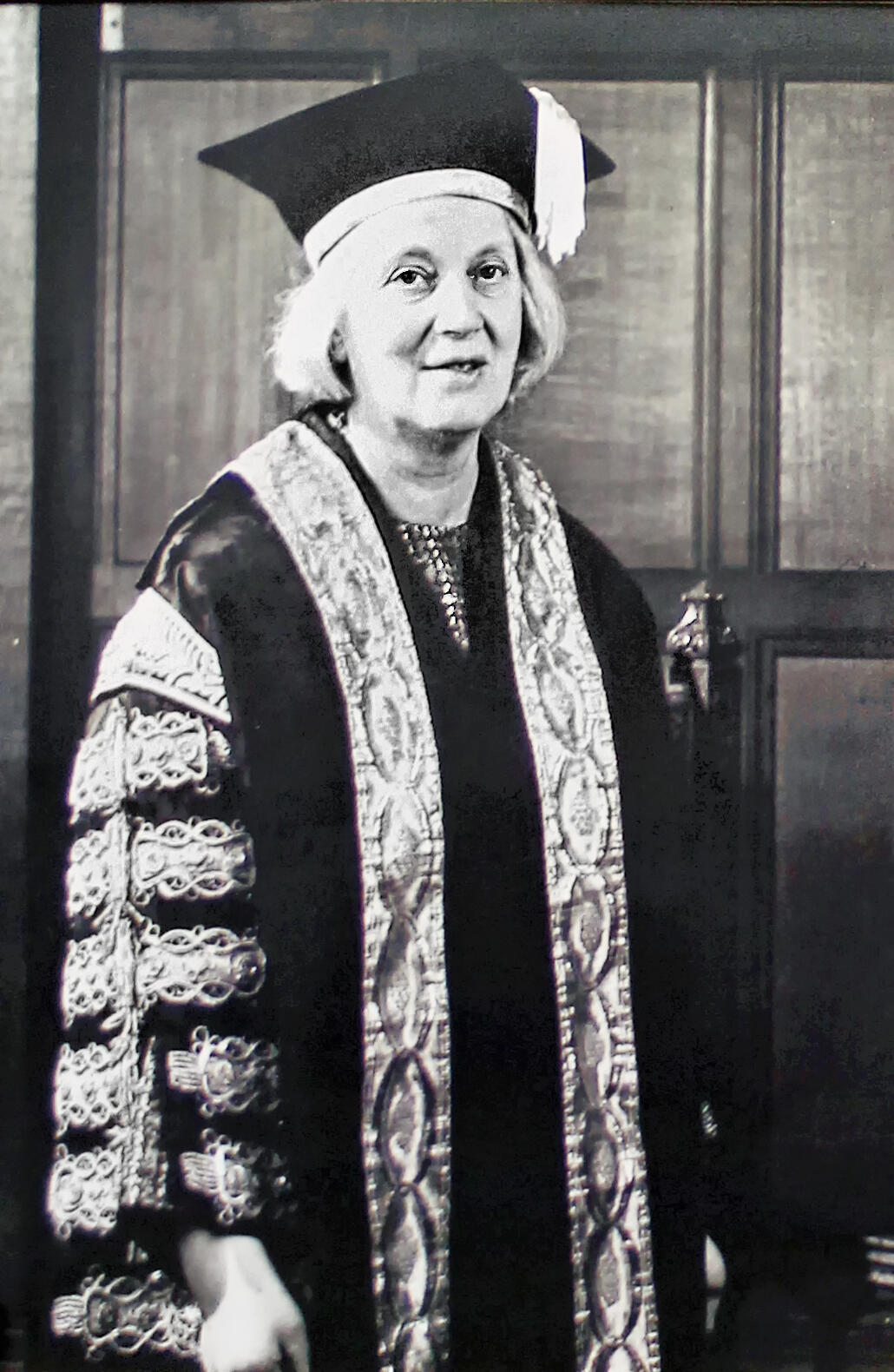
Dorothy Hodgkin
- Born: 12 May 1910, England
- Known for: X-ray Crystallography, Discovery of the Structure of Insulin
- Established: Structure of Vitamin B12, Insulin, and Penicillin
- Awards/Recognition: Nobel Prize in Chemistry (1964), Copley Medal, Royal Medal
A chemist often overlooked in famous scientists' histories: Dorothy Hodgkin (1910-1994). Another Nobel Laureate, Hodgkin, is the only British woman ever to win a Nobel Prize in science.
Hodgkin’s main discoveries were in the structure of molecules and proteins in the body, and her research had a massive impact on biochemistry and medicine. She and her team worked on the structure of penicillin, vitamin B12, and insulin. Her career was notable for her advocacy for the importance of knowing insulin, too—for its central role in diabetes.
Kathleen Lonsdale
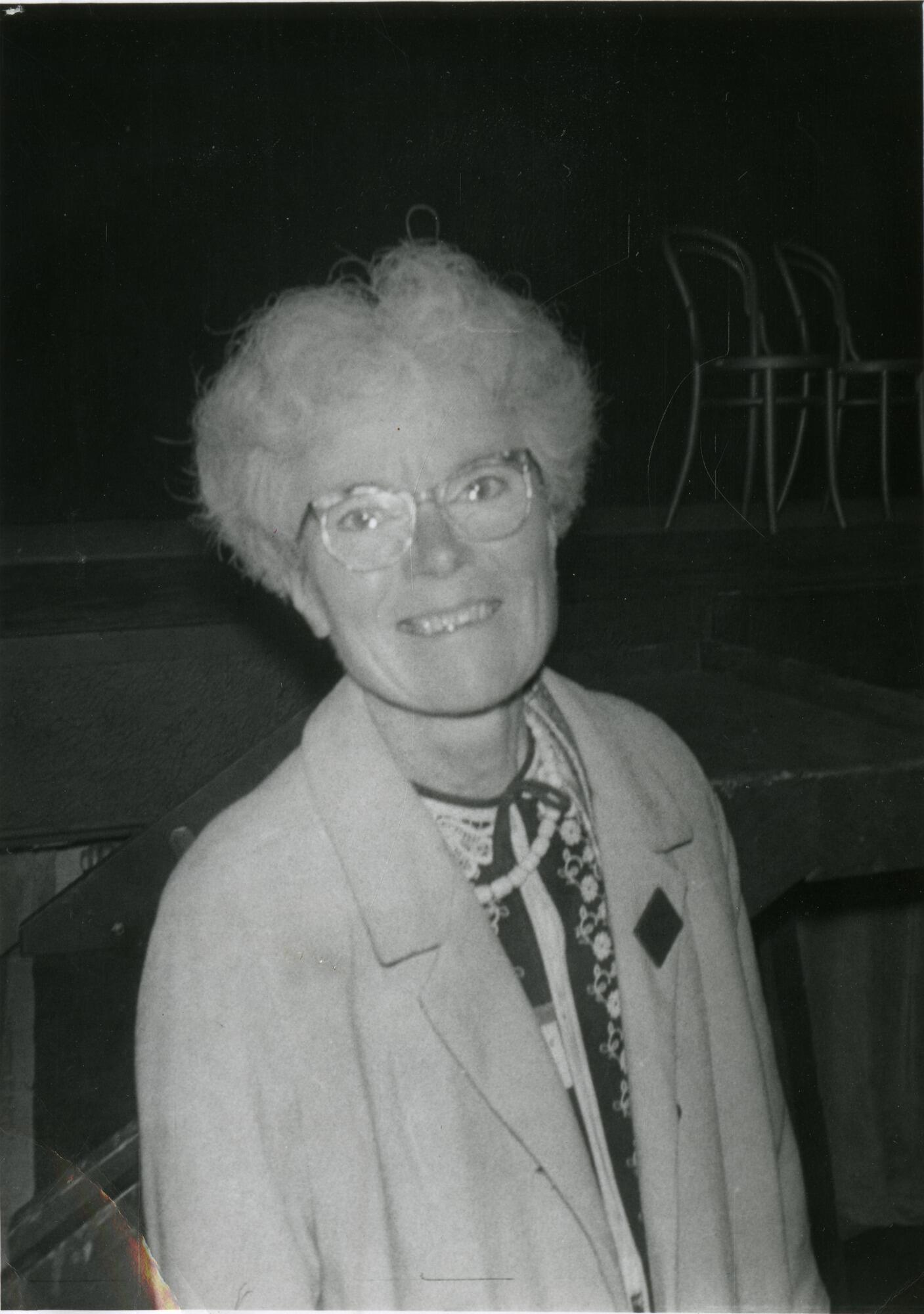
Kathleen Lonsdale
- Born: 28 January 1903, Ireland
- Known for: Crystallography, Determining the Structure of Benzene
- Established: Crystal Structure of Diamond, Research in Molecular Structures
- Awards/Recognition: Fellow of the Royal Society, Davy Medal
Another twentieth-century chemist who deserves to be more famous than she is is Kathleen Lonsdale (1903-1971). As a scientist, she was one of the first women to be elected as a Fellow of the Royal Society. She was awarded numerous titles for her essential work in crystallography, or the study of the arrangement of atoms in crystals.
Alongside her work on diamonds and profoundly influential research into the structure of benzene, she was an advocate for pacifism and an inspiration for women scientists worldwide.
Rosalind Franklin
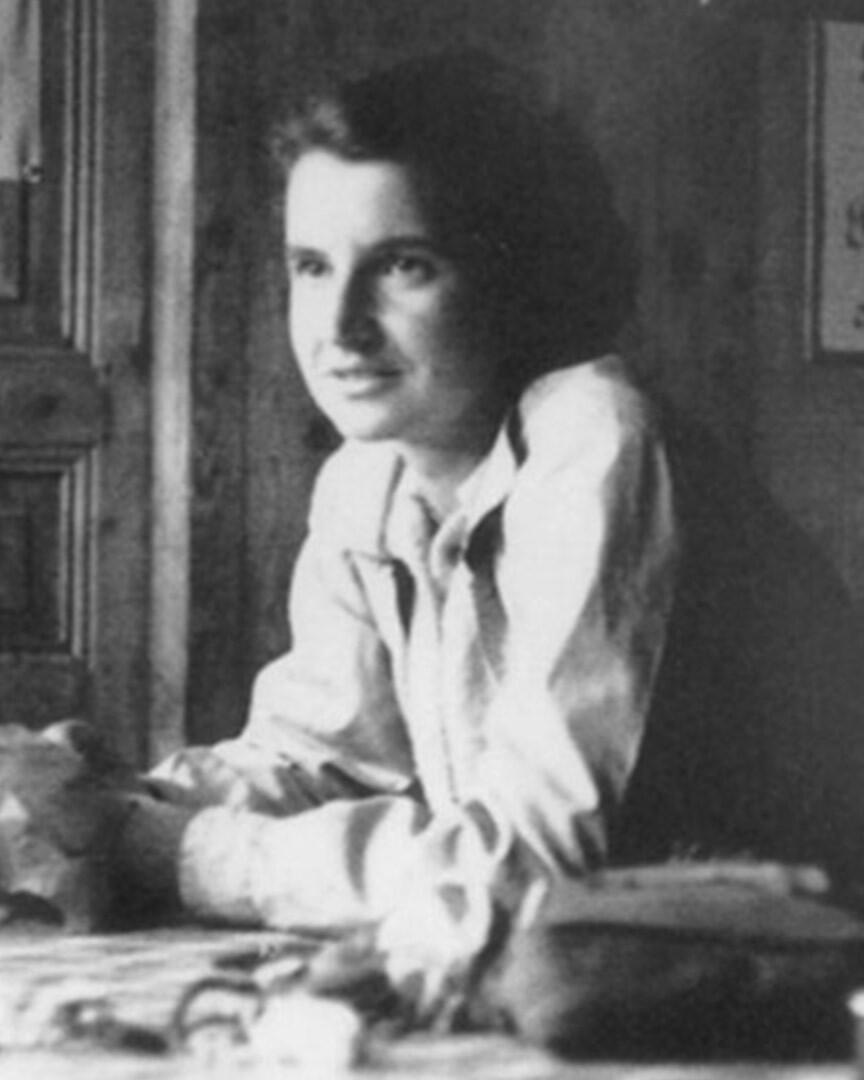
Rosalind Franklin
- Born: 25 July 1920, England
- Known for: X-ray Crystallography of DNA, RNA, and Viruses
- Established: Photo 51, Key Evidence for DNA Double Helix Structure
- Awards/Recognition: Pioneer of Molecular Biology, Contributions to the Discovery of DNA Structure
Rosalind Elsie Franklin (1920 – 1958) was an English chemist and X-ray crystallographer whose work was central to the understanding of the molecular structures of DNA (deoxyribonucleic acid), RNA (ribonucleic acid), viruses, coal, and graphite. Although her works on coal and viruses were appreciated in her lifetime, her contributions to the discovery of the structure of DNA were largely unrecognised during her life, for which she has been variously referred to as the "wronged heroine", the "dark lady of DNA", the "forgotten heroine", a "feminist icon", and the "Sylvia Plath of molecular biology".
Franklin is best known for her work on the X-ray diffraction images of DNA while at King's College London, particularly Photo 51, taken by her student Raymond Gosling, which led to the discovery of the DNA double helix for which Francis Crick, James Watson, and Maurice Wilkins shared the Nobel Prize in Physiology or Medicine in 1962. Watson suggested that Franklin would have ideally been awarded a Nobel Prize in Chemistry, along with Wilkins. However, although there was not yet a rule against posthumous awards, the Nobel Committee generally did not make posthumous nominations.
Superprof can help you find a local chemistry tutor with the click of a button. If you live in Perth, for example, it is as simple as typing on your browser "chemistry tutor perth" followed by Superprof, and you'll have access to a long catalogue of chemistry teachers in the city.
Summarise with AI:
Did you like this article? Leave a rating!


 Loading...
