
Understanding the NBA can seem overwhelming at first, especially if you didn’t grow up with friends or relatives who can help explain it to you. The more you learn about basketball, the history of basketball, and the inner workings of the NBA, the more you might realise you don’t know!
With this guide, we aim to fill any large holes in your NBA and basketball knowledge so that you can better enjoy the game as a concept, as a fan, and as a player. Many athletes further refine their skills through effective basketball coaching.
Ready? Let’s get started!


History of Basketball 101
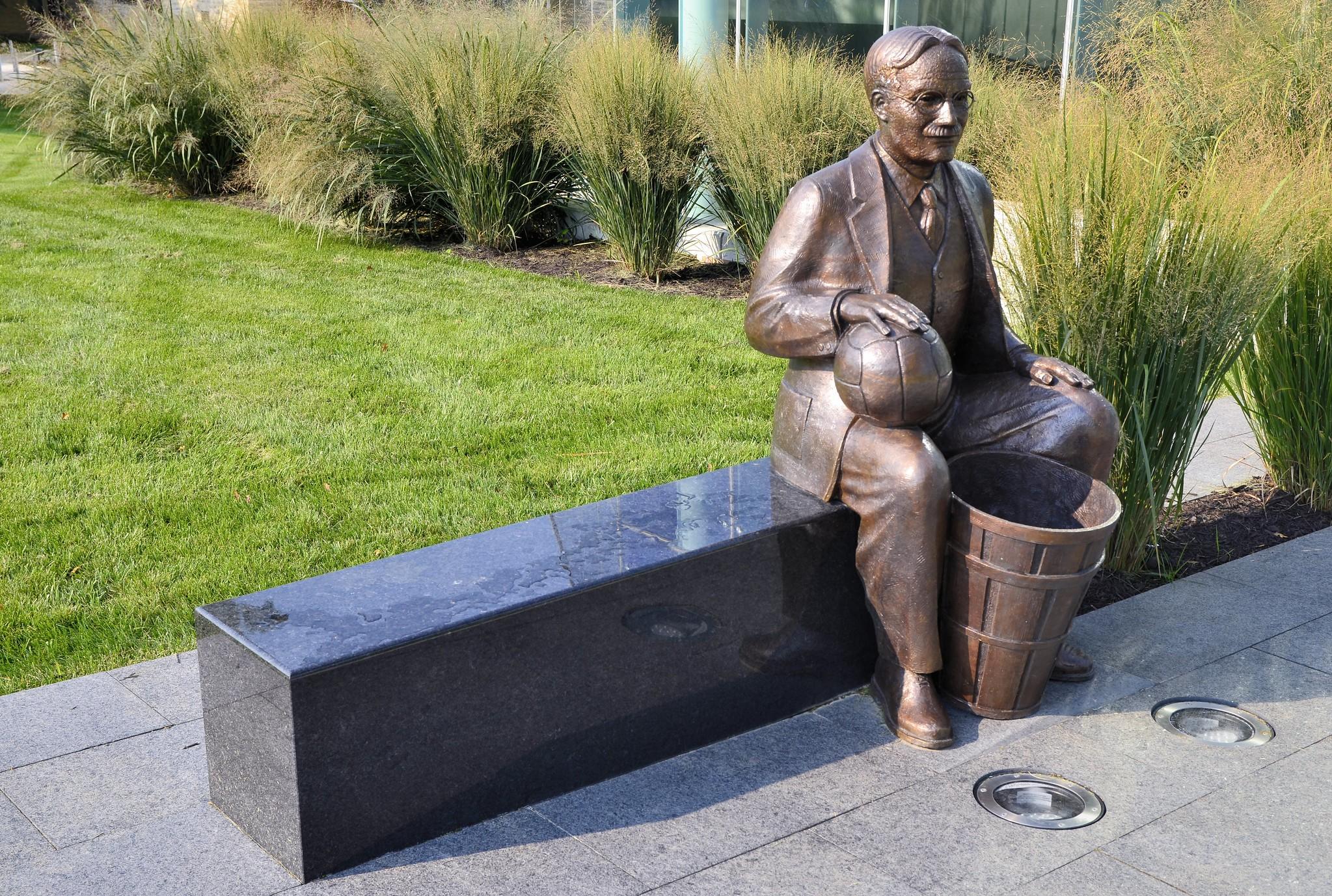
Basketball was first invented in Springfield, Massachusetts, USA in 1891 by athletic coach James Naismith so that his students could continue participating in physical activity even during the harsh Northeastern winters. Since basketball can be played indoors, it allowed the students to play a fun game that was also safer than American football.
A few things have changed since then: the baskets are no longer woven peach baskets with bottoms, the modern rules allow much faster and more exciting gameplay, and it's now a worldwide phenomenon.
The sport quickly caught on across the States, and eventually, a few different leagues and associations were formed to facilitate games between different towns and teams. Many of these leagues came and went, until finally one stuck, and that was the NBA.
Basketball was invented in Springfield, Massachusetts, USA in 1891, by James Naismith
History of the NBA for Dummies
Before we dive into the specifics of the inner workings of the NBA, let’s gain some context.
Obviously, "NBA" stands for "National Basketball Association." It was established in 1949 through the merger of the BAA (Basketball Association of America) and the NBL (National Basketball League) of 1937. It is worth noting that the NBA recognizes the history of the BAA as an integral part of its own history. Hence, many consider the inception of the NBA to be in 1946, coinciding with the establishment of the BAA. Leading the BAA/NBA as its first president was Maurice Podoloff, whose name remains honoured on the NBA MVP trophy as a mark of respect.
The primary objective of the NBA was to expand the reach of basketball games throughout the United States, making them accessible to fans in both major cities and smaller towns. While the BAA had connections to large venues in urban centres, it was the NBL that boasted superior players. As a result of their amalgamation, more captivating games featuring highly skilled athletes became accessible to spectators all across the nation.
The NBA was officially created in 1949, but many consider it to have begun in 1946.
When the BAA and the NBL merged, there were 17 teams. Six were brought over from the NBL, ten were already with the BAA, and one team was created as an expansion team. Over time, many new teams were formed and many others folded.
Now, there are 30 teams, only 3 of which survived from the beginning: The Boston Celtics, The New York Kicks, and the Golden State Warriors (previously called The Philadelphia Warriors).
What Is the NBA In Simple Terms?
The NBA is the premier basketball league in North America, comprised of 29 American teams and 1 Canadian team. It’s an organisation that helps facilitate all 30 teams as they play various seasons of basketball throughout the year.
How Does the NBA Facilitate Basketball?
Organising a nationwide basketball competition between 30 teams, dozens of locations, hundreds of players and coaches, and millions of fans is no easy feat.
The NBA is the glue that holds the whole thing together. All the participating teams can coordinate, collaborate, agree on rules, hire and trade players, and more all thanks to the overarching organisational benefits provided by the NBA.
While nothing is ever perfect, and there are criticisms of certain aspects of the NBA, the NBA does a very good job of planning/allowing teams to plan games every year. It also works to try to keep all teams accountable for integrity.
Conferences and Divisions in the NBA
One of the ways the NBA has organised the teams in North America is by dividing them into groups.
There are two large groups called Conferences that divide the teams into two halves: the Eastern Conference and the Western Conference, referring to the East and West sides of the country, respectively.
Within each conference are three regional groups called Divisions. So, there are two Conferences and six Divisions in the NBA.
They are organised as such:
| Group | Teams |
|---|---|
| Western Conference | |
| Northwest Division | Denver Nuggets |
| Minnesota Timberwolves | |
| Oklahmoa City Thunder | |
| Portland Trail Blazers | |
| Utah Jazz | |
| Pacific Division | Golden State Warriors |
| Los Angeles Clippers | |
| Los Angeles Lakers | |
| Phoenix Suns | |
| Sacramento Kings | |
| Southwest Division | Dallas Mavericks |
| Houston Rockets | |
| Memphis Grizzlies | |
| New Orleans Pelicans | |
| San Antonio Spurs | |
| Eastern Conference | |
| Atlantic Division | Boston Celtics |
| Brooklyn Nets | |
| New York Knicks | |
| Philadelphia 76ers | |
| Toronto Raptors | |
| Central Division | Chicago Bulls |
| Cleveland Cavaliers | |
| Detroit Pistons | |
| Indiana Pacers | |
| Milwaukee Bucks | |
| Southeast Division | Atlanta Hawks |
| Charlotte Hornets, | |
| Miami Heat | |
| Orlando Magic | |
| Washington Wizards |
Seasons of Basketball in the NBA
Did you know that there are two different seasons in the NBA?
Since basketball is a winter sport, the Regular Season begins in October each year and ends in April, which is why seasons are described as the “2023-2024 season” for example.
The Regular Season is when all the teams play each other a set number of times each for a total of 82 games per team. During this time, team stats are monitored to determine what their standing will be in the Playoff Season.
The Playoff Season (typically referred to as “The Playoffs”) begins in April, after the Regular Season ends. The first phase of the Playoffs is called the Play-In Tournament.
According to the stats accrued during the Regular Season, teams are assigned a Seed number, where Seed 1 aka 1st Seed is the best-performing team and Seed 8 is the worst-performing team that is still eligible for the Playoffs. Only the top 8 teams in each Conference get to participate in the Playoffs. However, Seed spots 7 and 8 are up for grabs.
The purpose of the Play-In Tournament is to determine which teams get to be in the 7th and 8th Seed spots. The 7th, 8th, 9th, and 10th-rated teams in each conference compete, eliminating two teams from the tournament. The Play-In Tournament means that a team rated 10th in the conference can end up playing in the Playoffs while a team rated 7th can be eliminated.
After the Play-In Tournament, there are only 8 teams left to compete in the remaining Playoff season in the Championships.
Then, each conference plays amongst themselves to eliminate teams until only the top team in each conference remains. Then, the two top teams play each other. The team that wins that matchup is the Champion of the Year.
The games in the Playoffs are as such: teams are knocked out or advance in a best-of-seven manner, so there can be between 4 and 7 games per matchup to determine the winner.
Other Leagues in the NBA
When the Regular and Playoff seasons are over, there are still lots of opportunities for players to practise their skills! Many Regular Season-hopefuls play in these leagues to hone their skills and get recognised by the main 30 teams.
NBA Summer League aka Las Vegas Summer League
An off-season basketball competition where teams can mix their regular players with rookies, sophomores, and G League affiliate players. While Vegas is the most popular summer league, there are also conventions in Salt Lake City and California.
NBA G League aka G League
Named after its sponsor, Gatorade, the G League is to basketball what the AAA and AA teams are in baseball; it’s a development league meant for preparing players, coaches, officials, trainers and front office staff for the NBA.
Each of the 30 NBA teams has an affiliate team in the G League. New players can join the G League in a few different ways.
The most straightforward are:
- By being drafted or signed by an NBA team and being sent to the G League for development of skills (in this case, the player is beholden to the single NBA team they signed with).
- By signing up with the G League rather than a specific team and being drafted by a G League team at the G League Draft. Undrafted payers enter a rotating pool so they can play as part of all the different G League teams, gaining exposure with every affiliate.
- By attending tryouts in the offseason (typically September to October). Players at tryouts who catch the eye of the NBA teams get invited to training camps, up to four players per team. Even players who don’t make the cut for the training camps can remain in the G League as free agents, meaning they could be called upon to play in the NBA for any of the 30 teams for short or long-term contracts.
In addition to training camps, the G League consists of Showcases, smaller competitions, and even its own Playoff season. G League players who show NBA-level capabilities may even get signed for 10-day contracts to play in the NBA, a trial period in the Regular Season. If they do well, they might get called up to play at the NBA level for a longer time. Unsigned players might get chosen by a G League or NBA team, rather than be a loose, rotating player.
Here's an overview of the general NBA yearly schedule.
| Event | Duration |
|---|---|
| G League Tryouts | September - October |
| Regular Season | October - April |
| Postseason | April - June |
| NBA Draft | June |
| Summer League | July |
What’s the NBA Draft?
One of the biggest components of the NBA is the Draft, which typically occurs in June, just after the end of the Playoff season.
This is the major way that NBA teams can hire new talent (the other ways being through the G League or signing Free Agents - more on that below).
It’s a once-a-year event where representatives from all 30 teams convene to choose their preferred rookie talents from a pool of qualified applicants. Some teams choose Draftees intending to keep them, other times they steal them away from competitors to make a deal later on.
Any players in the Draft who are not chosen by the end of the Drafting process are eligible to sign onto a team as a Free Agent. This means they might have looser or shorter contracts than a Draftee, but they still get to play (or at least be on the roster) in the big league.
Perspective Players in the Draft
Simply put, anyone who qualifies for the Draft can apply. Typically, only people experienced in basketball submit applications, but technically, anyone who is at least 19 years old and at least one year out of secondary/high school can apply, even people who have never played basketball before in their entire lives. Of course, they won’t be selected to appear at the Draft and no teams will pick them, but they can still apply!
Many applicants (but not all) can attend the actual Draft, which happens in a physical location and is a very secure event; all the decisions are first made behind closed doors, where the reps and officials aren’t even allowed to have cell phones so that no information is leaked. The players learn of their draft status just moments before the information is released to the rest of the world on live TV and online.
Drafted players typically sign a contract that same night and can start appearing in the Summer League games right away to begin training alongside the rest of the squad. They may also be bumped down to the G League for development and skill-sharpening before being called back up to the NBA at a later date.
Undrafted players may sign a contract on Draft night as well, or typically in the next few days afterwards, but they can be waived and re-signed many times before the next step in their basketball career is settled.
Only a maximum of 60 players can be selected in the Draft each year, 2 players per team.
How Teams Participate in the Draft
On the part of the teams, the Draft is even more confusing.
Based on the performance of teams in the Regular Season, each team is either assigned an order in which to choose Draftees or is entered into a lottery to determine the order. The bottom-performing teams in the Regular Season (the 14 who didn’t qualify to play in the Playoffs) get to choose first in order of worst-performing to best-performing. This gives the teams who struggled most the opportunity to snag the best prospective players and level the playing field for next season a little bit.
The top 16 teams who did participate in the Playoffs enter a lottery to determine in what order they get to choose Draftees.
On Draft night, teams take turns, in the designated order, choosing Draftees. There are two rounds in the Draft, meaning each team picks two people, which means only 60 Draftees are chosen per year.
Fewer Draftees may be chosen in the event that a team loses the privilege of choosing in the second round, as we have seen for the past 3 years, where various teams are being penalised for violating Free Agent regulations, resulting in only 58 selections on Draft night.
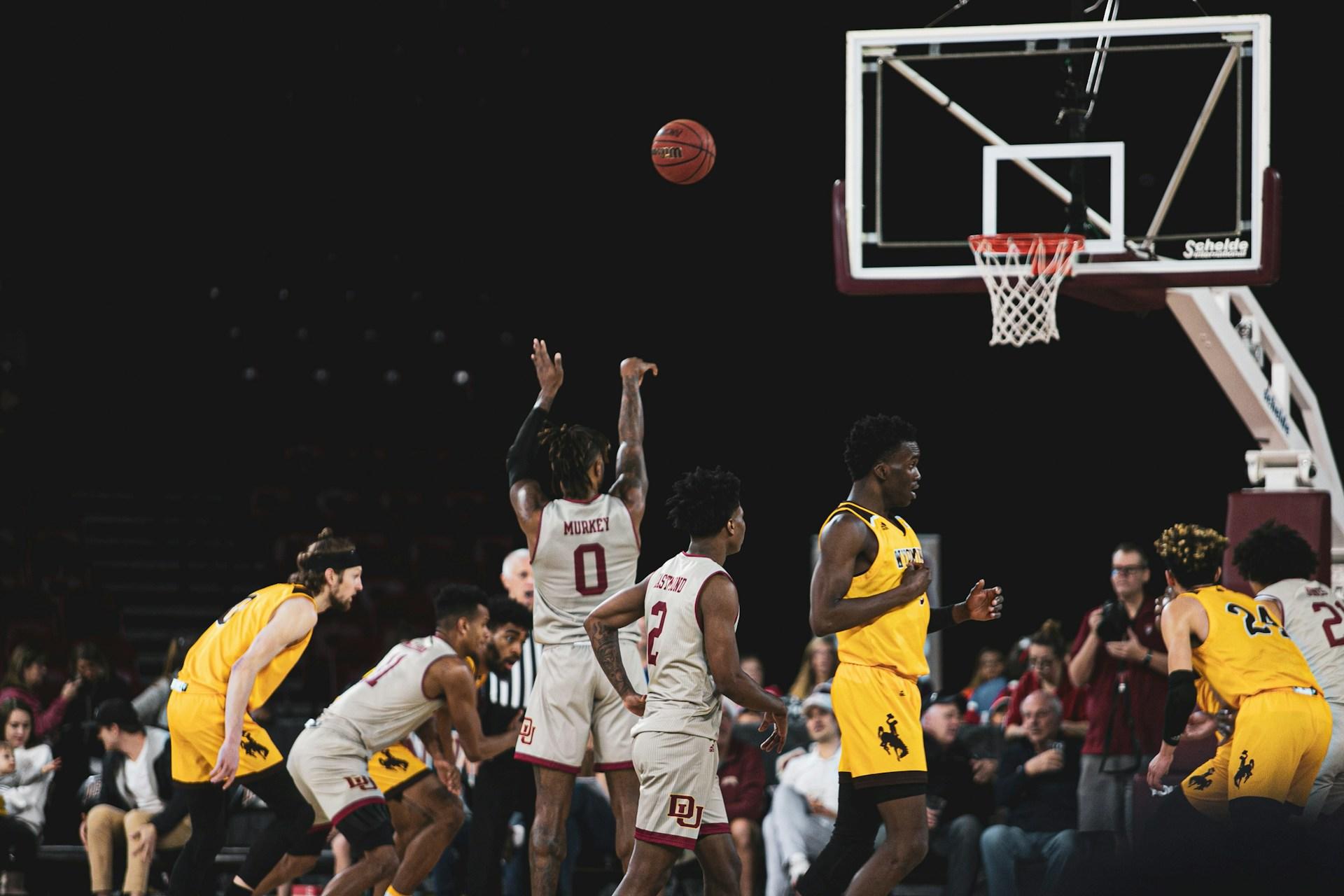
Stats to Know in Basketball
There are hundreds of different ways to read stats for both teams and individual players in basketball. Frankly, it’s overwhelming!
Unless you’re extremely interested in statistics, measuring technical skills, and numbers, this part of the NBA isn’t necessary for being able to enjoy the game. You’re allowed to watch a game and cheer and have fun without knowing the Offensive Rebound Percentage of all the players!
The Major Stats to Know
If you want to start getting into basketball stats, here are the main ones you should learn.
| Abbreviation | Meaning |
|---|---|
| GP | Games Played - Number of games the player participated in |
| GS | Games Started - Number of games the player was in the starting lineup |
| PPG | Points Per Game - The average number of points scored by a player |
| PTS | Points - The cumulative number of points scored by a player |
| RPG | Rebounds Per Game - The average number of times a player recovers the ball after a missed shot attempt |
| APG | Assists Per Game - The average number of passes that lead directly to a made basket by a player |
| BPG | Blocks Per Game - The average number of blocks by a player |
| SPG | Steals Per Game - The average number of times a player legally takes the ball away from an opponent, intercepts a pass, or otherwise gains possession following an opponent turnover |
| FG% | Field Goal Percentage - Percentage of field goals that a player achieves (field goals made / field goals attempted) |
| 3PM | 3-Point Field Goals Made - How many 3-pointers the team or player achieves |
| 3P% | 3-Point Field Goal Percentage - The percentage of 3-pointers that a team or player achieves (3-point field goals made / 3-point field goals attempted) |
| FT% | Free Throw Percentage - The percentage of free thow attempts that a player achieves (free throws made / free throws attempted) |
Famous NBA Players to Know
When you’re talking about basketball in any capacity, there are a few players everyone should know. You don’t have to know everything about them, but you should have some idea of who they are, the era they played in, and their lasting impact on the game.
The Top 4 Players to Know About in NBA History
Here are a handful of great players (not an exhaustive list) and the basics of what you need to know about them when you begin to learn about basketball.
Michael Jordan | Active 1984–1993, 1995–1998, 2001–2003
Most Notable Stats: 6x NBA Championship winner, 6x Finals MVP, 5x NBA MVP, retired and came back to the NBA twice.
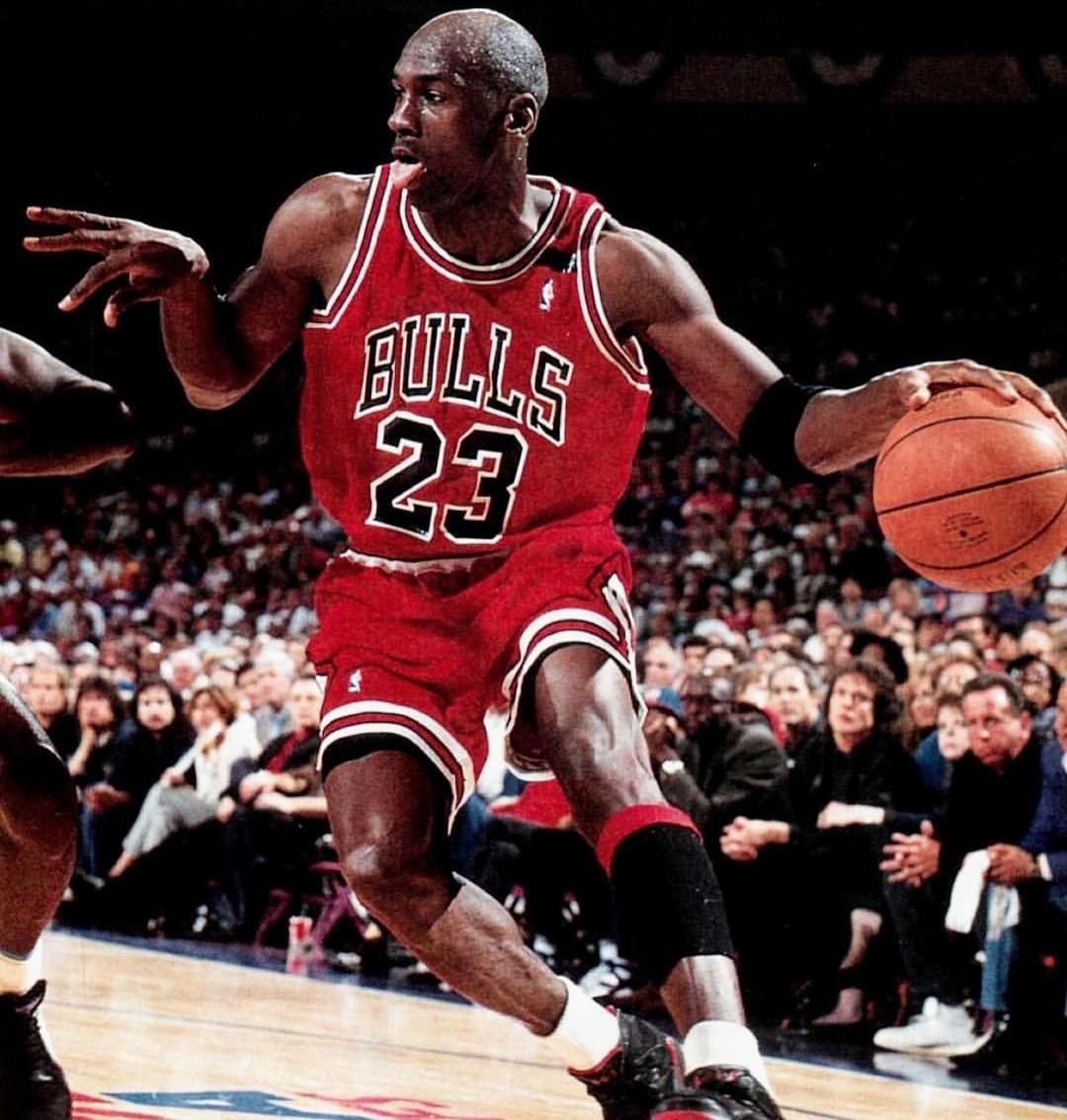
Not only was MJ an extremely good basketball player (perhaps even the best of all time?), he was a majorly influential pop culture figure - and still is, as attested by the continuing success of his brand of Nike shoes called Air Jordan. He was a force on the court, known for his unmatched skills, fierce competitiveness, and extraordinary athleticism. For this, he is aptly known as the undisputed Greatest Of All Time (GOAT).
Magic Johnson | Active 1979–1991, 1996, 1999–2000
Most Notable Stats: 5x NBA Championship winner, 3x each Finals MVP and NBA MVP, 12x NBA All-Star, holds several records for most assists.
Magic was a force as soon as he entered the NBA. In his rookie season with the LA Lakers, he led the team to the NBA Finals and won the championship, earning himself the Finals MVP award. Off the court, Johnson's positive personality and infectious smile made him a beloved figure in the basketball community. However, his career took an unexpected turn when he announced that he had contracted HIV in 1991. Despite this setback, Johnson became an advocate for HIV/AIDS awareness and has since been an inspiration to millions around the world.
Larry Bird | Active 1979–1992
Most Notable Stats: 3x NBA Championship winner, 2x Finals MVP, 3x NBA MVP, 12x NBA All-Star, could make a 3-point shot with his eyes closed.
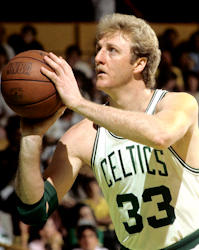
Larry Bird is often mentioned in the same breath as Magic Johnson, as the two players had a legendary rivalry that captivated the basketball world. Bird, a forward for the Boston Celtics, was known for his incredible shooting ability and basketball IQ. He was a true leader, constantly pushing himself and his teammates to excel. He had a knack for hitting game-winning shots and making crucial plays when it mattered most. Bird's competitive nature and never-back-down attitude made him a fan favourite and solidified his status as one of the greatest players of all time.
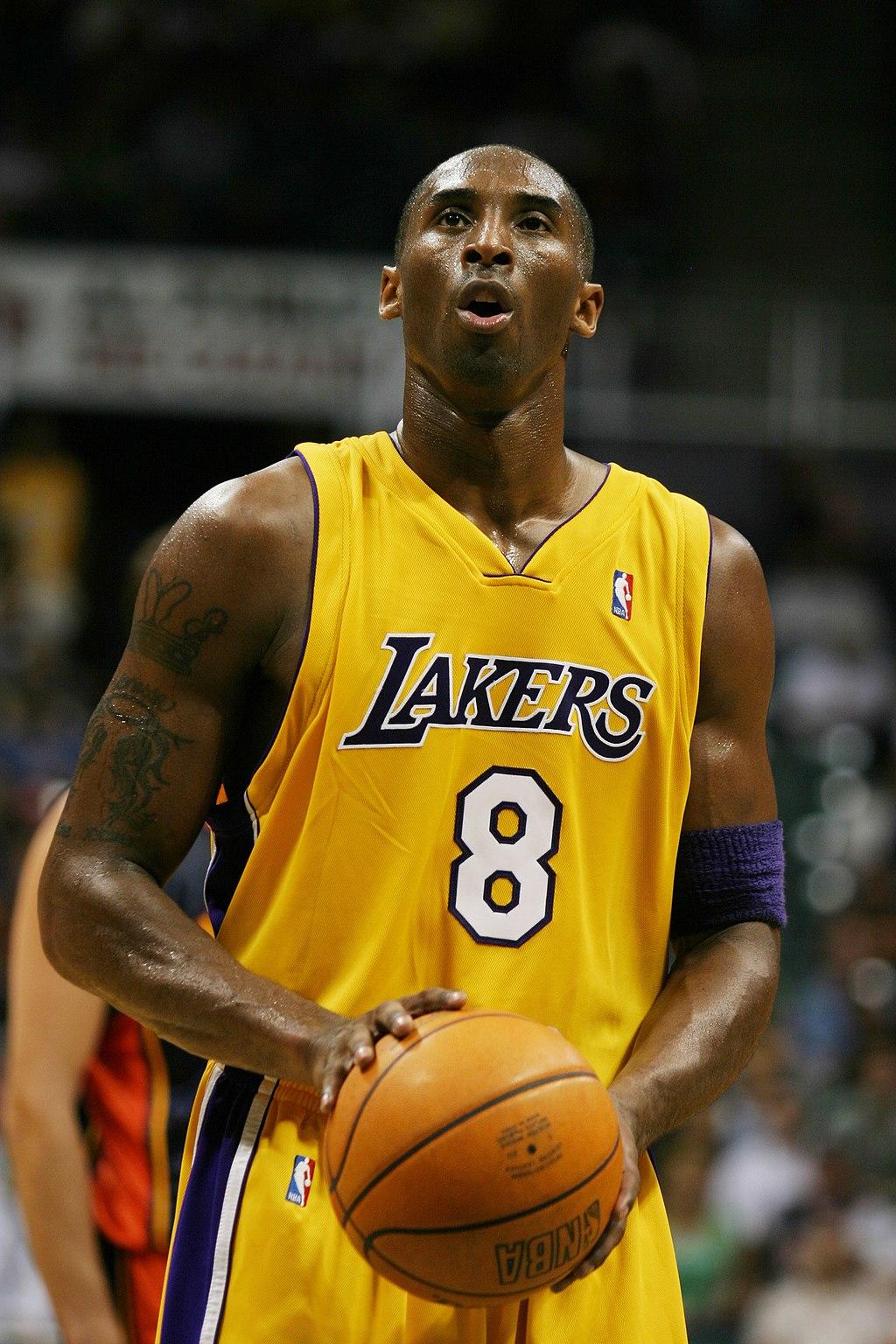
Kobe Bryant | Active 1996–2016
Most Notable Stats: 5x NBA Championship winner, 2x Finals MVP, 18x NBA All-Star, only player in NBA history to have multiple numbers retired by the same franchise.
The Black Mamba’s dedication to the craft of basketball was unparalleled. He was known for his relentless work ethic and his desire to constantly improve, his scoring ability was also second to none. Off the court, Bryant's impact went beyond basketball. He was an advocate for women's basketball and was instrumental in raising awareness for the sport.
Other Famous Basketball Players
Other players to know include:
- Kareem Abdul-Jabbar
- Wilt Chamberlain
- Bill Russell
- Shaquille O’Neal
- Tim Duncan
- LeBron James
- Stephen Curry
And, while most well-known players are historically Americans, other countries are beginning to have a notable presence in the NBA as well. Many great players now come from places like Canada, France, Serbia, China, and yes, even Australia!
The world of NBA basketball is massive in both time and space, having been around for about 75 years and having a global presence. There is always more to discover about your favourite players and teams, and new facts are being established every day! You surely won’t run out of things to learn about this exciting sport.
Hopefully, while you may have started reading this article as a basketball dummy, you are now a bit more informed and have a better grasp on the basics of the NBA. Now, go out there and enjoy a postseason highlights reel with your newfound knowledge!
Summarise with AI:
Did you like this article? Leave a rating!


 Loading...