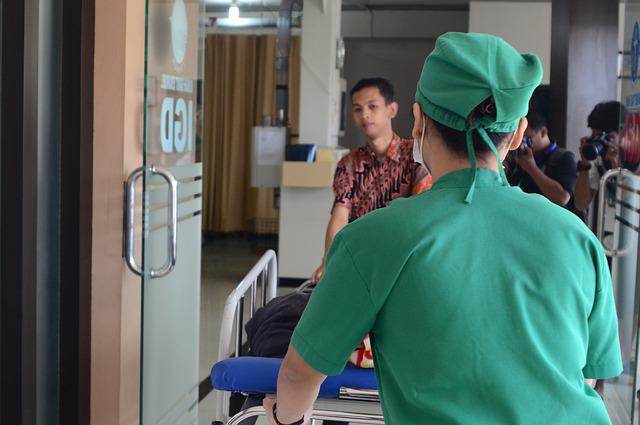

A nursing career is one of the most rewarding careers a person can undertake. Nursing jobs are one of the few jobs where you know you will make a huge and lasting impact on your clients — your patients and their families. However, you should not go into nursing lightly, without knowing all the facts — positive and negative.
When asked, nurses often say the positive aspects of their careers may include:
- variety — no two working days are ever the same
- daily opportunities to learn new skills
- appreciation for the experience of love and health
- the opportunity to learn about themselves through the care of others
- appreciation for people — patients, medical staff, other nurses
- options to work in different fields of practice.
On the other hand, what about the less positive side of nursing jobs?
Some of the less desirable (for some people) aspects of a nursing career may include:
- the prospect of burnout
- shift work
- low ratio of nurses to patients (leading to stress and burnout)
- public attitude — many see nursing as a backup career, when a student has failed to get into a medical degree to become a doctor
- education alone does not prepare graduate nurses for the work, some things can only be learned through experience
- maths skills are essential, particularly the ability to calculate mentally.
Of course, there is also the elephant in the room — salary. Yes, it's woefully low given the experience and expertise required of a nurse. There's no beating around the bush there.
Do I have to work in a hospital?
Indeed, many nurses work, of course, in the hospital setting. However, not every nurse will start and end his or her career in a hospital ward or unit — although more than 50% of nurses do.
Find out about the best nursing courses to take in Australia here.

Let's take a look at where different nursing career pathways may take you, the role you may play in each one and the work duties required.





Nursing Career Pathways — Hospital and Beyond
There are six levels of nursing in Australia:
- Assistant in Nursing
- Enrolled Nurse
- Registered Nurse
- Advanced Practice Nurse (Clinical Nurse)
- Nurse Practitioner
- Midwife
Most of the following nursing career pathways pertain to Registered Nurses or above, although some Enrolled Nurses may be considered for these jobs if they have the required experience.
Hospital
The largest proportion of all nursing jobs are in a hospital setting. In general, nurses who work in a hospital have a role that requires them to:
- care for patients and attend to their needs
- support the medical team with implementing the nursing care plan
- monitor vitals such as temperature, blood pressure and respiration.
You can find more detailed information on the role and duties of each type of nurse here.
Doctors Offices
Registered Nurses are often employed in General Practice centres. They may be there as specialist staff, for vaccinations or skin checks, or their role may be to support doctors and other clinical staff. Occasionally, they may also be working on the administration desk where their job is to deal with the day-to-day management of the practice, schedule appointments and assist doctors as needed.
Public Health Clinics
These health clinics may be community-based, for youth, disadvantaged community members or part of a migrant service and support program. A Nurse Practitioner will generally be in charge with a team of Registered Nurses and perhaps Enrolled Nurses as well. In public health clinics, the role of nurses may include:
- development of health programs and education materials
- delivery of education programs for different community groups
- liaising with a range of practitioners (e.g. nutritionists, naturopaths etc.) to support community members to maintain health and fitness
- providing assessment sessions for specific purposes (e.g. autism assessment).
Maternal health services also come under the umbrella of public health clinics. These services provide support for new mothers through scheduling 'Mothers Groups', breastfeeding support clinics and baby health checks. Often Registered Nurses who have training in pediatrics, or midwives, will work in these centres.
Legal Practice Firms
Registered Nurses or more senior nurses may be employed in some law firms where their role is to provide professional advice on cases related to healthcare, such as medical malpractice suits or other health-related crimes.
Generally, the nurse would also need some form of law or paralegal education background. Their responsibilities may be to:
- provide informed testimony
- assist with documentation preparation
- provide medical expertise throughout proceedings.
Search for some of the best nursing courses in Melbourne here.
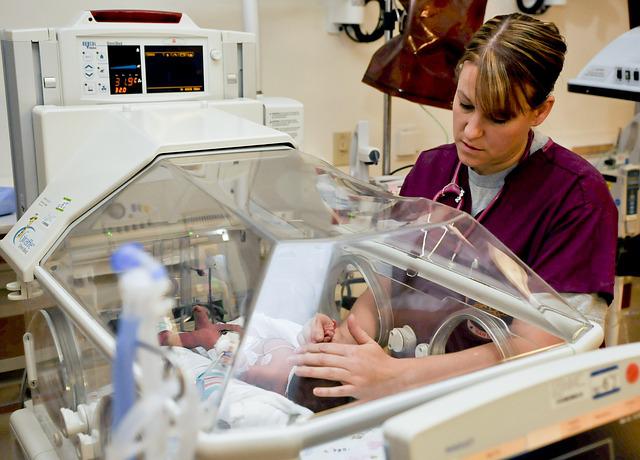
Correctional Facilities
Prison and correctional facilities usually require on-site nursing services 24 hours a day. Nurses who work in prisons or other detainment centres must be physically and mentally able to deal with various challenging situations.
Some of the duties a Registered Nurse or Nurse Practitioner in a prison may be required to perform include:
- treating patients who have a chronic illness
- management of medical emergency situations
- performing drug screening tests
- monitoring the health of inmates
- assessing and providing treatment for minor injury and illness.
Nurse Educator and Researcher
As a minimum, to become a nurse educator and researcher, nurses need to be at the Registered Nurse level and have several years of practical experience. Ideally, they will have a postgraduate Master's degree as well as a Bachelor's degree.
Nurse Educators and Researchers provide clinical education for the initial training of nurses and their ongoing professional development and undertake research into nursing practice.
On a day-to-day basis, the role performed by the nurse educator and researcher includes:
- researching, developing and implementing nurse training curricula
- management of practical work experience opportunities
- evaluation of education needs
- promoting the use of research findings in current clinical practice
- supporting other research nurses.
In addition to the range of career pathways discussed above, Registered Nurses may elect to specialise in a wide variety of fields such as aged care, end-of-life care (hospice or palliative care nurses), health administration, case management, occupational health, outpatient care, home care, procurement, toxicology or vaccine research.
Nursing Salaries
According to some research sources, the demand for qualified nurses is set to increase along with the average salary of nurses.
It is certainly true that given the demands of the job, nurses remain among the lowest-paid professional careers in Australia when you consider a professional career to be one that requires a university degree. However, it may also be relevant to point out that Australia is one of the highest-paying countries in the world when it comes to the salary packets of nursing staff.
The average salary for a nurse is around $67,000 a year. Given the considerable range in seniority levels and professional duties, let's also take a look at the average salaries of a few different types and levels of nurses.
- Assistant in Nursing — salary ranges from $43,000 a year to $44,200 depending on the years of experience
- Enrolled Nurse — salary ranges from $46,500 a year at pay point 1 to $49,000 at pay point 5
- Registered Nurse — annual salary ranges from $49,700 for a Level 1 Registered Nurse to $110,300 for a Level 5 Grade 6 Registered Nurse
- Clinical Nurse or a Midwife — starting annual salary is $97,000
- Nurse Practitioner — salary starts at $137,000 per year
- Director of Nursing — can earn from $156,500 per year
- Executive Director of Nursing — average annual salary is $224,000.
As with most occupations and education systems throughout Australia, there is a variation in the rates of pay for nurses between states, rather than having an 'Australian' rate of pay.
Registered Nurses in Queensland and South Australia earn, on average, the least of all states ($60,000 per year). This is followed closely by Registered Nurse salary averages in Victoria and Western Australia, with Registered Nurses in New South Wales, Tasmania and the Northern Territory (respectively) having the highest average salaries.
You can get to know more about great nursing courses in Sydney here.

The more specialised a nurse becomes, the higher the salary they can expect. Of course, however, with the higher salary comes greater responsibility and, quite probably, more stress. It is something people should weigh up very carefully, remembering to factor in job satisfaction as well.
For example, if you wish to become a nurse educator, you may be looking at an average yearly pay packet in excess of $100,000. A health policy nurse can earn around $97,000 annually. Geriatric Nurses and Critical Care Nurses at the top of their pay scale may earn around $121,000. A Certified Registered Nurse Anaesthetist can earn around $105–$130,000, an Informatics Nurse earns up to $136,000 and a Family Nurse Practitioner can expect to earn anywhere from $97,000 to $137,000 a year.
For people who have qualified as nurses in other countries, including Canada, Ireland, New Zealand, Hong Kong, UK and the USA, as long as you meet the English language requirements, your degree meets the Australian Nursing and Midwifery education standards. This means you can work as a nurse in Australia with no additional training.
Stressful and challenging but eminently rewarding, nursing is a career that allows for multiple options and opportunities for advancement and job satisfaction.
Summarise with AI:
Did you like this article? Leave a rating!

 Loading...