


Both in Australia and around the world, a lot of healthcare systems are having problems with the nursing industry.
As you'll see, a lot of these problems predate the global pandemic, but as you'll know, the pandemic stretched many healthcare systems and the staff members working in them to breaking point and we're still seeing the fallout of it.
The issue is complex and far too complicated for us to fully cover in such a short article, but we have highlighted some of the key issues that have been highlighted by nurses, healthcare providers, and independent researchers.
We're certainly not in a position to offer up solutions, but just by seeing the problems that the nursing industry in Australia is dealing with, we can all gain a better understanding of what nurses are going through.





The Nursing Shortage
The biggest and most pressing issue in nursing in Australia is the shortage of nurses. We'll get into exactly why in just a moment, but what this means is that there aren't enough working nurses to do all the work that needs to be done by them.
There are several factors contributing to this, but pragmatically speaking, it's a matter of supply and demand where the demand for nurses outweighs the actual number of nurses in the workforce and the amount of work they can do.
At its core, this issue breaks down into two things: staffing and workload. To fix the problem, either of these would need to change. This is, as with most problems, easier said than done.
If the number of nurses isn't going to change, you can't decrease the amount of work being done by nurses without either reducing the amount of care being offered in healthcare systems or making the current processes way more efficient.
You also can't just increase the amount of work being done by nurses because there reaches a point that the workload is so untenable, nurses either burn out or people just want to stop becoming nurses.
If we consider that we can't get nurses to do any more because they're already overworked and reaching breaking point, then we have to look at how to get more people into nursing, which currently isn't the case.
Australia's Ageing Population and the Australian Nursing Industry
With any workforce, people enter the workforce and people leave. If we need more nurses, we need more people coming in than going out. Think of it as a leaky bucket: we can either clog the holes or have more hoses pouring water into it.
You can find out about the best nursing courses in Perth here.

At the moment, we have a pretty big hole in the bucket. Every time there's a population boom, that segment of the population eventually reaches retirement age and when they do, every industry will start to see a loss in the numbers for its workforce.
Nursing and healthcare, in general, are doubly harmed by this effect because an ageing population also equates to increased healthcare needs. Not only are the numbers of people retiring going up, but the number of people who'll be needing medical treatment will also increase, two things that you don't want occurring at the same time.
Retention
An ageing population on its own is enough to put a strain on healthcare systems and the nursing shortage, but retention is another huge issue in the nursing industry. At least with retirement, we have a fairly good understanding of how many nurses will be lost and policymakers and government can attempt to mitigate this effect.
However, there are plenty of nurses who are quitting before the age of retirement to go do something else. Retention certainly is part of the nursing shortage issue, but it's such a big issue in nursing that it deserves to be tackled in its own right.
So why is retention in nursing so poor?
Violence and Bullying
One reason so many nurses in Australia are choosing to do something else in their lives is because of bullying.
While bullying is awful, many of us are lucky enough to be surrounded by people mature enough to not participate in it and are happy to remember bullying as part of attending school and something that was just done by dumb kids.
Sadly, more than half of Australia's nurses have suffered from workplace bullying with over three-quarters of nurses in remote areas experiencing bullying and 40% of nurses in hospital-based roles.
It's awful, but what makes it even more awful is that this wasn't because of tensions running high and the incredible stress put on healthcare staff during the pandemic, this data is from 2018 and this kind of behaviour has been part of nursing for a while.
Lots of nurses were looking for a way out before the pandemic and it's hardly surprising that many decided enough was enough when their treatment got even worse.
Burnout
Burnout is definitely a buzzword at the moment and it's one of those things that's used so frequently that its impact can be lost, but in case you didn't know, burnout is defined as "physical or mental collapse caused by overwork or stress" and it's one of the biggest reasons for nurses quitting or thinking about quitting.
Get to know more about the most effective nursing courses melbourne here.

Nursing is already an incredibly difficult job and the only reason that people can do it is that they're passionate about providing patient care. It takes a special kind of person with incredible resilience to become a nurse so you know when nurses are talking about burnout, they aren't talking about having a bad day or two.
Much like bullying in nursing, burnout was one of the many issues faced by overworked nurses before the pandemic, but when the workload for nursing staff increased dramatically, burnout was quick to follow.
To be clear, nurses aren't the only essential workers or healthcare staff to suffer from the pandemic, and the incredible jobs done by staff members throughout the system have to be recognised, but today we're focusing solely on the nursing industry and the issues it faces.
Many nurses had already thought about quitting and doing something else before the pandemic and for a lot of nurses and medical staff, the pandemic was the straw that broke the camel's back.
The Reducing Number of Nursing-school Graduates
As you can see, there are a lot of issues in nursing in Australia and they all contribute to the shortage. We have more nurses retiring because of an ageing population, problems with bullying, nurses being overworked and burning out, and a desperate need for new nurses to replace them.
Check out where to take exceptional nursing courses online here.

If you've read this far, then you couldn't be blamed for that being that interested in becoming a nurse and many others feel the same.
The number of people choosing to study nursing is decreasing when Australia's nursing industry actually needs more nurses than ever. That said, there are many different roles that you can do with a degree in nursing.
Nursing is generally a respected profession with a good career path and the salary to go with it. On paper, the amount nurses are paid is a good amount for the education level they have, but in practice, they either need to be treated better or paid better, which is why there's so much unhappiness in the industry and so few people deciding whether or not to get an education in nursing.
We could comfortably point to all the aforementioned reasons for such low numbers of nursing school graduates, but there's one issue we haven't even touched upon yet: diversity.
Diversity
In Australia, there are high levels of inequity in terms of healthcare, both in terms of treatment and the profession itself.
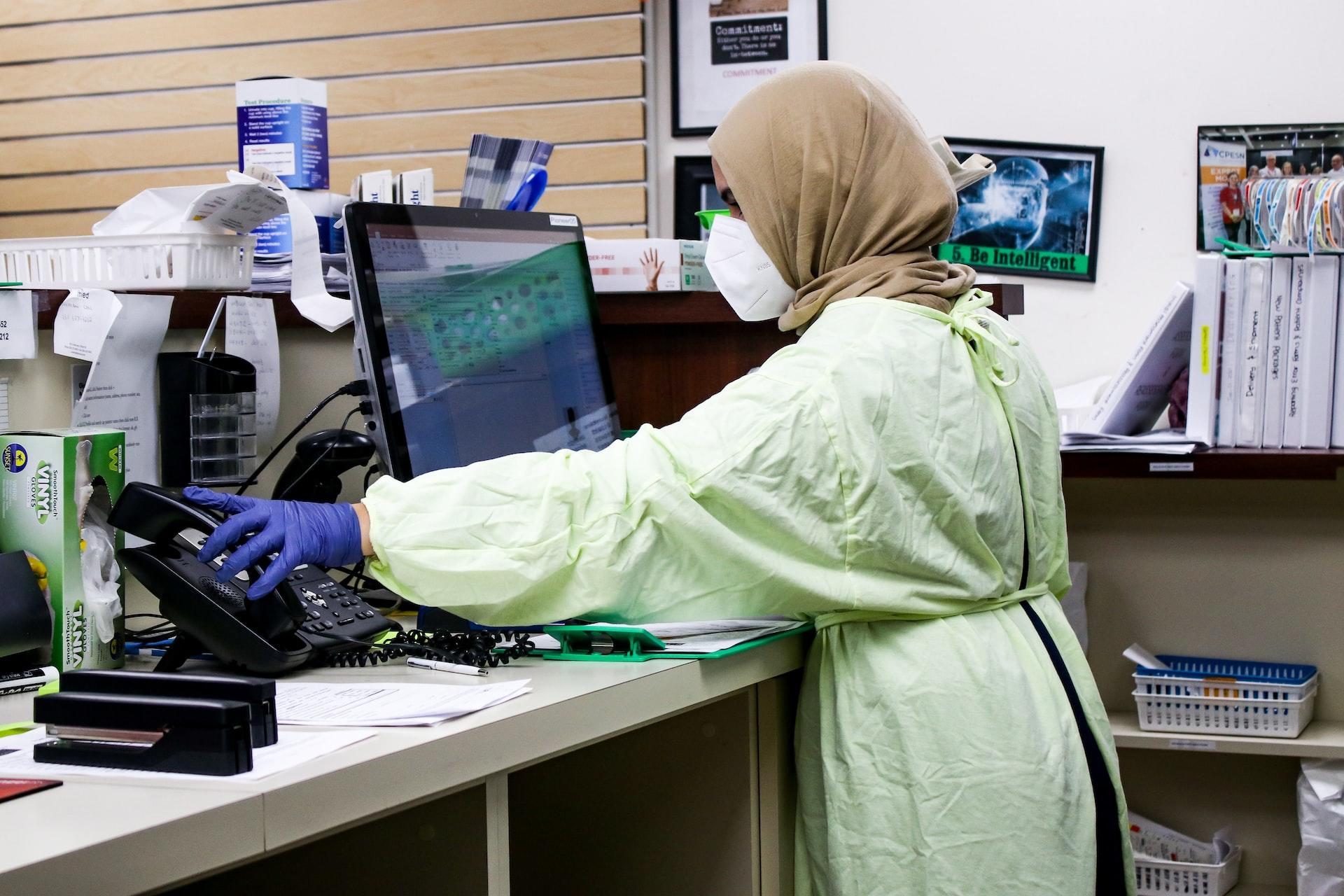
With fewer people than ever graduating as nurses, there's an opportunity, like in many other areas, to promote diversity in the profession. Australia as a nation is diverse, but there are many areas, such as in nursing, where this diversity isn't reflected.
With nursing, increasing diversity could be one step towards improving the number of people becoming nurses.
Let's not forget, however, that there are plenty of other issues that still need solving with nursing and there's no point in encouraging greater diversity in nursing when all the other unappealing aspects of working in nursing remain.
As you can see, while these problems are related and they all affect one another. The solution to Australia's nursing issues isn't to solve each one individually, but rather, a concerted effort towards improving every aspect of nursing.
We're fully aware that this is a daunting task and we couldn't possibly provide working solutions, we're not policymakers, healthcare providers, or even experts in the field, but we can see that fixing one problem would certainly alleviate the effects of the other.
If Australia's healthcare providers and policymakers are struggling with a shortage of nursing, better working conditions would go a long way to encouraging people to study nursing and definitely discourage many from leaving the nursing profession.
Summarise with AI:
Did you like this article? Leave a rating!

 Loading...
