
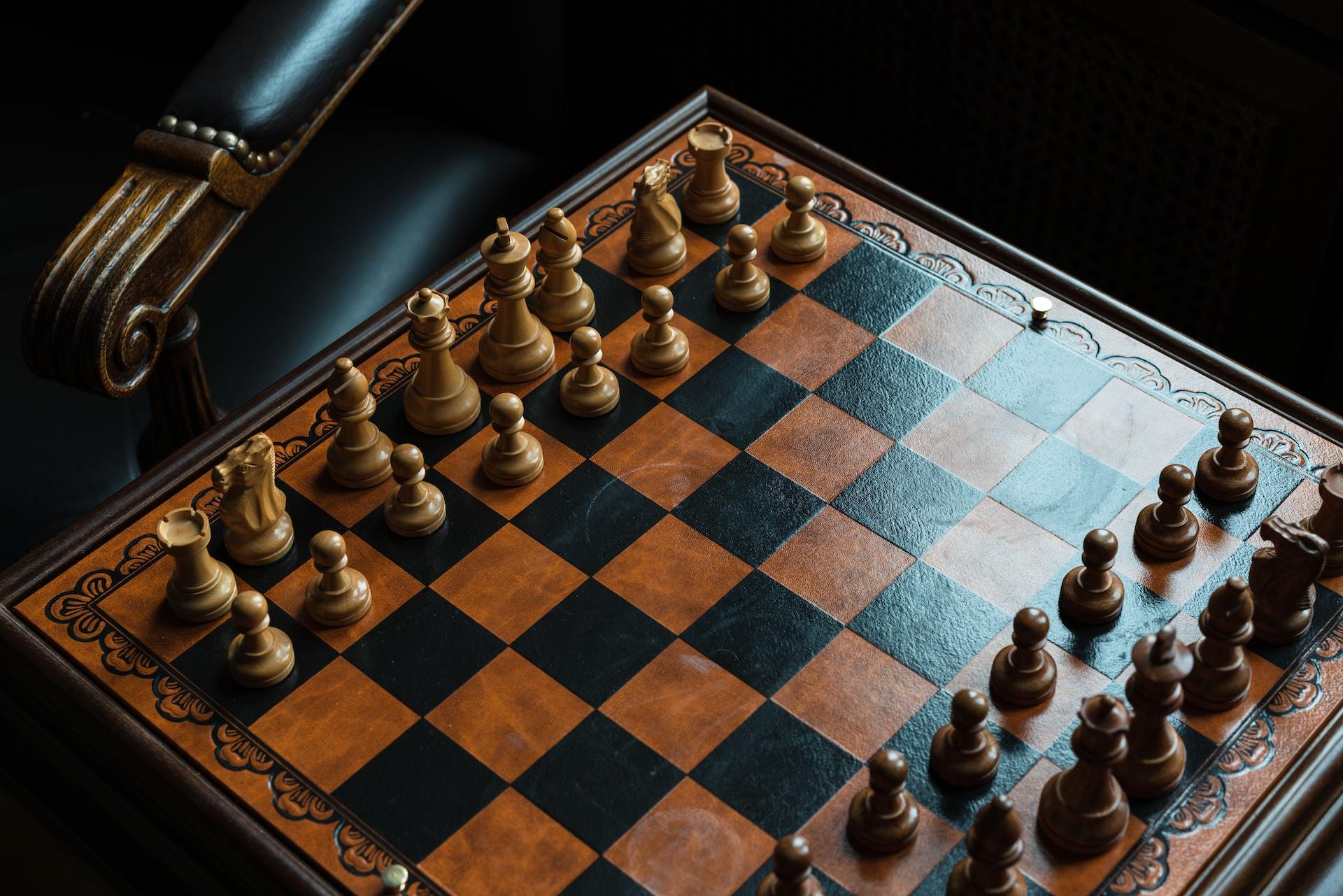

Chess is seeing a bit of resurgence and more people than ever are thinking about learning how to play.
Seniors may feel that they're too old to play chess. However, we're here to show you that there are there plenty of great reasons to play chess (and a few downsides, too!) and that people of all ages can and should join a chess club!


Is There an Age Limit on Learning to Play Chess?
The adage "age is just a number" may feel a bit trite, but when it comes to chess, there really isn't an upper limit.
It's recommended that people start playing as young as they can as that'll give them the maximum number of years to enjoy playing chess. Kids can benefit a lot from playing chess, but they're not the only ones!
Fortunately, as long as you can grasp the rules, you can play chess at any age. In fact, chess is an excellent game because it can even be played without having to touch the board as you can dictate your moves to your opponent or have somebody move the pieces on the board for you.
How Long Does it Take to Master Chess?
Most expert chess players will likely say that they're still mastering chess, but if you want to put a number on it, the recommendation is around 10 years or 10,000 hours of practice.

This does mean that you could retire, dedicate the rest of your life to chess, and still have the time to master it. It's not up to us to tell you how to spend your retirement and if you end up enjoying chess that much, there's no reason you couldn't commit to mastering it in later life.
For most, however, starting anything later in life does mean that you may have missed your best opportunity for mastery, but that's OK! Not everything we do in life has to be about being the best at it and you could just enjoy playing chess because it's fun.
You'll also see that the community around chess is really friendly and much like most chess clubs, membership is pretty much open to juniors and seniors alike.
The Advantages of Playing Chess
If you're still undecided on whether or not you want to play chess, here are just some of the great reasons why chess is an excellent game for seniors to play.
Playing Chess Exercises the Brain
It can be very easy in later life to forget to exercise our brains, especially when we retire and our entire schedule changes.
Chess is an excellent and enjoyable way to remain mentally active and it's a great way to keep your brain as sharp as ever as you age.
While it's important to stay as physically active as possible in later life, it's also essential for your mental health to stay as mentally active as you can, too, and chess is an excellent solution.
Playing Chess Improves Cognition
Not only can chess keep your brain sharp, but it can also improve your cognition. Chess has been shown to have lots of excellent cognitive benefits and while many people wrongly think that you can't teach an old dog new tricks, learning how to play chess and getting better at it is just one of the examples that prove this saying wrong.
By learning to play chess, you can keep your brain active and even get smarter as you play, especially if you're regularly working on improving your chess game.
Chess Can Help with Alzheimer's and Dementia
We weren't kidding when we said that chess is great for your mental fitness and one of the most important benefits of chess, especially for seniors, is how it can work to slow the progression of Alzheimer's.
Any mental stimulation can prevent the onset of dementia and as you've seen, chess is an excellent workout for your brain.
Playing Chess Is Social
Retirement can be lonely so we must retain an active social calendar. Much in the same way we have to remain physically and mentally active, it's important that we remain socially active.
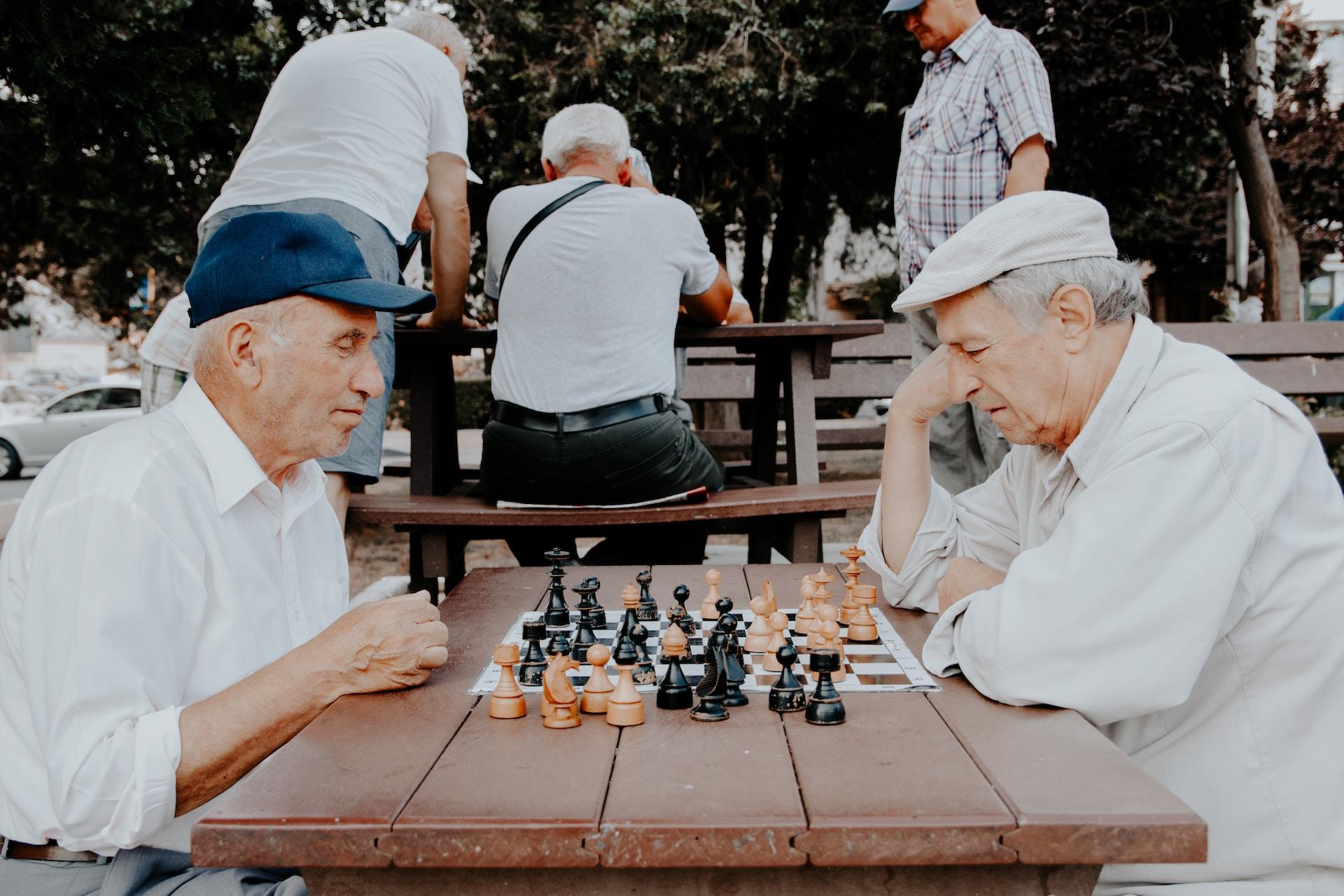
Chess is a way to socialise, especially if you're a member of a chess club that meets up regularly. Attending chess club or playing chess regularly is a way to see and interact with other people with a shared interest and it's a great way to start filling up your schedule with enjoyable and rewarding activities once you retire.
Chess is Fun
One of the best reasons to do anything is because it's fun. Sadly, a lot of the most enjoyable things on the planet aren't necessarily good for us, but chess is.
We've already shown just a few of the benefits of playing chess, but one of the biggest benefits is that chess is an enjoyable game.
Chess comes with a lot of benefits for your mental health. It's good to have fun and enjoy ourselves and finding things that check those boxes is important, especially in retirement when it can be all too easy to fall into harmful routines of doing very little.
Chess Can Reduce Stress
While choosing the right move in a tight game can be stressful, chess has been shown to reduce stress. After all, we learn to deal with stress over time and chess offers nice opportunities to develop how we deal with stress.
Chess, like other hobbies and interests, can also be a nice distraction from the things that may stress us out and it's a nice way to take our minds off the other things going on in our lives that may be causing us stress.
The Disadvantages of Playing Chess
It's not all fun and games and in the interest of fairness, we do have to mention some of the downsides to playing chess.
It Can Take a Long Time to Master Chess
We already mentioned that chess can take 10 years to master and for older people, it can be frustrating knowing that they mightn't have the time to master chess.
However, this is also true for any other skill or hobby you decide to take up in later life so it's important to enjoy things for what they are rather than trying to become an expert in them at all costs.
That said, you can always speed up the process by getting in contact with a private tutor, reading books on chess (there are often plenty of them at the local library), or, joining a chess club that's open to all levels.
Good Chess Sets Are Expensive
If you have a taste for the finer things in life, you might be shocked at how expensive chess sets can cost.
The good thing is that most chess sets are very inexpensive so it really doesn't cost much to start playing chess.
You can also find very affordable second-hand chess sets if you are looking for something nice, but remember that chess is exactly the same whether you spend a lot on your chess set or not.
Chess Can Be a Complicated Game for Those Lacking Dexterity
If you have any issues with dexterity or motor function, chess can be frustrating, especially as you have to move the pieces on the board.
As we mentioned earlier, though, you can always ask your opponent to move the pieces for you if they're capable or have a third person complete the moves for you.
When playing with experienced players, you can always use chess notation to quickly and effectively describe the move that you'd like to make.
Why Seniors Should Join a Chess Club
As you can see, the pros outweigh the cons and chess is definitely something that seniors should consider doing in their free time.
Beyond playing casually, there are also a lot of good reasons to join a chess club and play chess there. In addition to all of the benefits of playing chess, here are a few advantages of joining a chess club.
Playing Chess Is Something to Do
During retirement, it's important to stay active in many different ways and a chess club offers a reason to get out of the house and go do something.
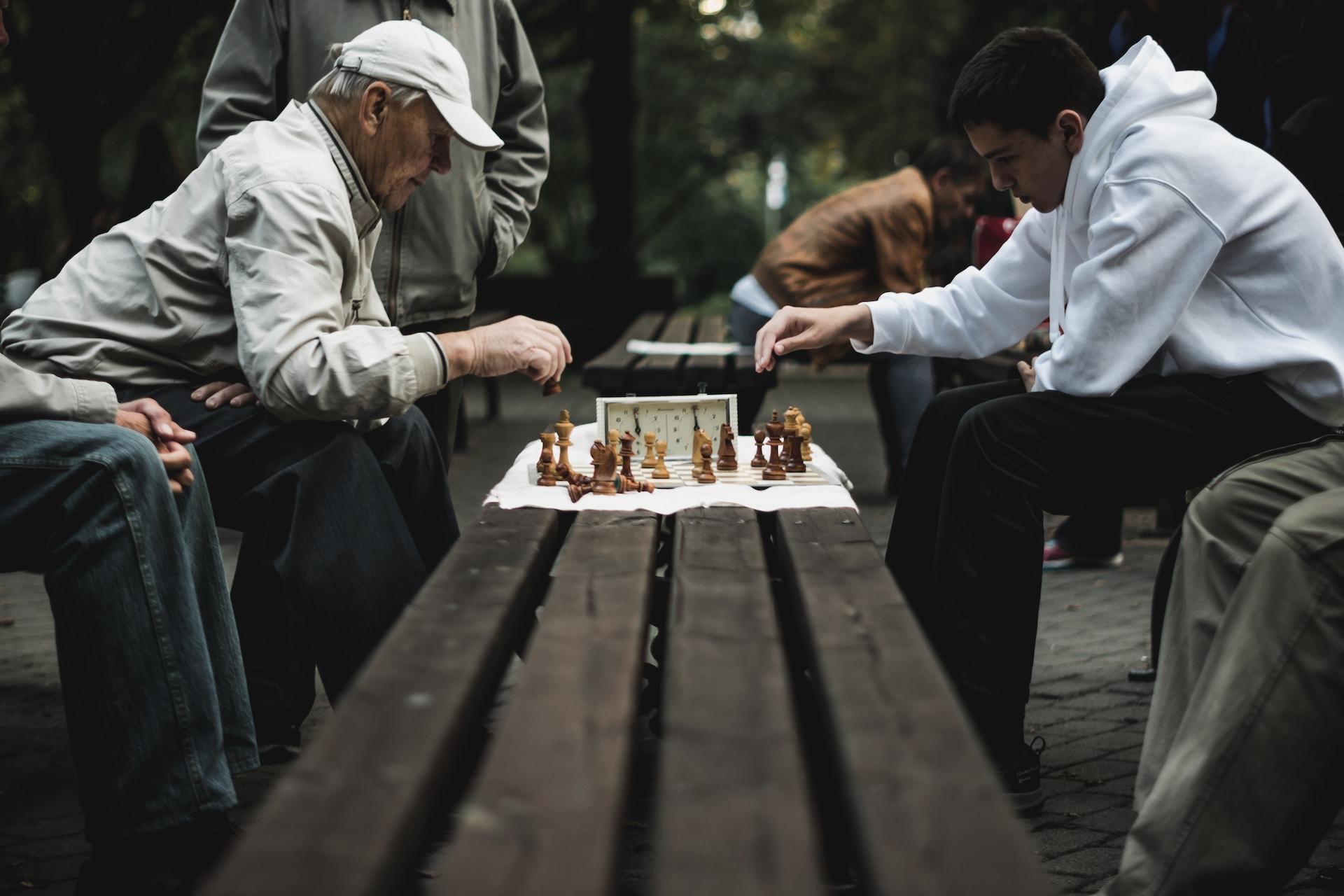
You must enjoy what you do, but as you've seen, chess is as good a hobby as any for seniors to have as part of their weekly routine.
During retirement, it can be very easy to lose any sense of routine and having a hobby like chess and attending a chess club can be just one of the great ways to mitigate this problem.
You Can Meet New People by Playing Chess
In later life, staying socially active is important for our mental health and chess clubs are a great way to do just that.
Not only can you meet plenty of interesting people from all walks of life, but chess clubs also are an opportunity to make new friends, socialise over a shared interest, and have fun with others.
Improve Your Chess Game
We've established that you likely won't become a chess master if you start later on in life, but that doesn't mean you can't improve.
By attending chess club meetings, you'll have the opportunity to play against different opponents, work on improving your chess game, and learn with others!
Finding Chess Clubs for Seniors
From West Australia to Tasmania, there are chess clubs all over the country and most Australian senior citizens should be able to easily find a chess club and become a member of their local chess community.
Every Australian state has a chess association. If you find your local association online, you'll see that they have a list of almost every chess club and group in the state and you can contact them easily via email or phone.
You can also head into the city centre, speak to your local council, head to the library, or ask around. There are a lot of chess clubs based around universities and students often meet up to play so it can be worthwhile asking there, too.
You'll see that chess club members are enthusiastic about chess and happy to tell you how membership to their chess club works and what you need to do to join!
Summarise with AI:
Did you like this article? Leave a rating!


 Loading...
