


If you're interested in learning a programming language or becoming a computer programmer, that's great, but if the jury's still out and you need more convincing, there are plenty of benefits, too.
Here, we're going to see what they are and why becoming a computer programmer is such a good idea.
Let's get to it!


Career Prospects and Salary
If you're pragmatic about things, you'll probably want to know how much you could earn and what your career could be like if you chose to become a computer programmer.
An Above-Average Salary
In Australia, a programmer's salary sits around $90,000 a year. This puts the salary comfortably above the average (mean) salary of around $64,000 a year. However, a mean average is rarely useful when looking at salaries as it's often skewed by super-high earners and the median salary is closer to $48,000 a year.

In either case, the average computer programmer earns more than this and even with estimates of between $75,000 and $90,000 as a starting range, the outlook, at least in terms of salary, is good for them.
The salaries for computer programmer jobs, like other jobs, will increase with experience and level so the more years of experience you have, the higher your pay will likely be. There are also geographic factors to consider as the pay range can differ depending on where you are in Australia.
Computer Programmers Are in Demand
In recent years, demand for computer programmers has increased and while this growth won't continue forever, it does mean that unemployment rates for programmers are very low and there are lots of different careers for computer programmers available.
It should be noted that the increase in demand will also lead to more people choosing careers in computer programming or studying computer programming. This can lead to increased competition in entry-level roles as large numbers of graduates make their way into the industry with little or no experience.
This basically means that now is the best time to become a computer programmer as waiting to study computer programming means you'll arrive at the bottom rung of the ladder once a lot of entry-level positions are filled.
Computer Programmers are Highly Marketable
As a computer programmer, your skills are in demand. Even outside of computer programming, the fact that you know a programming language can come in handy elsewhere or just show employers that you're more than capable of overcoming complicated challenges or solving difficult problems.
Qualifications and experience in computer programming will often impress employers both in the industry and out of it. Similarly, if you have the right skills, you'll also likely receive more job offers than people in over lines of work.
Developing Skills as a Computer Programmer
While becoming a computer programmer or studying computer programming at one of Australia's top universities will obviously teach you how to code, there are plenty of other skills that you'll learn along the way.
If we take the fact that you'll learn to program as a given, there are still plenty of other skills that computer programming can also teach you.
Communication Skills for Computer Programmers
For those new to computer programming, you mightn't think that computer programmers are sociable or have communication skills, but this stereotype is actually quite misleading.

Unless computer programmers are working on their own and for themselves, communication skills are essential and anyone studying computer programming or working in the industry will have to pick them up as they go along.
For one, computer programmers rarely work on their own and even if they're the only programmer in a company or on a project, they'll still need to liaise with their bosses, employers, other employees, or even other departments.
In these kinds of situations, communication skills are imperative as computer programmers will often be dealing with people who have a limited understanding of computer programming. They'll need to effectively communicate what they're doing and how it all works in a way that the layperson will understand.
In situations where computer programmers are working collaboratively with other programmers, communication is essential, too. Computer programming is complicated and minor mistakes and miscommunication can easily lead to bugs, inelegant code, and inefficiencies.
Accurate and precise communication is a must.
Patience is a Virtue for Computer Programmers
Programming will test your patience. Coding can be a long and laborious process and there's no space for impatience. If you're the kind of person that needs things done immediately, computer programming isn't for you.
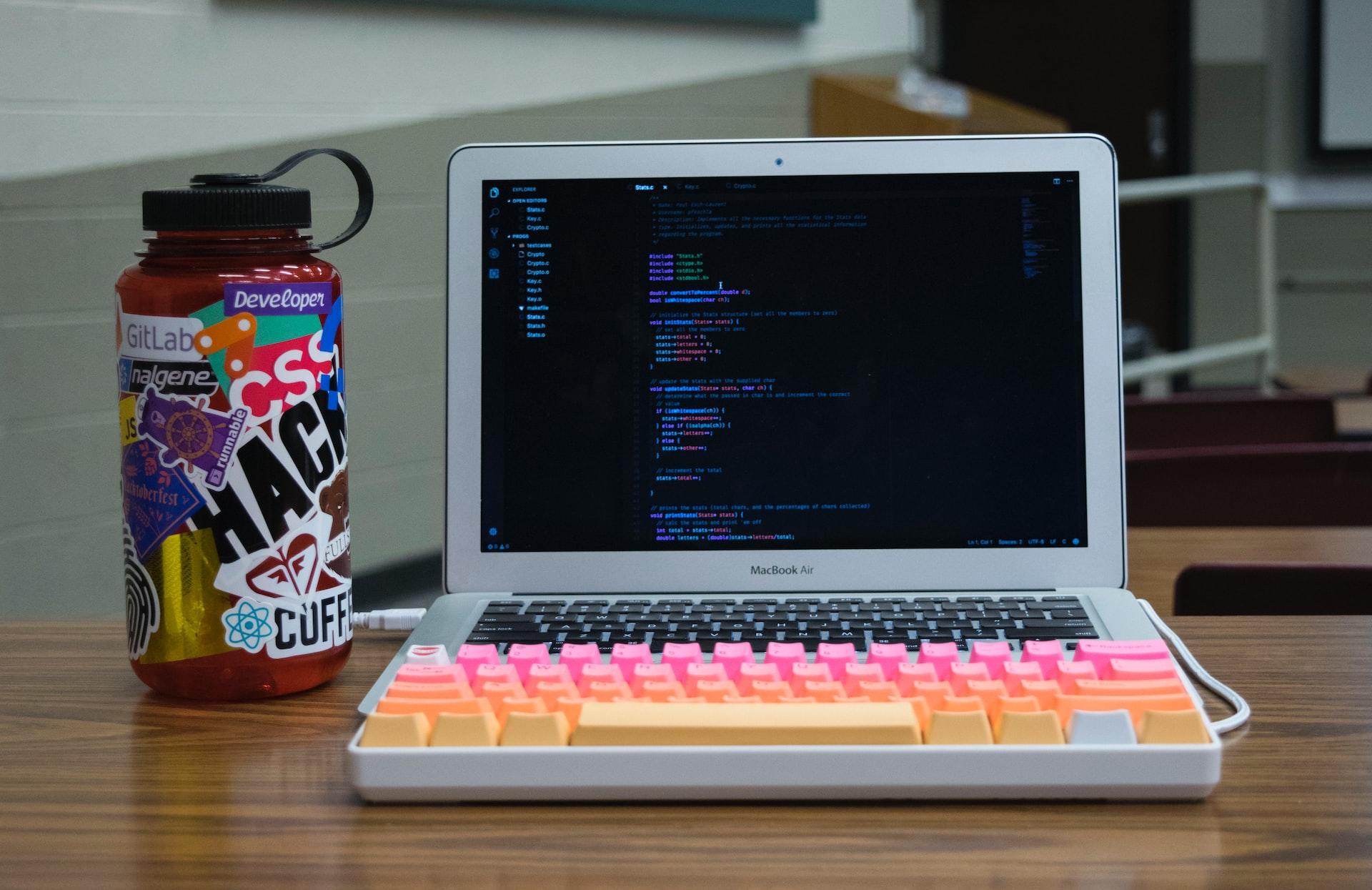
However, as you study computer programming, you'll develop your patience and a good attitude towards persevering, especially in the long hours when you're figuring out why some code isn't working as intended and how a seemingly minor change has completely ruined everything you were working on!
Gain an Eye for Detail
Just as you'll learn to persevere and develop the patience of a saint, you'll also learn to pay attention to details and be meticulous in everything you do.
Computers are notoriously inflexible; everything needs to be done right. As you study computer programming or work in the industry, you'll become more aware of how important the fine details are.
Learn to Solve Problems
One skill that every computer programmer will need and will naturally develop over time is the ability to solve problems. Computer programming is all about solving problems. It's about thinking on your feet, taking a rational approach, and also being able to think laterally about problems.
It's certainly easier said than done, but if you become a computer programmer, it'll be one of the most important skills you have.
Develop Your Logic and Reasoning
In a similar vein to solving problems, you'll naturally become better at reasoning and applying logic to different situations.
Every computer programmer has a powerful set of transferable skills. They're resilient problem-solving machines with an unbreakable resolve and an eye for detail. On top of all that, they also know one or more programming languages!
The Benefits of How Computer Programmers Work
While it all sounds like hard work, and it is, becoming a computer programmer comes with both the salary and working conditions that certain lines of work could only dream of.
In terms of working conditions, not every job in computer programming will have these, but they are quite common in the industry and due to the nature of computer programming, are often an option in the jobs that don't offer them.
Working Flexible Hours
Computer programmers can often work flexible hours because getting the work done for deadlines is more important than when each individual task gets done.
Employers and clients don't really need their programmers to work a 9-to-5 if they meet their deadlines and get the work done, especially if they're reliable when it comes to sticking to schedules and meeting deadlines.
The only real time that computer programmers need to work to certain schedules or hours is when they need to make themselves available to communicate with employers or clients. Otherwise, they can strike while the iron's hot and work to the hours that work best for them.
Working from Home or Working Remotely
Much in the same way that it doesn't matter when computer programmers get their work done as long as they're getting it done, it doesn't really matter where they're working from.

For most projects, computer programmers can work wherever they like as this will also make little difference to their employer or client.
Of course, for collaborative or sensitive projects, programmers may need to work in an office or on a stricter schedule so that they can liaise with their colleagues or ensure that all the project files and code are somewhere they can be protected. It wouldn't be a good idea, for example, to be working on a sensitive project over a coffee shop wi-fi connection.
But aside from these specific cases, as long as a programmer has the equipment they need, a reliable internet connection, and a schedule that works with their employer or client, they can pretty much work from wherever they want.
Work Abroad
Working remotely extends to other countries, too. While not everyone wants to take their work with them on holiday, it can be useful to have this flexibility. After all, it's better to get some work done on holiday or abroad than not go at all!
Similarly, the demand for computer programmers is so high that you can basically go anywhere for work and you'll find employers or clients looking for programmers.
It's also good that programming languages are universal, too, so you don't necessarily need to learn a local language before you go, but it's always a good idea to do so once you're there!
Creative Opportunities
It mightn't seem to be the case at first glance, but computer programmers also have plenty of opportunities to be creative. How you choose to solve programming challenges and put your code together is an interesting exercise in creativity and something that a lot of programmers really enjoy.
While computer programming isn't always fun and games (there are plenty of downsides, too!), there are plenty of pros that make becoming a computer programmer an appealing prospect to anyone who likes a challenge, is interested in learning valuable skills, and is considering a somewhat lucrative career with good job prospects!
Summarise with AI:
Enjoyed this article? Leave a rating!

 Loading...
