
The ability to program can nowadays be a valuable professional asset and even a must-have in many areas, like science or data analysis, without mentioning the great number of programming jobs. So how can you learn to code quickly?
One of the best solutions is programming tutoring courses. As we all learn to code for our own reasons, we can progress much quicker if we take tailored classes and work on relevant skills.
To give you a simple example, a programming language, like Python, can be used to solve a large number of problems in different fields, from data analysis to language processing and video game development.
Someone who needs the programming language for one particular type of task doesn't really need to learn libraries serving other purposes. A good Python tutor will know what skills are necessary for a given goal and draw up a thought-out program of classes.
However, before they start searching for a Python or C programming tutor and write their first code, students would probably like to know what a typical programming tutorial, in general, is like?
This will be the subject of today's article. We are going to see what skills are absolutely essential for anyone willing to program and what aren't, so you will be able to choose the best computer programming course for you and learn to code in Python or another language easily.



Learning basic facts about the computer
It is sometimes thought that computer programmers know absolutely everything about computers, including their physical structure. That is not necessarily true. Detailed knowledge of processors, graphics cards and RAM may be required in certain narrow fields of programming but most coders don't really need it.
Still, some basic concepts of computer science can be essential for a beginner, namely, to choose what area of programming to specialise in and what coding language to learn.
For example, anyone starting to program should know about the binary number system and its role in computer science. Only then, can they get a clear idea of how computers work and what makes it possible to program them to help us in our daily life.
So, if you have completely no knowledge about that, you may want to take one or a series of introductory classes with a tutor and they will teach you everything you need to know.
Usually, learning basic computer theory doesn't take much time and effort but you will understand such notions as programming language, code, compilation and others very clearly and will be able to advance more easily at the later stages of learning.
Once it is done, you can decide on the programming language you want to learn and start working on practical examples of code. If you have doubts at that point, you can ask your tutor for advice. They will suggest a language or languages that better suit your goals and will point you in the right direction from the start.
Is Python a good programming language?
Learning a programming language is usually a quicker process than learning to speak a natural language, but it still takes time, so, you should better make a good choice when deciding on what language to learn.
If you already have a specific project in mind, you can probably settle on a programming language without hesitation. However, that is often not the case for beginners, so picking out a language can turn out to be a tricky business.
Happily, there is an option that is especially good for those without much programming experience as it is both simple to learn and can be used to solve a wide variety of problems. That option is Python.
What makes Python great for both beginners and advanced programmers is that it is a highly readable language, which basically means that you can look at a fragment of code in Python and easily understand its purpose.
To give you an example, Python has such functions as print and input that are actual English words. What they do is print a statement on the screen and ask for user input, respectively.
As you can see, it is quite logical, and the same is true for lots of other Python functions and keywords used to process data or save it into a file, so you can learn them all very easily.
On the other hand, Python is a versatile programming language thanks to a huge number of programming libraries that you can integrate into your code to do a variety of tasks.
That basically means that you can use Python for data science, game and app development, machine learning and plenty of other applications, so you will have the opportunity to explore different areas of programming and switch from one of them to another depending on your current interests and needs.
Can you learn several programming languages?
As we have said, different programming languages are used to solve different kinds of problems, so is it possible to learn a second or third language to expand your possibilities? The answer is definitely yes and in fact, a lot of coders do work in more than one coding language.
What's more, once you are able to code in Python, C or any other language, you will master such concepts, as data types (string, integer or int., float, etc.), variable, loop, file and so on. With small differences, they exist in most programming languages, so mastering one will help you learn others in much less time.
For example, a variable is a value that can change. It can consist of words if it's a string, of numbers if it's an integer or int. and so on.
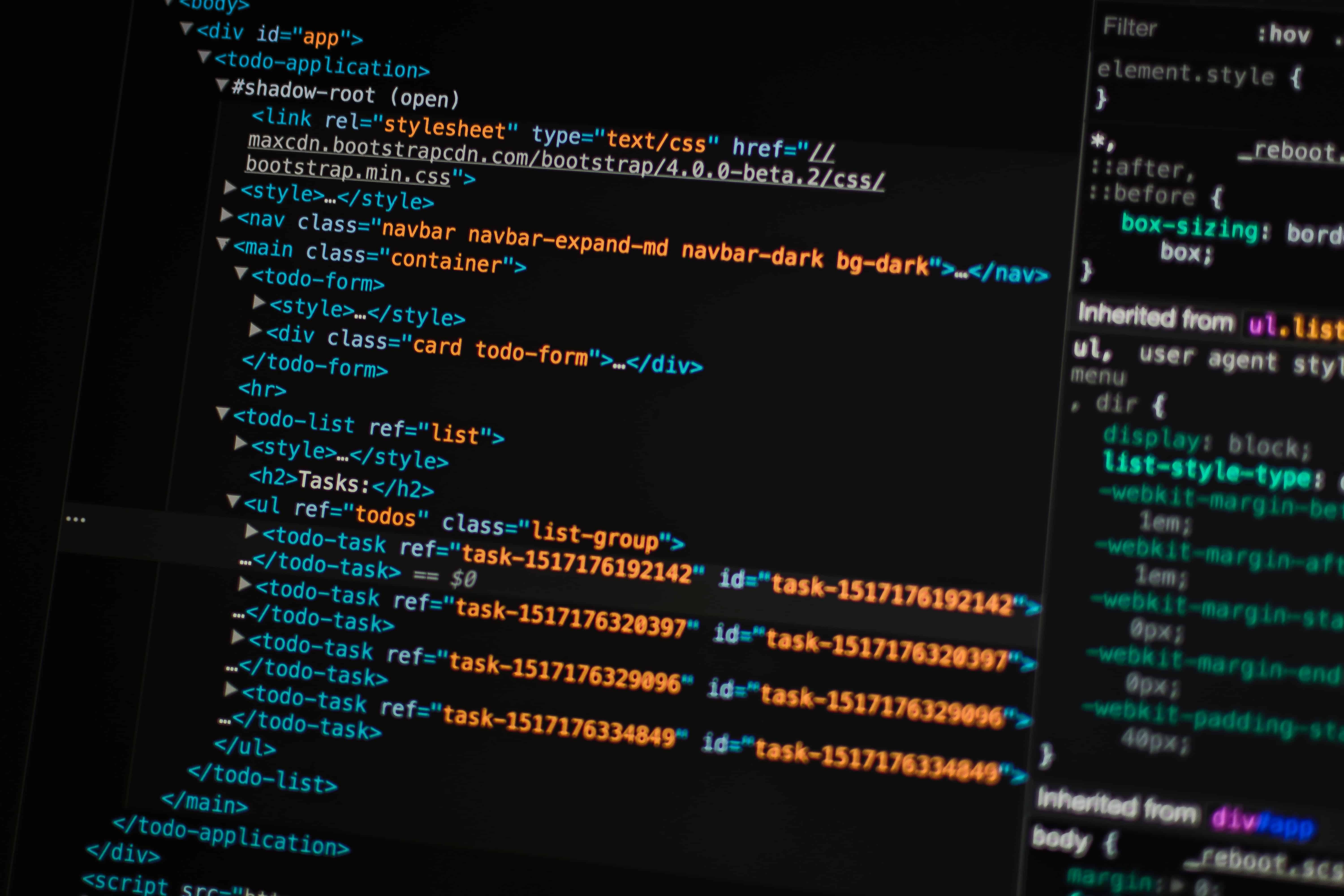
Loop is another essential programming concept that refers to a series of actions that is repeated automatically by the computer until a certain condition is met. Once you know what a while loop and a for loop are in Python, you will have no difficulty mastering the equivalent or similar concepts in C, Java and a number of other languages.
So, the more you program the easier it becomes to learn new coding skills and make the computer do a bigger number of different tasks for you as you work with a set of data or a file.
How long does it take before I can code?
As you may have understood from the previous section, before you start to program in Python or another language, you will need to learn a number of basic notions, such as, for example, variable, string, int. (integer), loop, file, etc.
In the beginning, they may seem quite abstract to a student but as you advance in your learning, you will deal with them constantly in your codes and gradually penetrate their meaning.
Those basic concepts are essential for programming and are used everywhere, no matter what libraries you are working with. However, learning concepts doesn't mean that you will have to read abstract explanations and memorise definitions.
On the contrary, the easiest way to understand what a variable, a string, an int. (integer) or a loop is is through practice. So, you will basically program from the very first class in which you start learning Python or another language.
A good tutor can come up with fun exercises. You can learn what a variable is by assigning numeric values and doing operations with numbers. And you can master the print function as you print your results on the screen.
When learning to program, students should feel free to experiment with the functions they are learning, compare one type of variable with another and apply their new skills to different kinds of data all the time.
This way, they will realise that it is possible to program with fun and want to spend time doing practical assignments to understand every single function, variable and data type that their tutor has taught them. You can learn to program really well with a tutor without even paying too much.
Tutorials for advanced programmers
Programming classes are a great way to start programming, however, not only beginners can draw benefit from a good programming course. For instance, even if you have known what a variable, an int. or integer, and a loop are for years, there are still numbers of skills you can learn.
It is true that once you've mastered each data type and other crucial concepts, learning a new function gets a bit easier but still, even an advanced user can sometimes run into difficulty.
If that's the case for you, all you need is to write a message to a university or professional-level programming tutor and they will design a program of lessons for your specific needs.
A good place where any user can find the right tutor for them is Superprof. On our website, there are numbers of experienced teachers whom you can get information about and write a message to.
In the same way, they explain a data type, such as string or int., or a basic function like print or sum to a beginner, they can also present a more complex function clearly so that any user can understand it and become a better coder.
Summarise with AI:
Enjoyed this article? Leave a rating!

 Loading...