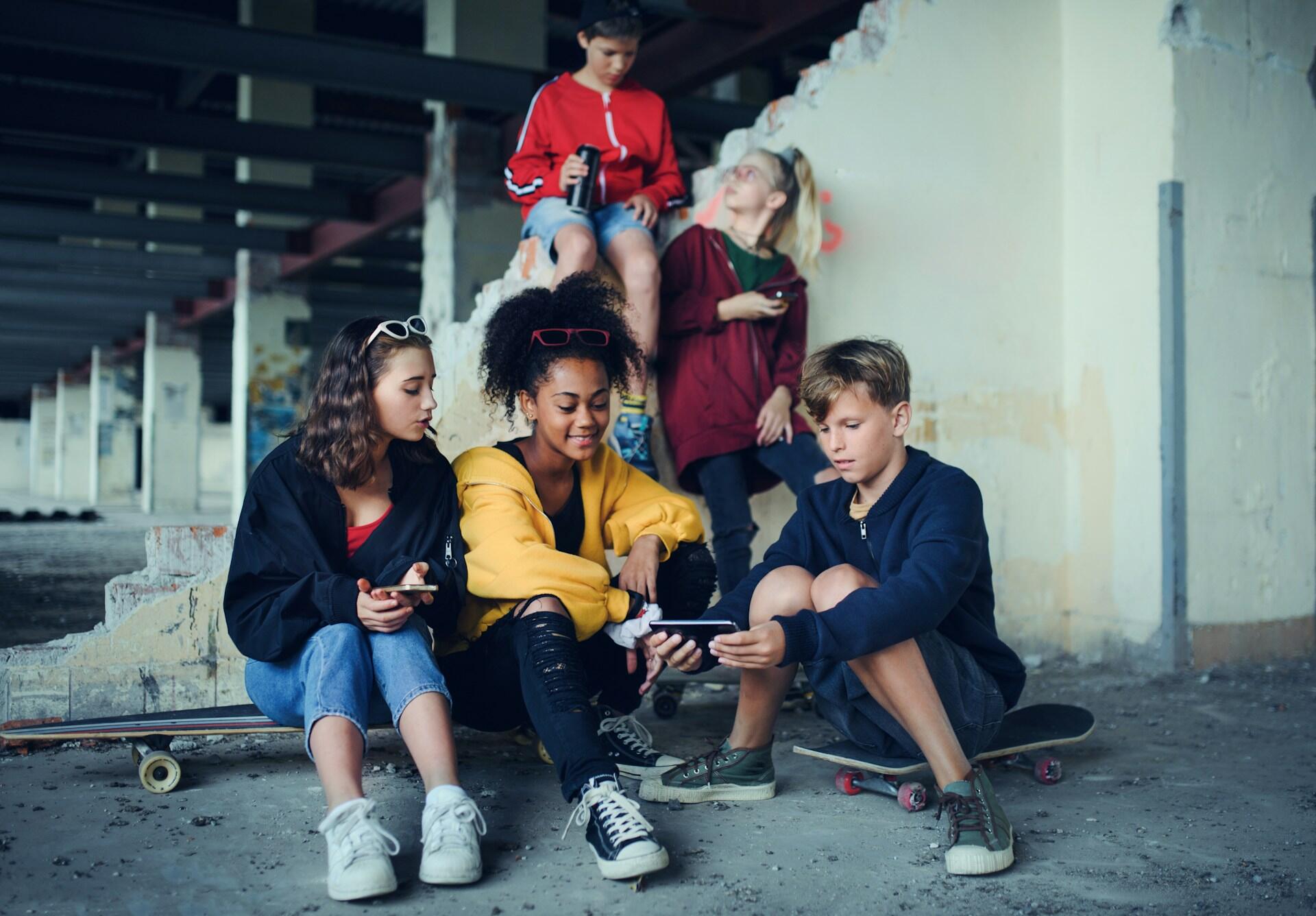

Australia is about to implement the strictest social media ban in the world so far. On 10 December 2025, several major platforms will be required to take “reasonable steps” to remove accounts of users under 16 from their services or face a multi-million-dollar fine. But the impending law has raised several questions among experts, parents, and children. The biggest question is: is this law actually a smart way to protect children, or does it go too far and do too little? Find out the arguments in favour of and opposed to the new law and proposed alternatives.


Why Is Social Media Being Banned?
The government has had good reason to develop and implement a social media law. Growing concerns from parents and experts have unfortunately not been resolved by tech companies and society directly, requiring the government to step in.
Over recent years, cyberbullying, online harassment, and dangerous behaviour among young users have caused real damage to kids and teens. Reports are even more widespread, causing alarm in parents and experts regarding children’s health and safety.
The internet is a place where anyone can experience real threats, like exposure to harmful content and predatory contact, with younger users being particularly vulnerable to attack and detrimental outcomes.
Australia’s government argues that by delaying account access until 16, they’re giving young people breathing space during a “critical stage of development.” eSafety has stressed that the law is “not a ban, it’s a delay to having accounts.”
What the Law Intends to Achieve
According to the eSafety Commissioner, the Social Media Minimum Age (SMMA) law is meant to target the most concerning aspects of the internet for young users. Policymakers want to create a safer online experience for Australian youths and encourage more offline activities.
The eSafety Commissioner states that the law’s main goals are:
- To prevent cyberbullying and reduce exposure to distressing, manipulative content.
- To encourage children to build social, emotional, and digital resilience before fully engaging on social media.
- To reduce pressure from algorithms that push engagement (like infinite scrolling, constant notifications, rage bait, etc). Such features may harm wellbeing.
- To limit contact with predators or potentially exploitative adults.
- To protect children’s privacy.
The intentions of the law are positive, meant to help Australian youths amidst a growing public health crisis caused by social media and the internet. In the next sections, we’ll see the evidence supporting and opposing the Online Safety Amendment (Social Media Minimum Age) Bill 2024.
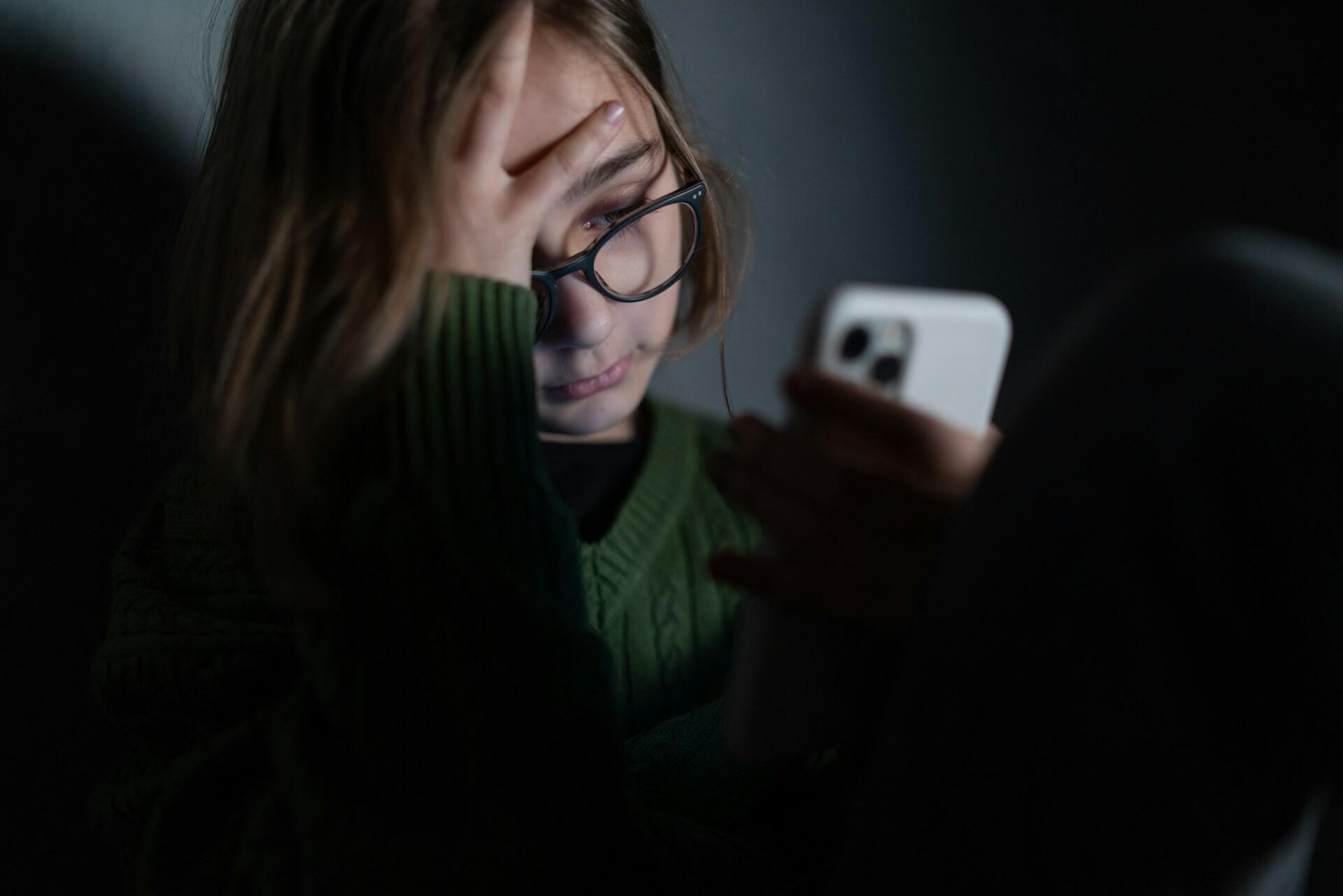
Why Social Media Should Be Banned (or at Least Restricted)
Even if you’re not a fan of the new law, it’s undeniable that there is a crisis happening all over the world regarding children and the internet. Even adults are suffering from the addictive and dangerous aspects of internet use. For every demographic who uses social media (and the internet as a whole), there are people who are negatively impacted by addictive algorithms, disrupted social behaviour, and traps like scams and gambling.
Children are at a much higher risk of these negative impacts, which can disrupt their development and cause problems for years.
Here are some of the main reasons social media should be banned (or age-restricted) for under-16s, according to proponents, including supporting research.
1. Mental Health Risks
According to many studies, there are moderate links between social media use and mental health problems like suicidal ideation, depression, and anxiety in youths.6 Further studies also show that cyberbullying, harassment, and misinformation (and disinformation) also correlate with depressive and anxious symptoms, especially in adolescents.11
In terms of use behaviour, many youths find themselves displaying addiction-like habits, such as constant and/or compulsive phone-checking. Even consistent passive consumption is shown to be harmful, compared to casual or intentional active use.1
2. Design Features That Encourage Overuse
Social media platforms intentionally design their products to have addictive qualities. This keeps children (and adults) hooked, scrolling endlessly with perfectly-tuned algorithms designed to keep users on the platform as long as possible. This often means a multi-faceted approach: constant notifications that lead users to the platform in a single tap, using rage and despair as a way to keep users scrolling, and rewarding interaction with fun sounds and graphics. In small amounts, these effects do not appear to be detrimental. But the nature of the platforms keeps users engaged long after they want to stop, even interfering with concentration and sleep, as well as real-life relationships and interpersonal interactions.12
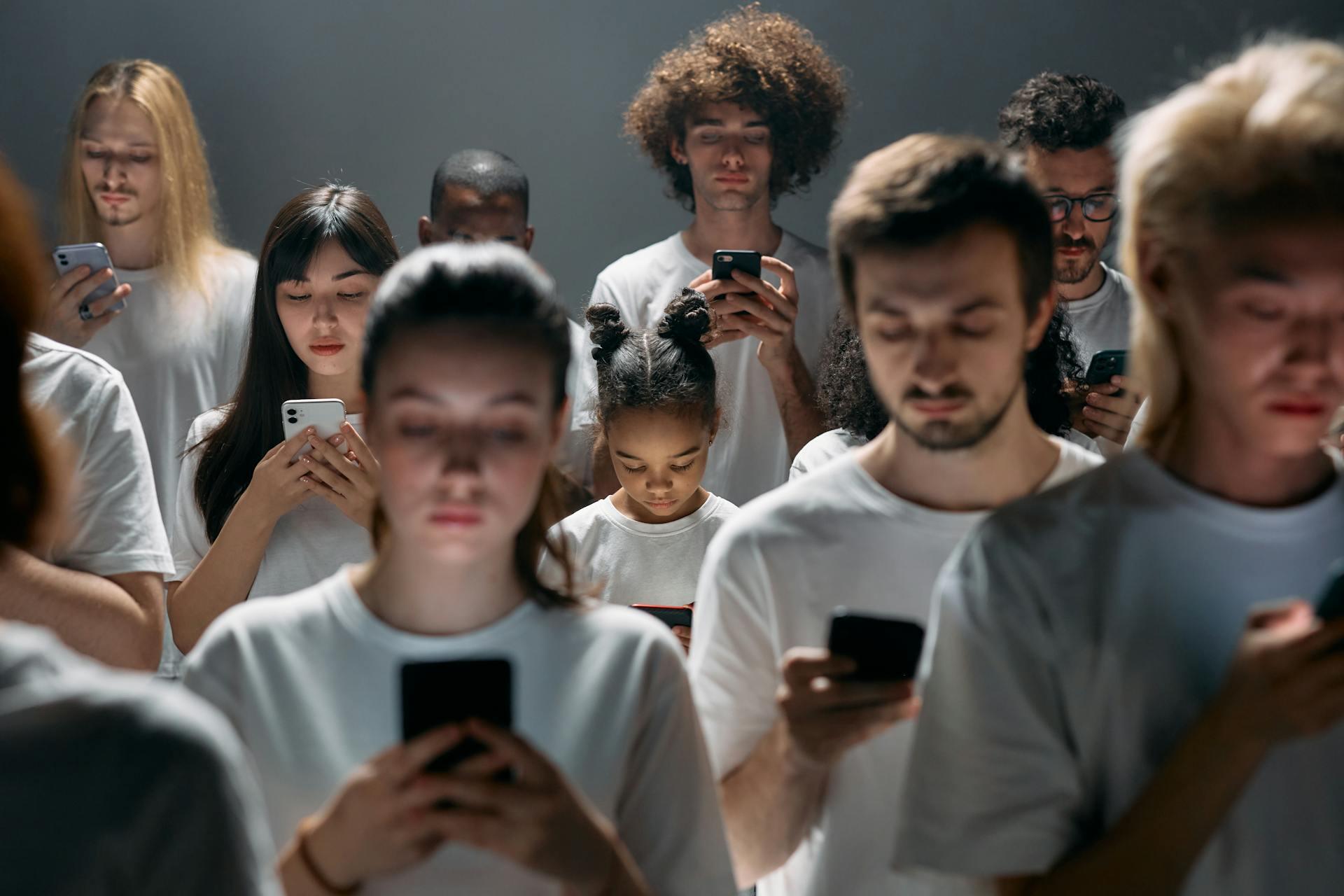
3. Safety and Privacy
Anyone online can fall victim to something harmful, but children are much more at risk. Some of the most concerning dangers online include:
- Grooming and manipulation from predators and human traffickers
- Exposure to sexual content
- Pressure to share explicit photos
- Blackmail/extortion (sextortion)
- Exposure to disturbing content, like violence
- Scammers and predators collecting private information about children, like their addresses
- Platforms collecting standard data from underage users, which is used for marketing and monetisation16
More than 1 in 10 adolescents have experienced sexual extortion.
4. Developmental Health
Research suggests that using social media at a formative age can have detrimental effects on developmental health. Youths may have disordered development on psychological, behavioural, and physiological levels. It can damage children’s, especially teens’, development in terms of identity formation, emotional regulation, and social development. Some research suggests the dopamine-releasing properties of social media may even contribute to predisposing users to develop more addictions later in life.20
Delaying social media access might give young people more time to mature before dealing with the pressures of an always-on online presence.
5. Putting the Onus on Tech Companies
One of the most contentious topics in many families between children and parents centres around social media. Parents who do not want their younger kids on platforms frequently butt heads, with many younger children feeling the restriction is “unfair” or using the age-old adage, “but all my friends have it!” Kids feel like they’re missing out (and they are, in a way) when they don’t have social media, but all their friends do.
Making the minimum age 16 helps mitigate these arguments somewhat.7
Also, making the companies responsible for keeping their platforms free from under-16s is the first step in making them more accountable for all the content on their sites. After all, if they had better protections in place initially, there wouldn’t be such a pressing need to create a ban in the first place.
of Australians supported raising the minimum social media age to 16
Why Social Media Should Not Be Banned
Like many things, a sweeping ban on social media may not be as effective or helpful as it might seem at first glance. Here are some of the reasons why the ban may be more harmful than good. Experts, parents, and children have many valid arguments against banning social media.
1. Social Media Has Real, Positive Value
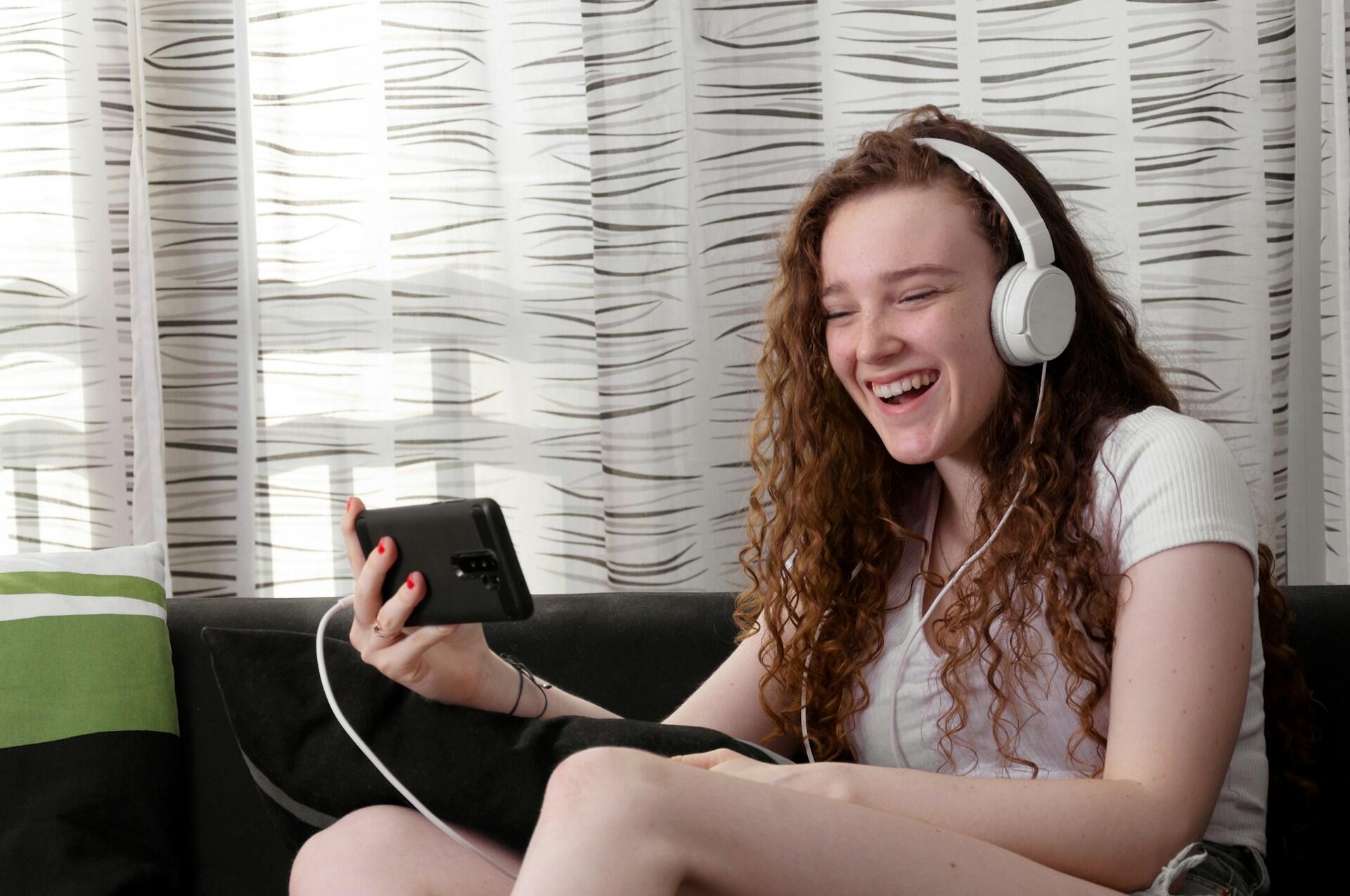
Not every child who engages with social media has the scary, harmful encounters mentioned in the previous section. There are plenty of internet and social media uses that offer real, positive effects for youths. Exploring safe online spaces, finding inspiration, and sharing with supportive communities can lead to increased creative expression and important social connections. Many adolescents online even take on leadership roles in some internet communities, giving them the same kind of confidence and experience that being a youth mentor can provide.
Youths who are restricted in some way, such as being disabled or geographically isolated, find social media as a vital way to feel belonging and connection. Those who are separated from their existing friends and family, such as those in boarding school, use social media to keep in touch with loved ones. Vulnerable communities warn that the ban might cut off critical lifelines, such as late-night peer-support groups or online mental health forums.
Some young people have even managed to use social media to build businesses, earning a decent income that they may use to support their families, save up for their futures, pay for schooling, and more.13, 16
Find out which apps are affected by the ban.
2. The Ban May Not Be Effective
There are a few glaring issues with the ban as it’s written currently:
- What is a “reasonable step” in preventing under-16s from accessing platforms?
- How can companies reliably verify age when there’s no standard?
- Kids will still feel left out when in mixed-age friend groups
- Age verification raises serious privacy issues for everyone, including older teens
- Young people may be pushed towards more dangerous platforms instead of the mainstream ones, including fringe extremist spaces, perfect for radicalisation
- Youths will spend a lot of time trying to circumvent restrictions, possibly increasing risks in the process
In some ways, the ban is anticipated to exacerbate existing problems and create new ones.2, 16
3. Human Rights Concerns
The Australian Human Rights Commission cites that the ban violates many articles in the United Nations Convention on the Rights of the Child (CRC), the International Covenant on Civil and Political Rights (ICCPR), and the International Covenant on Economic, Social and Cultural Rights (ICESCR). Many human rights organisations are concerned that the ban infringes on rights, which is especially egregious given the other problems highlighted about the law. Many Australian citizens also feel the ban is an overstep by the government, and that parents should be in charge of deciding children’s social media use.2, 4, 16
4. Privacy Concerns and Mission Drift
Above all, the law’s vagueness, combined with tech companies’ historic abuse of data collection, means that it’s a perfect opportunity for bad actors to take advantage. “Reasonable steps” is an intentionally ambiguous phrase. While the government likely means it as a way to evaluate platforms’ progress individually, it can also be interpreted as a way to do too little or too much in the way of age verification and data collection.
Platforms are generally scrambling to add digital ID and age verification steps to login processes. They claim it will only affect new signups and existing accounts that appear to belong to under-16s (determined by AI behaviour analysis programs), but what’s to stop a company from asking every user to submit a video selfie or 3D scan of their face, or persuading them to submit photos of their government IDs? Moreover, if that data were assuredly only being used for age analysis, that could be more reasonable, but these companies might use such scans and other data in nefarious ways. Even when they say data is handled by a third party and/or deleted right away (or after 30 days), that’s not very comforting. Data stores could also be hacked, leaking valuable information.
Lastly, these age verification checks will be performed on 17-year-olds, who are still considered children, which could be a huge privacy and safety violation.16, 19
Bottom Line: It’s Complicated
This isn’t a simple “good vs bad” issue. While the majority of people of all ages, from all over the world, agree that something needs to be done about the dangers and addictiveness of social media, most also agree that measures like this ban aren’t the solution.
The reality is that the internet and social media are nuanced. Most people have both good and bad experiences while using it. It can be a fantastic tool for education and recreation, or a harmful activity that interferes with daily life and harms health.
To sum it up, here are some of the nuanced issues with social media and the ban:
The Good and Bad of Social Media for Kids
Here’s a quick reminder of the pros and cons of social media use for youths:
- Building social connections
- Creative expression and identity exploration
- Access to community support, including mental health and peer networks
- Learning, mentorship, and even income generation for young creators
- Can encounter dangerous people
- Exposure to disturbing content
- Cyberbullying and threats, which can spill over into real life
- Addictive qualities causing unhealthy use
- Creating or worsening problems like depression and anxiety
Intentions of the Ban vs. Likely Real-world Outcomes
The biggest issue with the ban is that it is not well-executed. It seems rushed, with some of the mandates (or lack thereof) leaving too much ambiguity while also overreaching. A better-developed bill could be a valuable tool, but the current legislation doesn’t seem like the best approach.
Intended Benefits
- Protect children from online harms
- Give young people time to mature
- Force platforms to take responsibility
- Reduce exposure to addiction-style design
Possible Unintended Consequences
- Under-16s may move to unregulated or underground platforms
- Exclude youth who benefit from social media
- Age verification may compromise privacy and data security
- The law doesn’t address this problem at a UI or UX level
Many of the solutions the bill seeks skirt around the main issue: tech companies are making their platforms addictive and allowing harmful content on them. One thing this bill does well is hurt tech companies’ wallets. Hopefully, they will be more willing to improve the quality and safety of their platforms, knowing they can lose entire demographics of users overnight.
What Parents (and Educators) Should Do
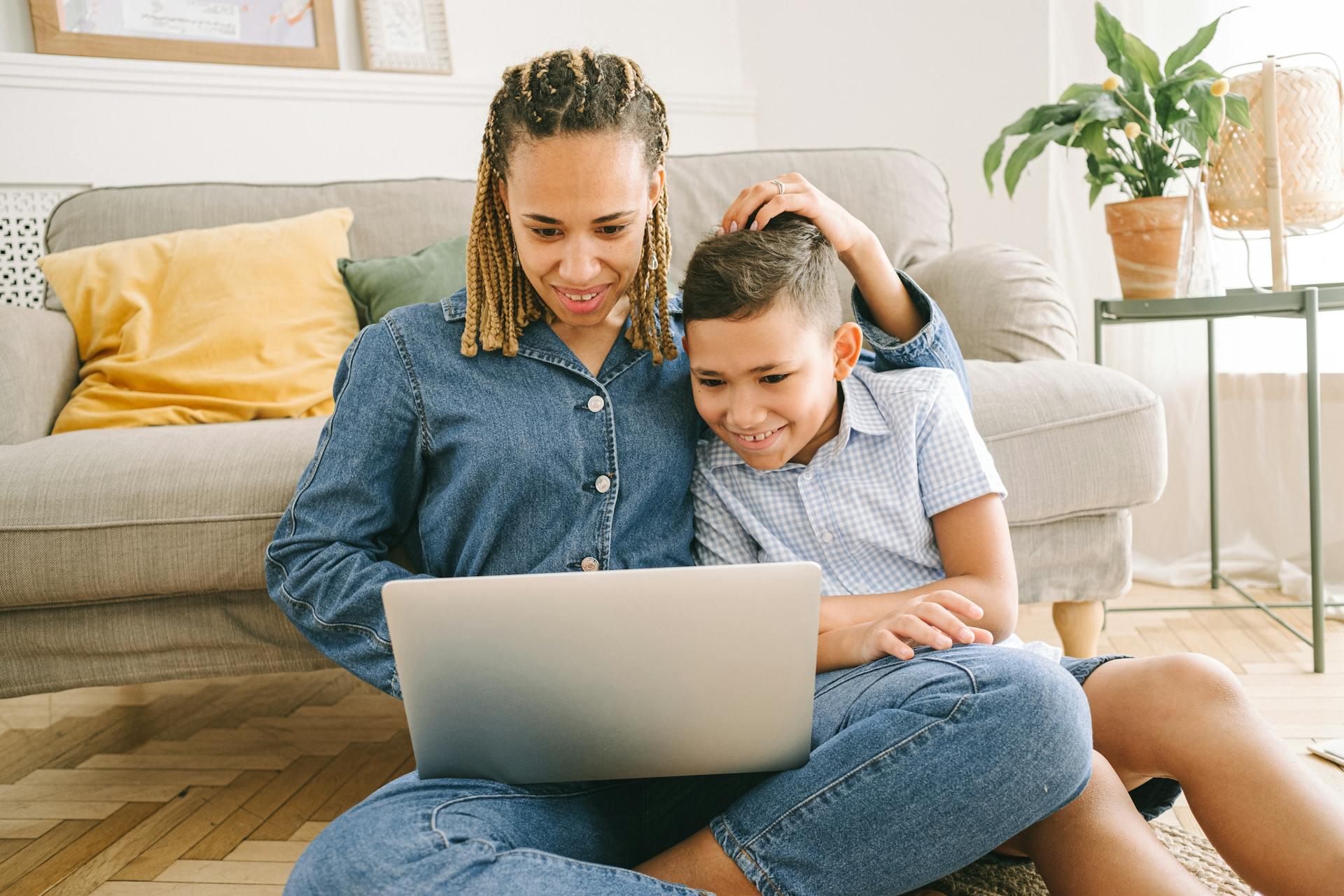
In any event, parents and educators should be the first line of defence in a child’s internet use. While it’s imperative that companies be held more responsible for what’s on their platforms, parents need to be proactive in keeping their children safe. Here are some points to incorporate at home when teaching your child about internet safety:
- Talk about staying safe online, like avoiding revealing identifying information and asking for help if they feel unsafe or see something disturbing
- Explain why safety, responsible use, digital literacy, and risks matter
- Monitor, but don’t control
- Build a relationship where your child feels safe to come to you about any problems they might come across without worry
- Stay informed about the ever-evolving risks and rewards of internet use for children
The media ban is going to be a confusing time for Australians as things begin to change. Australians can and should be aware of the real risks and benefits of the internet, as well as what the government plans to do about them. Persistent feedback from Australian citizens to their policymakers is extremely valuable in this time of change.
References
- Agyapong-Opoku, N., Agyapong-Opoku, F., & Greenshaw, A. J. (2025). Effects of Social Media Use on Youth and Adolescent Mental Health: A Scoping Review of Reviews. In Behavioral sciences (Basel, Switzerland) (Vol. 15, Issue 5, p. 574). Behavioral sciences (Basel, Switzerland). https://doi.org/10.3390/bs15050574
- Amnesty International. (2024). Social media ban: what is it and what will it mean for young people? In Amnesty International Australia. https://www.amnesty.org.au/social-media-ban-explained/
- Australia’s Social Media Ban Protects the Mental Health of Children: A Look at the Evidence. (n.d.). In Institute for Family Studies. https://ifstudies.org/blog/australias-social-media-ban-protects-the-mental-health-of-children-a-look-at-the-evidence
- Balancing Protection and Risk: Australia’s Social Media Ban and the Threat of Youth Radicalisation. (n.d.). In Australian Institute of International Affairs. https://www.internationalaffairs.org.au/australianoutlook/balancing-protection-and-risk-australias-social-media-ban-and-the-threat-of-youth-radicalisation/
- Beram, H. (2024). Reckless haste: Rushed legislation on social media ban risks harm to young Australians. In Suicide Prevention Australia. https://www.suicidepreventionaust.org/reckless-haste-rushed-legislation-on-social-media-ban-risks-harm-to-young-australians/
- Cabezas-Klinger, H., Fernandez-Daza, F. F., & Mina-Paz, Y. (2025). Associations Between Social Media Use and Mental Disorders in Adolescents and Young Adults: A Systematic Review and Meta-Analysis of Recent Evidence. In Behavioral Sciences (Vol. 15, Issue 11, p. 1450). MDPI AG. https://doi.org/10.3390/bs15111450
- Dr Catherine Page Jeffery For The Conversation Dr Catherine Page Jeffery For The Conversation. (2025). How to minimise family conflict over the social media ban. In The University of Sydney. The University of Sydney. https://www.sydney.edu.au/news-opinion/news/2025/11/04/how-to-minimise-family-conflict-over-the-social-media-ban.html
- Fardouly, J. (2025). Potential effects of the social media age ban in Australia for children younger than 16 years. In The Lancet Digital Health (Vol. 7, Issue 4, pp. e235–e236). Elsevier BV. https://doi.org/10.1016/j.landig.2025.01.016
- How common is exposure to content associated with harm among children in Australia? (2025). In eSafety Commissioner. eSafety Commissioner. https://www.esafety.gov.au/research/the-online-experiences-of-children-in-australia/snapshot-content-associated-with-harm
- Karp, P. & Paul Karp Chief political correspondent. (2024). Guardian Essential poll: two-thirds of voters support raising minimum age for social media to 16. In The Guardian. https://www.theguardian.com/australia-news/article/2024/jun/04/guardian-essential-poll-facebook-social-media-ban
- Lahti, H., Kokkonen, M., Hietajrvi, L., Lyyra, N., & Paakkari, L. (2024). Social media threats and health among adolescents: evidence from the health behaviour in school-aged children study. In Child and Adolescent Psychiatry and Mental Health (Vol. 18, Issue 1). Springer Science and Business Media LLC. https://doi.org/10.1186/s13034-024-00754-8
- Mujica, A., Crowell, C., Villano, M., & Uddin, K. (2022). ADDICTION BY DESIGN: Some Dimensions and Challenges of Excessive Social Media Use. In Medical Research Archives (Vol. 10, Issue 2). Knowledge Enterprise Journals. https://doi.org/10.18103/mra.v10i2.2677
- Office of the Surgeon General (OSG). (2023). Social Media Has Both Positive and Negative Impacts on Children and Adolescents. US Department of Health and Human Services. https://www.ncbi.nlm.nih.gov/books/NBK594763/
- phaahealth. (2024). Cyberbullying among adolescents a major issue for mental health. In Intouch Public Health. https://intouchpublichealth.net.au/cyberbullying-among-adolescents-a-major-issue-for-mental-health/
- Proposed Social Media Ban for Under-16s in Australia. (n.d.). In Australian Human Rights Commission. https://humanrights.gov.au/about-us/news/proposed-social-media-ban-under-16s-australia
- Safeguarding or overstepping? Australia’s social media ban for under 16s. (n.d.). In Australian Human Rights Institute. https://www.humanrights.unsw.edu.au/students/blogs/australia-social-media-ban-under-16s
- Social media age restrictions. (2025). In eSafety Commissioner. eSafety Commissioner. https://www.esafety.gov.au/about-us/industry-regulation/social-media-age-restrictions
- Social media age restrictions and your family. (2025). In eSafety Commissioner. eSafety Commissioner. https://www.esafety.gov.au/parents/social-media-age-restrictions
- Social media age verification possible but laden with risks, study warns. (2025). In ABC News. https://www.abc.net.au/news/2025-08-31/social-media-age-verification-study-findings-released/105718162
- The Impact of Social Media Scrolling on Brain Development. (n.d.). In Psychology Today. https://www.psychologytoday.com/us/blog/no-more-fomo/202411/the-impact-of-social-media-scrolling-on-brain-development
- United Nations. (n.d.). Child and Youth Safety Online. In United Nations. https://www.un.org/en/global-issues/child-and-youth-safety-online
Summarise with AI:
Did you like this article? Leave a rating!

 Loading...