
Psychology is the science of mental life, both of its phenomena and their conditions.
William James
Psychology became established as a scientific discipline in the late nineteenth century when researchers began using experimental methods to study mental processes and behaviour.¹ The field has come a long way. It has been shaped by some key figures. Here, we'll explore some of the people who've shaped how we understand learning, personality, memory, intelligence, and mental health.
Key Takeaways
- Psychology developed from philosophy into a scientific field through the work of influential early thinkers.
- Different schools of psychology focus on distinct aspects of the human mind, behaviour, and learning.
- Pioneers such as Freud, Jung, and Skinner laid the theoretical foundations still debated today.
- Developmental psychologists like Piaget and Erikson reshaped how we understand learning and identity across the lifespan.
- Humanistic psychology shifted attention toward meaning, personal growth, and well-being.
- Modern psychologists integrate behavioural, cognitive, and social perspectives to address real-world issues.
- Many psychological theories continue to influence education, therapy, mental health, and everyday decision-making.
| Psychologist | School of Psychology | Core Idea | Lasting Influence |
|---|---|---|---|
| Sigmund Freud | Psychoanalysis | The unconscious mind shapes behaviour | Foundation of psychotherapy and depth psychology |
| Carl Jung | Analytical Psychology | Collective unconscious and archetypes | Influenced personality theory therapy and cultural studies |
| B.F. Skinner | Behaviourism | Behaviour is shaped by reinforcement | Behaviour modification in education therapy and psychology |
| Jean Piaget | Developmental Psychology | Cognitive development occurs in stages | Transformed understanding of child learning and education |
| Erik Erikson | Psychosocial Development | Identity develops across life stages | Influenced developmental and social psychology |
| Carl Rogers | Humanistic Psychology | People strive toward growth and self fulfilment | Client centred therapy and modern counselling practices |
| Abraham Maslow | Humanistic Psychology | Hierarchy of needs and self actualisation | Popularised motivation theory in psychology and education |
| Albert Bandura | Social Learning Theory | Learning occurs through observation and modelling | Self efficacy research and cognitive behavioural approaches |
| Martin Seligman | Positive Psychology | Focus on strengths wellbeing and resilience | Shifted psychology toward wellbeing and mental health promotion |


Pioneers of Psychology
These early psychologists laid the foundations for psychology by formalising research methods and defining it as a scientific field distinct from philosophy.¹ The work of these people helped psychology to branch off from philosophy, introducing the kinds of structured methods for observing human behaviour that you'll read about in psychology books. These figures mightn't have always avoided controversy, but their impact on psychology can't be denied.
The pioneers of psychology helped establish the field as a scientific discipline rather than a branch of philosophy. Their theories introduced early models of the mind, behaviour, and learning, many of which shaped later research methods. Even when debated or revised, their work created the foundation for modern psychological study.
Sigmund Freud (1856–1939)
The mind is like an iceberg, it floats with one seventh of its bulk above water.
Sigmund Freud
Freud's theories of psychoanalysis and the unconscious mind became foundational to modern psychotherapy and remain among the most influential ideas in psychology.³ While he identified as a psychoanalyst, his work and theories on the mind still shape psychotherapy today. He proposed that unconscious processes strongly influence behaviour, personality, and mental health.²
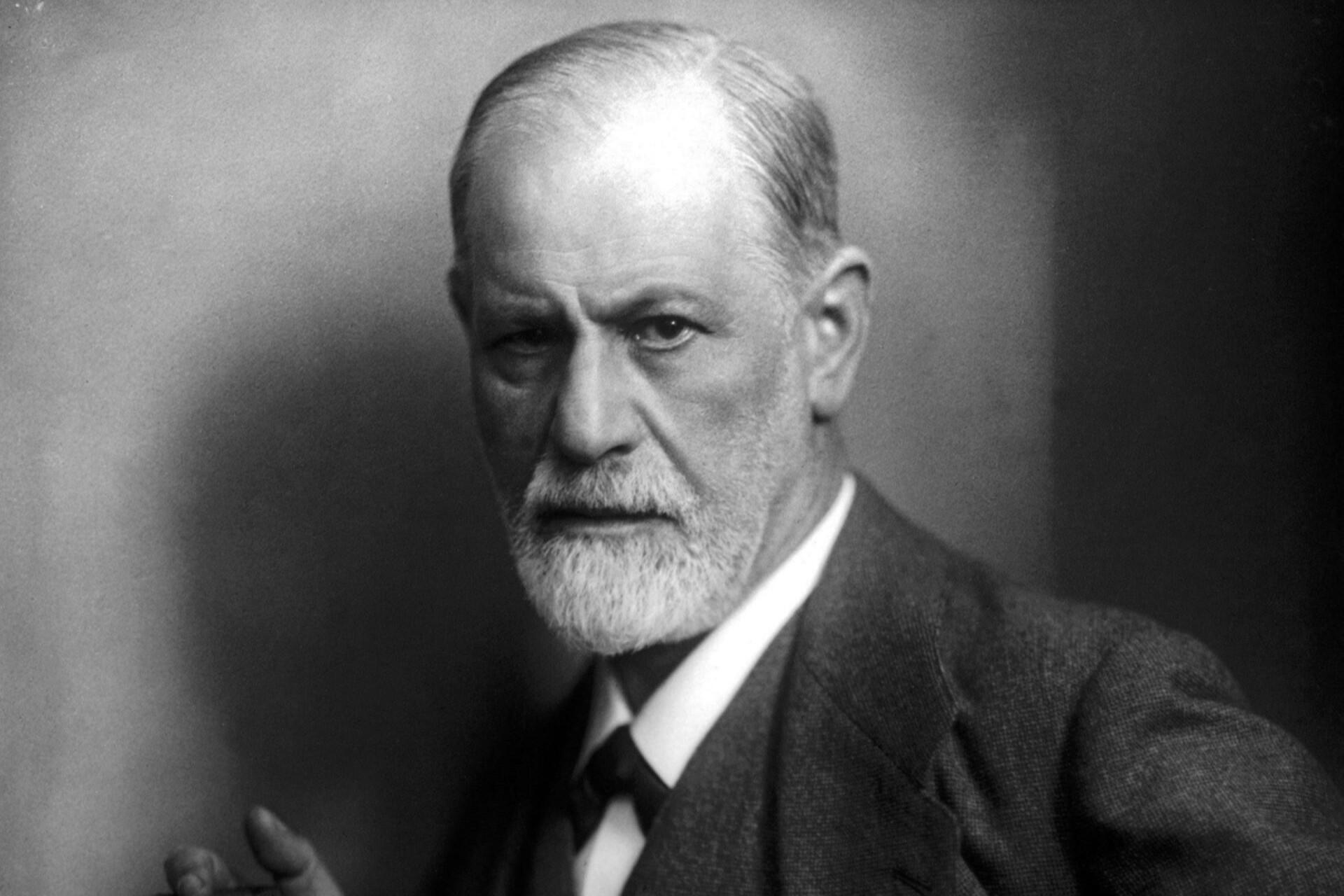
Carl Jung (1875–1961)
Jung’s analytical psychology introduced concepts that broadened psychological theory to include shared symbols, personality patterns, and cultural meaning.⁴ He also developed his own psychological theory known as analytical psychology. Jung's ideas influence personality research, psychotherapy, and interdisciplinary studies linking psychology, culture, and religion.
B.F. Skinner (1904–1990)
His work and controversial experiment on operant conditioning helped explain how behaviour is shaped through reinforcement and consequences.⁵ He studied how actions are shaped through rewards and consequences. His aim was to make psychology more scientifically precise. His approach would influence research design, education systems, and debates about free will and human agency.
Influential Psychologists in Developmental Psychology
Developmental psychology looks at how thinking, behaviour, and identity change over time.⁵ Researchers in this field look to understand how learning itself evolves, rather than just what people learn. The findings of these psychologists have influenced education, parenting, and psychological assessment.
Developmental psychology studies how thinking, behaviour, and identity change across the human lifespan. It focuses on how people learn, adapt, and form relationships from childhood through adulthood. This field strongly influences education, parenting approaches, and psychological assessment.
Jean Piaget (1896–1980)
Piaget argued that children reason in fundamentally different ways at different stages of development.⁵ This insight changed education by encouraging teaching methods in line with how children think. It was no longer a case of children simply knowing less than adults.
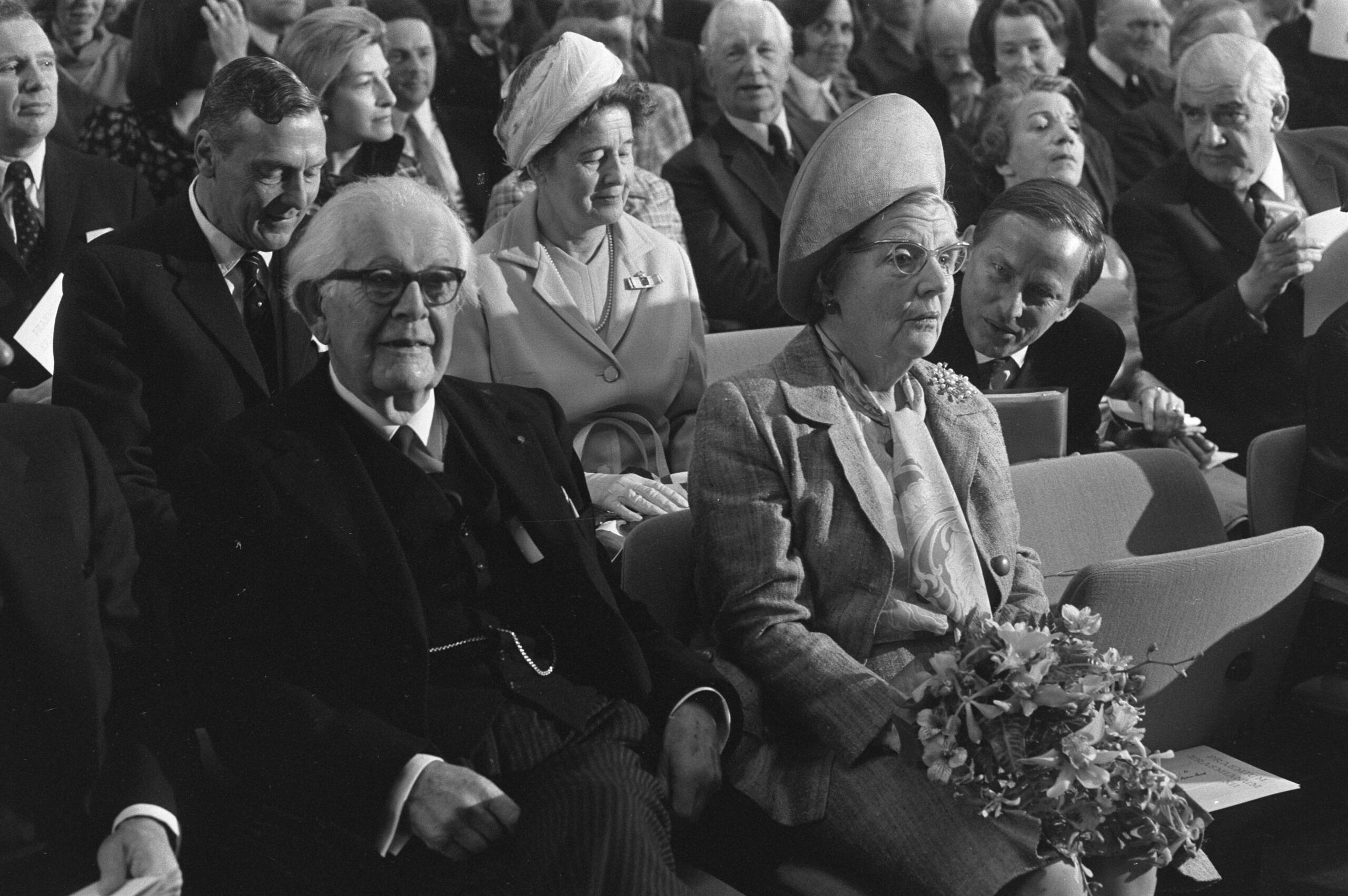
Erik Erikson (1902–1994)
Erikson extended developmental psychology beyond adulthood. He proposed that our psychological growth continues through adulthood.⁶ His work highlighted how identity, relationships, and cultural expectations interact throughout our lives.
Contributors to Humanistic Psychology
Humanistic psychology emerged during a period when some psychologists were dissatisfied with the prevailing views about human behaviour.⁷ Supporters of humanistic psychology argued that we should be studying meaning, values, and personal experience rather than just behaviour or pathology. This shift helped influence therapeutic practice and educational philosophy, and if you're wondering why we haven't included any female psychologists, it's because they deserve their own article.
Humanistic psychology focuses on personal growth, meaning, and free will. It views people as active agents capable of change, rather than being driven solely by conditioning or unconscious forces. Key ideas include self-actualisation, empathy, and personal responsibility, with lasting influence on counselling, education, and mental health practice.
Carl Rogers (1902–1987)
Carl Rogers redefined the role of therapists.⁷ Rather than directing or interpreting, he emphasised listening, empathy, and acceptance. His approach moved counselling toward collaboration, and many modern therapeutic models still follow this approach.
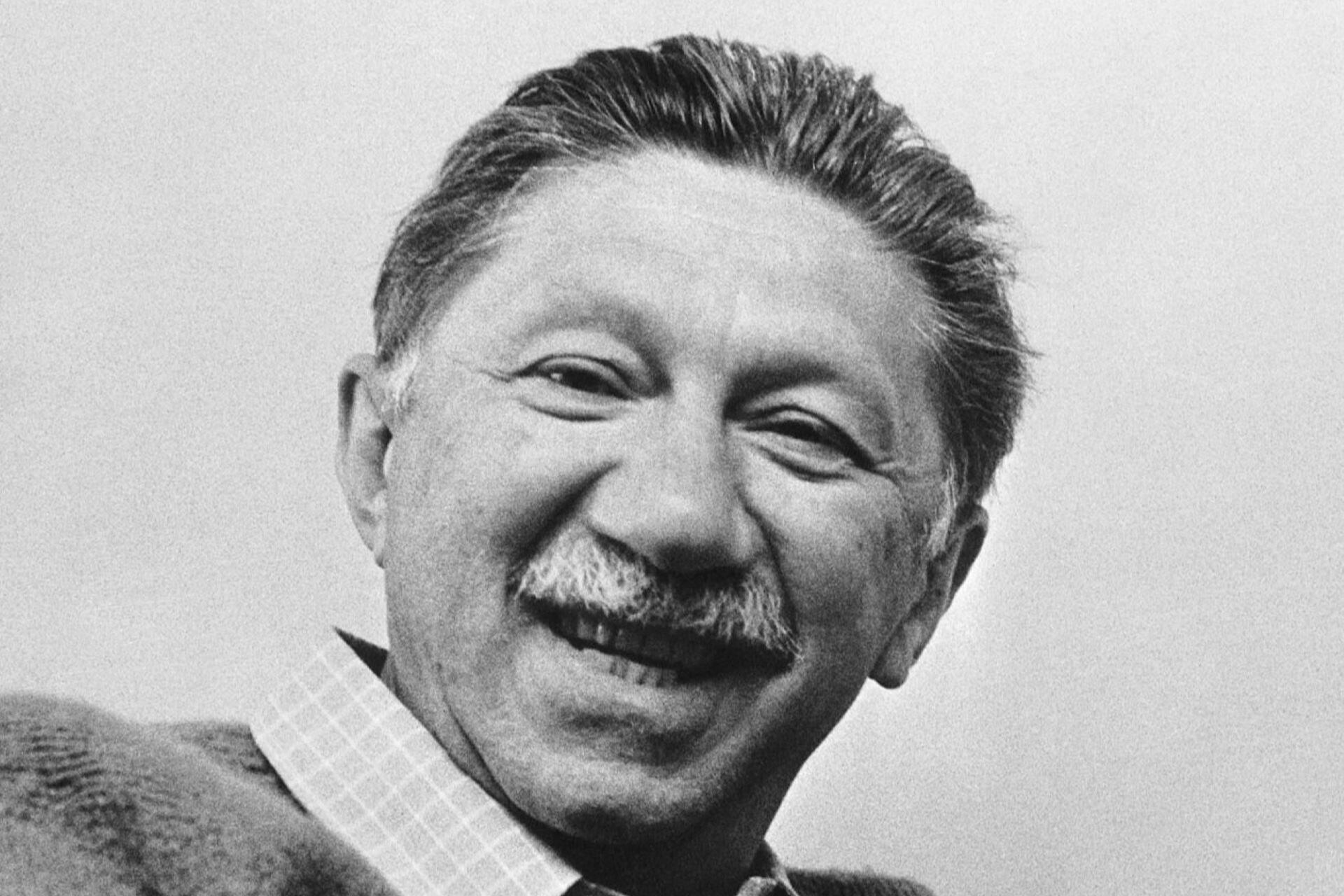
Abraham Maslow (1908–1970)
What a man can be, he must be.
Abraham Maslow
Maslow is still known today for his hierarchy of needs, which reframed motivation as a process of growth rather than deficiency.⁸ He argued that our psychological well-being is down to both basic security and opportunities for personal fulfilment. His ideas extended well beyond psychology and are used in education and organisational settings.
Modern Influential Psychologists
Modern psychologists have combined insights from behaviourism, cognitive science, and social psychology.⁹ Their work tends to reflect a more complex view of human behaviour that's shaped by environment, beliefs, and observation. This more holistic approach continues to influence research today.
Modern psychology combines insights from behavioural, cognitive, and social research. Rather than focusing on a single theory, contemporary psychologists study how environment, beliefs, and observation interact. This approach allows psychology to address complex issues such as mental health, well-being, and learning in real-world contexts.
Albert Bandura (1925–2021)
Bandura showed that people learn by watching others, not just through direct experience.¹⁰ His research helped explain how behaviours, attitudes, and expectations can spread socially. This work was influential in education, health psychology, and media studies.
Martin Seligman (1942– )
Martin Seligman questioned psychology's focus on illness and dysfunction.⁹ He argued that we need to study optimism, resilience, and positive experience to fully understand well-being. He helped expand psychology's role in education, public health, and personal development.

If you'd like to learn more about psychology, why not work with a private tutor? On Superprof, there are tutors all over the country and around the world who can help you. With many offering the first session for free, try a few before choosing the one that's right for you and what you want to learn.
References
- Albert Bandura. Encyclopaedia Britannica. Encyclopaedia Britannica, 30 Nov. 2025, https://www.britannica.com/biography/Albert-Bandura. Accessed 20 Jan. 2026.
- B.F. Skinner. Encyclopaedia Britannica. Encyclopaedia Britannica, 26 Dec. 2025, https://www.britannica.com/biography/B-F-Skinner. Accessed 20 Jan. 2026.
- Bobo Doll Experiment. Encyclopaedia Britannica. Encyclopaedia Britannica, https://www.britannica.com/event/Bobo-doll-experiment. Accessed 20 Jan. 2026.
- Carl Jung. Encyclopaedia Britannica. Encyclopaedia Britannica, https://www.britannica.com/biography/Carl-Jung. Accessed 20 Jan. 2026.
- Carl Rogers. Encyclopaedia Britannica. Encyclopaedia Britannica, 4 Jan. 2026, https://www.britannica.com/biography/Carl-Rogers. Accessed 20 Jan. 2026.
- Erik Erikson. Encyclopaedia Britannica. Encyclopaedia Britannica, 24 Dec. 2025, https://www.britannica.com/biography/Erik-Erikson. Accessed 20 Jan. 2026.
- History of the Institute. Wilhelm Wundt Institute for Psychology, Leipzig University. Universität Leipzig, https://www.lw.uni-leipzig.de/en/wilhelm-wundt-institute-for-psychology/institute-history-1/history-of-the-institute. Accessed 20 Jan. 2026.
- Jean Piaget. Encyclopaedia Britannica. Encyclopaedia Britannica, https://www.britannica.com/biography/Jean-Piaget. Accessed 20 Jan. 2026.
- Learned Helplessness. Encyclopaedia Britannica. Encyclopaedia Britannica, 26 Dec. 2025, https://www.britannica.com/science/learned-helplessness. Accessed 20 Jan. 2026.
- Martin E. P. Seligman. Encyclopaedia Britannica. Encyclopaedia Britannica, https://www.britannica.com/biography/Martin-E-P-Seligman. Accessed 20 Jan. 2026.
- Nondirective Psychotherapy. Encyclopaedia Britannica. Encyclopaedia Britannica, 22 Dec. 2025, https://www.britannica.com/science/nondirective-psychotherapy. Accessed 20 Jan. 2026.
- Operant Conditioning. Encyclopaedia Britannica. Encyclopaedia Britannica, https://www.britannica.com/science/operant-conditioning. Accessed 20 Jan. 2026.
- Sigmund Freud and His Contribution to Psychoanalysis. Encyclopaedia Britannica. Encyclopaedia Britannica, https://www.britannica.com/summary/Sigmund-Freud. Accessed 20 Jan. 2026.
- Abraham Maslow. Encyclopaedia Britannica. Encyclopaedia Britannica, 12 Dec. 2025, https://www.britannica.com/biography/Abraham-H-Maslow. Accessed 20 Jan. 2026.
Summarise with AI:
Did you like this article? Leave a rating!

 Loading...