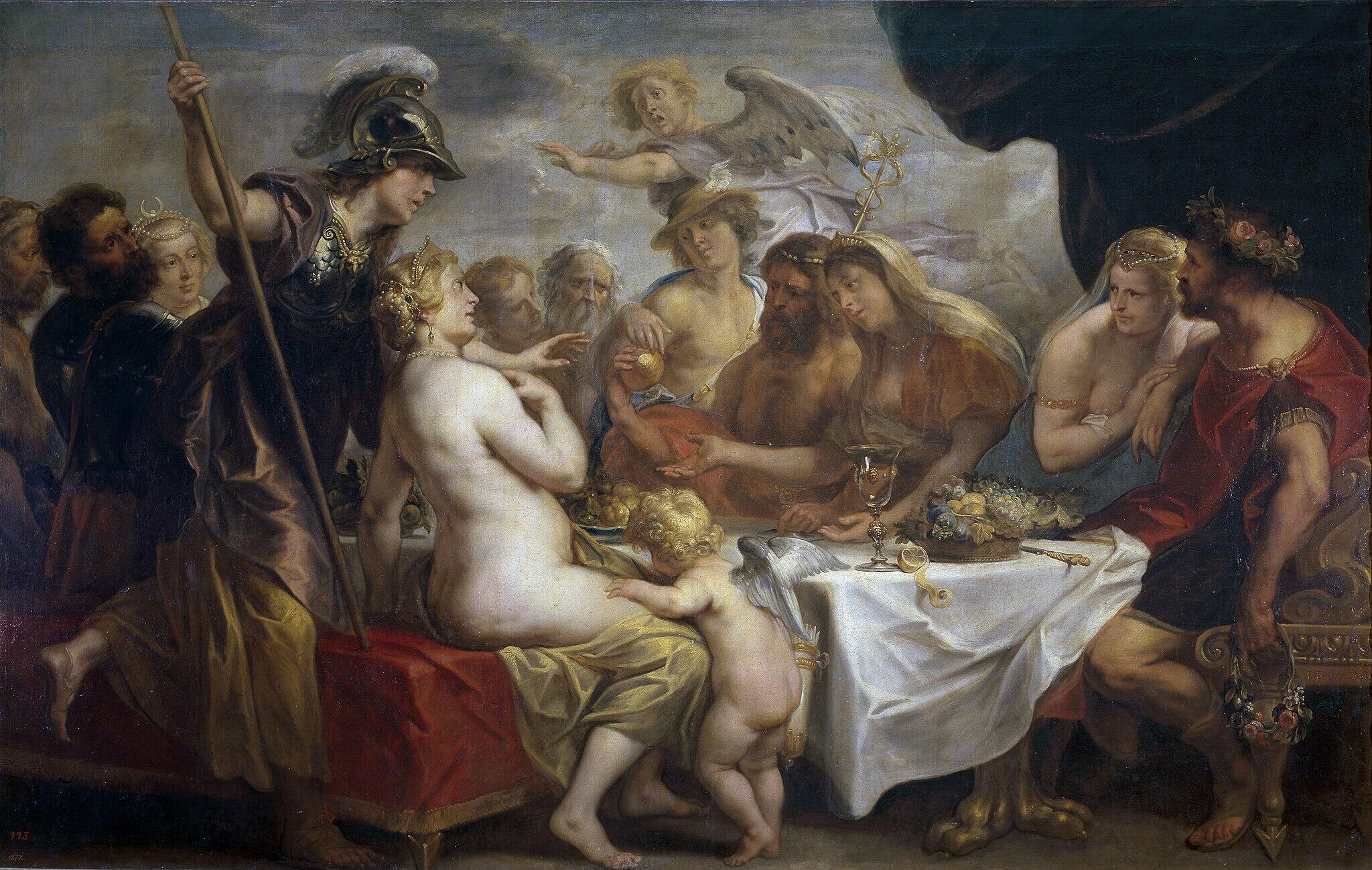

Greek mythology has a way of staying with us. There's something about those old stories, the jealous gods, the doomed heroes, the monsters lurking in caves, that still feels fresh, even thousands of years later. Maybe it's because the myths tap into feelings we all recognise: ambition that goes too far, love that changes everything, curiosity that leads to trouble.
These aren't just dusty tales from textbooks. They've inspired countless films, novels, and TV shows. They pop up in conversations and jokes. And whether you studied them in school or stumbled across them on your own, chances are they've stuck with you in some way.
This quiz is a chance to see how much you remember, or discover gaps you didn't know were there. Each question comes with a brief explanation, so even if you get one wrong, you'll walk away knowing a bit more than before.
Think you know your gods from your heroes? Let's find out.
Quiz
Quiz :


Understanding the World Behind the Myths 🔱
Greek mythology didn't appear fully formed. It grew slowly, told and retold by poets, priests, travellers, and ordinary people long before anyone thought to write it down. These stories helped explain things that seemed mysterious or frightening—why storms happened, why crops failed, why people fell in love or betrayed each other.
Thunder wasn't just weather; it was Zeus losing his temper. A bad harvest meant Demeter was grieving. Before science offered answers, stories did. They gave people a way to make sense of the world and their place in it.
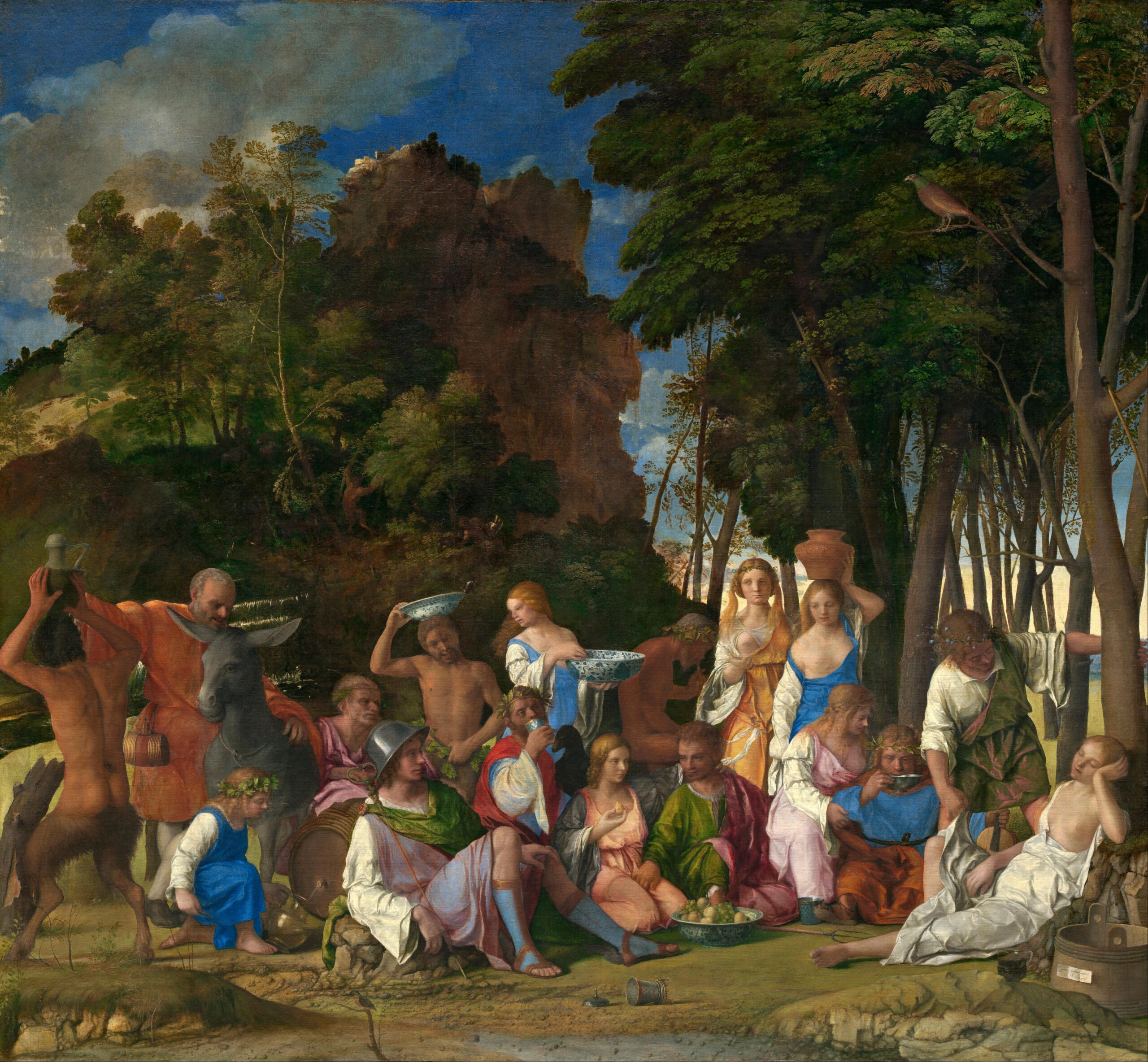
But the myths weren't only about explaining nature. They were deeply interested in people: how we act when tested, what happens when pride gets the better of us, and why loyalty matters. Greek heroes weren't perfect. Achilles had a temper. Theseus forgot promises. And that's part of what makes these stories feel real. The gods themselves were flawed, petty, and emotional. They argued, played favourites, and held grudges. In a strange way, that made them easier to relate to.
Here's a quick reference guide to some of the key players—gods, heroes, and creatures—you'll encounter in Greek mythology.
Greek Mythology Cheat Sheet (Gods, Heroes & Creatures) ⚡
| Name | Type | Role / Domain / Trait | Famous Story or Symbol |
|---|---|---|---|
| Zeus | Olympian god | King of the gods; sky & thunder | Lightning bolt; ruling Mount Olympus |
| Hera | Olympian goddess | Marriage, family, women | Peacock; rivalry with Zeus’s lovers |
| Athena | Olympian goddess | Wisdom, strategy, crafts | Born from Zeus’s head; owl symbol |
| Poseidon | Olympian god | Sea, storms, horses | Trident; cause of earthquakes |
| Aphrodite | Olympian goddess | Love, beauty, desire | Sea-foam birth; golden apple |
| Artemis | Olympian goddess | Hunt, wilderness, youth | Bow and arrows; protector of girls |
| Heracles | Hero | Strength; completed 12 Labours | Nemean Lion; Hydra; Cerberus |
| Perseus | Hero | Slayer of monsters | Killed Medusa with divine help |
| Odysseus | Hero | Clever strategist | The Odyssey; Trojan Horse |
| Cerberus | Creature | Three-headed guard dog of the underworld | Prevents souls from escaping |
| Minotaur | Creature | Half-man, half-bull | Defeated by Theseus in the Labyrinth |
| Medusa | Creature (Gorgon) | Turns victims to stone | Beheaded by Perseus |
This should help you keep track of who's who—especially when characters start appearing in unexpected places across different myths.
Surprising Details You Might Not Know 🔎
Greek mythology is massive. The famous stories—Hercules, the Trojan War, Pandora's box are just the surface. Dig a little deeper, and you'll find layers of strange, fascinating details.
The stories changed depending on who was telling them
Because myths were passed down orally for centuries, different cities and regions developed their own versions. That's why you'll sometimes find contradictory details—one version says this, another says that. It's not a mistake; it's just how oral storytelling works.
The gods were remarkably human
They lied, cheated, got jealous, played favourites, and made impulsive decisions. Far from being all-knowing or all-powerful, they often seemed as flawed as the mortals they ruled over. That made them relatable—and maybe a little terrifying.
Women weren't just background characters
Goddesses like Athena and Artemis wielded real power. Mortal women like Penelope and Atalanta were clever, strong-willed, and brave. Greek mythology has its share of passive princesses, sure—but it also has women who shape the story.
The night sky is full of myths
Look up on a clear night and you're seeing characters from these stories. Orion, Andromeda, and Pegasus, constellations named after mythological figures, keep those ancient tales alive in a different way.
We still speak the language of Greek myths
Words like "titanic," "narcissistic," "chaotic," "herculean," and "muse" all come from mythology. Even brands like Nike, Amazon and Apollo borrow from these stories. Greek myths are woven into the fabric of modern language in ways we barely notice.
The iconic sports brand Nike wasn’t always called Nike—back in 1971, Blue Ribbon Sports rebranded after a team member suggested naming the company after Nike, the Greek goddess of victory. The choice matched their focus on speed and performance, and even the famous Swoosh logo was designed to echo the goddess’s wings.
Whether you're drawn to the epic battles, the strange creatures, or the messy, complicated gods who never quite had it together, Greek mythology has something for everyone. And now that you've taken the quiz, you're one step closer to knowing it inside and out. 🤓
Summarise with AI:
Enjoyed this article? Leave a rating!

 Loading...