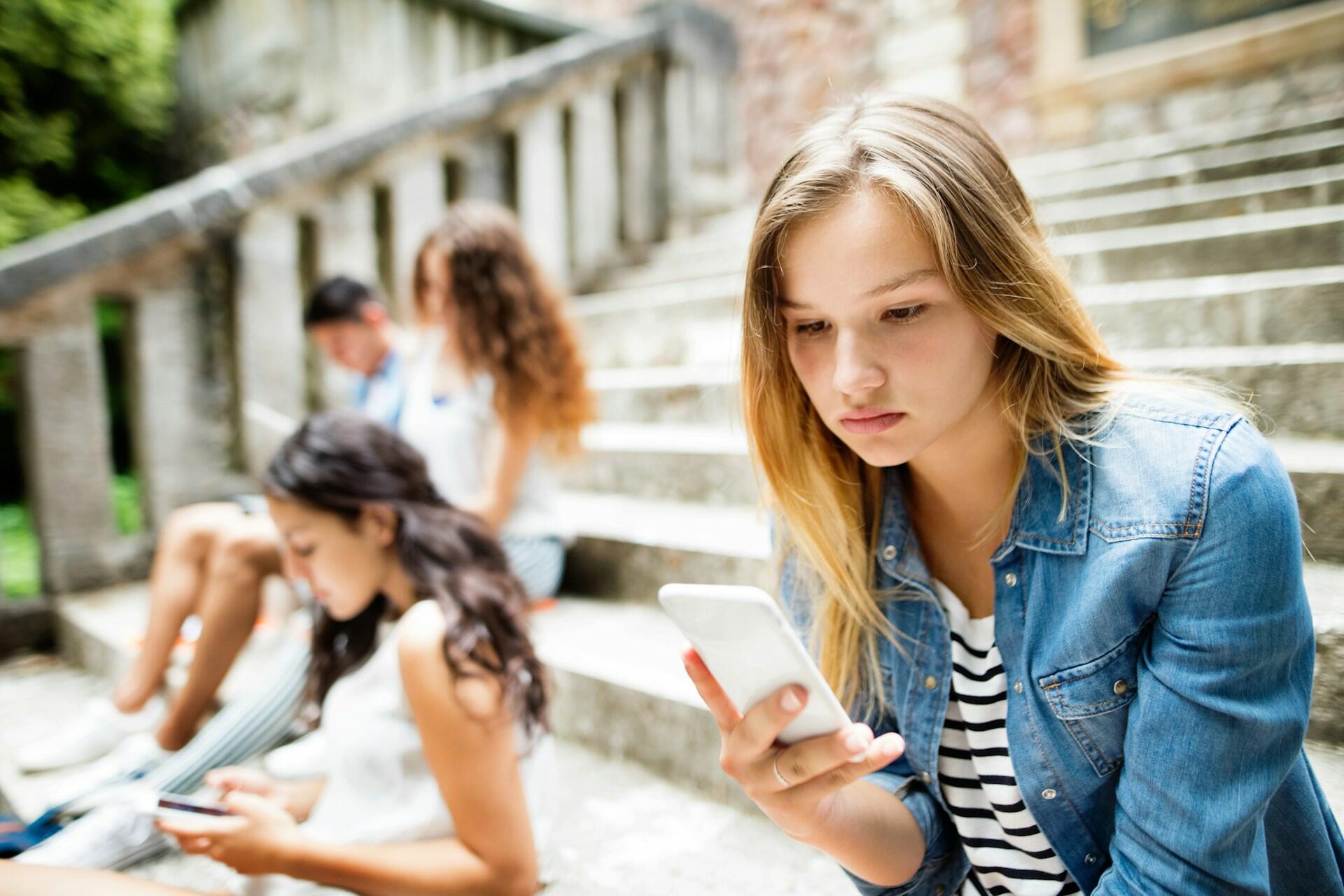

Australia is entering a major shift in how young people interact online. The government has passed new legislation that restricts social media access for children under 16. The ban will begin on 10 December 2025. This change has raised many questions for families, teachers, and students in terms of socialisation, recreation, and education. Learn more about how the ban may impact daily life in homes and classrooms across Australia.


Impact on Students
Of course, the group most affected by the ban will be under-16s. Social media has been a staple in most young people’s lives, and for many, it’s how they stay in touch with friends and family near and far. Today, the majority of internet users enjoy friendships made online with people they’ve never met, and may never meet, in person.
Some students are devastated, some are annoyed, some are indifferent, and some are happy about the change.
There are many implications about to be imposed by the changes; here are some for students to be aware of.
Loss of Access to Accounts
So far, there are 10 specific companies that must ban under-16s from using their services beginning on December 10. While it may take months for these platforms to identify and remove under-16s, there’s no way to count on having access to your account after the ban begins.
So, any under-16s with these accounts should download any important information to their phones or computers as soon as possible. While most of the services seem to indicate they’ll freeze accounts until the users turn 16, at which point they can apply for reactivation, anything can happen between now and then, so it’s better to be safe.
Disruption of Connections and Communities
Young people can focus on migrating their trusted connections to apps that have yet to be banned, like Discord and WhatsApp. This way, you can still keep in touch with the people who mean the most to you in your own “social media bubble”. Of course, it’s important to only invite those whom you can 100% trust into these spaces with you, since they are more intimate.
Increased Risk Online
One of the unintended consequences of the ban is that teens will likely migrate to other sites that are less moderated, leaving them more vulnerable to the very same things the ban seeks to prevent.
Under-16s, it’s a good time to brush up on your internet safety fluency. The truth is that anyone online can fall victim to something like cyberbullying, grooming by predators or scammers, and doxxing. You can even learn more about how to stay safe from these things along with your parents, since many adults are victims of scams every year.
of Australian children report being cyberbullied at some point
Examine Your Relationship with the Internet, and Perhaps Adjust Your Daily Activities
Although it’s frustrating that the government is making this choice for you, it’s a great opportunity to evaluate how you use the internet. Do you spend way too much time on social media? Does it feel like a compulsion rather than something fun and fulfilling? Does it interfere with your other hobbies, goals, and responsibilities?
Addiction to social media affects people of just about every age group. Getting a handle on it at a young age will make life a lot easier as an adult. With this imposed choice being made for you, you can still make the best of it by using it to your benefit.
Perhaps you can now weigh the pros and cons of spending time online and concentrate on more meaningful internet use instead of doomscrolling. Or, you can participate in other activities like reading, arts and crafts, hanging out with friends IRL, or simply being outside.

Intended Benefits for Students
The primary reason for the law’s conception was to protect kids from the dangers of internet use. The intention is good: the internet can be a dangerous place for younger people for many reasons. The execution is debatable: will this ban actually help?
The arguments for and against the ban are multifaceted. This topic is nuanced as well as very broad, making it difficult to come up with suitable solutions to problems.
Here are the positive impacts the ban is meant to have on under-16s:
Reducing Online Pressure
Research consistently finds that young people face lots of difficulties due to pressures online, especially due to social media. Continuous exposure to curated images, constant comparison, and public feedback (praise and criticism) can increase depression and anxiety, and fuel more complex problems with self-worth, relationships, and self-awareness.
For some people, the pressure to keep up with the bombardment of messages in group chats is also a constant source of anxiety and exhaustion.
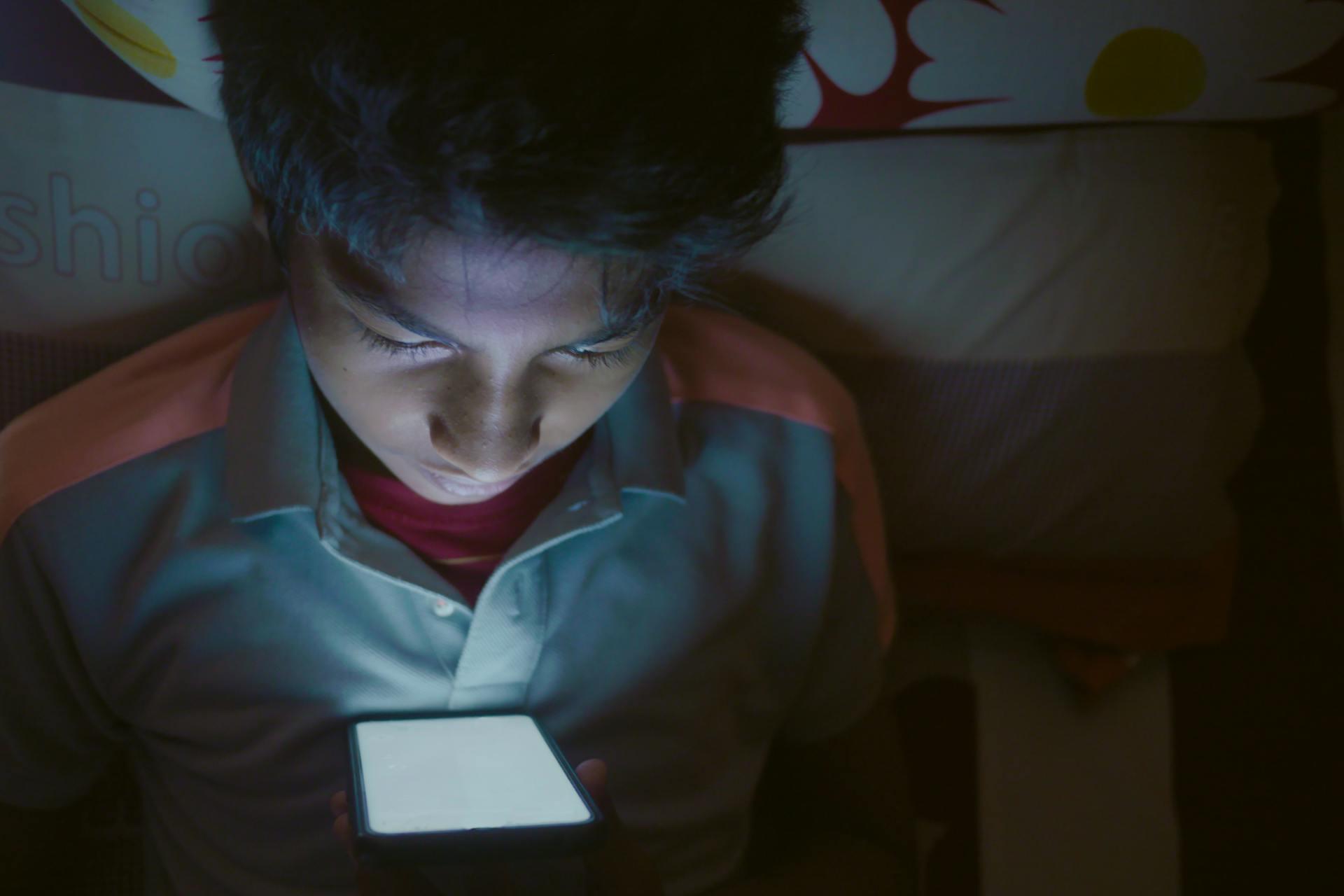
Hopefully, with fewer notifications and opportunities to compare life with the fake lives advertised online, students will find more mental and physical rest. Students may have more time and energy for schoolwork, hobbies, sports, spending time with family, and sleep.
Increased Face-to-Face Interaction
Schools and youth programs may need to fill the connection gap by offering more opportunities for students to socialise and participate in activities. Some ideas include offline clubs, local youth groups, school art programs, and community workshops.
Some government officials state that part of their motivation for passing the ban is to get more youths outside playing games and sports. Physical activity and in-person connection are indeed important for physical as well as emotional and mental development. It’s also true that most people feel like they didn’t take advantage of their youth as much as they wish they had, and being forced to interact more with the world may help today’s youths avoid some of that regret.
It will not be easy for every teen to seek more in-person activities, but hopefully it will become easier for everyone to meet in person and build tangible relationships.
Improved Academic Focus and Attention
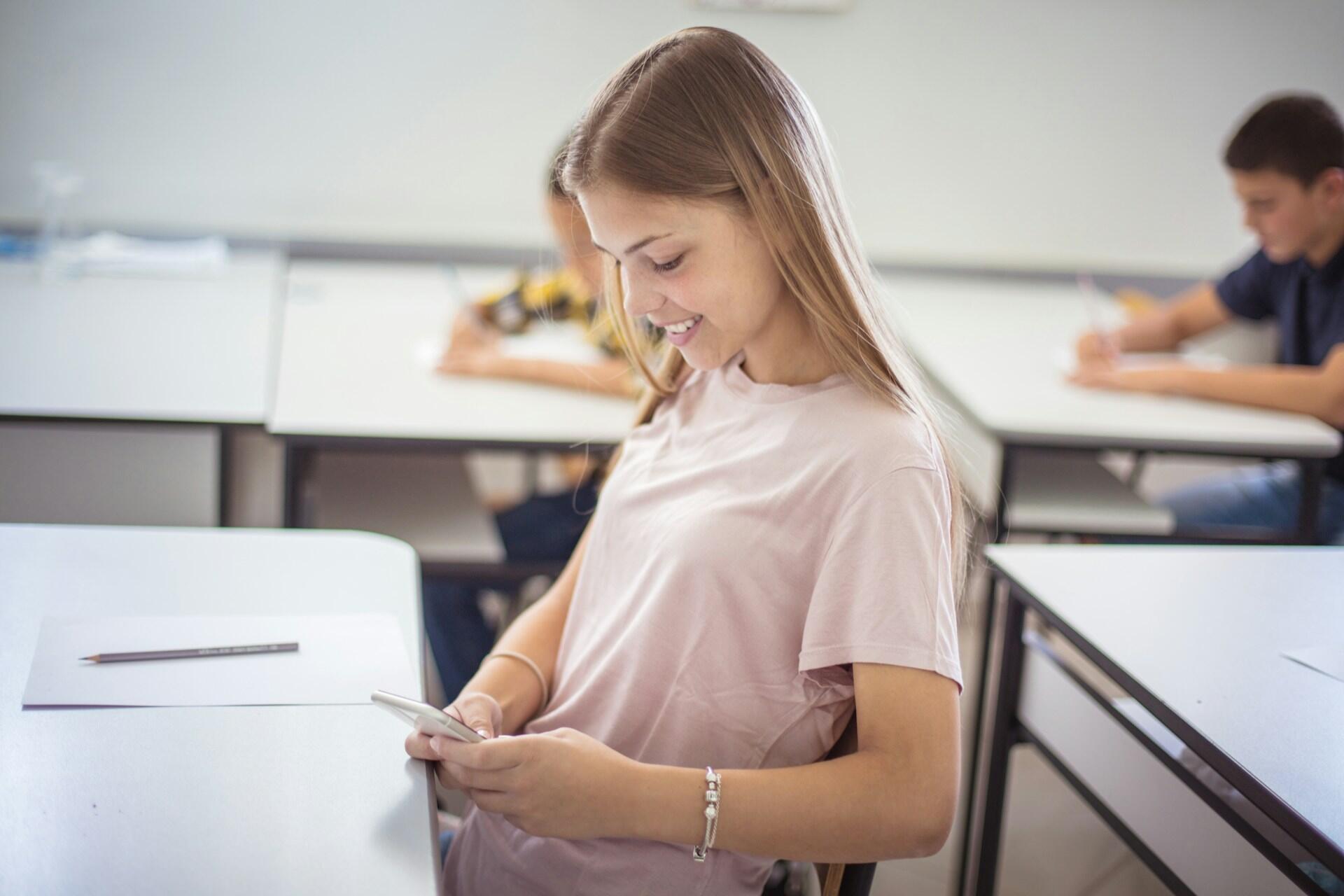
Educators have long raised concerns about how social media affects concentration in school. Many students report checking their phones during class or studying. Notifications interrupt homework. Endless scrolling makes it hard for students to return to their school tasks.
The ban will hopefully result in modest improvements in attention. Students may find it easier to stay focused without constant alerts. They may also sleep better, which has clear academic and health benefits.
However, social media is only one piece in the puzzle. Students have always been distracted for one reason or another; the internet just makes it easier. Plus, only a small handful of sites are being removed from the smorgasbord that is the entire internet. Students will still need to practise self-control with help from parents and teachers.
Better Emotional Health and Peer Dynamics
The ban may protect young people from the most harmful online behaviours, such as cyberbullying or aggressive group chats. Many families experience stress from digital conflicts that begin online and spill over into school.
A pause in social media use may reduce these patterns. Teachers may see fewer issues related to online rumours or posts that escalate into school disputes.
Still, offline peer conflicts will continue. Removing social media does not eliminate the social dynamics that influence student well-being. Younger teens will still need strong support in building communication skills, setting boundaries, and handling conflict in healthy ways.
Impact on Schools and Teachers
Schools will have some new things to keep in mind, but overall, the new law doesn’t mandate any changes. Neither students, parents, teachers, nor any institutions like schools will be penalised legally if they allow under-16s to access social media either intentionally or unintentionally. So, teachers and schools do not need to worry about any legalities in this situation.
They will need to prepare in some other ways, however.
Reduced Social-Media-Related Incidents
A significant number of school counsellors and teachers report that conflicts among students often start online. The ban may reduce these incidents, at least among younger teens. That may help schools maintain calmer social environments. It may also reduce the time spent by teachers mediating digital conflicts. However, it is unlikely to eliminate all problems. Students may still use messaging apps, gaming platforms, or other online spaces where drama can carry over into the classroom.
Communication With Families
Schools may face questions from parents about how the ban will be enforced. Some families will want assurance that schools are aligned with the new regulations. Others may seek guidance on how to help their children who feel disconnected. Schools may need to prepare educational materials for parents so they can understand the reasons for the ban and its implications at home.
Supporting Students
Teachers often serve as early responders when students show signs of emotional strain. As students adjust to the ban, some may express frustration or worry about losing contact with peers. Teachers should be prepared to deal with frustrated and scared students.
It’s important to give students safe avenues of support with peers and adults in real life. Students will need to be able to rely on adult figures to help them navigate this change and replace the support they may have been receiving from online communities and connections.
Schools may need to create more opportunities for in-person socialising. Clubs, lunchtime activities, and open study spaces can help students maintain friendships. Counsellors may also be needed to support students who feel socially isolated.
Classroom Technology Use
Even without social media, technology will remain part of schooling. Students may still use laptops and tablets for lessons. Teachers may still use social media in their presentations as needed, like YouTube videos, for example.
It’s not anticipated that any school communication platforms will be affected by the ban, so schools, teachers, parents, and students should still be able to communicate effectively about school topics.
Parental Guidance for Social Media Use
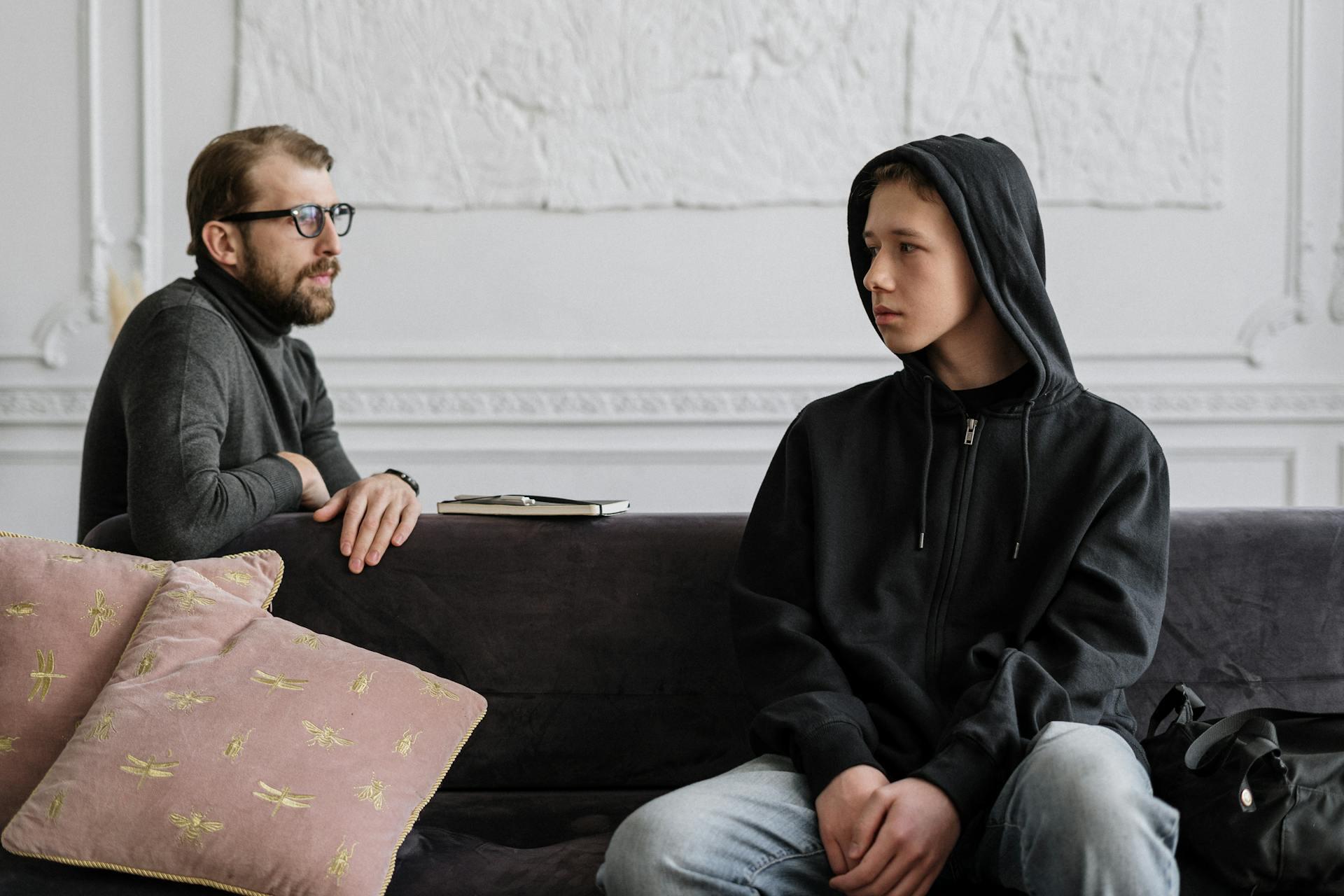
Parents will be important in helping their children through this change. Parents should recognise the disruption the law may cause in their child’s daily life and be prepared to navigate it together with their child. Young people may need reassurance, understanding, structure, and alternatives.
Learn more about the upcoming age verification and digital ID checks.
Explaining the Reason Behind the Ban
Children may respond better when they understand why the change is happening. Parents can explain that the government introduced the ban because of rising concerns about mental health, online safety, and the development of young minds.
You and/or your child may not always agree with the choice, but clear communication can reduce confusion. When children understand that the rule is not a punishment but a safety measure, they may adapt more easily.
Re-evaluating Family Internet Use
The removal of social media does not mean the removal of all digital activity. Children may still want to message friends, play games, or browse general websites. Many parents use social media as a way to stay in touch with their kids, especially as a communication tool.
If a parent forgets that their child no longer has access to a chat on Snapchat, for example, it can lead to panic and frustration as the parent wonders why the child isn’t responding. Coming up with a reliable alternative, like using text messages or WhatsApp, will help smooth the transition.
Parents can also come up with reasonable and healthy expectations for the children in the house regarding technology use, such as limiting device use during homework or before bedtime. Family “device zones” or screen-free routines can help reduce conflict.
Parents can also examine their own relationship with tech and social media and use this time as a jumping-off point for healthy change, if needed.
Helping Children Maintain Friendships and Explore Offline Interests
The social media ban's impact on students will likely be most visible in friendships and feelings of being cut off from their interests. Many children rely on group chats, platforms, and posts to stay involved with peers. Parents can support social connections in other ways.
Some options include:
- Encouraging in-person playdates or meetups
- Supporting participation in sports or creative groups
- Promoting community-based activities
- Helping children plan weekend activities with friends
- Visiting local libraries to explore books and activities
- Joining youth workshops or creative classes
- Starting simple home-based projects
- Supporting hobbies such as drawing, writing, coding, or music
These alternatives can help children maintain healthy, creative and social lives while building communication skills that social media sometimes replaces.
Being a Safe Resource for Your Kids
Some young people will find the transition difficult. Parents should pay attention to changes in mood, sleep, appetite, or behaviour. A child who feels cut off from peers may become withdrawn or irritable.
Making it clear in advance of the ban that you are prepared to help them, and that you won’t dismiss or minimise their struggles, will help your child open up to you.
Parents can also initiate open conversations. Asking gentle questions and providing space for honest responses can strengthen trust. Parents can remind children that many peers are adjusting at the same time.
If concerns persist, speaking with a school counsellor or health professional may be helpful.

Building Digital Literacy
Even without social media access, children still need strong digital literacy skills. Parents can support these skills through supervised online research, discussions about privacy, and careful use of educational platforms.
This guidance prepares children for future online environments, including social media, when they reach the allowed age.
Parents also need to continue to monitor their children’s internet use, since there are still many dangers online outside of the banned sites. Your child should be able to recognise dangerous situations and know when to come to you with any questions or concerns, including asking for help if they feel something bad has happened.
Students are likely to feel mixed emotions, and each child may have a different opinion on the ban. It’s a formative generational experience that will shape current teens’ behaviours and views about the world. It might feel melodramatic that youths will likely have a hard time transitioning to life without social media, but for many (including adults), it’s part of daily life that’s being abruptly taken away. It’s a tough transition for everyone. The best thing to do is to have patience and understanding and continue to encourage internet safety.
References
- Australia’s Social Media Ban Protects the Mental Health of Children: A Look at the Evidence. (n.d.). In Institute for Family Studies. https://ifstudies.org/blog/australias-social-media-ban-protects-the-mental-health-of-children-a-look-at-the-evidence
- Meta to block Facebook and Instagram for Australian teens by December 10. (n.d.). In Reuters. https://www.reuters.com/legal/litigation/meta-block-facebook-instagram-australian-teens-by-december-10-2025-11-19/
- Research Brief Impacts Of Social Media in Australia. (2021). org.au. https://digitalwellbeing.org.au/wp-content/uploads/2021/12/Research-Brief-Impacts-of-Social-Media-in-Australia.pdf
- Social media age restrictions. (2025). In eSafety Commissioner. eSafety Commissioner. https://www.esafety.gov.au/about-us/industry-regulation/social-media-age-restrictions
- Support “needed” for boarders as teens get kicked off social media early. (2025). In ABC News. https://www.abc.net.au/news/2025-11-20/boarders-social-media-ban-will-isolate-them/106024722
- The University of Queensland. (n.d.). How does social media affect teenagers? In Study. https://study.uq.edu.au/stories/how-social-media-affects-teenagers
Summarise with AI:
Did you like this article? Leave a rating!

 Loading...