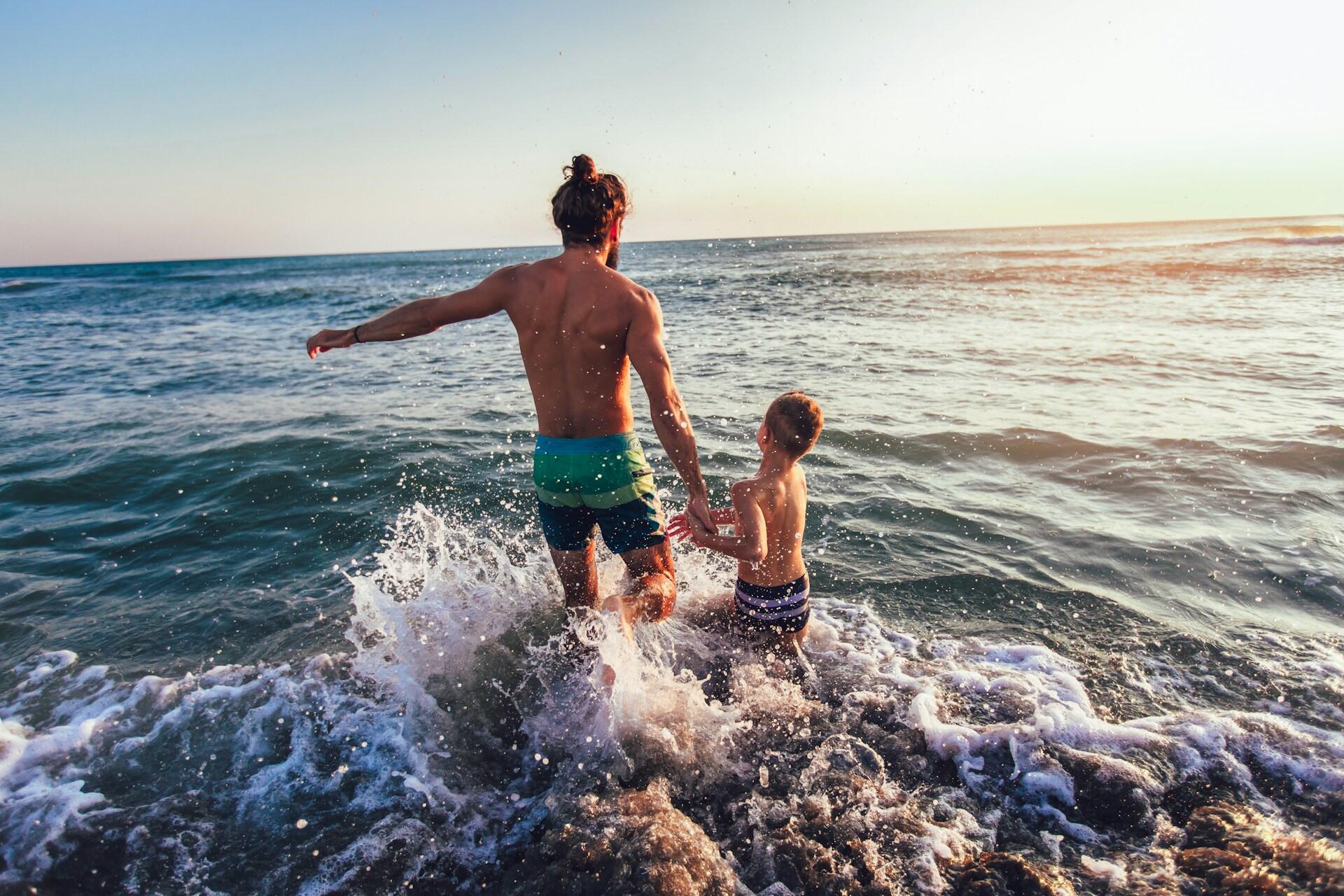

Whether at the beach, a backyard pool, or a freshwater creek, water has a special place in Australian life. Swimming, splashing around, or simply dipping your toes on a hot day are among the most enjoyable ways to spend summer. But while water is refreshing and relaxing, it also comes with serious risks. Each year in Australia, too many lives are lost to preventable drowning incidents — often due to a lack of knowledge, carelessness, or risky behaviour.
Because we interact with water so often, it’s easy to underestimate its dangers. That’s why understanding and following swimming safety rules is essential — not just for kids, but for adults as well.
Take our quiz to test your water safety knowledge and refresh your understanding before your next swim in the pool, at the beach, or in the bush.
Quiz
Quiz :





What Are Swimming Safety Rules – And Who Sets Them in Australia?
Swimming safety rules are guidelines designed to help prevent accidents and ensure everyone can enjoy the water safely. In Australia, water safety is supported by leading organisations such as:
- Royal Life Saving Society – Australia (RLSSA)
- Surf Life Saving Australia (SLSA)
- Austswim
- Local councils and state/territory governments
These organisations promote water safety across all environments — from public pools to rivers, dams, and our iconic coastline.
Their safety recommendations focus on three main areas:
🩺 Before Swimming
- Make sure you feel healthy and well.
- Avoid swimming on a full stomach or after drinking alcohol.
🌊 While Swimming
- Be respectful of others.
- Stay alert and follow posted signs or lifeguard instructions.
🚨 In Emergencies
- Know how to call for help.
- Stay calm and avoid risky rescues unless you’re trained.
These aren’t just formal rules — they’re life-saving guidelines backed by research and real-world experience.
Essential Swimming Safety Tips for Australia
🏊♀️ Only swim if you're feeling well
Feeling sick, tired, overheated, or cold can make swimming dangerous.
🍽️ Avoid swimming on a full or empty stomach
Overeating or fasting can both impact energy levels and increase the risk of cramps or fainting.
🍺 Never swim under the influence of alcohol or drugs
Alcohol is a major factor in many drownings in Australia, especially among adult men and in inland waterways.
🧍♂️ Don’t swim alone – always tell someone
If you’re heading to the beach, a river, or a remote swimming hole, go with a buddy or let someone know your plans.
🛟 Non-swimmers should stay in shallow areas
Use appropriate flotation devices, but remember they aren’t foolproof safety guarantees.
📍 Only swim in supervised, patrolled, or clearly designated areas
At the beach, always swim between the red and yellow flags. At rivers or creeks, look for local signage and avoid risky spots.
🌬️ Watch for rip currents, sudden drop-offs, or strong river flow
Australian waters can be unpredictable, with fast-moving currents, underwater hazards, and cold temperatures — even on hot days.
⚡ Get out during thunderstorms or heavy rain
Water conducts electricity. Lightning poses a serious risk — leave the water immediately if you see or hear a storm approaching.
🆘 In an emergency: raise the alarm, don’t enter the water unless trained
Call 000 for help. Throw a flotation aid or rope if safe. Entering the water without training can lead to two victims instead of one.
🤝 Avoid rough play or dangerous dares
Games like dunking, pushing, or risky dives often lead to injuries or panic.
Why Swimming Rules Matter – For Everyone
Water safety isn’t just for schoolchildren — it’s essential for all Australians. As a country surrounded by water, with a culture that embraces the beach, swimming holes, and backyard pools, these simple rules are more relevant than ever.
Teaching kids about water safety helps build lifelong habits. But adults also need to reflect on their own behaviour, especially around alcohol, supervision, and risk awareness. Knowing how to stay safe — and how to help others — can be the difference between life and death.
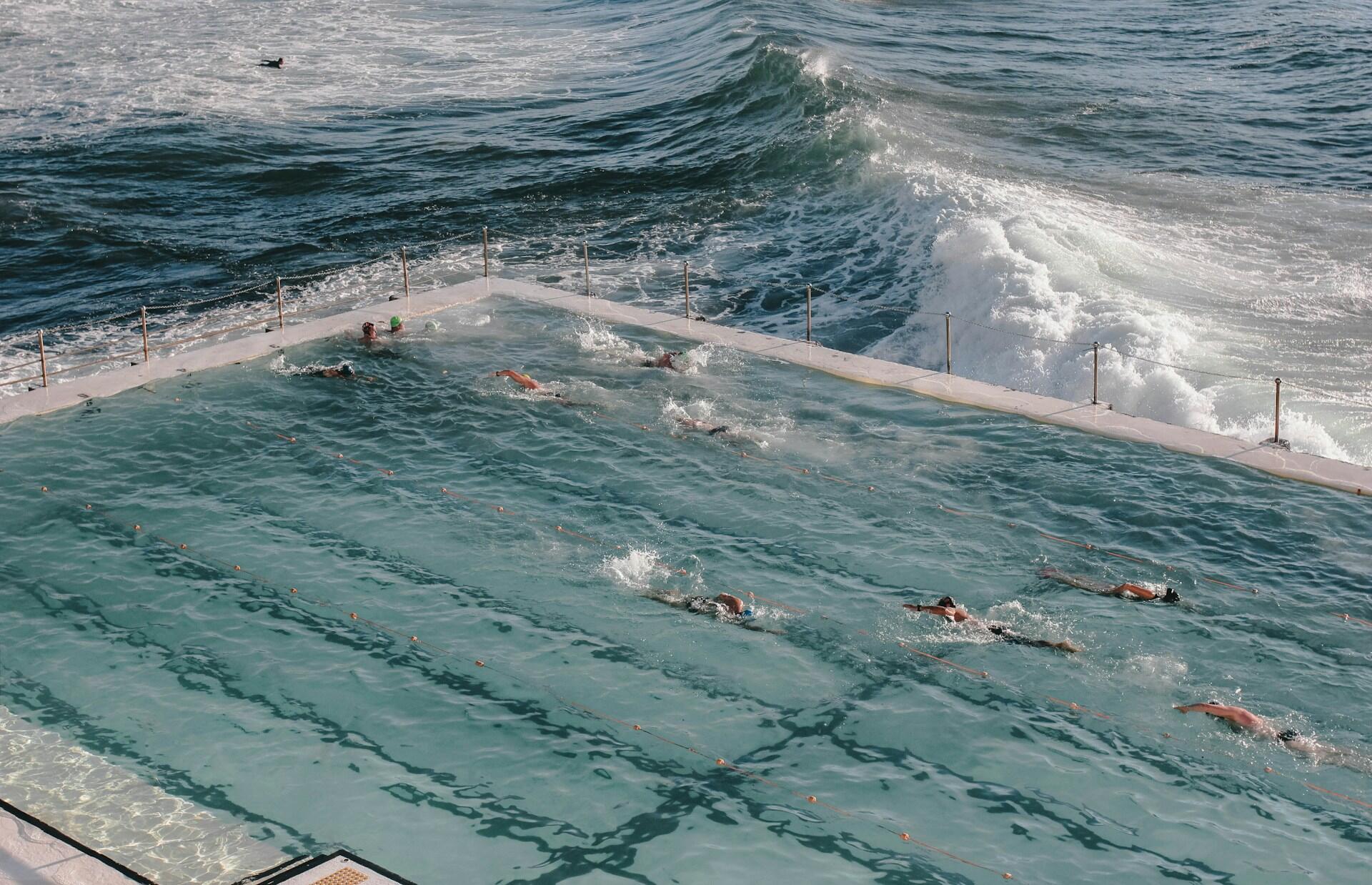
Risks and Hazards: What to Be Aware of Around Water
Water is fun, relaxing and part of the Aussie lifestyle — but the risks are real, especially in natural environments. Even experienced swimmers can get caught out.
Who Is Most at Risk?
According to Royal Life Saving Australia, the groups most at risk of drowning include:
- Young children, especially under five, due to a lack of supervision around pools and bathtubs.
- Teenagers, often due to risk-taking behaviour and peer pressure.
- Adult males aged 25–64, especially in inland waterways, often with alcohol involved.
- Elderly people or those with medical conditions.
- Tourists unfamiliar with local water conditions.
Common Water Dangers in Australia
- Rip currents: A leading cause of beach rescues and fatalities. Learn how to spot and survive a rip.
- Cold water shock: Sudden immersion in cold rivers or dams can cause panic, hyperventilation, or cardiac issues.
- Alcohol consumption: Impairs judgment, slows reflexes, and increases drowning risk.
- Overconfidence: Even strong swimmers can be caught out by fatigue, currents, or cramps.
- Unfamiliar terrain: Natural bodies of water can hide debris, sudden drop-offs, or submerged hazards.
- Lack of supervision: Children can drown in just a few centimetres of water, and quickly — never leave them unattended.
Prevention Starts With Awareness
Water safety begins with knowledge. Something as small as choosing to swim between the flags or waiting after a meal can prevent tragedy.
Stay Safe By:
- Knowing basic first aid and CPR
- Learning how to use flotation or rescue equipment
- Staying calm and seeking help in emergencies
- Taking water safety seriously, every time
Be Water Smart – For Yourself and Others
Join the effort to make Australia’s beaches, pools, rivers and lakes safer for everyone. Whether you're a parent, a swimmer, or just someone who loves a summer dip, understanding water safety is everyone’s responsibility.
Let’s make every swim a safe one.
Summarise with AI:
Did you like this article? Leave a rating!

 Loading...