

Nurses are a unique kind. They have this insatiable need to care for others, which is both their greatest strength and fatal flaw.
Jean Watson (nurse theorist and nursing professor)
If you've always wanted to work in a patient care role within the healthcare profession, you may be considering nursing as a career option.
Before you go further, however, it is important to learn what nursing is really about. For example, what does the nursing role involve? What duties will you be required to perform? Can you train and work in specialty areas, such as oncology, gerontology or psychiatric nursing straight away? What are the different types of nurses? What's the difference between a nurse assistant and a nurse practitioner; or an enrolled nurse and a registered nurse? Do you need a degree to become a nurse?
We'll answer these questions as we explore the types of nurses, where they work in the healthcare industry and what they do.





What is a Nurse?
First and foremost, a nurse is a caregiver.
Nurses are trained to provide medical and emotional care and support to sick or injured patients. They work with doctors and other medical practitioners and healthcare professionals to provide support, educate people and keep the community fit and in good health.
People who work as nurses must possess a caring and compassionate nature but must also be able to provide care and work with patients under times of stress or in emotionally charged situations.
Nurses not only work with and support patients but also provide support for the family members or friends of the patients in their care.
Find out about the best nursing courses to take in Australia here.
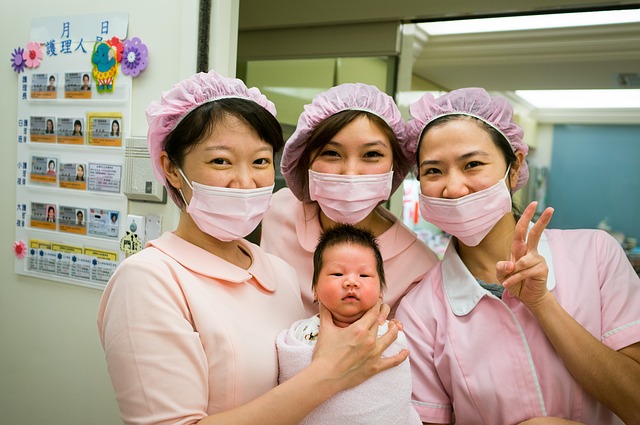
Hospitals are not the only places a nurse can work. Certified nurses can also be employed in an education role, in the legal profession, in a government role or as a nurse in the pharmaceutical industry. Of course, you'll also find nurses in GP clinics, hospice care facilities and home-care roles.
The duties nursing staff are required to perform vary between different types of nurses.
The different levels of nursing are consistent across Australia, so what are they?
What are the Different Types of Nurses?
There are six types of nurses in Australia. Nurses are differentiated according to their education and training.
The six nursing levels, from junior to advanced senior, are:
- Assistant in Nursing — unregulated and qualifications are not necessarily required to gain work
- Enrolled Nurse — must be certified and must complete a 2-year Diploma of Nursing certification
- Registered Nurse — must have certification and must complete a 3-year Bachelor of Nursing degree
- Midwife — a specialty nurse who has completed a Bachelor of Midwifery
- Advanced Practice Nurse — must have a Bachelor of Nursing degree and extra professional development and practical experience within their specialty nursing field
- Nurse Practitioner — must have a Bachelor of Nursing degree, have practised as a Registered Nurse and completed study at a Master degree level.
With the exception of an Assistant in Nursing, all nurses must be registered with the Nursing and Midwifery Board of Australia (NMBA) to be able to work in private and public healthcare under their official job title.
It is possible to move through the levels. For example, if you start as an Enrolled Nurse you can apply to become a Registered Nurse if you undertake additional education and training and have the required of experience. You do not necessarily need to do a Bachelor of Nursing in addition to your Diploma of Nursing.
In the same way, a Registered Nurse can move into midwifery with specialist training and education, or they can apply for Advanced Practice Nurse status once they have the required hours and additional study.
However, for a Registered or Advanced Practice Nurse to become a Nurse Practitioner, a Master's degree is mandatory, along with at least 5,000 hours of experience in a variety of areas.
In addition to education and training differences, the types of nurses are also defined according to their roles and duties in their job.
Nursing Roles and Responsibilities
All nurses, whether they're Assistants or Nurse Practitioners, have a duty of care towards patients and their families. They also have a responsibility towards their nursing colleagues and other medical practitioners.
Nurses are responsible for maintaining their education to be abreast of current medical practice. They are also responsible for maintaining their professional integrity and are expected to support each other and other medical staff.
Search for some of the best nursing courses in Melbourne here.

Let's look at some of the duties covered by different types of nurses.
Assistant in Nursing
Technically not nurses, assistants mainly work in aged care settings in residential facilities, respite care facilities or hospitals, and always work under the supervision of a Registered Nurse. They may have a Certificate III or IV or they may be part way through a diploma or bachelor's degree and have taken on an assistant job for extra money.
Also referred to as a healthcare worker, health assistant or care assistant, the main duties of an Assistant in Nursing are to:
- assist patients with personal hygiene, such as showering and toileting
- help patients get dressed and undressed
- provide help with moving around the facility
- support patients to be comfortable.
Enrolled Nurse
An Enrolled Nurse must also work under the supervision of a Registered Nurse and they are also sometimes required to support patients with personal hygiene and comfort. However, their role also involves more direct medical duties. An Enrolled Nurse is usually required to:
- record the medical indicators of a patient, including temperature, blood pressure and breathing
- report changes or issues to relevant medical staff or doctors
- provide treatment and therapy as described in the patient care management plan
- help all medical staff with the delivery of health education programs
- provide assistance in first aid and emergency situation.
Registered Nurse
A Registered Nurse's role involves more responsibility and a much higher level of autonomy than the previous two types of nurses. The scope of their practice may have Registered Nurses required to:
- provide specialty nursing care to patients
- assess patients
- develop patient nursing care plans and oversee their management
- administer medication to selected patients
- supervise and support junior nurses, medical staff and Enrolled Nurses
- take on a leadership role, such as unit management or team leader.
Advanced Practice Nurse
Also known as a Clinical Nurse, these nurses have the same base level certification as Registered Nurses but have undertaken extra study in specialty nursing areas, such as pediatric nursing, gerontology, oncology or psychiatric nursing.
A Clinical or Advanced Practice Nurse is responsible for the same duties as Registered Nurses but often in their field of speciality (such as an oncology ward or clinic or psychiatric units in hospitals). Clinical Nurses frequently provide advice in their area of speciality to other nurses and medical staff.
Midwives are a type of Advanced Practice Nurse with specialist education, training and nursing experience, allowing them to:
- provide care and support to women before, during and after pregnancy and labour
- consult with other medical practitioners about care issues
- implement emergency procedures during childbirth.
You can get to know more about great nursing courses in Sydney here.

Nurse Practitioner
A Nurse Practitioner is the most senior level among the types of nurses in Australia. They are able to undertake independent practice in an advanced clinical role and are allowed to prescribe some medications. Other responsibilities Nurse Practitioners may have in their role are to:
- refer patients to other healthcare practitioners
- order diagnostic tests
- diagnose and treat patients who may have acute or chronic health conditions
- practise medicine independently in their own practice.
Nursing Career Pathways
As a nurse, at any level, the onus is on the individual to seek and maintain additional training and certifications. To remain registered as a nurse with the NMBA, all nurses except assistants must engage in ongoing professional development and learning.
There are many opportunities to extend or vary your career as a nurse.
As already mentioned, a nurse at a junior level may train and apply for advanced or senior nurse levels as long as they have completed the required education and have the practical experience to do so.
Nursing Associations, such as the Australian College of Nurse Practitioners, run regular workshops and conferences that nurses can add to their education portfolio. Workshops include Prescribing and Pharmacology, the National Conference, symposiums, network groups and webinars.
As a trained nurse, particularly if you have a Bachelor of Nursing degree, you can branch out into other roles such as:
- nutritionist
- health writer
- health researcher
- nurse consultant
- medical biller.
If you have a specialist field of interest, such as oncology nursing, pediatric care, gerontology nursing, emergency care, surgical theatre work, midwifery or any other field, you can undertake extra training and apply for work in these areas to gain the required experience.
Health Workforce Australia has predicted a drastic shortfall of qualified nursing staff in Australia by 2025. It is not surprising, after the stress placed on the medical industry by Covid, that many nurses are electing to leave the job, mainly owing to burnout.
There are moves afoot to remedy the conditions and salary of nursing staff and the hope is that this will occur sooner rather than later. In the meantime, if you've always considered a job in nursing, now is the time that Australia and Australians need you most.
Summarise with AI:
Did you like this article? Leave a rating!

 Loading...