


The University Clinical Aptitude Test (UCAT) is a standardised test that students in the UK, New Zealand, Singapore, and Australia often have to take as part of their admissions process into universities to study medicine or dentistry.
Since medical and dental schools are notoriously difficult to get into, it's hardly surprising that they demand a lot of their applicants. The UCAT isn't the only thing you need to be accepted, but for almost every university in Australia, not only is it a requirement, but you need to perform exceptionally well on it.
So what is the UCAT, what makes it so difficult, how well do you need to do on it, and how can you get the best possible results?


What Is the UCAT?
The UCAT doesn't actually test how much you know about medicine. It actually tests reasoning, judgement, and other qualities that are considered essential for anyone studying medicine or dentistry.
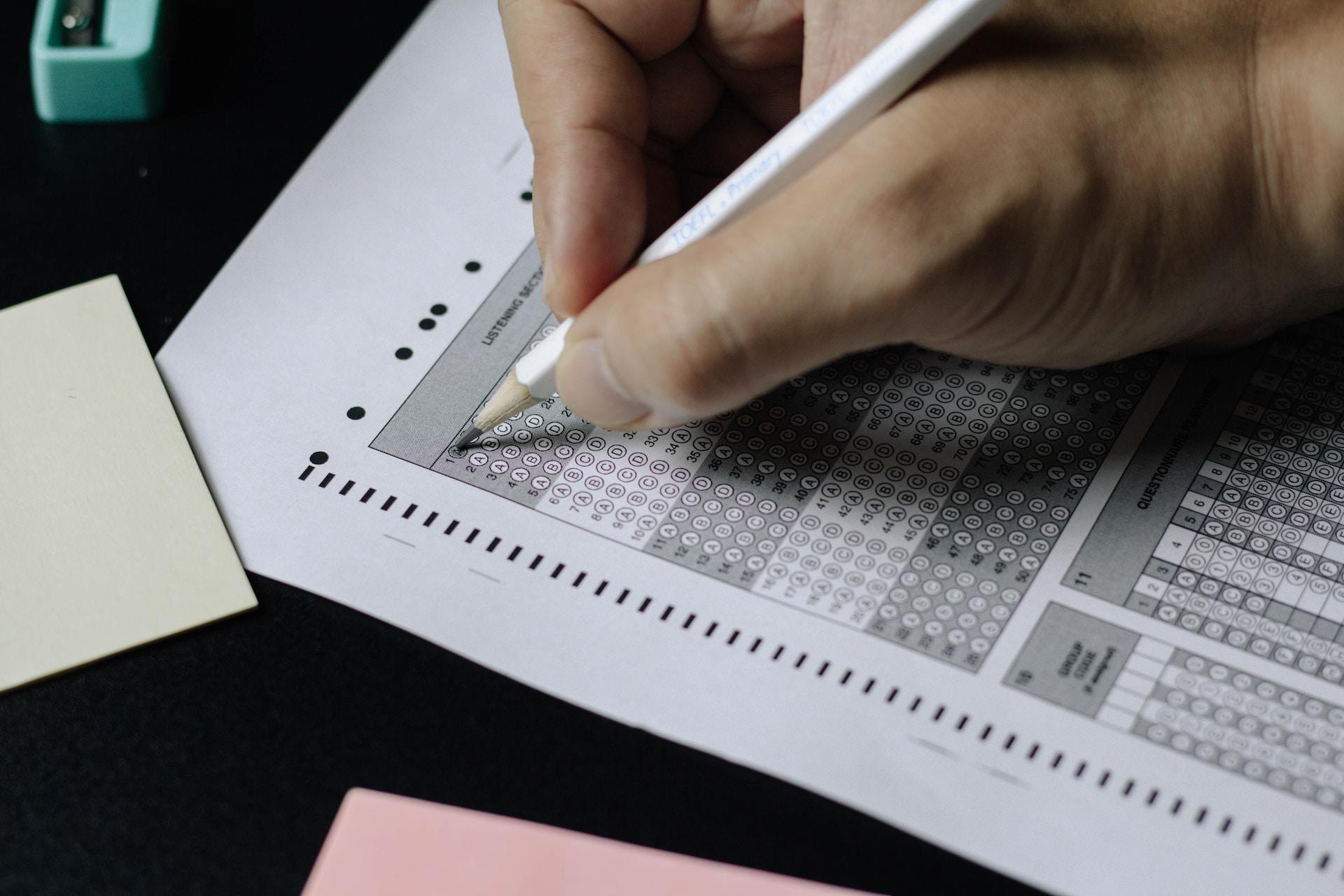
Universities use it as a way to judge whether or not students will have what it takes to work in medicine and dentistry and it differs somewhat from the Medical College Admission Test (MCAT) and the Graduate Medical School Admissions Test (GAMSAT) even though it's ultimately used by educational establishments to accept students onto their programs.
The UCAT tests innate skills like critical thinking, problem-solving, ethical decision-making, verbal reasoning, quantitative reasoning, abstract reasoning, and decision-making.
Most of these are considered innate abilities and while there isn't technically a UCAT curriculum, students should prepare for the exam by familiarising themselves with the exam format, common question types, and exam technique so that they can get the best results.
What Makes the UCAT So Difficult?
Several things make the UCAT difficult and while some candidates will find it more difficult than others, it's generally quite difficult for students to get the results they want and need.
The Exam Format
Firstly, the UCAT is made up of several subtests that assess various different skills. These subtests are verbal reasoning, decision-making, quantitative reasoning, abstract reasoning, and situational judgment.
Each of these UCAT tests lasts between 12 and 31 minutes with varying numbers of questions for candidates to answer. As each of these subtests has to be completed within an allotted time, candidates can not answer questions freely in the order they desire or even jump to and from different questions across subtests in an attempt to better use their time.
Time Pressure
The time pressure also makes the test far more difficult. Being given a limited time for each section means that you have to be thinking about both the questions and how much time you have left, how much time you can spend on each question, and whether or not you've spent too much time on the current question.

The Uniqueness of UCAT Questions
The somewhat unique nature of the questions asked on the UCAT also makes it more difficult. It's unlikely that you'll have done a test like this before, which is why it's so important that you adequately prepare for it.
UCAT isn't testing a particular subject so it's probably quite different to any other exams you've done during your schooling. One of the best ways to practise for the UCAT is with sample questions just to give you a better idea of what to expect. You can save a lot of time if you're familiar with the kinds of questions on the test.
How Well Do You Need to Do On The UCAT?
While universities will consider more than just your UCAT score and a lower UCAT score may be accepted for a candidate with an otherwise very strong application, it's also quite common for universities to require that candidates achieve a score above the 80th percentile and even the 90th percentile in the case of some medical and dental schools.
This basically means that even if you don't find the UCAT that difficult, you still have to outperform at least 80% of the other students taking the exam!
While every student will be striving for excellent results, lower UCAT results may still be considered by universities for local, rural, or indigenous applicants or students who are expected to get an incredibly high ATAR.
There are also a handful of universities in the country that don't require the UCAT or the option to go into medicine as a graduate after completing an undergraduate degree and the GAMSAT.
There's also the option to sit the UCAT again the following year.
How to Get the Best UCAT Results
If you're looking for a shortcut to good UCAT results, you've come to the wrong place. The only real way to get good UCAT results is through proper preparation and study.
Fortunately, there are a few different ways to prepare and lots of resources out there for UCAT candidates willing to work hard for the best results.
Start Your UCAT Preparation as Early as Possible
Firstly, make sure you start your UCAT preparation as soon as you can. You can always shift down a gear if you've done enough but it's better to start early and do this than start too late and cram for the exam.

Finding out what's on the exams can help and while you won't be able to see the exact questions you'll have to answer, there are question types that frequently occur and plenty of sample and practice questions available on the UCAT website and websites.
Create a Study Plan and Track Your Progress
While your study plan may evolve over time, it's important to have one, to set goals, and track the progress you make.
Start with a manageable study plan that will fit in with your weekly schedule and try not to be overambitious. This is where starting your UCAT preparation early will help as it'll give you the time to alter and adapt your study plan over time.
You can also track your progress using your study plan and use this to keep you motivated right until the day of your UCAT exam.
Look for the Right Resources
While the official UCAT resources are arguably the best ones to use, there are other UCAT resources out there that you may also find useful.
Just make sure you check the quality of the resources you're using because there are resources with easier sample questions, for example, that will give candidates a false notion of how well their preparation is going.
Practice
Like almost everything else, practice makes perfect and the more you practise taking the UCAT exam, answer sample questions, and study the format and question types, the better you'll likely do on the day.
Make sure you practise under the right conditions, too, and pay particular attention to practising according to the time limits that you'll be given and simulate the test conditions as faithfully as you can.
Review and Correct Mistakes
After any study session or exam practice, make sure you go back through what you've done, correct your mistakes, and track your progress.
Your study plan should focus on the low-hanging fruit: prioritise easily-corrected errors as these are quick and low-effort ways to improve your overall results.
While it can be far more fun to focus your studies on the parts that you're good at, you'll find that it won't drastically improve your results.
Live a Healthy Life
While taking the UCAT isn't a sport, a healthy lifestyle will definitely help your performance. Make sure that you're taking regular breaks, eating well, getting enough sleep, and regularly exercising.
While it's a lot of work, the breaks you take are also important. There is such a thing as studying too much and you may find that long periods of study become ineffective quite quickly.
Get Help with UCAT Prep from a Private Tutor
Private UCAT tutoring is an excellent way to learn new skills, study, and even prepare for the UCAT. Some tutors can help with the UCAT specifically, teach you study skills, or help you put together your study plan for it.

There are tutors for all budgets and while the very best will charge a premium, you can also find very affordable tutors by opting for online tutoring or group tutoring.
One-on-one tutoring in person is still the most cost-effective way to learn as they can tailor every lesson and activity to you and how you like to learn.
To find private UCAT tutors on the Superprof website, just search for UCAT and where you live and you'll be able to find both local and online tutors.
You can then browse their profiles, see what experience they have, compare their rates, and read reviews left for them by their other students.
Summarise with AI:
Did you like this article? Leave a rating!


 Loading...
