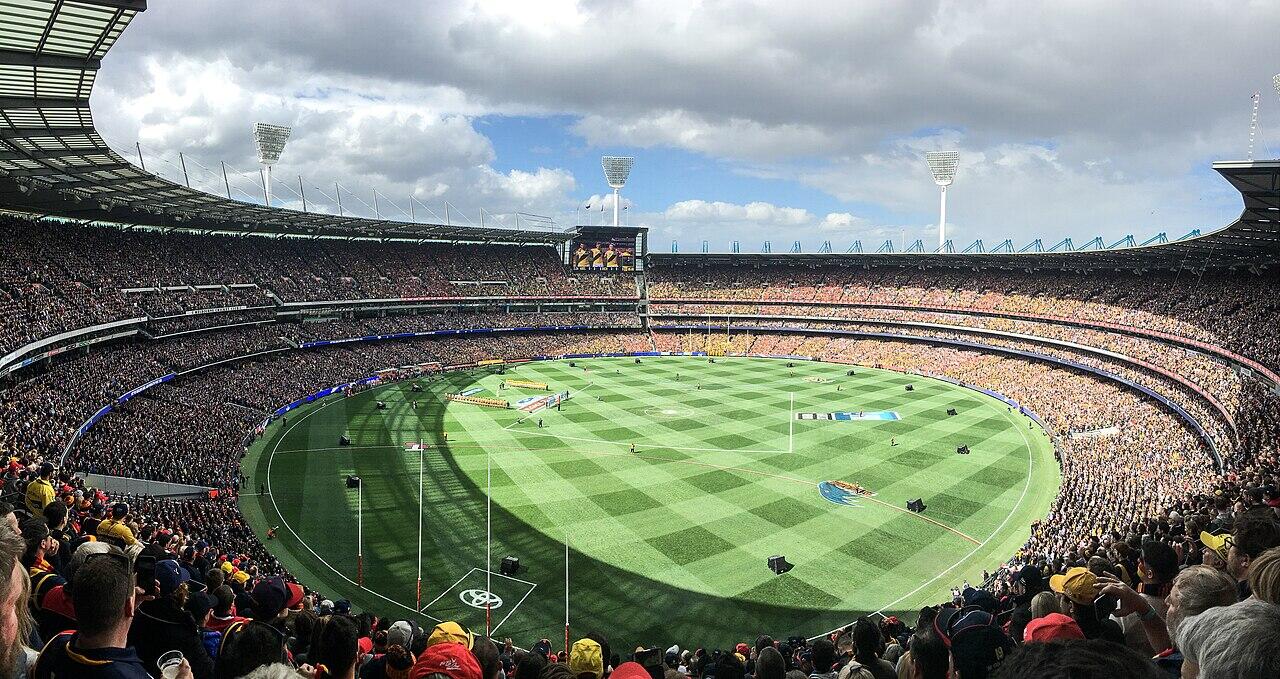

September footy looks different this year. For the first time since 2000, the AFL has overhauled its finals system, adding a brand-new Wildcard Round. Instead of the usual pre-finals bye, several teams just outside the top of the ladder now play off for the last two spots in the finals proper, while the top six enjoy a week's rest before finals begin in earnest.
It's the biggest shake-up to September football in a generation, and it has already reshaped how clubs, players and fans think about finishing near the top of the ladder versus scraping into the finals altogether.
So, whether you've been glued to every twist of the ladder or you're just catching up before the Wildcard Round kicks off, this quiz will test how well you understand the new-look 2026 AFL finals series. Ready to see how you score?
Quiz
Quiz :


Finals Week by Week: How the 2026 Bracket Unfolds
With ten teams now involved, it helps to picture the finals series as two connected stages rather than one long knockout.
From there, it's business as usual: semi-finals in week three, preliminary finals in week four, and the Grand Final at the MCG in week five, on Saturday, 26 September.
Qualifying, Elimination, Semi and Preliminary: What's the Difference?
Finals terminology trips up a lot of newer fans, so here's a quick guide to what separates each type of final.
| Final Type | Who Plays | What's at Stake |
|---|---|---|
| Wildcard final | 7th v 10th, 8th v 9th | Loser is eliminated; winner earns seed 7 or 8 |
| Qualifying final | 1st v 4th, 2nd v 3rd | Winner advances to a preliminary final; loser gets a second chance |
| Elimination final | 5th v Wildcard winner, 6th v Wildcard winner | Straight knockout — loser is out |
| Semi-final | Elimination final winners v Qualifying final losers | Winner advances to a preliminary final |
| Preliminary final | Winners of the previous week | Winner goes straight to the Grand Final |
The "double chance" is the key idea here. Teams that finish in the top four — or win a qualifying final — get a second opportunity if they lose their first final. Everyone else, including every team that comes through the Wildcard Round, is in straight knockout football from the moment they take the field.
A Brief History of AFL Finals Formats
Finals football has never stood still. The competition has used 12 different systems across more than 130 years, ranging from a simple four-team format in the VFL's early decades through to the McIntyre final five (1972–1990) and final six systems, before the top-eight format arrived in 2000 and ran unchanged for 26 seasons.
That top-eight era rewarded a top-four finish above all else, since only those four clubs got a home qualifying final and a genuine double chance. The 2026 changes shift that emphasis slightly: finishing in the top six is now the safest position, since it guarantees a week's rest and avoids the Wildcard gauntlet altogether. It's a reminder that even a game with such a long history is still finding new ways to reward September success.
VFL's early decades
Final Four
A simple four-team finals system decides the premiership.
1972–1990
Final Five
The McIntyre final five system introduces a five-team finals structure.
1994–1999
Final Six
A six-team finals system follows, expanding access to September football.
2000–2025
Final Eight
The top-eight system arrives and runs unchanged for 26 seasons, with only the top four earning a home qualifying final and a genuine "double chance."
2026–present
Final Ten
The Wildcard Round debuts, expanding finals to ten teams. Finishing in the top six now becomes the safest position, guaranteeing a week's rest and skipping the Wildcard gauntlet entirely.
Finals footy in 2026 rewards a different kind of consistency, with the top six now holding the safest ground and a genuine path to the flag opened up for teams as low as tenth. However you scored, there's a lot of new format to get your head around before the first bounce. How did you go — did the Wildcard seeding questions catch you out too?
Summarise with AI:
Did you like this article? Leave a rating!

 Loading...