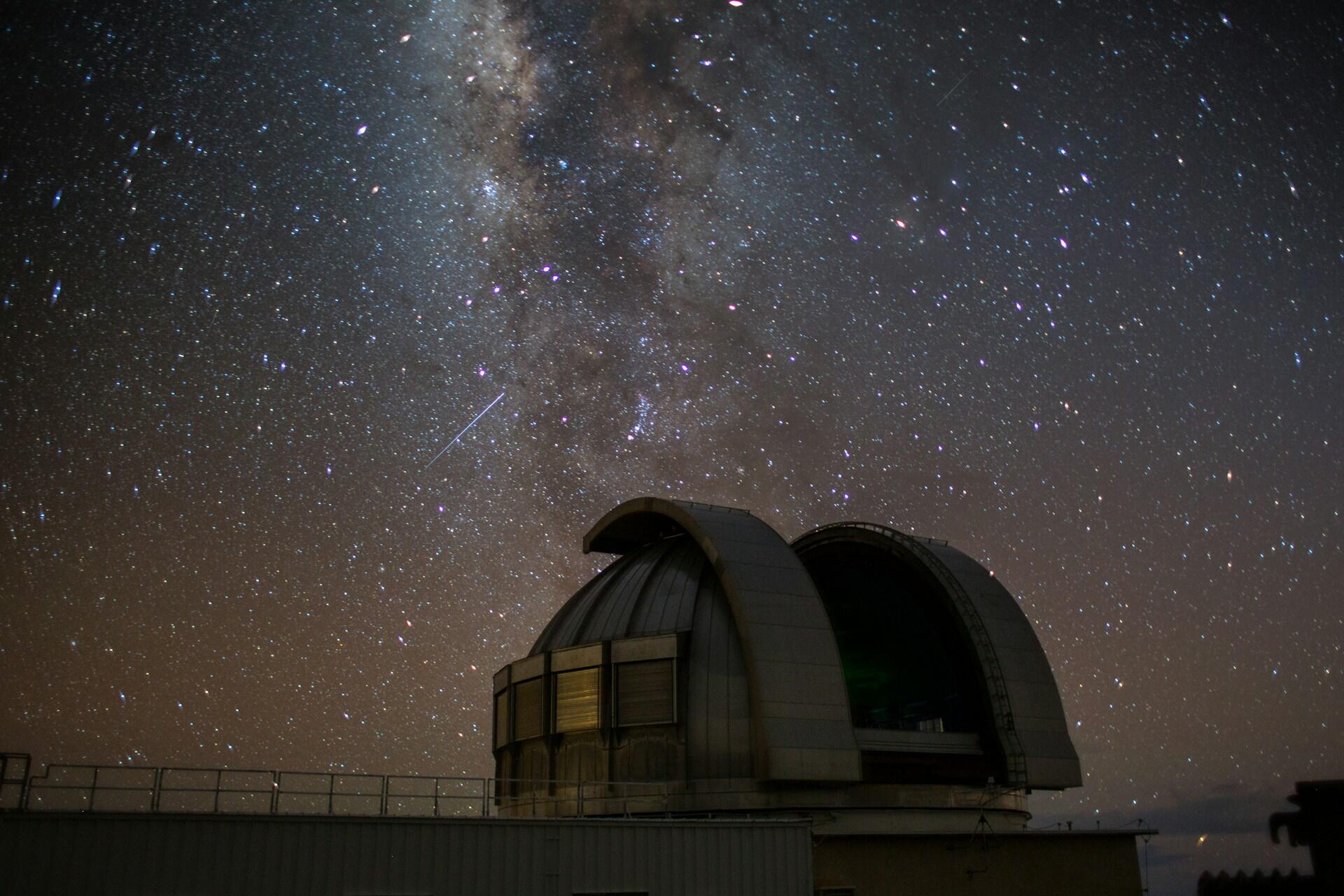

Space has been a source of curiosity and speculation for millennia. Before the invention of advanced scientific equipment, ancient scientists could only speculate about the nature of the universe beyond their reach. As humankind began to observe and then physically explore space, our understanding of the history of everything has changed dramatically. Here, we’ll cover some of the most pivotal scientific discoveries in the astronomy, astrophysics, and cosmology disciplines that revolutionised science forever.
270 BCE
Aristarchus of Samos First Proposes a Heliocentric Universe
1572
Tycho Brahe Observes a Supernova
1608
Galileo Builds Lippershey's Refracting Telescope
1608-1621
Johannes Kepler’s Laws of Planetary Motion
1610
Galileo Galilei's Discoveries
1687
Isaac Newton Publishes “Principia”
1781
William Herschel Discovers Uranus
1814
Joseph van Fraunhofer Builds the First Spectrometer
1845
William Parsons Builds the Largest Telescope Ever, Discovers the Whirlpool Galaxy
1846
Urbain Le Verrier and John Couch Adams Discover Neptune
1895
Konstantin Tsiolkovsky Theorises About Space Flight
1905 & 1915
Einstein’s Theory of Relativity
1912
Henrietta Swan Leavitt Discovers the “Standard Candle” for Space Measurements
1923
Edwin Hubble Proves that Galaxies Exist Beyond Our Own
1925
Cecilia Payne Uses Spectroscopy to Show that Stars are Mainly Hydrogen
1927
Georges Lemaître Proposes the Big Bang Theory
1938
Hans Bethe Explains what Happens in the Centre of the Sun
1969
Neil Armstrong and Buzz Aldrin Are the First People on the Moon
1971
The First Landing on Mars
1972
Multiple Discoverers Find Proof of a Black Hole
1990
Hubble Space Telescope Launched
2013
NASA’s Voyager 1 Leaves the Solar System and Enters Interstellar Space
2019
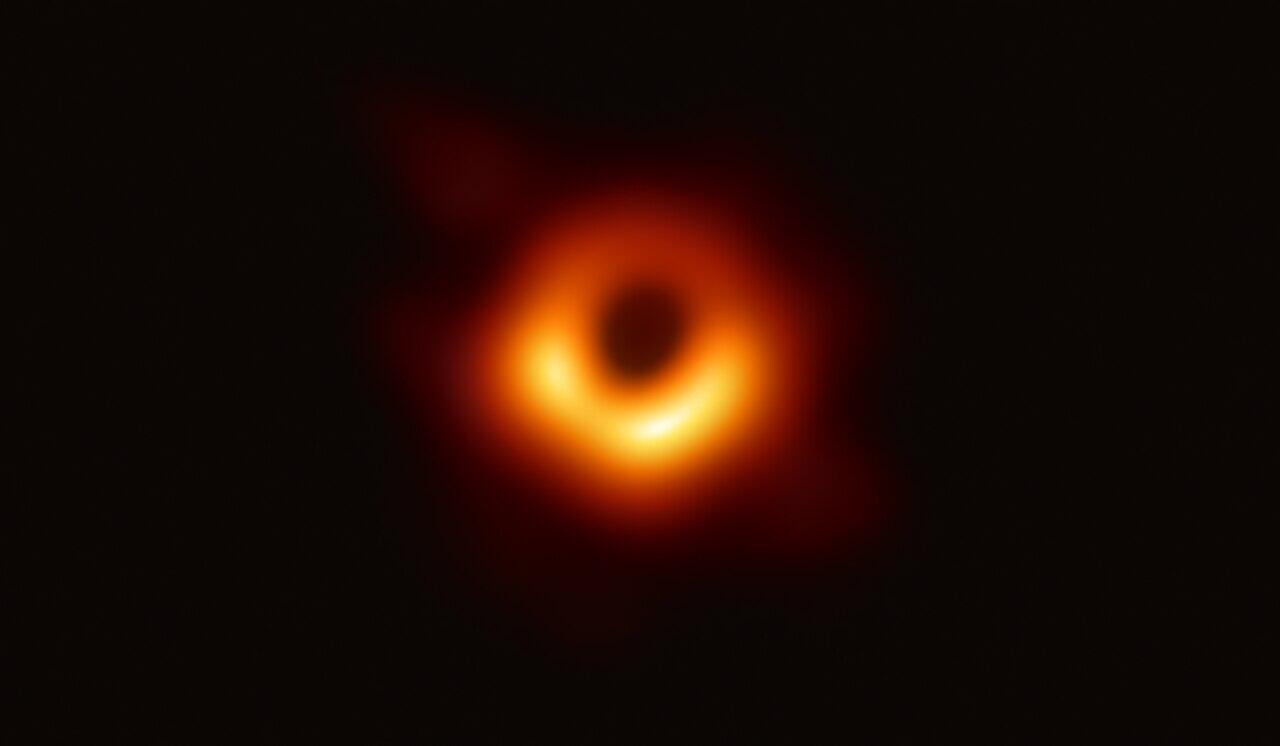
The Event Horizon Telescope Captures the First Image of a Black Hole
2020
The Radcliffe Wave Reveals the Interconnectedness of Space
2021
MOXIE Produces Oxygen on Mars
2021
Parker Solar Probe Touches the Sun’s Corona


Aristarchus of Samos First Proposes a Heliocentric Universe (270 BCE)
In ancient times, many philosophers and early astronomers attempted to explain the shape of the universe by observing the movement of the sun, moon, stars, and the closest planets visible (up to Saturn) with the naked eye. They didn’t have the full picture (they didn’t even have telescopes), so it was hard for them to understand what was happening in the sky and beyond.
Pythagoras figured the Earth was a sphere in the 6th century BCE, and even thought that maybe it revolved around a fire, but the prevailing thought was that the Earth was the centre of the universe (a geocentric system). Many great thinkers proposed this concept, notably Plato and Aristotle in the 4th century BCE and Ptolemy in the 2nd century BCE.
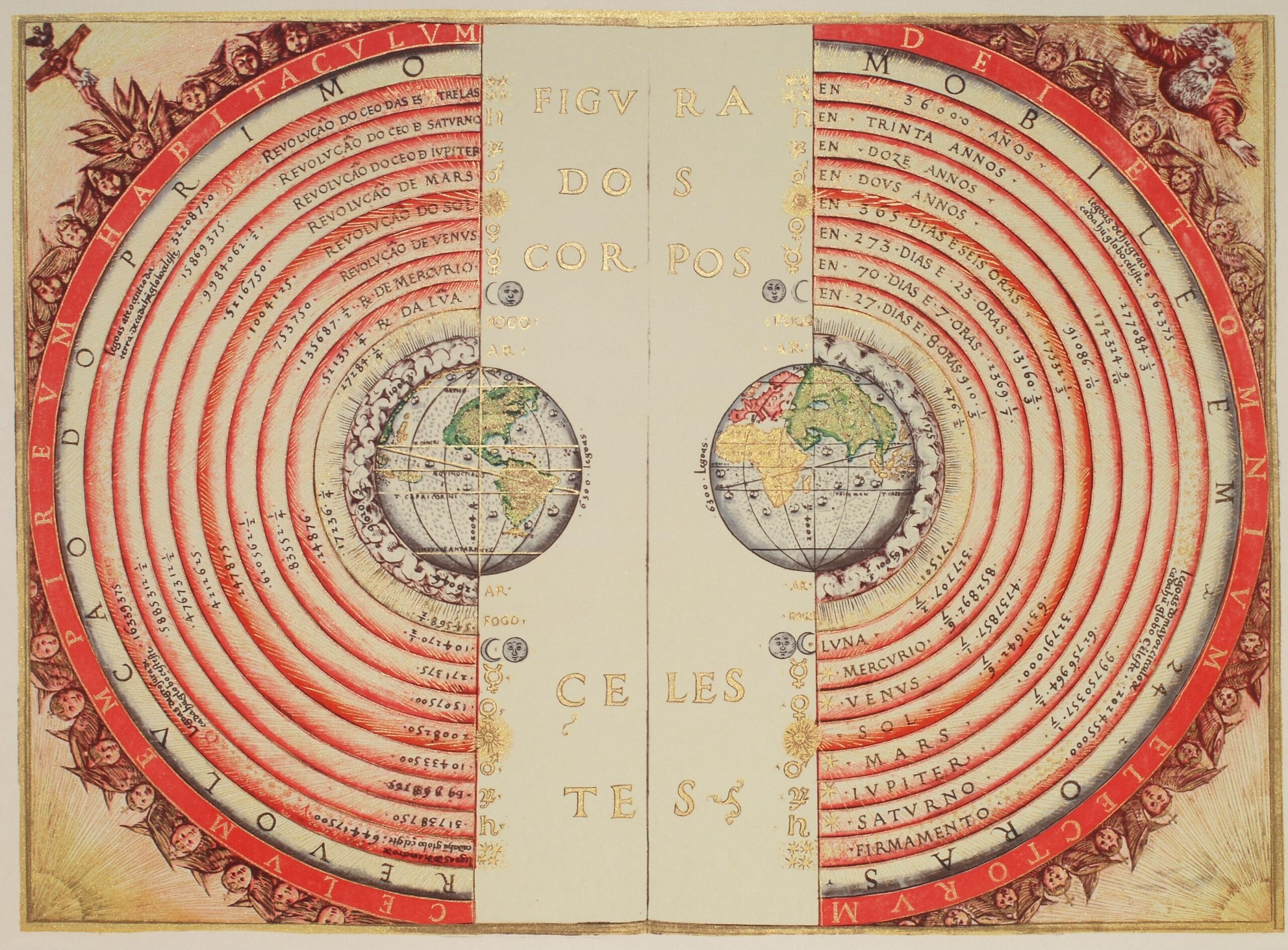
However, in the 4th century BCE, Aristarchus expanded on the previous idea of Pythagoras. He proposed a heliocentric system, where Earth and all the other planets revolve around the sun, and even ordered the planets correctly by distance.
Sadly, the notion was not popular because it challenged common theories too much, and Ptolemy’s model was used as the default one for several hundred years. It wasn’t until 1543, when Copernicus again brought up a heliocentric system, that the idea became mainstream once again.
Tycho Brahe Observes a Supernova (1572)
Known as the greatest pre-telescopic astronomer, Tycho was a Danish astronomer of the Renaissance. In 1572, he noticed a completely new star, which was brighter than any other star or planet in the sky. At the time, he called it a ‘stella nova’, a new star. It suggested that the universe was not set and stagnant.
The discovery prompted him to create more accurate instruments for measuring celestial objects’ positions.
His dedication led him to build the first large observatory in Christian Europe, with funding from King Frederick II.
The research programme there eventually helped launch the Scientific Revolution in the 16th century.
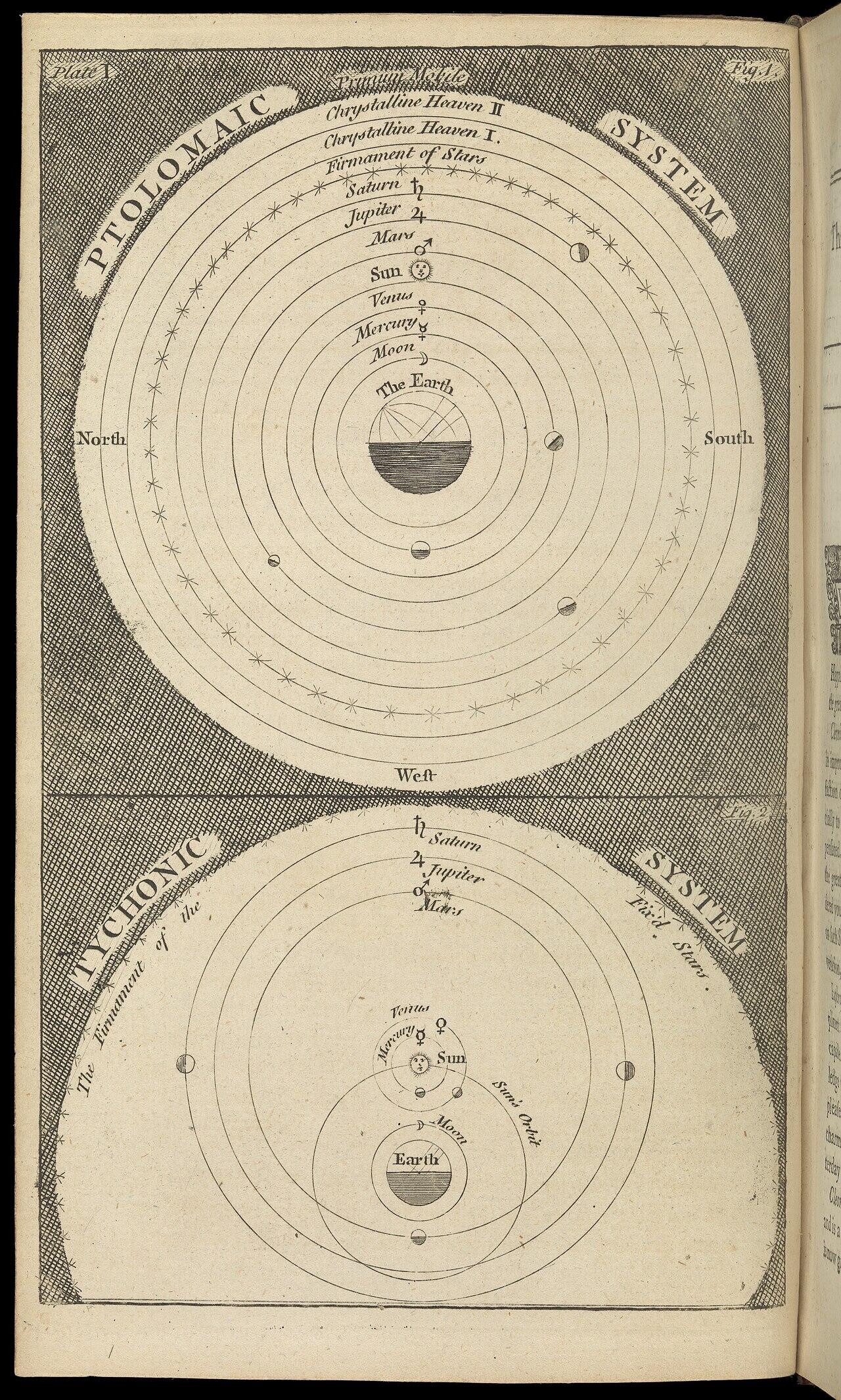
He combined Ptolemy’s system for its philosophical benefits with Copernicus’s system for its geometric benefits and created the Tychonic system.
While the system was incorrect, it was an important stepping-stone for science and influenced his assistant, Johannes Kepler.
The First Refracting Telescope (1608)
The first patent for a telescope was submitted in the Netherlands by Hans Lippershey (or Lipperhey) in 1608, and Galileo built his own version in 1609. It quickly revolutionised astronomy within a year, allowing scientists like Kepler and Galileo to make never-before-seen observations about the planets and moons near Earth.
The telescope made it possible to observe things like Jupiter’s moons and confirm that they orbited Jupiter, not Earth. This simple discovery helped put Ptolemy’s geocentric model to rest, but not for many years.
Johannes Kepler’s Laws of Planetary Motion (1608-1621)
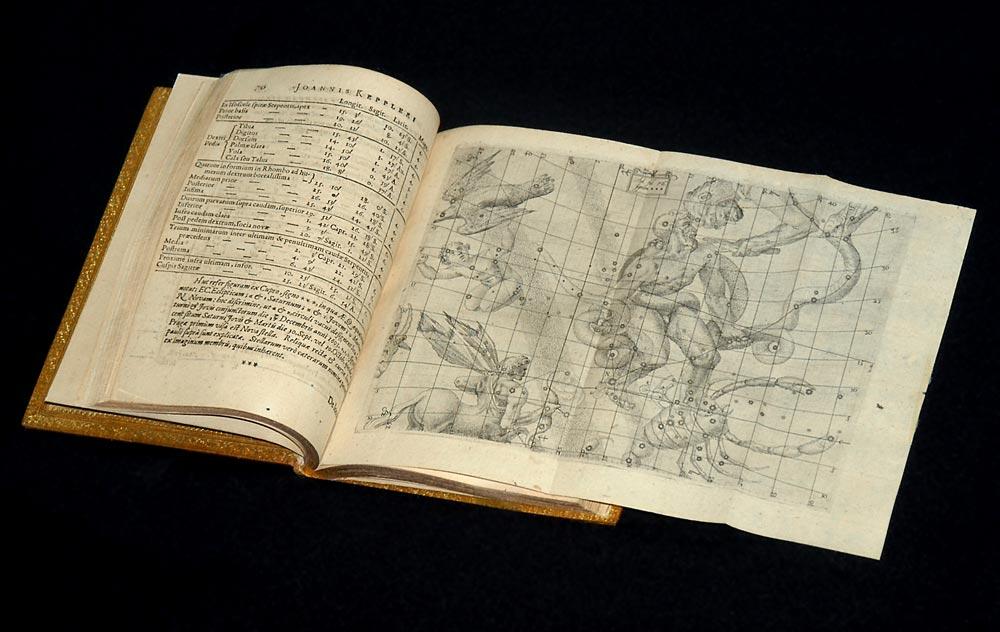
Working off of Tycho’s data, Copernicus’s heliocentric system, and discoveries made by his contemporary, Galileo, Kepler discovered that Mars’ orbit was not a perfect circle around the sun, but was actually an ellipse. He used both Galilean and homemade telescopes (famously creating the Keplerian Telescope) to aid in his research, even confirming Galileo’s observation of four moons around Jupiter.
His theories (or “laws” as he called them) were not taken very seriously by many at the time of publication. You can see the attitudes around heliocentric ideas through Galileo’s experiences. However, many years later, scientists and philosophers like Newton and Voltaire were using some of Kepler’s ideas to help them discuss their own works.
Galileo’s Discoveries Change the Way we Think about the World (1610)
With the newly-invented telescope and building on contemporary heliocentric, Copernican ideas, Galileo made a monumental discovery. In addition to finding spots on the sun and craters on the moon, he also noticed that Venus had phases just like the moon. This disproved Ptolemy’s previous theory and proved that Venus orbited the sun, not the Earth. Additionally, he saw that Jupiter’s moons orbited Jupiter, not Earth, nor the sun.
However, Galileo wrote his books in such a manner that the church deemed his works blasphemous. It promoted heliocentrism in a way they did not approve, including making the Pope seem foolish. The Inquisition deemed it heresy.
Galileo was sentenced to house arrest, and his books were banned in what came to be known as the Galileo Affair. It wasn’t until 1757 that Galileo’s books were unbanned by the church.
Want to understand the enigmas of space like Galileo? Find a private physics tutor on Superprof to get started.
Isaac Newton Publishes His Book on Gravity, “Principia” (1687)
Newton’s book, Philosophiæ Naturalis Principia Mathematica, detailed his discoveries about gravity. He detailed the Law of Universal Gravitation and the three laws of motion, which today are the basis of Newtonian mechanics. Of course, people understood the concept of gravity long before Newton, as described in many Greek, Byzantine, Indian, European, and Islamic scholarly texts through the centuries. However, they didn’t quite understand how it worked.
Newton described universal rules about gravity that explained the how and why of each object’s attraction to the Earth, and by extension, celestial bodies’ arrangement and path around the sun.
His ideas were the basis for all physics until Einstein’s theory of relativity in the 20th century.
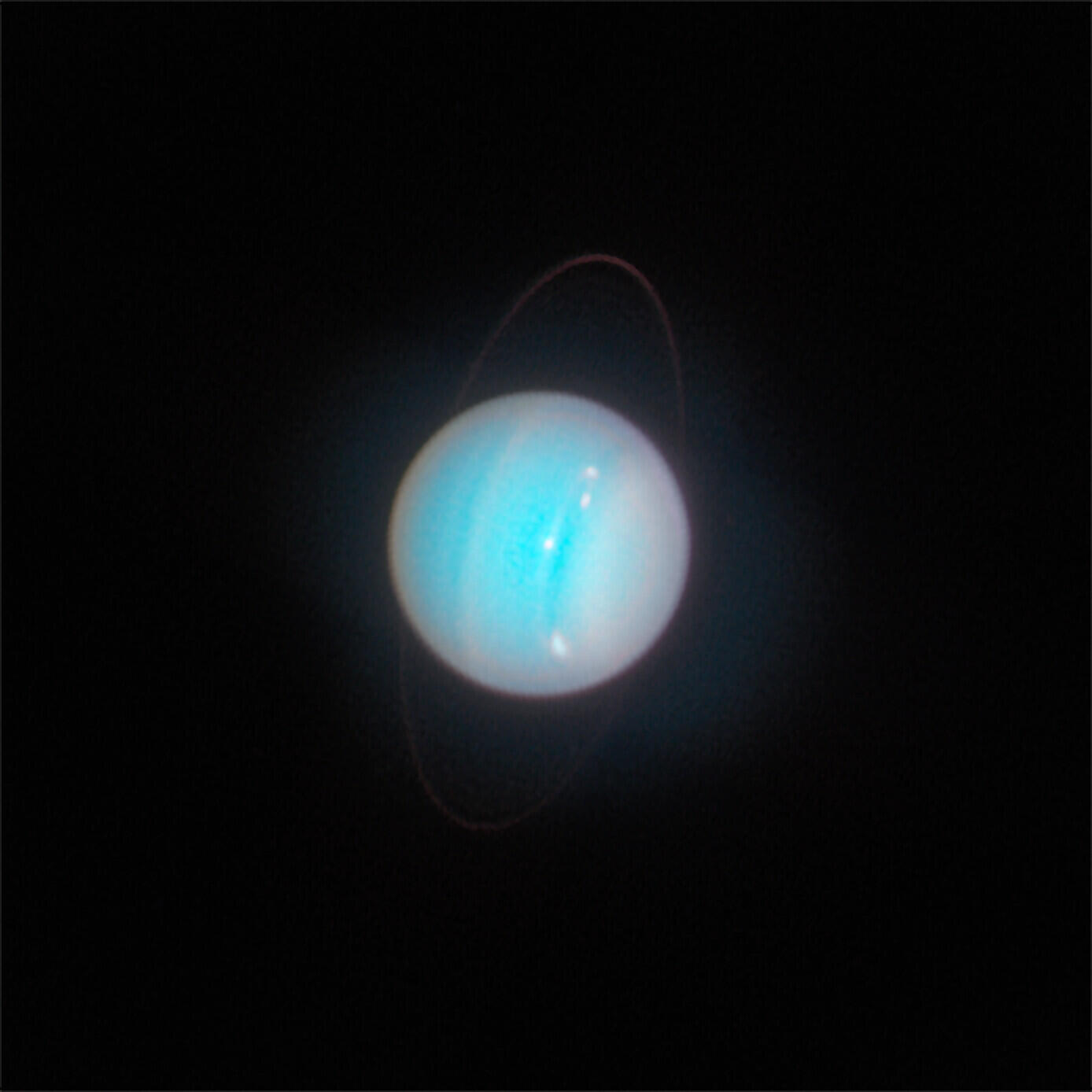
William Herschel Discovers Uranus (1781)
Herschel constructed his own telescope in 1774, as he was interested in surveying the sky. He discovered that many objects that had previously been labelled nebulae were actually clusters of stars.
In 1781, he saw a new object in the sky that hadn’t been classified before. After lots of observation and consultation with fellow astronomers, it was determined that it was a new planet: the first planet to be discovered with the help of a telescope.
All the other nearby planets (Mercury, Venus, Mars, Jupiter, and Saturn) had all been observed and described since at least ancient Babylonian times in the 2nd millennium BCE. So, it had been about 3,800 years since a new planet was found; you can understand why it was a big deal!
The discovery doubled the diameter of the known solar system and made Herschel famous overnight. He also went on to discover several moons of both Uranus and Saturn.
Joseph van Fraunhofer Builds the First Spectrometer (1814)
Fraunhofer was an experienced glassmaker. He invented a machine that polished glass much more accurately than other methods used at the time. He specialised in making glass free of imperfections for use in things like lenses.
He experimented with glass and light, eventually inventing the first spectroscope, which facilitated the viewing of bright fixed lines and dark fixed lines in light spectrums. He deduced that the various dark fixed lines visible in the light rays coming from stars conveyed information about the stars themselves, though he didn’t have the science yet to explain what.
His discovery invented the field of stellar spectroscopy.
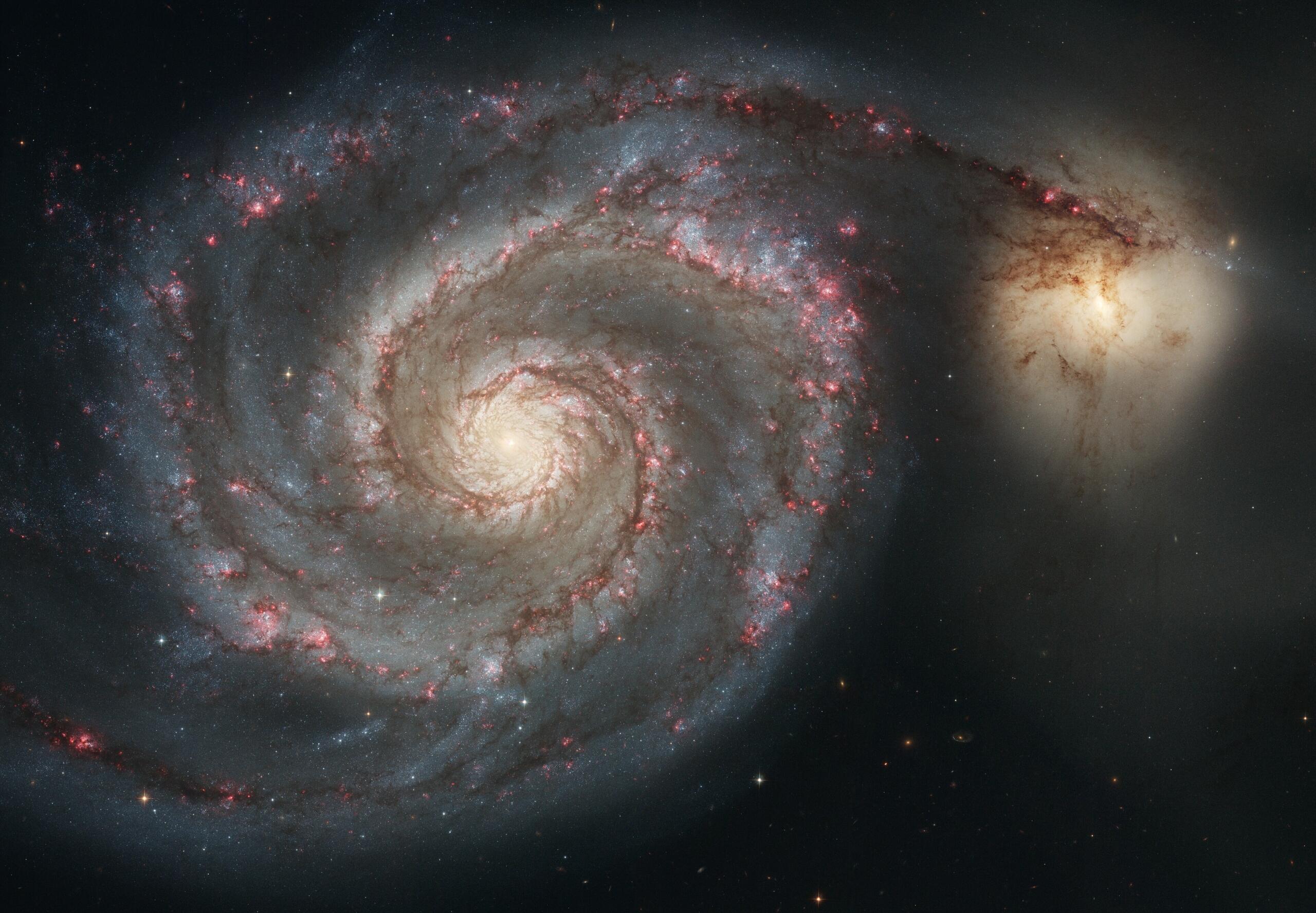
The Largest Telescope Ever Discovers the Whirlpool Galaxy (1845)
William Parsons, 3rd Earl of Rosse, orchestrated the construction of the Leviathan of Parsonstown, the largest telescope that had ever been built. It was located at Birr Castle in Ireland in 1845. The aperture was an astonishing 72 inches (1.8 m), and it remained the largest telescope ever until the early 20th century.
He saw that an object which had been noted by Charles Messier in 1773 as M51 was actually an object with a spiral structure. It was the first time such a thing had been witnessed. He called it a “spiral nebula,” but we now know it to be the Whirlpool Galaxy.
Learn more about astrophysics with a physics tutor Melbourne on Superprof.
Neptune Discovered (1846)
The field of astrophysics started budding in the 1840s, thanks to two astronomer mathematicians: Urbain Le Verrier and John Couch Adams.
In a case of “simultaneous invention”, both began to make calculations about a suspected, but unverified, existence of a planet beyond Uranus.
By that time, Uranus had almost completed one orbit around the sun (one Uranus year). Astronomers of the time realised there were some irregularities in the orbit that couldn’t be explained by Newton’s laws of gravity, unless there was another celestial body at play. So, scientists theorised that there must be another large planet nearby influencing Uranus’ movement.
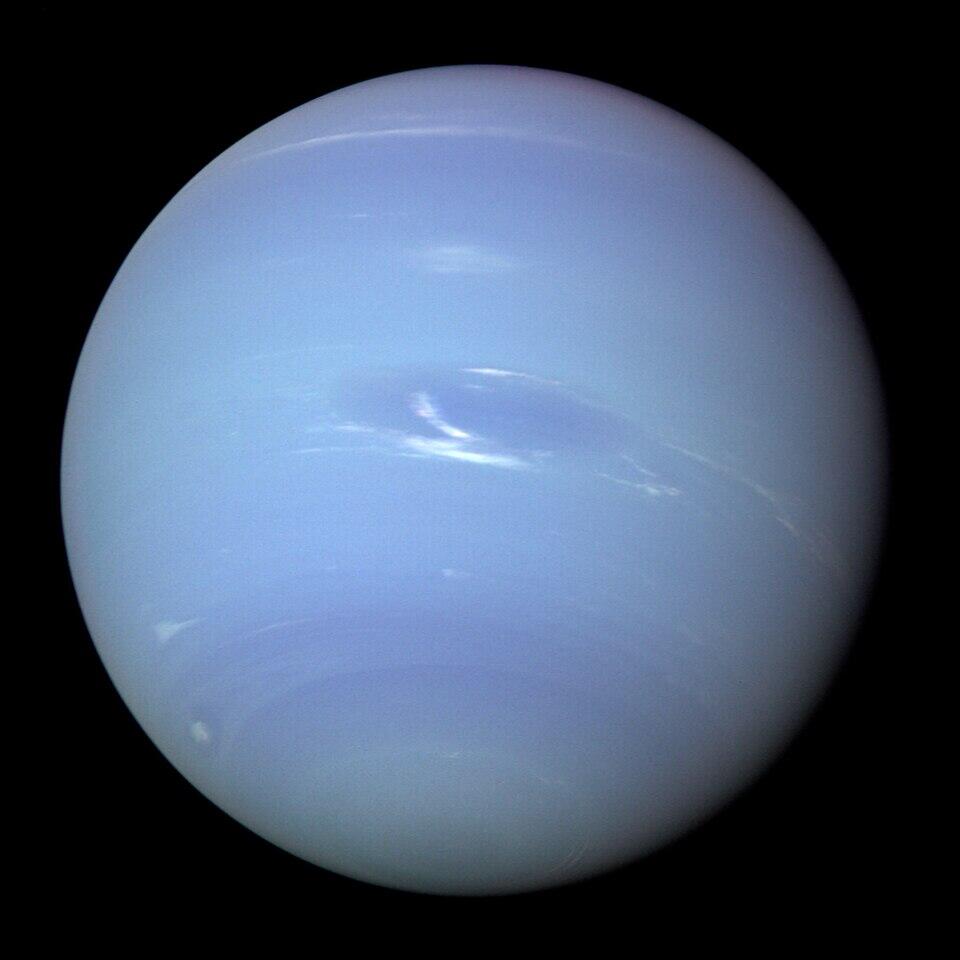
They were correct, and in 1846, at the Berlin Observatory, astronomer Johann Gottfried Galle used Le Verrier’s calculations to point his telescope at the indicated place in the sky. Sure enough, he found the hypothesised planet, Neptune, right where the calculations stated.
After its “discovery”, scientists realised that it had been previously observed by other telescope users in history, as far back as Galileo in 1612, but he and others hadn’t realised it was a planet. It wasn’t until telescope technology improved that viewers could tell what the small blue dot was.
Konstantin Tsiolkovsky Theorises the Possibility of Space Flight (1903)
In the 1890s, Russian rocket scientist Tsiolkovsky developed the theory of rocketry while researching various aircraft possibilities. He developed the first aerodynamics laboratory in Russia and conducted various experiments. His work later inspired Nikolay Zhukovsky, the father of modern aerodynamics and hydrodynamics.
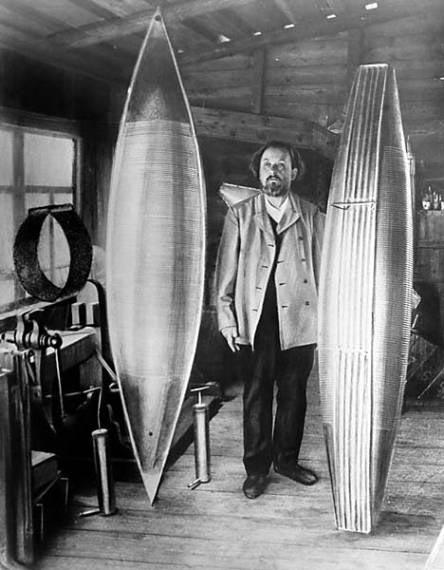
He developed the formula now known as the Tsiolkovsky rocket equation.
In 1903, he published an article titled Exploration of Outer Space by Means of Rocket Devices, which suggested that the only way to achieve the speed required to orbit the Earth was with a multistage rocket using liquid oxygen and liquid hydrogen.
His equation is still the basis of all space travel today.
Einstein’s Theory of Relativity Blows Astrophysical Minds (1905 & 1915)
By this time, more advances in physics, calculus, and other advanced maths and sciences were beginning to reveal gaps in Newton’s laws. Scientists were met with the challenge of developing new theories to explain and hypothesise about universal phenomena.
Albert Einstein was a theoretical physicist who was clearly very good at his job. In 1905, he proposed the theory of special relativity, and in 1915, he published the theory of general relativity. Combined, they make up the theory of relativity.
Einstein’s equation proves that space and time are linked and is used to explain how light and gravity work at high speeds and masses.
Since its invention, the theory has been used to explain the law of gravitation in cosmological and astrophysical circumstances. Famously, it has been used to help scientists improve their studies in particle physics, nuclear science, and cosmological predictions like neutron stars, black holes, and gravitational waves.
Henrietta Swan Leavitt Discovers the “Standard Candle” for Space Measurements (1912)
Leavitt was a student at Harvard University’s women’s programme (known as Radcliffe College). After graduation, she worked as a human computer at the Harvard College Observatory, later working as a measurer and cataloguer of stars from the observatory’s photographic plate collection.
She studied variable stars at her job at the observatory and began publishing about her observations, notably that brighter Cepheid variables (a type of star) had the longer period. In short, she noted that brightness could be used to estimate the distance of Cepheids.
This information was used to deduce that Delta Cepheus was the “standard candle” by which to calculate the distance to another galaxy, which had not been reliably possible before.
Edwin Hubble Proves that Galaxies Exist Beyond Our Own (1923)
Hubble changed the way astronomers looked at space. Previously, anything that was non-identifiable was chalked up as a “nebulae”, a cloud of dust. Using the new 100-inch Hooker Telescope at the Mount Wilson Observatory in California, Hubble made observations that had never been possible before.
He identified Cepheid variables in several nebulae, including the Andromeda Nebula and the Triangulum Nebula. His observations led to several conclusions:
- Some of the nebulae in space were actually much farther away than previously known
- The universe is expanding outward
- Some of the nebulae are actually galaxies
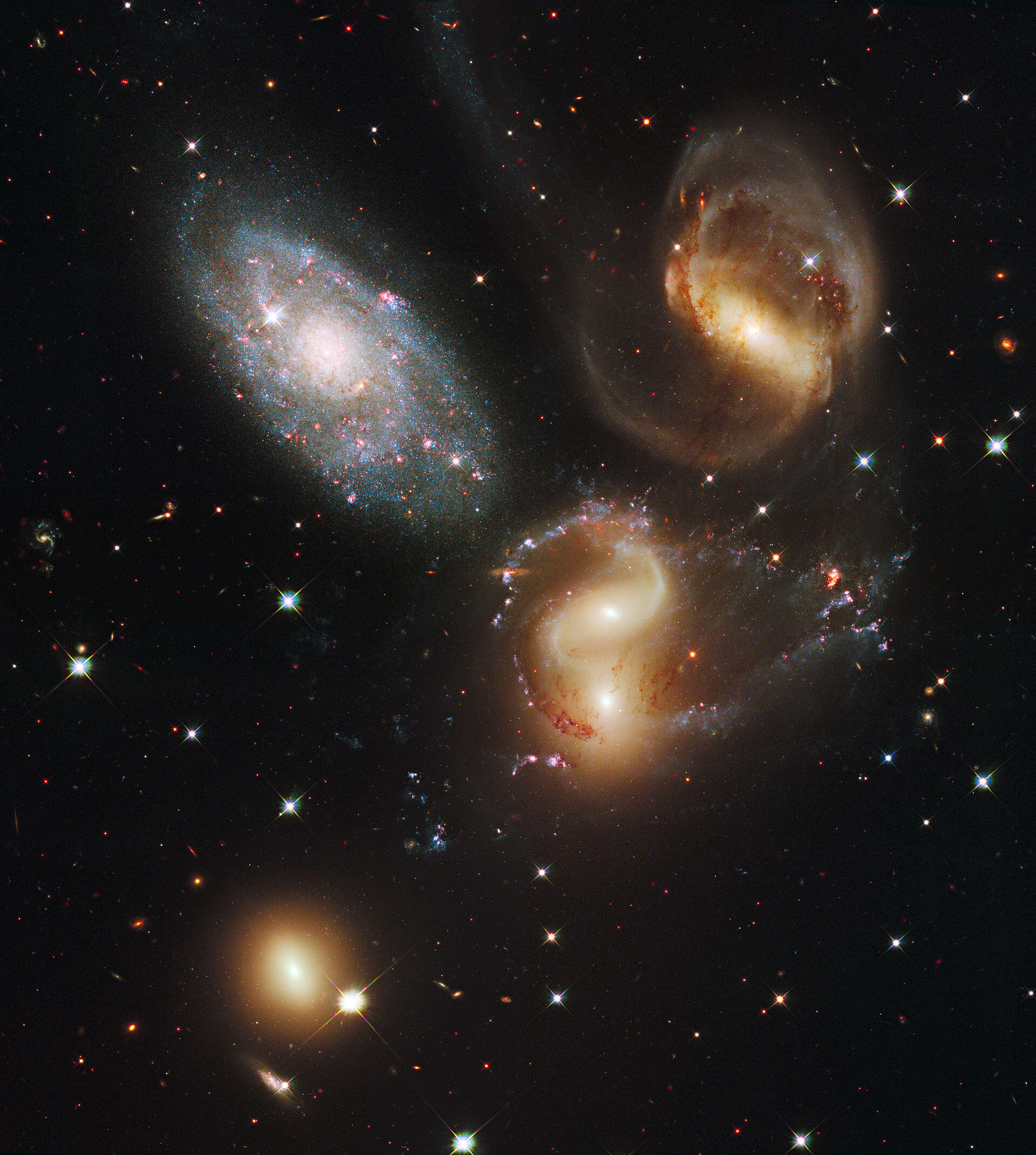
This was revolutionary: previously, it had never been proven that there could be another galaxy besides the Milky Way.
Cecilia Payne Uses Spectroscopy to Show that Stars are Mainly Hydrogen (1925)
Payne used spectroscopy and Indian physicist Meghnad Saha’s ionisation theory to determine which elements are present in the sun. Payne saw that there were silicon, carbon, and several common metals in the sun’s spectrum; she also found copious amounts of hydrogen and helium.
She concluded that stars are mostly made of hydrogen, which also implied that hydrogen was the most abundant element in the universe.
Henry Norris Russell urged Payne to downplay her discovery because it went against the commonly-held belief about the Earth being similar in composition to the sun. Four years later, Russell came to the same conclusion through different methods and gave only the smallest mention of Payne’s work, effectively stealing credit for the discovery.
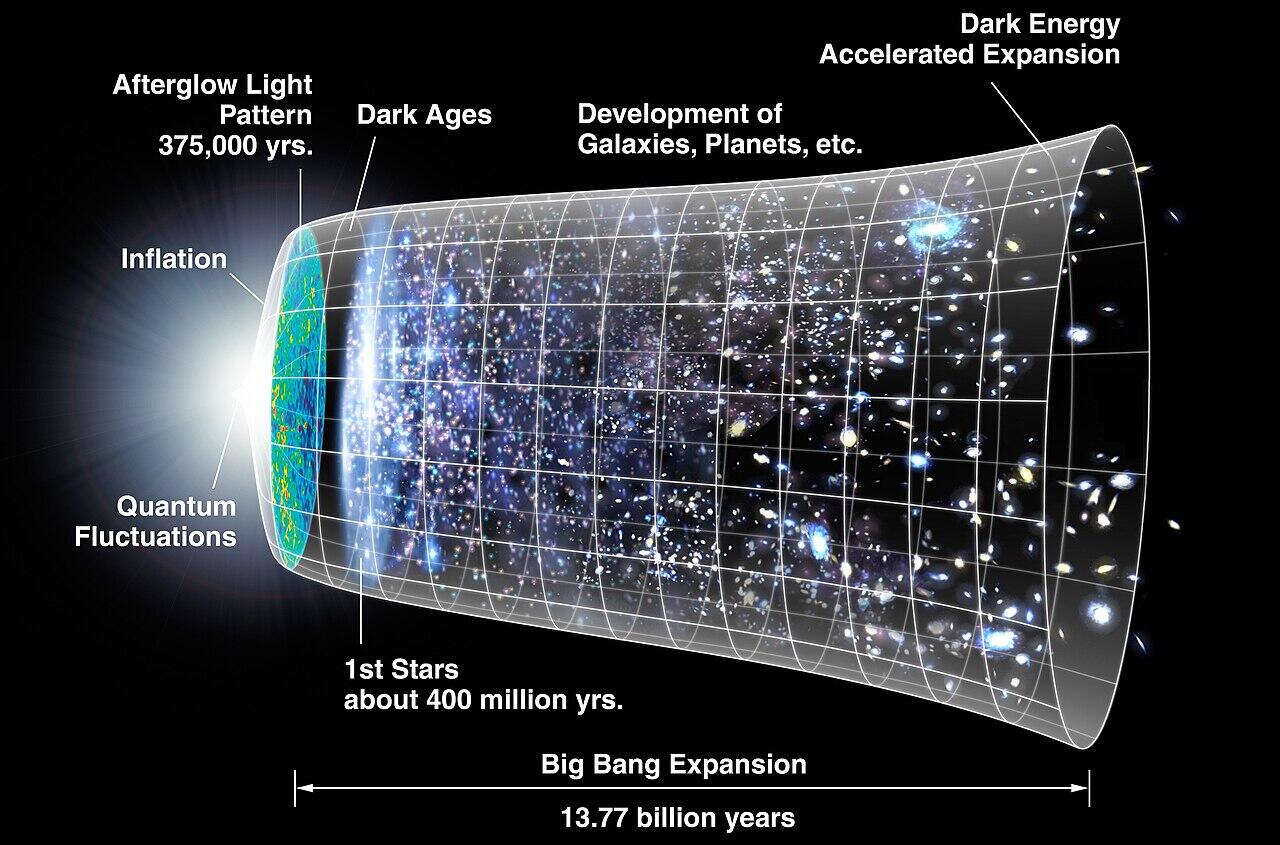
The Discovery of the Big Bang (1927)
Georges Lemaître changed cosmology forever when he suggested that the universe emerged from a “primeval atom.” Previously, Alexander Friedmann (1922) and Edwin Hubble (1929) had each proposed that the universe was expanding and had posited their own mathematical equations about it.
However, Lemaître was the first to suggest it all came from a singular point.
While the Big Bang theory is not bulletproof, it’s been the best model for scientists to operate under since its widespread acceptance in the 1960s.
Take classes here with a Superprof physics teacher and wrap your head around complex theories.
Hans Bethe Explains What Happens in the Centre of the Sun (1938)
Bethe was a German-American physicist who contributed to many fields of science, including nuclear physics, astrophysics, quantum electrodynamics and solid-state physics.
In 1938, he attended a conference co-held by the Carnegie Institute and George Washington University about stellar energy generation. The other scientists there had been stuck on a way to explain the sun’s energy in relation to its known temperature, density, and chemical composition. He researched with fellow mathematical physicist Charles Critchfield and ended up writing two papers, one with Critchfield and one solo.
The solo paper was about the carbon-oxygen-nitrogen (CNO) cycle and was published by the New York Academy of Sciences and later the Physical Review. The research, which identified nuclear fusion as the source of the sun’s persistent energy, earned him a Nobel Prize in Physics in 1967.
The First Person on the Moon (1969)
In the 1950s, the Cold War motivated the USSR and the US to frantically reach for the stars. In 1957, the Soviets launched the first satellite, Sputnik I, into space. They were also the first to send a human into orbit: Yuri Gagarin in 1961 on Vostok I.
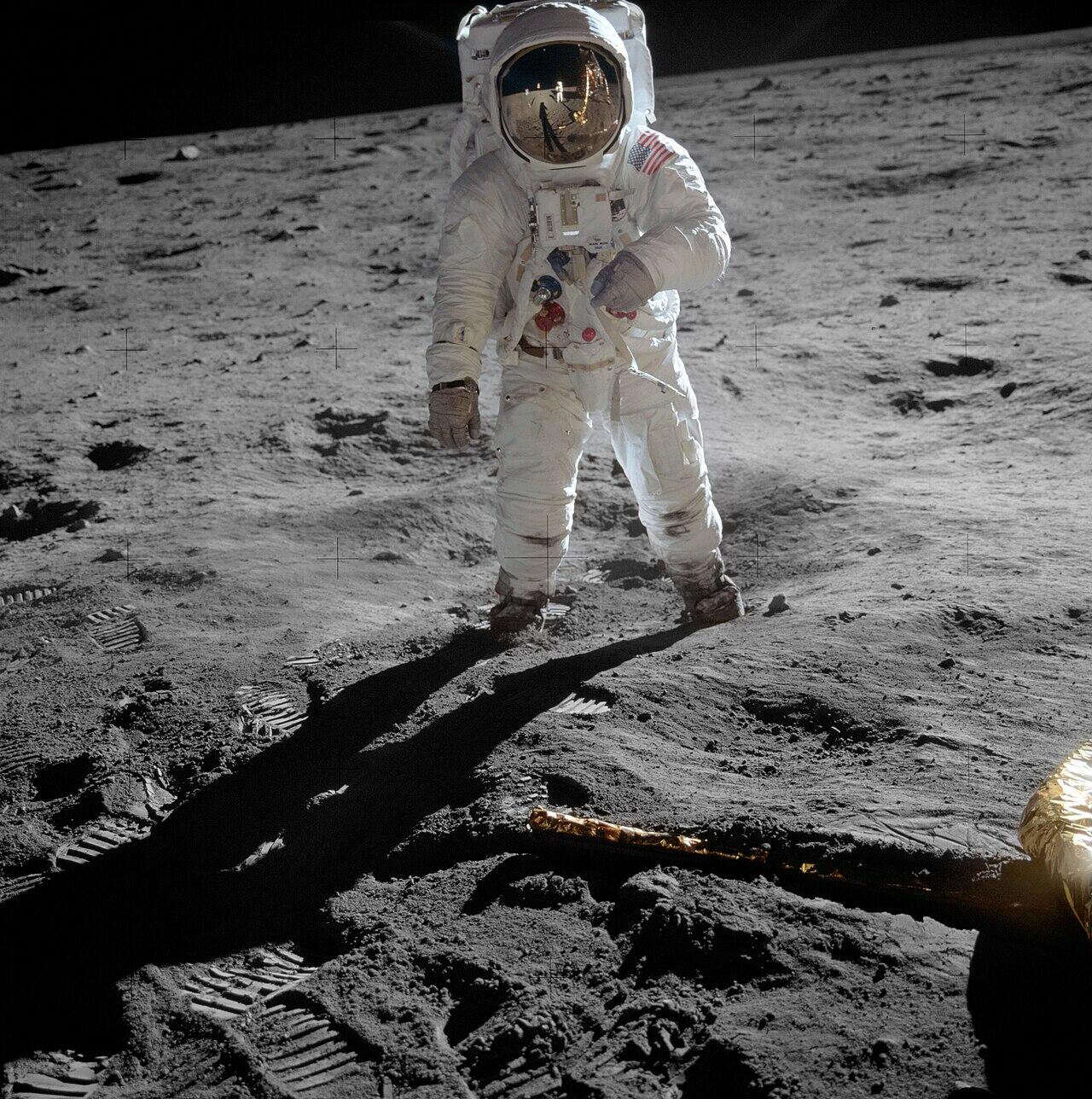
Not to be outdone, the US used Apollo 11 to bring astronauts Neil Armstrong and Buzz Aldrin to the surface of the moon. They collected the first samples from the moon, including rocks and soil, allowing scientists to study materials from a celestial object (besides meteorites) for the first time.
The advances in rocketry, physics, and all the sciences required to pull off a successful mission improved exponentially during this era of the Space Race, when abundant funding poured into space programmes like NASA.
The First Landing on Mars (1971)
In the next phase of the Space Race, the USSR made the next move. They successfully sent a spacecraft, Mars 3, to the surface of Mars. However, it quickly failed and stopped transmitting after 20 seconds.
In 1971, the US’s Viking I successfully landed on Mars and transmitted data for 2,307 days (about 6.5 years). It took many pictures, tested soil samples on site, and recorded atmospheric temperatures.
Since then, several other probes have been sent to both orbit and land on Mars for more research, but no missions to return samples have been arranged yet. When sample return missions do get completes, we will likely get closer to answering the question: does life on other planets exist?
Proof of a Black Hole (1972)
Scientists had speculated about the existence of black holes for centuries. Thanks to Einstein’s theories, the possibility seemed more likely.
In 1964, rockets carrying Geiger counters were launched, which elevated above the part of Earth’s atmosphere that interferes with X-ray emissions from space. There, the rockets detected eight sources of cosmic X-rays, but solid conclusions were not made at this time.
Louise Webster and Paul Murdin independently discovered Cygnus X-1 at the Royal Greenwich Observatory at the same time as Bolton.
Years later, Charles Thomas Bolton observed star HDE 226868 from the Dunlap Observatory in Toronto, Canada. He noticed it wobbled as if it were orbiting around an invisible yet massive object. That object was one of the X-ray emitting objects discovered in 1964. Calculations showed that the object would have needed more mass than a neutron star to produce the wobble in HDE 226868.
By 1973, the astronomical community agreed that the object, called Cygnus X-1, was likely the first identified black hole.
Hubble Space Telescope Launched (1990)
Though it was not the first telescope launched into space (that was the Proton-1 from the USSR in 1965), it’s probably the most well-known space telescope today (along with the James Webb). It measures ultraviolet, visible, and near-infrared light.
Named after Edwin Hubble, the telescope is used to capture extremely high-resolution images of celestial objects. Thanks to the Hubble, scientists have been able to survey parts of the solar system and the Milky Way like never before. The images can be used to create 3D models of space, which was never reliably possible before.
It also helps boost astrophysics in the public eye by capturing incredible photos of scenes found in space.
Some of its most famous images include the Pillars of Creation (1995), Hubble eXtreme Deep Field (HXDF) (2012), and the photo series of Caldwell 69 (aka NGC 6302) from 2009.
NASA’s Voyager 1 Leaves the Solar System and Enters Interstellar Space (2012)
Voyager I was launched in 1977 to study the Solar System and the space beyond the sun’s heliosphere. In its voyage across space, it has observed Jupiter, some of Jupiter’s moons, Saturn, and some of its moons. On 25th August, 2012, it crossed the heliopause and entered interstellar space. It’s the first human-made object to exit the solar system.
As of January 2026, Voyager I has been flying through space for over 48 years.
First Image of a Black Hole (2019)
The Event Horizon Telescope (EHT), invented in 2009, is actually an array of radio telescopes arranged in a global network. Through arranging data provided by the array, scientists were able to generate an image of the M87 black hole.
This incredible feat shows information that matches the theories scientists had been expecting, proving once again that maths and physics can be used to predict real objects and phenomena in the universe.
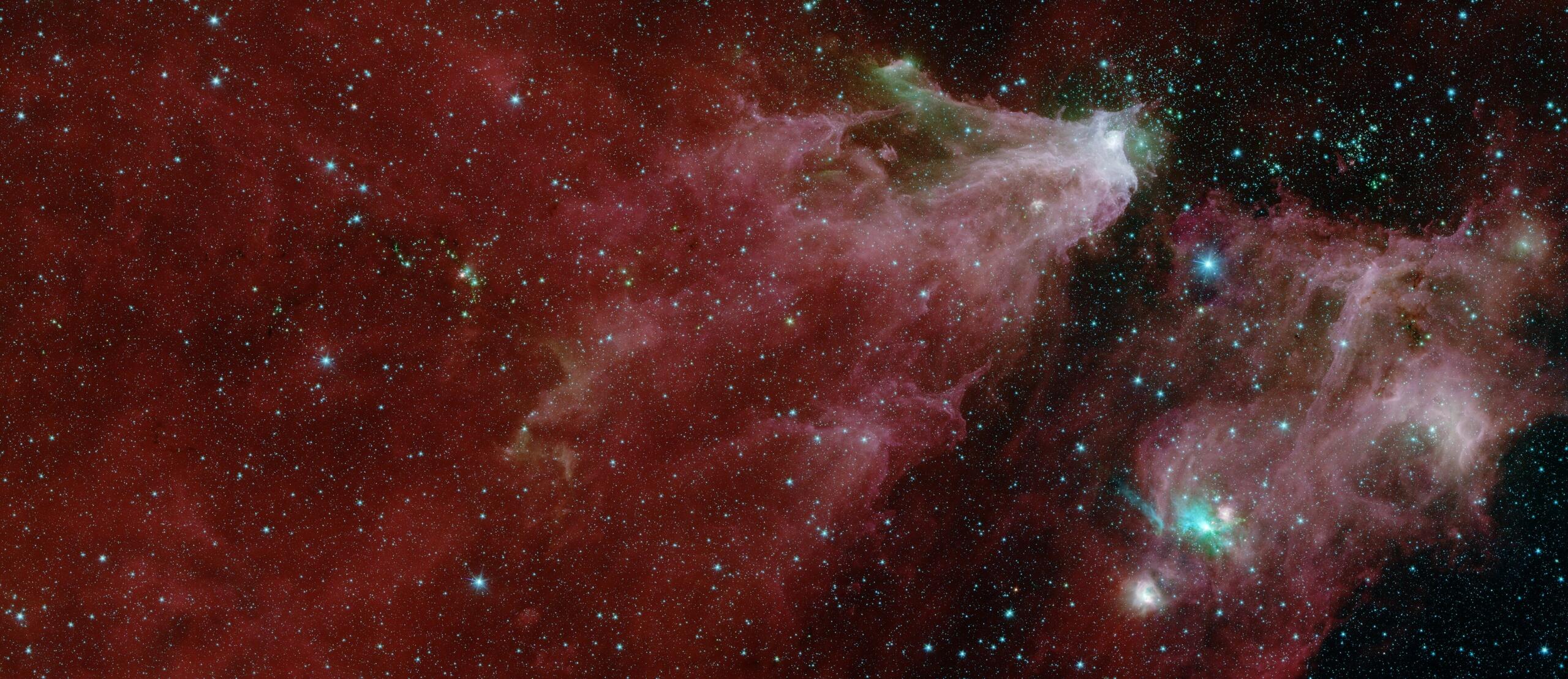
The Radcliffe Wave Reveals the Interconnectedness of Space (2020)
In 2020, scientists discovered the Radcliffe Wave, an 8,800 light-year-long gaseous structure in the Milky Way. Found by an international team of astronomers, including Catherine Zucker and João Alves, the discovery was made with data from the European Space Agency’s Gaia observatory. Before the discovery, the existence of the wave was completely unknown.
In 2022, it was revealed that the wave actually waves through space, rippling along and creating the perfect environment for new stars to form.
As research continues, scientists may find that the wave points to a smaller galaxy having collided with the Milky Way at some point in the past. It’s also been posited that the wave is what caused our sun’s formation. Time and more research will tell!
The question is, what caused the displacement giving rise to the waving we see? And does it happen all over the galaxy? In all galaxies? Does it happen occasionally? Does it happen all the time?
Alyssa A. Goodman
MOXIE Produces Oxygen on Mars (2021)
The Mars Oxygen In-Situ Resource Utilization Experiment (MOXIE) was performed with a device on the Perseverance rover. It used solid oxide electrolysis to convert carbon dioxide found in Mars’s atmosphere into oxygen. This experiment proved that it might be possible to create breathable oxygen on Mars at rates that could sustain human life.
Parker Solar Probe Touches the Sun’s Corona (2021)
Launched in 2018, the PSP crossed into the solar corona for the first time in 2021, becoming the first manmade object ever to do so. It was named after astrophysicist Eugene Newman Parker, who predicted important aspects of solar physics, including nanoflares and solar wind, in the 1950s. The probe has encountered important information about the sun’s magnetic waves and plasma flares, as well as a cosmic dust-free zone around the sun.
New information about the solar system is being discovered every day. As science advances, the type of information being discovered becomes more and more complex. It’s astonishing to remember that it was only about 100 years ago that we first realised there could be more than one galaxy in the universe, and now we are constantly discovering new ones! What new discoveries will the next century have in store?
Summarise with AI:
Enjoyed this article? Leave a rating!

 Loading...