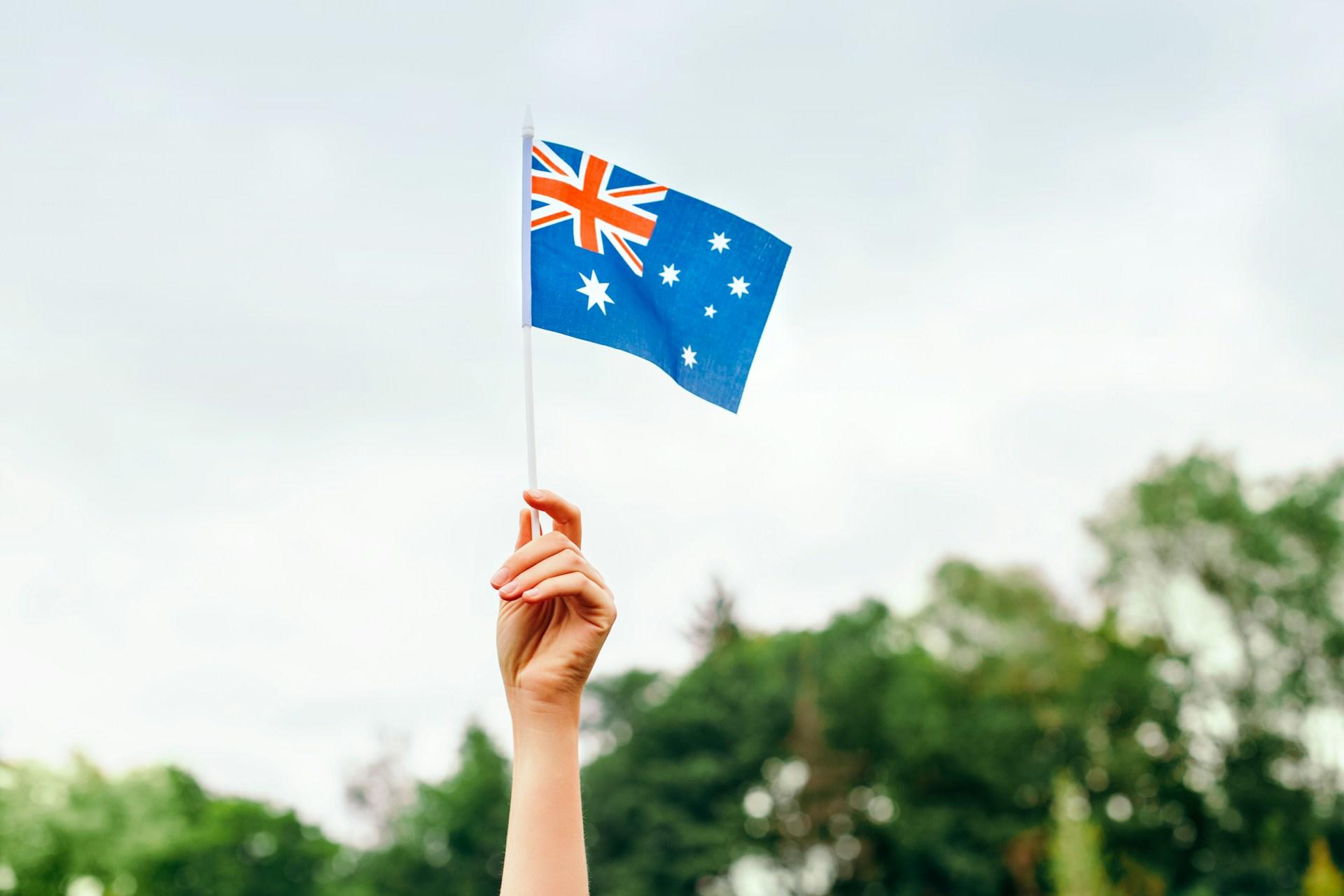

In the evening of the 26th the colours were displayed on shore ...
From Arthur Phillip's Account
The French have Bastille Day, and the Americans celebrate July 4 as their day of independence from the Crown. Those occasions mark pivotal events that changed the course of history. Many countries celebrate such 'national days'; China celebrates for an entire week.
In Australia, our day to mark national 'pride' falls on January 26. That's the day the British Naval captain, Arthur Phillip, landed at Sydney Cove, and established the first European permanent settlement. Is that, indeed, a toast-worthy event? This article explores the history of Australia Day, and how today's Australians strive to make it more meaningful.
What Does Australia Day Celebrate?
- Initially, it celebrated the European presence in Australia
- In the early 1800s, it celebrated people's "love of the land they live in"
- Early in the 20th Century, celebrations meant to stir patriotic feelings
- Today, it's about recognising citizen contributions to Australia, and reflecting on the past


History of Australia Day
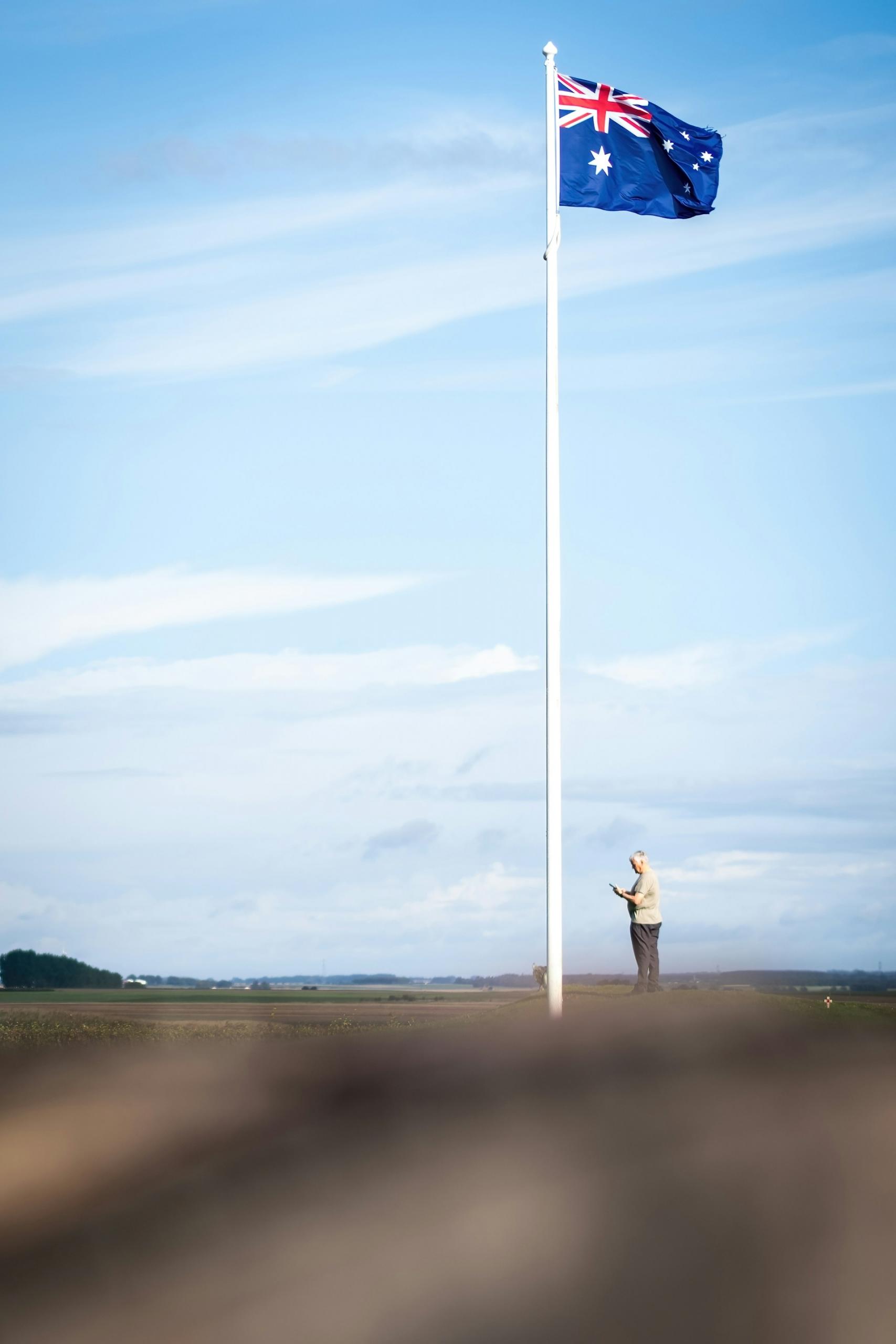
It might beggar belief that European Australia began because of the United States. Great Britain was in a bind, because it had just lost its (relatively) nearby colonies. It needed someplace else to send its convicts.
The British Admiralty tasked Captain Arthur Phillip with establishing a penal colony in the distant land. What we now call Australia was already known and claimed in the United Kingdom (UK). Lieutenant James Cook did that, in 1770.
Eleven ships made up the First Fleet. They contained plenty of muscle to build the first outposts. However, sailing into Botany Bay, as instructed, proved that the area was not suitable for colony building. So, Captain Phillip, along with a contingent group, sailed 12 kilometres up the coast, to Sydney Cove.
Captain Phillip named his proposed colony site after Home Secretary Thomas Townsend, 1st Viscount Sydney.
It wasn't a simple matter of lifting anchor and pulling away from Botany Bay. The ships had a storm to wait out, and a couple of French adventurers to negotiate with. Nor was the land empty and for the taking. More on that in the next segment, though.
Once all the ships made it to Sydney Cove, on January 26, 1787, the transported convicts were immediately put to work. They cleared the land, built housing and a prison, and secured food and water.
The settlement (colony) didn't get its official proclamation until more than a year later.
On February 7, 1788, Arthur Phillip's governorship was made official. Also on that date, the entire land was vested to King George III.
Our Australian historical film catalogue includes titles about early European settlement. Among them, you'll find The Birth of White Australia and Botany Bay. The latter is an American production, based on the Nordoff-Hall novel of the same title.
Australia Day: Aboriginal Perspective
As Europeans unloaded their ships into their future colony, the land's inhabitants came to see what was going on. Presumably, the Europeans' intention was to cooperate, coordinate, and be courteous with Indigenous People.
Nevertheless, conflict erupted as the newcomers claimed more land and resources. Disease decimated the Native populations, particularly smallpox and chickenpox, to which they had no immunity.
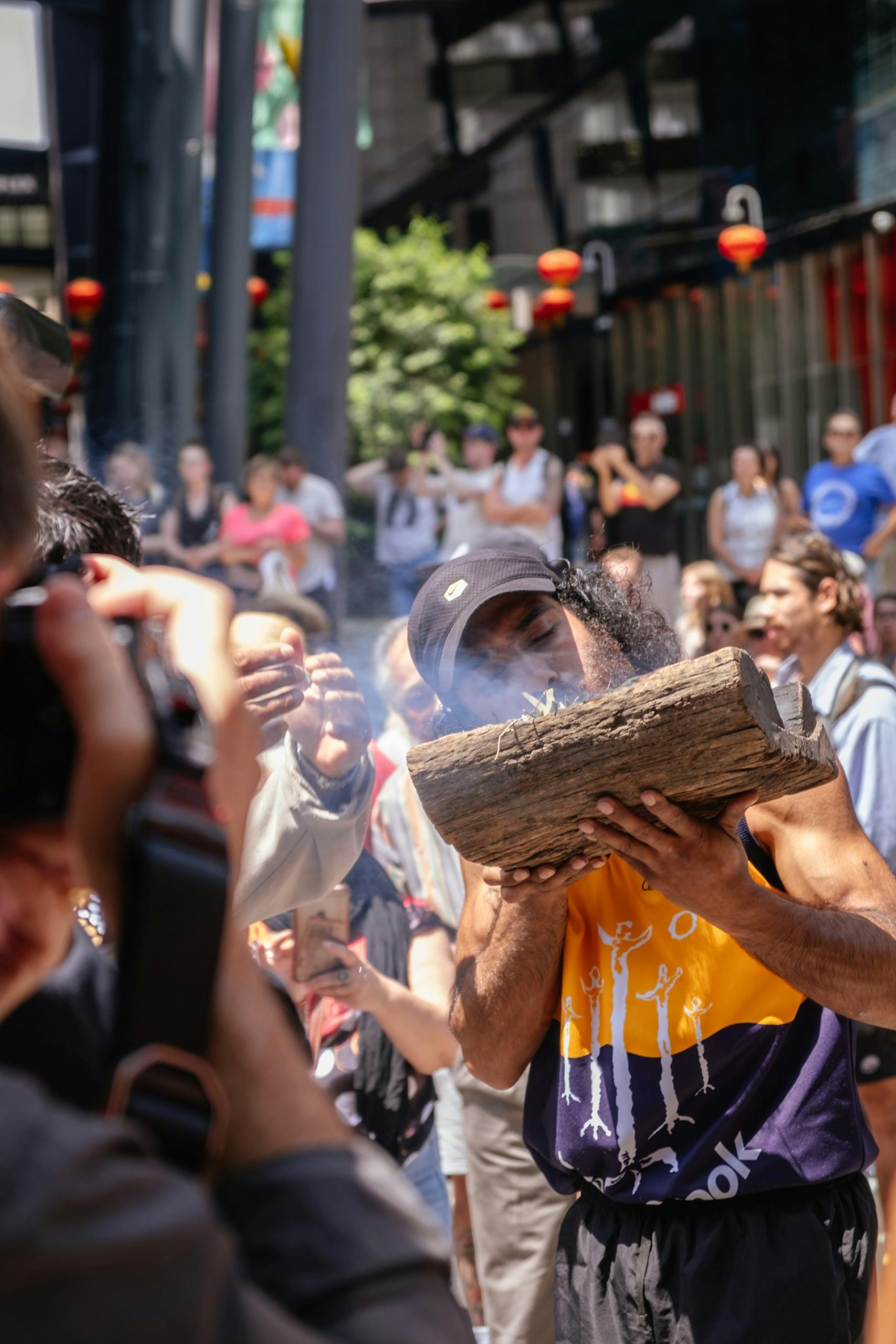
Though not always removed from particular locations, Aboriginal People were sidelined and marginalised. During the 1970s and 80s, Indigenous Peoples began the outstation movement. Entire groups of Peoples removed themselves to remote areas, far from the communities where they'd been settled.
A movement where Indigenous groups move to isolated communities to sustain their relationship with their ancestral lands and maintain their cultural traditions.
This initiative restored the Peoples' connection to their lands, traditions, and beliefs. It also shows how long their wounds have festered, and how sincere their desire is to uphold their way of life.
Still, not everyone outstationed themselves. Those who remain are politically engaged. Every Australia Day is an occasion to protest, and to insist on Indigenous Peoples' rights. More and more, Australian citizens agree, and join the Indigenous Peoples' movement.
Why Is Australia Day Called Invasion Day?
For European settlers, convicts or not, colonising Australia was a monumental win. For the Peoples of this land, it was an invasion.
Indigenous Peoples had lived here for thousands of years. Suddenly, they were being shunted aside, denied their culture, traditions and beliefs. Their resources were captured, and they were forced to fit in with this new society.
Aboriginal exclusion was standard in many of Australia's defining events. For instance, Aboriginal People were barred from volunteering for military service during the First World War. This makes observing Anzac Day more of a struggle for these community members.
26 January Australia: Events in All the States
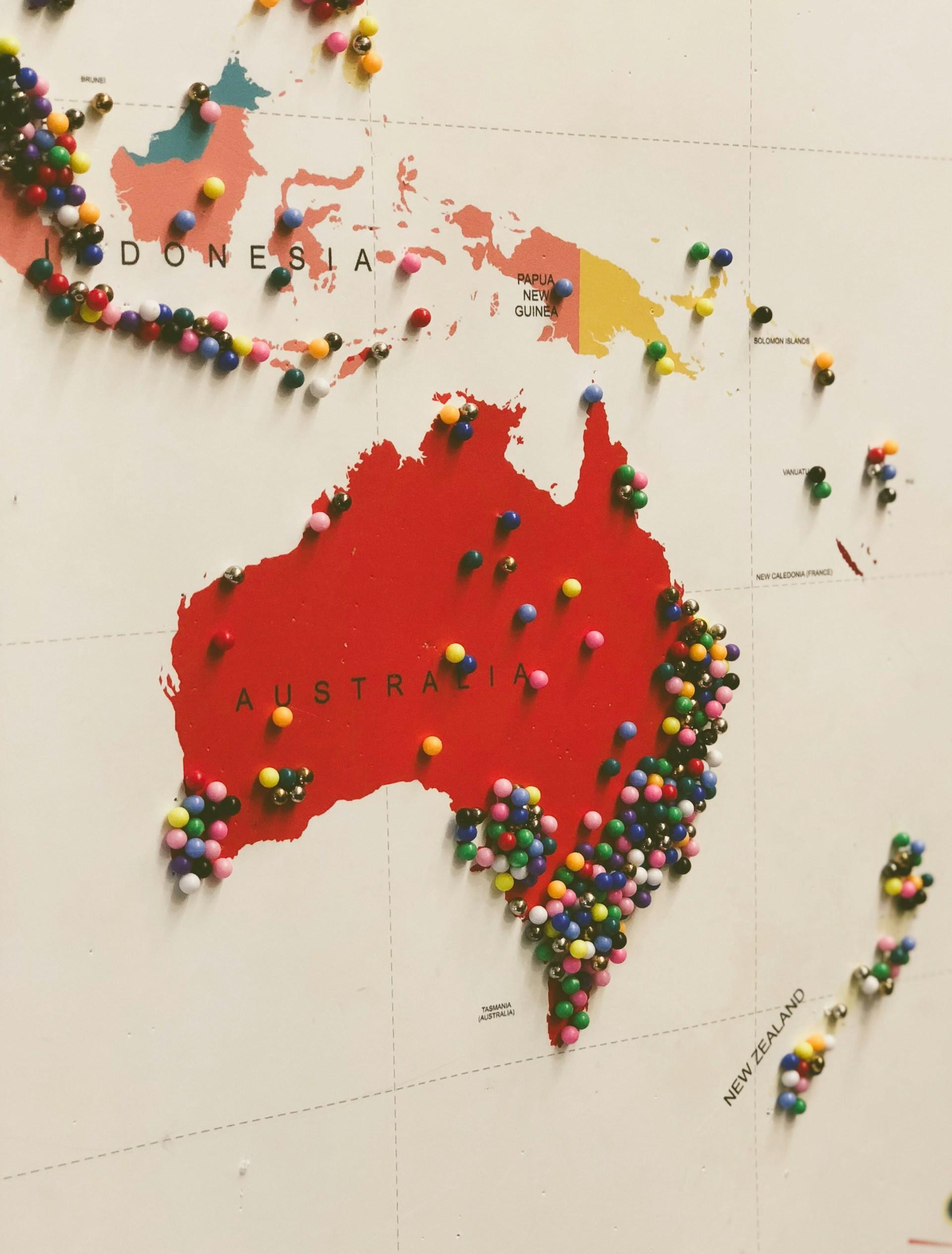
We grow more respectful of our Native populations, while still celebrating the day Europeans claimed Australia. Studying the states' calendars of events, we find more inclusion every year.
Last year (2023), Sydneysiders woke up early for Dawn Reflections, an Aboriginal art display projected onto the Opera House. Citizenship ceremonies and giving out awards are two of Australia Day's main activities.
Many of us enjoy a Big Blue match, too. Besides these nationwide doings, each state and territory has its own schedule of events.
Celebrations in the Australian Capital Territory (ACT)
Regatta Point is the hub for all the day's activities. Families may enjoy performances from artists from various cultural backgrounds, and sample an array of foods. Be sure to catch the We Are One concert, and the Afro Aboriginal Dance Show, in Gungahlin.
Australia Day in New South Wales
NSW outdoes the rest of the country with its long list of Australia Day happenings. Much as it does with its many Australian Christmas events, we might add. You may start your day with the Dawn Reflection in Sydney Harbour, and end it at Circular Quay's free concert.
Don't forget the Ferrython! And check in on the many regional events, too. NSW's Australia Day extravaganza has a lot to do with that region being where the first Europeans made landfall.
Victoria's Australia Day Events
From the early-morning flag raising ceremony to the fireworks show at night, Victoria packs its Australia Days with loads of activities.

Museums and gardens beckon, and you'll find something to do all day at Federation Square.
Tasmania and Australia Day
Depending on where in Tasmania you are, you can enjoy a fishing forum, free events at the library, or beer and barbecue. Cultural shows and installations are typically free of charge.
Australia Day Doings in South Australia
In Adelaide and throughout the state, concerts, cinemas and ceremonies are the order of the day. You'll also enjoy cultural performances, and a lovely fireworks display after dark.
Australia Day in Western Australia

This state already has its Australia Day 2025 calendar full of attractions, many of which are multicultural. In Darkan, the pool promises free entry after 4 PM, and you can let them treat you to barbecue, juice, and ice cream.
If you'd rather not swim, plan on Rich Cultures Australia Day. The Culturally and Linguistically Diverse (CALD) community joins forces to give revellers food, live music, and family fun.
How Queensland Marks Australia Day
Many recreational facilities in and around Brisbane stage shows and events free to the public. One might splash around at the Lawnton Aquatic Centre, or take part in activities at Settlement Cove. Museums offer free entry, and various groups serve free barbecue.
Queensland is as generous with its Australia Day offerings as with its Easter holiday events. Revellers have many shows and activities to attend, free of charge.
What Is Australia Day?
January 26 marks a land grab and a massacre - or, more specifically, a series of them. It also marks an era when convicted criminals found respect, love for a land, and the joy of belonging.
On that day, in 1808, emancipated convicts toasted their new home "with drinking and merriment", according to Manning Clark's writings. Beginning that year, celebrations followed a pattern. By sundown on January 25, the tables were set and the spirits began to flow.
Anniversary dinners to commemorate the first colony's founding fell under the banner of Foundation Day. Until 1888, these celebrations were strictly NSW events.
Over time and across Australia, the day took different names. For instance, Adelaide called its January 26 ado Foundation Day, to replace its former Accession Day celebration. However, it wasn't until the First World War that Australia Day became a unifying concept.
Ellie Wharton Kirke had four sons, all of whom enlisted for battle. She fought for a National Day, as a fundraising event for wounded soldiers.
Dame Kirke's initiative took root in July and, for several years after her initial gambit, that's the month Australians celebrated National Day. Soon after the war's end, people started talking about January 26 as a likely day for patriotic expression.
Of all the public holidays on Australian calendars, Australia Day is perhaps the most controversial. Citizenship ceremonies and atonement for past deeds point to how far Australian civil society has advanced. Still, we may never be able to fully make up for past deeds.
Summarise with AI:
Did you like this article? Leave a rating!

 Loading...