

Australia has a lengthy history with cinema and was even the first country in the world to produce a feature-length film.
Naturally, this means that there are plenty of talented directors and filmmakers. We've chosen 15 here, but if you think we've made any glaring omissions, you can certainly tell us in the comments!


Peter Weir
For many, Peter Weir is one of the greatest Australian filmmakers.
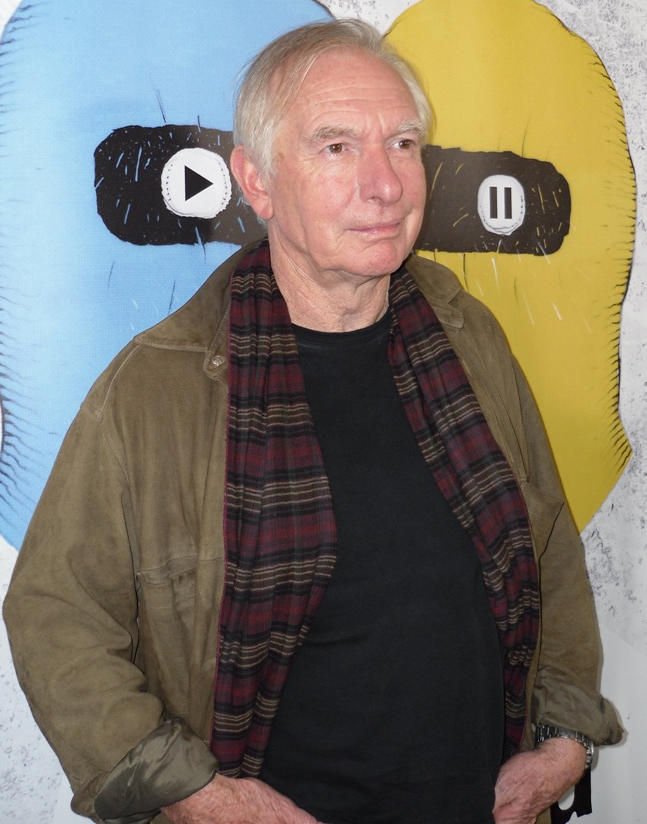
He's known for nuanced storytelling and captivating visuals. He was a proponent of the Australian New Wave movement that helped revive Australian cinema in the 1970s.
Take his film Picnic at Hanging Rock (1975), for example. Based on Joan Linsay's novel, this is a haunting and ambiguous film that both Australian and international audiences enjoyed.
In Gallipoli (1981), he explored friendship and sacrifice through the lens of Australia's role in World War I, shaping the country's cinematic identity in the process.
From Australia to Hollywood, international audiences will likely be more familiar with the film Dead Poets Society (1989) starring Robin Williams.
Then there's Weir's 1998 film The Truman Show, which again featured a famously comedic actor, Jim Carrey, in a more serious role and explored the ideas of media control and personal freedom.
Notable Works: Picnic at Hanging Rock, Gallipoli, Dead Poets Society, The Truman Show
Awards: BAFTA, Academy Award nominations, Directors Guild of America awards
George Miller
Australian director George Miller introduced audiences to the post-apocalyptic world of Mad Max (1979) and one of Australia's most famous actors. This low-budget action film achieved global success and helped form an entire genre and a trilogy.
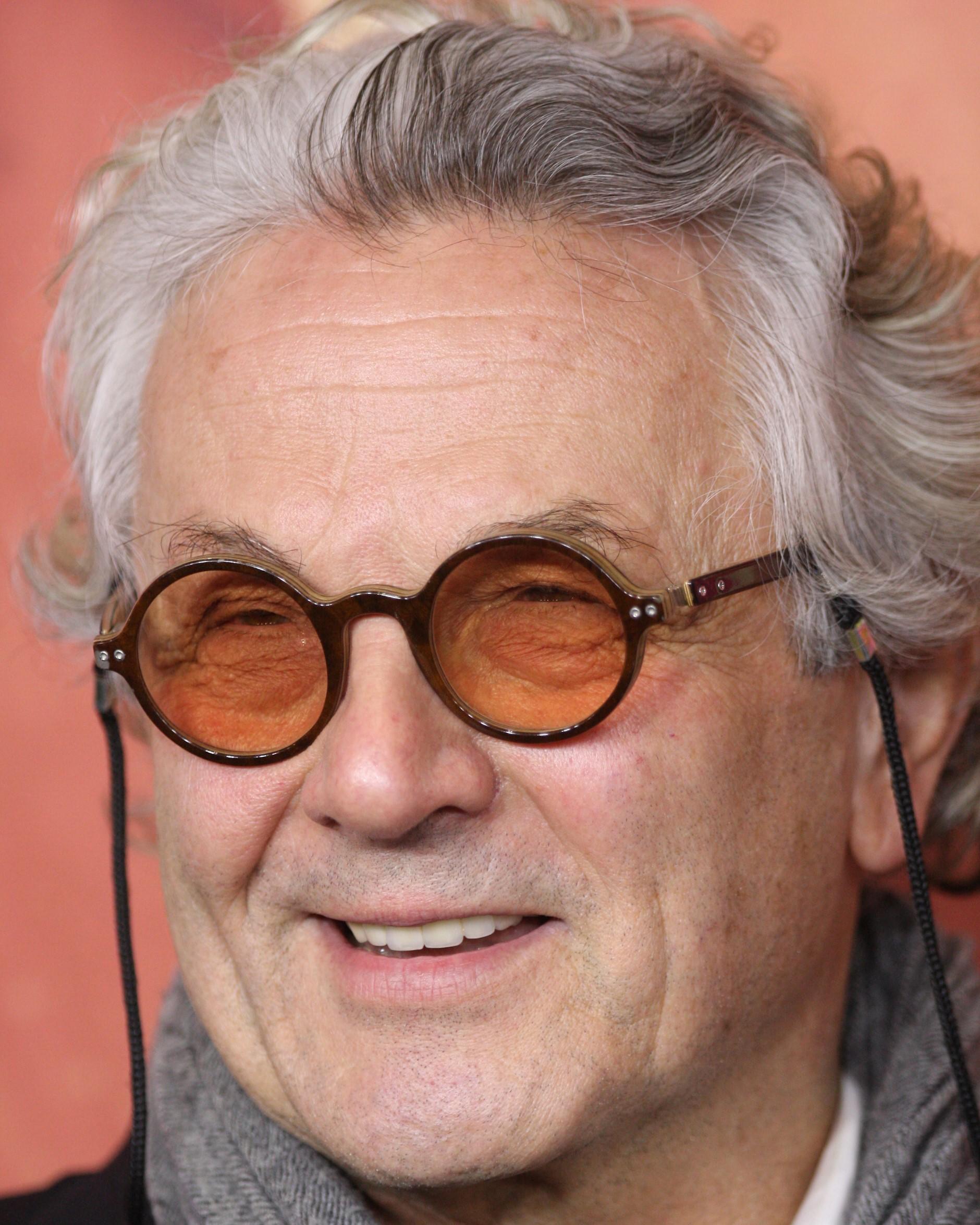
Decades later, Miller would direct Mad Max: Fury Road (2015), another film in the Mad Max universe. The film set an incredibly high bar for how action films are made and became one of Australia's best films.
That said, many audiences likely wouldn't expect the man behind Mad Max to be the same filmmaker who also wrote and produced the family film Babe (1995) and directed its sequel, as well as Happy Feet (2006) and its sequel!
Miller is a versatile director with a wide-ranging portfolio of films for different audiences and age groups.
Notable Works: Mad Max series, Babe, Happy Feet
Awards: Academy Awards, BAFTAs, AACTA Awards
Baz Luhrmann
As a director, Baz Luhrmann is known for his storytelling, which strikingly blends music, drama, and romance.
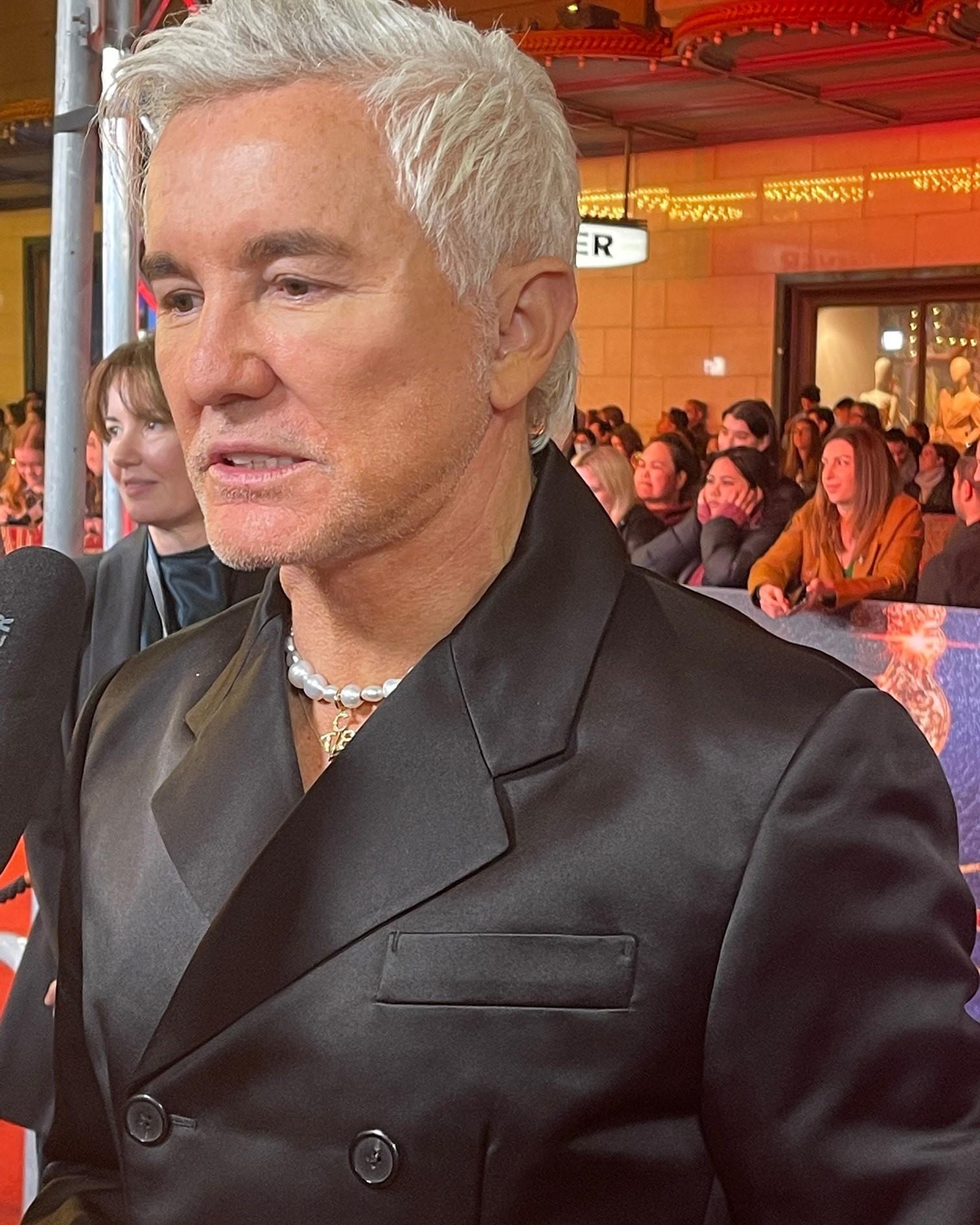
His filmmaking debut, Strictly Ballroom (1992), combined dance, comedy, and romance in a uniquely Australian setting and was a major success.
He also directed the 1996 adaptation Romeo + Juliet starring Leonardo DiCaprio and Claire Danes, a modern and stylized version of The Bard's classic story.
In 2001, he directed Moulin Rouge!, which starred one of Australia's best actresses.
Another fine example of how he likes to combine music and romance in interesting ways. The film earned multiple Academy Award nominations.
More recently, he shifted to storytelling more grounded in reality with the biopic Elvis (2022). However, as you can imagine, this still heavily featured music like his other films.
For his work, he's known as one of Australia's most innovative directors.
Notable Works: Strictly Ballroom, Romeo + Juliet, Moulin Rouge!, Elvis
Awards: Golden Globe nominations, BAFTA nominations
Gillian Armstrong
Gillian Armstrong's coming-of-age drama My Brilliant Career (1979) gained her international attention. It made her an important player in Australian New Wave cinema.
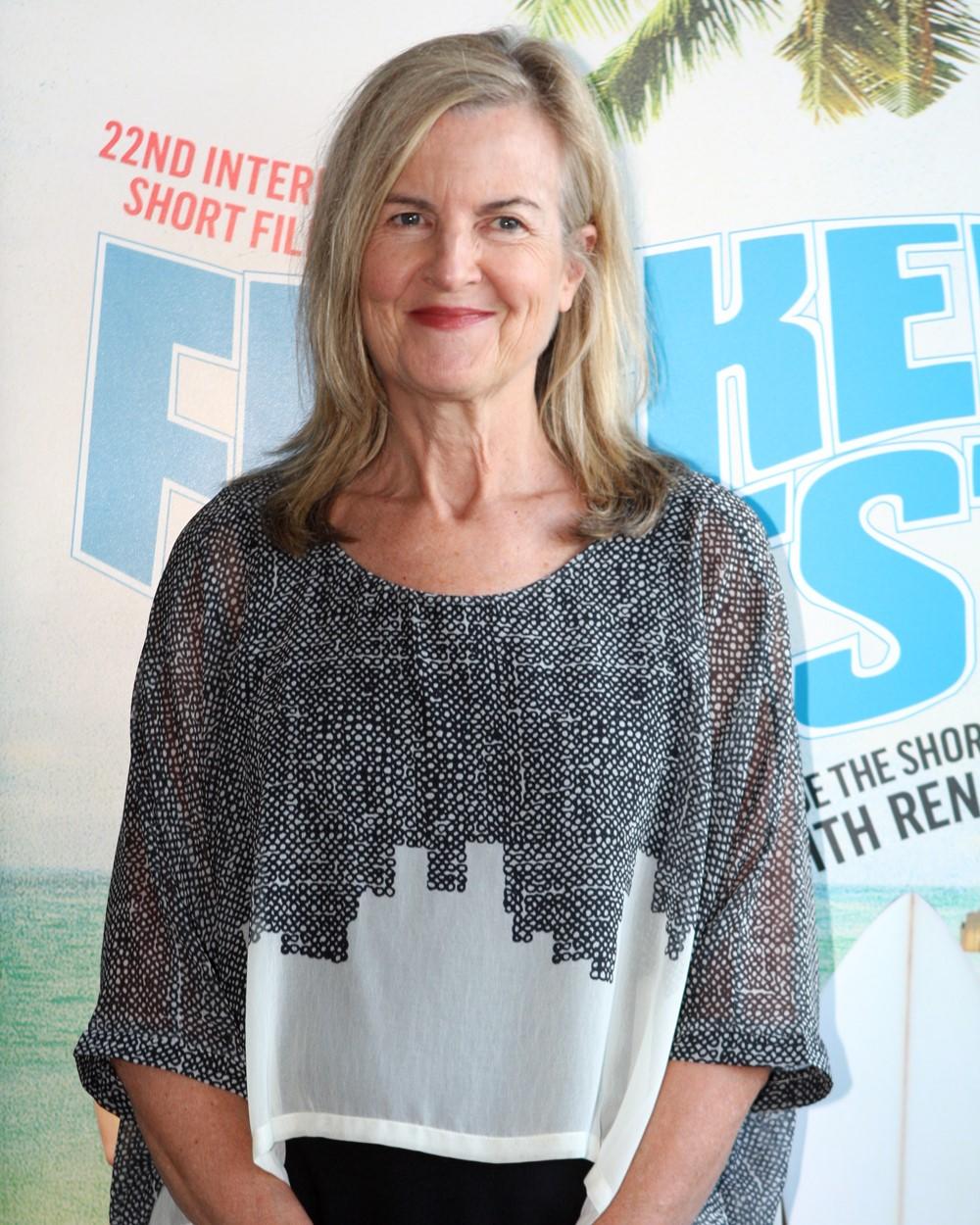
She later directed Mrs. Soffel (1984), which featured nuanced character development in an historical setting.
In 1994, she directed a faithful adaptation of the classic novel Little Women, exploring complex relationships and female empowerment.
She's both a pioneer and a role model in cinema, particularly for Australian filmmakers.
Notable Works: My Brilliant Career, Mrs. Soffel, Little Women, Oscar and Lucinda
Awards: AACTA Awards, recognition at Cannes Film Festival
Phillip Noyce
Philip Noyce is a director famous for making films that tell deeply Australian stories.
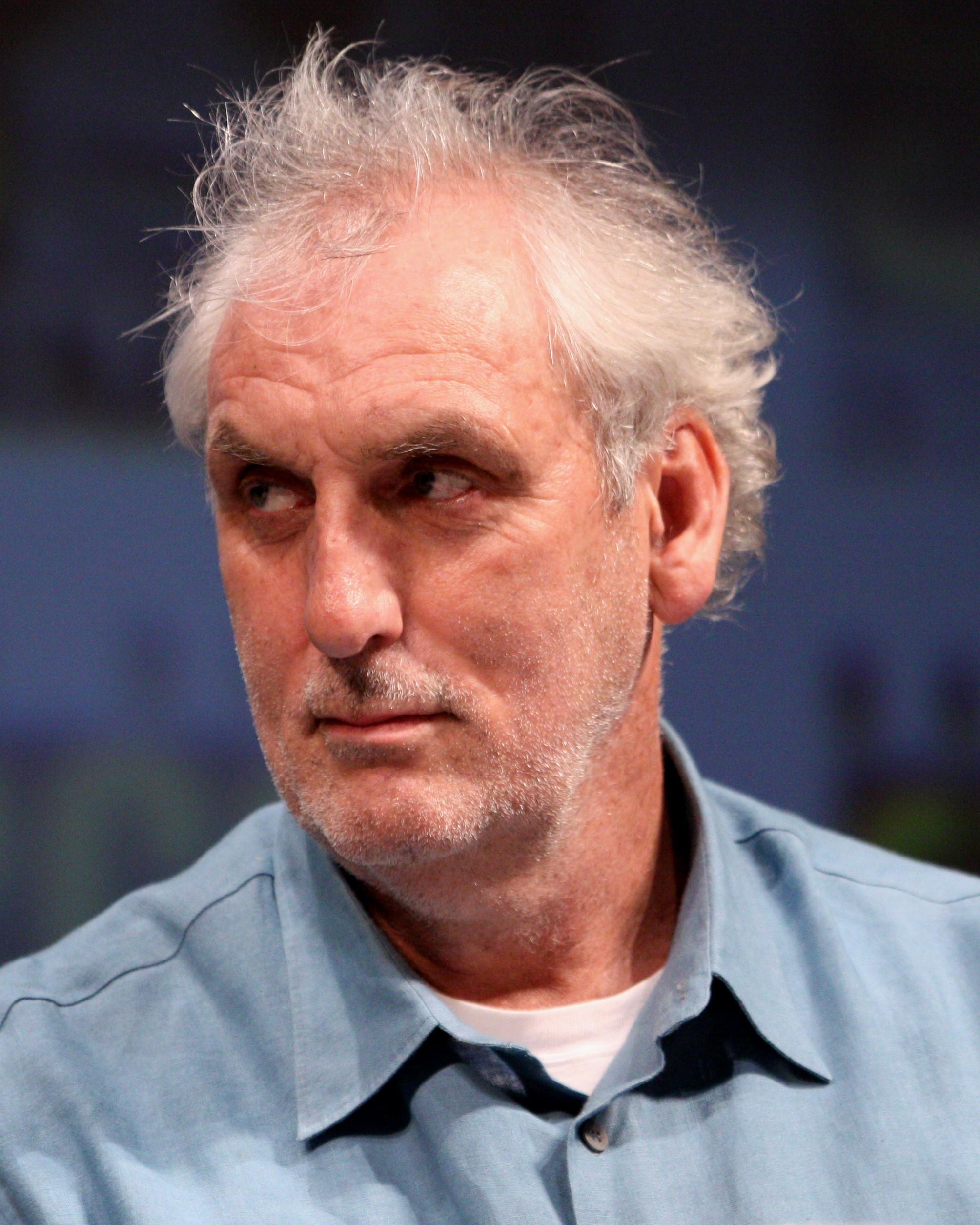
Newsfront (1978) followed the lives of Australian newsreel cameramen and became a symbol of Australia's unique identity in film.
In the 1980s, Noyce moved to Hollywood and went on to direct thrillers like Patriot Games (1992) and Clear and Present Danger (1994), both of which starred Harrison Ford as CIA analyst Jack Ryan.
In Australia, he directed Rabbit-Proof Fence (2002), a story about Indigenous girls escaping government captivity.
Notable Works: Newsfront, Patriot Games, Rabbit-Proof Fence, Salt
Awards: AACTA Awards, Directors Guild nominations
Bruce Beresford
Throughout his career, Bruce Beresford has made films covering a variety of themes.
His drama film Breaker Morant (1980) was about Australian soldiers in the Boer War. His Hollywood debut, Tender Mercies (1983), explored themes of redemption and resilience in rural America. Robert Duvall would win an Academy Award for Best Actor in this role.
In 1989, he directed Driving Miss Daisy (1989), which explores issues of race and friendship, winning the Academy Award for Best Picture.
Notable Works: Breaker Morant, Tender Mercies, Driving Miss Daisy
Awards: Academy Awards, Golden Globes, AACTA Awards
Fred Schepisi
Fred Schepisi's film The Chant of Jimmie Blacksmith (1978) is an iconic piece of classic Australian cinema that addresses racial injustice through the story of an Indigenous man.
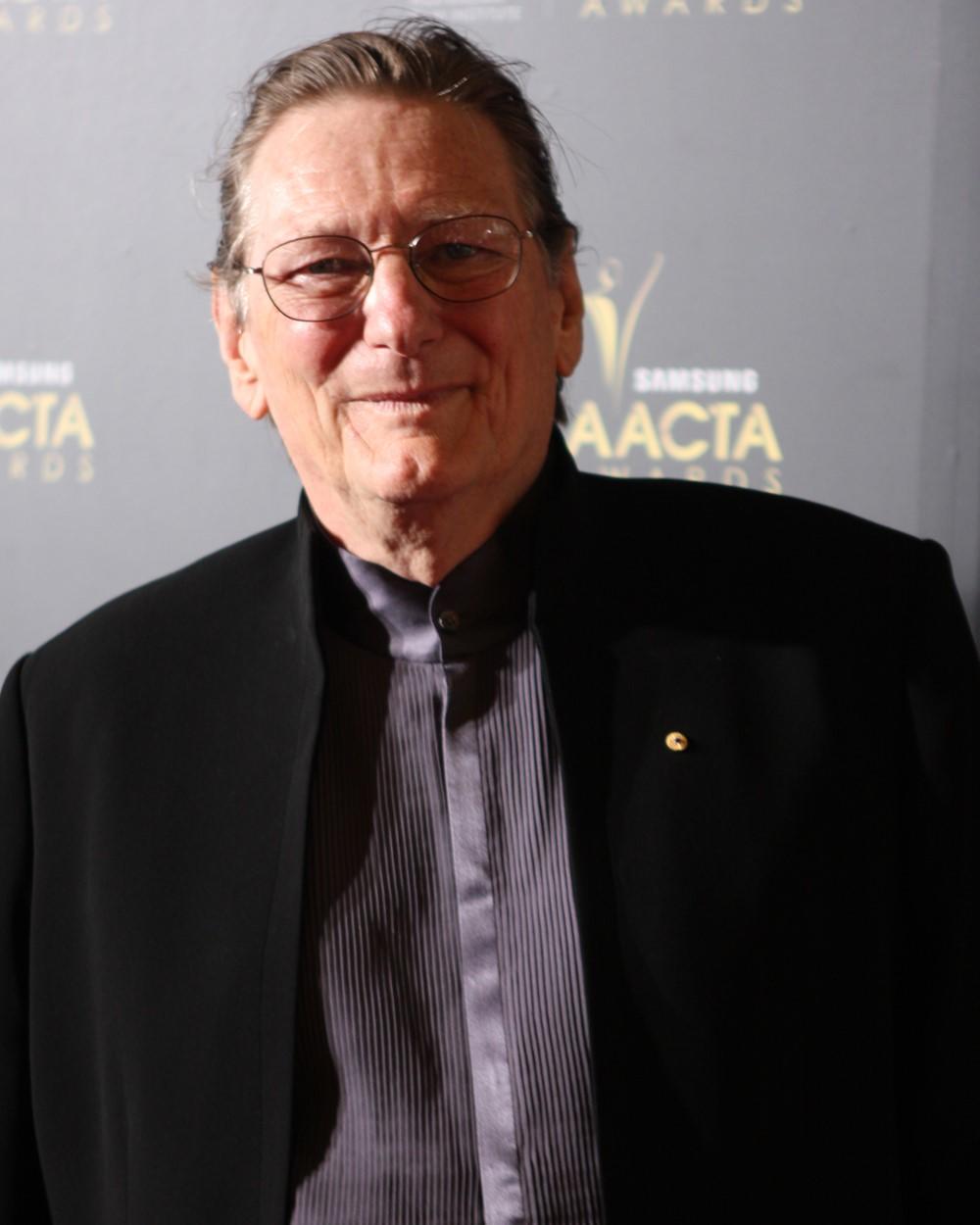
In Hollywood, Schepisi directed Roxanne (1987), starring Steve Martin, and Six Degrees of Separation (1993), a film based on John Guare's play that explores identity and deception.
Schepisi's films are intelligent, visually elegant, and tend to deal with social issues.
Notable Works: The Chant of Jimmie Blacksmith, Roxanne, Six Degrees of Separation
Awards: AACTA Awards, Directors Guild awards
Warwick Thornton
Warwick Thornton is an Indigenous Australian director who is particularly famous for his films, which bring the struggles of Indigenous communities to the forefront.
His debut feature, Samson and Delilah (2009), is about two Indigenous teenagers in a remote community. It won the Caméra d'Or at the Cannes Film Festival.
He also directed Sweet Country (2017), a powerful drama set in 1920s Australia.
Notable Works: Samson and Delilah, Sweet Country
Awards: Caméra d’Or, AACTA Award
Justin Kurzel
The filmmaker Justin Kurzel is known for his bold, atmospheric style. His directorial debut, Snowtown (2011), is a chilling drama set in South Australia.
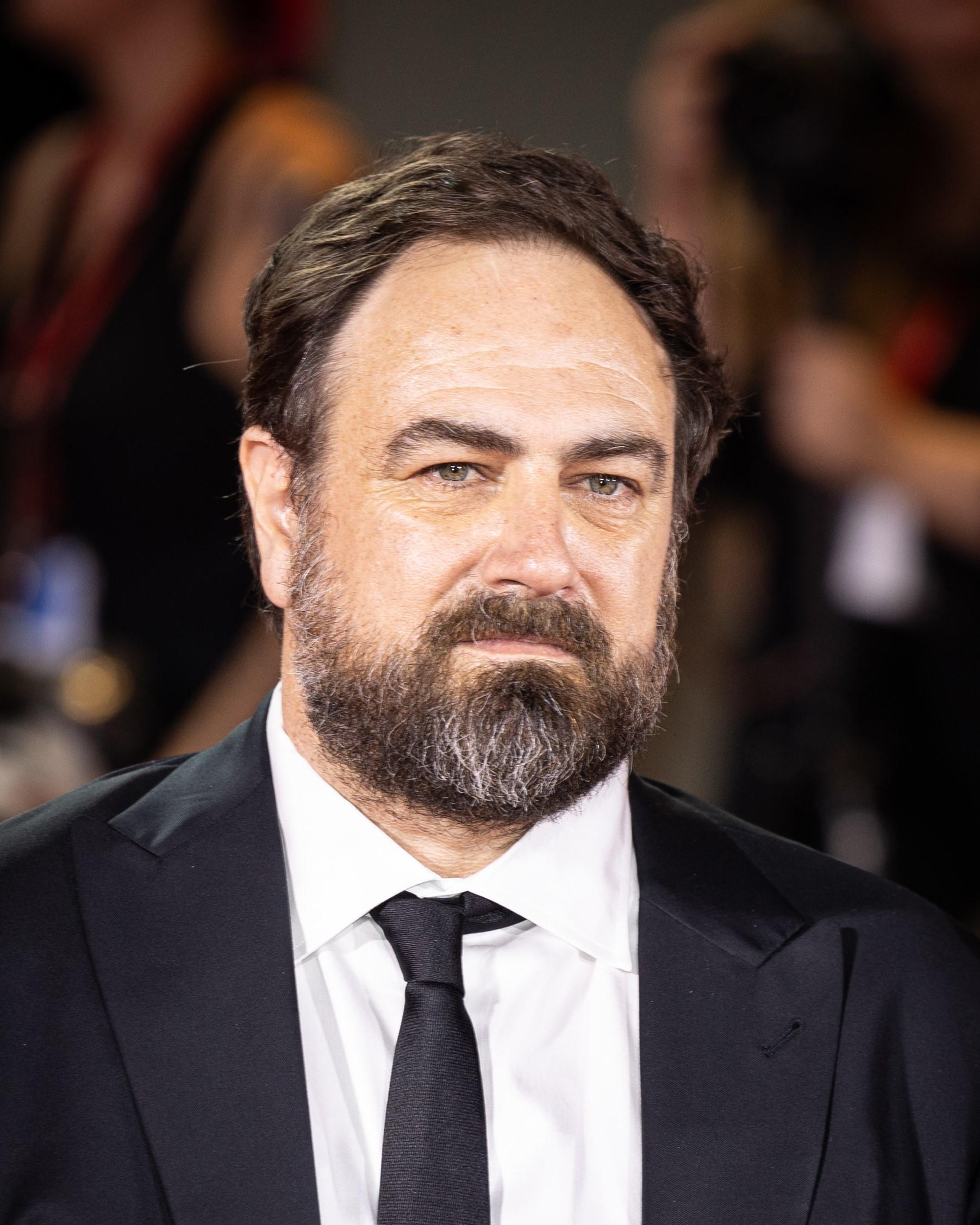
His 2015 adaptation of Macbeth starred Michael Fassbender and Marion Cotillard and was praised for its gritty realism and intense performances.
He's explored other genres and directed films like Assassin's Creed (2016) and True History of the Kelly Gang (2019).
Notable Works: Snowtown, Macbeth, True History of the Kelly Gang
Awards: AACTA Awards, Cannes Film Festival Recognition
Rachel Perkins
Rachel Perkins is a prominent Indigenous director and advocate for Indigenous representation in Australian media.
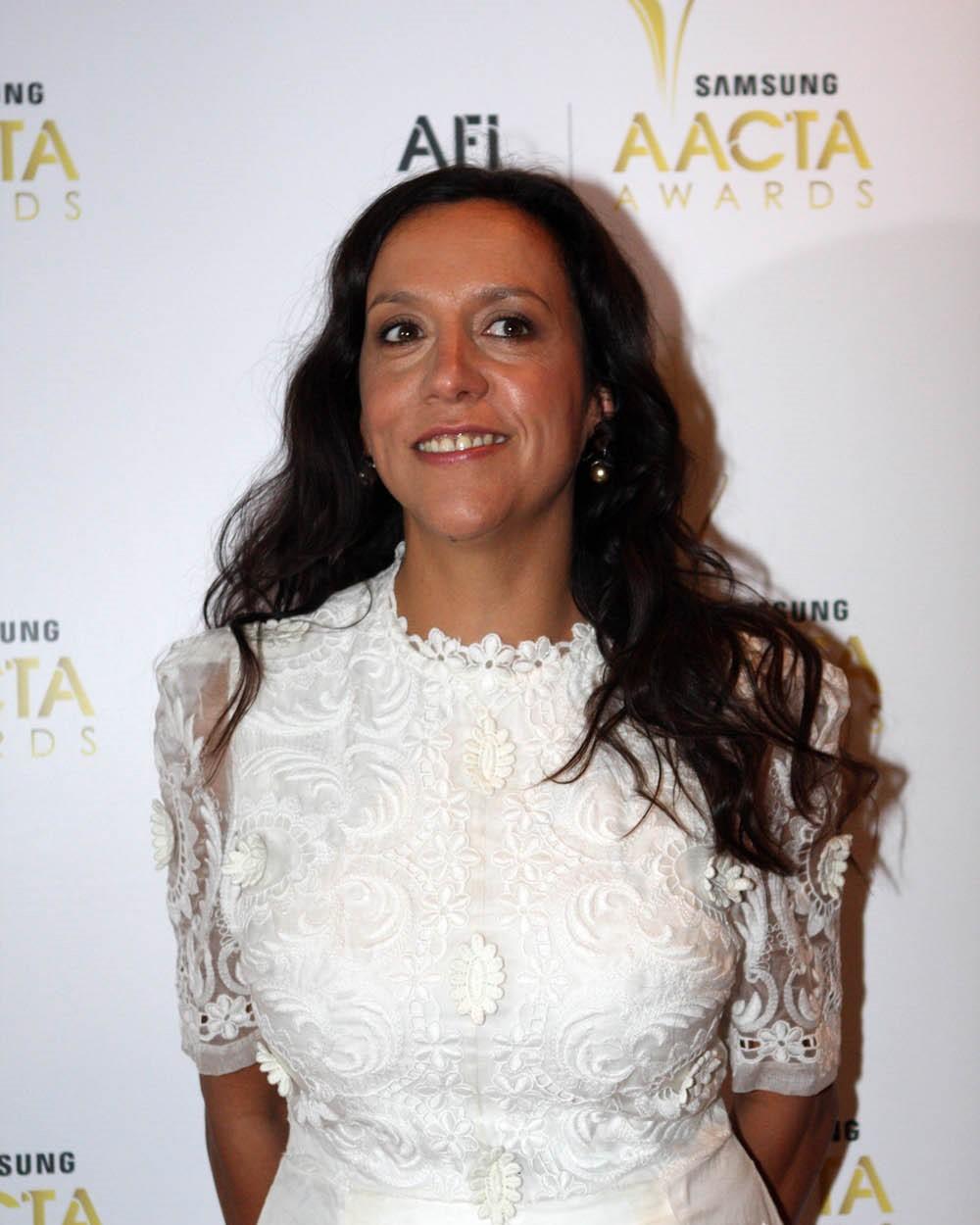
She's one of the founders of Blackfella Films, a production company that focuses on telling Indigenous stories.
Her film Bran Nue Dae (2009) is a musical celebrating Indigenous culture. Jasper Jones (2017) explores race, friendship, and courage.
She's also directed television series like Mystery Road and Redfern Now, featuring Indigenous perspectives.
Notable Works: Bran Nue Dae, Jasper Jones, Mystery Road
Awards: AACTA Awards, NAIDOC Award for contributions to Indigenous media
Jocelyn Moorhouse
Jocelyn Moorhouse is famous for films featuring rich storytelling and complex female characters.
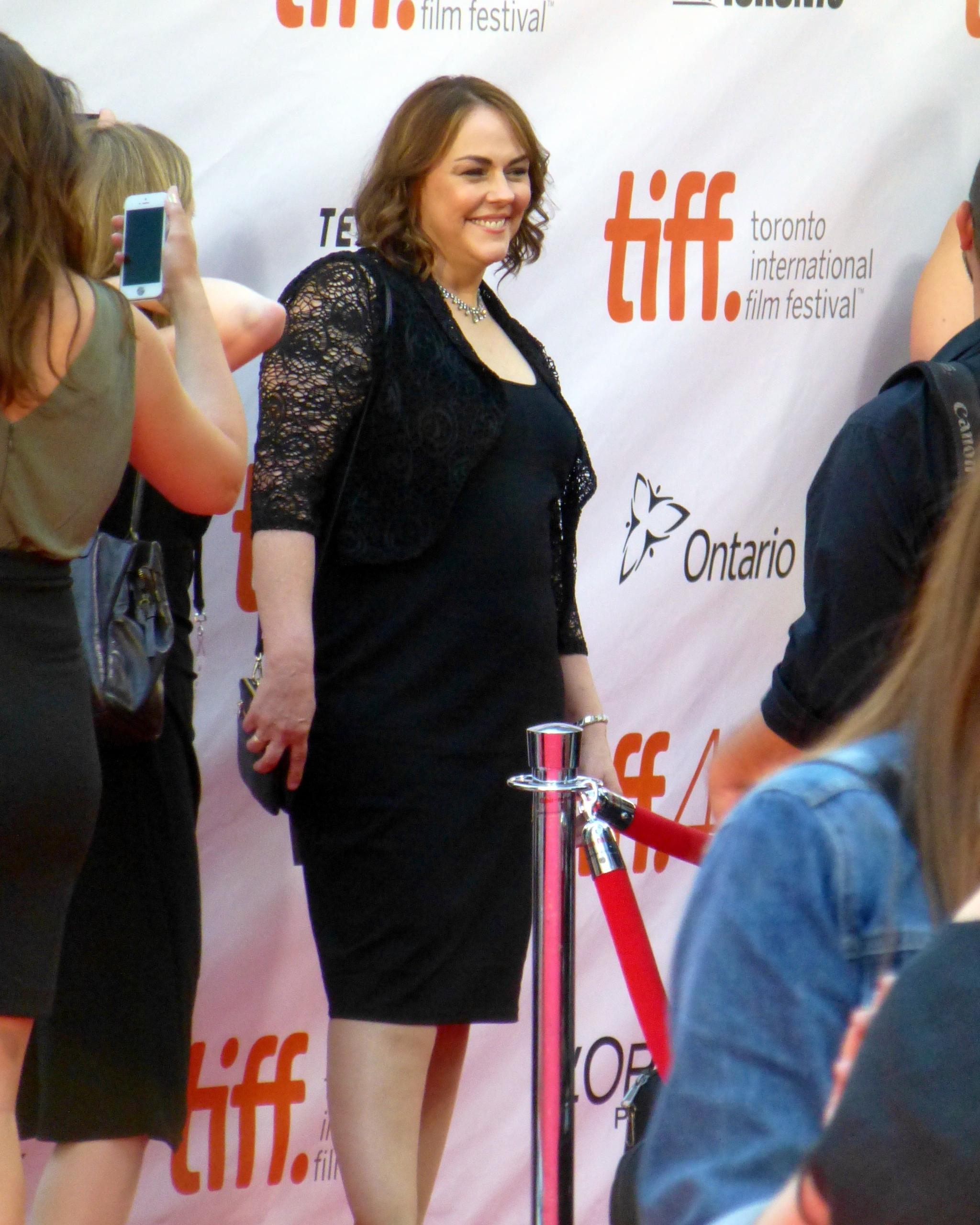
Her debut film Proof (1991) starred Hugo Weaving and Russell Crowe and received critical acclaim.
She took a break from directing before returning with the dark comedy-drama Dressmaker (2015) starring Kate Winslet.
Notable Works: Proof, The Dressmaker
Awards: AACTA Awards, international festival acclaim
Andrew Dominik
Andrew Dominik was born in New Zealand and moved to Australia at 2.
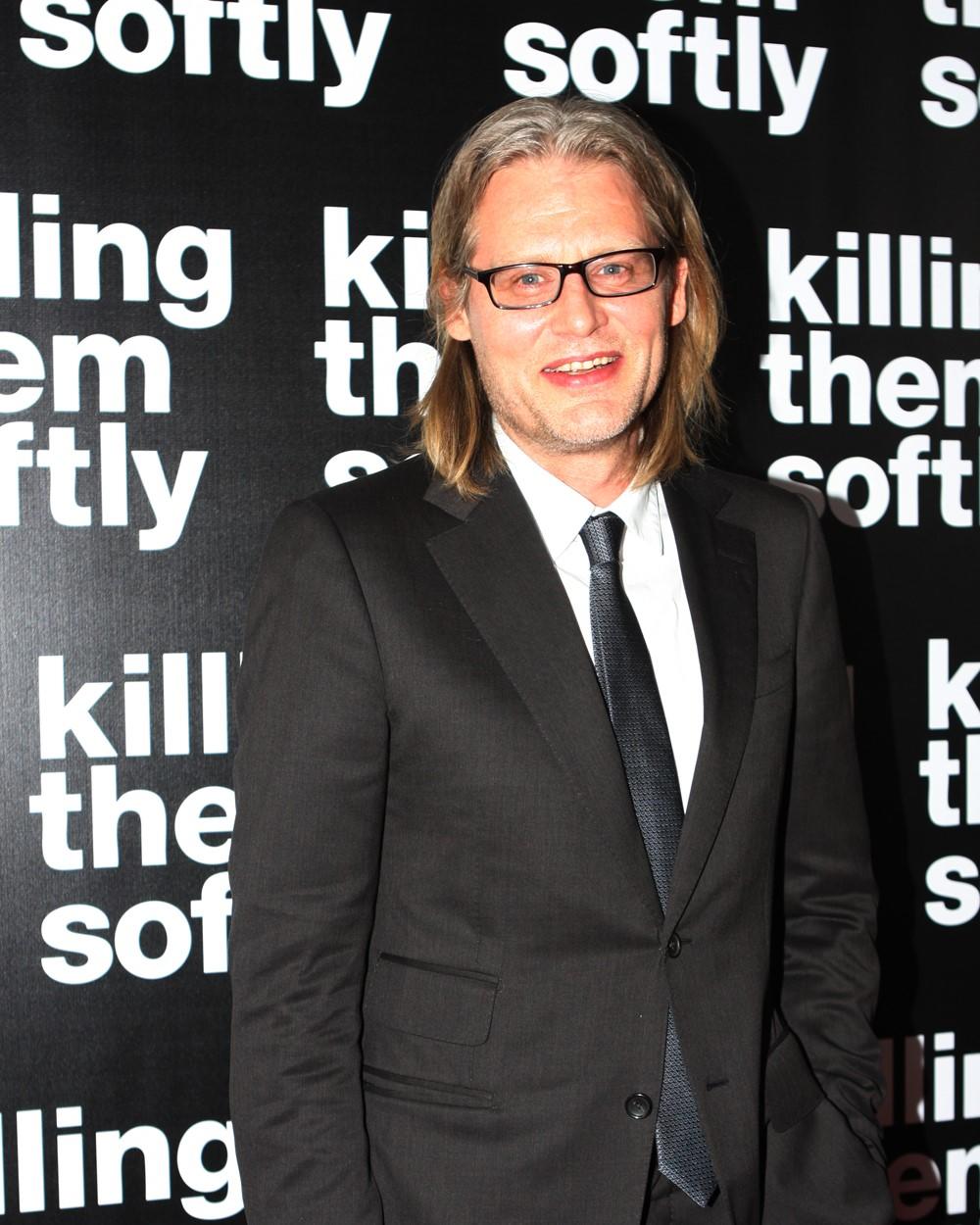
He's famous for intense, character-driven films like Chopper (2000) starring Erik Banner and The Assassination of Jesse James by the Coward Robert Ford (2007).
Notable Works: Chopper, The Assassination of Jesse James by the Coward Robert Ford, Blonde
Awards: AACTA Awards, international festival recognition
Kriv Stenders
Kriv Stenders' best-known work is the heartwarming story of loyalty and friendship, Red Dog (2011), which became an iconic Australian movie.
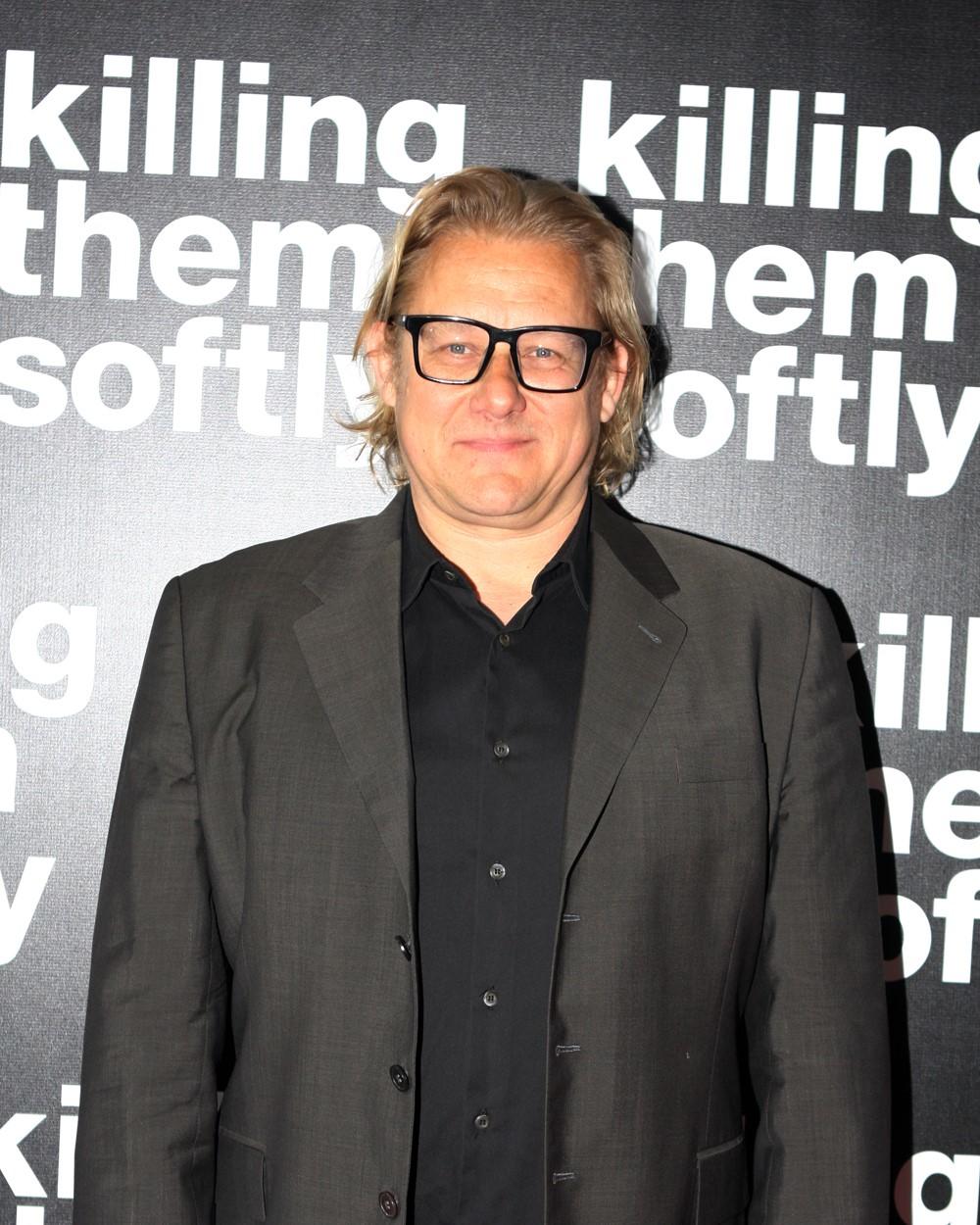
He also directed the war drama Danger Close: The Battle of Long Tan (2019).
Notable Works: Red Dog, Danger Close: The Battle of Long Tan
Awards: AACTA Awards, public and critical acclaim in Australia
Shirley Barrett
Shirley Barrett's debut film, Love Serenade (1996), won the Caméra d'Or at the Cannes Film Festival for Best First Feature. Set in a small Australian town, it combines dark humour with complex character dynamics.
Notable Works: Love Serenade, South Solitary
Awards: Caméra d’Or, AACTA nominations
John Hillcoat
John Hillcoat gained attention for the film The Proposition (2005), a Western in the Australian outback written by Nick Cave.
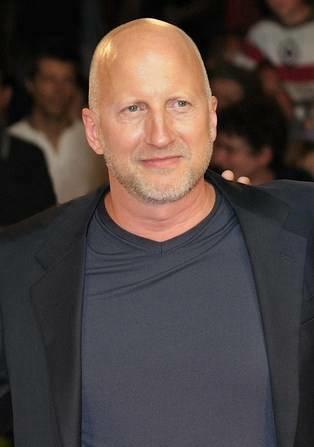
He also directed The Road (2009), adapted from Cormac McCarthy's post-apocalyptic novel.
His directorial style combines a visceral approach with morally complex characters.
Notable Works: The Proposition, The Road, Lawless
Awards: AACTA Awards, international acclaim for both feature and genre films
If you'd like to learn more about Australian cinema, why not look for a private tutor on the Superprof website?
Summarise with AI:
Enjoyed this article? Leave a rating!

 Loading...
