


Australia has produced remarkable female voices across opera, rock, pop, soul, country and more. From Dame Nellie Melba and Joan Sutherland to Kylie Minogue and Sia, Australian women have made their mark on music at home and around the world.
Many of these singers also became closely associated with some of the country's most influential groups and musical movements. If you want to explore that side of Australian music too, take a look at our guide to iconic Australian bands.
This selection brings together singers from different generations and styles, with a focus on what makes each voice or performance distinctive.
| Singer | Known for | Genre | Start with | Listen for |
|---|---|---|---|---|
| Dame Nellie Melba | International opera career | Opera / classical | Home Sweet Home | Clear soprano tone and smooth phrasing |
| Dame Joan Sutherland | Bel canto opera | Opera / classical | Lucia di Lammermoor | Agility range and upper-register control |
| Chrissy Amphlett | Divinyls | Rock | I Touch Myself | Edgy tone and theatrical delivery |
| Christine Anu | Solo career | Pop / contemporary | Island Home | Clear diction and warm storytelling |
| Tina Arena | Solo career | Pop / soul | Chains | Powerful builds and controlled dynamics |
| Kylie Minogue | Solo career | Dance-pop | Can't Get You Out of My Head | Precise phrasing and rhythmic control |
| Judith Durham | The Seekers | Folk-pop | I'll Never Find Another You | Clear diction and focused tone |
| Kate Ceberano | Solo career | Pop / jazz / soul | Bedroom Eyes | Versatility and expressive phrasing |
| Renée Geyer | Solo career | Soul / R&B | Heading in the Right Direction | Smoky tone and relaxed phrasing |
| Delta Goodrem | Solo career | Pop | Born to Try | Clear tone and controlled dynamics |
| Marcia Hines | Solo career | Pop / soul / disco | You | Warm tone and confident delivery |
| Missy Higgins | Singer-songwriter career | Pop / folk | Scar | Conversational phrasing and natural diction |
| Ruby Hunter | Singer-songwriter career | Folk / roots | Down City Streets | Direct storytelling and emotional restraint |
| Natalie Imbruglia | Solo career | Pop | Torn | Conversational diction and restrained phrasing |
| Kate Miller-Heidke | Pop musical theatre and opera | Pop / classical crossover | Zero Gravity | Range agility and contrasting vocal colours |
| Jessica Mauboy | Solo career | Pop / R&B | Burn | Rhythmic phrasing and controlled power |
| Joy McKean | Country singer-songwriter | Country | Lights on the Hill | Storytelling and traditional country phrasing |
| Jenny Morris | Solo career | Pop-rock | Break in the Weather | Strong tone and rhythmic drive |
| Olivia Newton-John | Solo career and Grease | Pop / country | Hopelessly Devoted to You | Clear tone and flowing phrasing |
| Helen Reddy | Solo career | Pop | I Am Woman | Clear diction and confident phrasing |
| Sia | Solo career and songwriting | Pop | Chandelier | Dramatic dynamics and distinctive phrasing |
| Courtney Barnett | Singer-songwriter career | Indie rock | Pedestrian at Best | Speech-like phrasing and dry delivery |
| Julia Jacklin | Singer-songwriter career | Indie rock | Body | Restraint subtle tone and conversational phrasing |
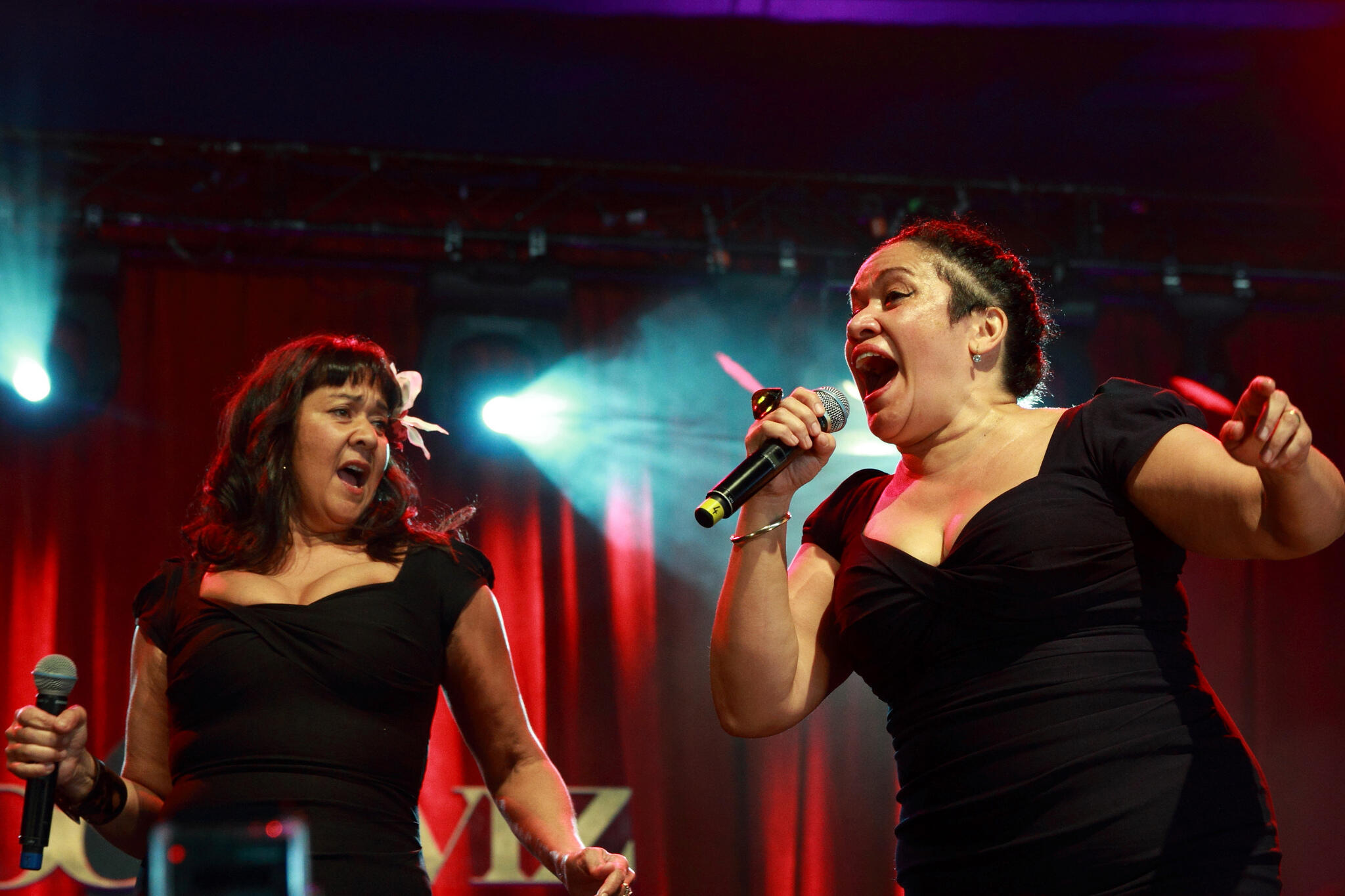
| Vika & Linda | Vocal duo | Soul / roots / gospel | When Will You Fall for Me | Harmony and contrasting vocal textures |
| Tones and I | Solo career | Pop | Dance Monkey | Stylised tone and sharp rhythmic articulation |


How We Selected These Australian Female Singers
There's no definitive list of Australia's greatest female singers, so we've focused on artists with notable cultural impact, recognition, influence and distinctive recorded work.
We've also aimed for a mix of generations and genres, from pioneering opera singers to contemporary pop artists.
Birthplace isn't our only criterion. We also include singers whose upbringing, careers or musical identity became strongly connected with Australia. This means Australian music can include artists who were born elsewhere but built an important part of their lives or careers here.
Of course, a memorable voice is only part of the story. Many of the singers below are also connected with recordings that have become part of Australia's musical identity, from enduring rock and pop hits to country classics and internationally recognised songs. You can explore more of those recordings in our guide to the most popular Australian songs.
Our Selection of Famous Australian Female Singers
From operatic pioneers to rock frontwomen, singer-songwriters and global pop stars, these artists show just how varied Australian women's voices can be.
As you explore the list, listen for differences in tone, phrasing, diction, dynamics and performance style. You might recognise plenty of familiar names, but hopefully you'll discover a few new voices along the way.
Dame Nellie Melba
Long before Australian pop and rock singers found international audiences, Dame Nellie Melba had become one of the country's first global music stars.
Born Helen Porter Mitchell in Melbourne in 1861, she took her stage name from her home city and built an acclaimed operatic career in Europe.
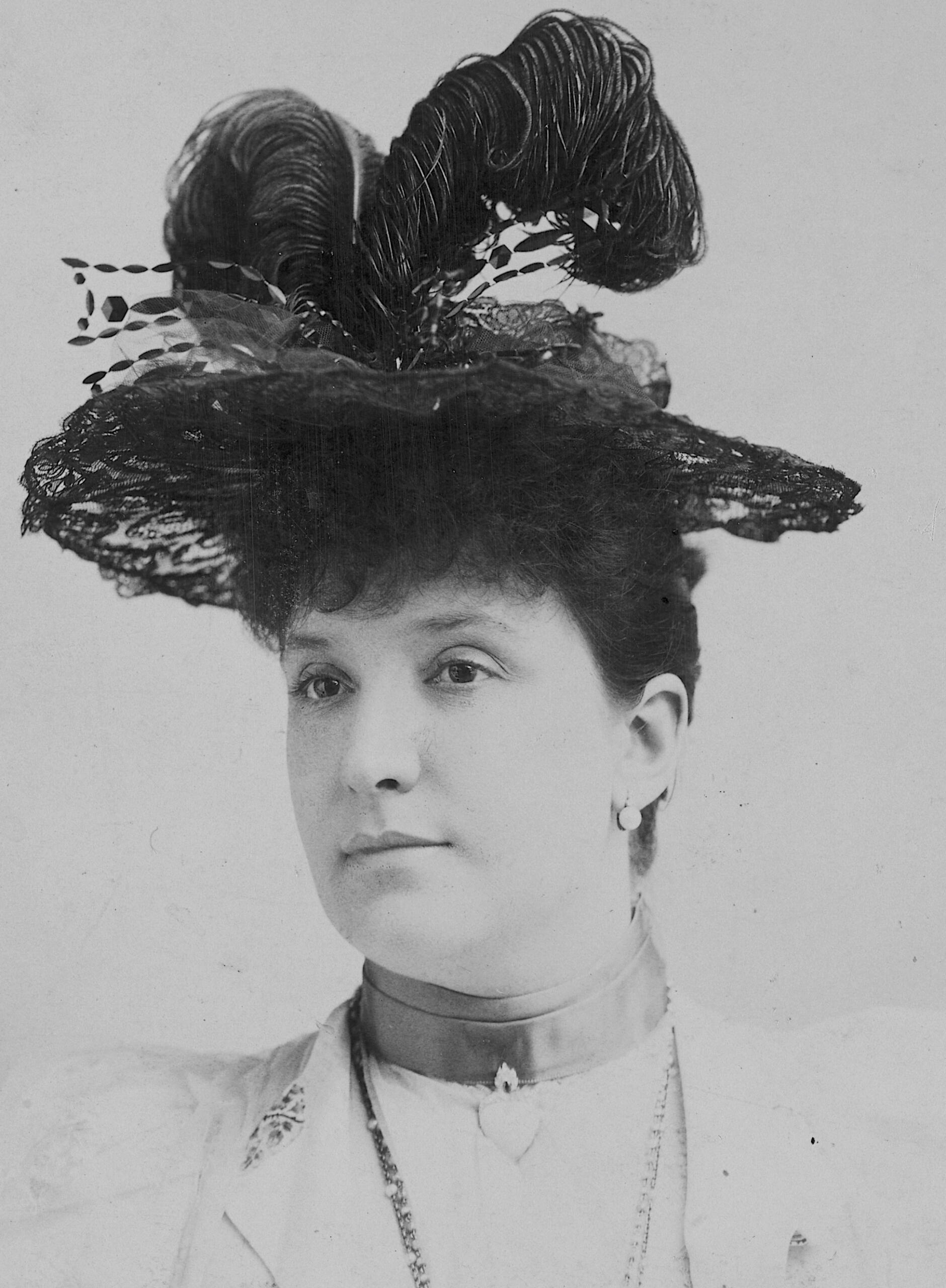
She performed at many of the world's leading opera houses and was also among the prominent sopranos who were captured during the early years of commercial recording.
For an accessible introduction, listen to Melba's recording of “Home, Sweet Home”.
Although the recording technology sounds very different from what we're used to today, you can still hear the clarity of her voice and the care with which she shapes each phrase.
Dame Joan Sutherland
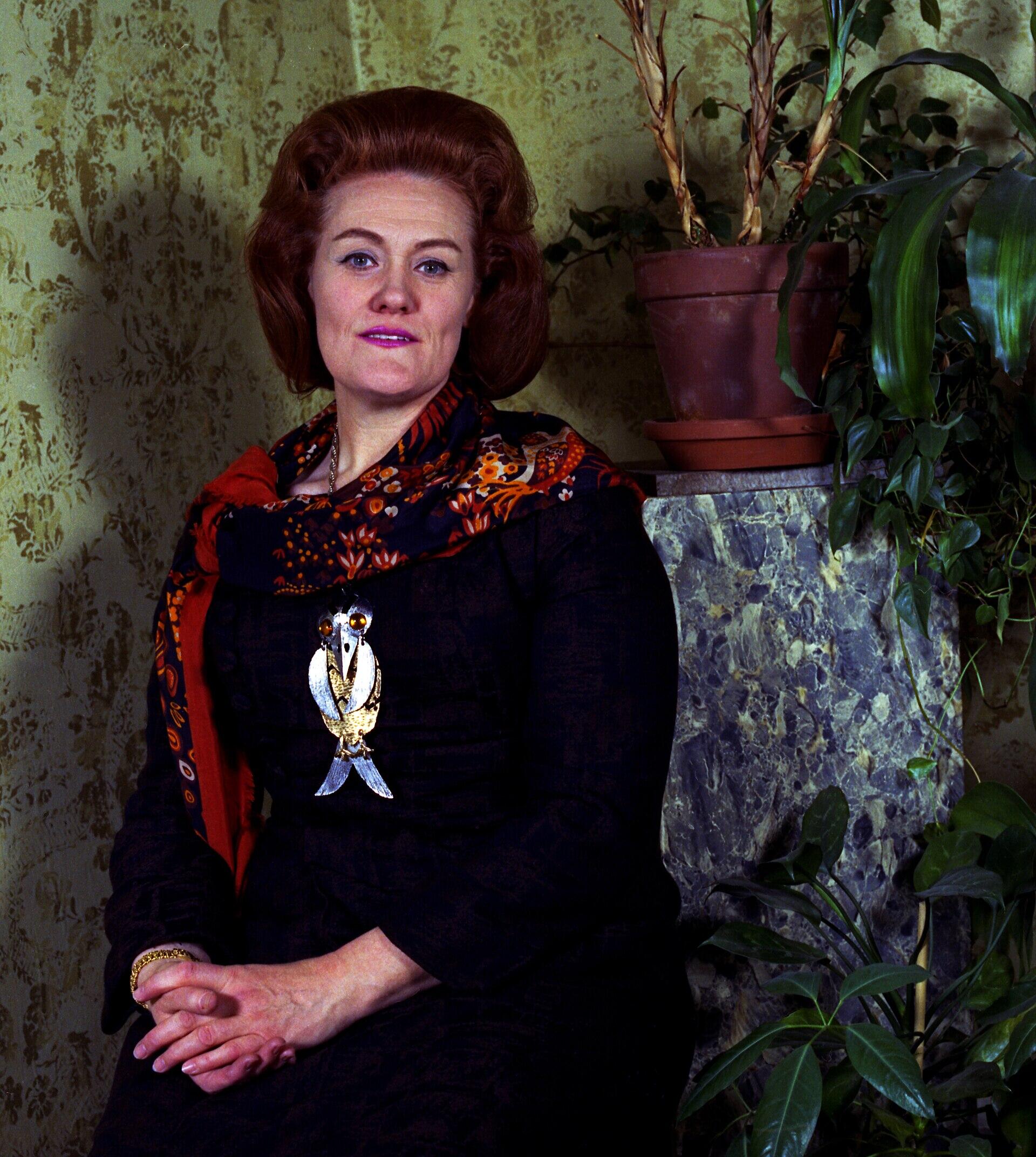
Sydney-born Dame Joan Sutherland became one of the most celebrated Australian opera singers of the 20th century. Her international breakthrough came at London's Covent Garden in 1959 when she performed the title role in Donizetti's Lucia di Lammermoor.
Sutherland became particularly renowned for bel canto opera and earned the nickname “La Stupenda” during a career that took her to the world's major opera stages.
Lucia di Lammermoor is an excellent place to start listening. Sutherland's performances show how an exceptionally agile voice can move through fast, ornamented passages while retaining control across a demanding range.
Chrissy Amphlett
Chrissy Amphlett was the unmistakable lead singer of the Divinyls, one of Australia's best-known rock bands of the 1980s and 1990s.
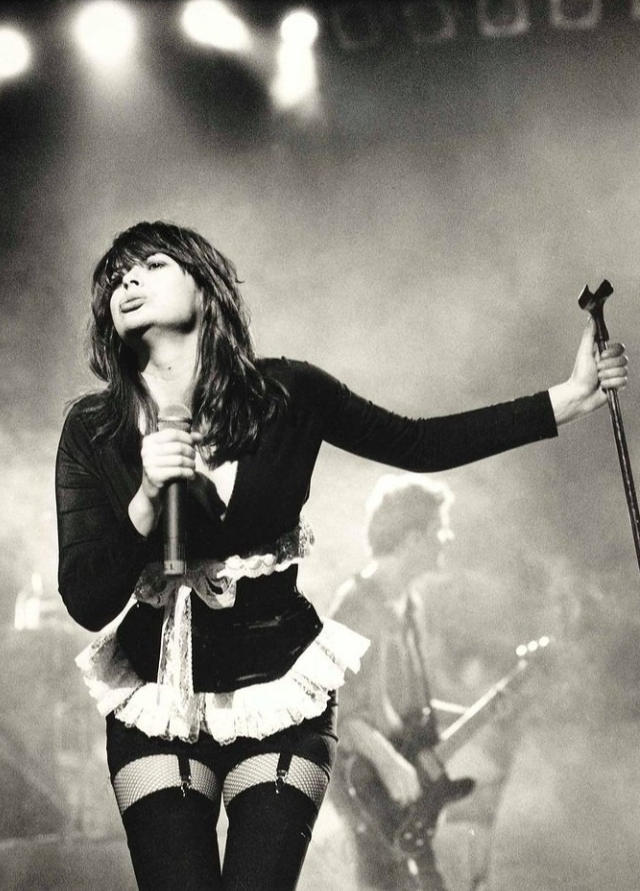
Her fierce stage presence and distinctive vocal delivery helped give songs such as “Pleasure and Pain” and “I Touch Myself” their edge.
Amphlett could move between vulnerability and aggression without losing the character of her voice.
Listen for her sharp diction, gritty tone and theatrical phrasing during your singing lessons, particularly on “Pleasure and Pain”. Her performances are a great example of how attitude, expression and stage presence can become just as recognisable as the voice itself.
Christine Anu
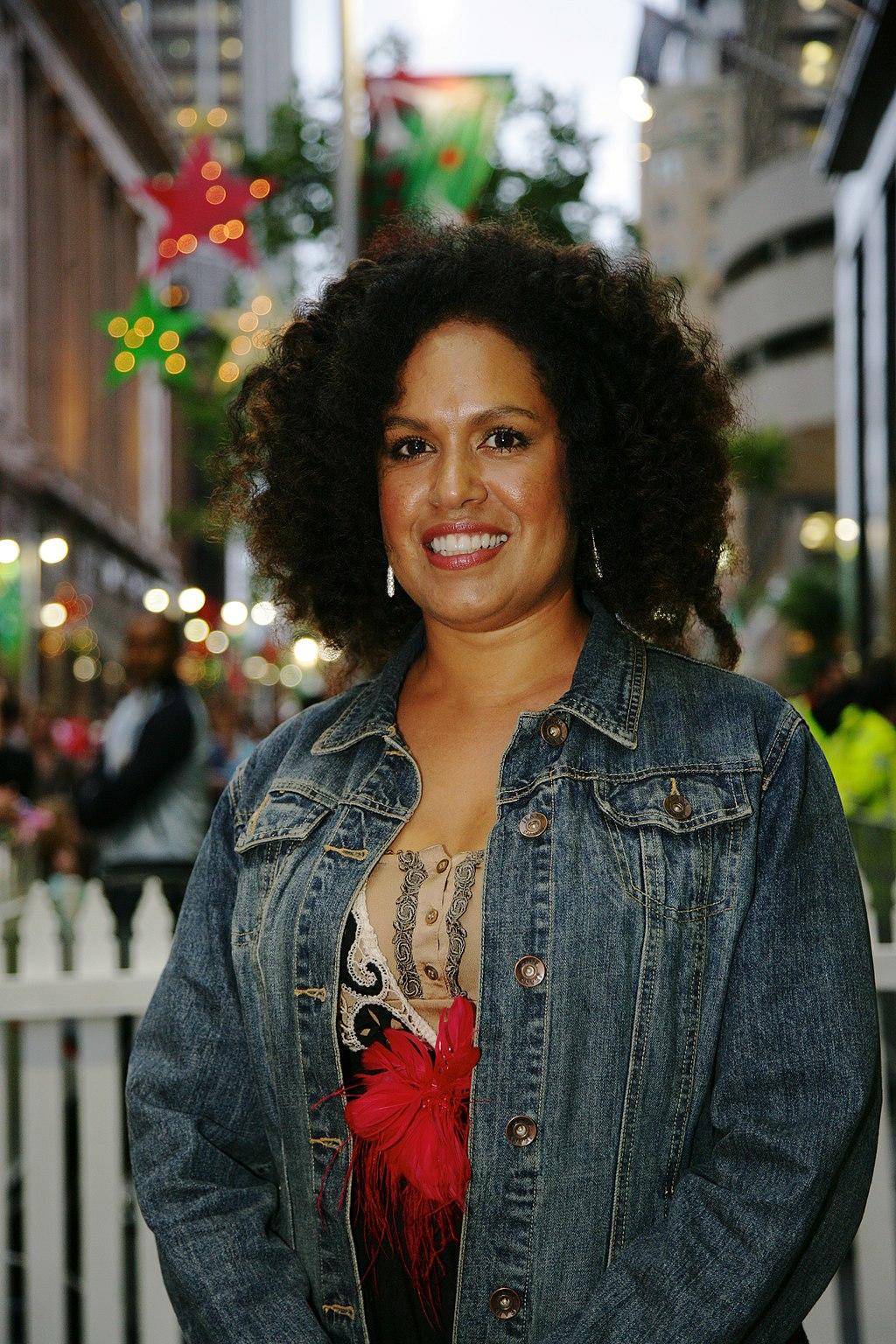
Christine Anu is an important Australian singer and performer whose work has brought Torres Strait Islander culture and perspectives into mainstream Australian music.
One of her best-known recordings is “Island Home”, released in 1995. Her version became a defining song of her career and was later added to the National Film and Sound Archive’s Sounds of Australia collection.
Listen for Anu’s warm tone, clear diction and rhythmic phrasing.
On “Island Home”, she keeps the vocal delivery direct and expressive, allowing the melody and lyrics to carry the emotion without overcomplicating the performance.
Tina Arena
Tina Arena has been a major presence in Australian pop for decades, with a career spanning English- and French-language music and audiences well beyond Australia.
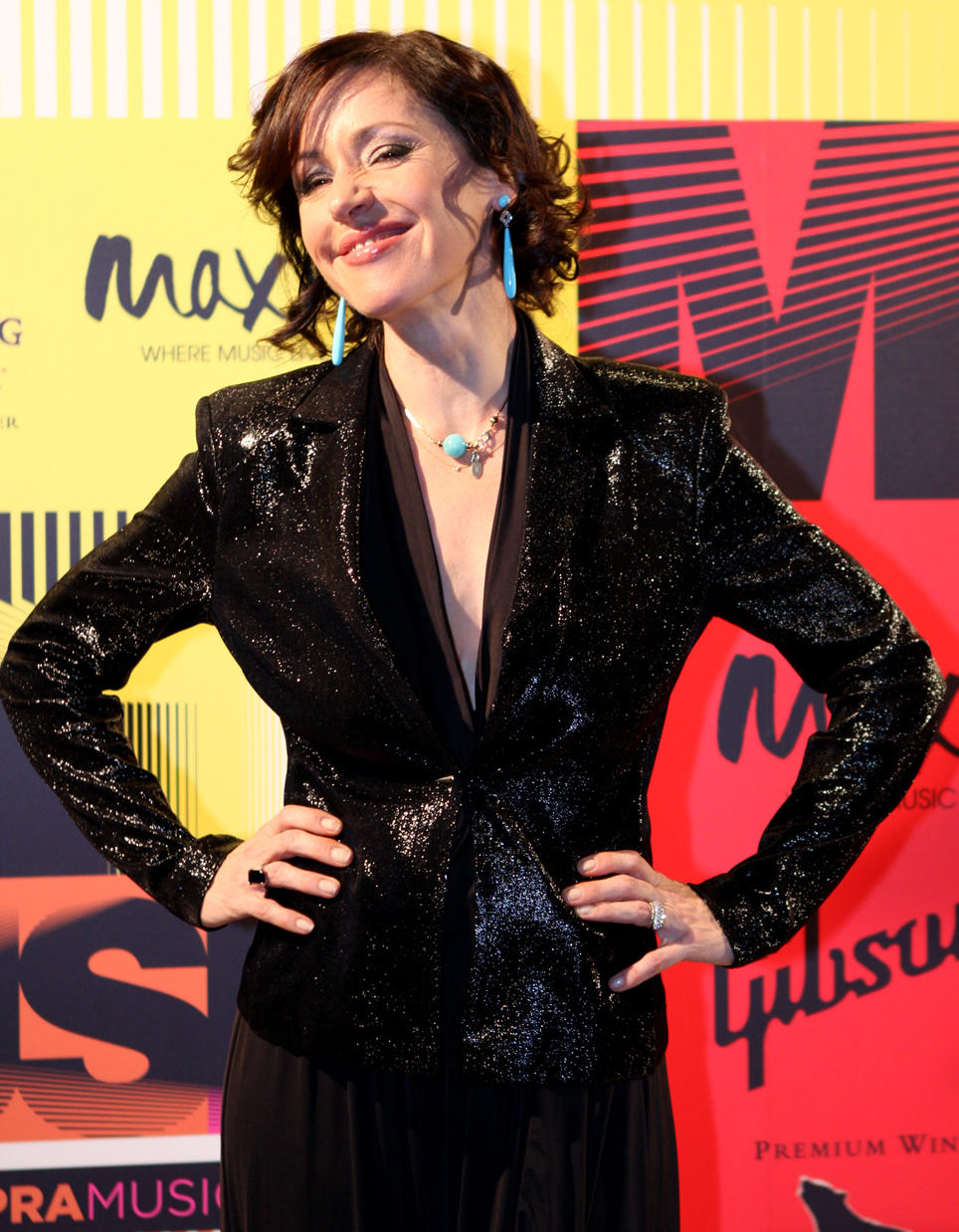
Songs such as “Chains”, “Burn” and “Heaven Help My Heart” showcase the power and control that have become central to her vocal style.
Listen for the way Arena builds intensity gradually rather than singing every phrase at full power.
On “Chains” in particular, her controlled dynamics, clear diction and sustained notes show how a powerful voice can still leave room for contrast and restraint.
Kylie Minogue
Kylie Minogue is one of Australia’s most internationally recognised singers, with a career spanning several decades and styles from dance-pop to synth-pop and disco.
Songs such as “Can’t Get You Out of My Head”, “Spinning Around” and “Padam Padam” show how she has continued to adapt her sound while keeping a distinctive performance identity.
Listen for Minogue’s precise phrasing, rhythmic control and light, recognisable tone.
On “Can’t Get You Out of My Head”, much of the appeal comes from restraint: the vocal line is simple, tightly controlled and closely connected to the beat, showing that an effective pop performance doesn’t always depend on vocal power.

Judith Durham
Judith Durham’s voice was central to the sound of The Seekers, whose folk-pop songs found audiences well beyond Australia during the 1960s.
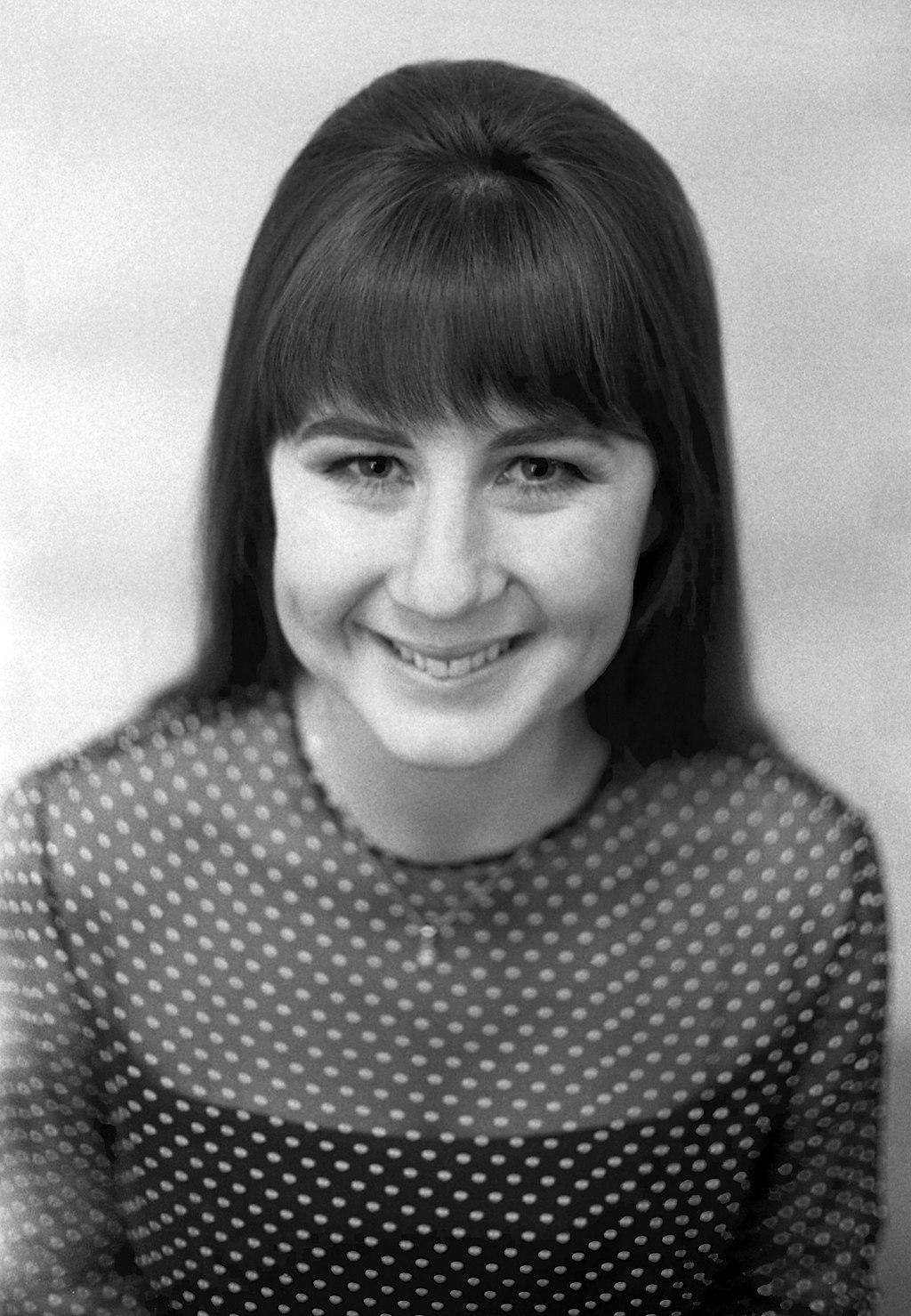
Recordings such as “I’ll Never Find Another You”, “A World of Our Own” and “The Carnival Is Over” remain closely associated with her remarkably clear, focused delivery.
What makes Durham especially distinctive is how effortless she can sound.
Her precise diction and pure tone allow the melody to come through without unnecessary vocal decoration, while her phrasing gives even simple lines a strong sense of warmth and personality.
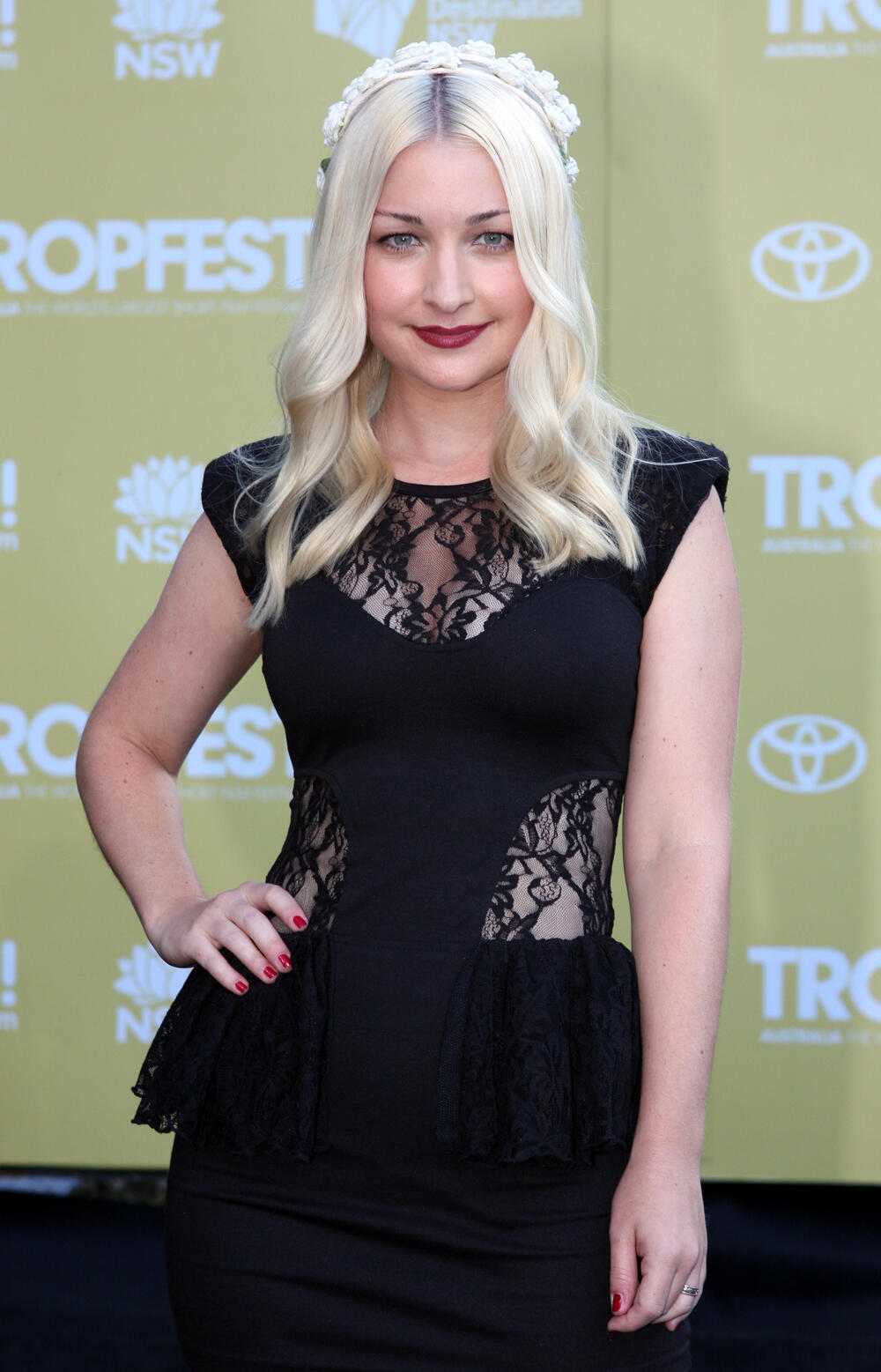
Kate Ceberano
Kate Ceberano's career has spanned over 4 decades. She was inducted into the ARIA Hall of Fame in 2026. Musically, she's moved across several genres including pop, soul, jazz, and rock, with songs such as "Bedroom Eyes" and "Pash". Her expressive phrasing adapts easily between styles.
Listen for Ceberano’s warm tone, flexible phrasing and ability to shift between polished pop and more soulful delivery. Her performances are a good example of how a singer can adapt to different genres while still maintaining a recognisable vocal identity.
Renée Geyer
Renée Geyer was one of Australia’s most influential soul and R&B singers, known for a rich, husky voice that stood apart from the polished pop styles around her. Songs such as “Heading in the Right Direction” and “Say I Love You” became enduring parts of her repertoire, and she was inducted into the ARIA Hall of Fame in 2005.
Listen for Geyer’s smoky tone, relaxed phrasing and strong sense of groove. She often lets phrases sit slightly behind the beat, giving her performances an easy, soulful feel. Her singing is a great example of how vocal character and timing can make a performance instantly recognisable.
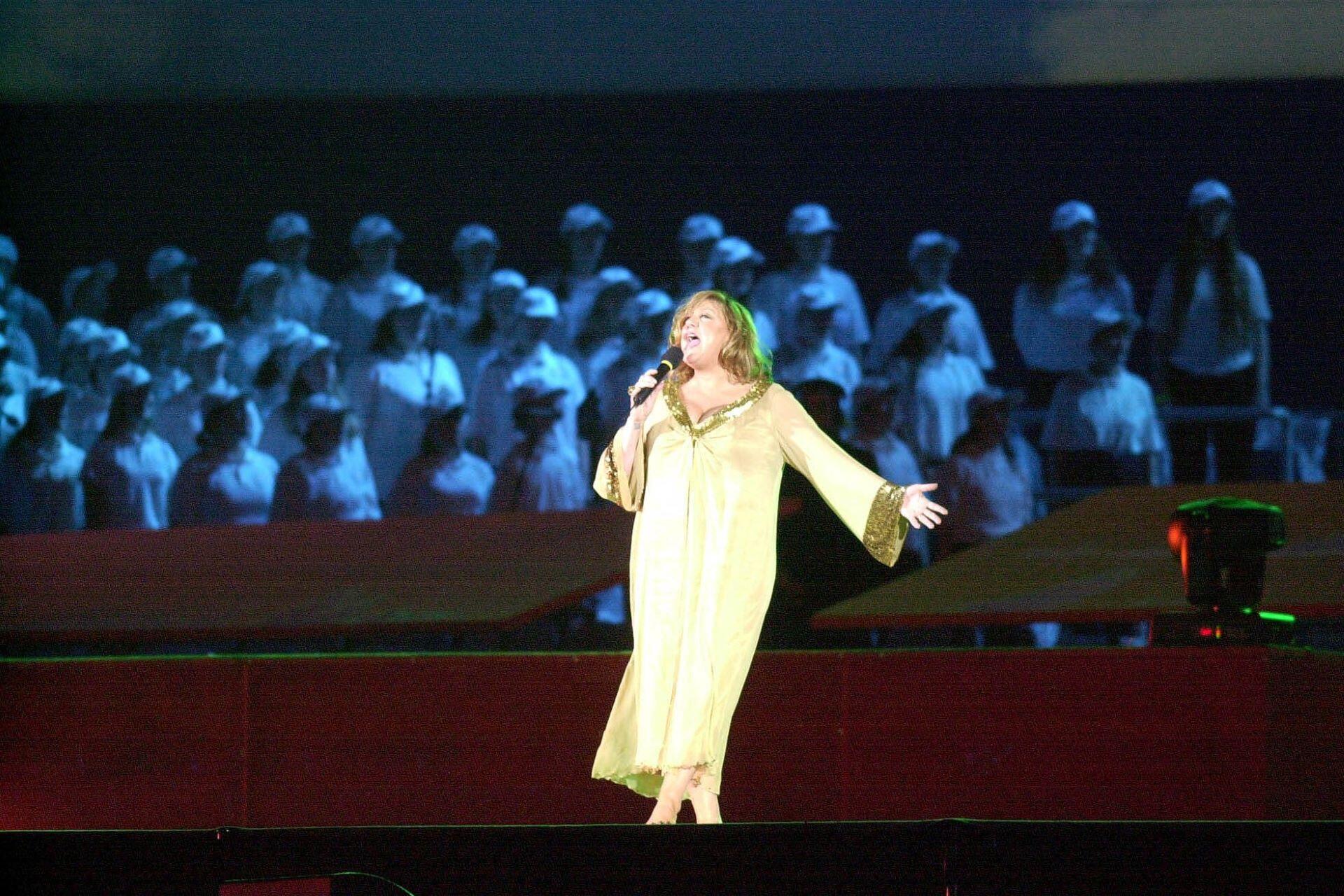
Delta Goodrem
Delta Goodrem became one of Australia’s best-known pop singers in the early 2000s, with songs such as “Born to Try”, “Lost Without You” and “Not Me, Not I”.
A singer-songwriter and pianist, she often builds her music around melodic ballads that give her voice plenty of room to develop.
Listen for Goodrem’s clear tone, sustained notes and controlled use of dynamics.
On “Born to Try”, she moves gradually from softer verses into a fuller chorus rather than relying on power throughout. It’s a useful example of how changes in intensity can help shape a pop vocal and make its biggest moments feel more effective.
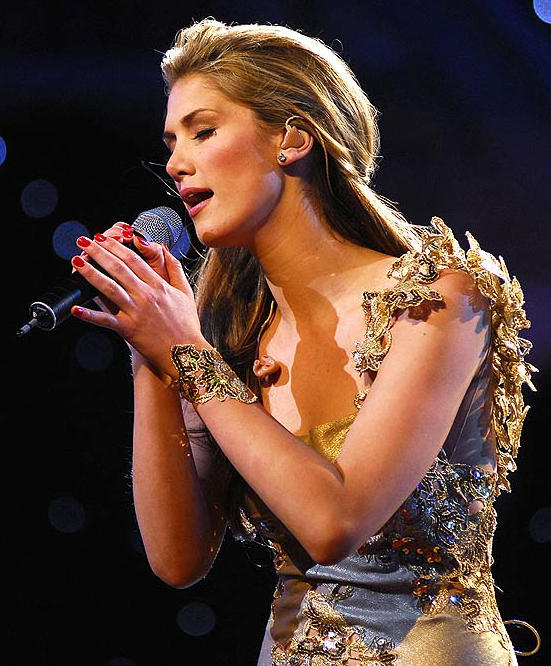
Marcia Hines
Marcia Hines arrived in Australia as a teenager and quickly became part of the country’s music scene. Marcia Hines' run of hits from the mid-1970s into the early 1980s made her a major presence in Australian pop.
Songs such as “You” and “From the Inside” capture the warmth and confidence that make her voice so recognisable. Listen for her rich tone, effortless groove and the way she can sound relaxed without ever losing presence. Hines is a great example of how rhythm and personality can give a vocal performance just as much impact as sheer power.
Missy Higgins
Missy Higgins has been one of Australia’s most recognisable singer-songwriters since the release of The Sound of White in 2004. Songs such as “Scar”, “The Special Two” and “Steer” helped establish her intimate, piano-led style, and in 2024 she was inducted into the ARIA Hall of Fame.
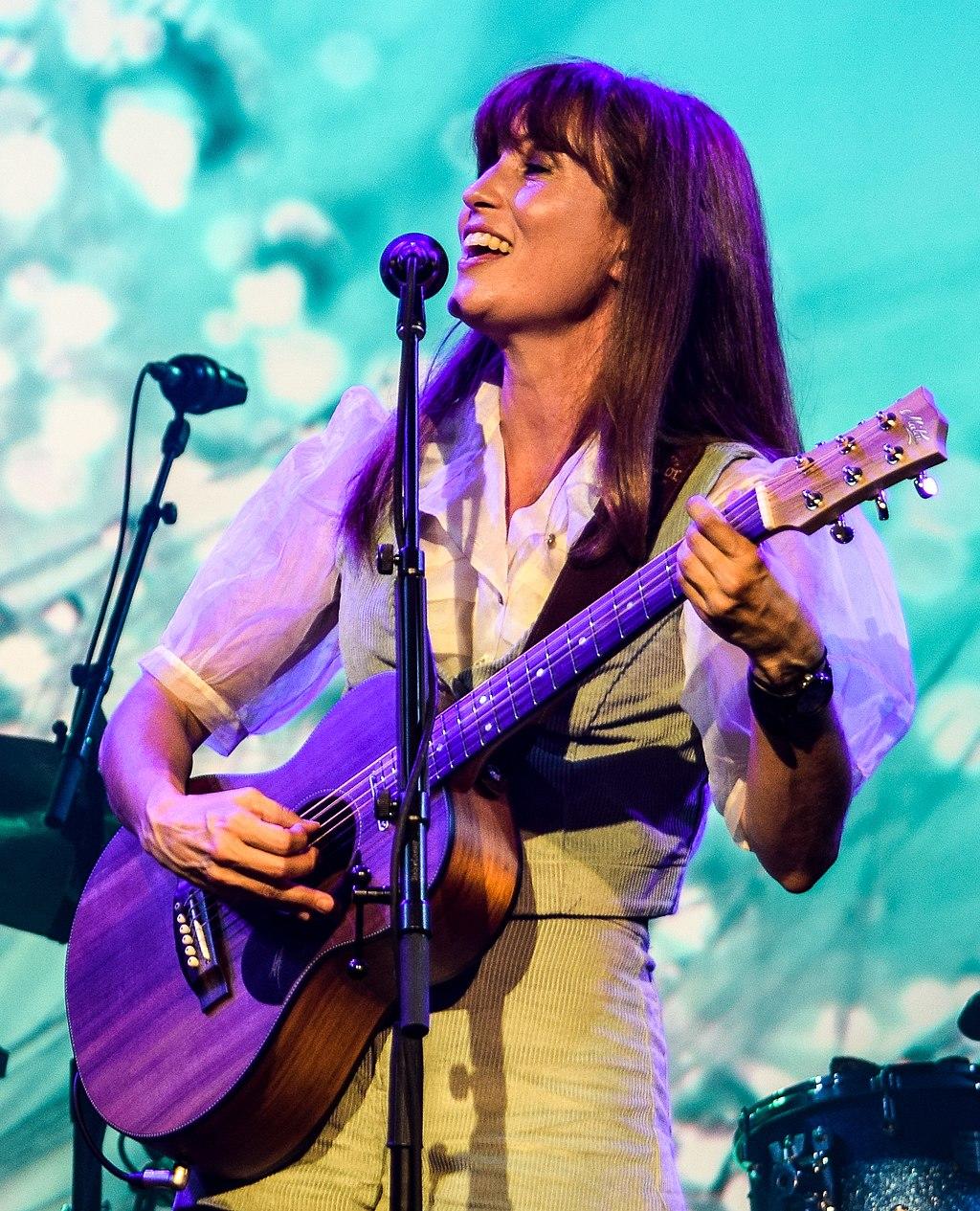
What makes Higgins especially engaging is how conversational her singing can feel.
Listen for her natural diction, gentle shifts in dynamics and the way she bends phrasing around the lyrics rather than making every line sound perfectly polished.
Her performances show how personality and storytelling can make a relatively understated voice feel immediately distinctive.
Ruby Hunter
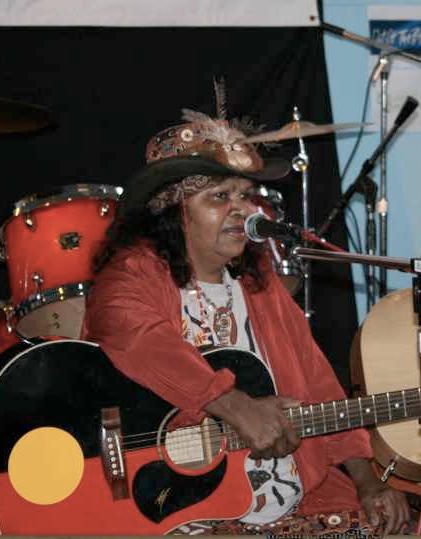
Ruby Hunter brought lived experience, family and Country into songs that could feel deeply personal without ever becoming overworked.A Ngarrindjeri, Kokatha and Pitjantjatjara woman from South Australia, she became an important voice in Aboriginal Australian music and shared a long creative partnership with Archie Roach.
Her singing is often understated, which gives the words plenty of space.
Songs such as “Down City Streets” show the strength of that approach: the emotional impact comes through direct storytelling, natural phrasing and the sense that every line has something worth saying.
Hunter’s music is a reminder that a memorable voice doesn’t need to be the loudest one in the room.
Natalie Imbruglia
Natalie Imbruglia became an international pop star in the late 1990s with “Torn”, a song that remains closely associated with her career.

Her debut album, Left of the Middle, introduced a style that blended polished pop with a more understated, singer-songwriter feel.
Listen for Imbruglia’s clear diction, light tone and conversational phrasing.
On “Torn”, she rarely pushes the vocal too hard; instead, much of the song’s impact comes from the contrast between restrained verses and a more open, emotional chorus. It’s a good example of how subtle changes in intensity can make a pop performance feel natural and expressive.
Kate Miller-Heidke
Kate Miller-Heidke is one of Australia’s most versatile singers, moving between pop, folk, musical theatre and opera. Classically trained at the Queensland Conservatorium, she has released several successful albums
She also represented Australia at Eurovision in 2019 with “Zero Gravity”, finishing in the top ten.
Her classical background gives her access to an unusually wide range of vocal colours and techniques.
Listen to “Zero Gravity” for the contrast between lighter pop phrasing and soaring upper-register passages, or “Caught in the Crowd” for a more restrained side of her voice.
She’s a particularly useful singer to hear if you want to explore how classical technique can be adapted to contemporary music.
Jessica Mauboy
Jessica Mauboy has grown from an Australian Idol breakthrough into one of the country’s most recognisable pop and R&B performers.
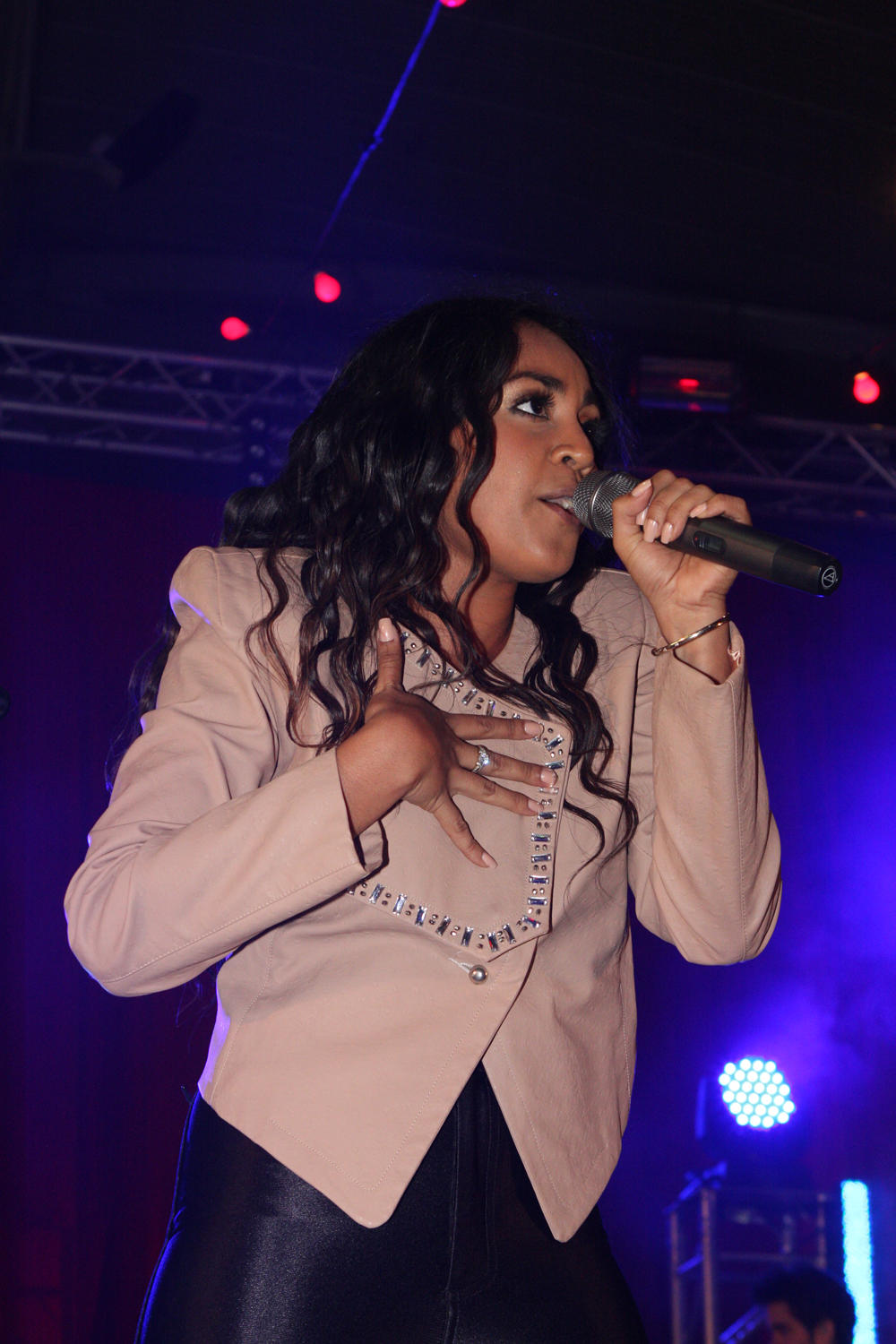
Songs such as “Burn”, “Running Back” and “Never Be the Same” show her ability to move between upbeat pop, soulful R&B and more emotional ballads without losing her distinctive vocal character.
Listen for Mauboy’s warm tone, rhythmic phrasing and the way she builds intensity without overpowering the melody.
On “Burn”, in particular, her voice moves confidently between controlled verses and a stronger, more energetic chorus. She’s a great example of how groove, personality and vocal control can work together in contemporary pop.
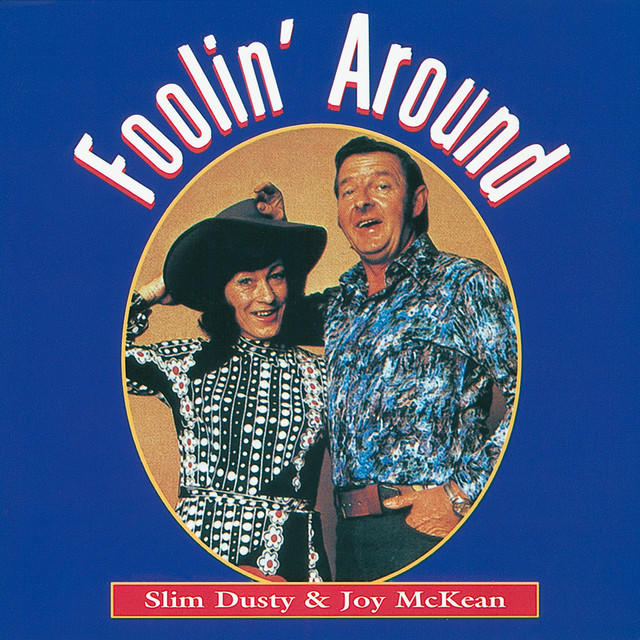
Joy McKean
Joy McKean was much more than a country singer: she was one of the great songwriters and behind-the-scenes forces in Australian country music.
She first performed with her sister Heather as the McKean Sisters, then built a lifelong musical partnership with Slim Dusty, writing some of his best-known songs and helping shape his career. She was also a co-founder of the Tamworth Country Music Festival.
“Lights on the Hill” is a particularly good introduction to her songwriting, earning McKean the first Golden Guitar Award in 1973.
Listen for the straightforward storytelling, vivid imagery and traditional country phrasing associated with her work. Her legacy shows that a powerful musical voice can come through songwriting and storytelling just as strongly as through vocal showmanship.
Jenny Morris
Jenny Morris became one of the defining Australian pop-rock voices of the late 1980s and early 1990s, with songs such as “She Has to Be Loved”, “Break in the Weather” and “You I Know”. Her solo career brought multiple platinum albums and back-to-back ARIA Awards for Best Female Artist, and in 2026 she was inducted into the ARIA Hall of Fame.
Listen for Morris’s strong, slightly husky tone and the energy she brings to rhythmic pop-rock songs. On “Break in the Weather”, her phrasing feels punchy and direct without losing warmth. She’s a great example of how a singer can sound powerful and confident while still keeping plenty of personality in the performance.
Olivia Newton-John
Olivia Newton-John became one of the most internationally recognised Australian singers of the 1970s and 1980s, moving easily between country, pop and film soundtracks.
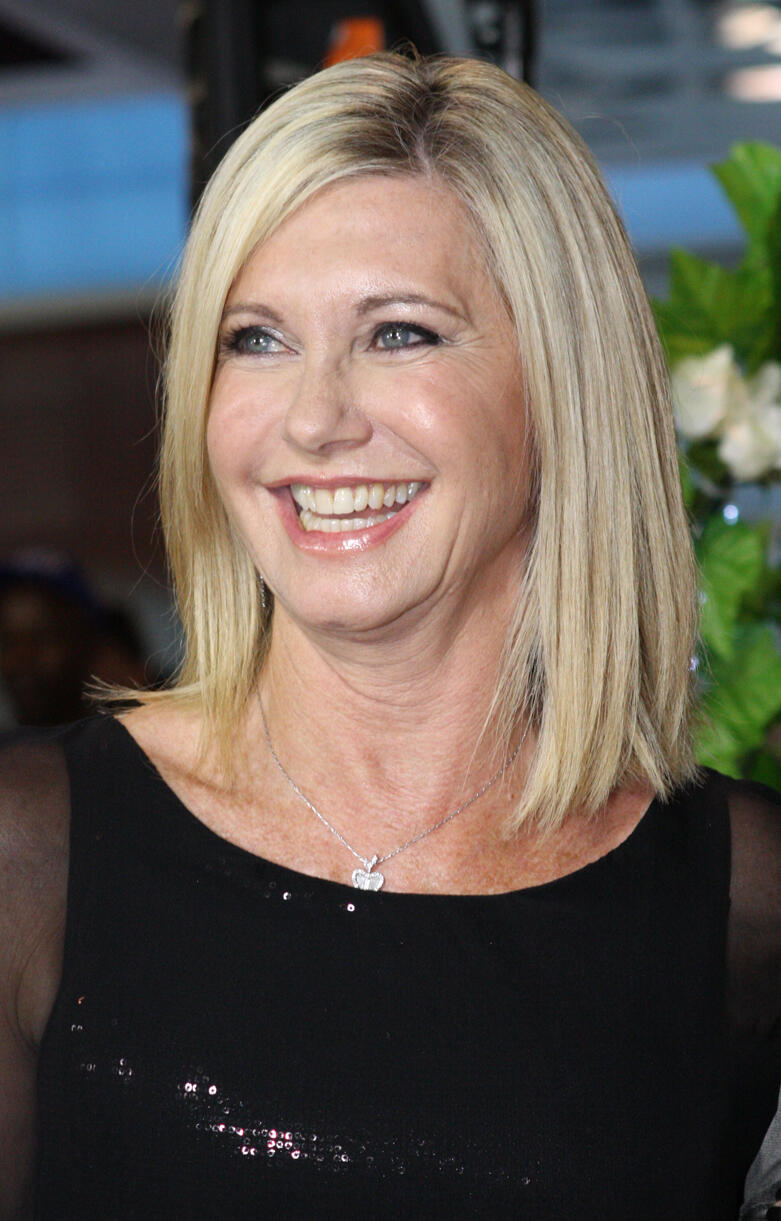
Songs such as “Hopelessly Devoted to You”, “Physical” and “I Honestly Love You” show the range of styles she explored throughout her career.
Listen for her clear, light tone and smooth phrasing, particularly on slower songs such as “Hopelessly Devoted to You”.
Rather than relying on a huge vocal sound, Newton-John often keeps the delivery controlled and natural, showing how warmth, clarity and restraint can make a performance feel immediately engaging.
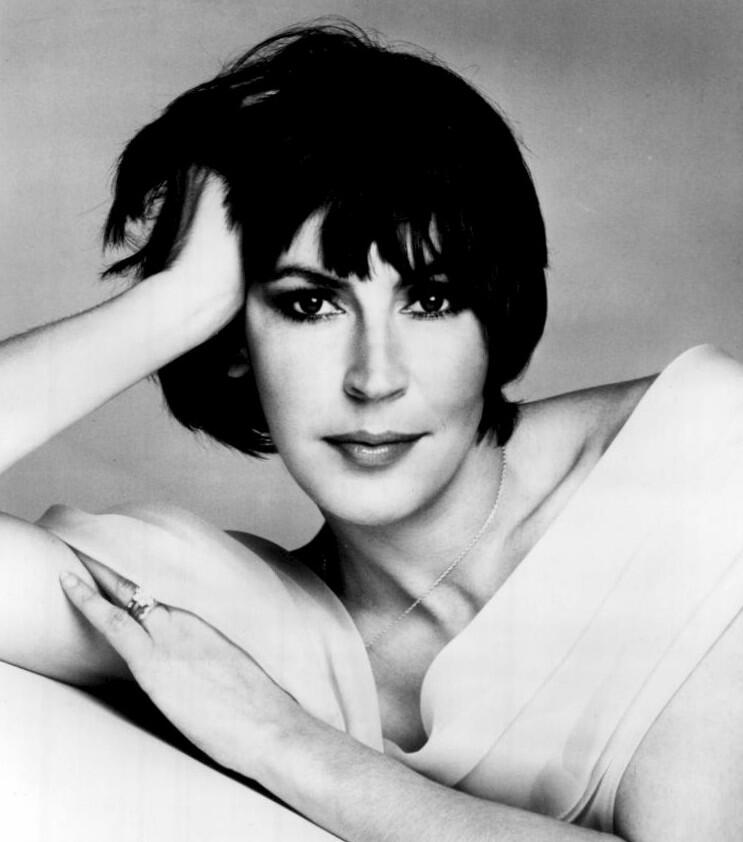
Helen Reddy
Helen Reddy became one of Australia’s most successful international singers of the 1970s, with a string of major US hits including “Delta Dawn”, “Angie Baby” and “I Am Woman”. The latter became the first US Billboard Hot 100 number one by an Australian-born artist and went on to become closely associated with the women’s liberation movement.
Listen for Reddy’s clear diction, confident phrasing and direct delivery, particularly on “I Am Woman”.
She rarely relies on elaborate vocal ornamentation; instead, much of the impact comes from the way she puts the lyric front and centre.
Her performances show how clarity and conviction can make a relatively straightforward vocal line feel powerful.
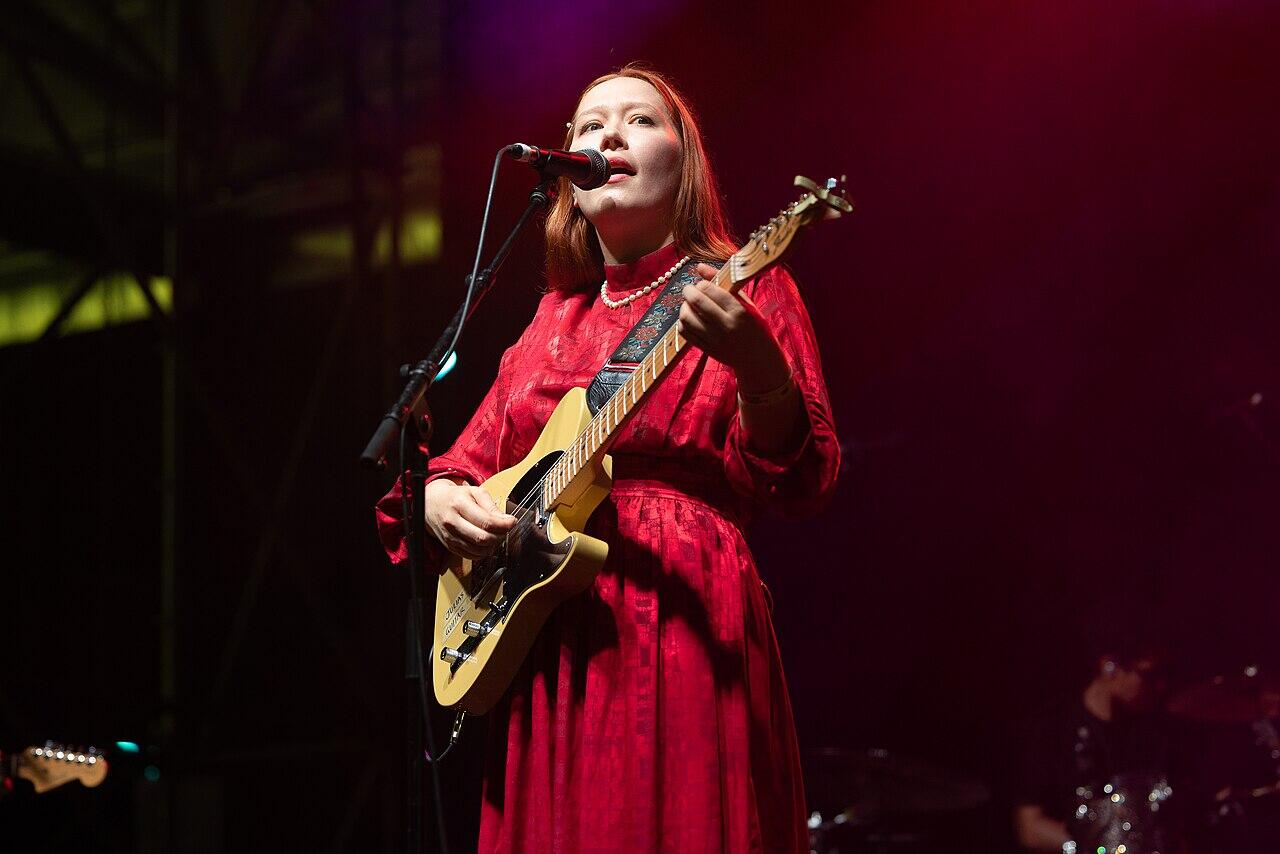
Sia
Sia has built an international career as both a singer and songwriter, becoming one of Australia’s most recognisable contemporary pop artists.

Alongside writing for other performers, she has released major hits of her own, including “Chandelier”, “Elastic Heart” and “Cheap Thrills”.
Listen for Sia’s distinctive tone, dramatic shifts in dynamics and unusual phrasing.
On “Chandelier”, she moves between more restrained verses and an intensely powerful chorus, using changes in volume and vocal texture to heighten the emotion. Her performances are a strong example of how an instantly recognisable voice can become central to an artist’s identity.
Courtney Barnett
Courtney Barnett has carved out a distinctive place in Australian indie rock with sharp observational lyrics and a vocal style that often sits somewhere between singing and speaking.
Her 2015 debut album Sometimes I Sit and Think, and Sometimes I Just Sit brought her widespread recognition in Australia and overseas.
“Pedestrian at Best” captures her at her most urgent and chaotic, while “Depreston” shows how effective she can be with something quieter.
Her dry tone and speech-like phrasing let the words dictate the rhythm, giving her songs a conversational quality that sounds unmistakably her own.

Julia Jacklin
Julia Jacklin’s songs often feel unusually intimate, as though you’re being let into a private conversation. The indie singer-songwriter gained wider recognition with albums including Don’t Let the Kids Win and Crushing, the latter receiving six ARIA nominations in 2019.
“Body” is a particularly good introduction to her style. Jacklin leaves plenty of space around the words, using a restrained tone and subtle shifts in phrasing to build tension rather than reaching for a dramatic vocal climax. That understated approach puts the storytelling firmly at the centre of the song.
Vika & Linda
Vika and Linda Bull have spent decades building a distinctive place in Australian music, both as a duo and as backing vocalists for artists including Joe Camilleri and Paul Kelly. Their music draws on soul, gospel, roots and rock, but the real signature is the way their voices work together.
Rather than sounding identical, Vika and Linda bring different vocal colours to the same performance, creating rich harmonies and a strong sense of call and response. Songs such as “When Will You Fall for Me” are a good place to hear how contrast between two voices can make a performance feel fuller and more dynamic.
Tones and I
Tones and I, the stage name of Toni Watson, went from busking in Byron Bay to international success with “Dance Monkey”, which reached number one on the ARIA Singles Chart and became a global hit. She followed that breakthrough with further releases including “Never Seen the Rain” and “Fly Away”.
What immediately sets her apart is the voice itself. Her highly stylised tone, clipped articulation and tight rhythmic delivery make “Dance Monkey” recognisable within seconds. Whether or not that vocal style is to your taste, it shows how an unconventional sound can become a powerful part of an artist’s musical identity.

Australian music keeps producing new voices beyond the artists on this list. If you're curious about who's emerging now, explore our guide to new Australian musical acts and discover more contemporary artists making their mark.
What You Can Learn from These Australian Female Vocalists
One thing this list makes clear is that there’s no single way a great voice should sound. These singers stand out for very different reasons.
Voice and vocal control
Compare Judith Durham’s clear, focused tone with Renée Geyer’s smoky sound or Tones and I’s highly stylised delivery. Dame Joan Sutherland and Kate Miller-Heidke also show how range, agility and control can open up very different musical possibilities.
Phrasing and rhythm
Missy Higgins and Julia Jacklin often let the words shape their phrasing, creating a conversational feel. Courtney Barnett, Jessica Mauboy and Kylie Minogue show how differently a singer can work with rhythm and the beat.
Expression and storytelling
Tina Arena and Sia use changes in dynamics to build intensity, while Ruby Hunter and Joy McKean show that emotional impact doesn’t always require vocal fireworks — sometimes the story and the way it’s delivered matter most.
References
- Australian Broadcasting Corporation. “50 Game-Changing Women of Australian Music.” Double J, 8 Mar. 2021, https://www.abc.net.au/listen/doublej/music-reads/features/50-game-changing-women-australian-music/13215104. Accessed 19 Aug. 2026.
- Australian Recording Industry Association. “ARIA Announces 2026 Hall of Fame Inductees for Landmark 40th Anniversary Celebration.” ARIA, 3 May 2026, https://www.aria.com.au/awards/news/aria-announces-2026-hall-of-fame-inductees-for-landmark-40th-anniversary-celebration. Accessed 19 Aug. 2026.
- Australian Recording Industry Association. “ARIA Hall of Fame.” ARIA, https://www.aria.com.au/hall-of-fame/. Accessed 19 Aug. 2026.
- Australian Recording Industry Association. “ARIA Charts Throwback: 24 May 1998.” ARIA, 24 May 2018, https://www.aria.com.au/charts/news/aria-charts-throwback-24-may-1998. Accessed 19 Aug. 2026.
- Australian Recording Industry Association. “Delta Goodrem Scores Fifth ARIA Albums Chart #1.” ARIA, 21 May 2021, https://www.aria.com.au/charts/news/delta-goodrem-scores-fifth-aria-albums-chart-1. Accessed 19 Aug. 2026.
- Australian Recording Industry Association. “Jessica Mauboy Makes ARIA History.” ARIA, 22 Oct. 2016, https://www.aria.com.au/charts/news/jessica-mauboy-makes-aria-history. Accessed 19 Aug. 2026.
- National Film and Sound Archive of Australia. “I Am Woman by Helen Reddy.” NFSA, https://www.nfsa.gov.au/collection/item/i-am-woman-helen-reddy. Accessed 19 Aug. 2026.
- National Film and Sound Archive of Australia. “I’ll Never Find Another You by The Seekers.” NFSA, https://www.nfsa.gov.au/collection/item/ill-never-find-another-you-seekers. Accessed 19 Aug. 2026.
- National Film and Sound Archive of Australia. “Island Home by Christine Anu.” NFSA, https://www.nfsa.gov.au/collection/item/island-home-christine-anu. Accessed 19 Aug. 2026.
- National Film and Sound Archive of Australia. “Ruby Hunter, 1988.” NFSA, https://www.nfsa.gov.au/collection/item/ruby-hunter-1988. Accessed 19 Aug. 2026.
Summarise with AI:
Did you like this article? Leave a rating!


 Loading...
You have forgotten Renee Geyer, Wendy Matthews, Vika & Linda Bull, Kate Ceberano, & a few more. Thank you for at least acknowledging. The ones you have & making a point of saying the men are always recognised & remembered but its not equally so for the women singers.
Hi! Thank you for your comment! You’re absolutely right, Renee Geyer, Wendy Matthews, Vika & Linda Bull, and Kate Ceberano are all incredible artists. We’ll be sure to include them in future updates! Thanks for the great feedback.
Dear Brooke,
You are a STAR! I’ve been trying unsuccessfully to recall Renee’s name for simply weeks.
Thank you in bucketfuls!
p.s. Wasn’t she a power house and Kate Cebrano too.
Buttercup.
Most of this is pop which is ok. I’d love to see some discussion of serious or poetic singer songwriters. Joustene Lorenz is by far the most interesting female singer songwriters coming out of Australia at the moment. She’s the descendant of the great poet songwriters—Dylan, Cohn, Joni Mitchell etc. Two examples— ‘Iron Tower -https://www.youtube.com/watch?v=WN49eLWz4Tk ‘Blue’ -https://www.youtube.com/watch?v=7bVLYk26KFg