
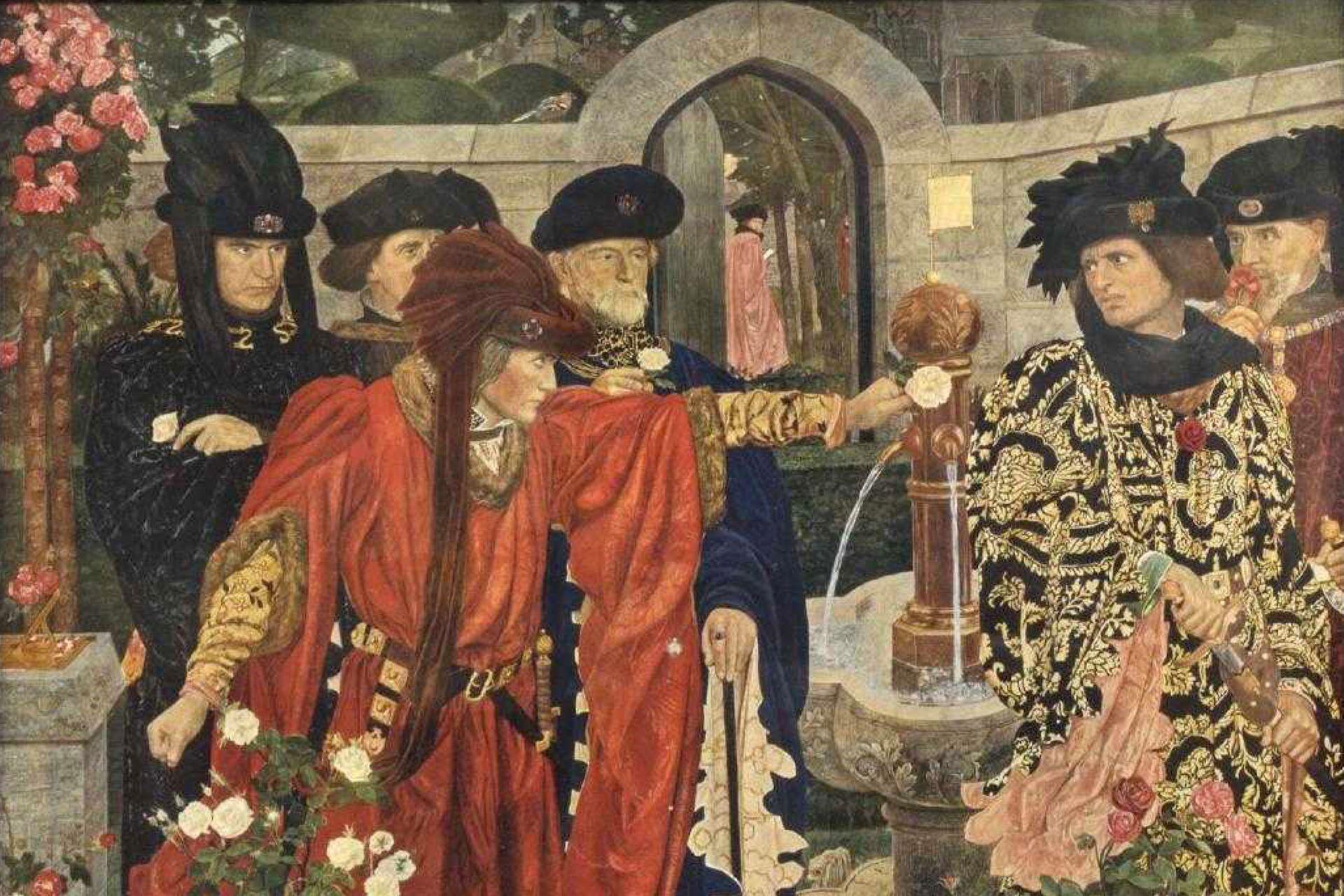

The Wars of the Roses were a series of civil wars in England between 1455 and 1487, fought between the rival houses of Lancaster and York for control of the throne. The conflict concluded with the rise of the Tudor dynasty, uniting both houses.


Origins and Causes
In this same time the realm of England was out of all good governance… for the King was simple and led by covetous counsel…
An English Chronicle, describing the reign of Henry VI (c. 1459)
The Wars of the Roses were caused by a mixture of rivalries, political instability, and economic hardship. In 15th-century England, competing noble families sought to control the English throne. These tensions eventually became an open conflict between the houses of Lancaster and York.²
Dynastic Rivalries
The primary and most obvious cause of the Wars of the Roses was that there were competing claims to the English throne. The Houses of Lancaster and York both descended from King Edward III, which allowed them both to argue that they had legitimate hereditary rights to rule England.² The Yorkists believed their lineage gave them a stronger claim.
Political Instability
The political instability under King Henry VI weakened royal authority. With periods of mental illness, Henry VI was often unable to govern effectively, and factions within the English nobility were competing for influence over the crown. Noble rivalries escalated, and England was vulnerable to civil war and internal power structures.
Economic and Social Factors
After the Hundred Years' War, England faced significant financial strain.¹⁰ This led to widespread social unrest. The military defeats in France reduced national prestige. Returning soldiers and the economic hardship made everyday life for people during Tudor times very difficult.
Major Battles and Events
The Wars of the Roses can be defined by a series of decisive battles. These conflicts shifted the control of the throne between Yorkist and Lancastrian factions. The outcome of these conflicts would play a significant role in how the Wars of the Roses concluded.
1455
First Battle of St Albans
Marked the outbreak of the Wars of the Roses. Yorkist forces led by Richard, Duke of York, defeated Lancastrian troops loyal to King Henry VI and captured the king.
1461
Battle of Towton
The bloodiest battle of the conflict. Edward, Duke of York, secured a decisive Yorkist victory and was crowned King Edward IV.
1470
Readeption of Henry VI
Henry VI briefly returned to the throne with support from Richard Neville, Earl of Warwick, after Edward IV fled England.
1471
Restoration of Edward IV
Edward IV returned from exile, defeated Lancastrian forces, and re-established Yorkist rule.
1485
Battle of Bosworth Field
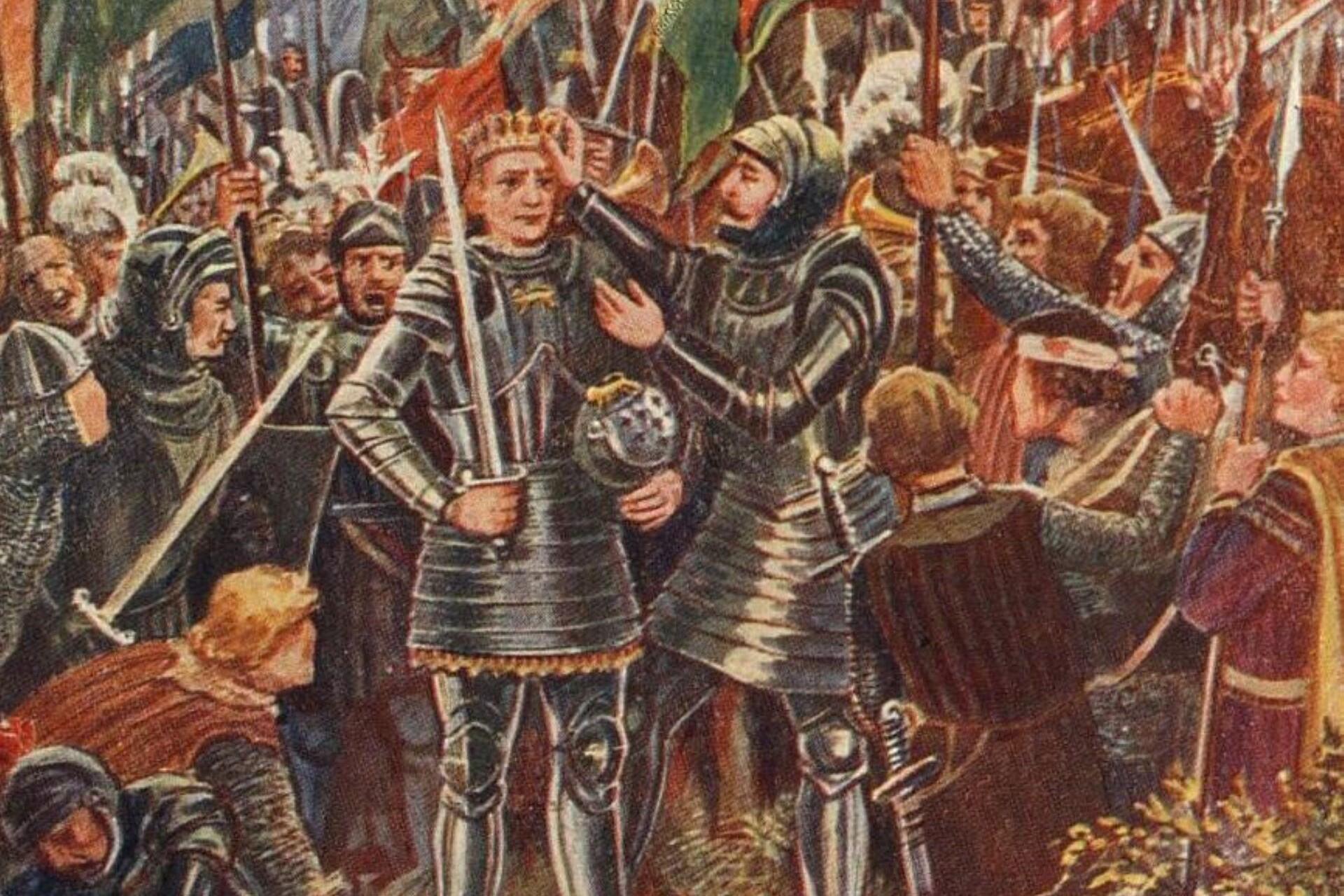
Henry Tudor defeated King Richard III, ending Yorkist rule and establishing the Tudor dynasty.
1487
Battle of Stoke Field
Often considered the final battle of the Wars of the Roses. Tudor forces defeated the remaining Yorkist rebels.
First Battle of St Albans (1455)
The First Battle of St Albans is considered the opening military engagement in the Wars of the Roses.² Yorkist forces led by Richard, Duke of York, confronted Lancastrian supporters loyal to King Henry VI. The Yorkists won decisively, captured Henry VI, and weakened Lancastrian authority.
Battle of Towton (1461)
Friends, I ask that today you might be good and loyal to one another, because we fight in a just cause.
Attributed to Edward IV before the Battle of Towton, cited in Historic England battlefield reports
The Battle of Towton was the largest and bloodiest battle during the Wars of the Roses.⁸ It was a turning point as Yorkist forces under Edward, Duke of York, clashed with Lancastrian troops. There were heavy casualties on both sides. Edward secured the throne with this victory as King Edward IV.
Readeption of Henry VI (1470–1471)
Political alliances shifted dramatically during the period known as the Readeption of Henry VI.²Richard Neville, Earl of Warwick, turned against Edward IV and helped Henry VI return to the throne. The restoration was short-lived, as Edward IV returned from exile and defeated Lancastrian forces.
Battle of Bosworth Field (1485)
The Battle of Bosworth Field was the decisive conclusion of the Wars of the Roses.⁴ This fundamentally changed the English Monarchy. Here, Henry Tudor, representing the Lancastrian claim, defeated King Richard III in battle. Richard III's death on the battlefield ended Yorkist rule. Henry Tudor's victory made him King Henry VII and, in doing so, established the Tudor dynasty.
Key Figures
The Wars of the Roses were shaped by several key figures. Each with their own political ambitions, these individuals were among the protagonists of the Wars of the Roses. Let's quickly meet each of them.
Henry VI
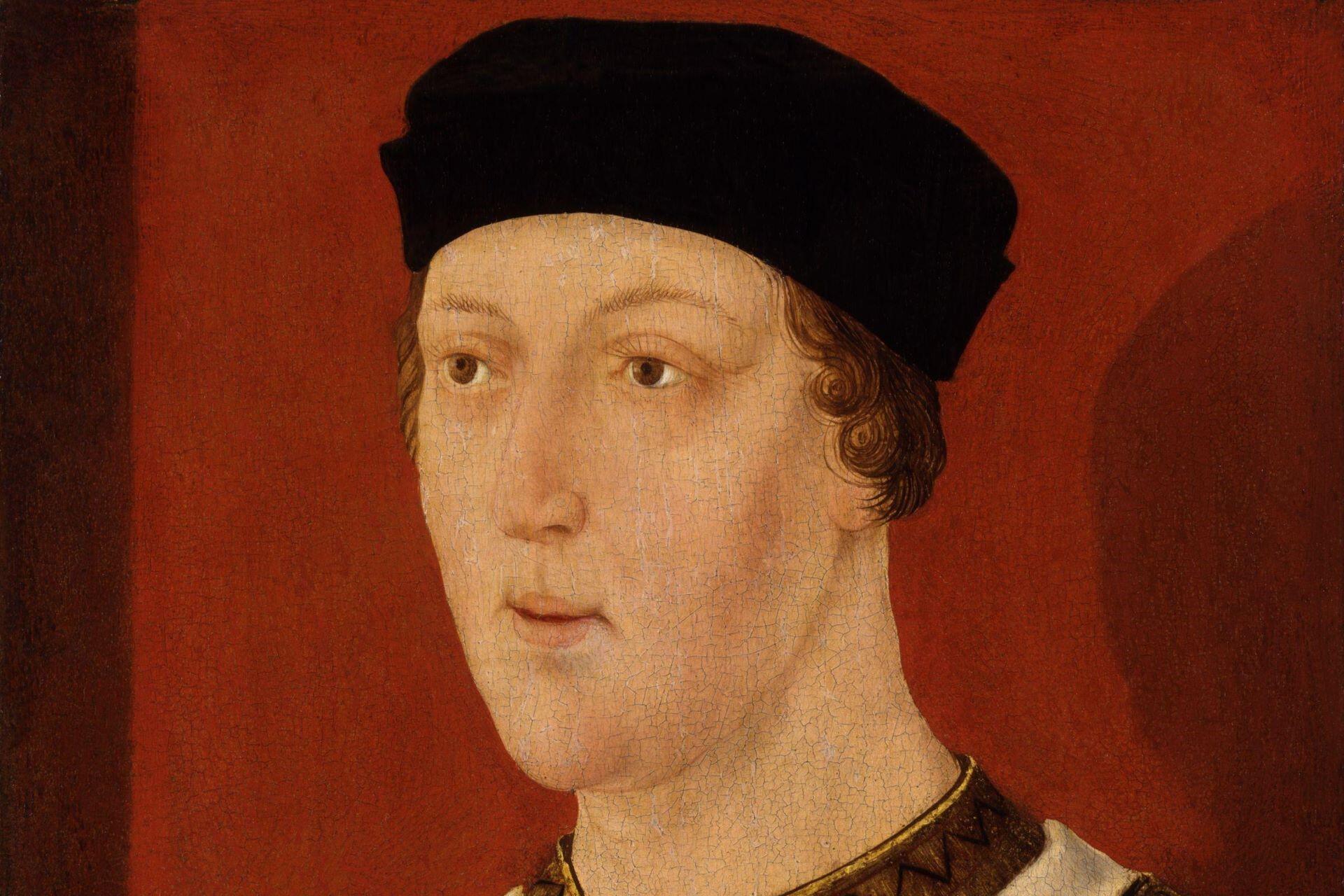
Henry VI was the Lancastrian monarch.⁶ His reign was the focal point of the conflict. Mental illness and ineffective leadership weakened royal authority, allowing powerful nobles to compete for control.
Richard, Duke of York
Richard, Duke of York, was the primary Yorkist challenger to Henry VI's rule. He believed that his lineage gave him a hereditary claim to the English throne. He helped ignite the conflict and was ultimately killed during the fighting.
Edward IV
Edward IV was the son of Richard, Duke of York. His military victories during the Wars of the Roses helped secure him as the Yorkist king. However, his reign was constantly challenged by Lancastrian supporters.
Richard III
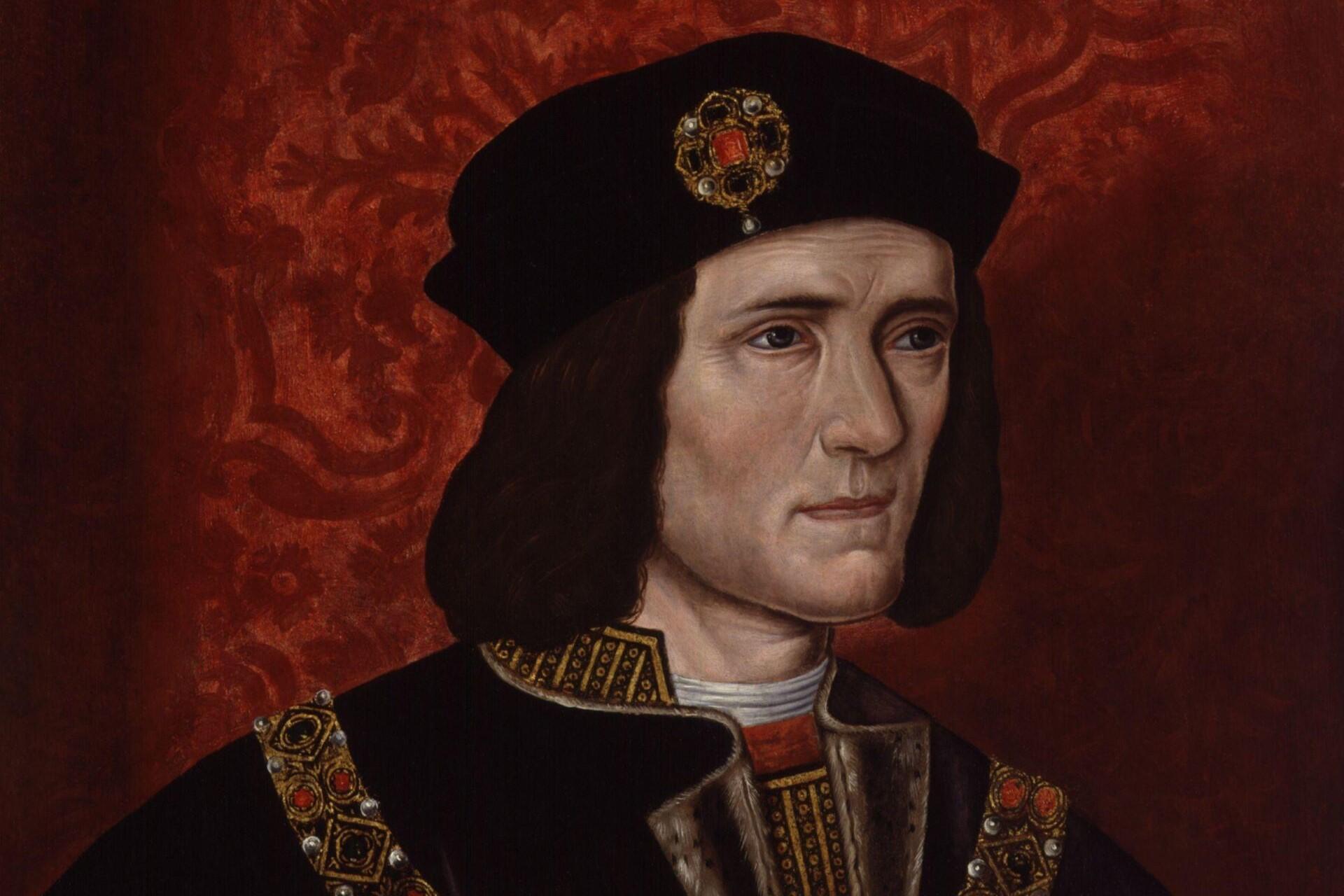
Richard III was Edward IV's brother. After Edward's death, he seized the throne. He imprisoned his young nephews in the Tower of London to maintain power. His defeat and death at the Battle of Bosworth Field was the end of the Yorkist control of the monarchy.³
Henry VII
Henry VII was ultimately the winner in the Wars of the Roses. He was the founder of the Tudor dynasty. Henry Tudor would become best known as King Henry VII, and his dynasty would be called the Tudors.
The Rise of the Tudors
The end of the Wars of the Roses was the beginning of the Tudor dynasty in England. Henry Tudor brought stability to the kingdom after decades of internal conflict. Military successes, strategic marriages, and political reform helped the Tudors strengthen royal authority.
Henry Tudor's Claim
Henry Tudor's claim to the throne was based on his Lancastrian lineage. Compared to others, his claim was actually relatively weak. However, with support from nobles looking for an end to civil conflict, he claimed victory at the Battle of Bosworth Field and asserted his legitimacy this way.
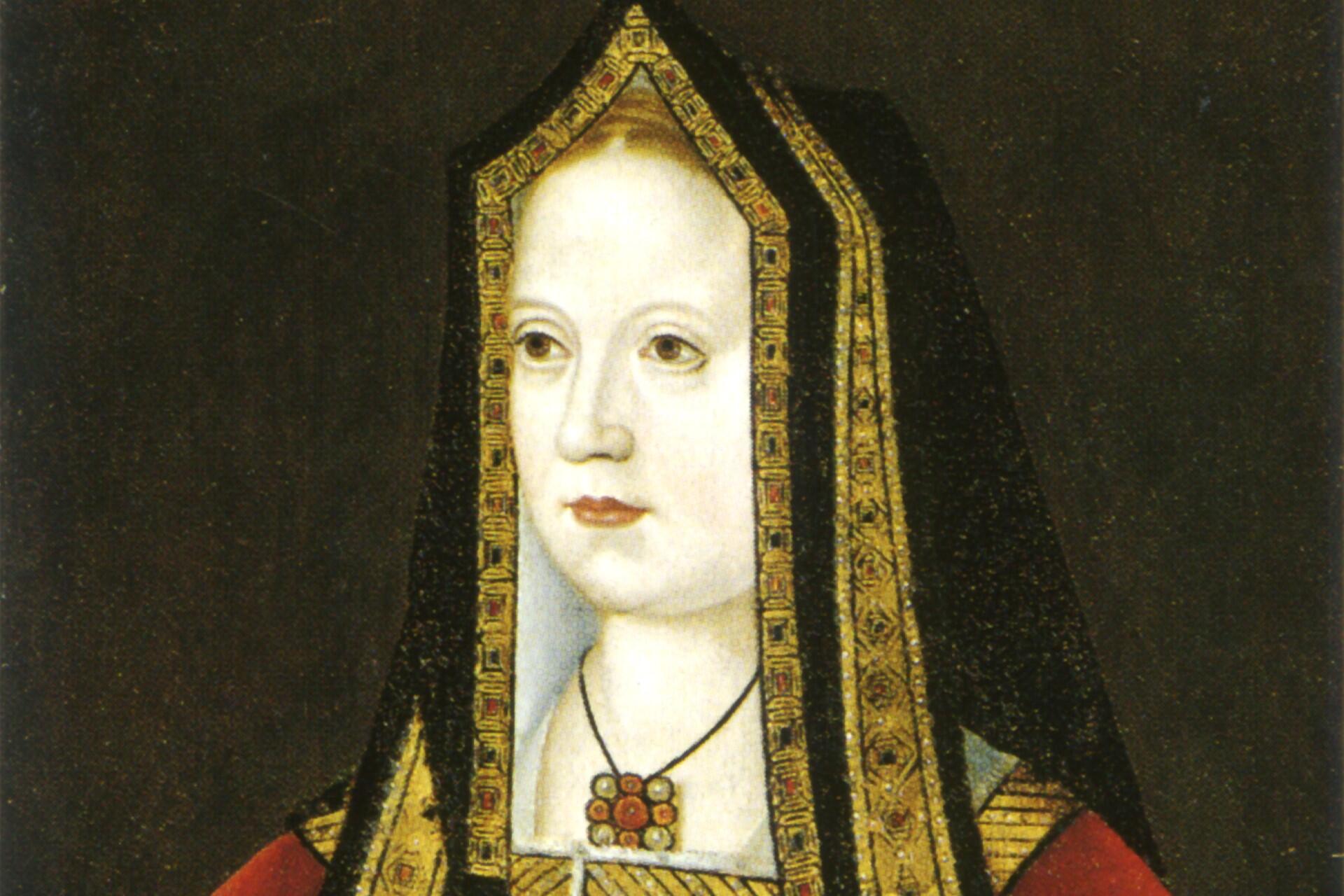
Marriage to Elizabeth of York
By marrying Elizabeth of York, Edward IV's daughter, Henry VII united the rival houses of Lancaster and York.² The union was a decisive political move, reinforcing Tudor legitimacy and promoting national stability.
Establishment of the Tudor Dynasty
Henry VII focused on consolidating royal authority and quelling rebellions. Administrative reforms and financial control helped prevent further uprising. These policies made the Tudors stable in the long term. They ushered in a new period of centralised monarchy in England.
Impact and Legacy
The Wars of the Roses changed England's political structure for a long time. The conflict reshaped the monarchy, but it also changed the country's political structure, cultural identity, and historical memory. Even today, its legacy shapes how we understand England.
Political Changes
The Tudor dynasty was a shift towards a stronger centralised royal authority. Henry VII reduced the influence of noble families. Political reforms stabilised the kingdom and strengthened the foundations of the early modern English state.
Cultural Influence
The Wars of the Roses have inspired many literary and artistic works. For example, William Shakespeare's historical plays popularised and shaped the public perceptions of key figures like Richard III and Henry VI.⁹ The wars as they're remembered today are as much a part of historical record as they are a product of centuries of cultural output.
Modern Interpretations
Modern historians re-evaluate the Wars of the Roses.¹⁰ Archeological discoveries and new historical evidence mean the stories continue to be understood in new lights. Scholars also focus heavily on the broader social, economic, and political contexts rather than just the dynastic struggle between the two houses. Recent research has shown just how complex the Tudor period was. While called the Wars of the Roses, it wasn't just the houses of York and Lancaster who shaped them.
References
- Battlefields Trust. “Bosworth Battlefield Survey.” The Battlefields Hub, https://www.battlefieldstrust.com/resource-centre/warsoftheroses/battlepageview.asp?pageid=824.
- Encyclopaedia Britannica. “Wars of the Roses.” Britannica, https://www.britannica.com/event/Wars-of-the-Roses.
- Historic England. “Battle of Bosworth (Field) 1485, Dadlington & Sutton Cheney (List Entry Number: 1000004).” Historic England, https://historicengland.org.uk/listing/the-list/list-entry/1000004.
- Historic England. “Bosworth.” Register of Historic Battlefields, https://historicengland.org.uk/content/docs/listing/battlefields/bosworth/.
- Historic England. “Towton.” Register of Historic Battlefields, https://historicengland.org.uk/content/docs/listing/battlefields/towton/.
- Historic Royal Palaces. “Wars of the Roses Significant People Biographies and Key Facts.” Historic Royal Palaces, https://www.hrp.org.uk/schools/learning-resources/wars-of-the-roses-significant-people-biographies-and-key-facts-ks2-ks3-ks4-ks5/.
- Jones, W. Garmon. York and Lancaster. Project Gutenberg, https://www.gutenberg.org/files/56180/56180-h/56180-h.htm.
- Ross, James. “The Battle of Towton (1461): A 550-Year Retrospective.” The National Archives, https://cdn.nationalarchives.gov.uk/documents/towton.pdf.
- Shakespeare, William. Henry VI, Part 1. MIT Shakespeare, https://shakespeare.mit.edu/1henryvi/1henryvi.2.4.html.
- The Historical Association. “Using Historical Sources: A Guide for A-Level Students (Wars of the Roses).” The Historical Association, https://www.history.org.uk/files/download/19509/1512746557/Using_sources_at_Alevel__Wars_of_the_Roses.pdf.
Summarise with AI:
Did you like this article? Leave a rating!

 Loading...
