
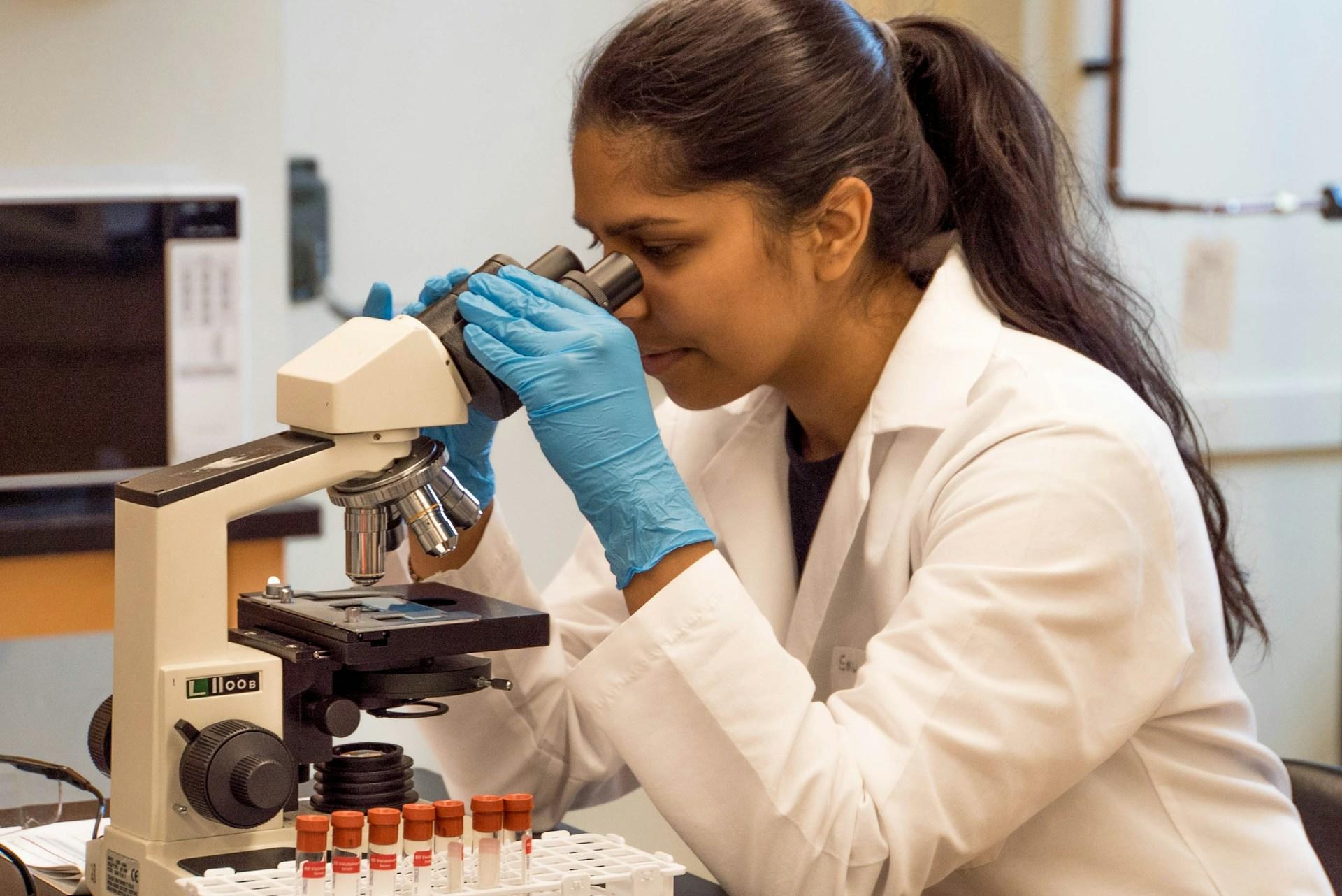

Cells are fundamental units of life. Every living organism is essentially a collection of cells, all except for single-celled bacteria, as one cell does not a collection make. That microscopic cells sustain and power life is remarkable enough. But crack those little things open and you have a new world of wonders to explore, which is what this article does.
Cell Organelles and Their Functions
- The nuclei contain genetic information and DNA; they are enclosed in a nuclear envelope
- The mitochondria, called the 'cells' powerhouse', provides energy to fuel cell processes.
- Ribosomes assemble amino acid components into usable proteins.
- The endoplasmic reticulum folds proteins for consumption.
- The Golgi apparatus distributes repackaged proteins.
- Lysosomes are kept separate from the cytoplasm to prevent them from digesting the cells.


What Is a Cell?
Cells are the basic units for life1. Their construction - their shape and contents - are optimised to support and drive existence. Cells are responsible for energy production, growth, reproduction, and waste removal.
Types of Cells
As all-important as cells are, there must be many types of them, right? Yes and no. Animals have communication cells (neurones), reproductive cells (sperm and egg), and barrier cells (epithelial), among many other types. However, cell study revolves around two main types of cells2.
Eukaryotic
- feature a nucleus
- DNA stored in nucleus
- cell walls are semi-permeable
- present in single-celled and multi-celled organisms
Prokaryotic
- cells lack a nucleus
- DNA stored in nucleoid
- cell walls are more rigid
- feature in single-celled organisms
Animal and plant cells are eukaryotic, meaning they do have those and other features. Bacteria and Archaea, typically single-celled organisms, are prokaryotic cells.
Viruses are neither prokaryotic nor eukaryotic; in fact, they're not cells.
Though considered living things, they are just genetic material wrapped in a protein coat.
This article focuses on eukaryotic cells. Thse are the cells that long-ago biologists studied to develop cell theory, the foundational principles that describe cells' purpose and functions.
Overall Cell Structure
Before we dive into the cell's inner components - arguably their more fascinating aspect, we explore cells' protective structures.
The Cell Membrane
This is a thin, flexible barrier that encloses the cell and helps protect its organelles from its external environment. Also called the plasma membrane, it is a lipid, two-layer (bilayer) shell with proteins, cholesterol, and glycolipids embedded in it. However, the membrane serves a few more functions3.
| 🦠Membrane fact | 🙋♂️What it means |
|---|---|
| Membranes are selectively permeable | Membranes allow substances in and out of the cell. Glucose and ions may enter. Waste and toxins may not. |
| Membranes signal other cells and facilitate communication. | Membranes contain receptor and glycoproteins that enable recognition and response to hormones, the cell's environment, and to other cells. |
| Membranes can recognise and adhere to other cells. | Membranes facilitate cell-to-cell attachment as well as intercell communication. This feature is crucial immune responses and tissue formation. |
| Membranes compartmentalise | Membranes help define internal compartments, which enables specific biochemical processes. |
| Membranes protect the cell's shape and integrity. | The membrane protects the cell's interior components and helps keep the cell's shape by working with the cytoskeleton. |
One of the membrane’s layers is hydrophilic (attracts water), and the other his hydrophobic (repels water). This ‘dual mandate’ shell functions as a gatekeeper, allowing substances in and out, while giving the cell structural support.
Cytoplasm, The Suspense Solution
Cytoplasm is the gel-like substance within the cell that all of the organelles are suspended in. It contains enzymes and salt, as well as a few other molecules, and lots of water.
Cytoplasm's primary function is to protect the organelles but it fulfils other functions, too: mitosis and meiosis - the two-stage cell division process; glycolysis (the first step in cellular respiration) and making proteins.
Additionally, the cytoplasm helps move hormones and other materials around the cell and dissolves cellular waste.
Nucleus Functions
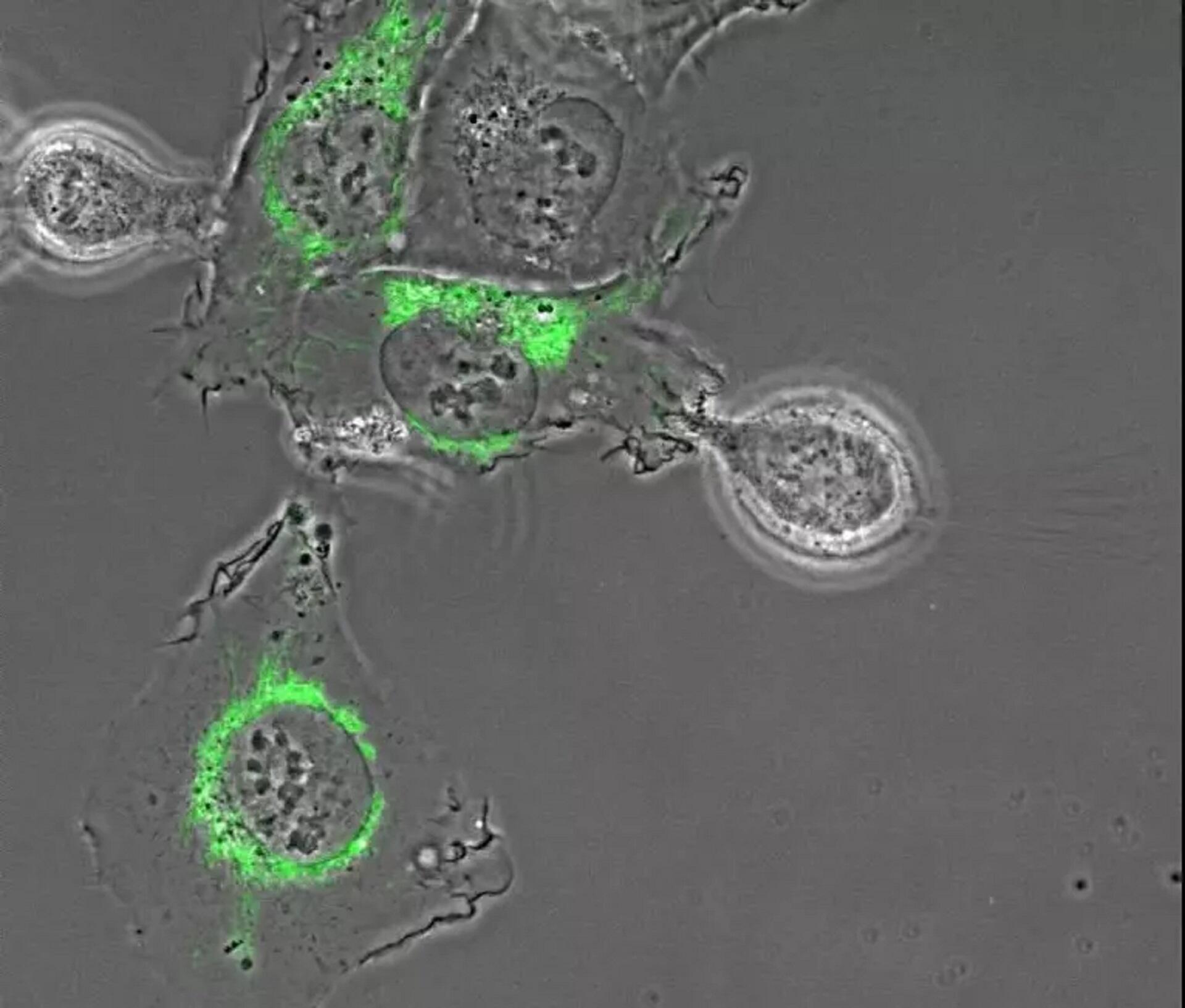
Nuclei are the main components that separate eukaryotic from prokaryotic cells; it is the largest and most important organelle. It houses all of the cell's genetic information, all of which is protected by the nuclear envelope - the membrane surrounding it.
Most cells have only one nucleus but some, such as skeletal muscle cells, may have more than one. By contrast, human red blood cells have no nucleus, the better to store and transport gases.
The nucleus directs and controls all cellular activity, including protein production and cell division; growth and apoptosis (programmed cell death).
Cell Organelles and Their Functions
Protected by the cell membrane, within the cytoplasm, the nucleus issues instructions to a host of mini-organs (organelles). Each has a specific function. Are you looking for someone to tutor biology so you can master these concept faster? Find an amazing biology tutor near me on Superprof.
Mitochondria
These organelles, shaped like a boat, are found in several places throughout the cell.
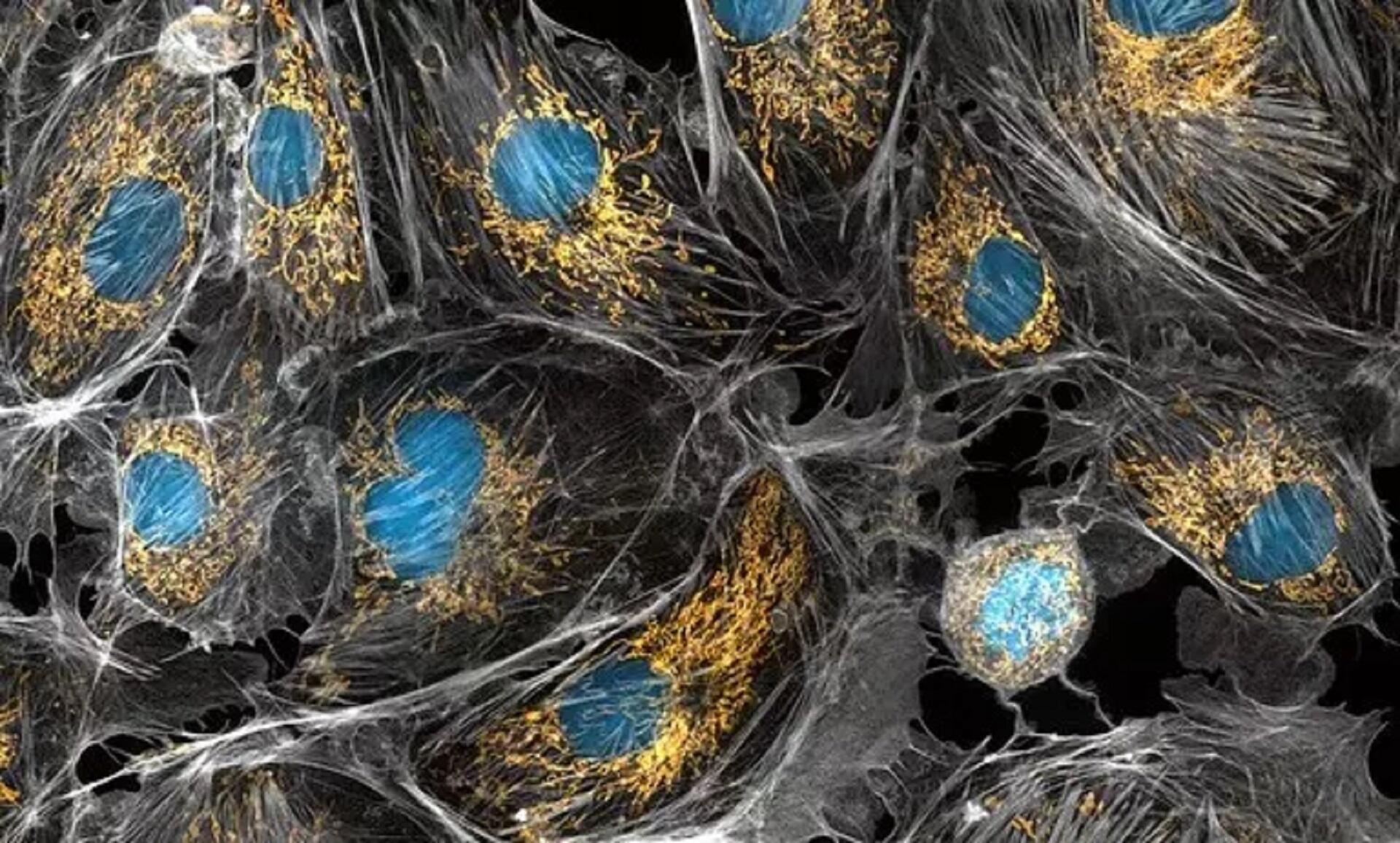
They take in the carbohydrates, lipids and proteins and convert them to a form of energy the cell organelles can use: adenosine triphosphate, or ATP.
Enclosed within its outer membrane, mitochondria's inner membrane is folded onto itself to increase its surface area.
Within those folds are the enzymes needed to metabolize the aforementioned molecules. Once these organelles complete their task, the power-giving ATP is released to sustain other cellular functions.
Ribosomes
DNA in the nucleus has the instructions for all of the proteins the cell produces. The ribosomes receive those instructions and assemble amino acids according to those specifications. The polypeptide chains that result from following those genetic instructions are then transported to other organelles for processing.
Some ribosome organelles may be freestanding within the cytoplast.
Most are attached to the endoplasmic reticulum.
The Endoplasmic Reticulum
The endoplasmic reticulum, ER for short, receives the long-chain amino acids from the ribosomes. The transfer from one organelle to the next is rather easily done because ribosomes attach to the outer (rough) membrane. This rough membrane folds and tags the newly-made proteins for transport.
Those transport vesicles will be dispatched to our next organelle.
The Golgi Apparatus
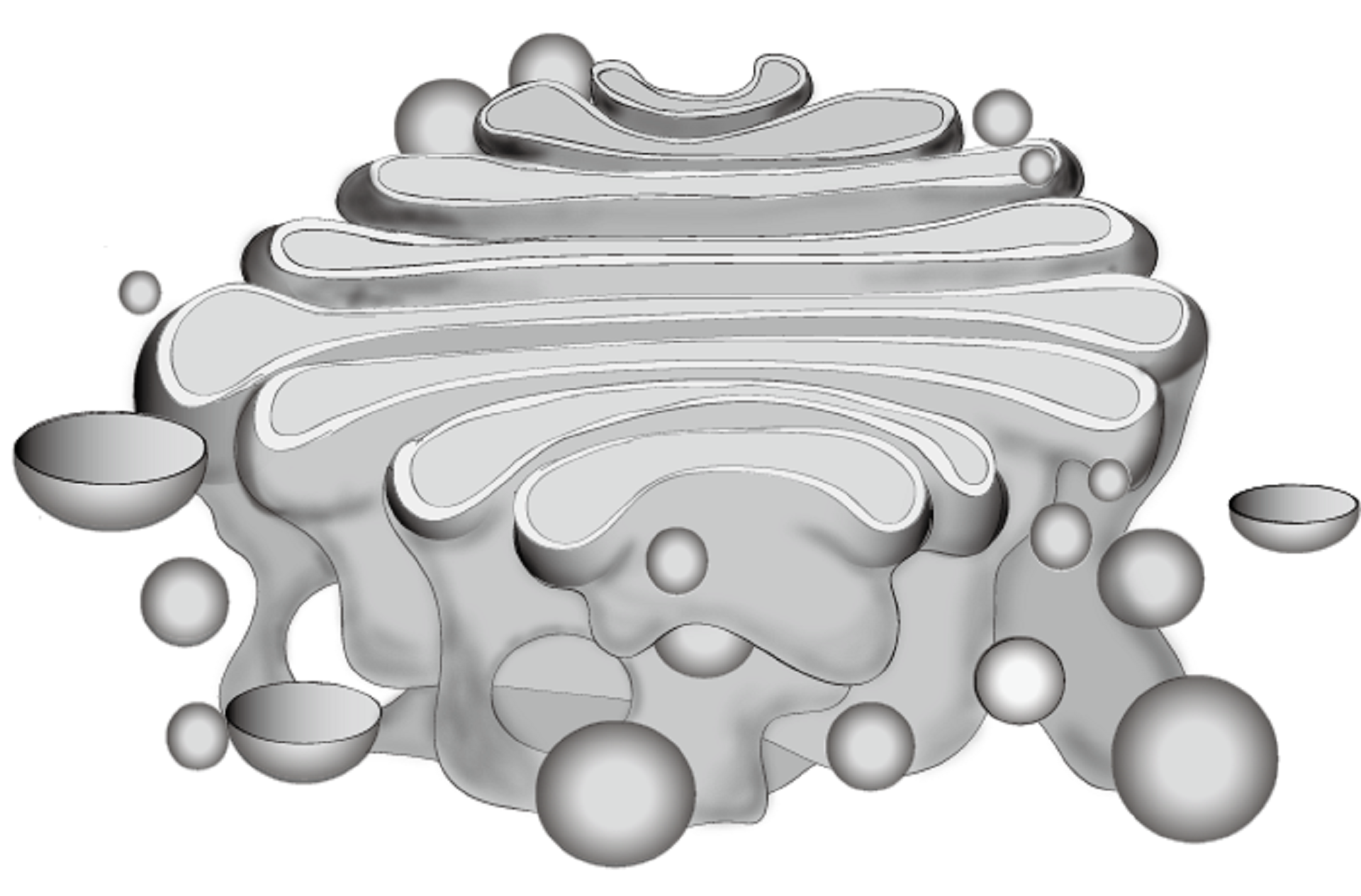
Golgi, Golgi bodies, Golgi apparatus, Golgi complex... these names all represent the same organelle. It's a collection of flattened sacs, held within a membrane. It continuously forms at one end - as incoming transport vesicles attach themselves, and breaks up at the other end, as newly-laden vesicles flow out.
In between incoming and outgoing vesicles, membrane-bound sacs first unpack, and then regroup and repackage lipids, proteins and other molecules to be sent out of the cell.
It seems that, the more we investigate cell biology, the more it resembles an actual manufacturing business, doesn't it? Soon, we will have to leave that idea behind, though.
The Cytoskeleton
Besides the cytoplasm, the cytoskeleton reinforces the cell’s structure. This skeleton consists of
protein filaments that enable cell movement and make intracellular transport easier. Cells may have up to three different types of filaments
microfilaments
intermediate filaments
microtubules
Lysosomes
Lysosomes are spherical, membrane-bound and abundant only in animal cells.
They contain digestive enzymes; they swing into action when it's time to dispose of old cell parts. Lysosomes don't simply consume those waste and unwanted parts. They break them down and recycle them. When a cell has reached the end of its 'life', lysosomes eliminate them.
Our white blood cells have lots of lysosomes because they're our first line of defence against any viral or bacterial attack.
Obviously, lysosomes can't simply be turned loose lest they get to work on recycling the cell when there's been no call for that to happen yet. Thus, those digestive enzymes are kept separate until needed. Apoptosis - programmed cell death is one of those instances.
Organelles Unique to Plants
Animals are heterotrophs. Everything they need to maintain homeostasis - proteins, minerals, carbohydrates and water, they must ingest. By contrast, plants are autotrophs; they make their own food with just a few ingredients so they have to have the mechanisms to make it happen5.
Chloroplasts
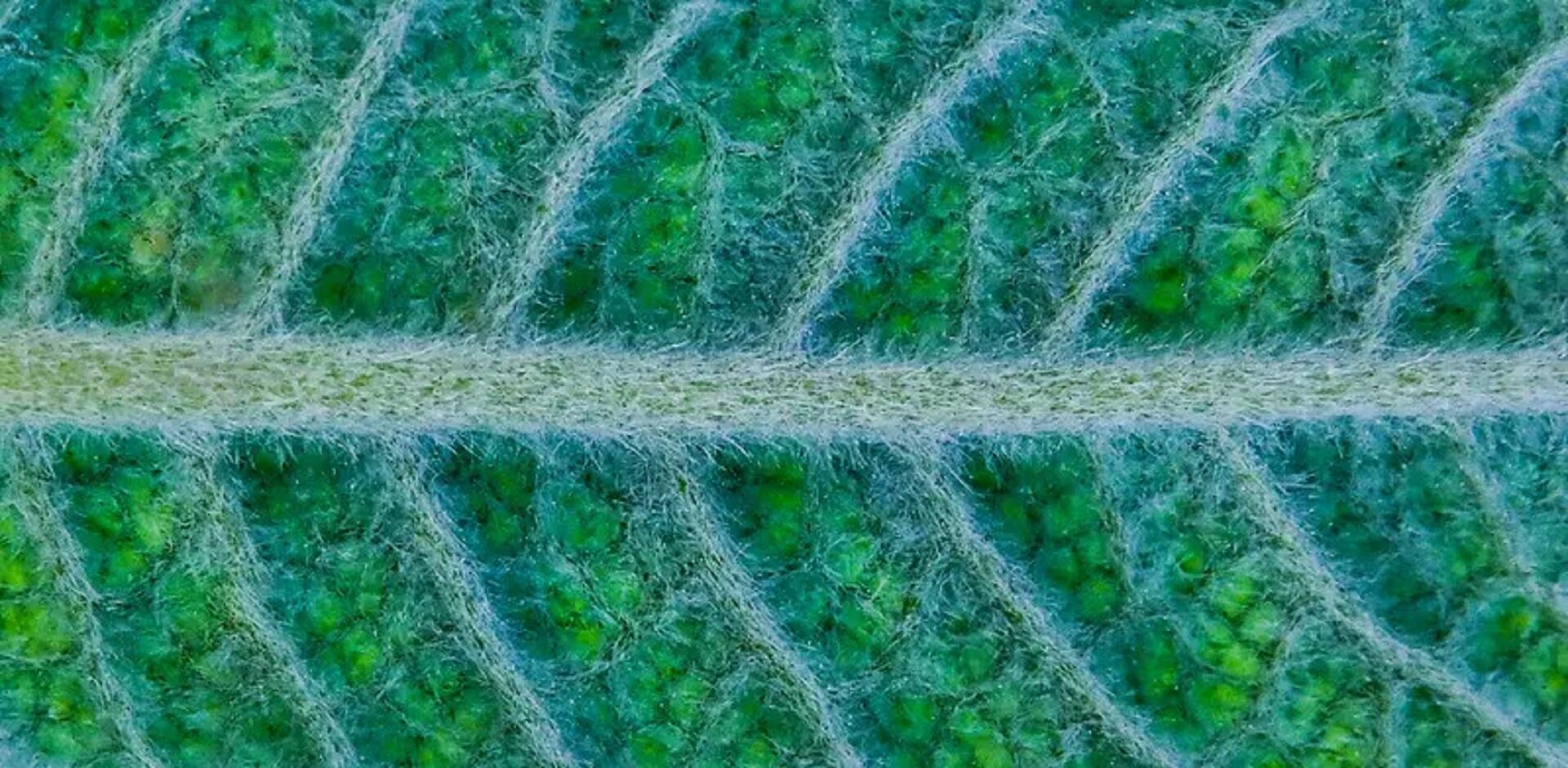
One such component is light, which turns into chemical energy used to convert carbon dioxide and water into sugar in oxygen. The organelles that capture and convert light energy are called chloroplasts.
1. They are filled with chlorophyll, which is adept at collecting light energy.
2. The chloroplasts use this energy to make glucose.
3. The glucose is then transferred to the mitochondria to power its cellular respiration.
Cell Walls
Eukaryote cells in animals have substantial support from the tissues and skeleton, and from the interstitial fluids that bathe the inside of such organisms. Plant cells do not have such an extensive support system; that's why plant cells have walls.
Plant cell walls are made of cellulose, a fairly rigid substance that helps plant cells maintain their regimented, relatively square shape. By contrast, animal cells may take on a variety of shapes. Plant cell walls protect and support plant cells.
Vacuoles
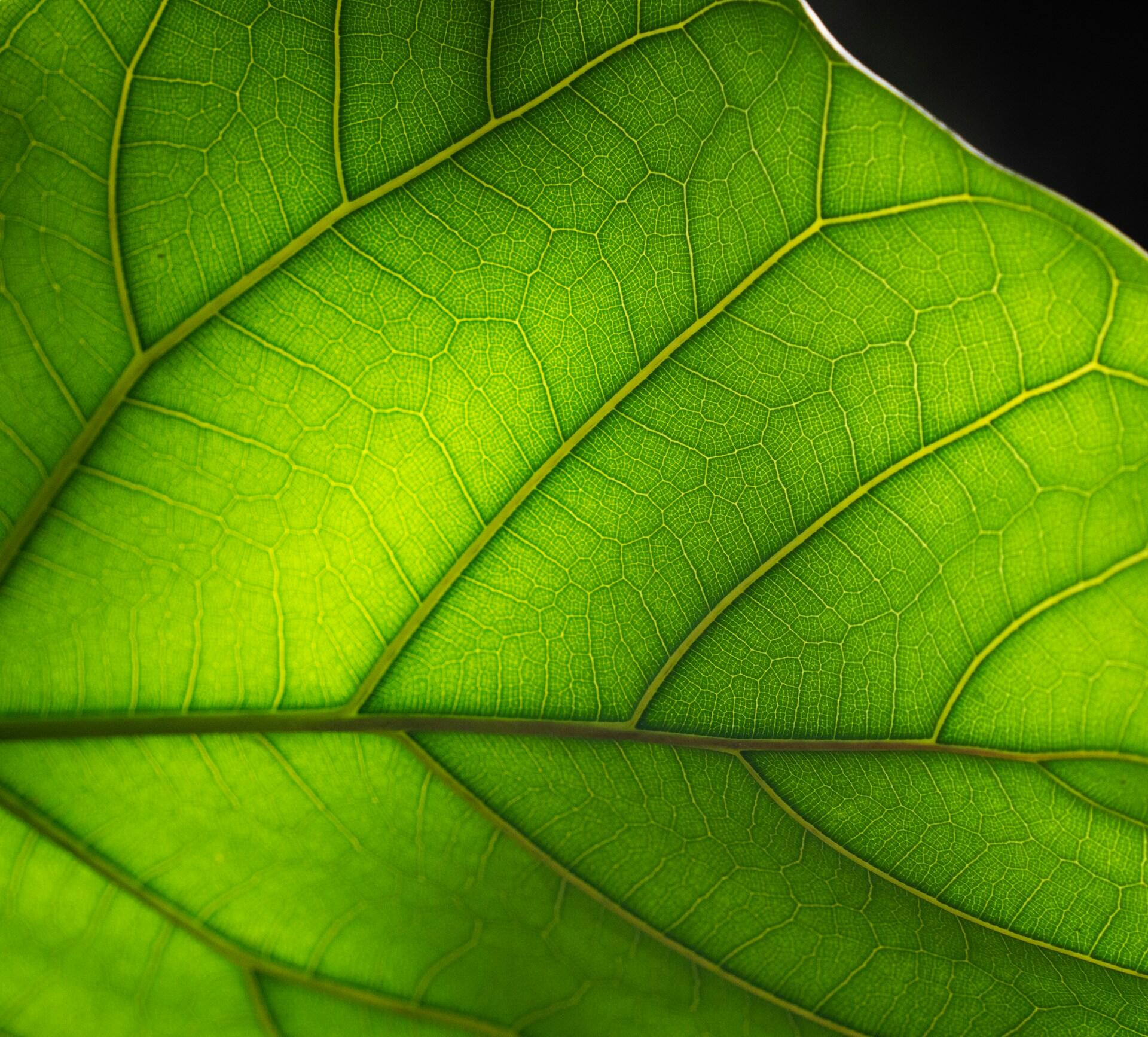
Further structural support comes from within the cells; from the vacuoles. These organelles are the largest of all the plant organelles and they fulfil many functions.
If you've ever forgotten to water your plants, thereby causing them to wilt, it is because the vacuole's water supply has been depleted; it is now shrunken and atrophied within the cell. If it hasn't been too long since you neglected to water it, giving them a good drink will refill the vacuoles so that they may resume their full-up shape and revitalise your plant.
We can further state that, comparing the structure of plant and animal cells, vacuoles in plants take up far more of plant cells' inner space than lysosomes do in animal cells.
Learn More About Cell Organelles and Their Functions
- Cooper, John A. “Cell | Definition, Types, & Functions.” Encyclopædia Britannica, 6 Feb. 2019, www.britannica.com/science/cell-biology. Accessed 27 Jan. 2026.
- Latham, Kate. “Types of Cells.” Biology Dictionary, 6 May 2021, biologydictionary.net/types-of-cells/. Accessed 27 Jan. 2026.
- GeeksforGeeks. “Cell Membrane.” GeeksforGeeks, 30 May 2022, www.geeksforgeeks.org/biology/cell-membrane-functions-structure/. Accessed 27 Jan. 2026.
- Sapkota, Anupama. “Cell Organelles- Structure and Functions with Labeled Diagram.” Online Microbiology Notes, 2 May 2020, microbenotes.com/cell-organelles/. Accessed 27 Jan. 2026.
- MyEdSpace. “What Organelles Are in Plant Cells but Not Animal Cells? - MES.” MyEdSpace, 11 Dec. 2024, myedspace.co.uk/blog/post/what-organelles-are-in-plant-cells-but-not-animal-cells. Accessed 27 Jan. 2026.
Summarise with AI:
Did you like this article? Leave a rating!


 Loading...
